





Rich Ryan
Luxury Travel Expert
Not sure yet? Talk to an expert · +1 888 931 0363
Or talk to us +1 888 931 0363
Tailor-made trips for 2027 & 2028
Private tours, bespoke itineraries and curated journeys across Botswana.
Tailor-made, always
Every itinerary shaped around your dates, pace and preferences.
One dedicated expert
The same person from the first conversation until you return.
Decades of experience
Over 35 years shaping bespoke journeys for discerning travelers.
Explore the Okavango Delta, the Kalahari, and Chobe through tailor-made luxury safaris designed around privacy, conservation and extraordinary wildlife encounters.
At Do Not Disturb, we match you with one of our dedicated Botswana luxury travel experts who designs a tailor-made itinerary around how you want your time away to feel. With deep destination knowledge and meticulous planning behind the scenes, we transform complex travel into something effortless and entirely your own.
The world without distraction.
Request a quoteBotswana chose a different path from the rest of Africa, protecting its wilderness through low-volume, high-value tourism rather than mass safari travel. The result is an extraordinary experience: private concessions larger than some countries, exceptional guiding, and landscapes ranging from the flooded channels of the Okavango Delta to Chobe’s elephant herds and the vast emptiness of the Kalahari. At Do Not Disturb, our specialists design every journey around the experience you want to have, combining remote camps, seamless logistics and tailor-made itineraries that allow you to explore one of the world’s last great wilderness destinations in complete comfort.


Every itinerary is a starting point. Your expert reshapes the places, hotels and pace around you.
Request a quote Walking Safari in the Tuli Block
A multi-day walking safari through the Tuli Block with a guide and tracker, covering elephant migration corridors and baobab forests along the Limpopo River.
 Walking with the San in the Central Kalahari
A morning on foot with San guides in the Central Kalahari, covering tracking, plant knowledge, and fire-making on land their community has occupied for tens of thousands of years.
 Sunset on the Makgadikgadi Salt Pans
An evening on one of the largest salt flats on Earth, where the light at dusk and the silence produce something no other landscape can.
 Mokoro Through the Okavango Delta
A dawn journey by dugout canoe through one of the world's largest inland water systems, guided by a poler who has navigated these channels their whole life.
Travel guide
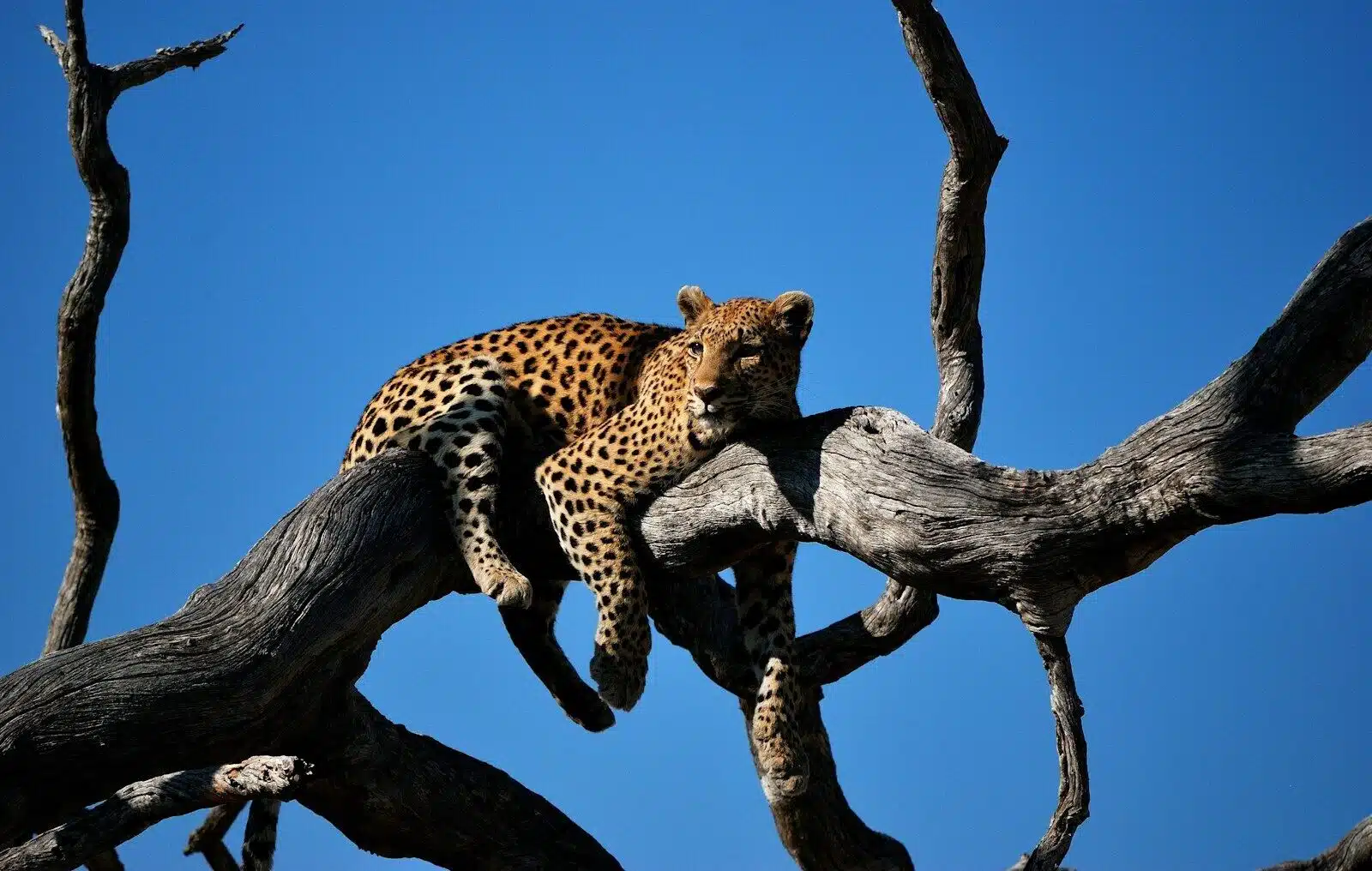
Botswana divides into several distinct safari ecosystems, each requiring separate logistics and delivering a different experience. Most itineraries fly between areas on light aircraft, with Maun serving as the main hub for the Okavango and northern Botswana, and Kasane for Chobe and the Victoria Falls connection.
The Okavango Delta is the centerpiece of most itineraries. It operates seasonally, with the annual flood from Angolan rains arriving between March and June and receding through the dry season. Peak flood months of July and August push wildlife density to its highest point, with animals concentrated around the permanent water of the channels and islands. The experience shifts between wet-season water-based activities, including mokoro and motorboat, and dry-season land-based drives as the flood recedes.
Chobe National Park in the north offers the most accessible introduction to Botswana’s wildlife volumes, with boat safaris on the Chobe River producing elephant, crocodile, and birdlife encounters that are reliably exceptional. The private Linyanti and Selinda concessions to the west of Chobe are significantly more exclusive and hold very few camps.
The Makgadikgadi Pans offer a landscape found nowhere else on Earth: vast white salt flats that flood seasonally to host Africa’s second-largest zebra migration, before drying into an otherworldly wilderness where meerkats happily climb onto visitors for a better view of the horizon.
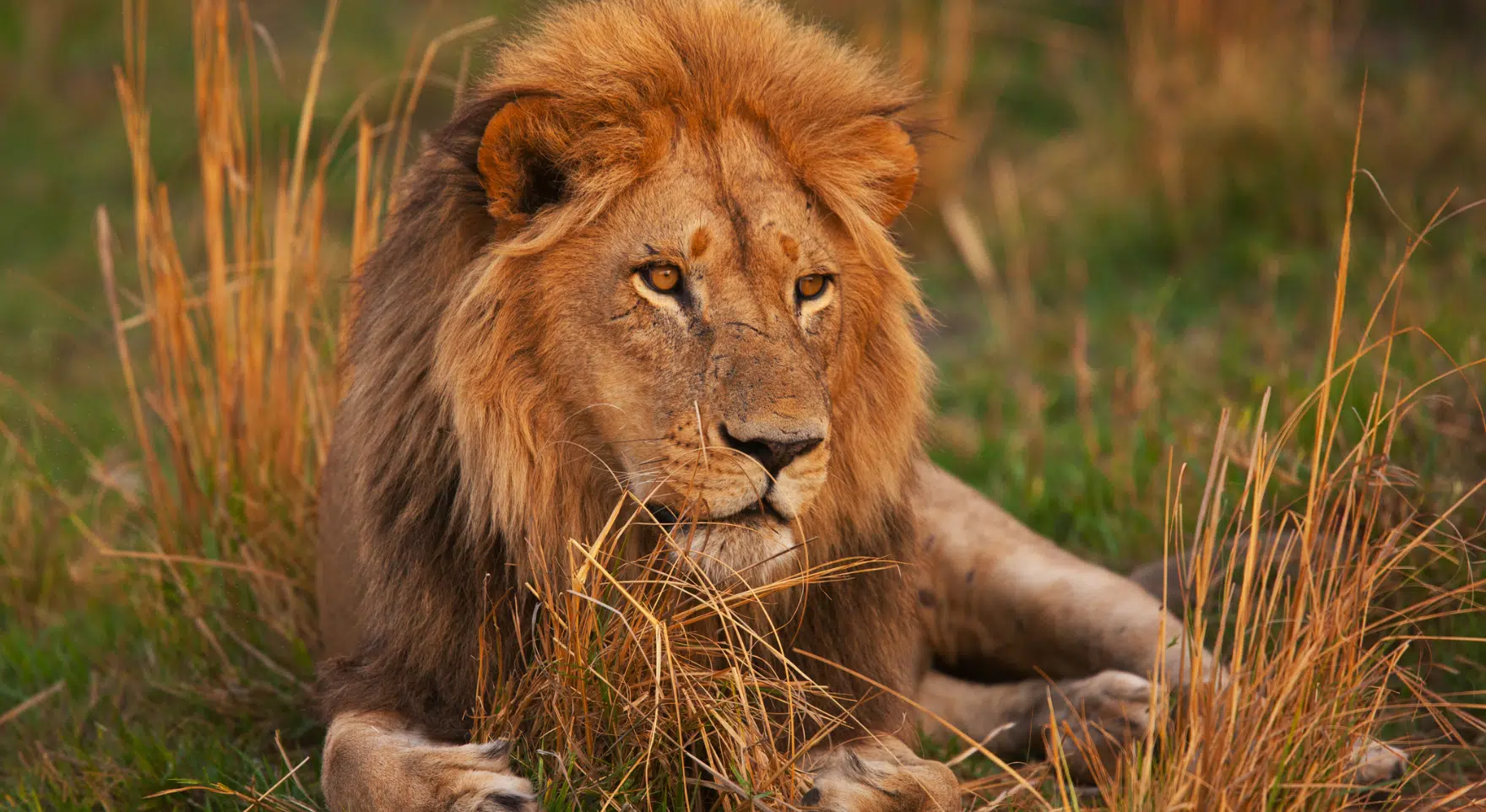
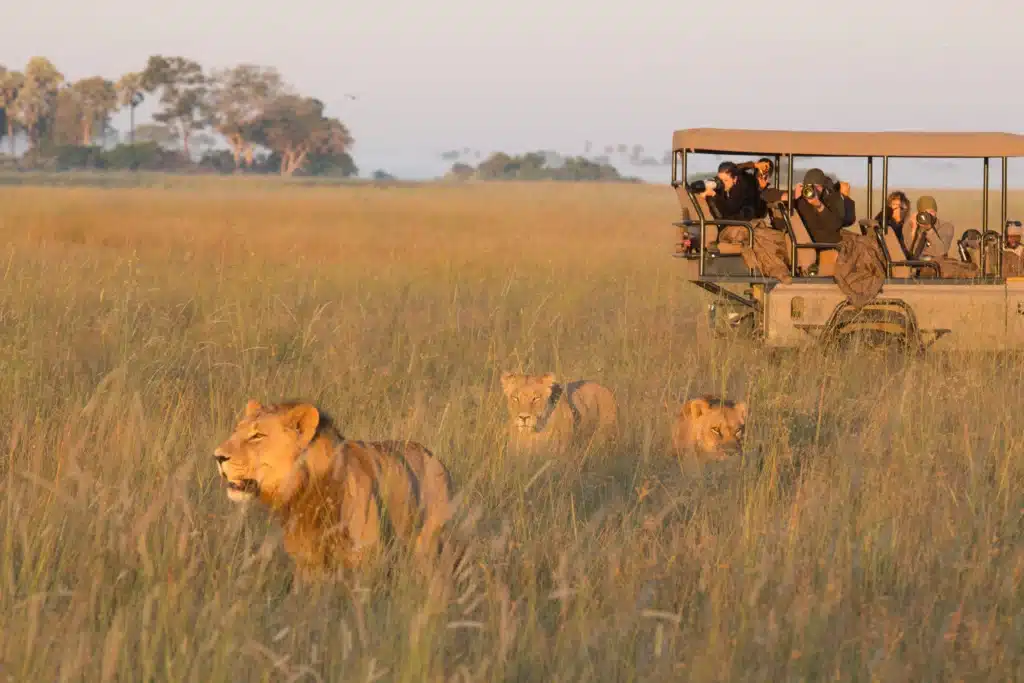
Botswana’s concession system means game drives here operate under different conditions to any national park safari. A single camp might have access to hundreds of thousands of acres with no shared vehicle traffic. Guides here tend to sit on game for longer, without the pressure of other vehicles arriving. The predator sightings, particularly wild dog and cheetah, reflect this.
Beyond the mokoro, the Delta supports motorboat excursions through deeper channels, fishing for tigerfish, and walking safaris on the permanent islands. The combination of water-based and land-based activity within a single stay is one of the defining pleasures of an Okavango camp.
Most Botswana itineraries extend naturally to Victoria Falls, accessible via Kasane or by light aircraft into Zimbabwe or Zambia. At over a mile wide, the falls produce a volume and spectacle that photographs consistently underdeliver on. Surrounding activity options include white-water rafting on the Zambezi, helicopter flights over the falls, and some of southern Africa’s best-positioned lodges for viewing the gorge.
The second-largest game reserve in the world, and one of the least visited. The Kalahari supports black-maned lions, oryx, and the San Bushmen whose ancestors have inhabited this desert for 20,000 years. A few exceptional camps operate here; the sense of isolation is absolute. This is for travelers who have done the Okavango circuit and want something harder to reach.
Most travelers fly past the pans on the way to the Delta. Those who stop encounter one of Africa’s most surreal environments: flat white salt beds that extend to every horizon, with meerkats socialized to human presence, and a zebra migration from November through April that rivals the Serengeti in scale if not in reputation.
A seasonal waterway that connects the Okavango and Linyanti systems, the Selinda runs with water roughly every decade and is one of the most remote and rarely visited areas in northern Botswana. A handful of specialist operators run canoe expeditions here. The wildlife corridor it creates when active concentrates animals in extraordinary numbers.
The dry season, from May to October, is Botswana at its most rewarding: warm days of 70–84°F, cold nights and wildlife drawn to the permanent waters, with July and August bringing the Okavango into full flood. From November to April the green season arrives, with afternoon storms, newborn wildlife, migratory birds and noticeably softer camp rates.
Botswana’s safari seasons are shaped by two dynamics: rainfall and the Okavango flood cycle. The two operate independently, with the flood arriving from Angola months after the local rains have ended.
The dry season from May through October is the classic safari window. Vegetation thins, wildlife concentrates around permanent water, and game viewing is at its most consistent. Days are warm (70–85°F), nights cold in June and July (dropping to 40°F in the Kalahari), and skies are consistently clear. July and August represent peak season: the Okavango is at full flood, predator activity is high, and the weather is reliably dry.
The green season from November through April brings afternoon thunderstorms, lush bush, and significantly lower camp rates. Wildlife disperses but remains present, migratory birds arrive in large numbers, and calving season produces predator-prey activity of its own. The Delta channels are at their lowest, limiting water-based activities in many areas, but the Linyanti and Chobe remain strong. This is the season for experienced safari travelers who understand the trade-offs and want the solitude and value that come with them.
Maun Airport (MUB) is the primary gateway for the Okavango Delta and northern Botswana, reached via Johannesburg (O.R. Tambo, JNB) on South African Airways or Air Botswana, with connections from major US gateways including New York (JFK), Washington Dulles, and Atlanta. Total travel time from the US East Coast is approximately 18–20 hours including the Johannesburg connection. From London Heathrow, direct flights to Johannesburg take around 11 hours, with onward connections to Maun of 1.5 hours.
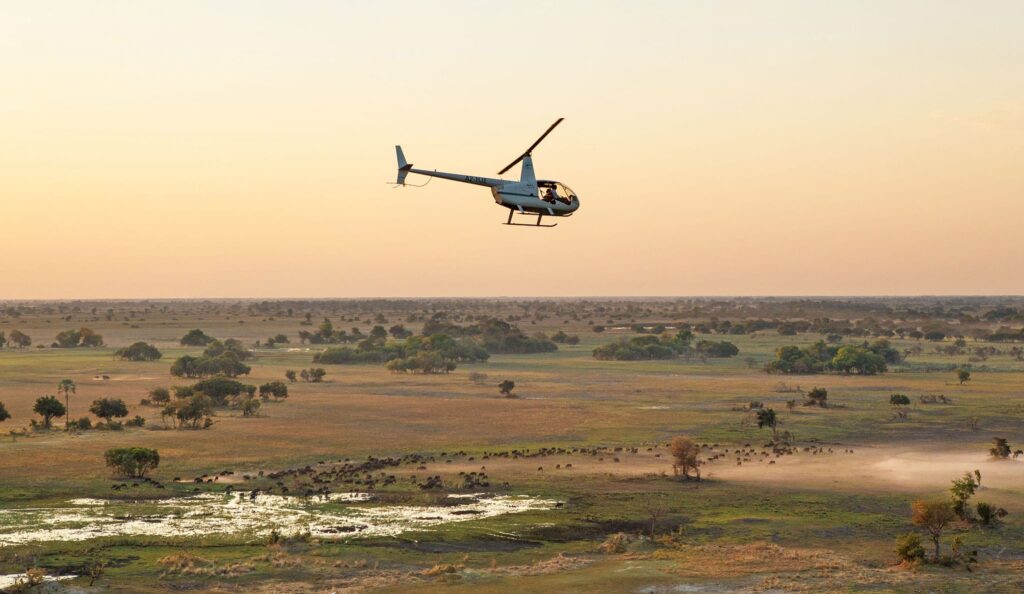
Kasane Airport (BBK) serves Chobe and the Victoria Falls circuit, also via Johannesburg. Most Botswana itineraries involve at least one light aircraft transfer between camps, booked as part of the overall itinerary and included in camp rates. These transfers are an essential part of the experience, offering aerial views of the Delta and surrounding wilderness between properties.
Botswana requires no visa for US, UK, Canadian, or Australian passport holders for stays of up to 90 days. Yellow fever vaccination is required for travelers arriving from countries with risk of transmission. Malaria prophylaxis is recommended for all safari areas. Confirm current health entry requirements before departure.
Planning a trip to Botswana? We will match you with an expert who knows it well.
Plan your Botswana journey 3 min read
Malaria-Free Safaris in South Africa, Namibia & Botswana
For many travelers, the appeal of a safari is immediate. For others, concerns around malaria medication can create hesitation. The reassuring reality is that some of Southern Africa’s most respected…
 4 min read
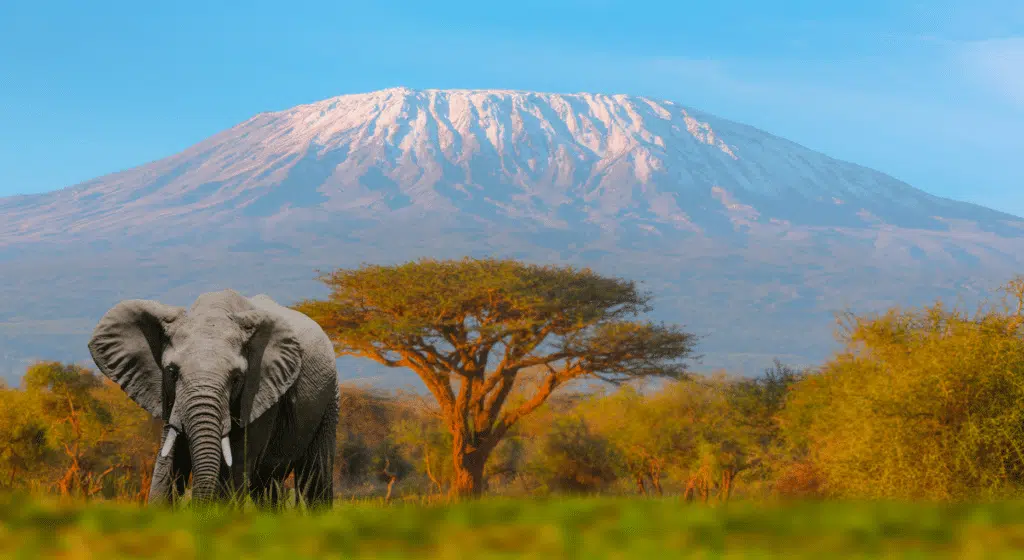
Tanzania vs. Botswana: Which African Safari Should You Choose?
A comparison of Tanzania and Botswana's safari philosophies, from the Serengeti's high-volume wildlife encounters to Botswana's low-density concessions and controlled wilderness access.
 5 min read
Why Botswana Is Africa’s Most Exclusive Safari Destination
Botswana's decision to limit visitor numbers is the foundation of what makes it exceptional, producing one of the most controlled and rewarding luxury safari experiences on the continent.
5 min read
The Okavango Delta: Africa’s Most Unique Safari Destination
The Okavango Delta, a UNESCO World Heritage Site in northern Botswana, floods on a seasonal cycle, transforming the Kalahari into one of Africa's most biodiverse wilderness areas.
 6 min read
Best Honeymoon Destinations for Autumn
Most honeymoon planning defaults to summer, or to whichever destination is warmest on the day of the wedding. Autumn deserves its own shortlist. It is grape harvest in Italy, dry…
 8 min read
Where to Go On Honeymoon? A Guide to Help You Choose
The honeymoon is the first major travel decision a couple makes together, and the range of what it can be, remote and silent, culturally immersive, or gastronomically driven, is wider than…
You are matched with an expert who knows Botswana, and the same expert looks after you from the first conversation until you return.
Luxury Travel Expert

Luxury Travel Expert

Luxury Travel Expert
Our team brings over 35 years of experience in luxury travel, shaping bespoke journeys for discerning clients worldwide.
See more reviews on TrustpilotOur trip was truly magical and full of core memories that will last us a lifetime.
“We just returned from an incredible journey through Ireland, and we couldn’t have had a better experience”
“This was a flawless experience. They took all our thoughts and perfectly curated the most beautiful honeymoon.”
Yes. Every Botswana itinerary is a starting point: your Botswana travel expert shapes each journey around your dates, pace and preferences.
The dry season, from May to October, is Botswana at its most rewarding: warm days of 70–84°F, cold nights and wildlife drawn to the permanent waters, with July and August bringing the Okavango into full flood. From November to April the green season arrives, with afternoon storms, newborn wildlife, migratory birds and noticeably softer camp rates.
Our Botswana itineraries run from 9 to 12 days. Your expert can shorten or extend any of them around your plans.
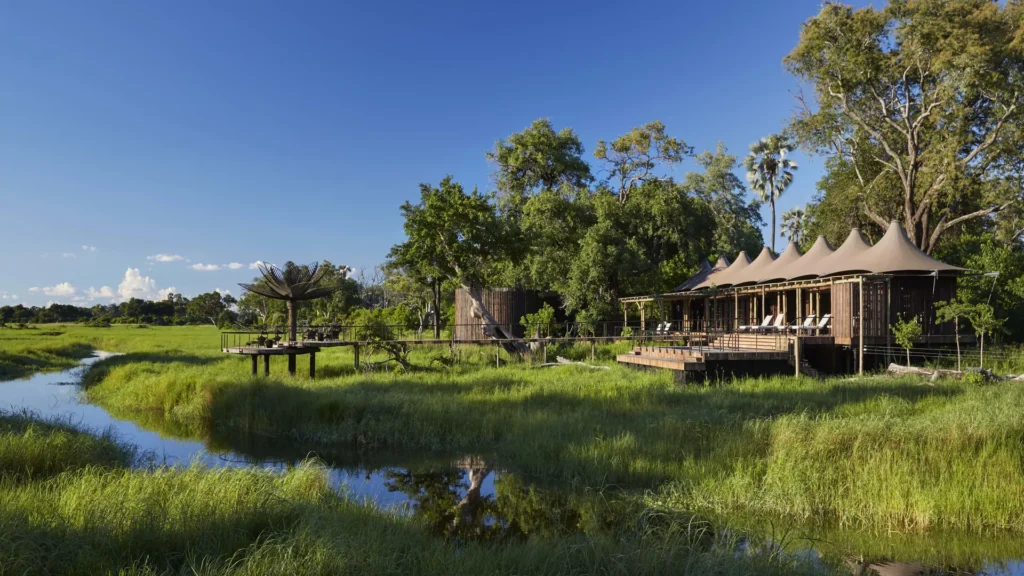
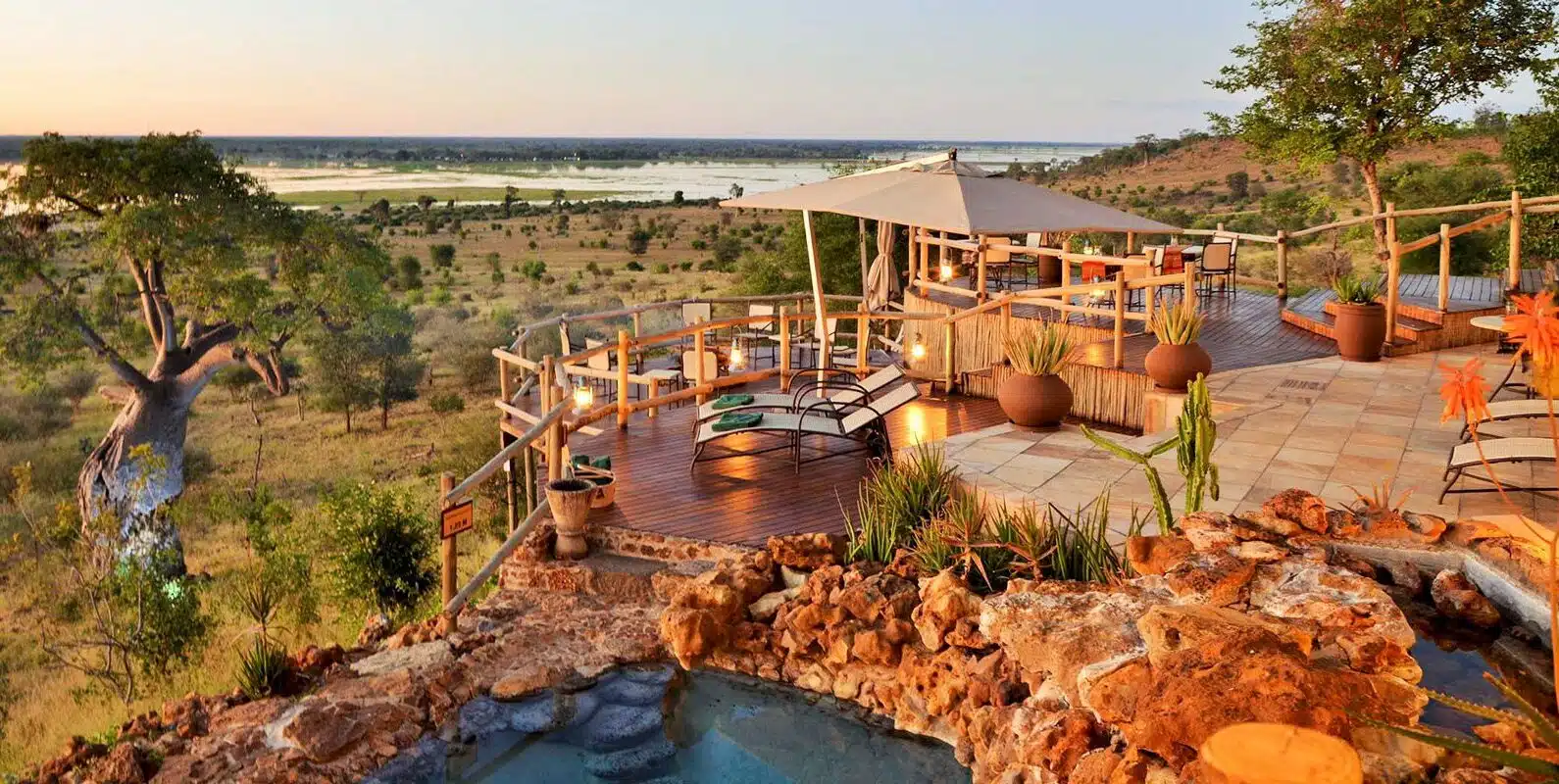
Among the hotels our experts recommend most are Zarafa Camp, Wilderness Mombo Camp and Xigera Safari Lodge. See all our hotels in Botswana.
Highlights include Walking Safari in the Tuli Block, Walking with the San in the Central Kalahari and The Serengeti: A Night Inside the Migration, and your expert will build the experiences that matter most to you into your itinerary.
Yes. Our journeys pair Botswana with South Africa, and your expert can link it with almost anywhere we travel.
We design tailor-made luxury journeys. You tell us what you have in mind, whether a destination, a feeling or a celebration, and a dedicated travel expert shapes a private itinerary around you, then takes care of every detail before, during and after your trip.
Yes. Every itinerary on our site is a starting point. Your expert shapes the places, hotels, pace and length around your dates and preferences, or begins with a blank page.
In three steps. We listen: you share your dates, ideas and budget by phone or through our inquiry form. We curate: your expert designs a private itinerary and refines it with you until it feels right. You travel: every detail is handled, with support throughout your journey.
Our team brings over 35 years of experience in luxury travel. You are matched with an expert who knows your destination, and the same expert looks after you from the first conversation until you return.
It depends on your dates, hotels and length of stay. Each suggested itinerary shows a "from" price per person, and your expert prepares a detailed proposal for the journey you have in mind.
Tell us how you want to feel, we’ll take it from there.
Or talk to us +1 888 931 0363
Planning your trip should feel effortless.
You share what matters, whether it is a destination, a feeling, or a moment worth celebrating.
Your dedicated expert shapes a thoughtful, private itinerary tailored entirely around you.
Every detail handled. Every moment considered. Support before, during, and after your journey.
Begin your journey
Tell us how you want your time away to feel. Your dedicated expert will be in touch to begin shaping it around you.
Or speak with us
+1 888 931 0363




Your enquiry goes straight to one of our travel experts, who will reply to you personally.
Rich, Delwyn, Jemima and the team