

On this page
The honeymoon is the first major travel decision a couple makes together, and the range of what it can be, remote and silent, culturally immersive, or gastronomically driven, is wider than most realize. This guide matches eight distinct trip types to eight distinct kinds of couples, cutting through the noise to help you identify the honeymoon that actually fits.
Knowing What You Want Before You Book
Most honeymoon mistakes are made before a destination is chosen. Couples default to what is expected, a beach resort, a European city, or a safari, without first identifying what kind of travelers they actually are together. The result is a trip that looks right on paper but fails to reflect the relationship it is meant to mark.
The more useful starting point is compatibility between the couple and the trip type. A pair who rarely sit still will not find satisfaction in a week of enforced relaxation. A couple who prioritize food and culture will lose something significant in a resort designed to keep them on-site. These are not minor mismatches; they determine whether the trip is memorable for the right reasons.
What follows is a structured approach to that decision. Eight trip types, each matched to a specific kind of couple, based on travel priorities rather than convention. The goal is to narrow the field before the planning begins.
Sun, Water, and Nothing Else: The Beach Escape
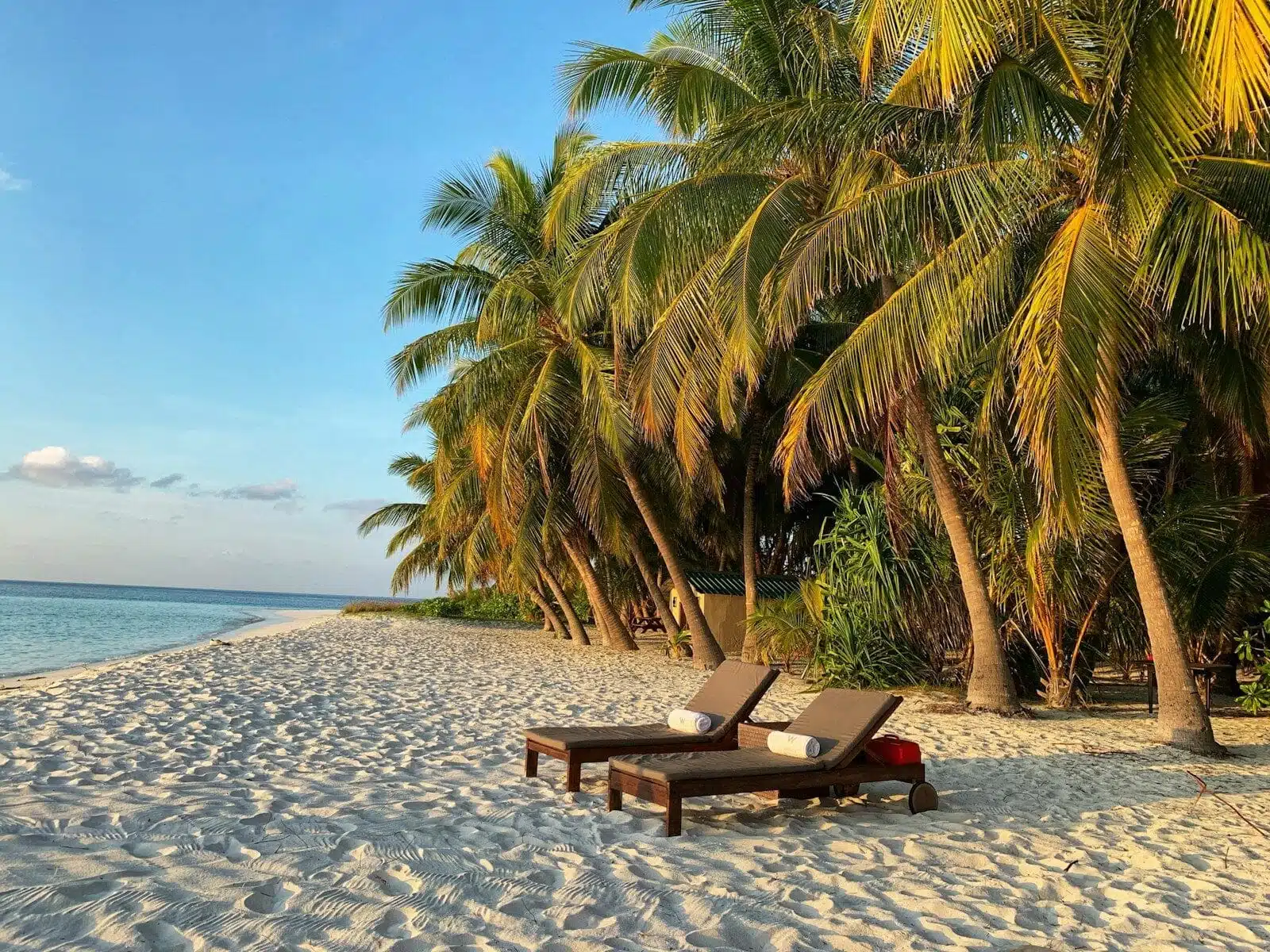
The beach honeymoon is often treated as the default, but the gap between a well-chosen beach destination and a convenient one is significant. Couples who prioritize genuine seclusion, water clarity, and limited neighboring infrastructure are working with a different set of criteria than those simply seeking sun and a pool.
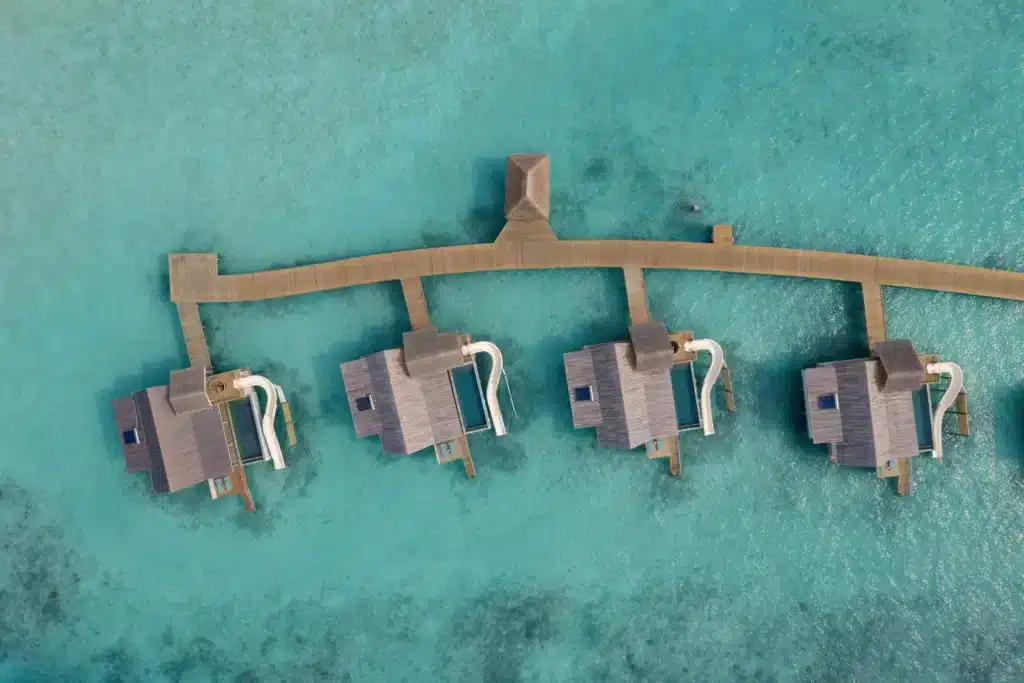
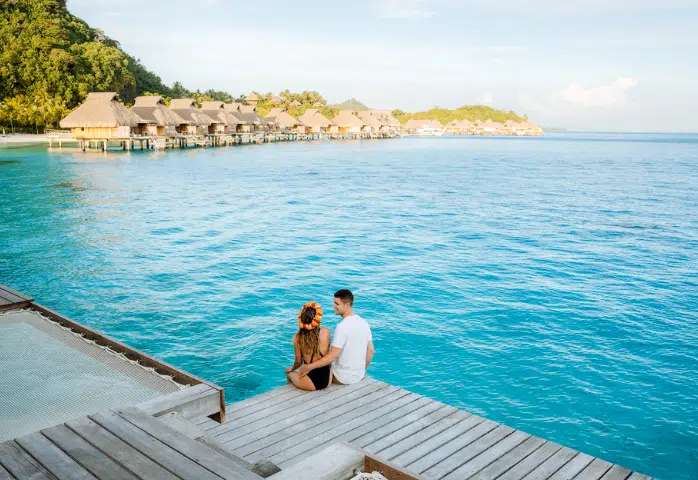
The Maldives remains the clearest case for overwater seclusion, with individual island resorts that limit guest numbers by design. French Polynesia, particularly Bora Bora and the more remote Tuamotu atolls, offers comparable isolation with the addition of distinct Polynesian cultural context. Turks and Caicos, specifically Parrot Cay, provides Atlantic access with a smaller logistical footprint than either.
What separates these destinations from comparable alternatives is not the quality of the beaches alone but the degree to which the surrounding infrastructure has been controlled. Access to the best properties within each location is rarely straightforward, and getting it right is the difference between the perfect honeymoon and a nice hotel stay.
On the Move: Safari and Wilderness Journeys
The safari honeymoon suits couples who want a shared framework for the trip rather than a backdrop for relaxation. Game drives, guided walks, and the rhythm of a structured itinerary create a natural context for engagement, which distinguishes this format from resort-based travel.
East and Southern Africa offer meaningfully different experiences depending on destination. Kenya and Tanzania provide access to large-scale wildlife movement, including the Serengeti-Masai Mara ecosystem, which supports year-round game viewing with seasonal peaks.
Botswana operates at lower visitor density, with concessions in the Okavango Delta and Linyanti region structured around exclusivity and limited access. The camp format matters as much as the destination: smaller, owner-run properties in private conservancies offer a different quality of access than larger lodge operations inside national parks.
For a honeymoon context, destination, camp, and timing have to be calibrated together. Treat any one of them as an afterthought, and it will become evident.

Eating as the Itinerary: Food-Led Honeymoons
For couples who organize travel around what they eat, the destination is inseparable from its food culture. Japan, Italy, and Peru each offer a culinary infrastructure dense enough to sustain an entire itinerary.
In Japan, the distinction between regional cuisines, the role of seasonality, and the concentration of Michelin-recognized restaurants across multiple cities give a food-focused trip genuine structure. A honeymoon built around Kyoto’s kaiseki tradition and Tokyo’s breadth of specialist dining covers significant cultural ground without requiring a single museum.
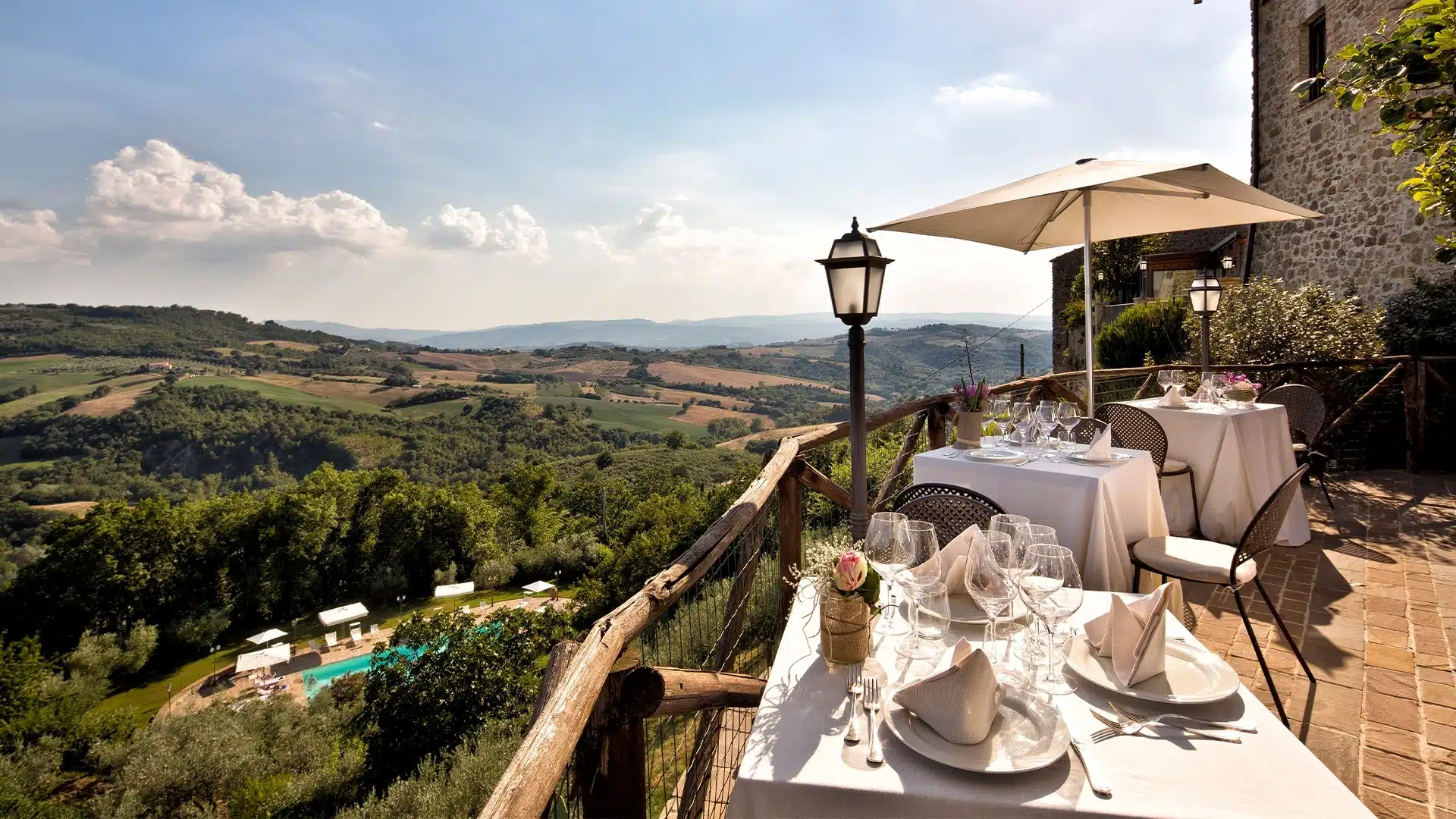
Italy works for those couples willing to move between regions rather than settle in one place. The gap between Piedmontese, Emilian, and Sicilian food cultures is substantial, and understanding it requires time on the ground.
Peru is a fast-growing destination for food-led travel, centered largely on Lima, where a generation of chefs has formalized the country’s diverse culinary heritage into a restaurant culture with international standing.
Access to the most relevant tables in any of these destinations depends considerably on how the trip is put together.
Cities, History, and the Pleasure of Not Switching Off
Not every couple finds stillness restorative. For those who travel best when moving through ideas, neighborhoods, and histories, a city-based honeymoon is not a compromise but the ideal choice.
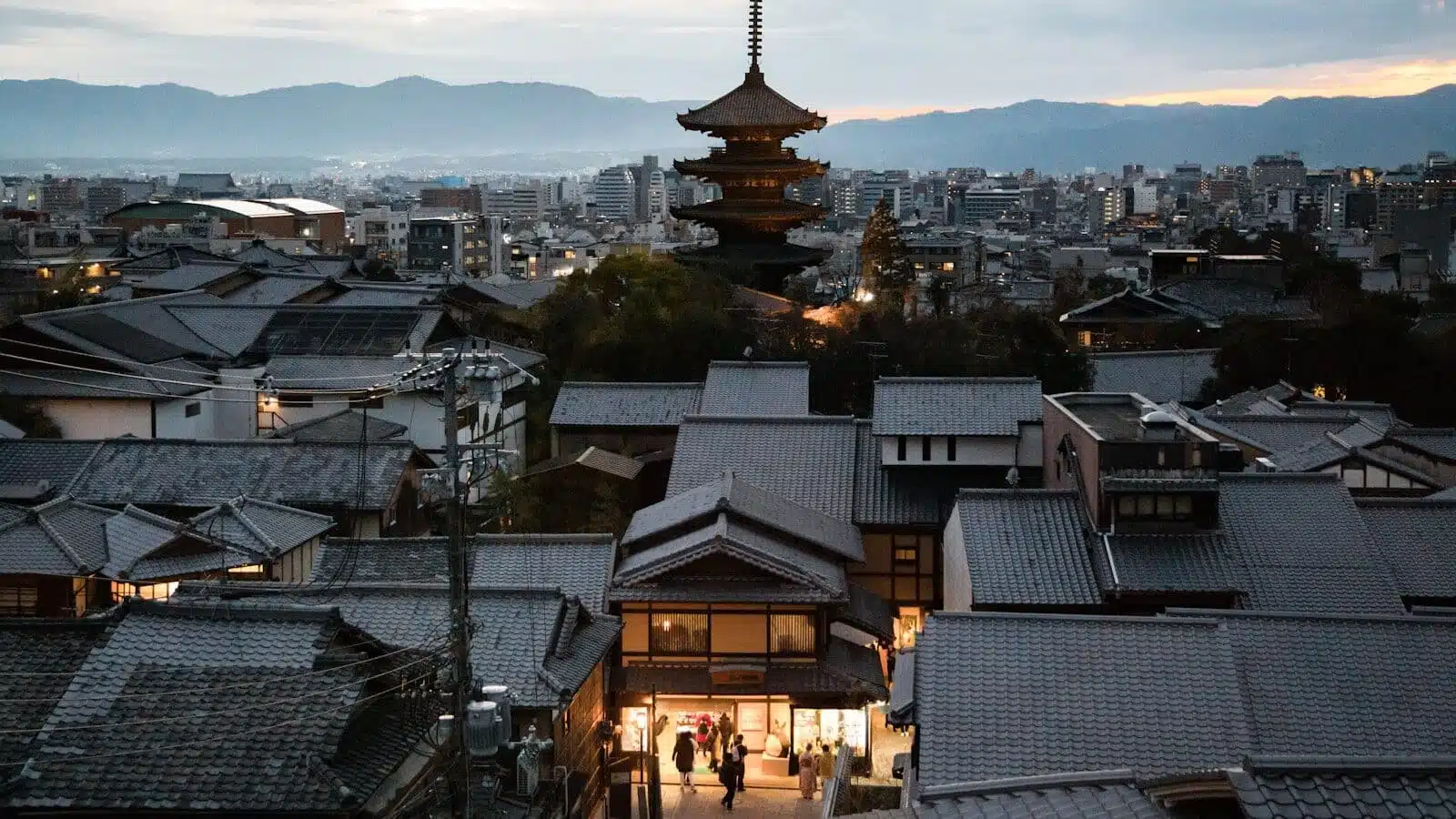
Kyoto rewards couples with an interest in how tradition is maintained under pressure, with intact temple districts, a distinct craft culture, and a food system built around seasonality and restraint.
Lisbon offers a more compressed version of European imperial history, with strong architecture, a serious wine and restaurant culture, and a scale that makes it navigable without over-planning.
Mexico City operates at a different register entirely, combining pre-Columbian heritage, colonial-era urban form, and one of the most dynamic contemporary art and dining scenes in the Americas.
What these cities share is depth that does not exhaust quickly. Getting that depth right depends on which neighborhoods anchor the stay, not how many are checked off.
Following a Single Thread: Arts and Culture Honeymoons
Not every couple wants a destination; some want a subject. A honeymoon can be the ideal occasion to follow a thread across whichever places it runs through.
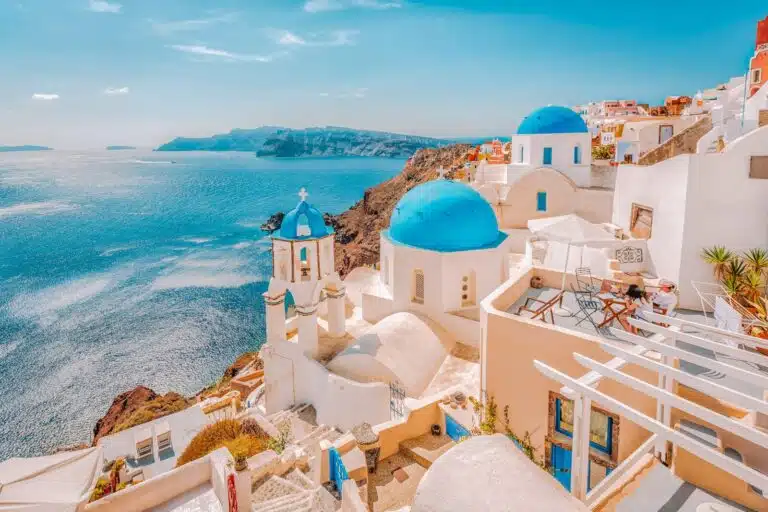
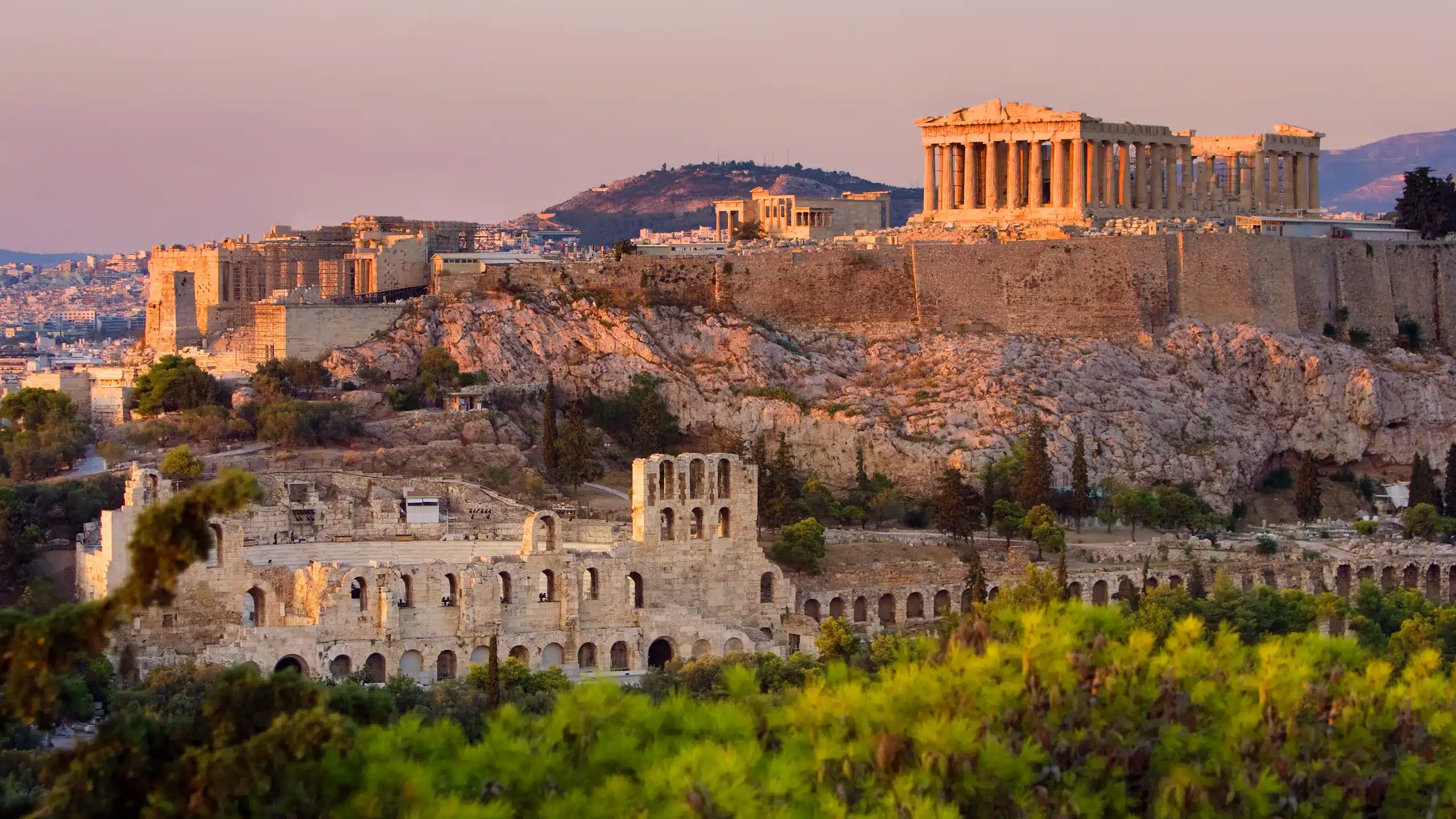
A classical civilization route treats Greece as a sequence rather than a stop: Athens for the Acropolis and its museum, then Delphi, then the Peloponnese, each site building on the last rather than standing alone.
A literary itinerary might move through Rome, Florence, and the Bay of Naples specifically because a poet or a period connects them, with the cities themselves secondary to what happened there. You may even want to follow the journey of a favorite play…
An art history journey built around the Renaissance can pair Florence with the smaller workshops of Siena, tracing a movement rather than settling into a single skyline.
The distinction that matters here is sequencing. A city honeymoon picks one place and stays long enough to go past the surface, while an arts and culture honeymoon picks a subject first and lets it dictate the route. That kind of routing takes real research to get right, and it rarely exists on generic itinerary templates.
Total Privacy: Where to Go When You Want to Disappear
For couples who want genuine removal from ordinary life, the structure of the property matters as much as its location. These are not standard luxury hotels with privacy as a feature; they are properties where separation from other guests is the baseline condition.
Private island resorts in the Maldives and Seychelles operate on limited guest counts by design, with some accommodating fewer than ten couples at a time. Exclusive-use villas in the Aeolian Islands or coastal Costa Rica offer full property buyouts, removing shared spaces entirely.
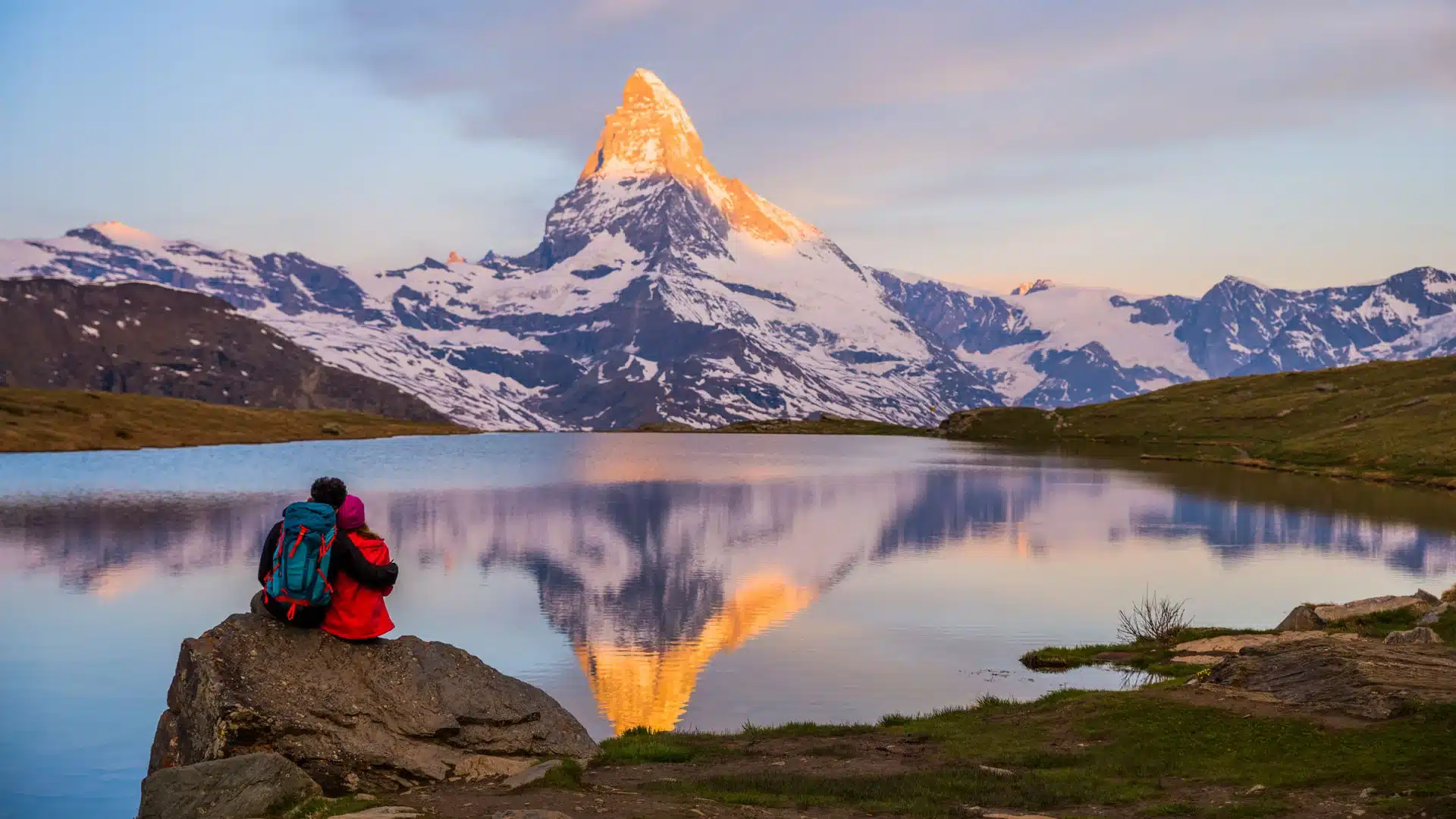
Remote mountain lodges in the Swiss or Austrian Alps provide a different version of withdrawal, one defined by altitude and limited road access rather than water. Several operate on a seasonally restricted calendar, which further reduces availability and reinforces their exclusivity.
Access to the most controlled of these properties is rarely straightforward. Inventory is limited, relationships with operators matter, and the best options are seldom visible through conventional booking channels.

Restoration as the Point: Wellness Honeymoons
Some couples reach their honeymoon in need of relaxation to recover from the stresses of planning, and the honeymoon that follows needs to do more than provide scenery. This kind of honeymoon serves to rejuvenate well-being, and the right destinations are built exactly for that.
Iceland‘s geothermal landscape offers a version of restoration built into the geography itself: the Blue Lagoon is the famous entry point, but the Highlands’ more remote hot springs and the Westfjords’ isolated bathing sites give couples a quieter route to the same effect.
Thailand operates at the other end of the spectrum, with wellness infrastructure so developed that entire resorts in Koh Samui and Chiang Mai are built around multi-day treatment programs rather than a single spa afternoon.
Costa Rica splits the difference, combining jungle and volcanic settings with a wellness culture shaped by the country’s broader emphasis on longevity and outdoor living.
What separates a genuinely restorative itinerary from a resort with a spa attached is the level of program design behind it: sleep protocols, nutrition planned around the couple’s specific state, and treatments sequenced and structured, rather than offered a la carte.

Built for Speed: Thrill-Seeking Adventure Honeymoons
Some couples measure a honeymoon by what they did, not how they rested. For them, the destination has to earn its place through terrain, not scenery.
New Zealand’s South Island covers this brief almost entirely on its own, with heli-skiing, whitewater rafting, and canyon swinging concentrated around Queenstown and Wanaka.
Costa Rica pairs volcano trekking and whitewater with a surf culture strong enough to anchor an entire week, making it one of the few destinations in this guide that answers to two very different kinds of couples.
Patagonia, split between Chile and Argentina, rewards those willing to trade comfort for scale: multi-day treks through Torres del Paine or the Fitz Roy massif, with lodges positioned as basecamps rather than destinations in their own right.
What makes this format work as a honeymoon rather than an expedition is the balance struck between exertion and comfort at the end of the day. Get that ratio wrong, and the trip reads as an ordeal rather than a celebration.
Plan Your Own Version of This Journey
Eight types of honeymoon, and most couples will find themselves gravitating toward one, or perhaps a combination of them.
Whichever it turns out to be, from a private island in the Maldives to a literary route through Renaissance Italy, or a week of heli-skiing above Queenstown, they are all possible with our help.