Florence to Lake Garda: Renaissance Cities and Lakeside Luxury

Florence to Lake Garda: Renaissance Cities and Lakeside Luxury

9 days

|

From $10,000 pp

From Florence’s Uffizi and Oltrarno artisan lanes to a stop in Verona en route to Lake Garda, then five nights across Sirmione’s thermal spas, Salò’s promenade, and the villa gardens of the western shore, this itinerary moves between Renaissance art and Italian lakeside calm across nine days.

At a glance...

This itinerary is built around a contrast that Italy manages better than anywhere else. The first three nights are spent in Florence, a city where the concentration of Renaissance art, architecture, and civic history within a single walkable center produces a quality of cultural experience that no other city in Italy replicates.

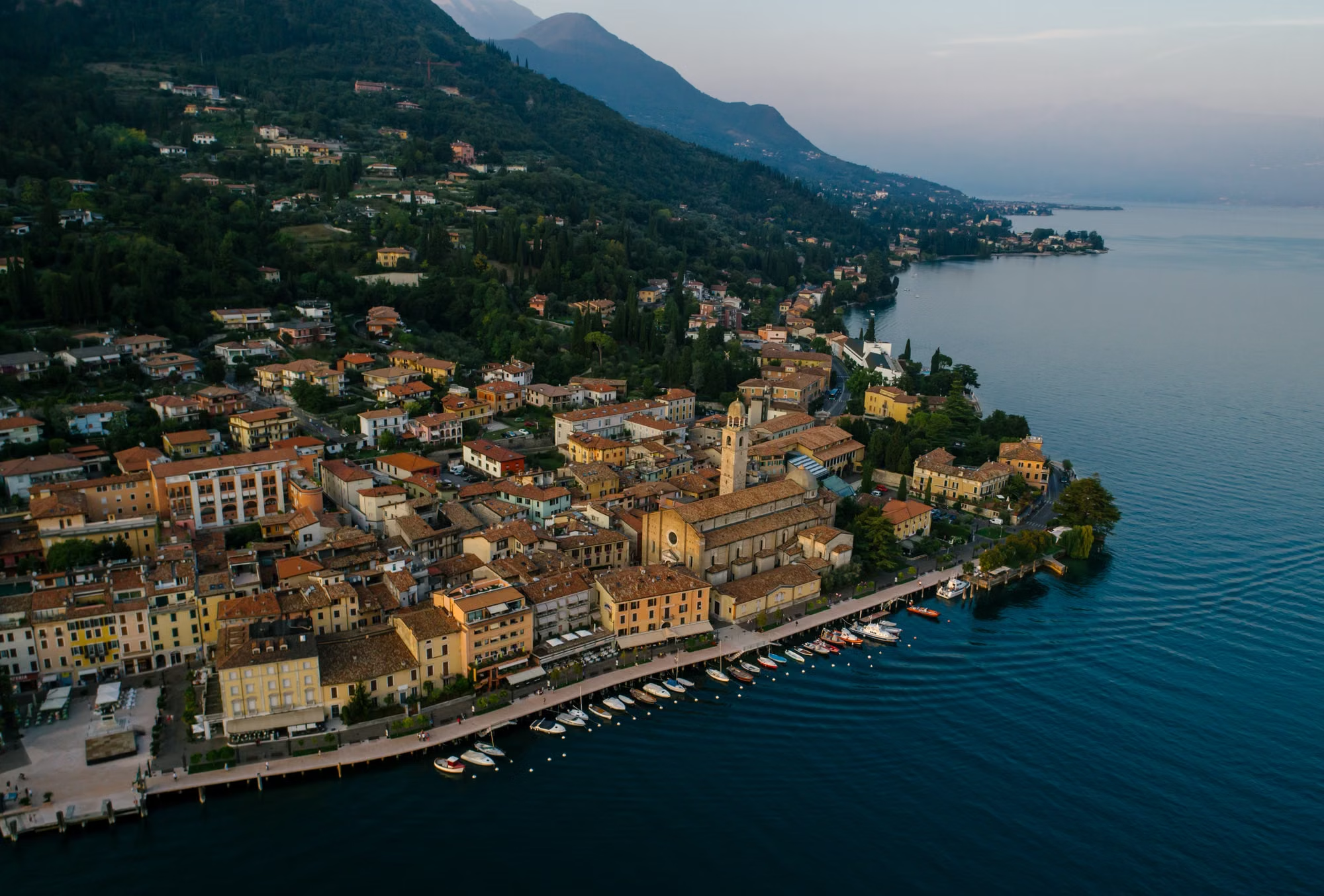
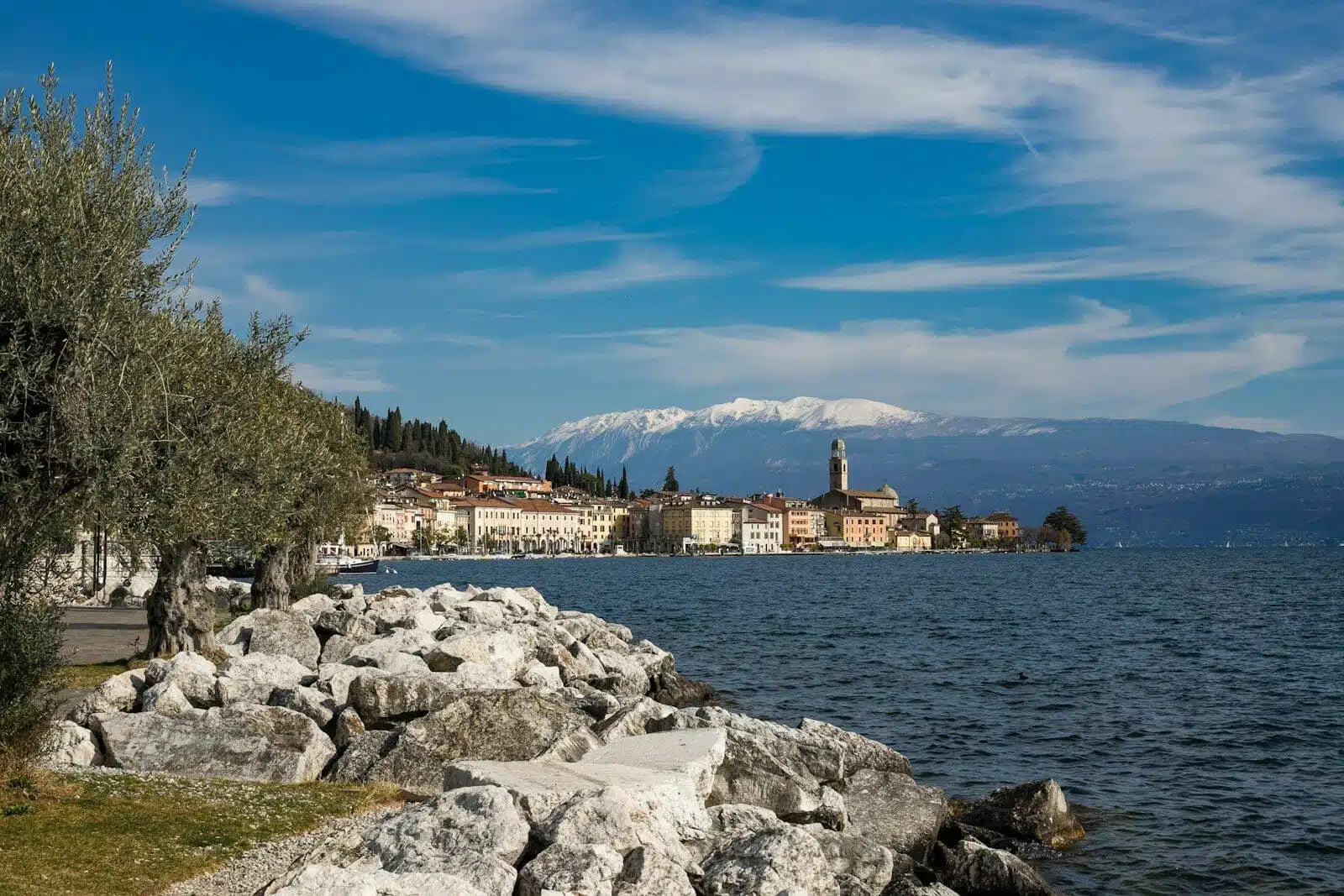
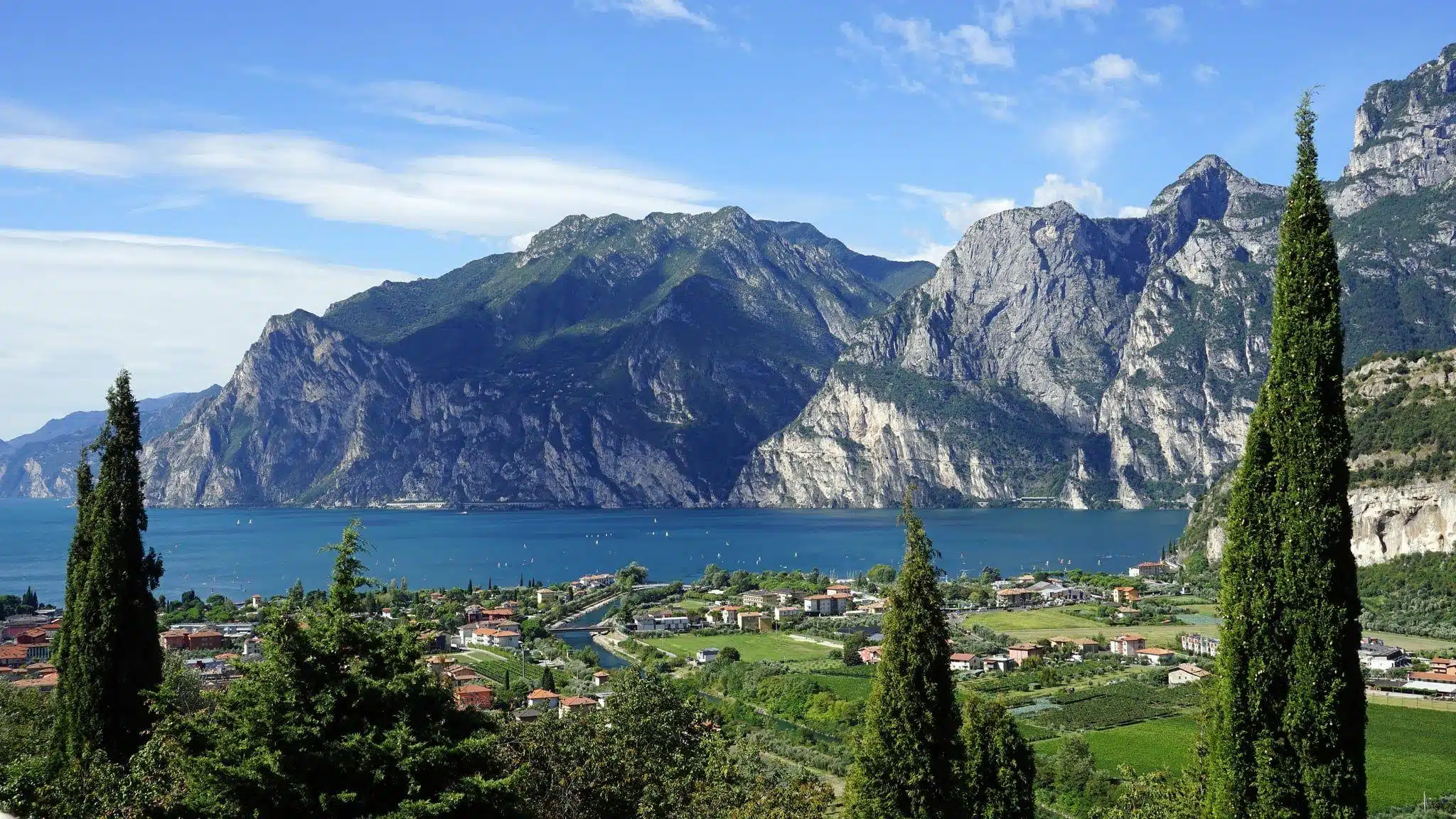
The remaining five nights move west to Lake Garda, Italy’s largest lake, where the pace shifts entirely. The lake sits between the Alps to the north and the Po Valley to the south, with a mild microclimate that allows olive trees, lemon groves, and cypress avenues to grow at a latitude where none of them should survive.

The two halves of the itinerary share almost nothing except the quality of what they offer. Florence is dense, layered, and requires attention. Lake Garda rewards the opposite. The transfer between the two by private car takes around two hours and is the most direct way to understand how completely the landscape changes in northern Italy within a short distance.

Do Not Disturb designs the full eight nights around what each destination produces at its best and how the journey moves between them.

Why Florence to Lake Garda: Renaissance Cities and Lakeside Luxury

In detail

  • Days 1-3: Florence

    Days 1-3: Florence

    Most international flights arrive into Florence Airport or Pisa, both within easy reach of the city by private transfer. A driver meets you on arrival and transfers you to your accommodation in the historic center.

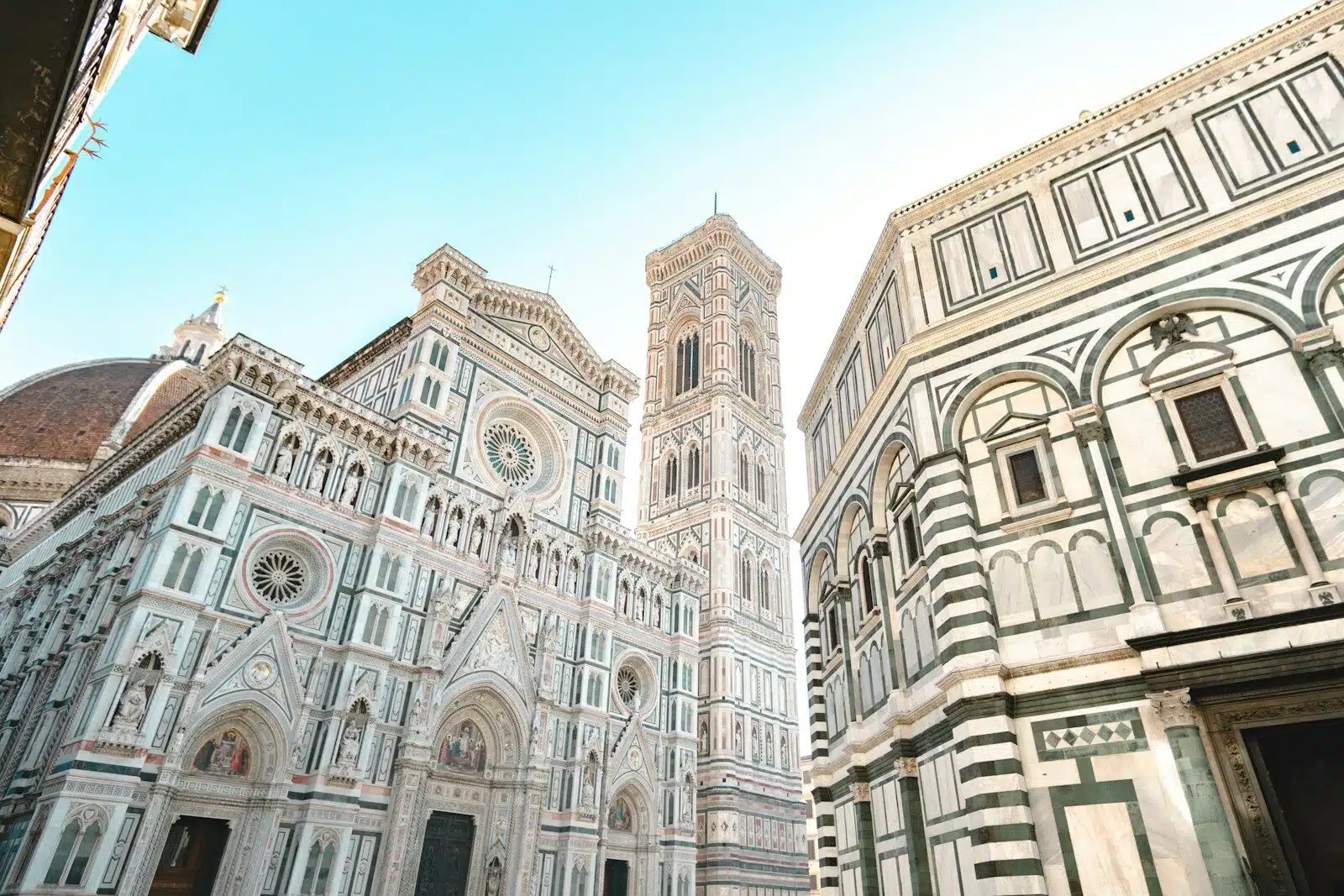
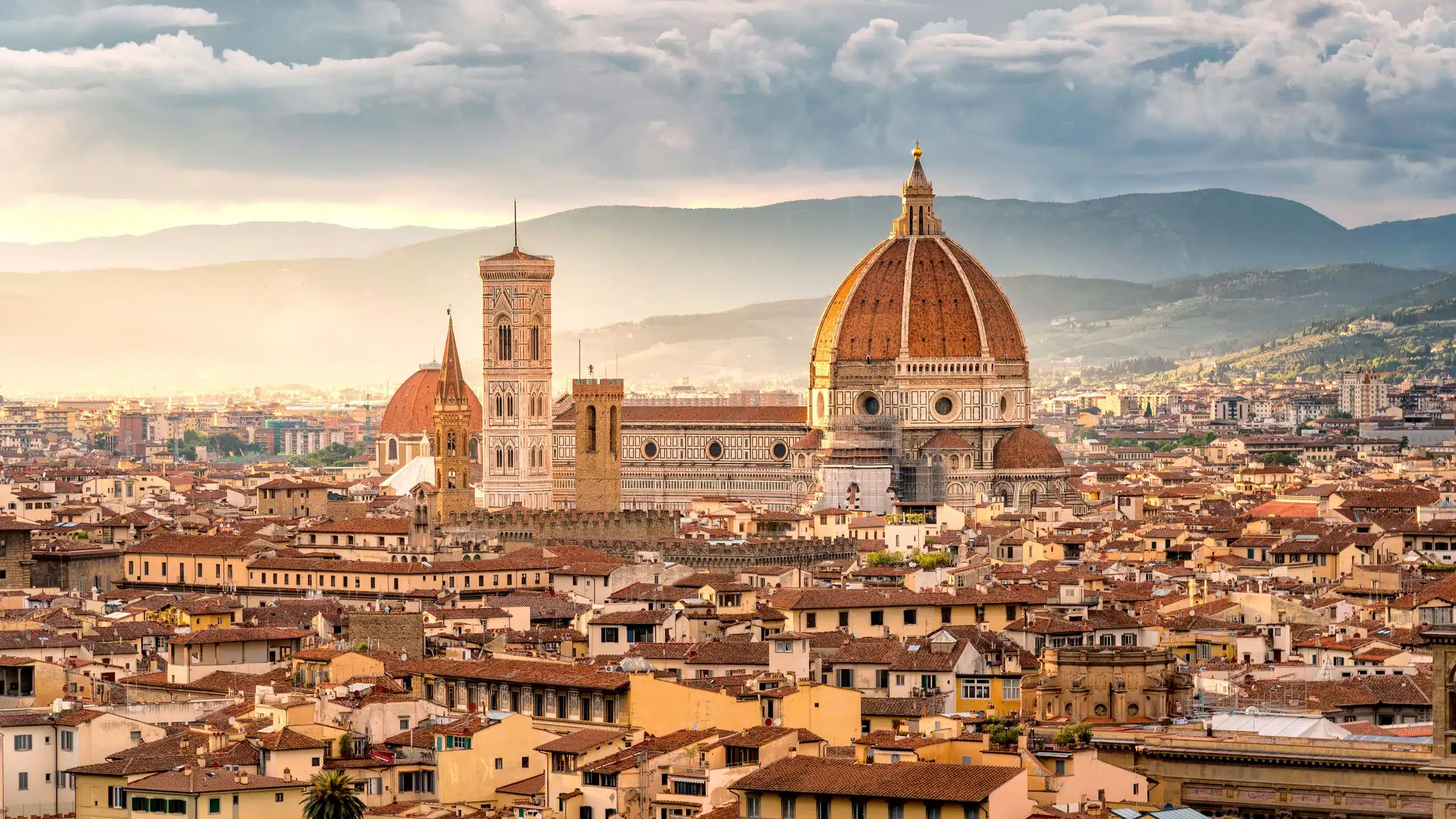
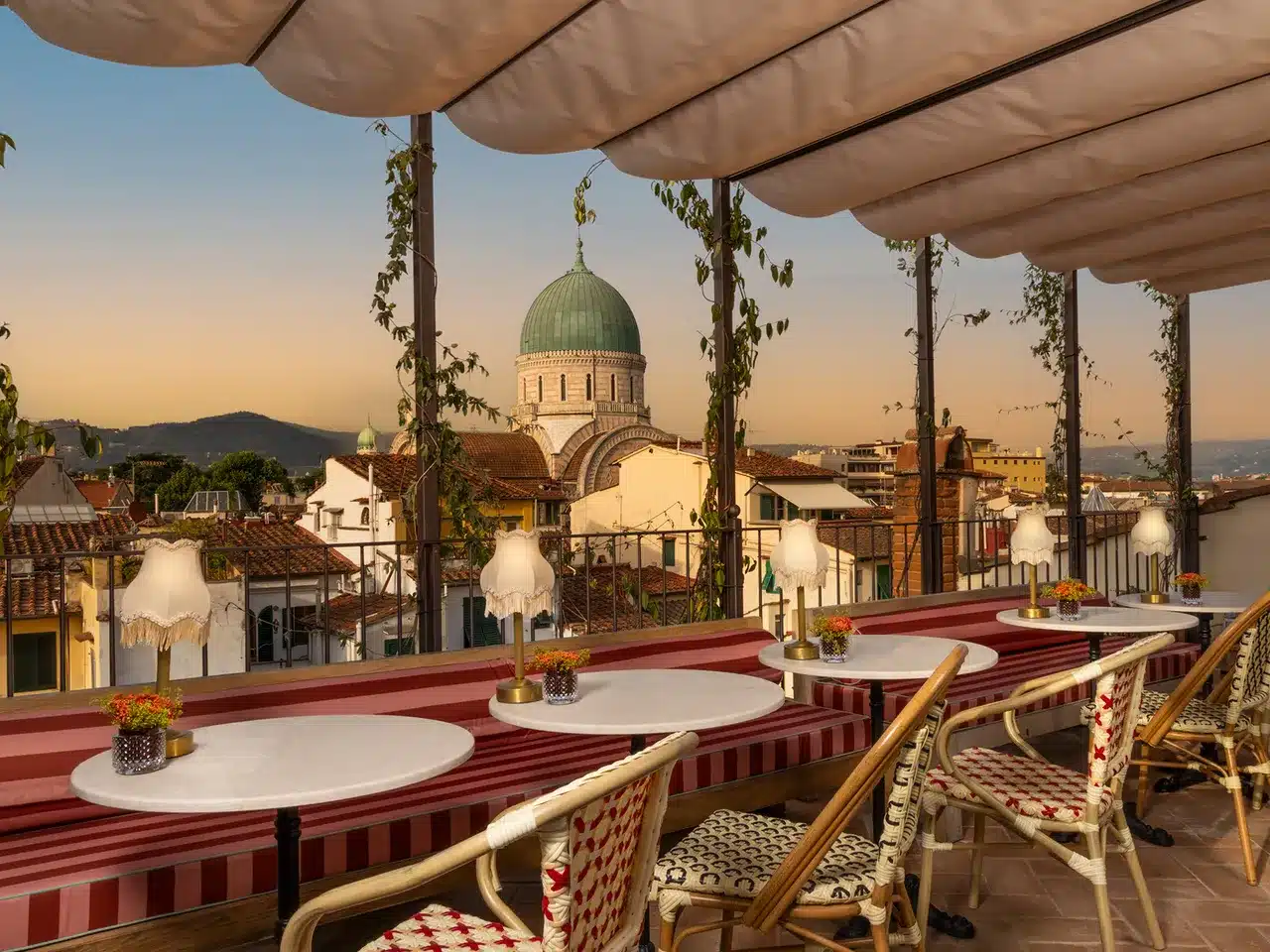
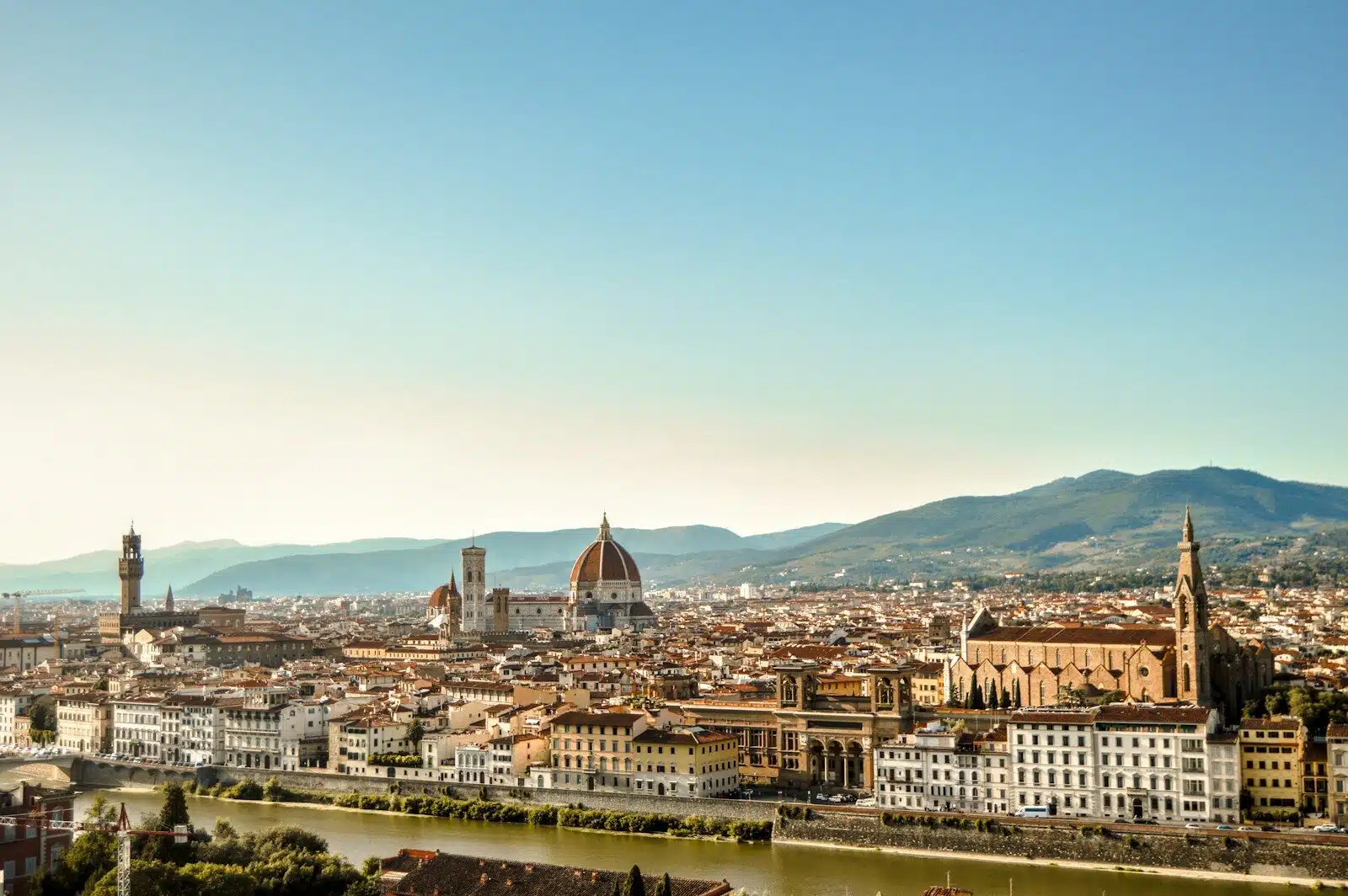
    Florence holds more UNESCO-listed art and architecture per square kilometer than any other city in the world. The Uffizi Gallery holds the largest collection of Italian Renaissance art in the world, with Botticelli, Raphael, and Caravaggio across rooms that the standard entry time does not allow the visitor to absorb. A private visit before the public opening gives the collection a quality of attention the standard ticket cannot.

    The Accademia, where Michelangelo’s David stands at the end of a corridor lined with his unfinished Prisoners, is the other essential stop. The relationship between the finished and the unfinished within the same room is one of the more significant things to understand about Michelangelo’s working method.

    The Oltrarno, Florence’s south bank neighborhood, holds the Pitti Palace, the Boboli Gardens, and artisan workshops along Via Maggio and Piazza Santo Spirito that have been in the same families for generations. A private guide covers this in a morning at the right pace. The Oltrarno and Sant’Ambrogio areas hold the restaurants the locals use, at a distance from the tourist circuit that makes a difference to the food and the experience of eating it.
  • Day 4: Transfer to Lake Garda via Verona

    Day 4: Transfer to Lake Garda via Verona

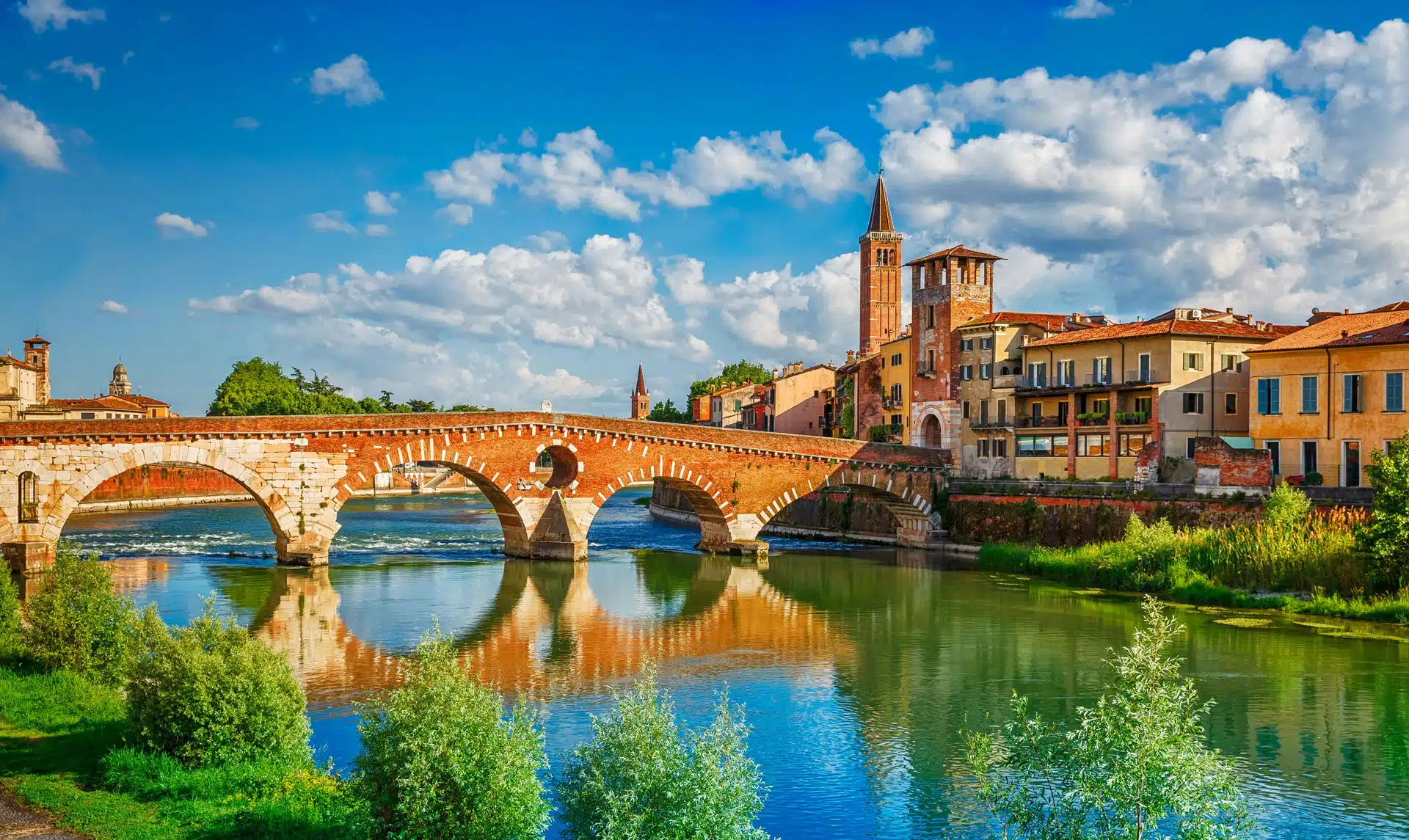
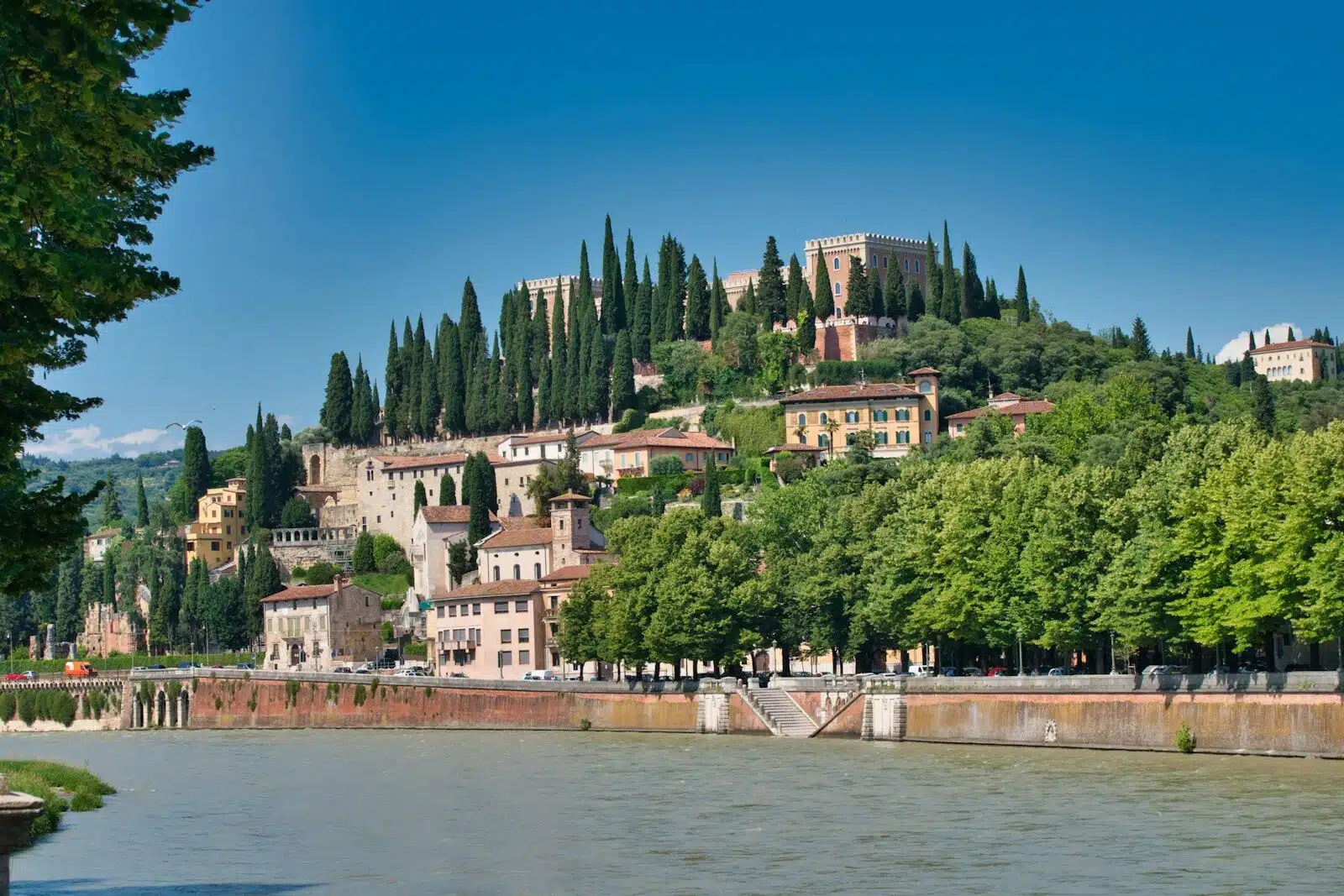
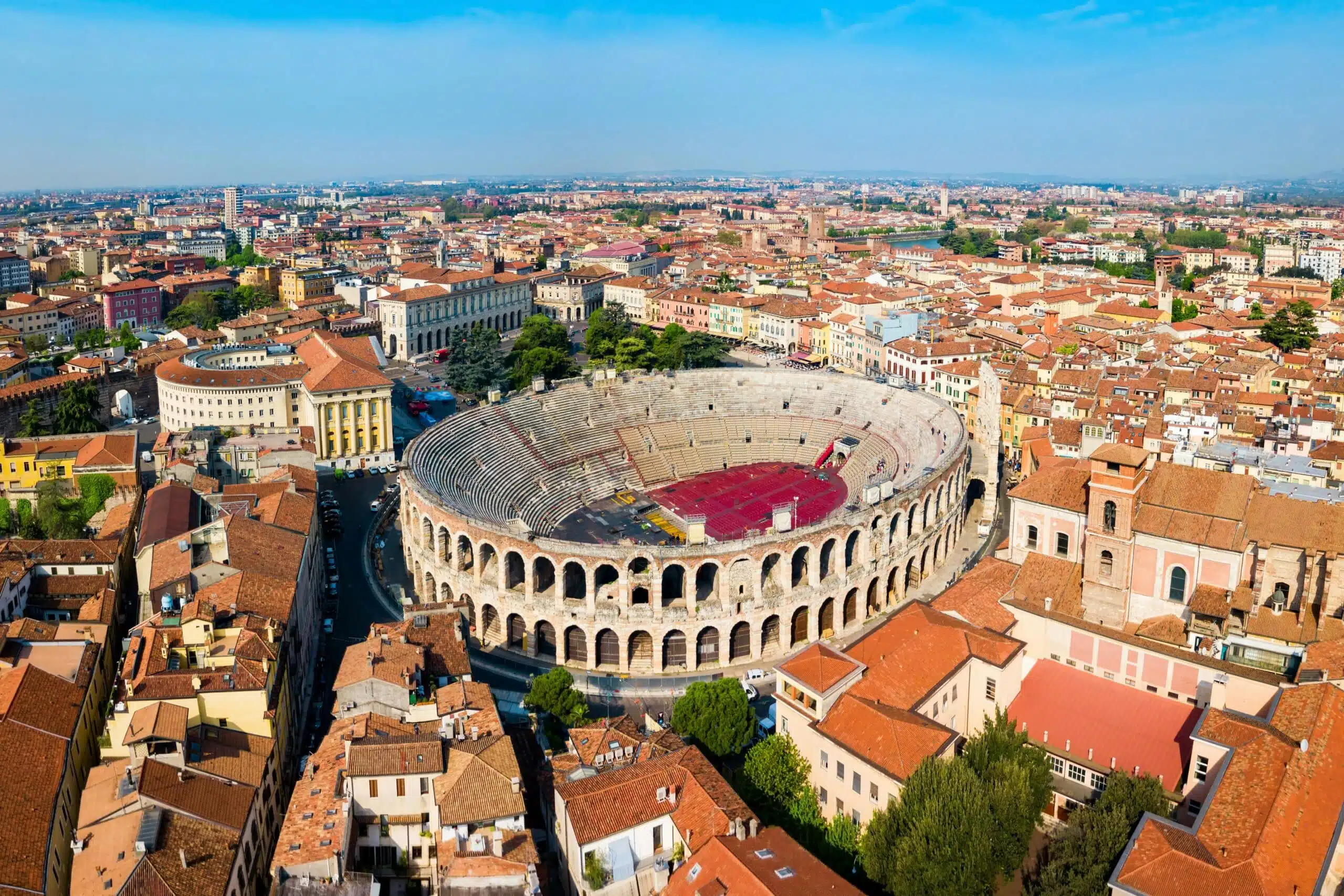
    A private car transfer from Florence to Lake Garda takes around two and a half hours, with a stop in Verona en route that adds the right amount of distance between the two halves of the itinerary. Verona sits 30 minutes by car from the southern end of the lake and is worth three to four hours on its own terms rather than a passing stop.

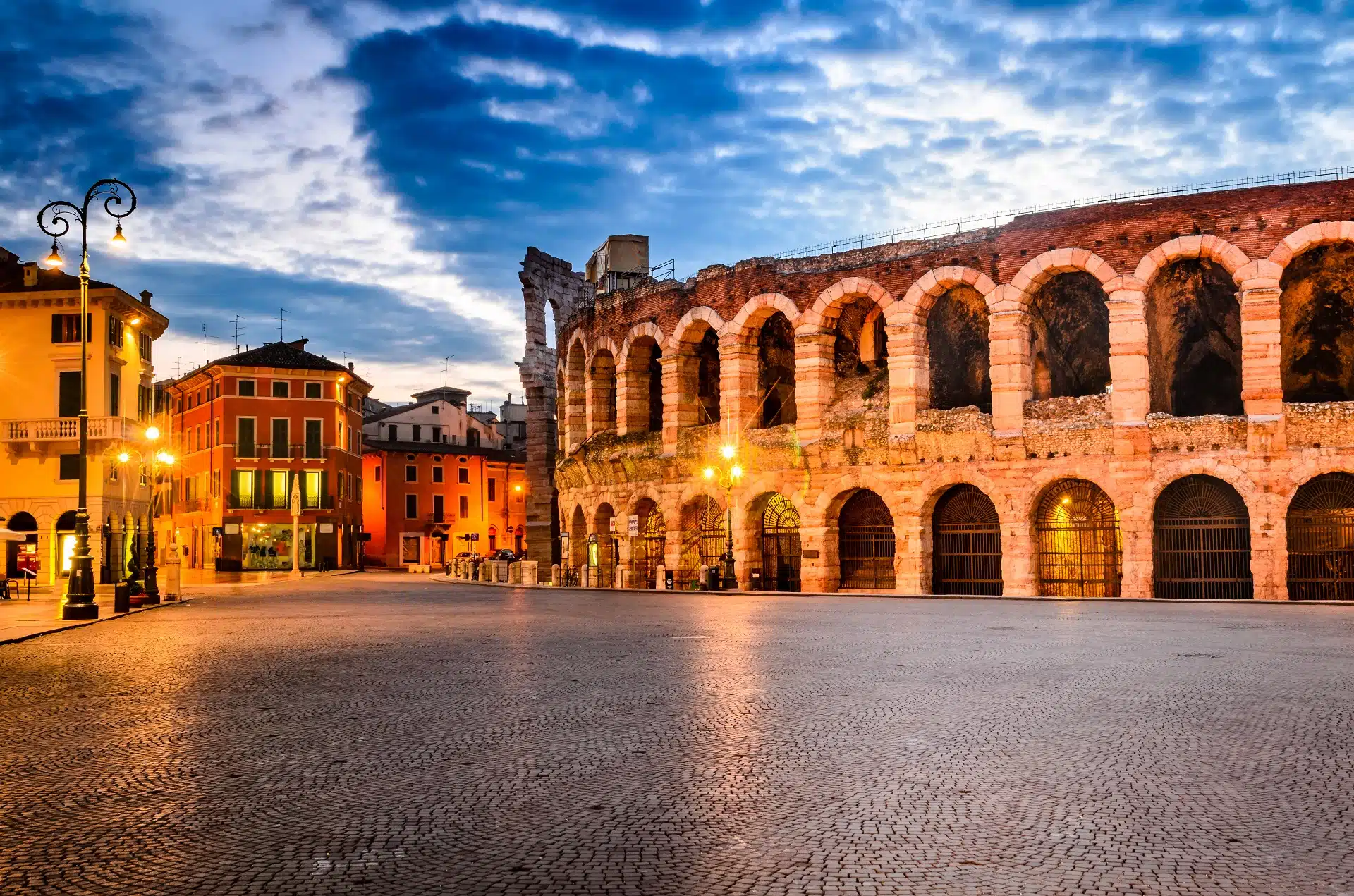
    The Roman Arena in Piazza Bra, a first-century amphitheater seating 15,000 that still operates as a summer opera venue, is the most immediate landmark. The historic center, a UNESCO World Heritage Site, holds Piazza delle Erbe, the Romanesque Basilica of Sant’Anastasia, the Duomo, and the Scaligeri family tombs.

    Juliet’s House on Via Cappello is a 13th-century inn whose courtyard holds a bronze statue of Juliet and walls covered in declarations of love. The courtyard reflects this, but the house and its context within the medieval city rewards a morning with a guide who covers the Scaligeri family’s historical significance rather than the literary association.

  • Days 5-6: Sirmione

    Days 5-6: Sirmione

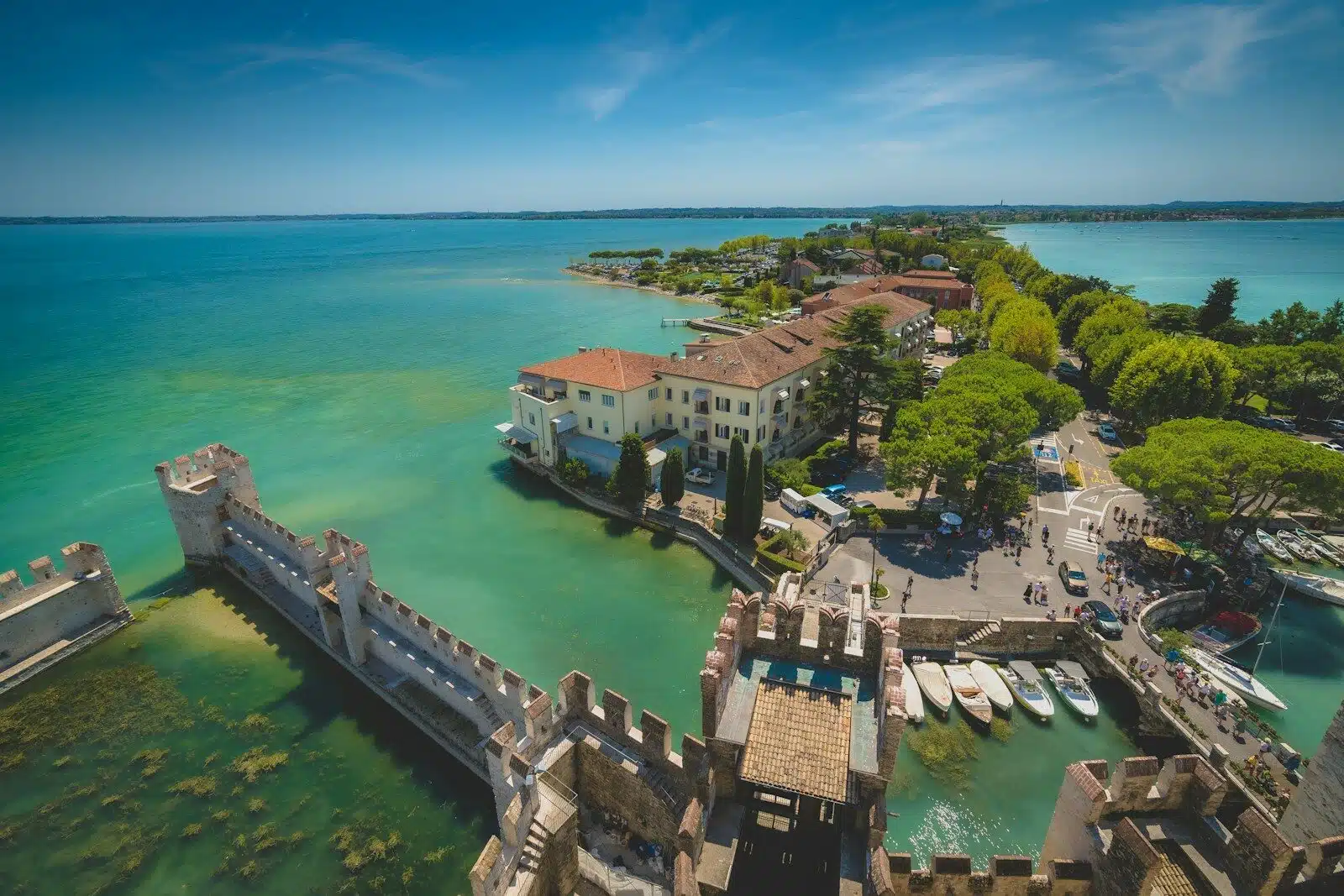
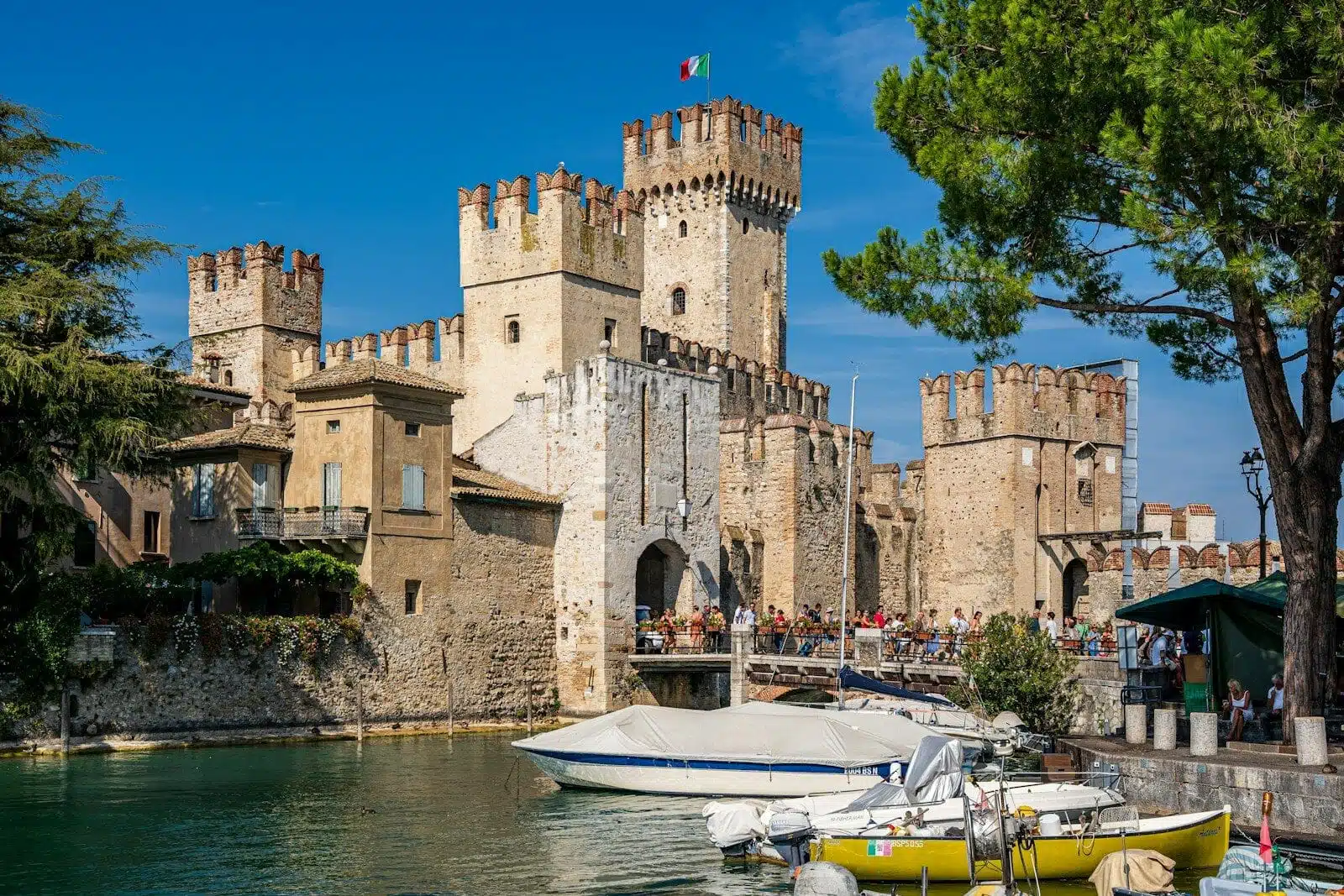
    Sirmione occupies the tip of a narrow peninsula that juts four kilometers into the southern end of Lake Garda. The Castello Scaligero, a 13th-century fortress built by the Scaligeri family of Verona, guards the entrance to the old town and is one of the best-preserved medieval fortifications in northern Italy.

    At the tip of the peninsula, the Grotte di Catullo are the ruins of a Roman villa covering two hectares among 1,500 olive trees above the lake. Named after the poet Catullus, who praised Sirmione in his verse, the ruins are less visited than the castle but more significant in scale, with views from the upper terraces across the lake to the Alps.

    The Terme di Sirmione draws on the Fonte Boiola, a sulphurous thermal spring that emerges at 69 degrees Celsius from 20 meters below the lake bed after filtering through rock from Monte Baldo for approximately 20 years. The Aquaria spa complex uses this water in thermal pools with views across the lake. A spa afternoon on the second day provides a different kind of time on the lake from the villa visits of the first.

  • Days 7-8: Salò and the Western Shore

    Days 7-8: Salò and the Western Shore

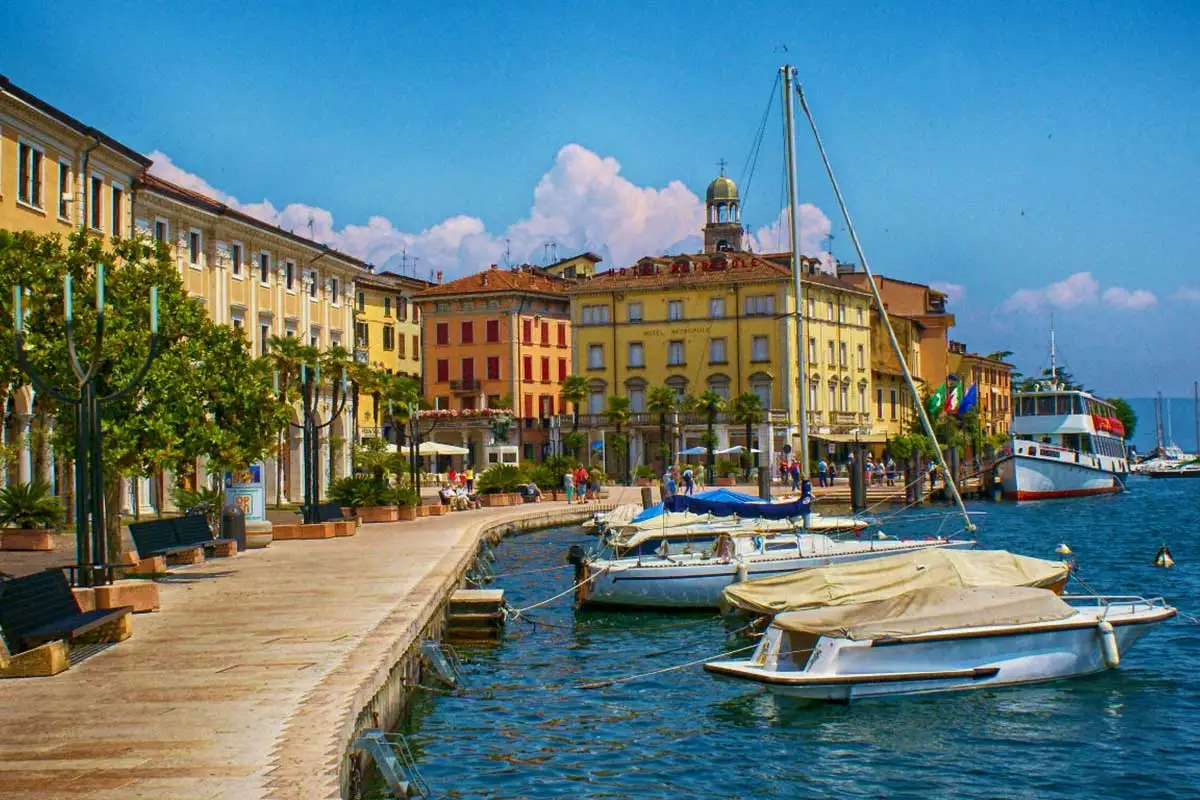
    A private transfer along the western shore carries you north to Salò, the largest town on the western shore and one that most Lake Garda itineraries overlook. It sits on its own bay with the longest lakeside promenade on the lake, a historic center that includes the Cathedral of Santa Maria Annunziata and the Renaissance Piazza Vittoria, and a recent history that few Italian towns of its size have processed with equal directness. From September 1943 to April 1945, Mussolini’s Italian Social Republic used the town as its seat of government, a period covered by the Salò Museum alongside the town’s broader history.

    The Villa del Vittoriale degli Italiani at Gardone Riviera, built by poet and aviator Gabriele d’Annunzio between 1921 and 1938, covers ten hectares of terraced gardens and holds his personal collection of artworks, books, aircraft, and a cruiser installed in the hillside garden. The interior of the main house is one of the more extraordinary domestic interiors in Italy, with every room organized around a specific aesthetic effect. A private morning visit with a guide covers ground that the standard audio guide does not reach.

    Isola del Garda, the largest island on the lake, sits off the western shore and can be visited by private boat on the second day. The Borghese family, who have owned the island since the 19th century, open it to guided tours between May and October. The neo-Gothic villa built in the 1890s and the Venetian gardens maintained by family members give the visit a quality of personal engagement that the grander public villas do not offer.

  • Day 9: Departure

    Day 9: Departure

    A private transfer connects to Verona Villafranca Airport, approximately 45 minutes from Salò by private car, for onward international flights. Milan Bergamo Airport is around 80 kilometers west and provides an alternative connection for flights to the US and UK.

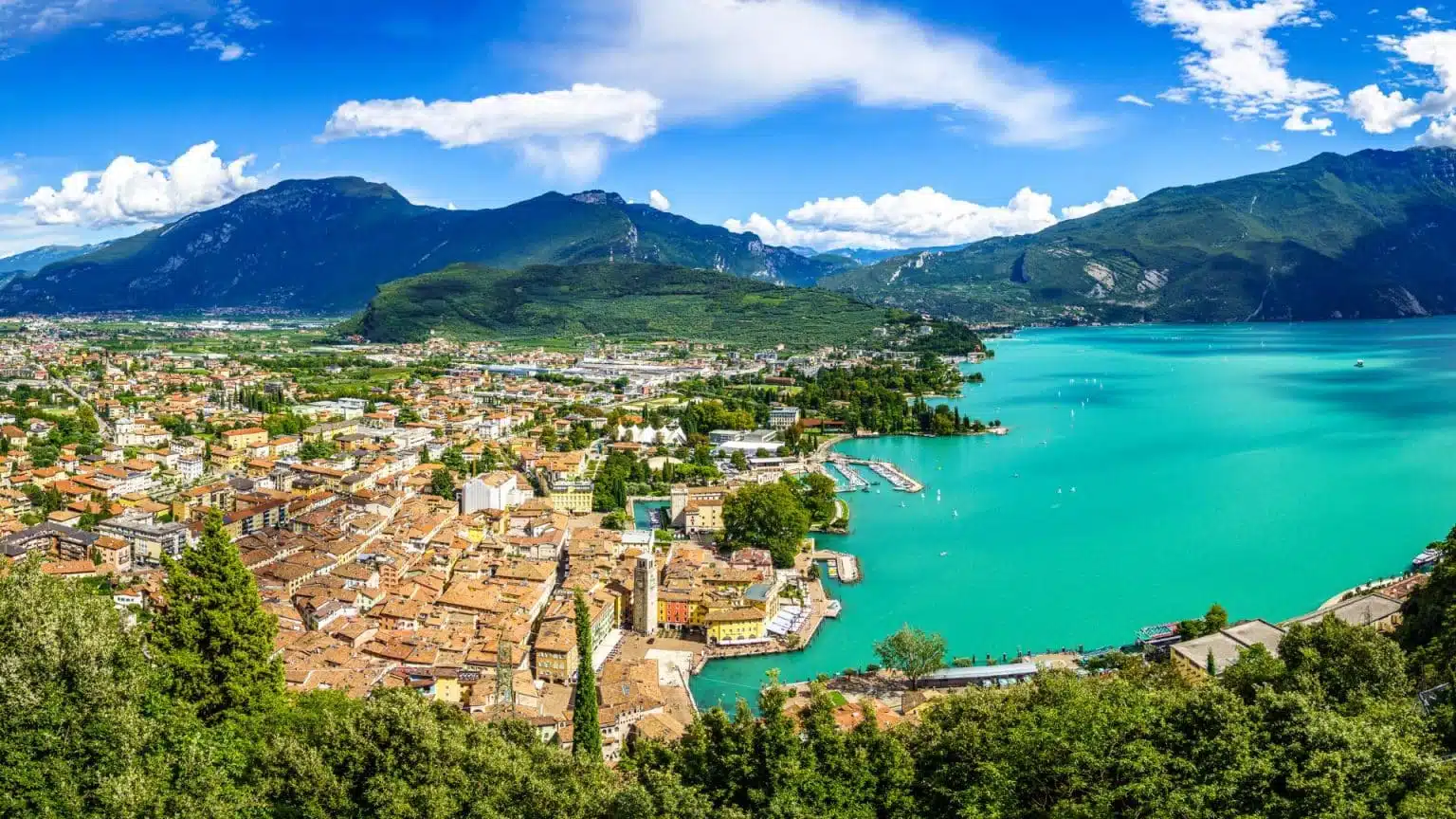
    The itinerary can be extended with additional nights on the lake, a connection east to Venice, or a day trip north to Riva del Garda at the lake’s northern tip.

Add your Do Not Disturb moment

  • Experience the Vatican as few ever do — in the calm of evening, guided by those who know its secrets best. This exclusive after-hours visit reveals the artistry and emotion behind the world’s most famous collection, offering time to pause, reflect, and truly see.

  • Step into Trastevere — the Rome locals keep for themselves. Wander ivy-lined streets with a private historian, meet artisans still shaping the city by hand, and pause for an unhurried meal in a hidden courtyard. A Do Not Disturb experience revealing the soul of Rome through ease and access.

  • Experience Rome’s culinary artistry in complete ease. From private gardens to hidden terraces, Roman Dining in Style is a Do Not Disturb moment where food, setting, and connection come together in perfect harmony.

  • Step beyond Rome’s busy streets into its quietest spaces. From Trastevere’s hidden courtyards to the grand gardens of Tivoli, The Roman Garden Escape is a Do Not Disturb experience designed for stillness, beauty, and time shared with those who matter most.

  • Step inside Rome’s greatest monument in rare quiet. The Colosseum, Unveiled is a Do Not Disturb experience that reveals the arena’s hidden layers — from its underground chambers to its silent grandeur — guided by those who know its stories best.

  • Step through the ruins that shaped the modern world. Walking Through Time: The Roman Forum Reimagined is a Do Not Disturb experience revealing where power, philosophy, and architecture first met — and how the story of civilization still echoes between these stones.

  • Step into Rome’s most enduring masterpiece. The Pantheon is a Do Not Disturb experience revealing the harmony between light, structure, and spirit — an encounter with timeless design that continues to define the modern world.

  • Step into the light and shadow of Caravaggio’s Rome. From hidden chapels to private collections, Caravaggio’s Rome is a Do Not Disturb experience that reveals the artist’s genius as it was meant to be seen — intimately, quietly, and in place.

  • See Rome through a modern lens. Modern Rome: Art, Design & Aperitivo is a Do Not Disturb experience revealing the city’s evolving creative spirit — from hidden studios and private galleries to an aperitivo shared above the skyline.

  • A private visit to Leonardo’s Last Supper offers a rare chance to see one of the Renaissance’s most important works in near silence. This moment reveals the mural’s true scale, its fragile beauty and the architectural harmony of Santa Maria delle Grazie, all without the rush of standard viewing slots.

  • A private tour of the Duomo di Milano reveals the cathedral’s immense architecture, centuries of craftsmanship and the quiet beauty of its terraces, all without the pace and crowds of standard visits. This is Milan’s most iconic landmark experienced with time, clarity and space to appreciate its details.

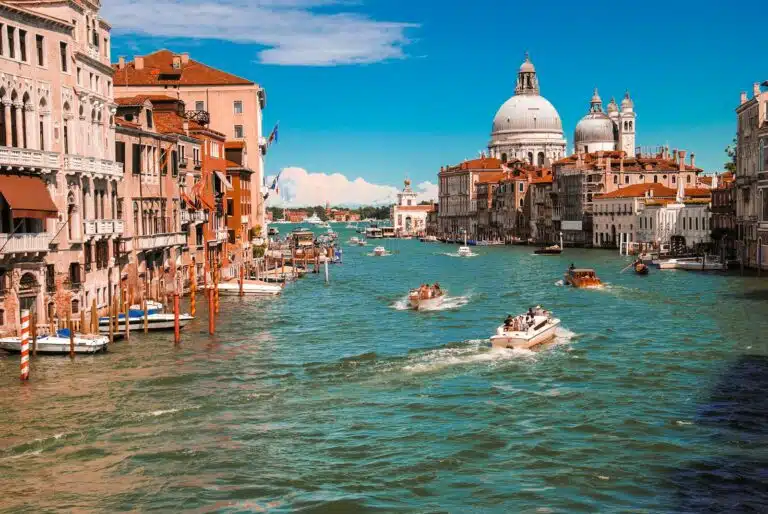
  • Experience a private gondola ride in Venice through peaceful canals. Avoid the crowds with a romantic, tailor-made tour led by expert gondoliers.

Trip gallery

We also recommend...

Your journey doesn’t start with a booking. It starts with a conversation.

Tell us how you want to feel, we’ll take it from there.

Our reviews

“Our trip was truly magical and full of core memories that will last us a lifetime.”

Michael • Bora Bora Honeymoon

Star Icon Star Icon Star Icon Star Icon Star Icon

“We just returned from an incredible journey through Ireland, and we couldn’t have had a better experience”

Brad • Ireland Adventure

Star Icon Star Icon Star Icon Star Icon Star Icon

“This was a flawless experience. They took all our thoughts and perfectly curated the most beautiful honeymoon.”

Kris • Sicily Honeymoon

Star Icon Star Icon Star Icon Star Icon Star Icon

Our team brings over 35 years of experience in luxury travel, shaping bespoke journeys for discerning clients worldwide. The reviews below reflect the trust placed in us and the experiences we continue to create.

See more reviews on Trustpilot

Travel inspiration and editorials

Lucca 5 min read

Italy’s most rewarding cities are rarely its most visited, and the travelers who work this out tend to eat better, move slower, and see more of the actual country. This guide covers six cities that deliver architecture, history, and food at a scale you can still take in on foot.

Sorrento 5 min read

Choosing between Sorrento and Ravello isn’t a small decision. It shapes how you experience the Amalfi Coast entirely. One puts you in the middle of it all, with energy, movement, and constant access. The other lifts you above it, quieter, slower, and more removed.

Positano 4 min read

Two of the most celebrated addresses on the Amalfi Coast, and two very different experiences. Here is how to choose between them.

Amalfi 4 min read

The short answer is yes. The longer answer involves timing, the right hotels, and knowing which parts of the coast to avoid in July.

Your next steps

Planning your trip should feel effortless.

We Listen

You share what matters, whether it’s a destination, a feeling, or a moment worth celebrating.

We Curate

Your dedicated expert shapes a thoughtful, private itinerary tailored entirely around you.

You Travel

Every detail handled. Every moment considered. Support before, during, and after your journey.

Tell us about your journey

    Step 1 / 2

    Let's design your escape

    Answer a few quick questions and we’ll craft a journey as unique as your state of mind.