On this page
Kenya offers honeymooners wilderness, coastline, and considered hospitality that few destinations can match, from the Masai Mara’s private conservancies to the Indian Ocean coast.
The Case for Kenya: Why It Works for Honeymoons
Kenya’s geography makes it well-suited to a honeymoon itinerary. Within a single trip, couples can move between high-altitude savannah, private conservancies, and the Swahili Coast, with each environment offering a different experience. That range allows an itinerary to shift between active and restorative without significant travel time or compromise.
The hospitality infrastructure supporting this geography is mature and deliberately scaled. Kenya’s leading camps and lodges, particularly those operating within private conservancies such as Ol Pejeta, Laikipia, and the Mara ecosystem, are built around exclusivity and low guest density. Many operate on a fully inclusive model, which removes the transactional quality that can undermine a honeymoon stay elsewhere.
What distinguishes Kenya is the combination of genuine wilderness access and a hospitality culture refined over decades. The country has operated as a luxury destination long enough for that standard to be embedded rather than performed.
Private Conservancies and the Masai Mara
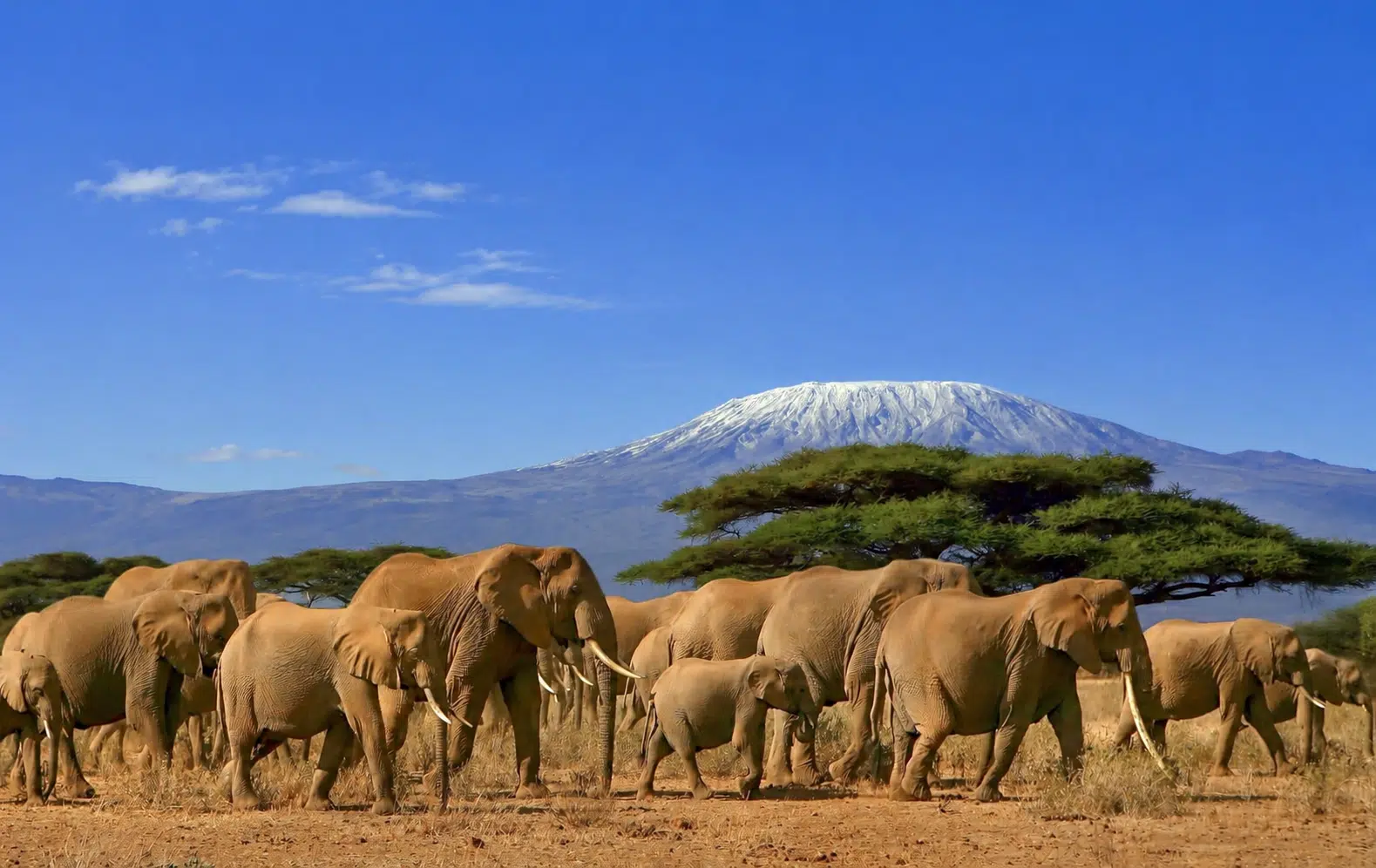
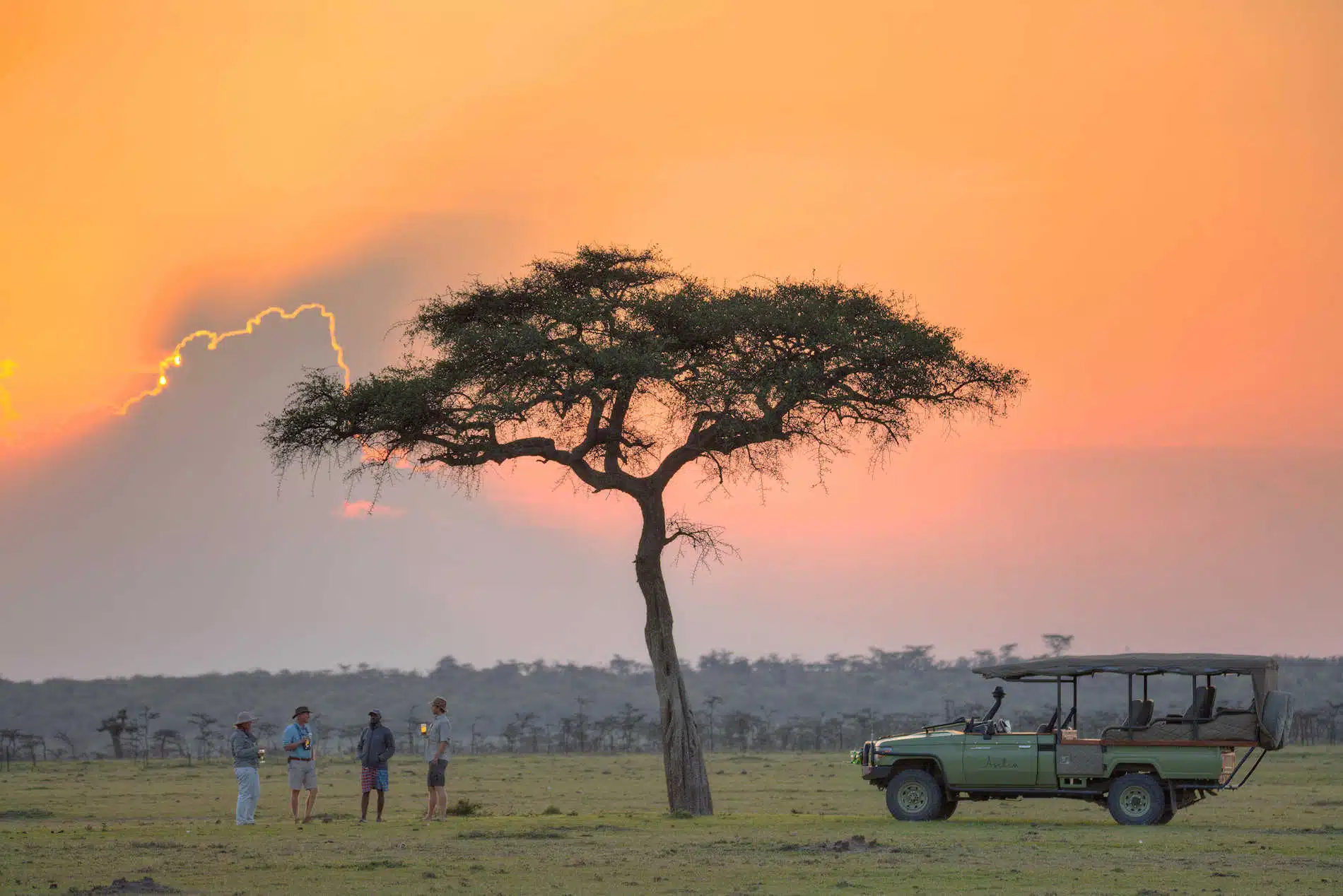
The private conservancies bordering the Masai Mara, including Ol Kinyei, Naboisho, and Olare Motorogi, operate under strict low-density models that limit the number of camps and vehicles permitted within each boundary. This structure produces a materially different experience from the national reserve, where vehicle concentrations at sightings are common and movement is more restricted.
For couples, the conservancy model offers two specific advantages. Guides are not bound by the track regulations that apply inside the reserve, allowing for off-road driving, night game drives, and walking safaris depending on the property. These activities are not universally available and depend on the specific conservancy and the camp operating within it.
The quality of access in these areas is also tied to the relationships camps maintain with local Maasai landowners and wildlife teams. This is not infrastructure that can be replicated through independent arrangement, and the variation between properties is significant enough to make the choice of camp consequential.
Luxury Camps Built for Two
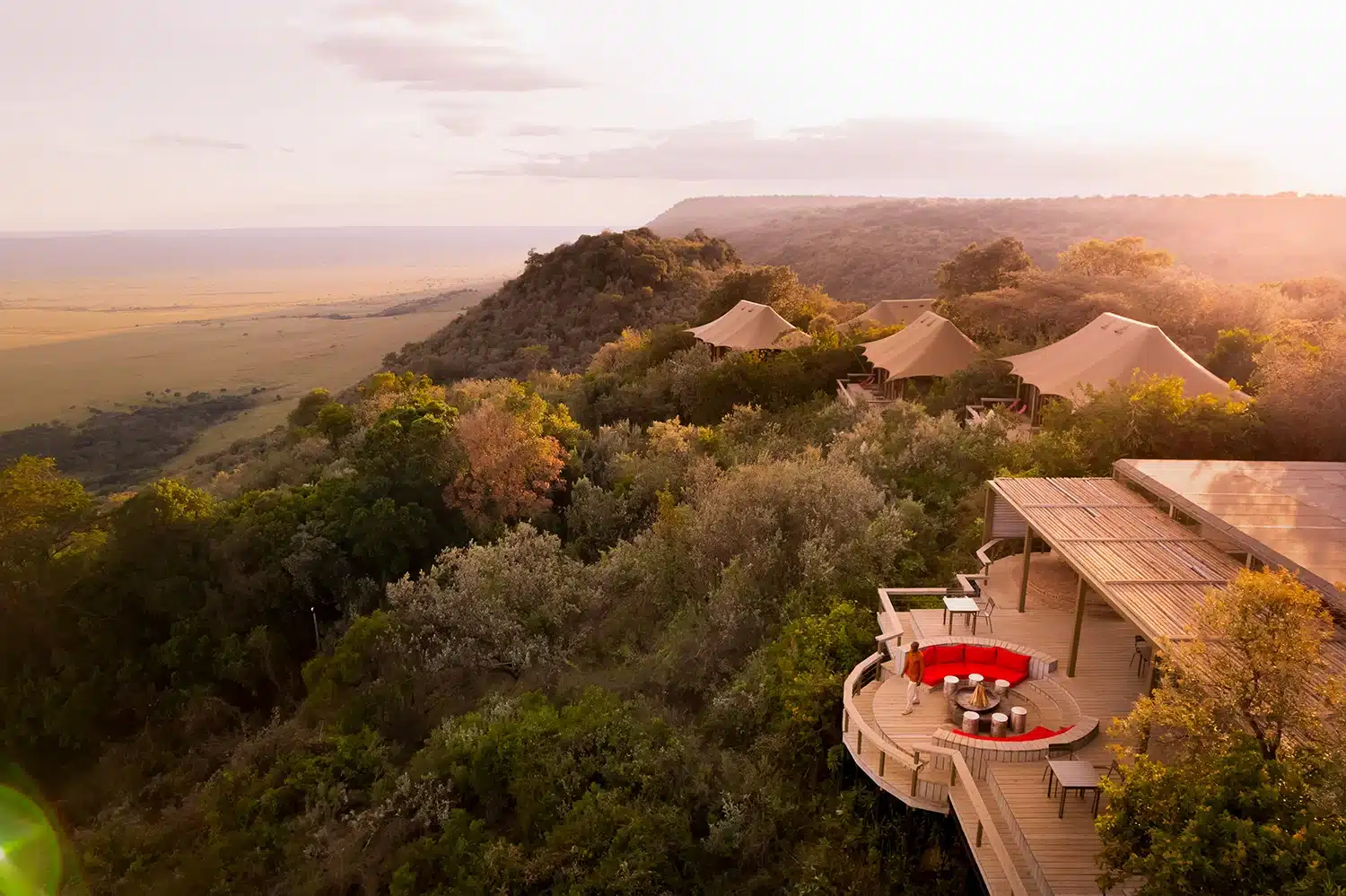
Kenya’s private conservancies have produced a category of tented camp that sets the standard for luxury safari accommodation globally. Properties such as Angama Mara, Mahali Mzuri, and Segera Retreat are built around a small number of suites, typically fewer than twelve, which limits guest numbers and allows for a level of service that larger lodges cannot replicate. Suite configurations at leading properties are designed with couples in mind, offering private plunge pools, dedicated outdoor areas, and direct access to the surrounding landscape without shared infrastructure.
Private guiding is a defining feature at this level. Couples are typically assigned a dedicated guide for the duration of their stay, allowing itineraries to be structured around pace and interest rather than group schedules. This arrangement also enables access to conservancy land beyond the standard reserve boundaries, where vehicle and visitor numbers are tightly controlled.
In-camp experiences vary by property but commonly include private dining within the conservancy, spa treatments, and curated cultural engagement with local Maasai communities. At well-positioned properties, these are not additions. They are integral to how the stay is structured.
The Coast: Lamu, Watamu, and the Indian Ocean
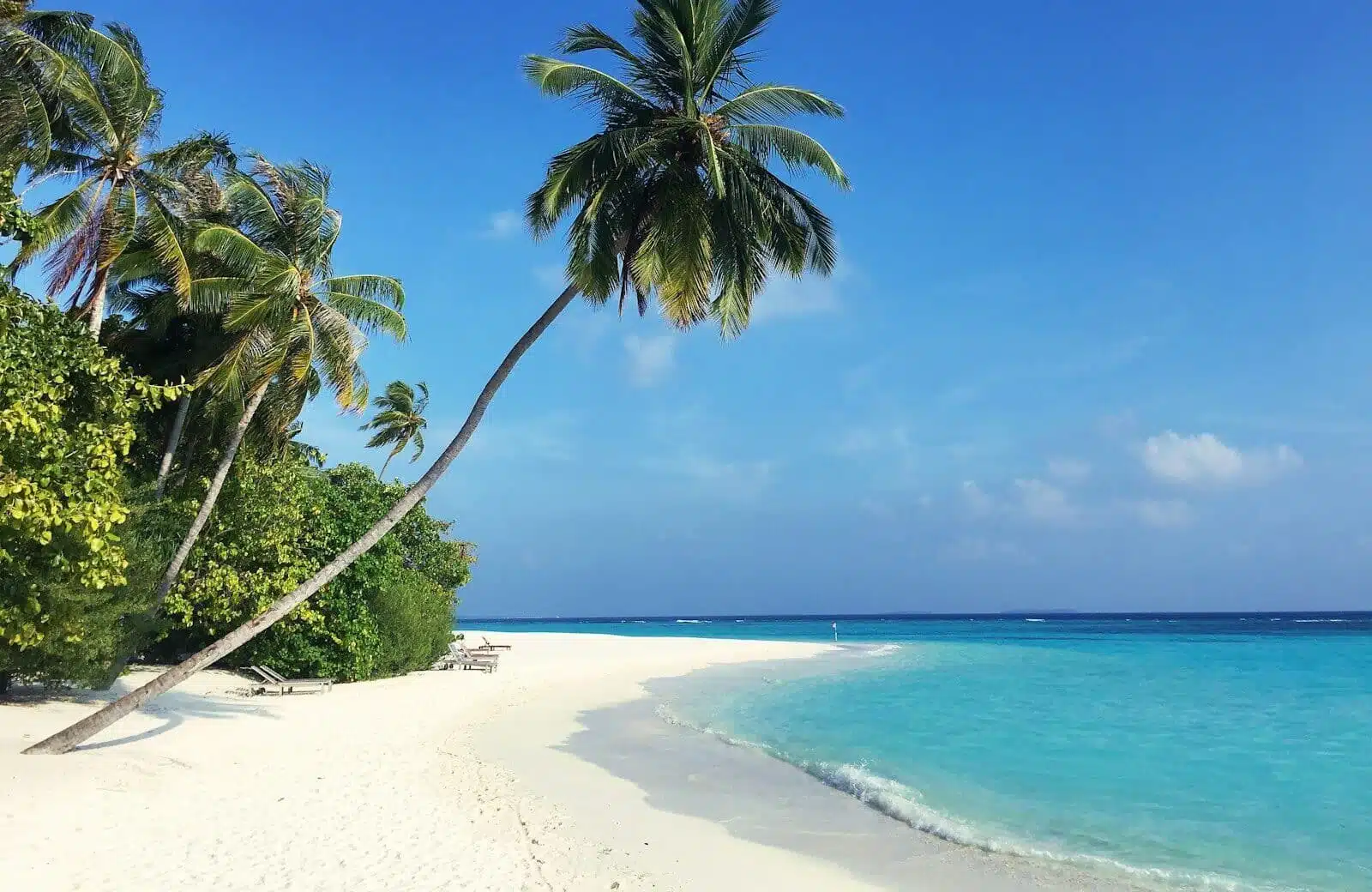
Kenya’s coastline operates as a distinct second chapter to the safari. Lamu, an archipelago with no private cars and a largely intact Swahili townscape, is one of the oldest continuously inhabited settlements on the East African coast, with architecture and dhow-building traditions reflecting centuries of Arab, Persian, and Portuguese influence. Properties here tend toward restored coral-stone houses rather than conventional resort formats, suited to couples looking for privacy over amenity density.
Watamu, further south along the coast, sits adjacent to a marine national park and offers structured access to reef diving, sea turtle nesting sites, and deep-sea fishing. It functions as a more active coastal base than Lamu, with a tighter concentration of high-specification small lodges.
Both destinations pair well with a Masai Mara or northern conservancy itinerary. The contrast between the two landscapes is significant, and the sequencing of safari followed by coast is a well-established structure for good reason.
Combining Safari and Coast: How to Structure the Trip
Most itineraries pair the Masai Mara or Laikipia with a coastal stay in Lamu or the Diani Beach area, and the contrast between the two environments is one of the structural strengths of a Kenya honeymoon. The interior offers game-focused days built around conservancy access and guided movement. The coast provides an unstructured counterpoint, with little required beyond the water and the reef.
Internal flights make the transition practical. Wilson Airport in Nairobi serves as the main hub for light aircraft connections to the Mara, Samburu, and Laikipia, while Mombasa and Lamu are accessible via scheduled and charter services. Most couples spend five to seven nights on safari before moving to the coast, a sequence that allows the pace to shift without the trip losing coherence.
Getting the structure right matters more than the total duration. The order of destinations, the length of each stay, and the choice of properties all affect how the two halves of the trip relate to each other.
When to Go and How to Plan
Kenya’s travel calendar divides into two primary windows. The long dry season, from late June through October, coincides with the wildebeest migration across the Masai Mara and offers the most reliable game viewing conditions. The short dry season, January through March, is quieter and well-suited to combining a northern circuit with time on the coast. The Indian Ocean shore is best visited between October and March, when winds are calm and water visibility is at its clearest.
A Kenya honeymoon moving between the Mara, the Laikipia Plateau, and the coast requires sequencing that accounts for internal flight logistics, conservancy access rules, and seasonal conditions across different regions. These variables are interdependent, and the itinerary structure matters as much as the individual properties chosen. The most considered itineraries are built on existing relationships with camps and conservancies, which affects both access and the level of personalization available on arrival.
Ready to plan your Kenya honeymoon and build an itinerary across the Masai Mara and the Indian Ocean coast? Speak with Do Not Disturb to begin your journey.