On this page
Botswana’s decision to limit visitor numbers is the foundation of what makes it exceptional, producing one of the most controlled and rewarding luxury safari experiences on the continent.
The Policy Behind the Exclusivity
Botswana’s exclusivity is a product of policy, not positioning. In the early 1990s, the government established a high-value, low-volume tourism model that capped the number of visitors permitted into its protected areas and set minimum daily rates for safari concessions. The framework was designed to draw maximum value from a minimal footprint, safeguarding both the ecosystem and the economic case for conservation.
The effect was decisive. Budget operators disappeared from the market. Concession fees and mandatory spend thresholds made high-volume, low-cost tourism structurally unviable. What remained was a small number of operators working within tightly controlled areas, each holding exclusive access to a specific wilderness zone.
This is what separates Botswana from Kenya, Tanzania, or South Africa. Elsewhere, exclusivity is largely a function of price. In Botswana, it is a function of law. The government controls supply. The market responds accordingly.
Private Concessions and What They Actually Mean
Much of Botswana’s most significant wildlife habitat lies outside national park boundaries, held instead as private or community-owned concessions leased exclusively to individual operators. A single camp may hold exclusive rights to an area of several hundred thousand acres, with no other commercial tourism permitted within it. This is what separates a private concession from a standard national park allocation.
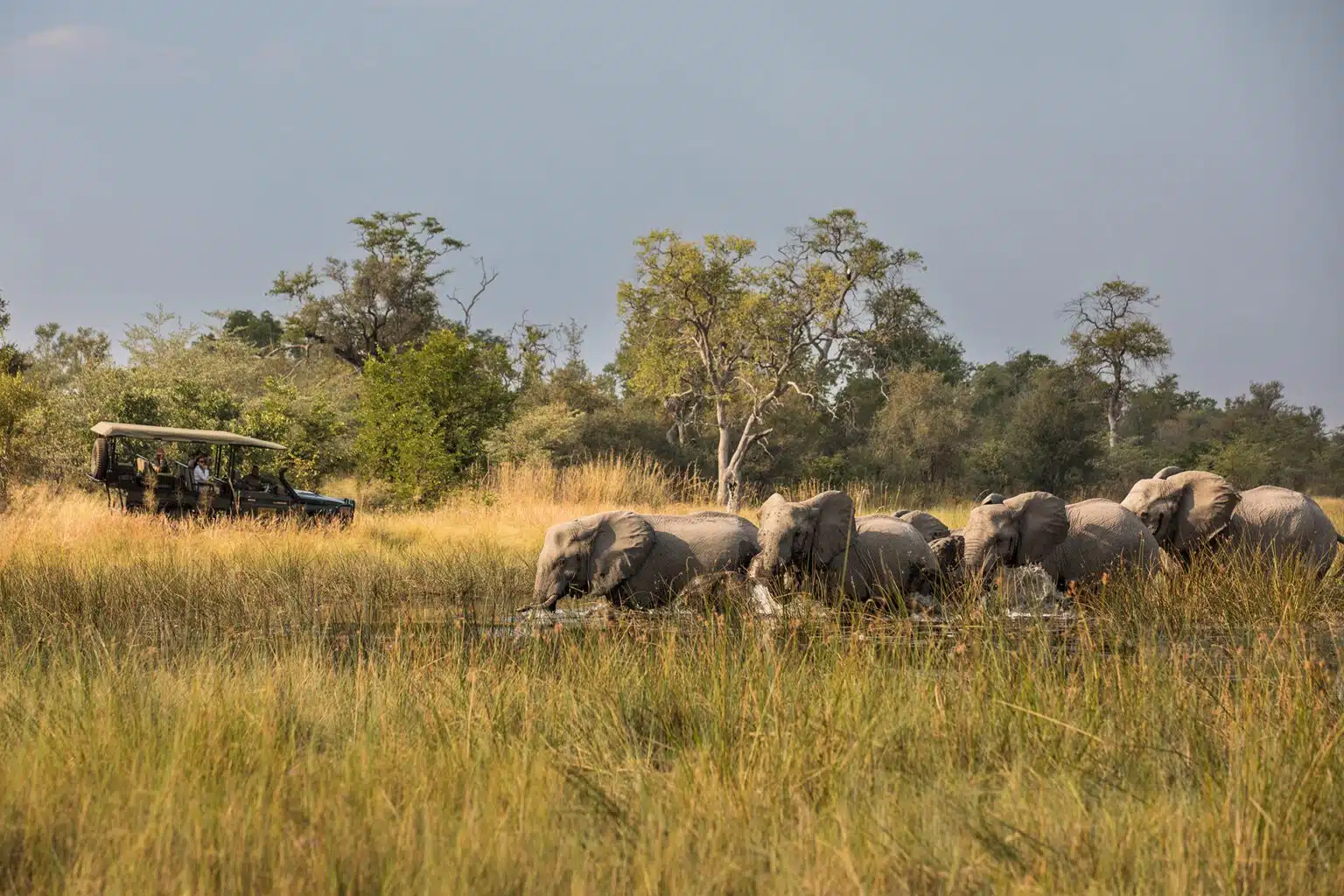
The practical difference is considerable. Inside a concession, operators may drive off-road, conduct night drives, and lead walking safaris, activities prohibited or heavily restricted in most national parks. Guests share no roads or sightings with vehicles from other camps. The wildlife viewing is shaped by the concession’s own ecosystem, whether floodplain, woodland, or delta, rather than by a generalized park circuit.
Access to the best-positioned concessions is rarely straightforward. The most sought-after areas are tied to long-standing operator relationships, limited bed allocations, and booking structures that call for coordination well beyond standard travel planning.
The Okavango Delta: A Landscape That Earns Its Reputation
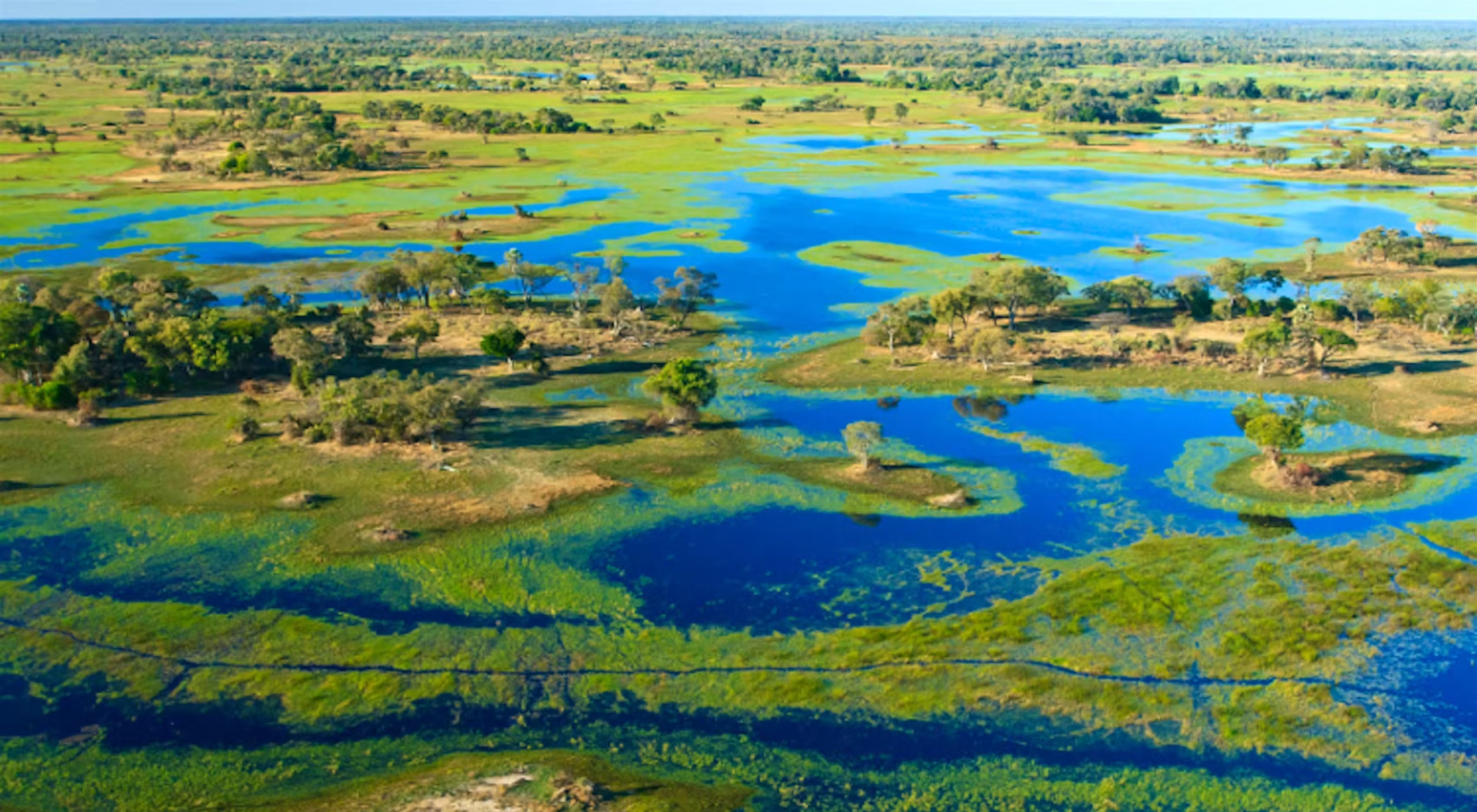
The Okavango Delta is an inland river system that floods annually from waters born in the Angolan highlands rather than from local rainfall. This seasonal inundation, peaking between June and August, transforms the northern Botswana landscape into a shifting network of channels, islands, and floodplains, sustaining large concentrations of elephant, buffalo, predator species, and birdlife across a single connected system.
UNESCO designated the Okavango a World Heritage Site in 2014, recognizing its place among the last intact inland delta systems on the continent. The designation reflects hydrological and biological significance, not visitor infrastructure.
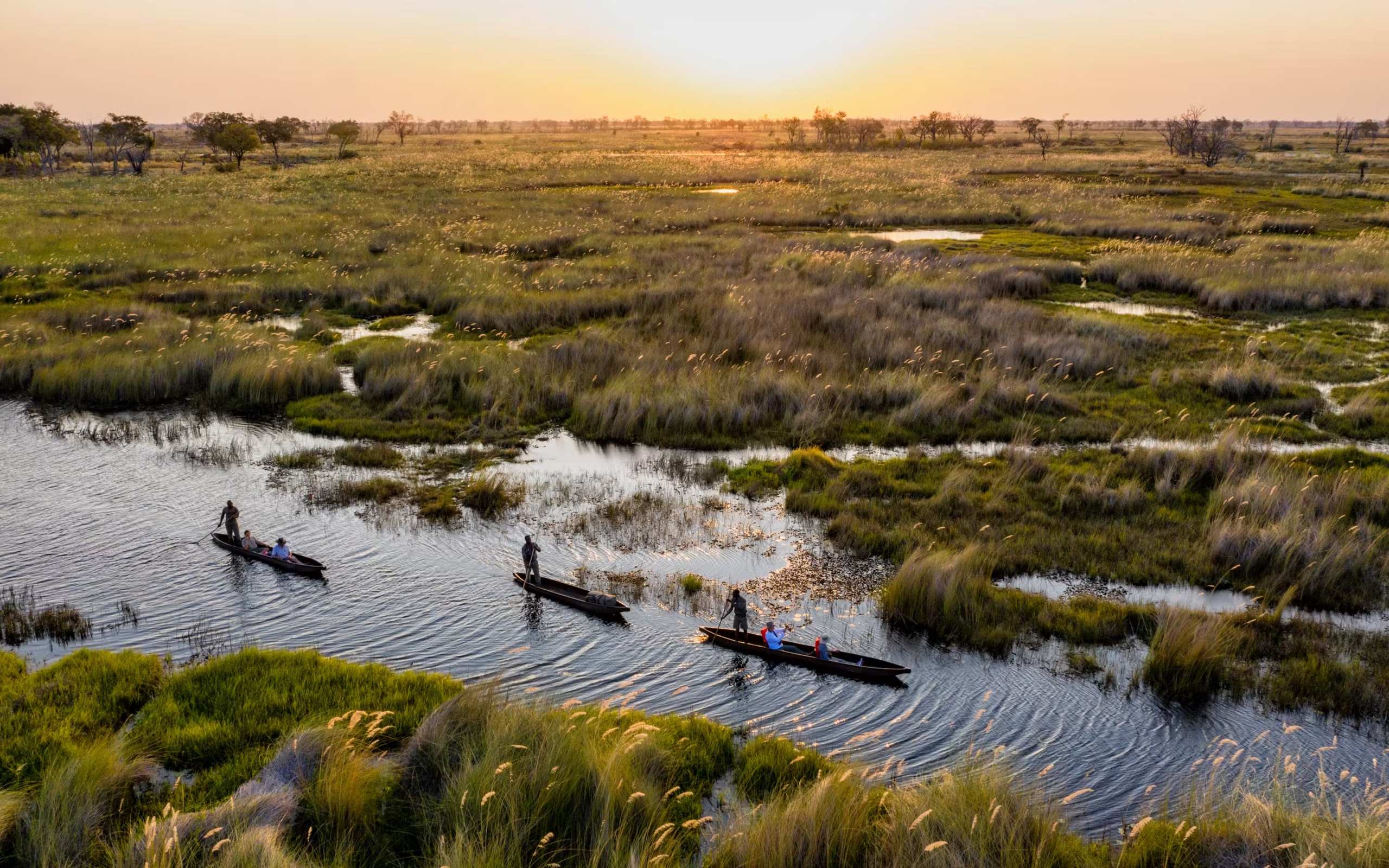
The mokoro, a traditional dugout canoe, remains the primary means of navigating the shallower channels. It grants access to areas unreachable by vehicle, and a proximity to wildlife that differs fundamentally from conventional game drives. The experience is defined by its constraints as much as its access, and those constraints are not incidental to its value.
The Camps: Designed for Restraint, Not Performance
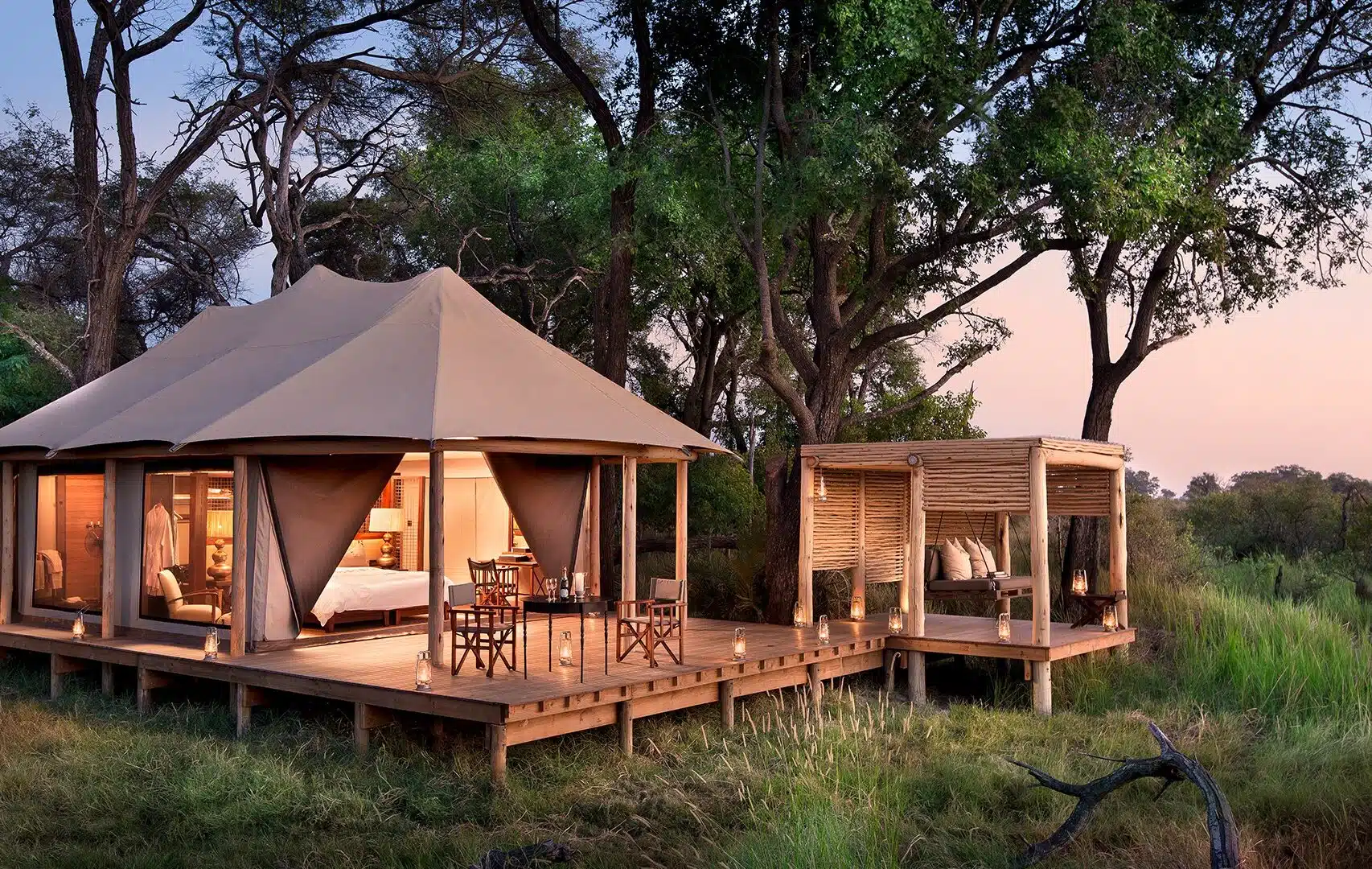
The leading camps across Botswana’s key ecosystems maintain low guest numbers, high staff-to-guest ratios, and infrastructure that never exceeds what the environment can absorb. Properties in the Okavango Delta, including those operated by Wilderness Safaris and &Beyond, rise on raised platforms or seasonal foundations built to accommodate the annual flood cycle. In Linyanti and Chobe, camps are positioned within predator-dense concessions that few operators hold rights to enter.
What separates the finest properties is not design alone but the caliber of guiding attached to them. The most respected camps employ guides with advanced tracker qualifications and deep knowledge of specific concessions, producing a markedly different experience from the generalist guiding found elsewhere on the continent.
Overcrowding is structurally prevented rather than managed. Exclusive-use concessions mean that multiple vehicles converging on a single sighting, a common occurrence in East Africa’s shared reserves, is largely absent here. That exclusivity is built into the access model, not layered on as an amenity.
Wildlife Density and the Case for the North
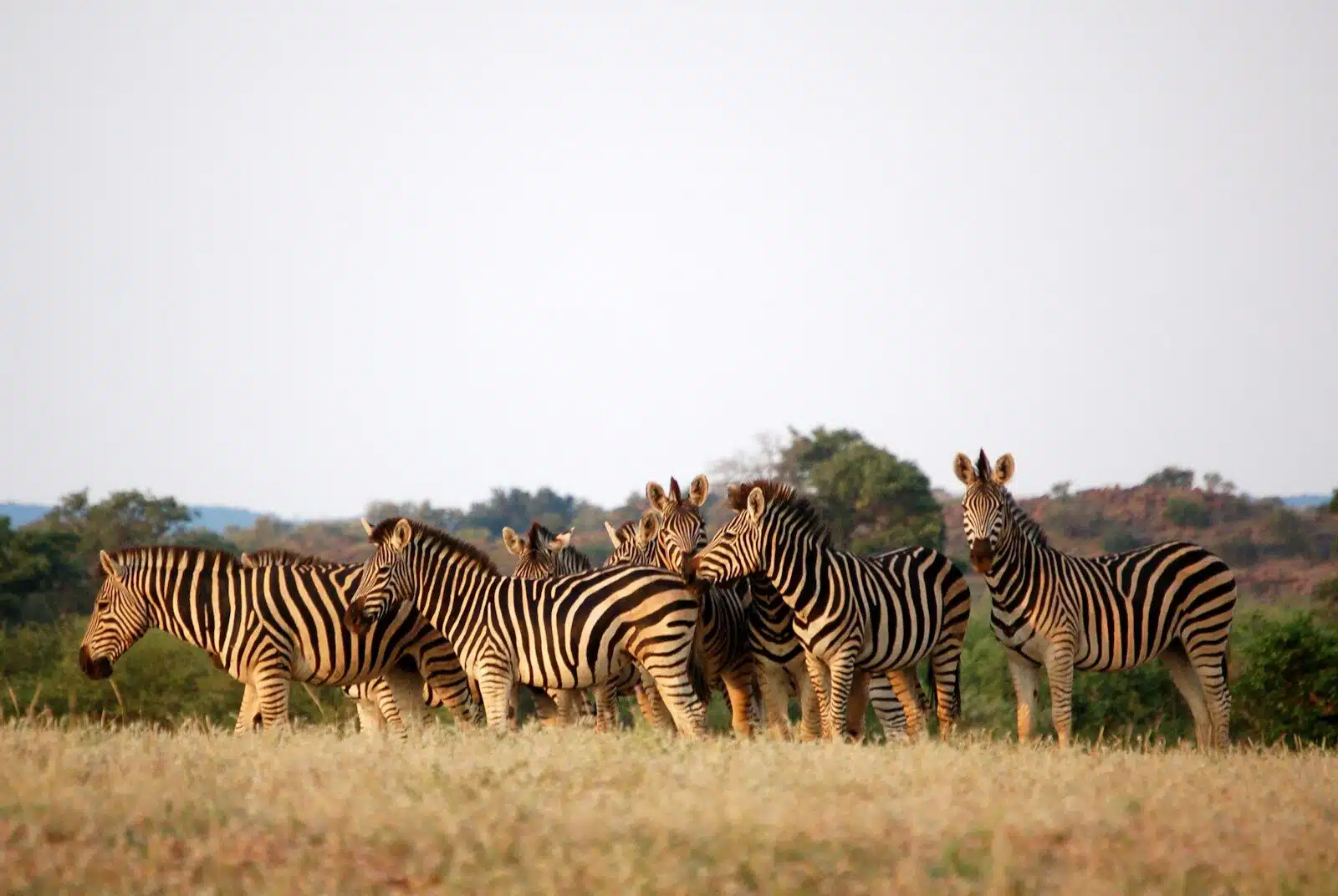
Botswana’s northern circuits concentrate some of the highest wildlife densities on the continent within a remarkably compact geographic corridor. Chobe National Park holds one of Africa’s largest elephant populations, estimated at over 130,000 animals, and the Chobe riverfront delivers reliable game viewing year-round. The Linyanti Concession, bordering Namibia’s Caprivi Strip, sustains strong predator populations, including wild dog, lion, and leopard, with activity levels that reflect both the low human footprint and the quality of the habitat.
The Selinda Spillway connects the Linyanti and Okavango systems and becomes especially significant during years of high water, when game movement along the channel intensifies. This corridor is not a fixed circuit. Conditions shift between seasons and years, which means the value of a visit depends heavily on timing and on a close reading of how water levels are tracking across the system. These are not interchangeable destinations. Each holds a distinct ecological character, and the northern circuits reward itineraries built around current conditions rather than fixed routes.
How to Plan a Luxury Botswana Safari
The dry season, from May to October, concentrates wildlife around permanent water sources and delivers the most reliable game viewing across all major circuits. The green season, November to April, brings fewer visitors, lower rates, and a striking surge in ornithological activity, particularly in the Okavango. Neither period holds universal advantage. The right timing depends on the specific areas under consideration and what the itinerary is designed to achieve.
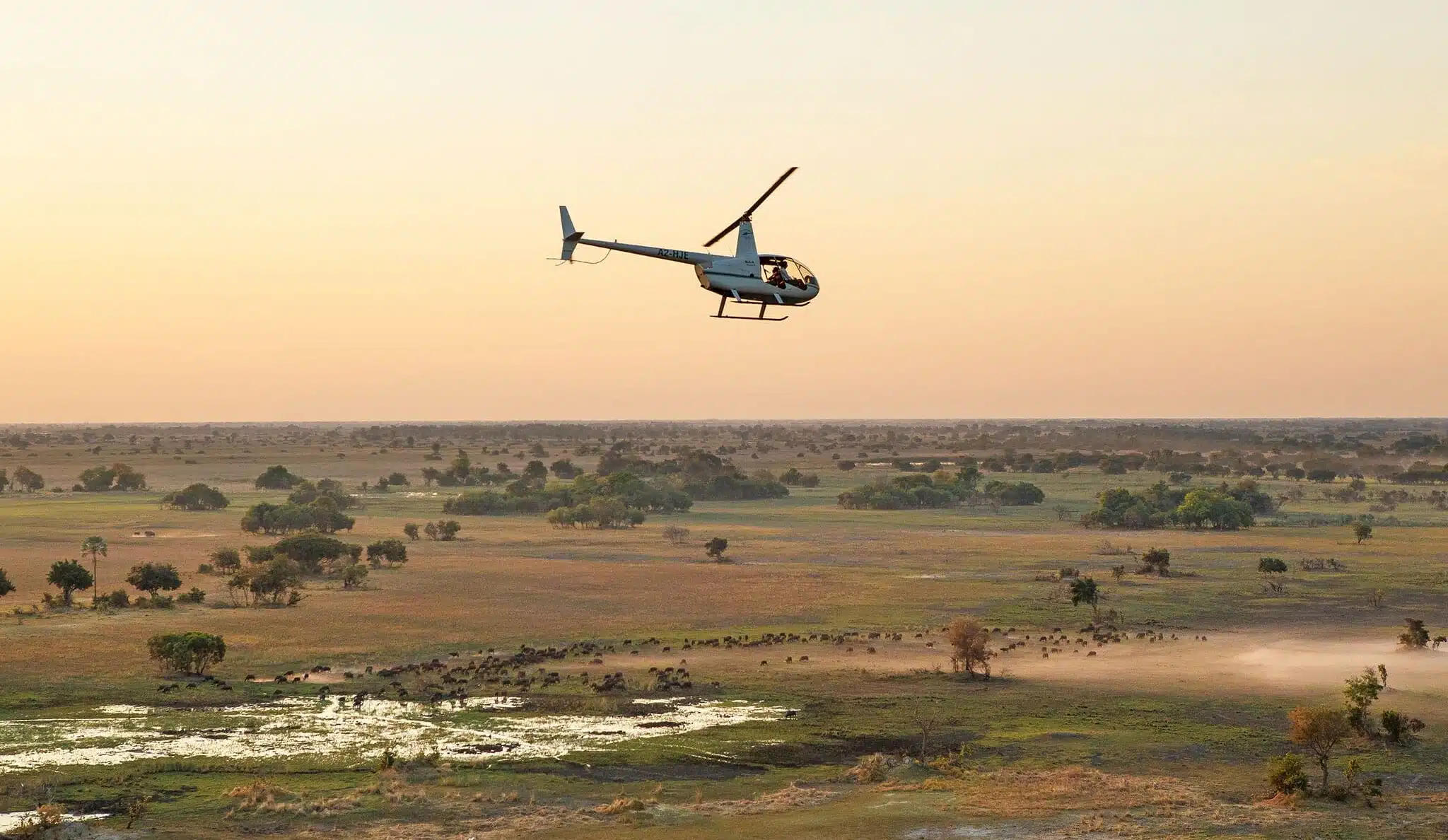
A well-constructed Botswana itinerary typically weaves together two or three distinct ecosystems, moving between them by light aircraft. The most coherent circuits pair the Okavango Delta with the Linyanti or Selinda concessions or extend south to the Central Kalahari. Each transition demands logistical coordination that affects not just comfort but access, as certain concessions operate on restricted entry arrangements unavailable through standard booking channels.
Botswana rewards precision in planning. The decisions that shape the quality of a trip, which concessions, which sequence, and which season, carry real consequence and depend on current, on-the-ground knowledge that only experienced specialists reliably hold.
Ready to plan your Botswana safari and experience one of Africa’s most carefully protected wilderness systems? Speak with Do Not Disturb to begin your journey.