On this page
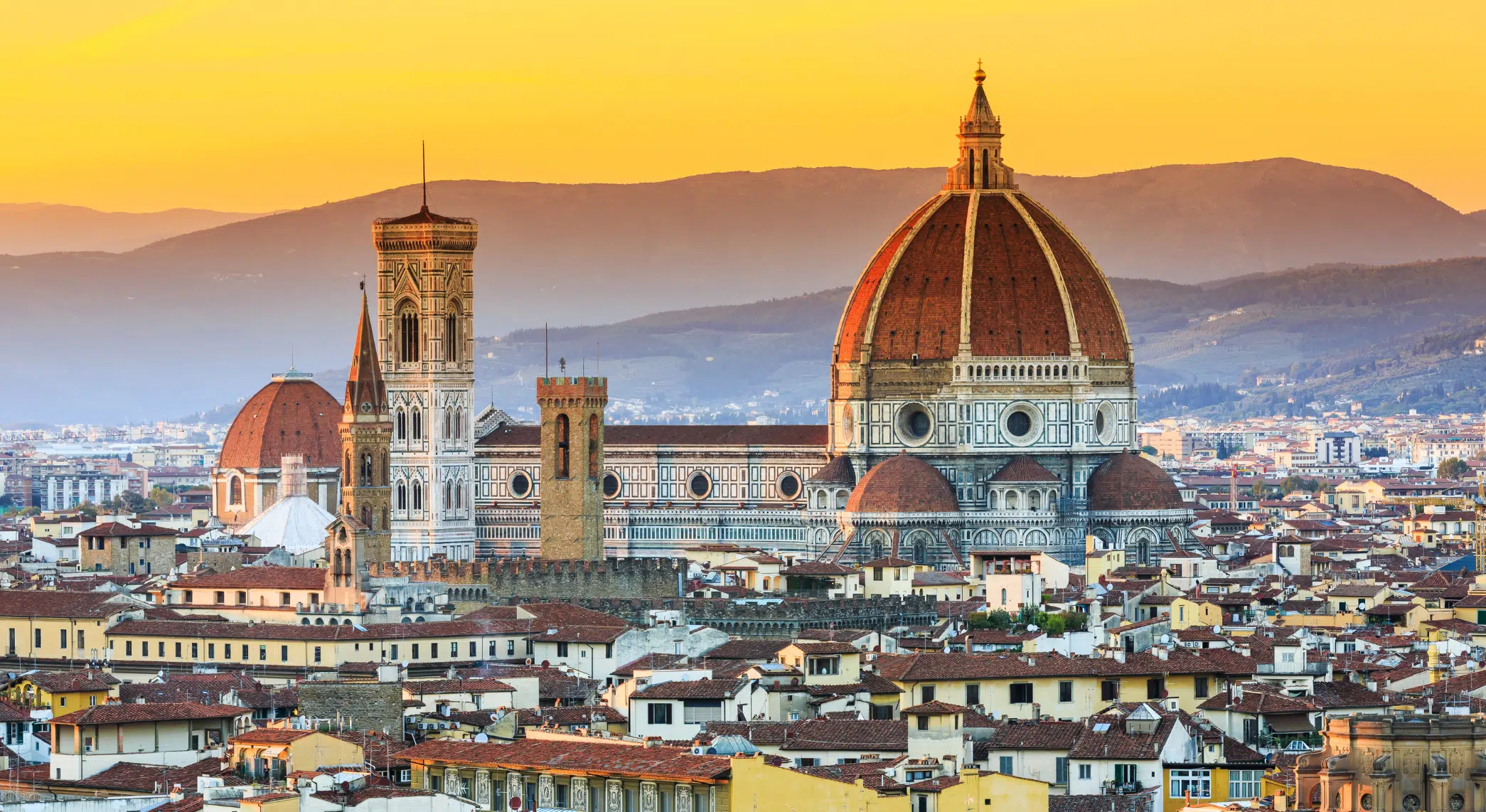
Florence packs a heavy volume of visitors into a small footprint. More than 13 million people move through it each year, concentrated into a handful of the same streets and museums. What changes the experience is not where you go, but when.
When to Go: The Months That Work in Your Favor
Late November through early March, excluding the week between Christmas and New Year’s, represents Florence’s lowest-traffic period. Visitor numbers drop significantly across this window, and concentration at major sites including the Uffizi, the Accademia, and the Duomo complex is measurably lower than at any other point in the year.
The practical consequences extend beyond crowd density. Accommodation availability is higher, rates are generally lower, and the city’s infrastructure operates at a pace that reflects local rather than tourist demand. Restaurants, transport, and ticketed attractions are easier to navigate without peak-season pressure.
The trade-off is limited. Some smaller museums reduce their hours in winter and a handful of sites close for maintenance during January, but for most major sights winter access remains fully operational.
Where to Stay: Neighborhoods Beyond the Historic Center
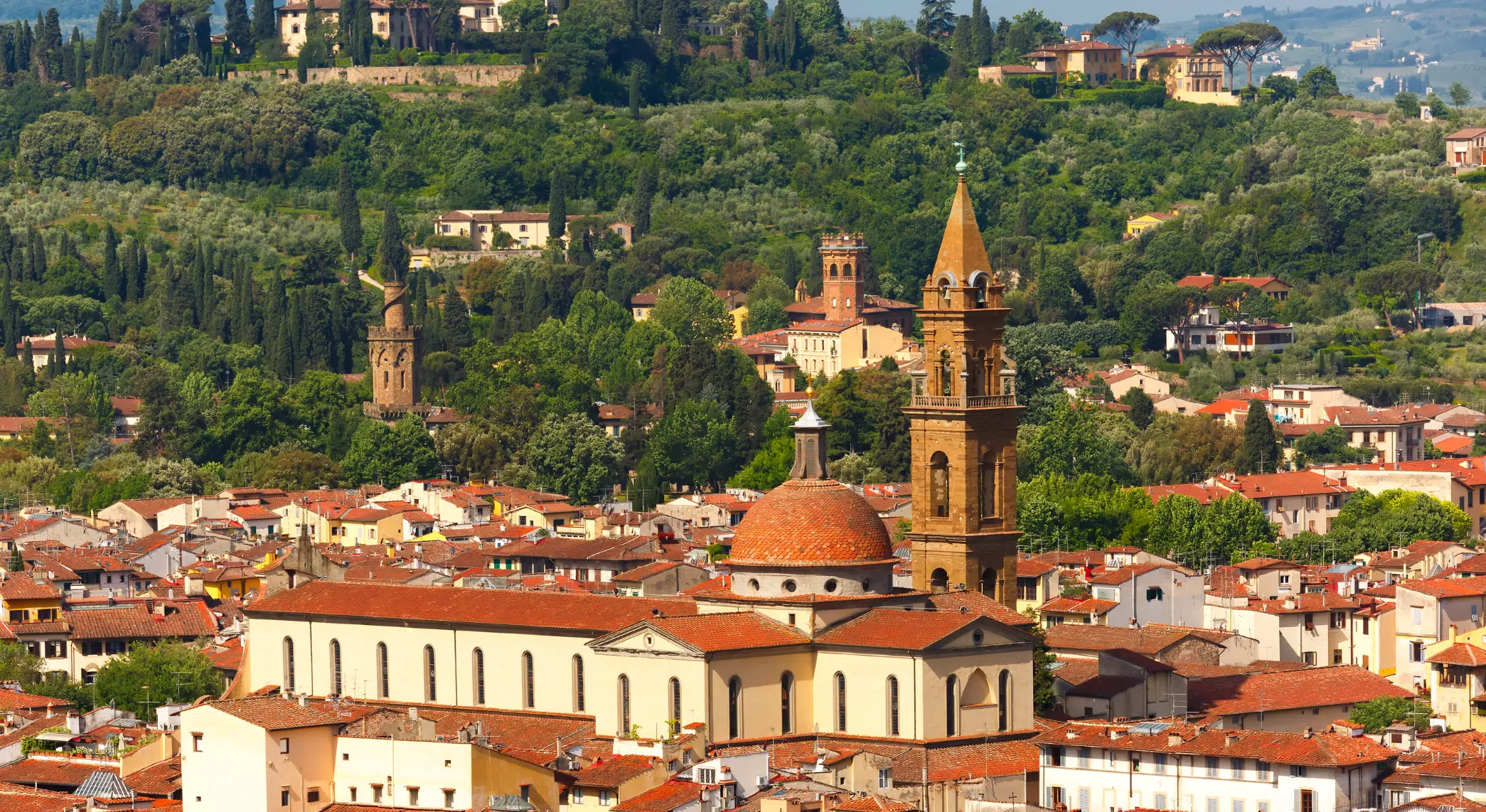
Most hotels marketed to first-time visitors cluster within walking distance of the Duomo, placing travelers at the center of the city’s highest foot traffic. Oltrarno, on the south bank of the Arno, and the adjacent San Niccolò quarter offer a more functional base. Both neighborhoods are residential in character, well connected to the major sites, and contain independent restaurants, workshops, and smaller institutions that operate outside the main tourist circuit.
Campo di Marte, further east toward the stadium, is less commonly considered but practical for visitors whose itinerary extends beyond the historic center. It sits on tram and bus lines, has a lower density of short-term rental properties, and is used primarily by Florentines.
Neighborhood choice directly affects how much of the city’s infrastructure is accessible on foot. Staying outside the central cluster does not limit access to major sites. It changes the conditions under which you reach them.
Timing the Uffizi and the Accademia: What the Entry Slot Actually Changes
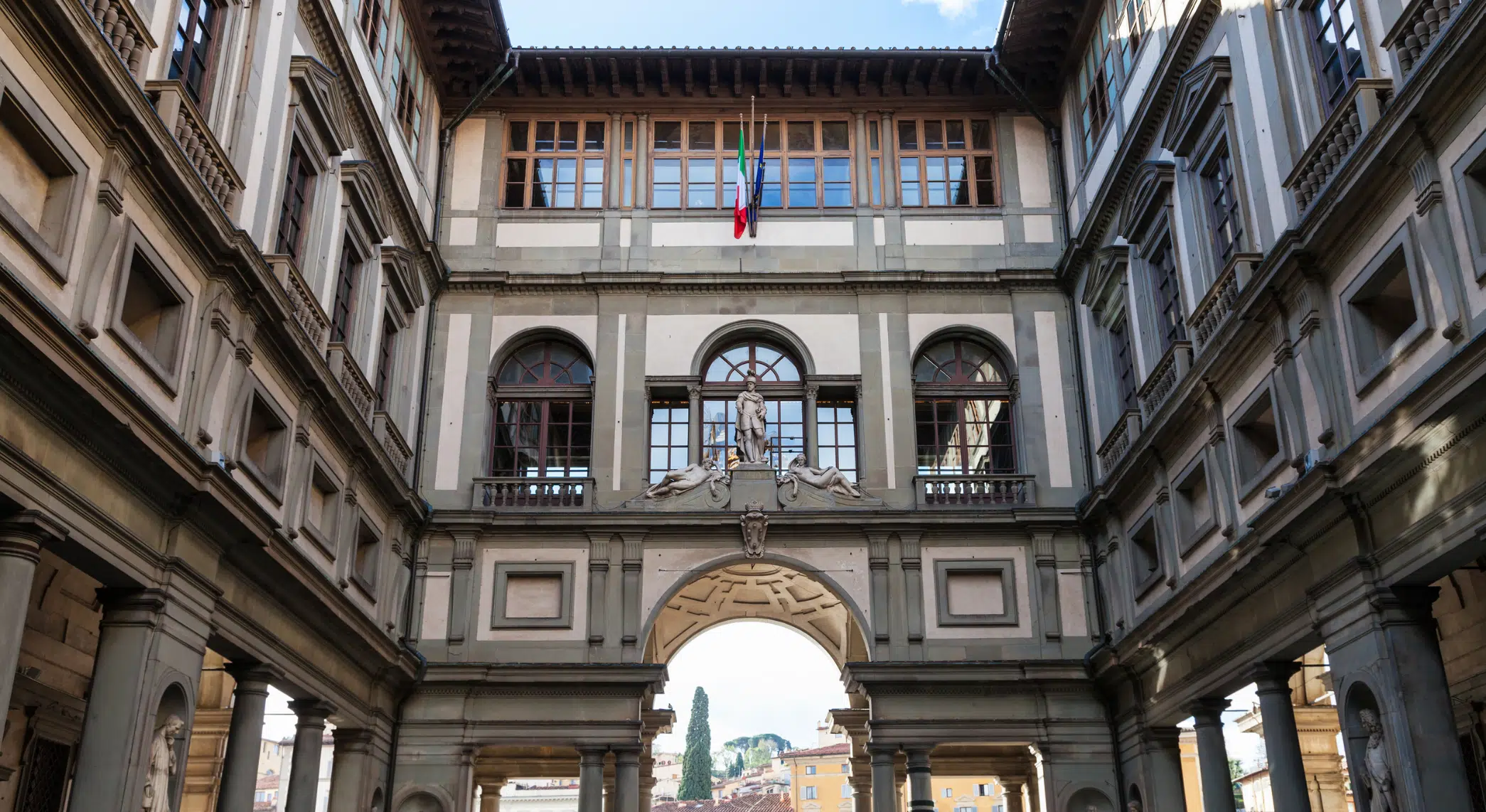
Both the Uffizi and the Accademia operate on timed entry slots, but the slot itself is only part of the calculation. At the Uffizi, the first entry of the day allows movement through the early rooms before tour groups consolidate around the Botticelli works. The final hour before closing produces similar conditions, as guided groups typically depart before the museum shuts. The Accademia follows a comparable pattern, with the David drawing the heaviest concentration between mid-morning and mid-afternoon.
Entry slots shift the probability of encountering lower density at specific points in the collection rather than guaranteeing a particular experience. The rooms surrounding the primary works are where timing makes the most material difference. Arriving at opening without a confirmed slot wastes the advantage entirely, and same-day availability at either museum is unreliable across most of the year. How entry is secured, and for which slot, determines more than most visitors anticipate.
Lesser-Known Museums Worth the Detour
Florence’s smaller institutions hold collections that are, in several cases, more historically significant than their visitor numbers suggest. The Museo di San Marco contains the largest surviving concentration of Fra Angelico’s work, including frescoes painted directly onto the walls of individual monks’ cells, a format that cannot be replicated in reproduction.
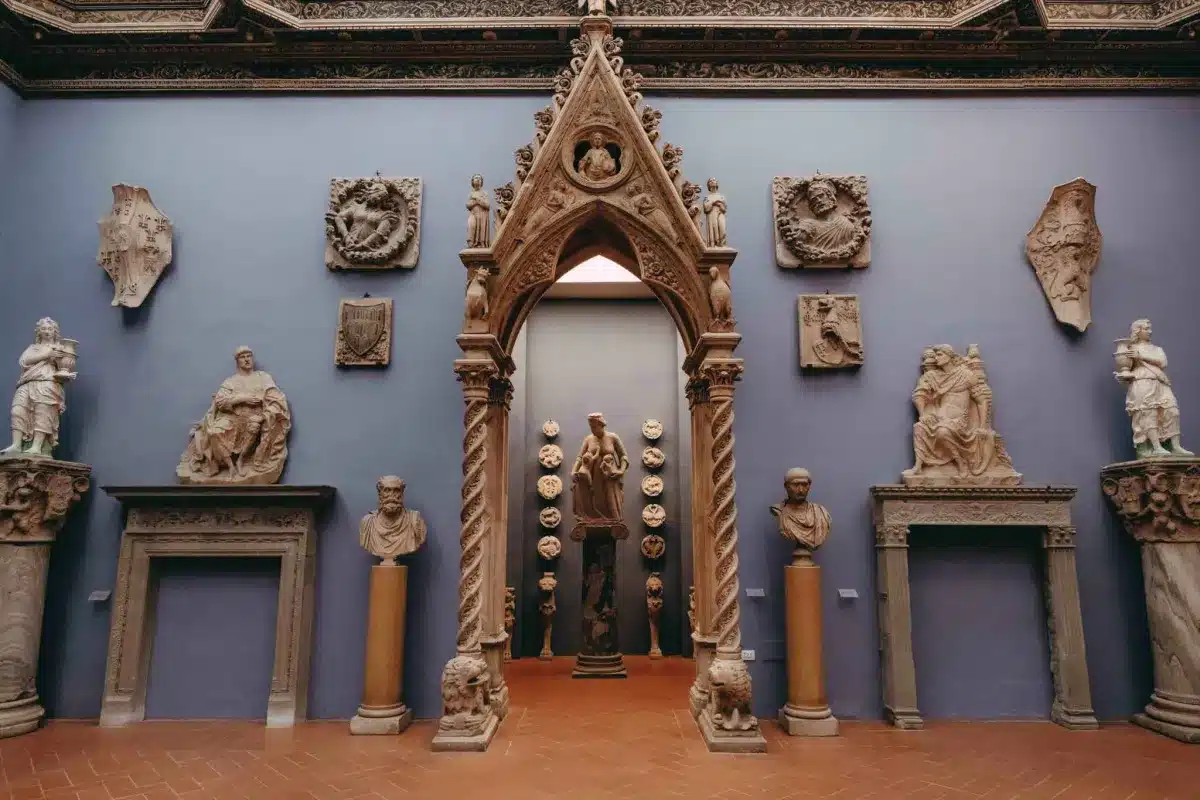
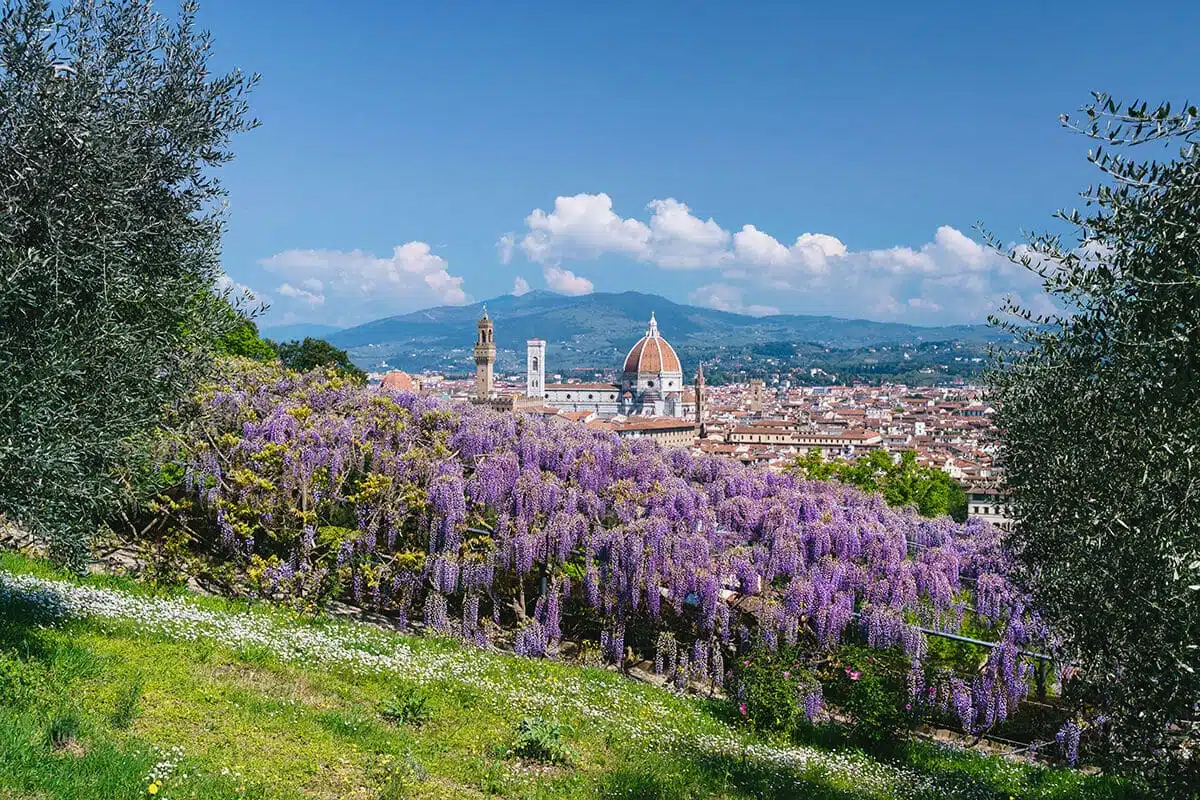
The Bardini Museum, housed in a 19th-century collector’s palazzo near the Oltrarno, holds an eclectic but serious permanent collection spanning sculpture, decorative arts, and carpets, with almost no queues at any point in the year. The adjoining Bardini Garden, accessible on the same ticket as the Boboli Gardens, boasts a stunning wisteria bloom in April and rewards those who make the climb with some of the clearest skyline views in the city.
The Opificio delle Pietre Dure occupies a different category entirely. It is a working state institute dedicated to the restoration of art and cultural heritage, with a small museum documenting its techniques and history. The collection is technical in focus, covering inlaid stonework and conservation methodology, and is of particular relevance to anyone with a serious interest in how Florentine craftsmanship developed and how it is currently preserved.
Access to the more specialized areas of these institutions, including restoration workshops and study collections, is not available through standard visits and depends on prior coordination.
Gardens and Open Space: The City's Quieter Geography
Florence’s outdoor spaces offer a structural alternative to its crowded piazzas but are not uniformly accessible. The Bardini Garden, on the Oltrarno slope above the city, is smaller and less visited than the Boboli, with a clear vertical layout that separates it from the tourist circuits below.
The upper terraces of the Boboli Garden require more deliberate navigation, as most visitors remain near the Pitti Palace entrance, leaving the higher sections considerably less trafficked. Both are most usefully visited in the morning, before organized tour groups descend.
The Giardino Torrigiani is a different case. It is the largest privately owned garden within a European city center and is not open to general visitors. Access depends on prior arrangement and is not consistently available, making it one of the more genuinely restricted spaces in Florence and one where the conditions of a visit are shaped almost entirely by how access is secured.
How to Move Through Florence: Pace as a Practical Strategy
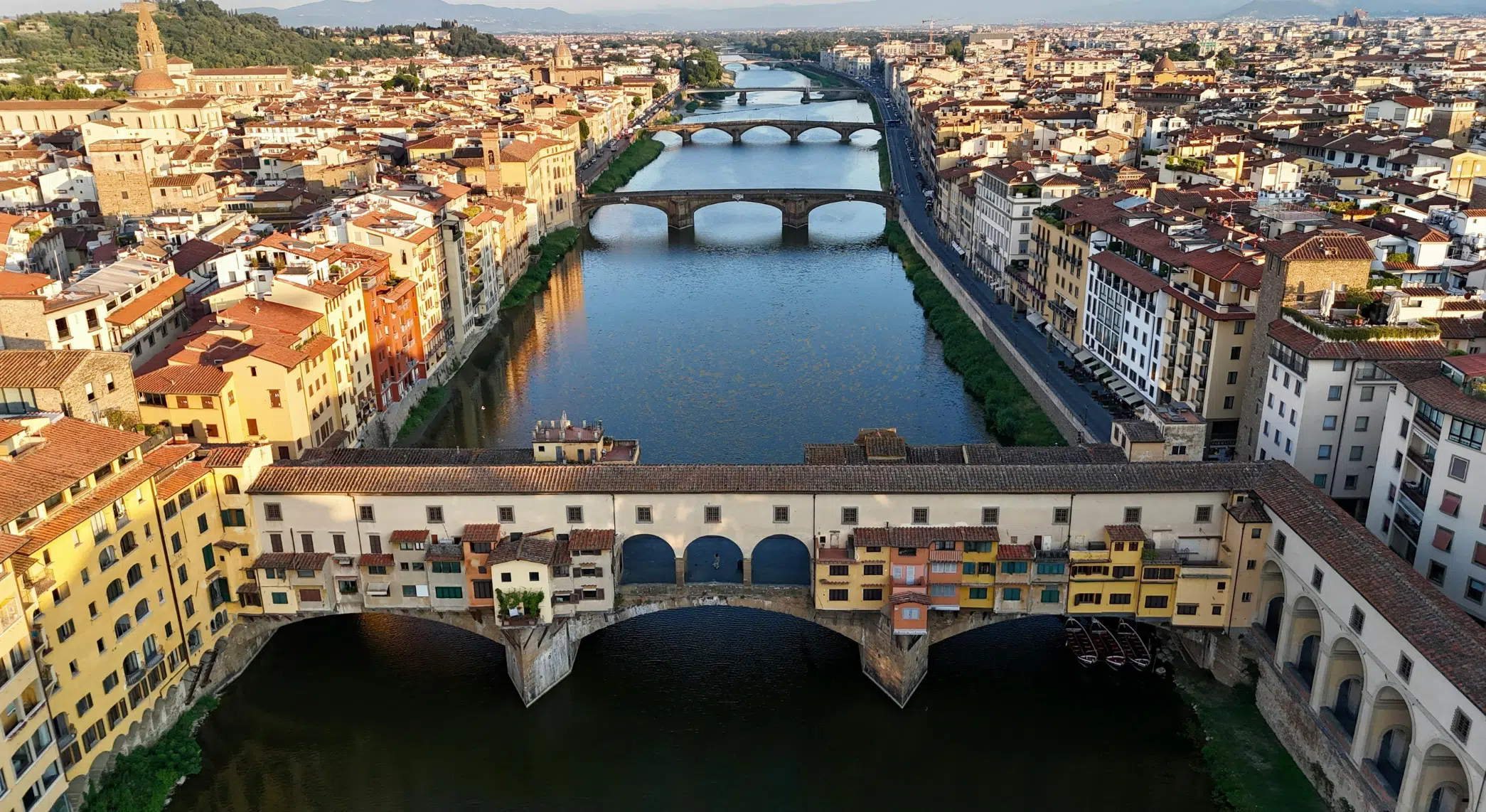
Florence’s peak congestion follows a predictable pattern. Tour groups arrive mid-morning and remain concentrated around the Duomo, the Uffizi, and the Ponte Vecchio until mid-afternoon. Structuring a day around this rhythm, rather than against it, is one of the most effective ways to reduce conflict with crowds at the city’s most visited sites.
An early start before 8am allows access to streets and exteriors before group itineraries begin. The midday hours between roughly 12pm and 3pm are better used for lunch, rest, or visits to smaller institutions with lower footfall, such as the Museo Nazionale del Bargello or the lesser-visited rooms of the Palazzo Pitti.
Late afternoon returns the city’s major sites to a more manageable scale. The Piazzale Michelangelo is more accessible after 4pm, and the streets around Santa Croce see a notable reduction in volume as group tours conclude. Timing, structured deliberately, functions as access in Florence.