



9 days days
|$4995

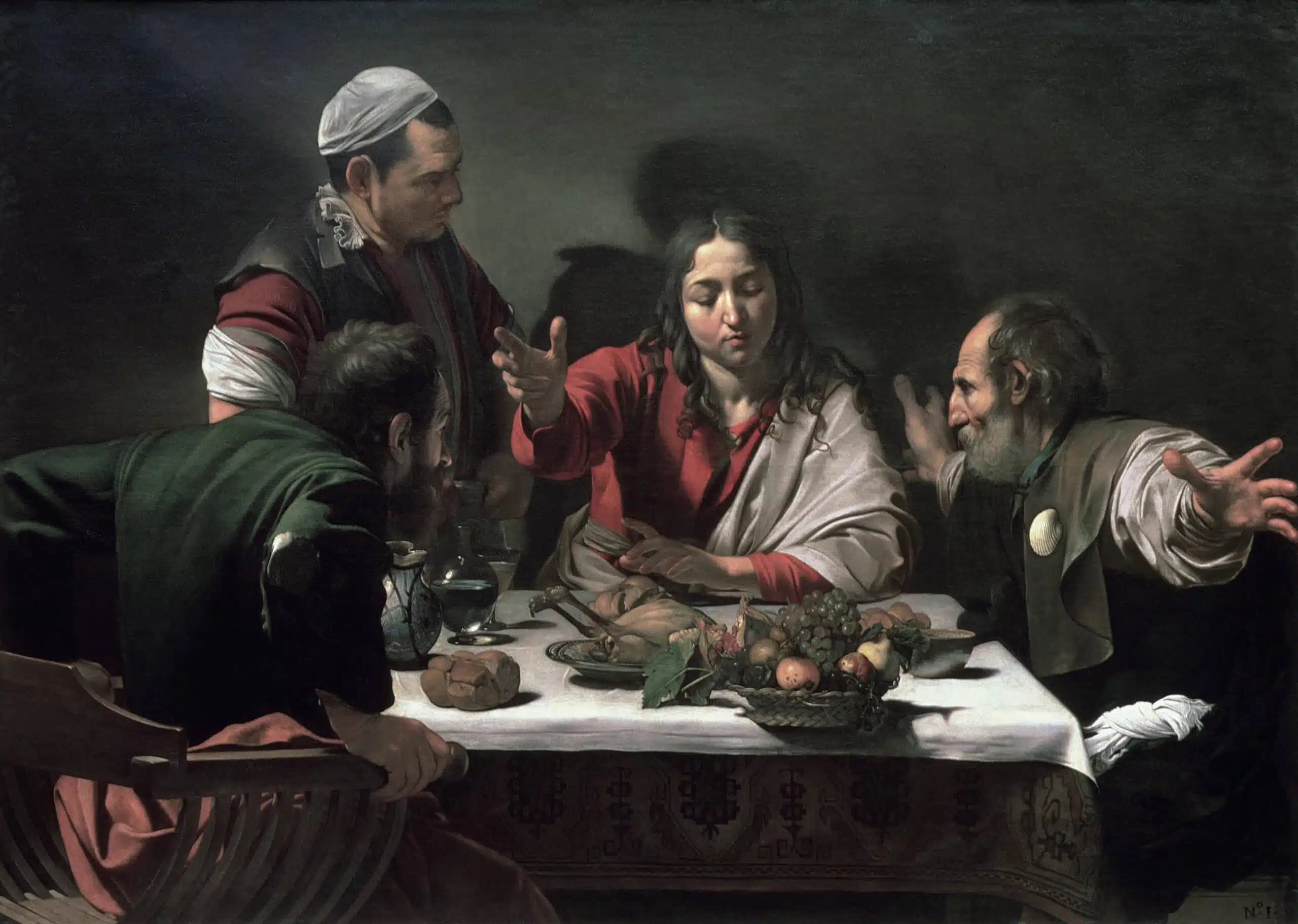
Three churches, three masterpieces, and a morning walk through the Rome that Caravaggio knew.
Rome has more Caravaggio paintings in their original locations than anywhere else on earth. Not in museums, not behind glass in climate-controlled galleries, but hanging in the churches they were painted for, in the light they were designed to be seen in, in the city that made and nearly destroyed the man who created them.
Understanding Caravaggio means understanding Rome, and understanding Rome through Caravaggio is one of the most rewarding ways to see the city.
Do Not Disturb is a luxury travel company specializing in carefully designed journeys and considered experiences. Each itinerary we build for our clients is informed by real destination knowledge, offering insight into places, cultures, and moments that shape how a trip comes together.
If this destination has sparked ideas, the itinerary can be developed into a private journey tailored to your interests and travel style, with hand-picked stays, thoughtful routing, and experiences curated around what matters most to you.
Michelangelo Merisi da Caravaggio arrived in Rome from Lombardy around 1592, broke, unknown, and somewhere in his early twenties. He left it, about fifteen years later, as the most talked-about painter in Europe and a fugitive wanted for murder. In between, he transformed the way Western art depicted the human figure, invented a technique of light and shadow so radical that it spawned an entire movement, and painted some of the most viscerally powerful images ever put on canvas.
Rome gave him everything and he gave it back in kind. The city’s violent street life, its poverty, its extraordinary religious intensity, all of it fed directly into the work.
He painted saints with dirty feet and apostles with the faces of labourers. He used the people around him as models, including, it is believed, sex workers and street criminals, and placed them in sacred scenes with a directness that the church found alternately thrilling and scandalous. Several of his major commissions were initially rejected. Most of them ended up considered masterpieces within his own lifetime.

9 days days
|$4995

10 days
|$6200
14 days days
|$6995
It sits on a narrow street just off the Piazza Navona, one of the most visited squares in Rome. Thousands of people walk past it every day. Almost nobody goes in.
Sant’Agostino is a fifteenth century church with an interior that contains, among other things, a Raphael fresco, a revered Byzantine icon that pilgrims have been coming to venerate for centuries, and Caravaggio’s Madonna di Loreto, painted around 1604 and still hanging in the chapel on the left nave where it was placed over four hundred years ago.
The painting shows the Virgin Mary appearing to two pilgrims at the doorway of a modest house, the Christ child in her arms. What caused the scandal that greeted its unveiling was not the composition but the detail. The pilgrims are ordinary Romans, visibly poor, one of them with cracked and dirty feet so precisely rendered that you can almost feel the miles they have walked.
The Virgin is a real woman, her neck slightly bent under the weight of the child, her expression one of patient dignity rather than celestial radiance. It is an image of faith as lived experience rather than theological abstraction, and in 1604 that was a radical and deeply controversial thing to put above an altar.
The church is free to enter, rarely crowded, and takes about twenty minutes to see properly. It is one of the great small experiences in Rome and the fact that it sits two minutes from the Piazza Navona makes its relative obscurity all the more remarkable.

If Sant’Agostino is Rome’s best kept Caravaggio secret, Santa Maria del Popolo is the one that deserves to be better known than it is. It stands at the northern entrance to the city, just inside the Porta del Popolo gate, and contains two Caravaggios in the Cerasi Chapel that together represent some of the most daring painting of the sixteenth century.
The Conversion of Saint Paul, completed around 1601, was so radical in its composition that the patron initially rejected it. Caravaggio had painted an earlier version showing the conventional scene of Paul struck down by divine light, surrounded by angels and attendants. The patron wanted something more traditionally devotional.
What Caravaggio gave him instead was a man lying on his back in the dark, arms raised toward a light source outside the frame, while a groom and an enormous horse take up most of the picture. The religious event is suggested rather than depicted. The miracle, if there is one, is entirely interior. The church accepted it eventually. It has never stopped being argued about.
Beside it hangs the Crucifixion of Saint Peter, equally spare, equally unconventional, showing the moment the cross is being raised with Peter already nailed to it, the effort of the workmen who are hoisting it rendered with the same attention to physical reality that runs through all of Caravaggio’s Roman work.

The most visited of Rome’s Caravaggio churches, and for good reason. San Luigi dei Francesi, the French national church in Rome, contains three paintings depicting the life of Saint Matthew in the Contarelli Chapel, and they represent one of the most complete statements of Caravaggio’s mature style available in a single room.
The Calling of Saint Matthew is the most reproduced, the beam of light crossing a dark room to fall on a group of men at a table, one of whom looks up in a gesture of startled self-recognition that has been interpreted and reinterpreted for four centuries. To see it properly you feed coins into a light box that illuminates the chapel for a few minutes at a time, which gives the whole experience an unexpectedly theatrical quality that Caravaggio would probably have appreciated.
The church sits on the Piazza San Luigi dei Francesi, a short walk from the Pantheon. It is more visited than Sant’Agostino but still vastly underseen relative to what it contains.
The three churches sit within comfortable walking distance of each other and can be combined into a morning that covers some of the most beautiful streets in the centro storico. Start at Sant’Agostino when it opens, before the day has properly begun.
Walk south through the Campo de’ Fiori, the square where Caravaggio is believed to have killed a man in a brawl in 1606, which adds a certain biographical weight to the surroundings. San Luigi dei Francesi is fifteen minutes on foot. Santa Maria del Popolo requires a taxi or a walk north, but the Piazza del Popolo is one of the great squares in Rome and worth the journey on its own terms.
Do Not Disturb arranges private guided visits to all three with an art historian who specialises in the period, giving each painting the kind of context that transforms a church visit into something closer to a revelation.
We also build the Caravaggio trail into wider Rome itineraries for clients who want their time in the city to go beyond the obvious, combining the churches with the Borghese Gallery, which holds several major Caravaggio canvases, and the quiet neighbourhoods of Trastevere and the Ghetto that would have been entirely familiar to the artist himself.
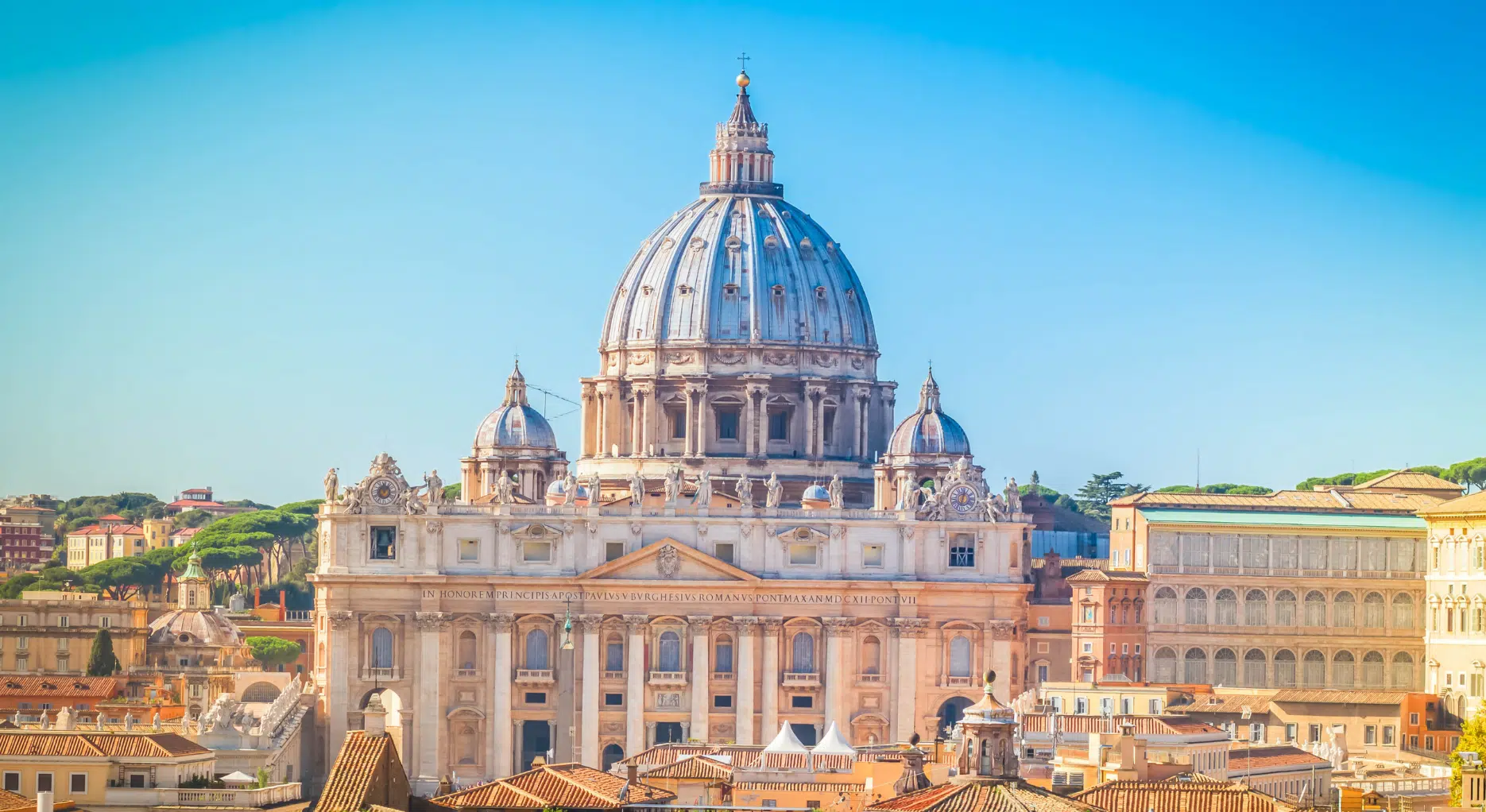
All three churches are free to enter and open most days, though hours vary and closures for services are common around midday.
Early morning visits, before the main tourist flow begins, give you the paintings in their best light and with the fewest distractions. The Borghese Gallery requires advance booking and limits visitor numbers, which makes it one of the more pleasant major gallery experiences in Rome. Do Not Disturb handles all of this as standard.
Speak to Do Not Disturb’s luxury travel experts and turn this moment into something personal.
Related destinations
Suggested articles






Tell us how you want to feel, we’ll take it from there.
“Our trip was truly magical and full of core memories that will last us a lifetime.”
Michael • Bora Bora Honeymoon

“We just returned from an incredible journey through Ireland, and we couldn’t have had a better experience”
Brad • Ireland Adventure
“This was a flawless experience. They took all our thoughts and perfectly curated the most beautiful honeymoon.”
Kris • Sicily Honeymoon
Our team brings over 35 years of experience in luxury travel, shaping bespoke journeys for discerning clients worldwide. The reviews below reflect the trust placed in us and the experiences we continue to create.
See more reviews on Trustpilot
In Finland, the sauna is not a luxury amenity or a wellness trend but a foundational social institution, embedded in daily life across a country of five-and-a-half million people and an estimated three million saunas. For wellness travelers seeking something more substantive than a hotel spa, Finnish sauna culture is a practice with its own architecture, […]
 5 min read
Choosing a honeymoon destination as an LGBTQ+ couple requires more than a shortlist of scenic hotels: it demands a clear-eyed assessment of legal protections, local attitudes, and the kind of welcome that holds up beyond the lobby. This guide moves through six destinations with that standard in mind, weighing romance against reality so you can […]
 5 min read
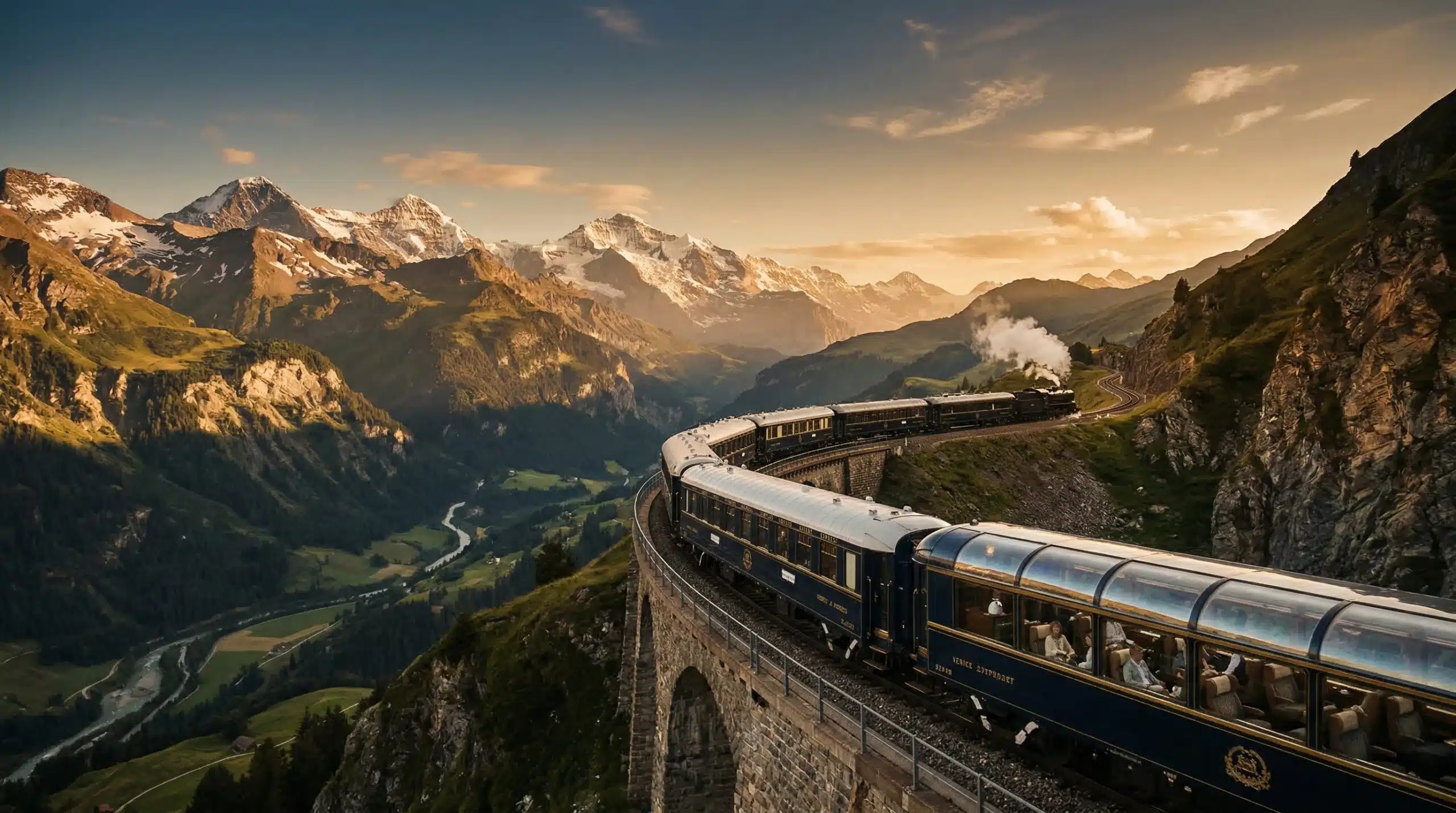
Rail travel offers honeymooners something that flights cannot: the journey itself as a destination, measured in landscapes rather than hours. These routes, spanning Scotland, Switzerland, South Africa, and Southeast Asia, are built around storied long-distance trains and hotel stays chosen to match the slower pace.
 5 min read
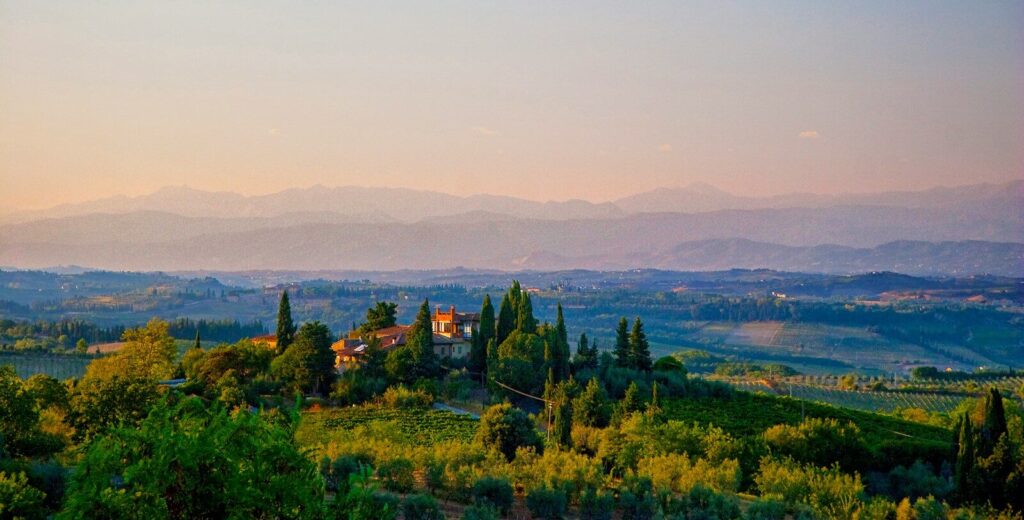
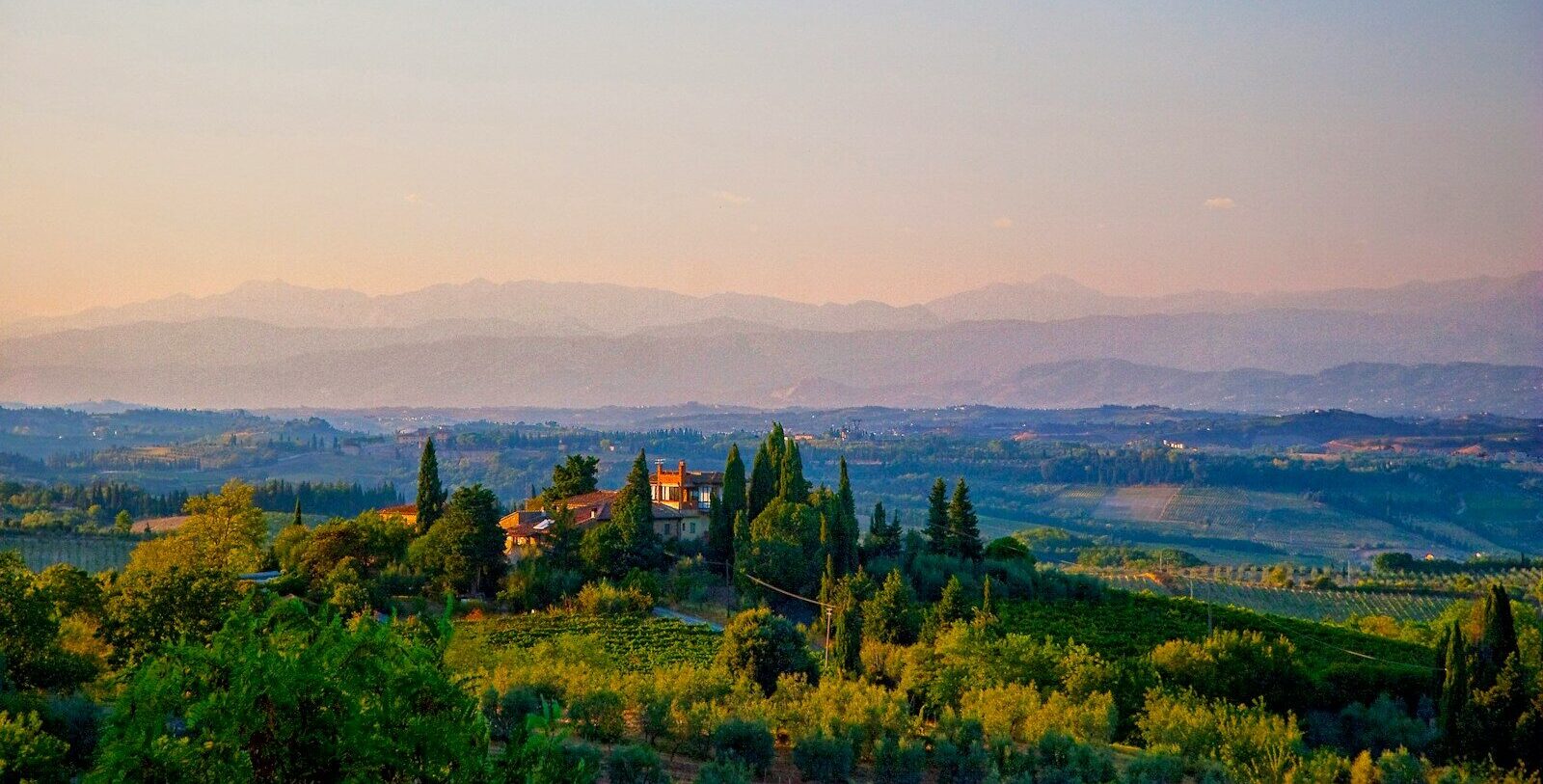
Chianti’s landscape of cypress-lined ridges, fortified wine estates, and medieval villages has long attracted travelers seeking something more considered than a hotel stay. Here, a villa is not an amenity but the destination itself.
Planning your trip should feel effortless.
You share what matters, whether it’s a destination, a feeling, or a moment worth celebrating.
Your dedicated expert shapes a thoughtful, private itinerary tailored entirely around you.
Every detail handled. Every moment considered. Support before, during, and after your journey.

Answer a few quick questions and we’ll craft a journey as unique as your state of mind.
Ask us anything.
