
On this page
Portofino and the Italian Riviera occupy a specific position in European travel. A stretch of Ligurian coastline where the harbor villages of the Cinque Terre give way to the polished quays of Portofino, it rewards travelers who arrive knowing exactly what they want.
The Harbor at the Center of Everything
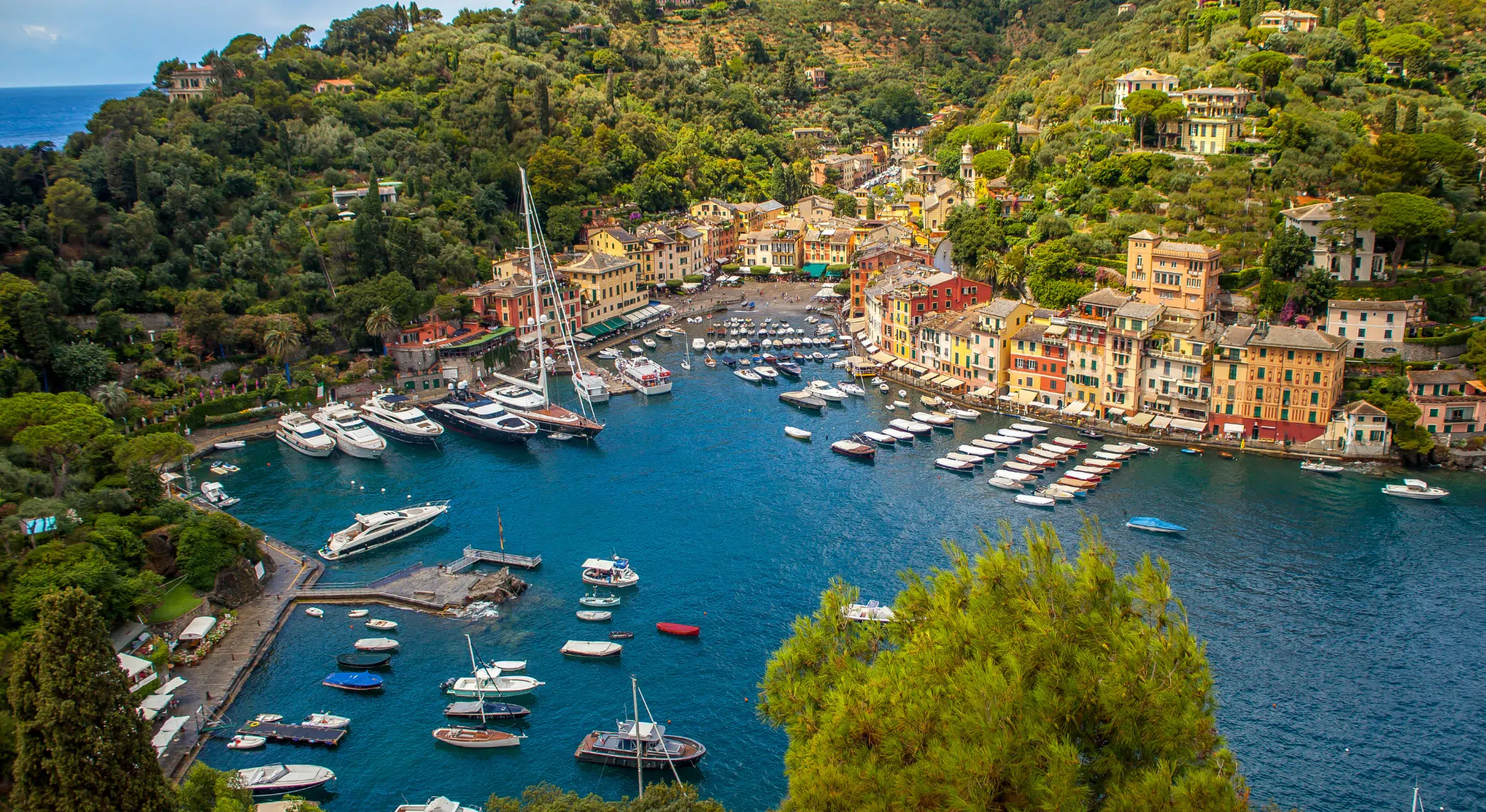
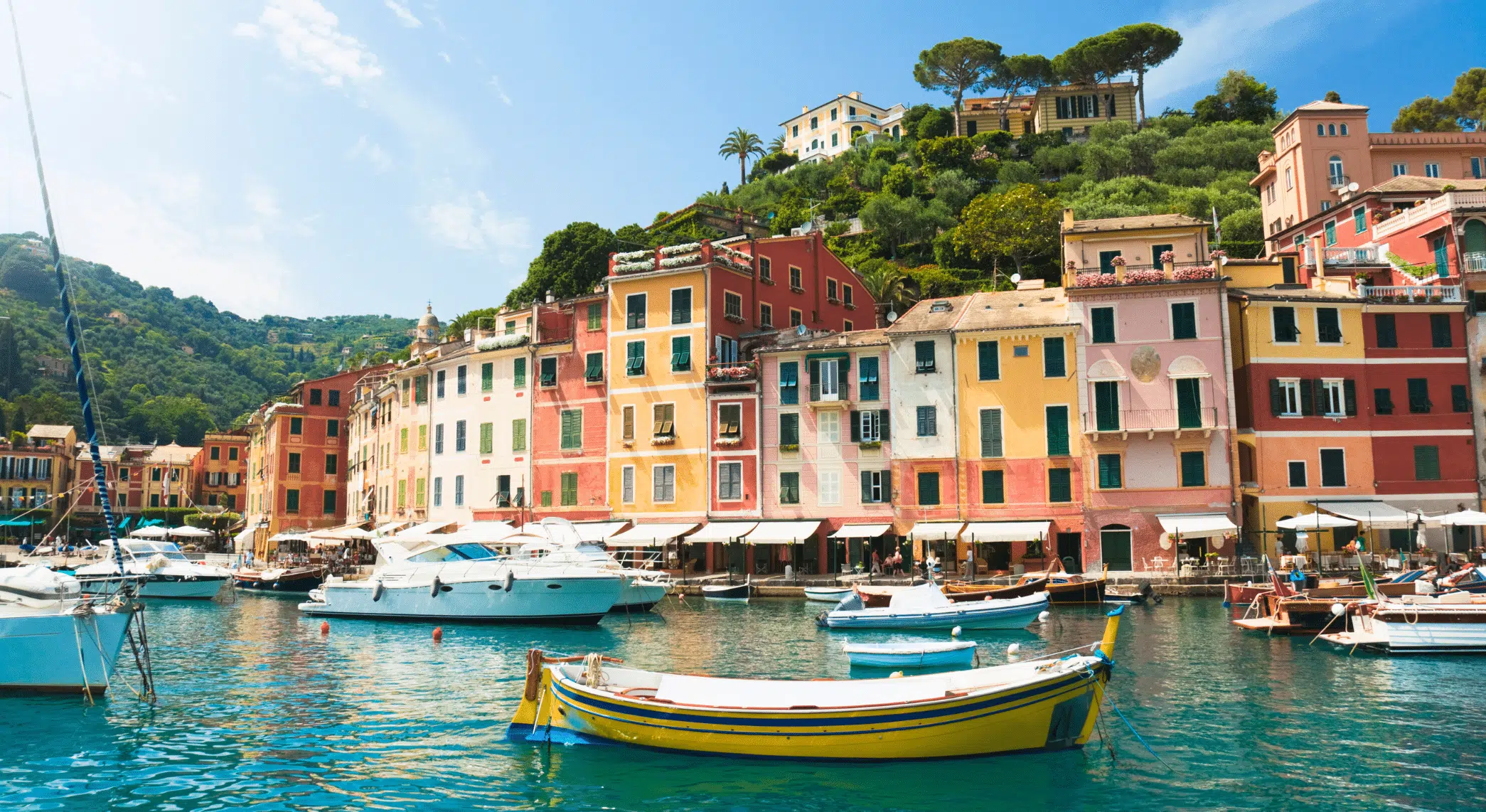
Portofino is a working harbor that became a reference point for European luxury without meaningfully changing its structure. The piazzetta, the painted facades along the waterfront, and the steep wooded hills behind the village form a setting that has remained largely intact since the postwar decades when the harbor first attracted a clientele of artists, industrialists, and royalty.
What distinguishes Portofino from comparable destinations is scale. The village has a permanent population of a few hundred, no through road, and a harbor that accommodates superyachts within metres of fishing boats. Access is by sea or on foot, which limits footfall and preserves a degree of exclusivity that larger resorts cannot replicate structurally.
The wealth that gathers here is not announced. It is present in the quality of the boats, the restraint of the hotels, and the absence of the commercial infrastructure that defines most resort towns. Portofino functions as a destination precisely because it has resisted becoming one in the conventional sense.
Where to Stay: Boutique Hotels and Clifftop Retreats
Portofino’s most established address is Belmond Hotel Splendido, positioned on the hillside above the harbor with direct access to the village on foot. Its sister property, Splendido Mare, sits at water level on the piazzetta and suits travelers who want proximity to the harbor rather than elevation and privacy. Both operate at the top of the market and require significant lead time to secure during peak season.
Between Santa Margherita Ligure and Rapallo, the options are smaller in scale but more varied in character. Hotel Imperiale in Santa Margherita occupies a Liberty-style villa with direct seafront access and functions well as a base for day trips along the coast. Rapallo’s properties tend toward the traditional, with several family-run hotels offering a quieter alternative to Portofino’s more concentrated demand.
Across this stretch of coastline, the distinction between properties often comes down to access, specifically to private moorings, terrace dining, and relationships with local boat operators, rather than room quality alone.
On the Water: Boat Days Along the Ligurian Coast
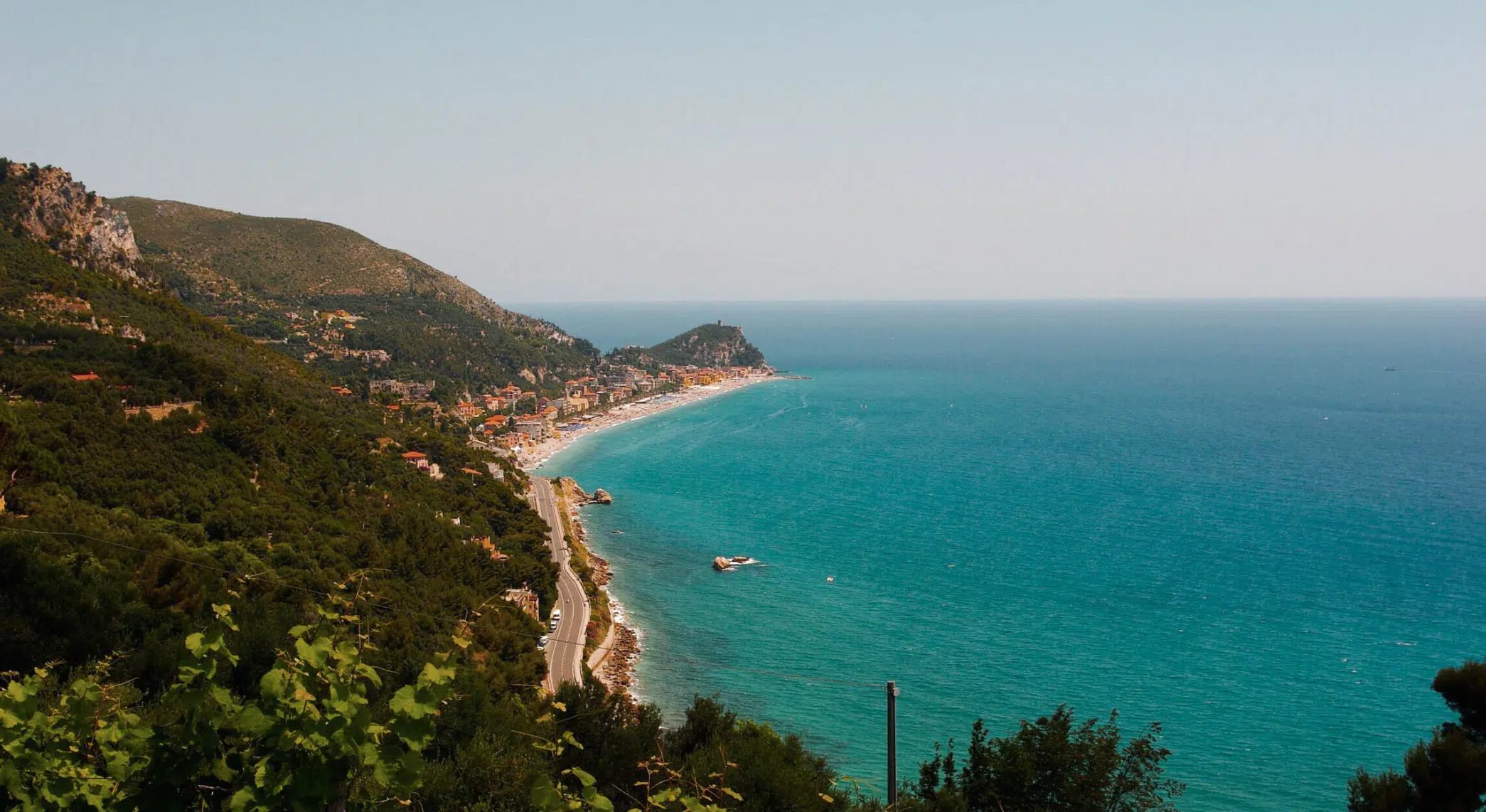
The Ligurian coastline is not fully legible from land. Roads run inland through tunnels and hillside villages, and much of the cliff geography between Portofino and the Cinque Terre is only visible from the water. A private charter resolves this directly, giving access to anchorages, sea caves, and swimming coves that have no road connection and receive no day-trip traffic.
The most significant stops along this stretch include the protected cove at Paraggi, the waters off San Fruttuoso, accessible only by boat or a long coastal path, and the quieter inlets east of Vernazza. Each offers a different relationship to the coastline, from sheltered swimming to open-water anchoring above clear seabed.
Charter availability on this coast is constrained by season and by the limited number of quality operators working the area. The difference between a competent day on the water and a well-constructed one is largely a function of local knowledge, both in vessel selection and in how the itinerary is built around tides, anchorage access, and timing.
Seaside Dining: Precision Over Pageantry
Ligurian cuisine is defined by restraint and regional specificity. Pesto originates here, made with Genovese basil, Ligurian olive oil, and local pine nuts, and its quality varies significantly depending on where and how it is sourced. Trofie al pesto, focaccia di Recco, and fresh anchovies from the Gulf of Genoa are the reference points against which any serious meal on this coast should be measured. The best trattorias treat these dishes as technical exercises, not tourist offerings.
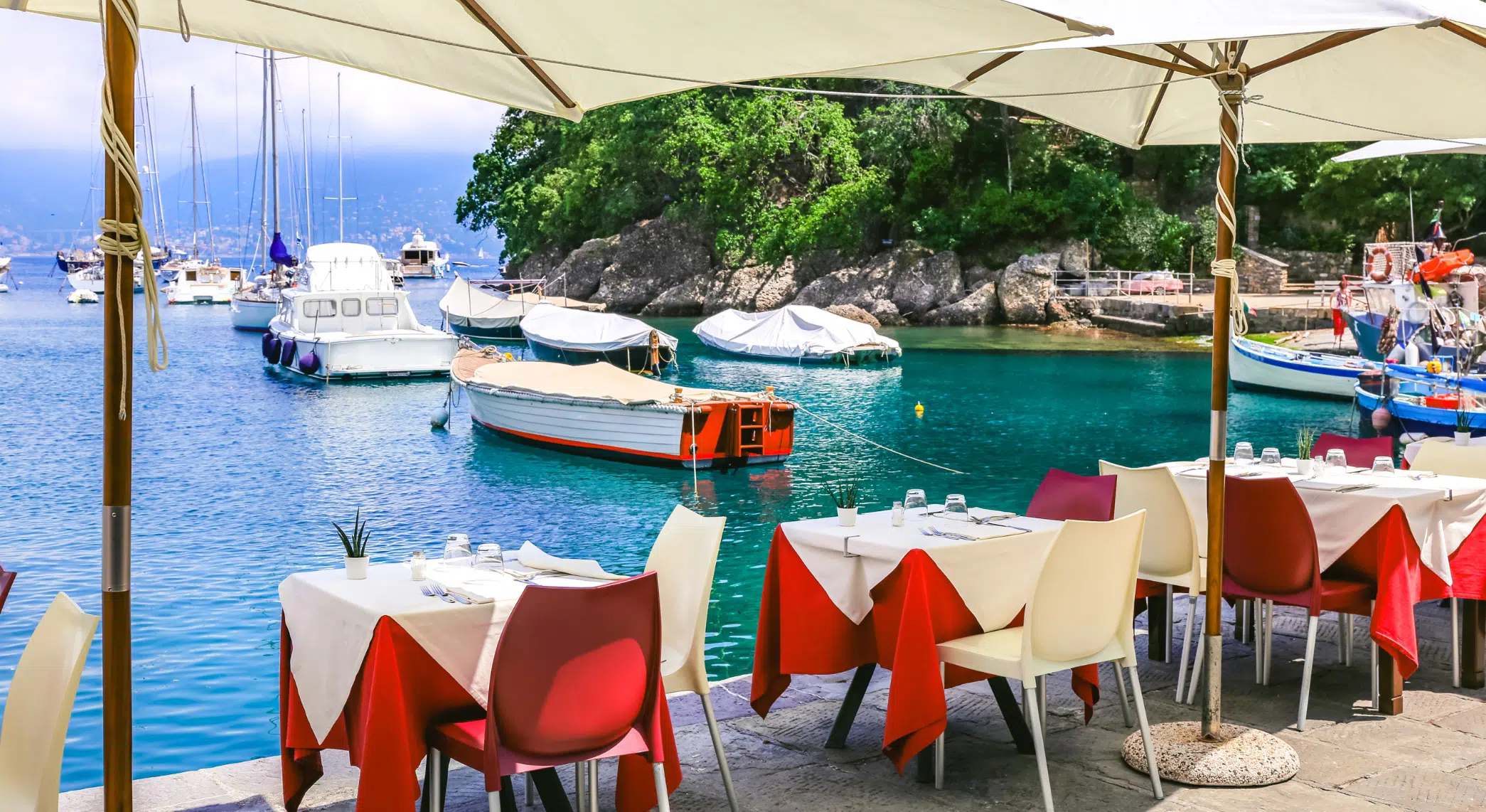
Terrace restaurants in Portofino and Santa Margherita Ligure command premium positioning, but setting alone does not determine quality. The more considered options tend to operate on shorter menus with tighter ingredient sourcing, often working directly with local fishermen and small producers. Identifying which restaurants maintain this standard across a season, rather than performing it selectively, requires knowledge that goes beyond what a reservation platform can provide.
Beyond Portofino: The Cinque Terre as a Day's Extension
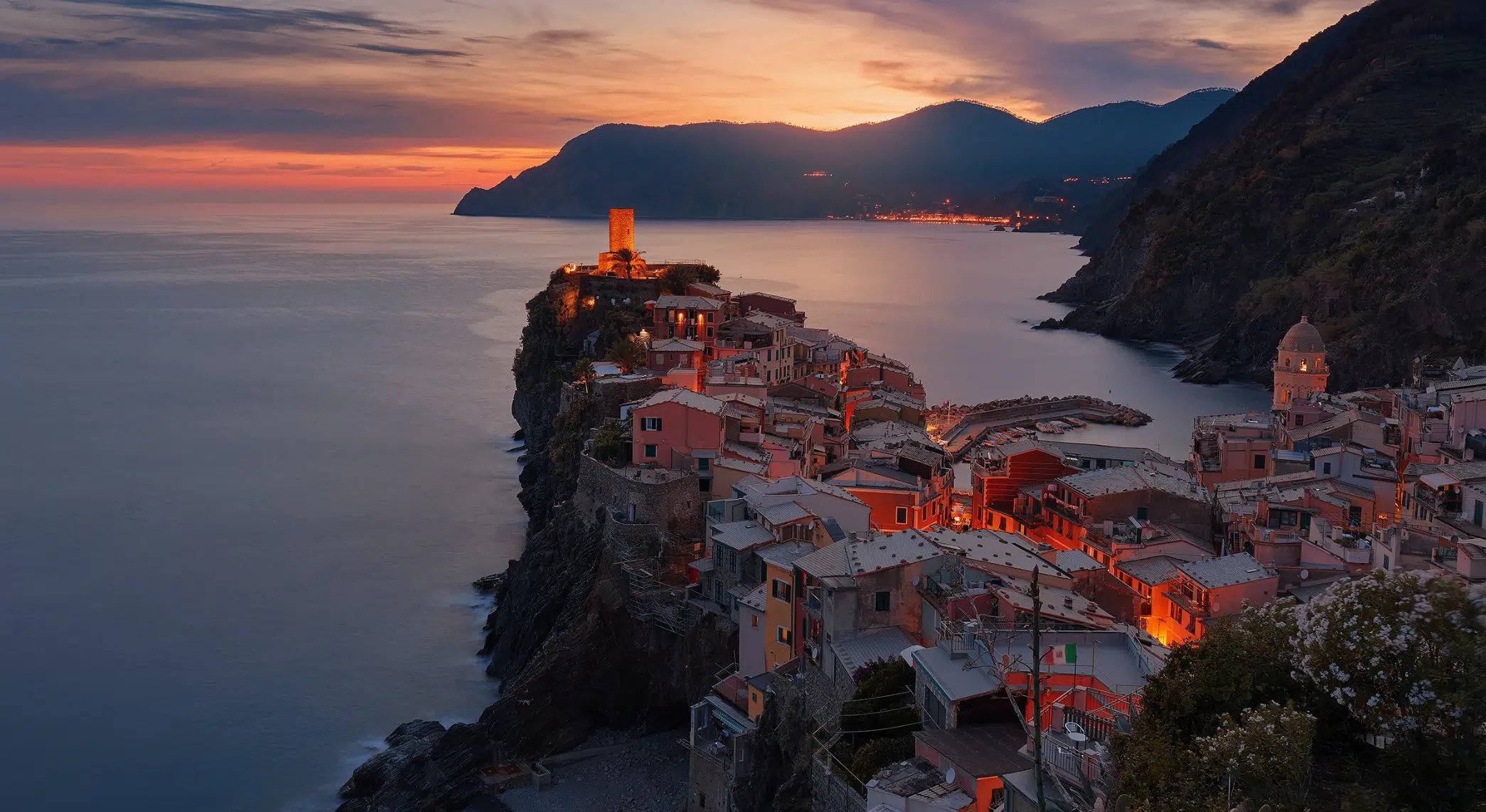
The Cinque Terre sits roughly 80 kilometers southwest of Portofino along the Ligurian coast, accessible by train from Santa Margherita Ligure or by private boat, which allows for a more controlled approach and avoids the bottlenecks common at Monterosso and Riomaggiore during peak hours. The boat route has the additional advantage of arriving from the water, which gives a more accurate sense of how each village is structured against the cliffs.
Of the five villages, Vernazza and Corniglia merit the most time. Vernazza has a functioning harbor and a coherent historic center. Corniglia sits elevated above the sea and draws fewer visitors as a result. Both reward a slower visit more than the others.
The Cinque Terre works best as a single, well-structured day rather than an overnight. The logistics of sequencing the villages, managing transfers, and timing the return to Portofino are what determine whether the extension is worthwhile.
Planning the Italian Riviera: Timing, Access, and What to Know
Late May through June and September through early October represent the most viable windows for this coastline. July and August bring significant pressure on roads, harbors, and accommodation, particularly in Portofino and the Cinque Terre villages, where access is physically constrained by geography. Shoulder season visits allow for greater movement and more considered engagement with the places themselves.
Portofino is not served by direct rail. The nearest station is Santa Margherita Ligure, from which the village is reached by road or water. Genoa’s Cristoforo Colombo Airport connects to major European hubs, and Milan’s Malpensa offers broader international reach, with the drive to the Riviera taking approximately two hours under normal conditions.
Access to the most sought-after properties and experiences on this coastline is rarely straightforward. Availability at the right addresses is limited, and the relationships required to navigate it well are not built quickly. The quality of a stay here is shaped as much by how it is arranged as by where it is spent.
Ready to plan your Italian Riviera journey from the Cinque Terre to Portofino? Speak with Do Not Disturb to begin your journey.