On this page
Italy’s most rewarding cities are rarely its most visited, and the travelers who work this out tend to eat better, move slower, and see more of the actual country. This guide covers six cities that deliver architecture, history, and food at a scale you can still take in on foot.
The Case for Skipping Rome
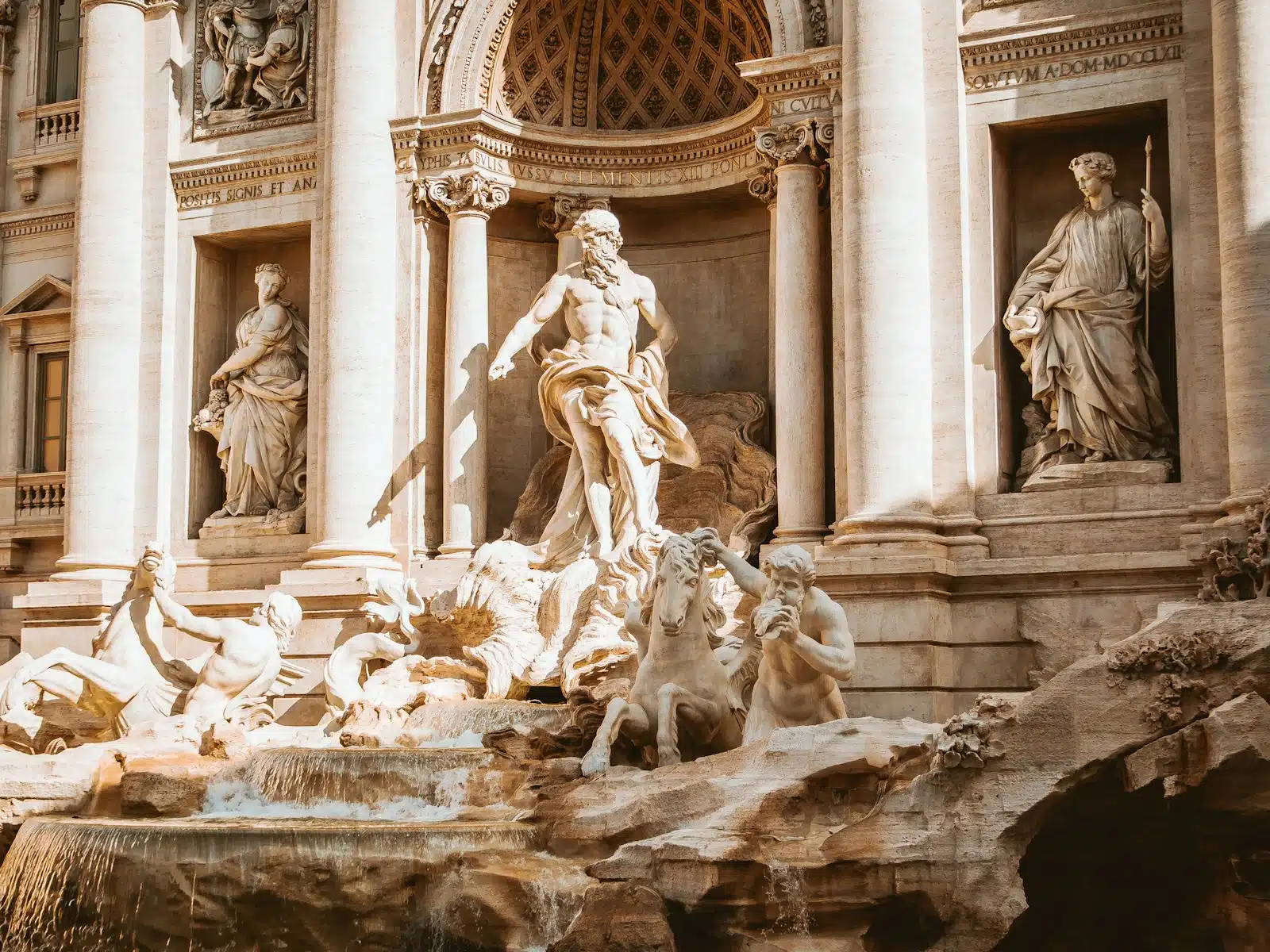
Rome receives more than 35 million visitors annually, concentrated across a relatively small historic core. The Vatican, the Colosseum, and the Trevi Fountain account for a disproportionate share of that traffic, creating conditions where meaningful engagement with the city’s architecture and history becomes structurally difficult. Queues, restricted access windows, and the logistics of moving between sites consume time that would otherwise go toward understanding the place.
The practical argument for redirecting attention is straightforward. Italy’s urban history did not consolidate in Rome. The country’s political fragmentation prior to unification in 1861 produced a network of independent city-states, each with its own civic architecture, artistic patronage, and culinary tradition. That density of distinct culture is still legible in cities that receive a fraction of Rome’s visitor numbers.
Northern and central Italy in particular contain cities where the ratio of historical significance to visitor volume remains favorable.
Bologna and Verona: The North's Two Essential Stops
Bologna’s reputation as Italy’s foremost food city is structural, not incidental. The city’s markets — Mercato di Mezzo and the Quadrilatero district — operate as working infrastructure, not tourist attractions. Ragù here is a protected recipe, and the porticoes that run for nearly 40 kilometres through the medieval centre are a UNESCO-listed civic system, not decoration. Two to three days allows enough time to move between the university quarter, the food markets, and the Romanesque basilicas without compression.
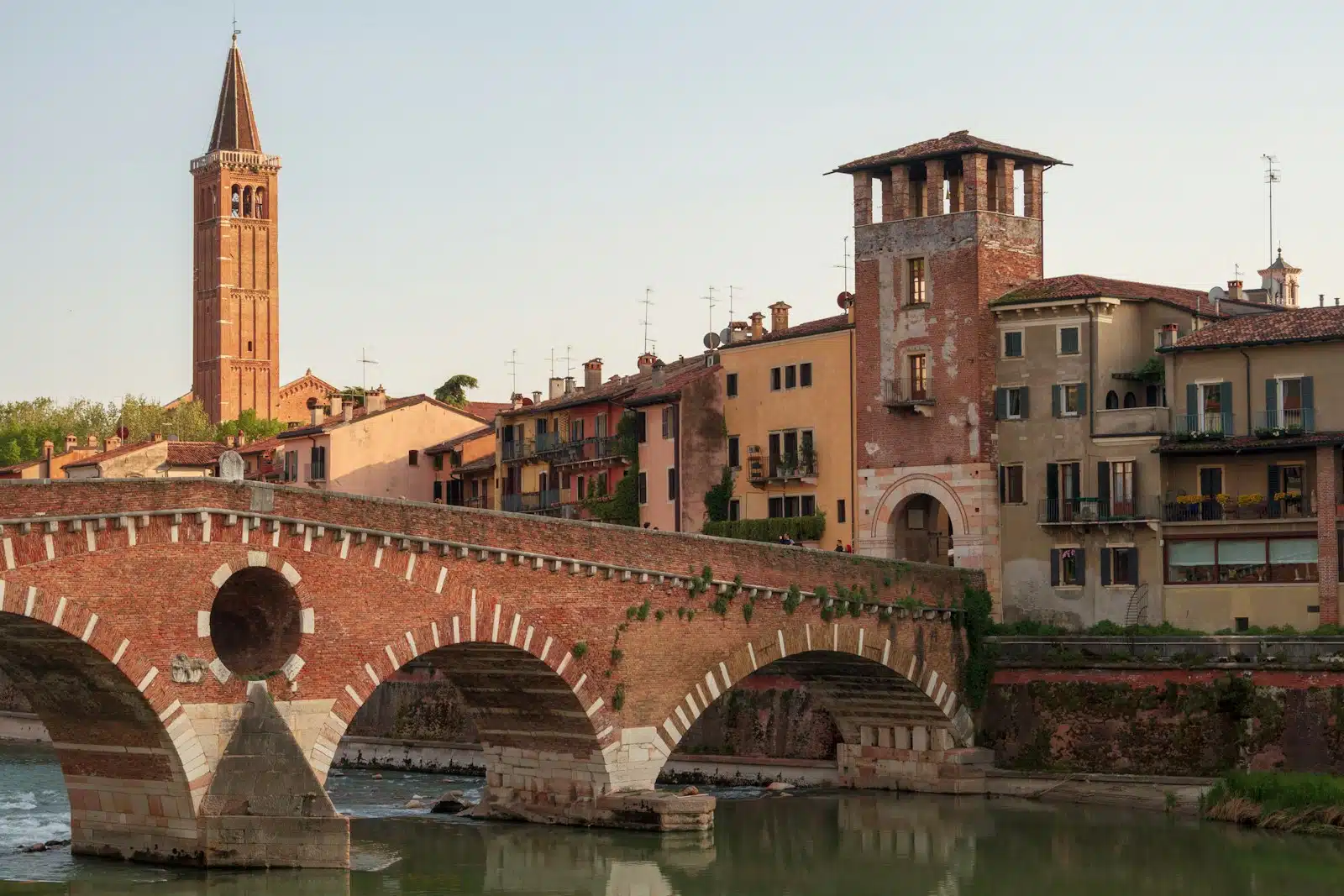
Verona operates on a different register. The Arena di Verona, a first-century Roman amphitheatre seating up to 15,000, remains in active use for opera and large-scale events. The city’s Renaissance streetscape is concentrated and walkable, and the Valpolicella and Soave wine regions sit immediately outside the city limits, making Verona a credible base for serious wine engagement.
The two cities sit roughly 90 minutes apart by direct rail, making a combined itinerary logical. Each justifies its own allocation of time rather than a single shared visit.
Tours we recommend
 FranceItaly & France Grand Tour Honeymoon
10 days · From $6,895pp
FranceItaly & France Grand Tour Honeymoon
10 days · From $6,895pp
 ItalyItaly by Rail: Rome, Florence and Venice
14 days · From $6,995pp
ItalyItaly by Rail: Rome, Florence and Venice
14 days · From $6,995pp
 Italy’s Romeo & Juliet Trail: Verona, Venice & Florence
8 days · From $6,200pp
Italy’s Romeo & Juliet Trail: Verona, Venice & Florence
8 days · From $6,200pp
 ItalyNorthern Italy Food and Wine Tour: Piedmont, Langhe & Bologna
10 days · From $9,995pp
ItalyNorthern Italy Food and Wine Tour: Piedmont, Langhe & Bologna
10 days · From $9,995pp
Mantua: Renaissance Ambition in a Quiet City
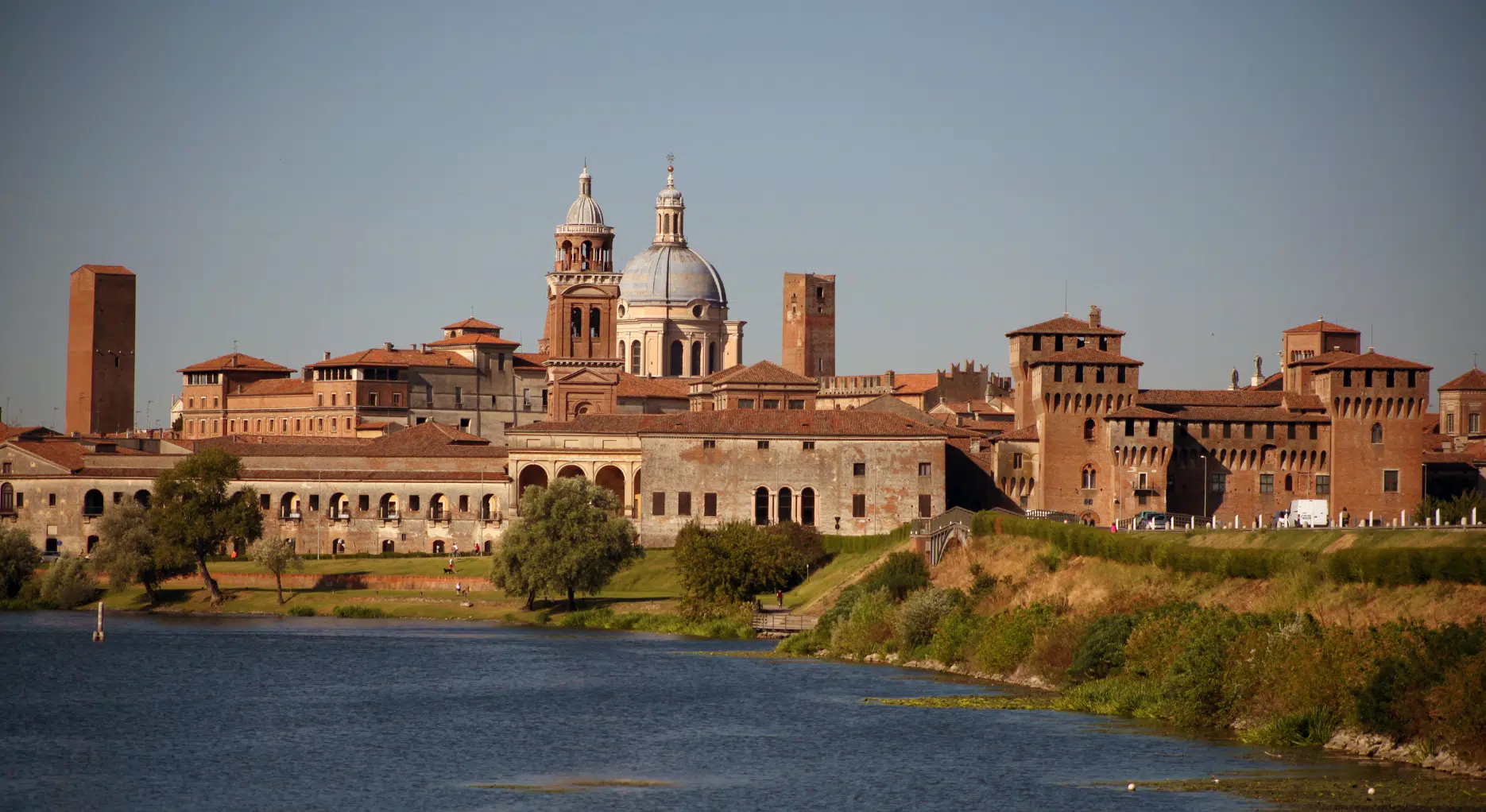
Mantua was the seat of Gonzaga power for nearly four centuries, and the ambition of that dynasty is still legible in the city’s architecture. The Palazzo Ducale is the primary reason to come: a complex of more than 500 rooms accumulated across multiple building campaigns, containing Andrea Mantegna’s Camera degli Sposi, a frescoed chamber completed in 1474 that remains one of the most technically significant works of the Italian Renaissance. The city also holds Giulio Romano’s Palazzo Te, a Mannerist villa built for Federico II Gonzaga in the 1520s, whose interior decoration has no close equivalent in northern Italy.
Mantua sits on a peninsula formed by three artificial lakes created by the Gonzagas in the twelfth century, which defines both its geography and its relative isolation. It is reachable from Verona in under 40 minutes by rail, and from Bologna in under two hours.
A day trip is possible but insufficient. The Palazzo Ducale alone warrants several hours, and the city’s secondary sites — the Basilica di Sant’Andrea, the historic centre — require time that day visitors rarely have. An overnight stay is the more considered approach.
Ravenna: Where Byzantine Art Survives Intact
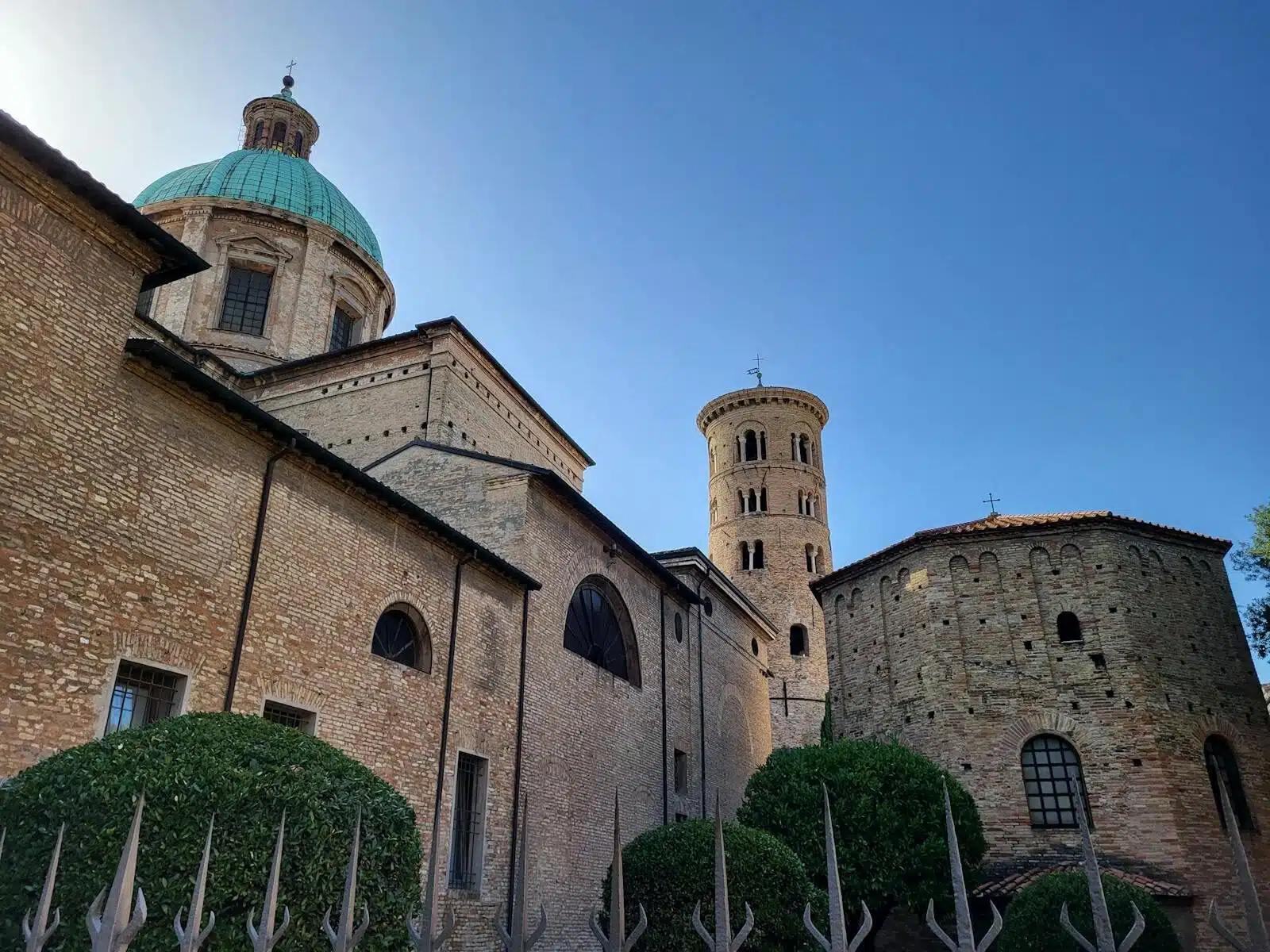
Ravenna holds the largest and best-preserved collection of early Christian and Byzantine mosaics in the world. Eight sites across the city carry UNESCO World Heritage status, including the Mausoleum of Galla Placidia, the Basilica of San Vitale, and the Basilica of Sant’Apollinare Nuovo. These are not museum pieces. They remain in situ within the buildings they were created for, some dating to the fifth and sixth centuries. No comparable concentration exists elsewhere in Italy.
The city is compact enough that the principal sites can be covered on foot within a single day. Ravenna sits 75 kilometres east of Bologna, with direct rail connections running under an hour, which makes it viable as a day trip without requiring an overnight stay.
The mosaics are a specific cultural proposition rather than a general city experience. Travelers with a focused interest in late antique or Byzantine art will find Ravenna essential. Those without that context may find the depth of the collection difficult to fully absorb in a single visit.
Lucca: Tuscany without the queue
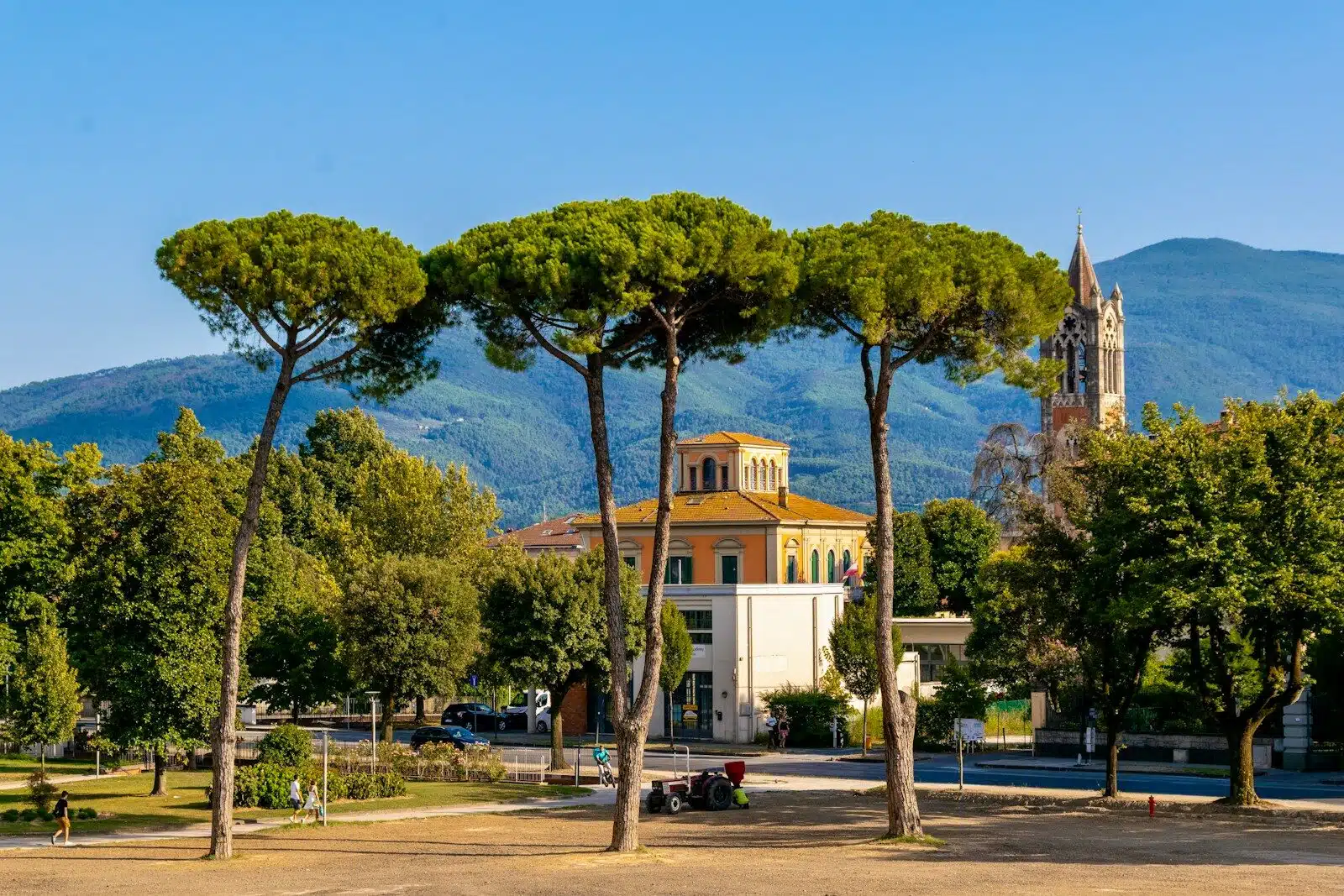
Lucca is the Tuscan city that stayed whole while Florence turned into a museum. The Roman street grid is still there beneath the medieval and Renaissance overlay, and the 16th-century defensive walls survive as a full unbroken circuit, wide enough to walk and cycle. Twelve Romanesque churches, several with elaborately tiered facades, sit across a center compact enough to cross on foot in under twenty minutes.
Lucca lies 80 kilometers west of Florence and 20 from Pisa, which makes it a logical addition to either itinerary rather than a detour. It still works as a living city rather than a preserved set piece, and you see that in the everyday shops and the absence of the tourist gloss that defines more visited towns in the region.
Two nights is the minimum worth committing. The first day covers the principal churches and the walls. The second rewards a slower pass through the market streets and the quieter northern quarter around San Frediano.
Building the Itinerary: How These Cities Connect
These six cities sit across three of Italy’s most distinct geographic zones: the northern plains and foothills, the central spine of Tuscany and Umbria, and the deep south. That spread is not incidental. It means each city works within a different cultural and architectural tradition, which is what keeps the itinerary from turning repetitive.
Rail connections between them are reliable and, in most cases, direct. The north-to-south sequence makes the most sense, allowing a single directional run rather than backtracking.
Realistic time allocation runs to three nights minimum per city, with four preferable in the larger or more complex ones.The order is what makes this itinerary work. Each city stands on its own, but taken in sequence they show how Italy’s urban culture changed from region to region. By the final stop you read it differently than you would have arriving cold.