
On this page
Portugal’s most visited cities tend to absorb all the attention, leaving a string of historically significant, culturally layered destinations largely undisturbed by mass tourism.
Porto
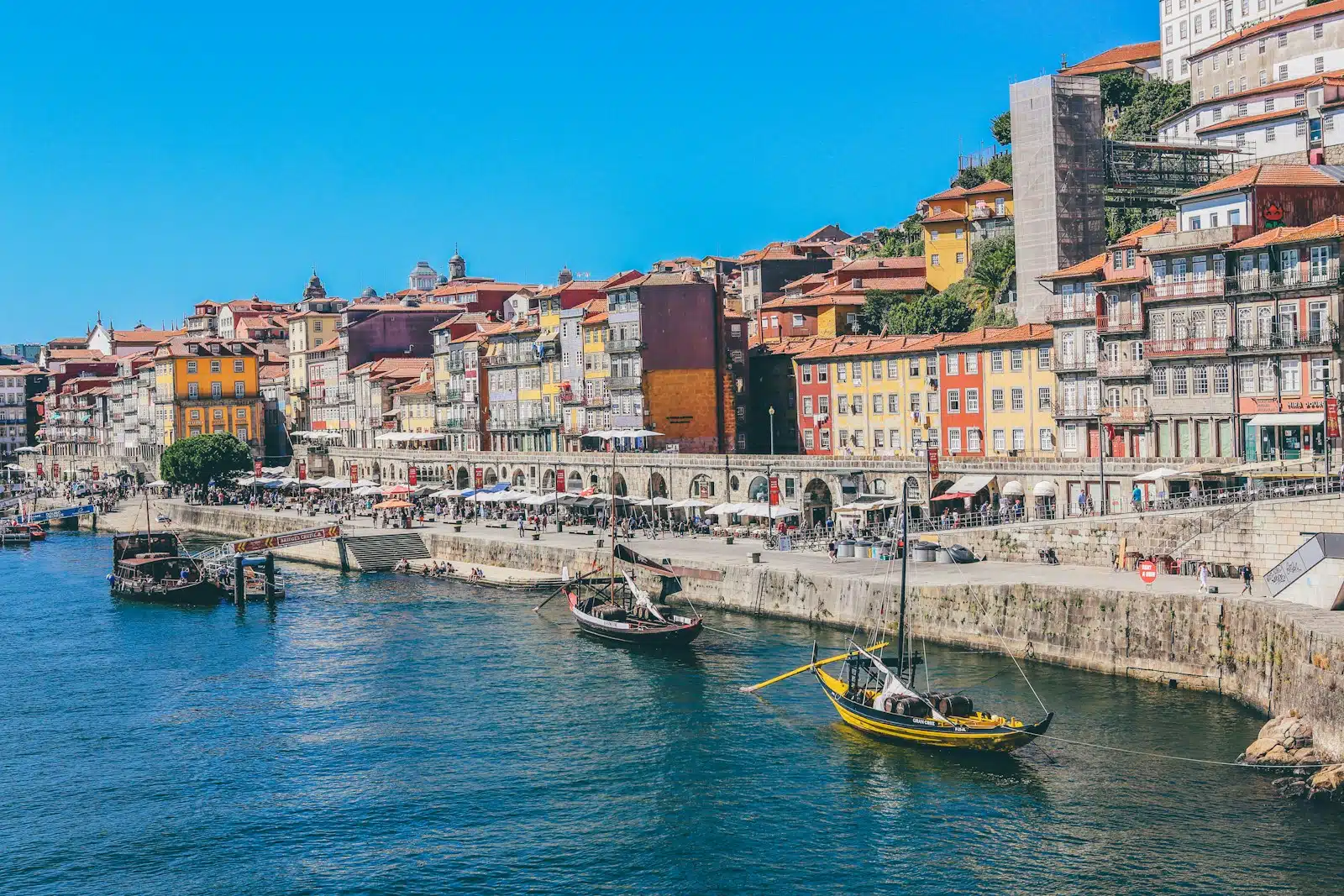
Porto’s commercial identity was built on the Douro River trade routes that connected the city’s merchants to Atlantic markets from the 15th century onward. That history is clearest in the Ribeira district, where the architecture reflects the practical priorities of a working port rather than aristocratic planning. The city’s UNESCO designation covers this riverside core, though the designation alone doesn’t explain what makes Porto worth serious attention.
The wine lodges of Vila Nova de Gaia, directly across the river, hold one of Portugal’s most concentrated collections of port houses. The major names, Sandeman, Graham’s, and Ramos Pinto among them, all keep lodges here, but the visits that teach you the most about production and aging are not the standard tours. Access to older reserves and working areas depends largely on how the visit is arranged.
Neighborhoods such as Bonfim and Cedofeita sit largely outside the tourist circuit and reflect the city’s current residential and creative character more accurately than the riverfront alone.
Coimbra
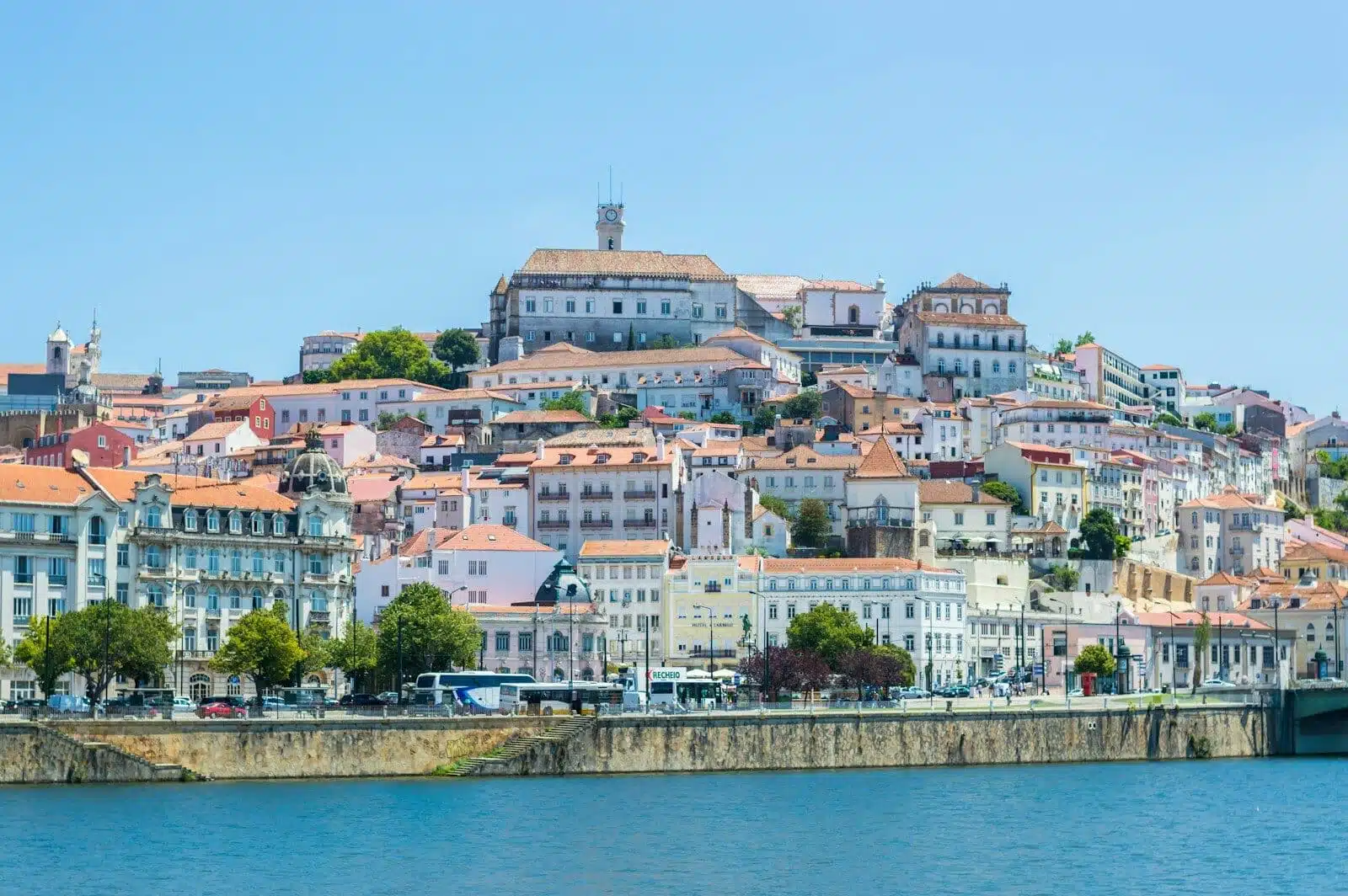
Coimbra has been shaped by its university since 1290, making it the oldest in the Portuguese-speaking world and one of the oldest in Europe. The institution is not a background feature — it organises the city’s calendar, its social hierarchies, and its physical layout. The upper town, known as the Alta, is built around the university complex, which includes the Biblioteca Joanina, a baroque library with restricted access that holds over 300,000 volumes, and the ceremonial Sala dos Capelos, where formal academic rites still take place.
Coimbra also has its own fado tradition, distinct from Lisbon’s. Coimbra fado is historically performed by male students and graduates, tied to academic ceremony rather than working-class urban life. It is not performed on a casual schedule and is not reliably accessible without prior coordination.
A good visit to Coimbra means planning around how the Alta works: the university’s access rules, the academic calendar, and which spaces are open to the public on any given day.
Tours we recommend
Évora
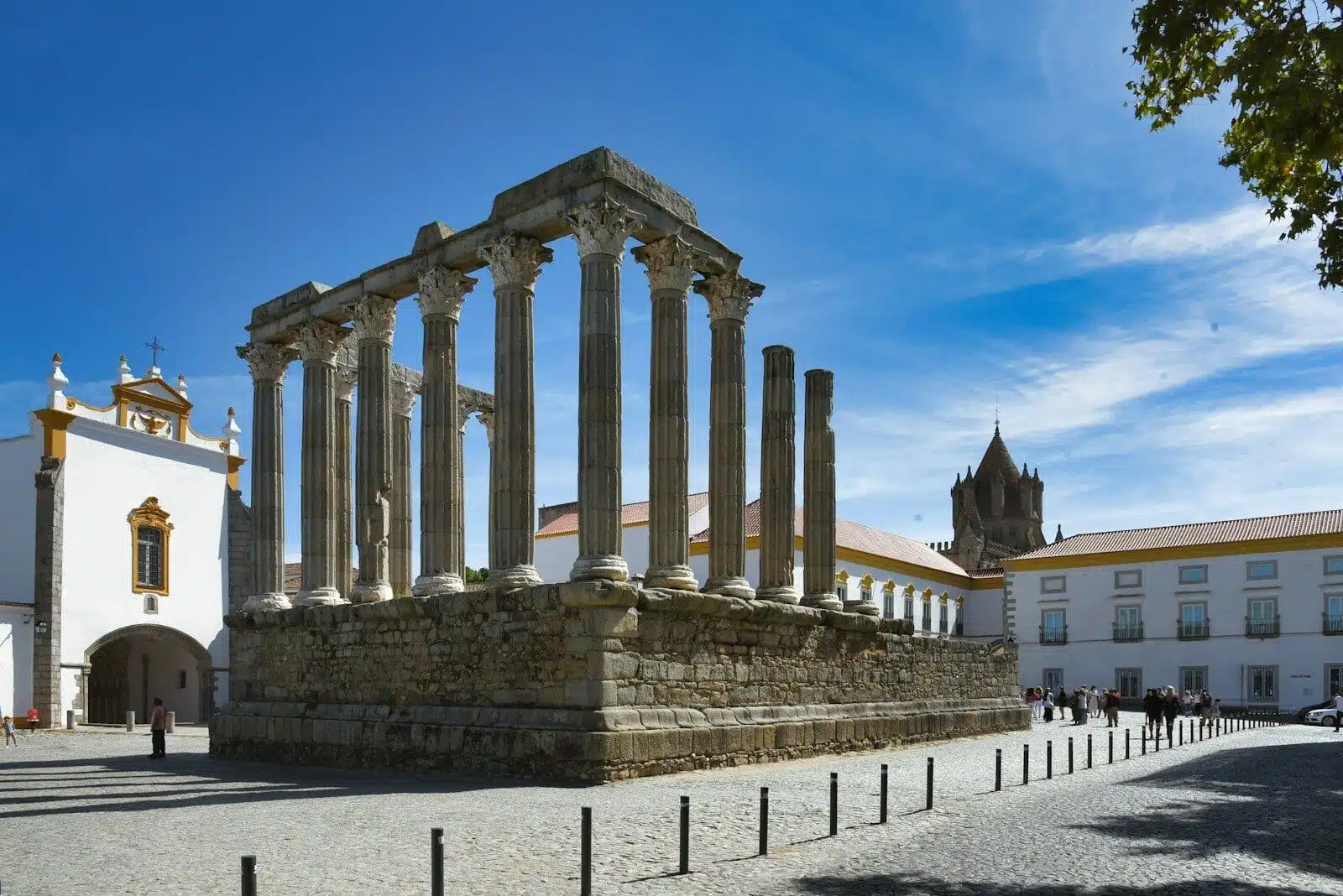
Évora sits at the centre of the Alentejo plains, roughly 130 kilometres east of Lisbon, and functions as one of Europe’s most intact examples of layered urban archaeology. The Roman Temple of Évora, dating to the 1st century AD, stands within the city rather than behind barriers. Its Corinthian columns rising directly from a civic square still in daily use. The medieval cathedral, the Sé de Évora, and the surrounding historic quarter are classified as a UNESCO World Heritage Site, a designation that reflects the density of Roman, Moorish, and medieval structures concentrated within a walkable perimeter.
Alentejo’s food culture is defined by its agricultural landscape — cork oak, black pigs, and wheat — and Évora is the most accessible point of entry to it. Dishes such as migas, açorda, and cured meats from the region appear consistently across the city’s established restaurants.
Évora is viable as a day trip from Lisbon, but an overnight stay allows access to the city outside peak hours and provides time to engage meaningfully with the Alentejo table.
Guimarães
Guimarães holds a specific place in Portuguese history: it is where Afonso Henriques, the country’s first king, was born in 1109, and where the Kingdom of Portugal was effectively established. That origin is not incidental to a visit here — it is the organizing principle of the city’s entire historic core, which UNESCO designated a World Heritage Site in 2001.
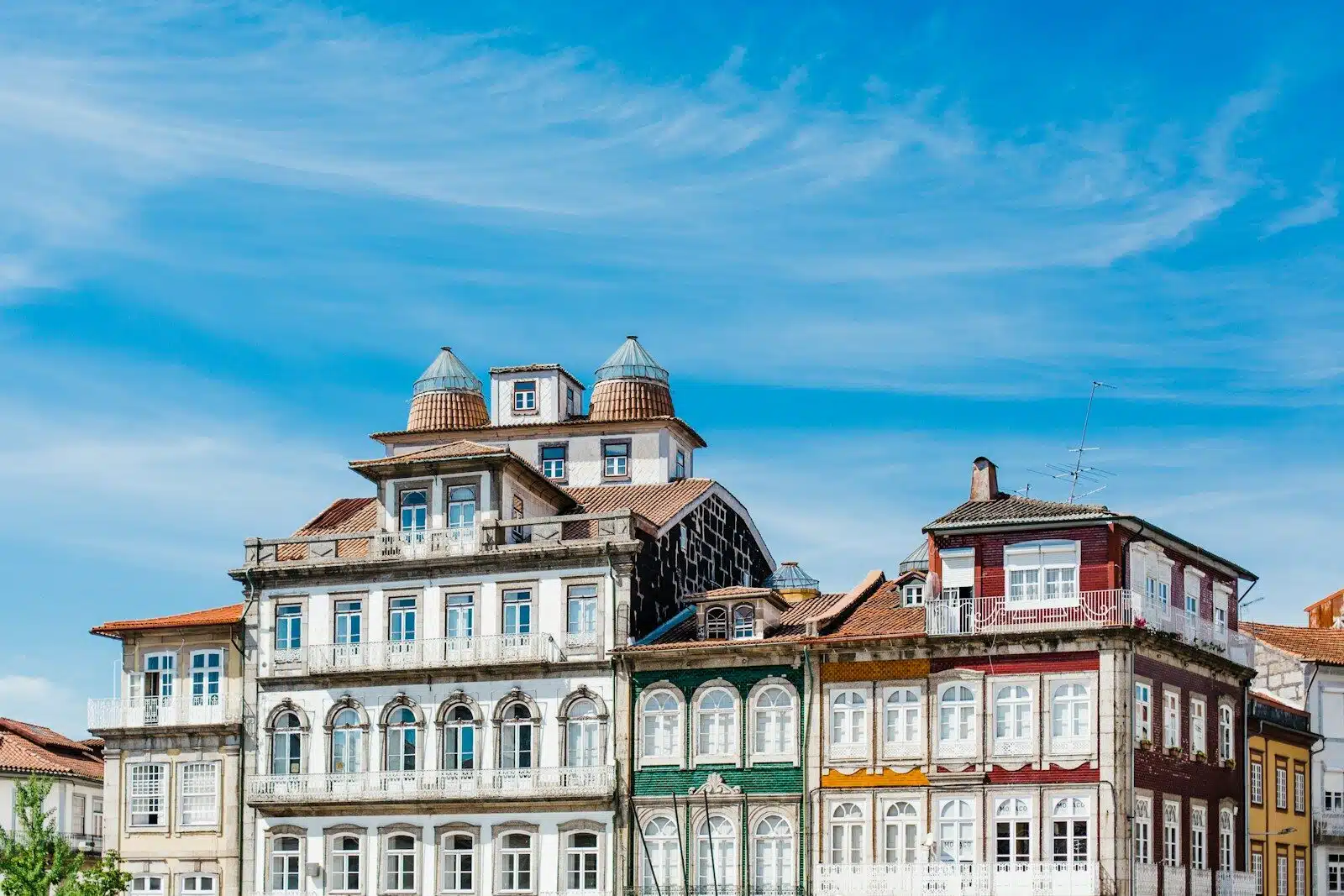
The medieval center is compact and largely intact, structured around the Paço dos Duques de Bragança, a 15th-century ducal palace that now functions as a national monument with a permanent collection of Flemish tapestries, armory, and period furniture. The hilltop castle, dating to the 10th century, predates the kingdom itself and provides the clearest physical evidence of the city’s founding-era significance.
The Alberto Sampaio Museum, housed in a former collegiate church adjacent to the main square, holds ecclesiastical artifacts directly connected to Afonso Henriques, including a tunic said to have been worn at the Battle of Aljubarrota in 1385. It is among the more contextually specific collections in northern Portugal.
Braga
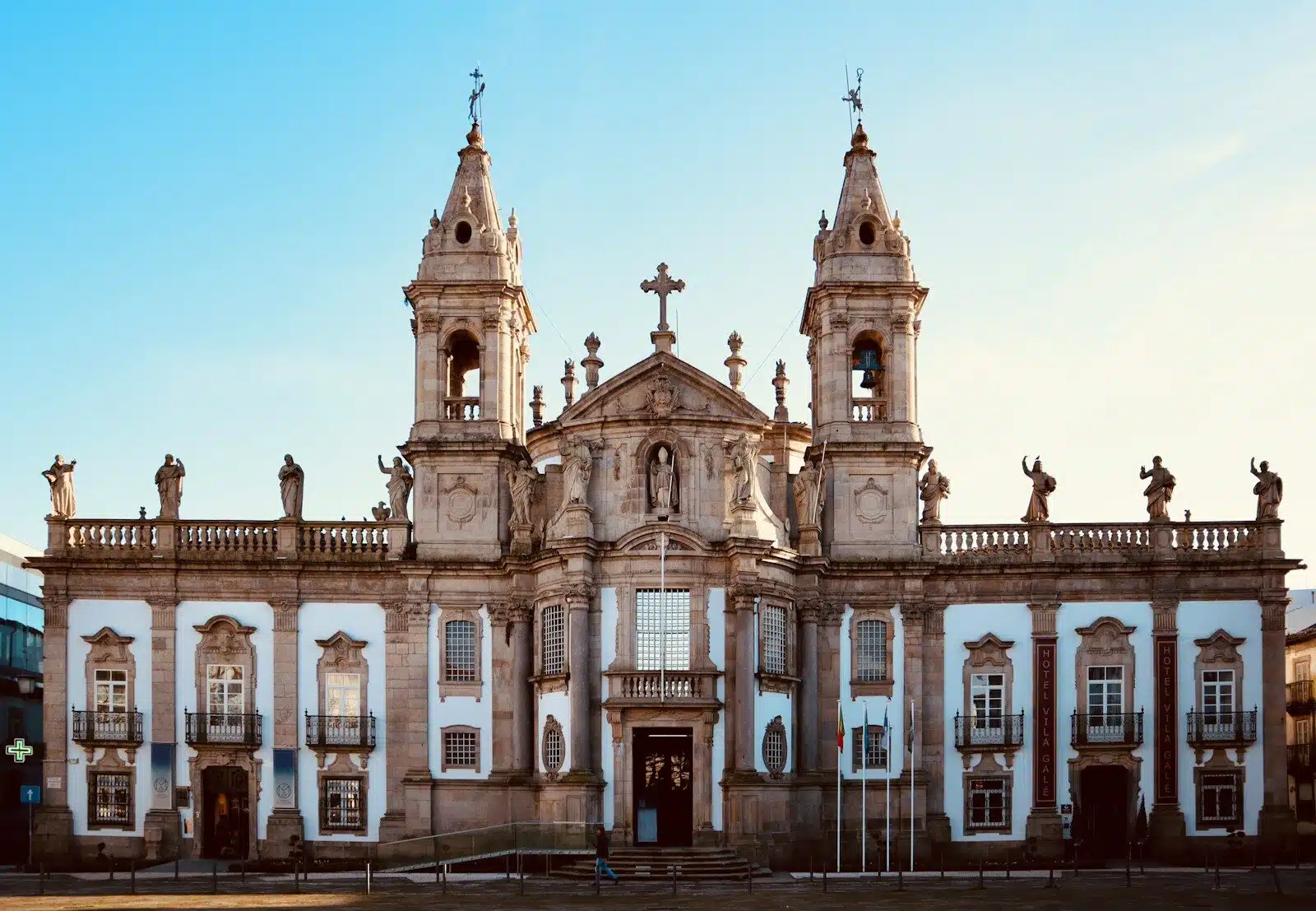
Braga holds the distinction of being one of the oldest Christian cities in the Iberian Peninsula, a status that has shaped its built environment more than any other force. The Bom Jesus do Monte sanctuary, reached via an 18th-century baroque staircase of nearly 600 steps, remains an active pilgrimage site rather than a heritage attraction. The city’s concentration of ecclesiastical architecture — including the Sé de Braga, one of Portugal’s oldest cathedrals — reflects centuries of religious and political influence that other Portuguese cities lack at this density.
What has shifted in recent years is the hospitality and dining that has grown alongside this identity rather than against it. A younger generation of restaurateurs and hoteliers has set up in the historic center, drawing on regional ingredients and Minho wine culture without pushing aside what was already there. Braga now works as two cities on the same streets: one built around religious devotion, the other around food, wine, and design.
How to Move Between Them
Portugal’s rail network connects Porto, Coimbra, and Évora with reasonable frequency and journey times that make single-day transfers viable without being necessary. Viana do Castelo and Beja sit at the edges of the main corridors — the former accessible by regional train from Porto, the latter most practical by road from Évora or Beja’s sparse rail connections from Lisbon. A hire car becomes the more functional choice once the itinerary moves south or northwest of the central spine.
The more common planning error is compressing each city into a single day to maximise coverage. Coimbra’s university district and Évora’s Roman and medieval layers both require at least two nights to move past surface-level visits. Viana do Castelo and Beja, smaller in scale, can be managed in a focused overnight stay each.
A sequenced itinerary running Porto to Viana, south through Coimbra, then east to Évora and down to Beja covers the full range in ten to twelve days.