
On this page
France’s most rewarding cities are not always its most photographed. Lyon, Toulouse, Bordeaux, Marseille, and Strasbourg each hold a distinct identity shaped by trade, architecture, and food, the kind Paris rarely replicates. For travelers building a serious France itinerary, these five are not detours. They are the destination.
Lyon
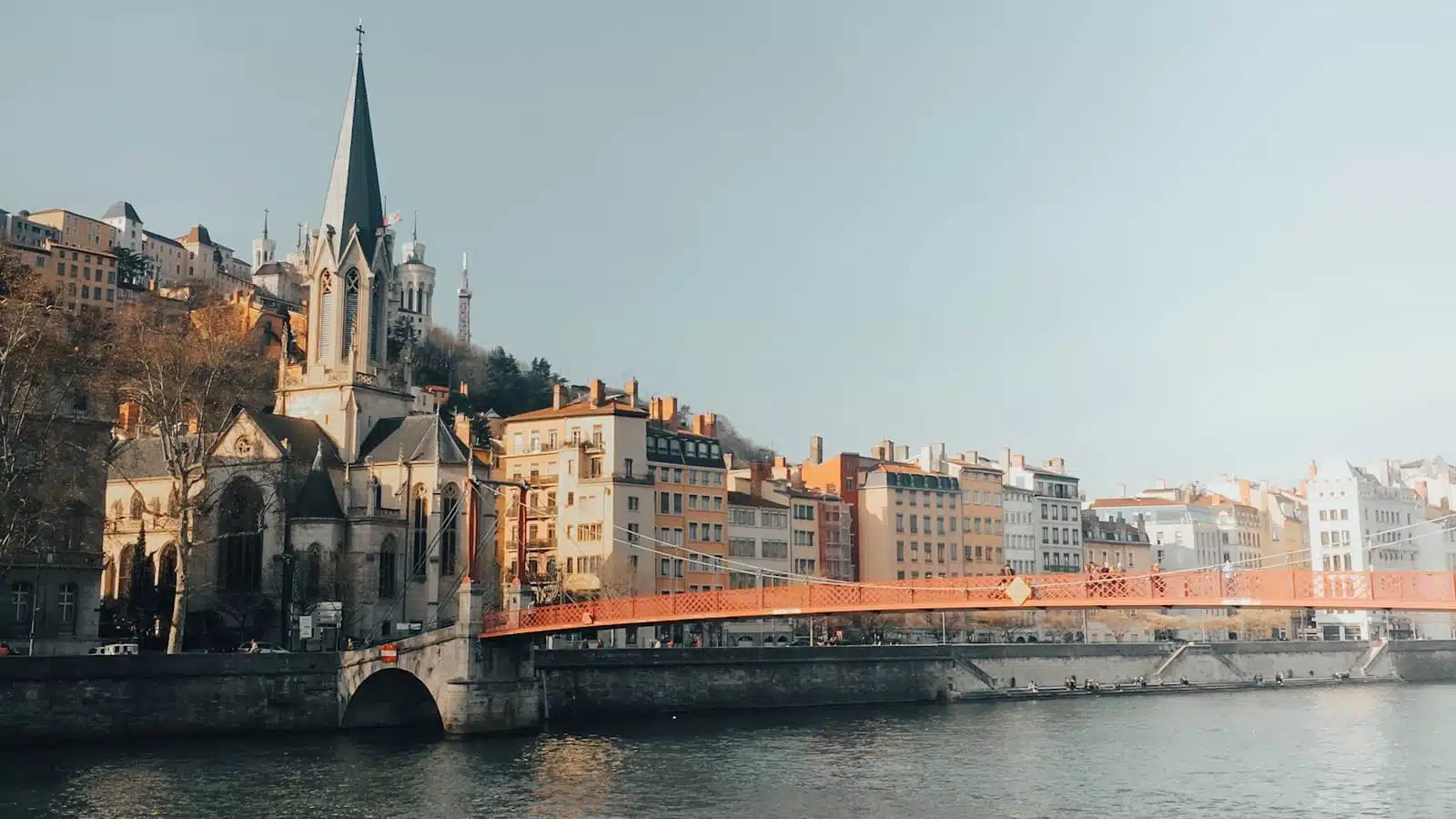
Lyon’s claim as the gastronomic capital of France is structural, not promotional. The city’s bouchon tradition, a category of restaurant defined by specific dishes, service conventions, and a certification body that separates the authentic places from the imitations, is a codified food culture with few equivalents in Europe. Dishes such as quenelles de brochet, tablier de sapeur, and tête de veau are not regional curiosities. They are the reference points against which French bourgeois cooking is measured.
The Presqu’île, the narrow peninsula between the Rhône and Saône rivers, packs much of this food culture into a walkable district that also holds the city’s main covered market, Les Halles de Lyon Paul Bocuse. The market works as both a retail and professional supply operation, with vendors whose client lists include some of France’s most serious kitchens.
Getting at Lyon’s food culture properly, past the tourist-facing bouchons, depends on knowing which places hold real certification and which producers are worth seeking out. That distinction is not always visible from the street.
Toulouse
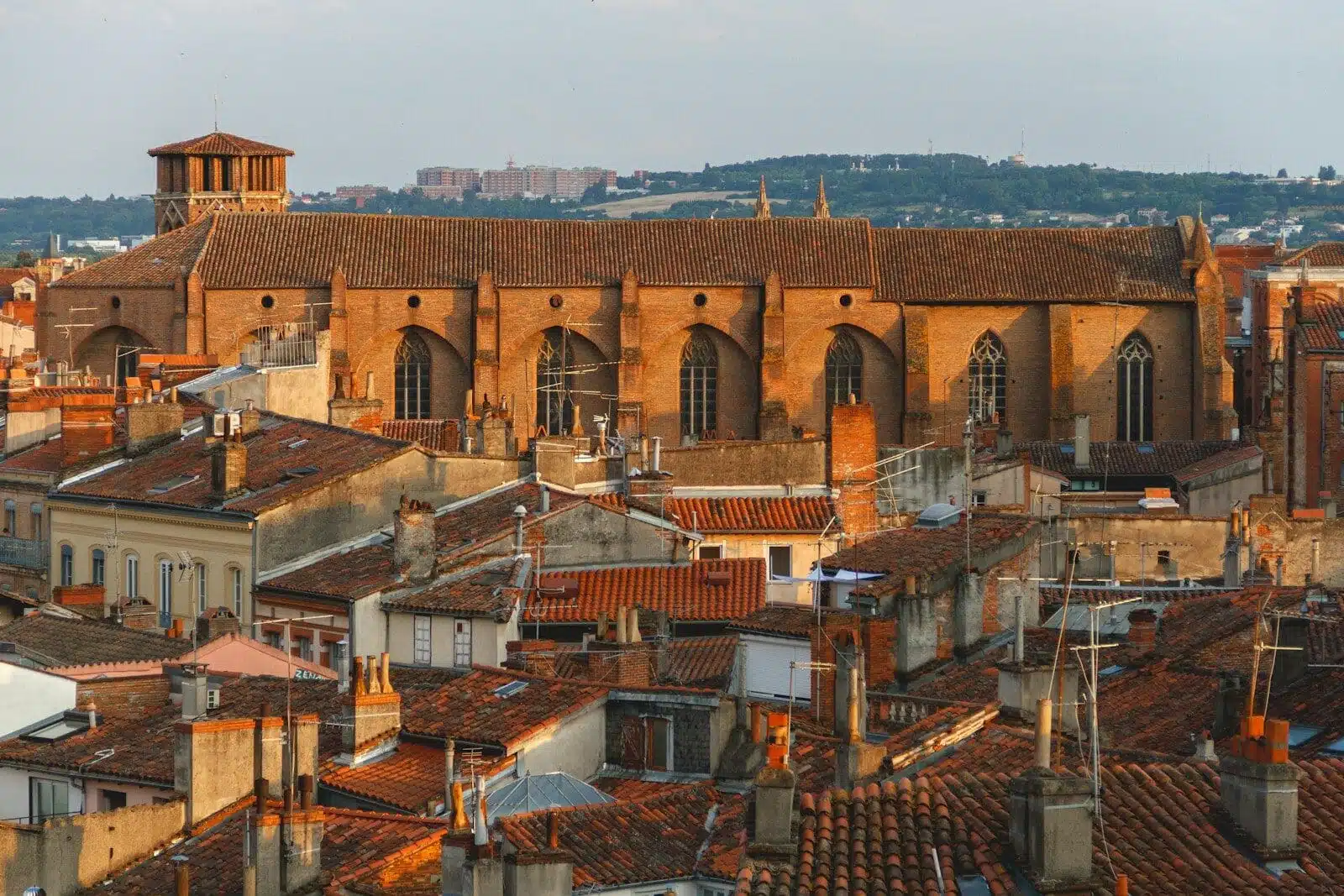
Toulouse is built almost entirely from local terracotta brick, a material that defines its skyline and gives the city its common name, La Ville Rose. This was not an aesthetic choice but a historical one. The brick was cheap, locally abundant, and used consistently from the medieval period onward, producing an architectural coherence that sets Toulouse apart from most French cities of comparable size.
The Place du Capitole works as the city’s civic center. The square is framed by the 18th-century Capitole building, which houses both the city hall and the Théâtre du Capitole, and has been a public gathering point since the medieval period, when Toulouse was governed by an elected council of capitouls, an unusual civic structure for its time.
Saint-Cyprien, on the west bank of the Garonne, grew up separately from the historic center and keeps a distinct character shaped by its working-class roots. It now holds several of the city’s major cultural institutions, among them Les Abattoirs, a contemporary art museum in a converted slaughterhouse and one of the best reasons to cross the river.
Tours we recommend

Bordeaux
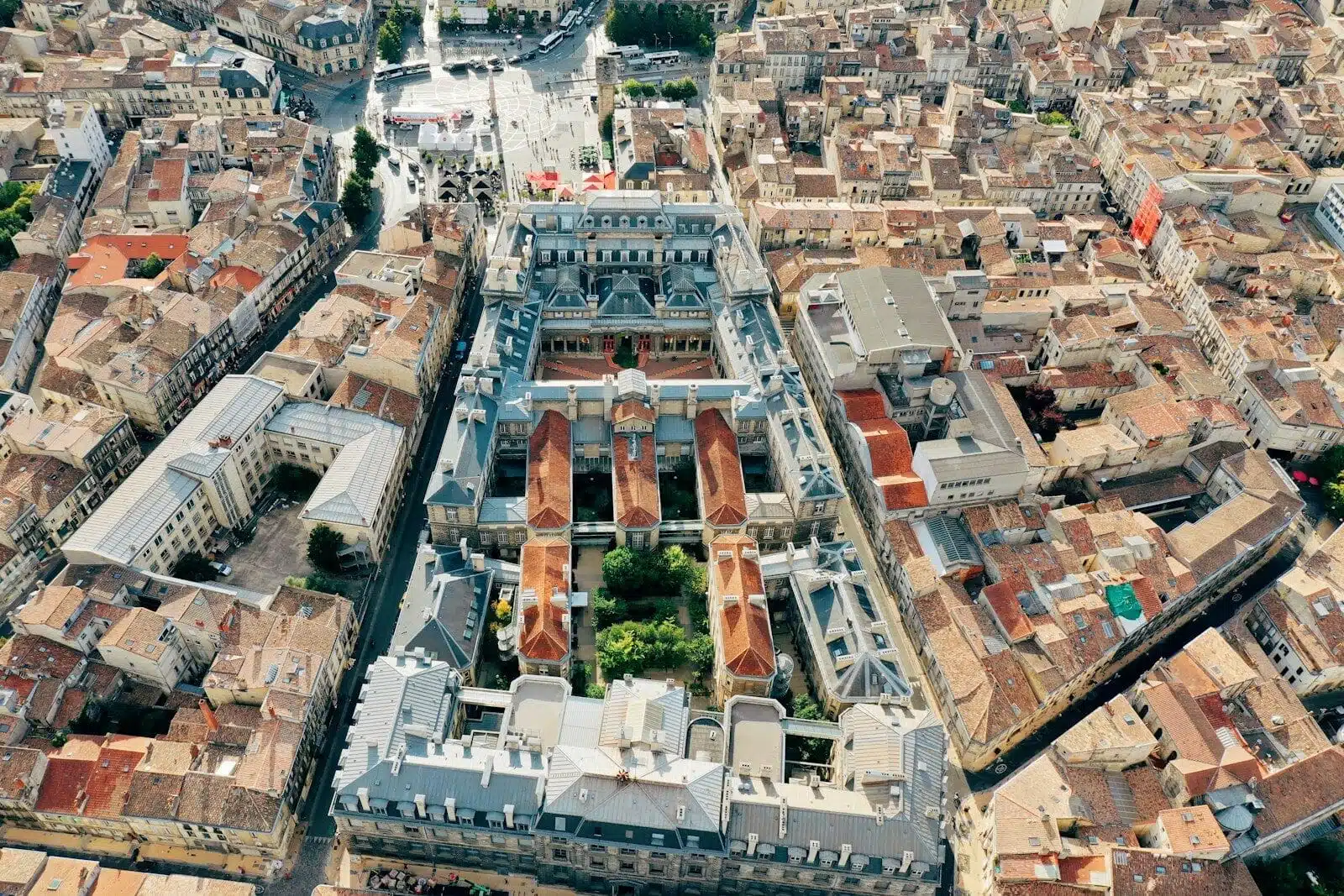
Bordeaux’s reputation as a wine destination is accurate but incomplete. The city’s 18th-century core, largely intact and recognized as a UNESCO World Heritage Site, is one of the most coherent examples of neoclassical city planning in France. The Place de la Bourse, the Grand Théâtre, and the long quayside facades along the Garonne went up within a single concentrated period of development, giving the city a consistency that most French cities lack.
The Chartrons district, historically the base of the wine merchant trade, has been heavily regenerated and now serves as the city’s main area for contemporary galleries, independent retail, and design-led hospitality. It reads as separate from the old center and is worth treating as its own district.
The Cité du Vin, opened in 2016, treats wine as a global cultural subject rather than a regional one, which widens its appeal beyond enthusiasts. There is more than enough here to fill a trip without ever leaving the city for a vineyard.
Marseille
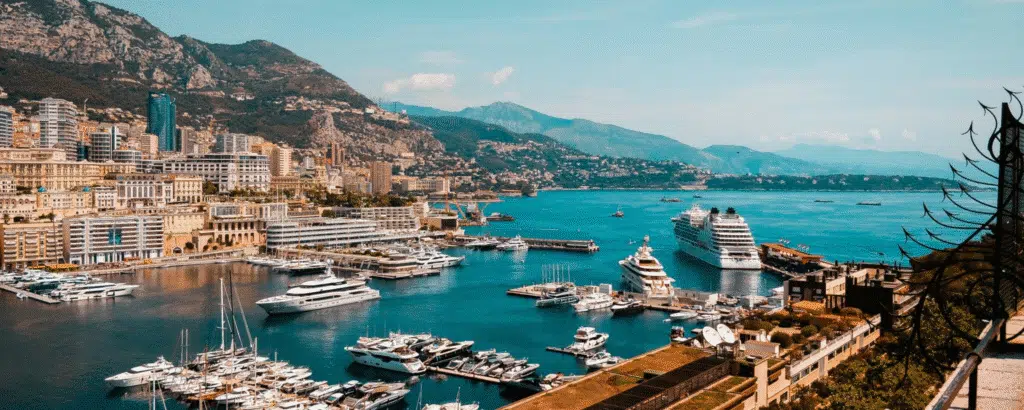
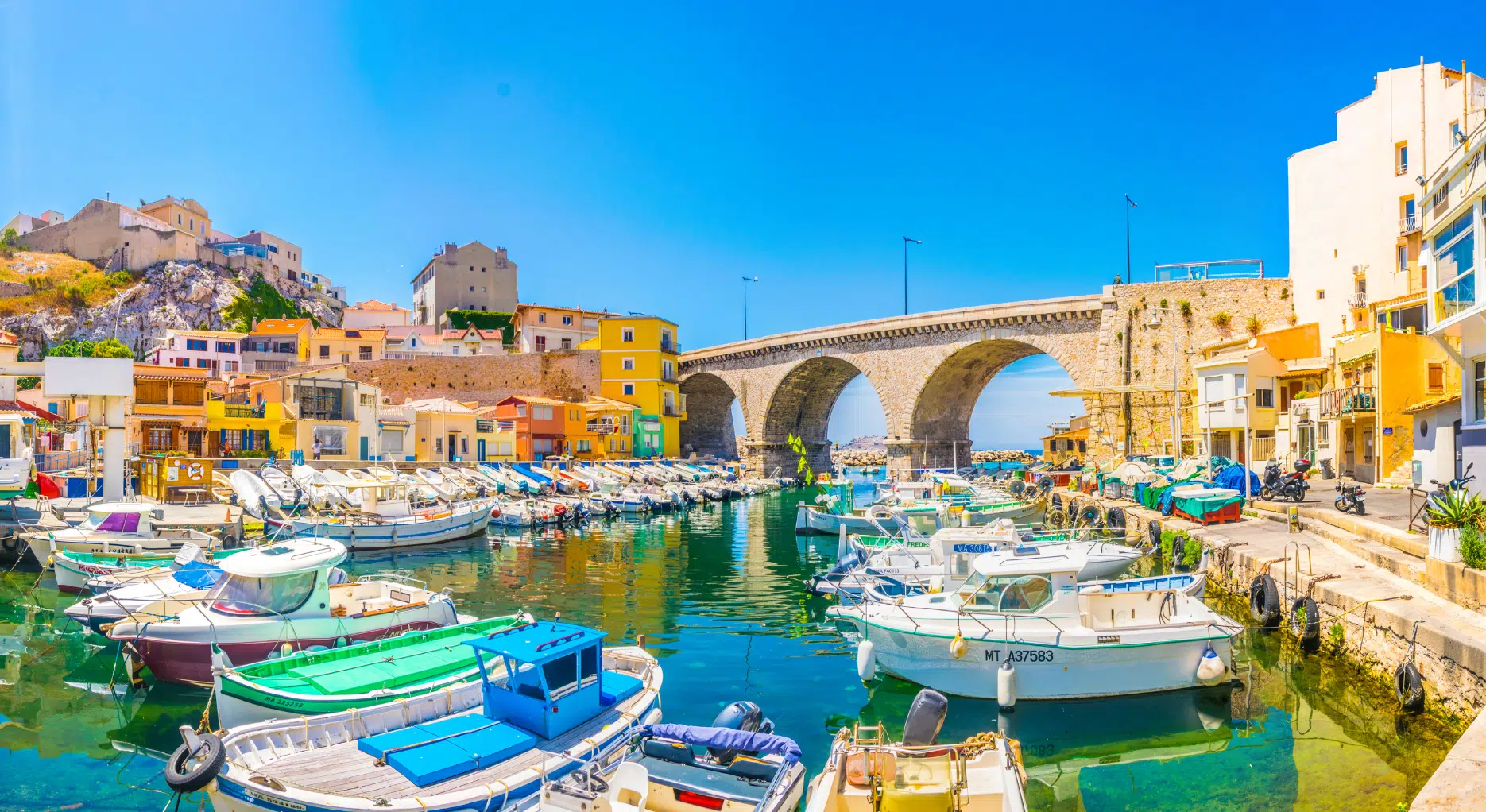
Marseille is France’s oldest city, founded by Greek traders around 600 BCE, and its Mediterranean orientation has never fully aligned with the cultural logic of the north. That history is most legible at the MuCEM — the Museum of European and Mediterranean Civilisations — which sits at the entrance to the Vieux-Port and traces the connected histories of cultures bordering the Mediterranean. The Vieux-Port itself is a working reference point for the city’s structure, not a preserved monument.
The North African influence on Marseille’s food culture is substantive rather than incidental. Decades of migration from Algeria, Tunisia, and Morocco have produced a culinary infrastructure that operates largely outside the conventions of French gastronomy. Dishes like merguez, brik, and various couscous preparations are embedded in the city’s daily food economy. Bouillabaisse, the city’s most exported dish, is a separate tradition with its own set of protocols and significant variation in quality across establishments.
Marseille is a dazzling combination of grit and glamour.
Strasbourg
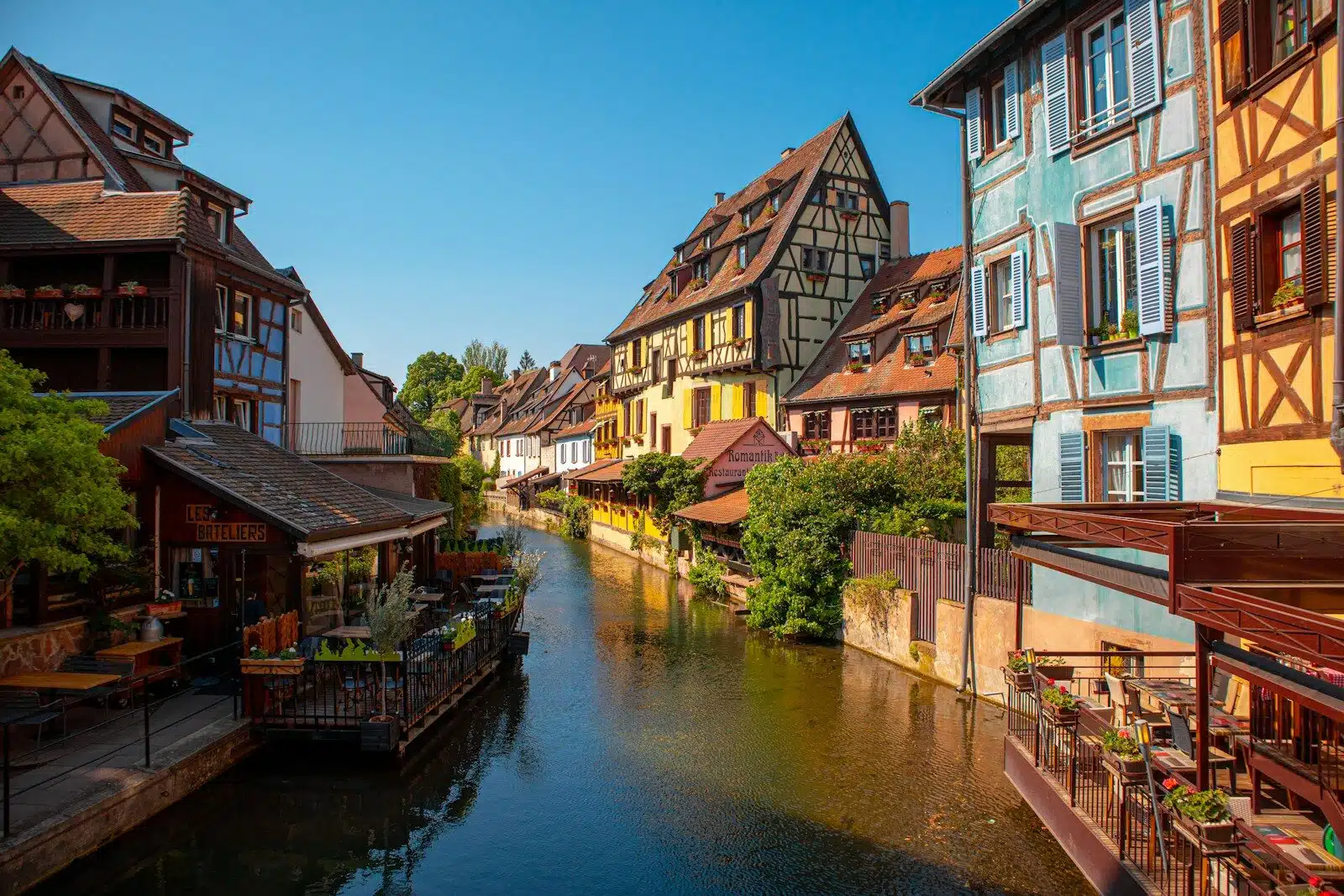
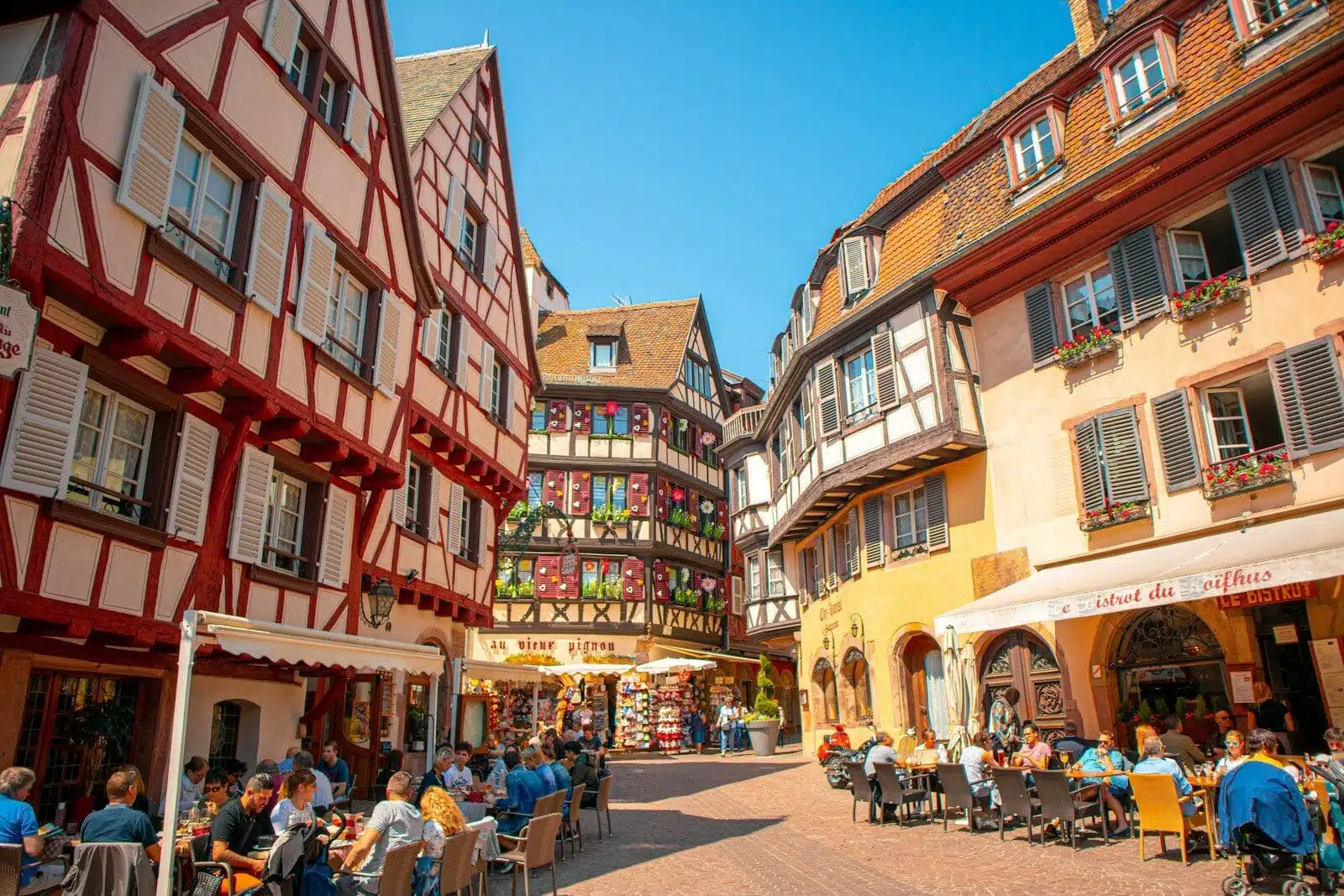
Strasbourg sits on the Rhine, 500 kilometres east of Paris, and has changed hands between France and Germany four times since 1870. That history is not incidental—it is structural. The city’s Alsatian architecture, a distinct hybrid of French urban planning and Germanic timber-frame construction, reflects centuries of contested sovereignty rather than deliberate design. The Grande Île, a UNESCO-listed island at the city’s core, concentrates the most intact examples of this built record.
The food culture follows the same logic. Tarte flambée, choucroute garnie, and Riesling-based wine traditions belong to Alsatian cuisine, specifically neither straightforwardly French nor German, but shaped by the region’s position between both.
Strasbourg also functions as a seat of the European Parliament and the Council of Europe, which gives the city a contemporary institutional weight that reinforces its historical role as a border territory. For travelers interested in European political architecture, the Parliament building in the Wacken district is open to visitors.
How to Build These Cities Into a France Itinerary
France’s high-speed rail network makes sequencing these cities straightforward, but the order matters. A logical southern arc runs Lyon to Marseille to Toulouse to Bordeaux, each leg under three hours by TGV.
Strasbourg sits apart geographically and works best as a standalone extension from Paris, or as a bookend to the trip rather than a mid-route stop.Pairing cities by contrast rather than proximity makes for a better trip. Lyon and Marseille share a southern French identity but differ sharply in character: one built on culinary institution, the other on port history and a mix of cultures.
Toulouse and Bordeaux, both southwestern, reward comparison too, one a university city that still works for a living, the other shaped by centuries of wine money and grand architecture.
Two or three cities done properly will always beat a rushed pass through all five. Which combination is worth building comes down to what you care about most, food, architecture, or regional history, and that one decision shapes everything that follows.