Botswana divides into several distinct safari ecosystems, each requiring separate logistics and delivering a different experience. Most itineraries fly between areas on light aircraft, with Maun serving as the main hub for the Okavango and northern Botswana, and Kasane for Chobe and the Victoria Falls connection.
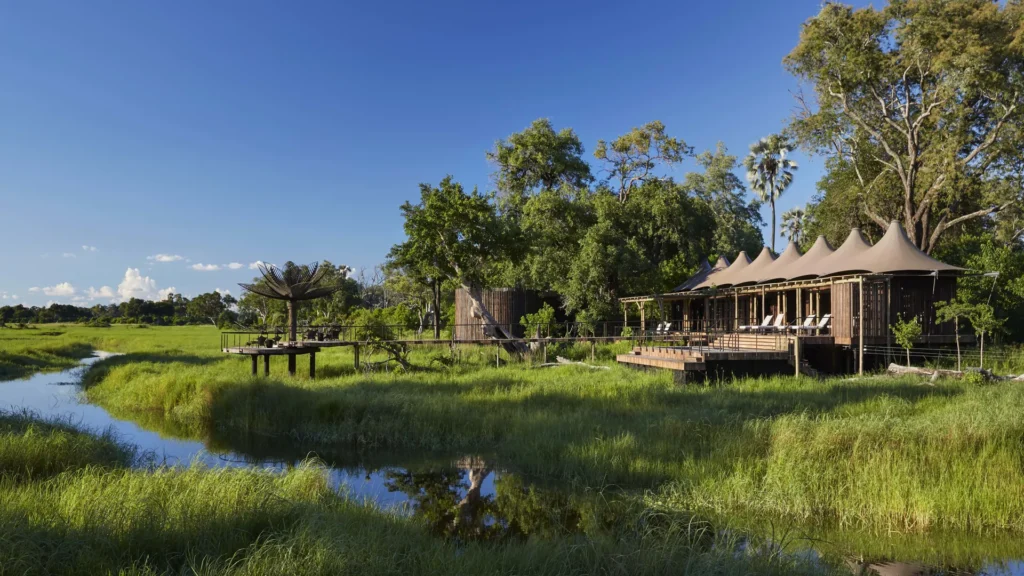
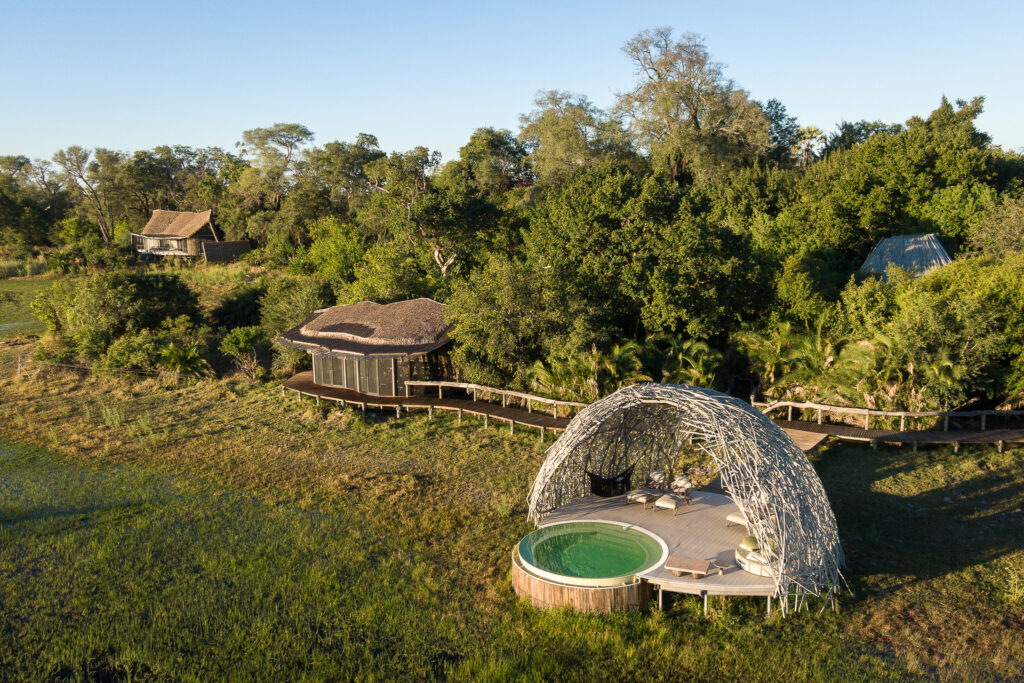
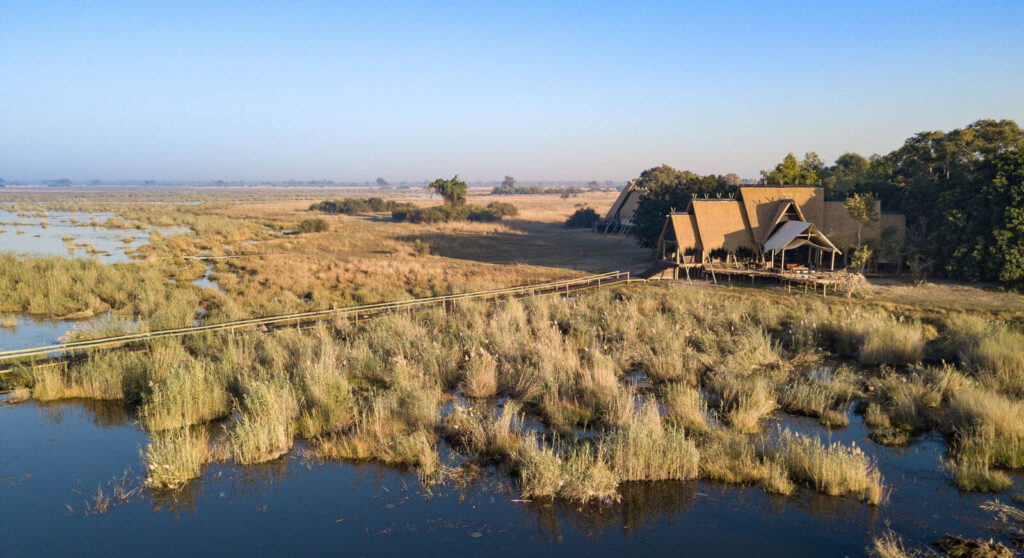
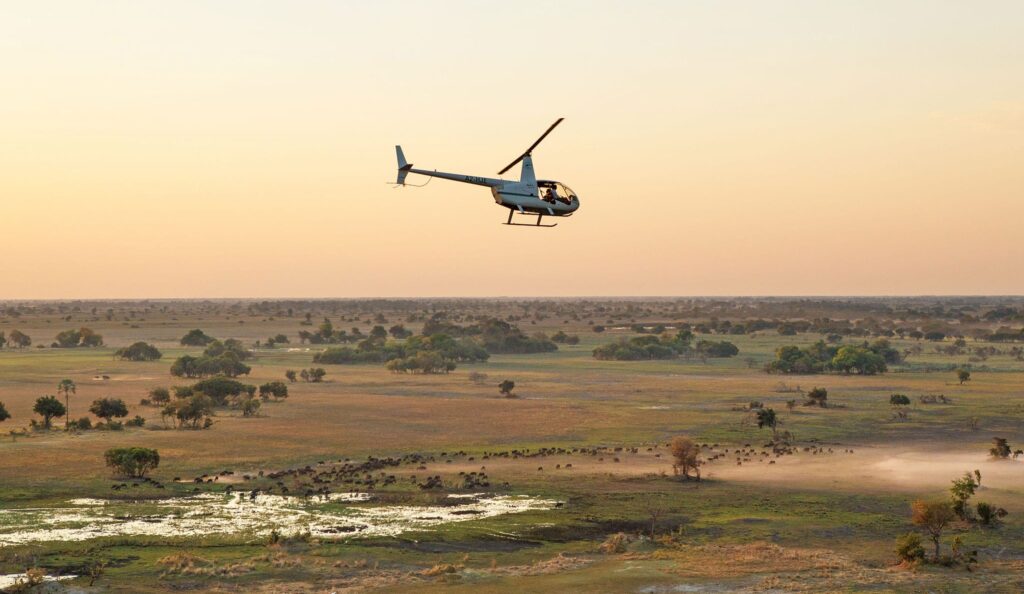
The Okavango Delta is the centrepiece of most itineraries. It operates seasonally, with the annual flood from Angolan rains arriving between March and June and receding through the dry season. Peak flood months of July and August push wildlife density to its highest point, with animals concentrated around the permanent water of the channels and islands. The experience shifts between wet-season water-based activities, including mokoro and motorboat, and dry-season land-based drives as the flood recedes.
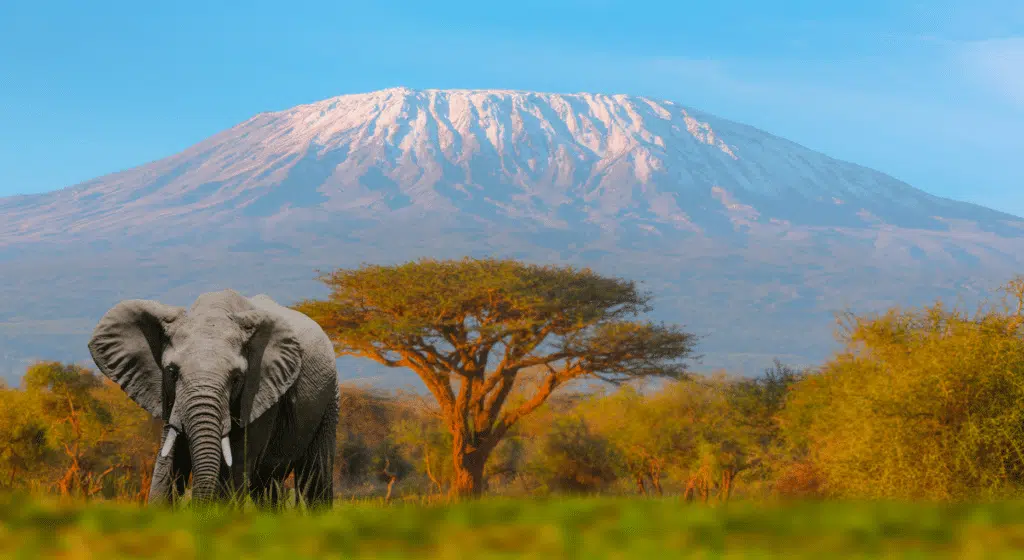
Chobe National Park in the north offers the most accessible introduction to Botswana’s wildlife volumes, with boat safaris on the Chobe River producing elephant, crocodile, and birdlife encounters that are reliably exceptional. The private Linyanti and Selinda concessions to the west of Chobe are significantly more exclusive and hold very few camps.
The Makgadikgadi Pans offer a landscape found nowhere else on Earth: vast white salt flats that flood seasonally to host Africa’s second-largest zebra migration, before drying into an otherworldly wilderness where meerkats happily climb onto visitors for a better view of the horizon.