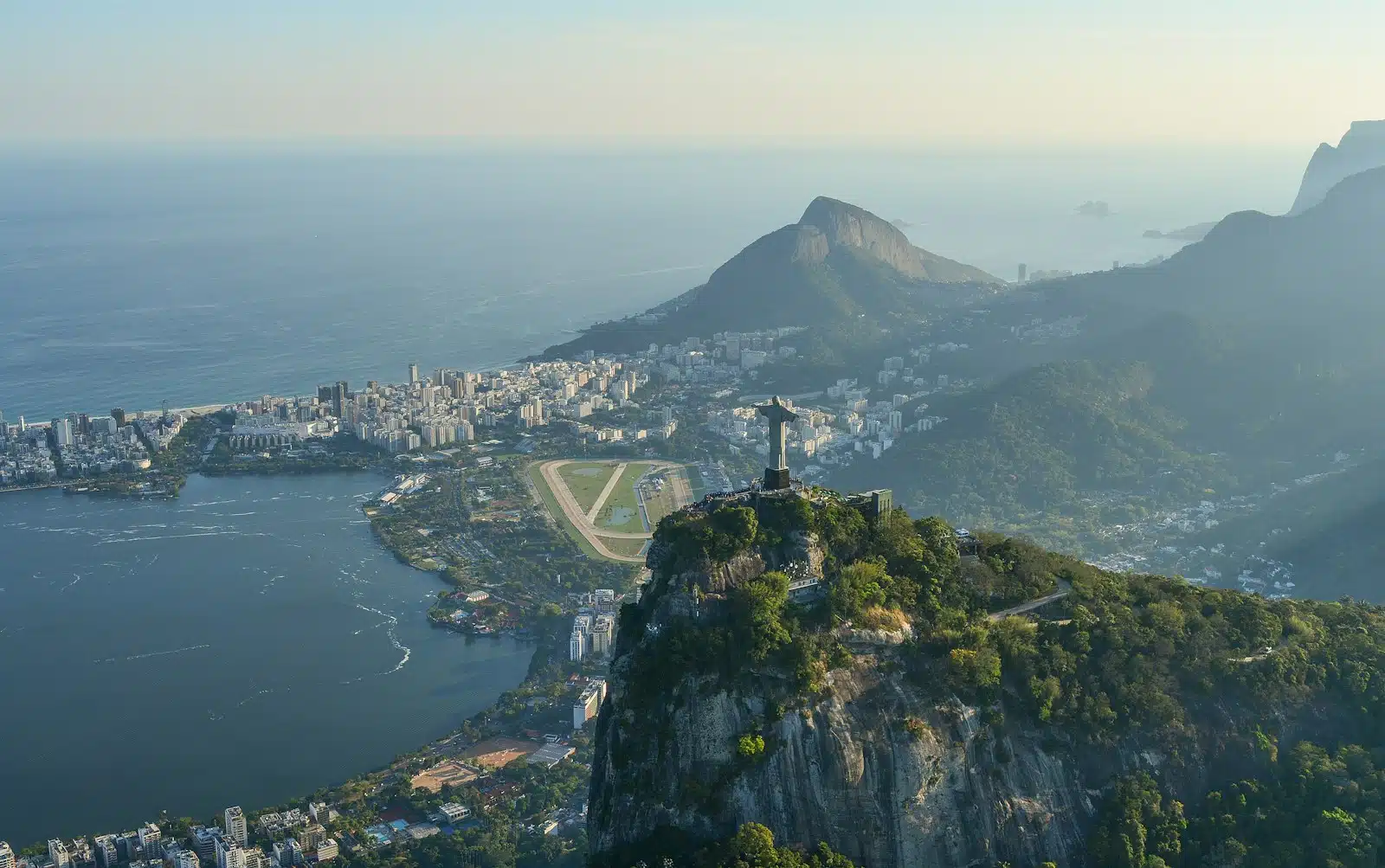
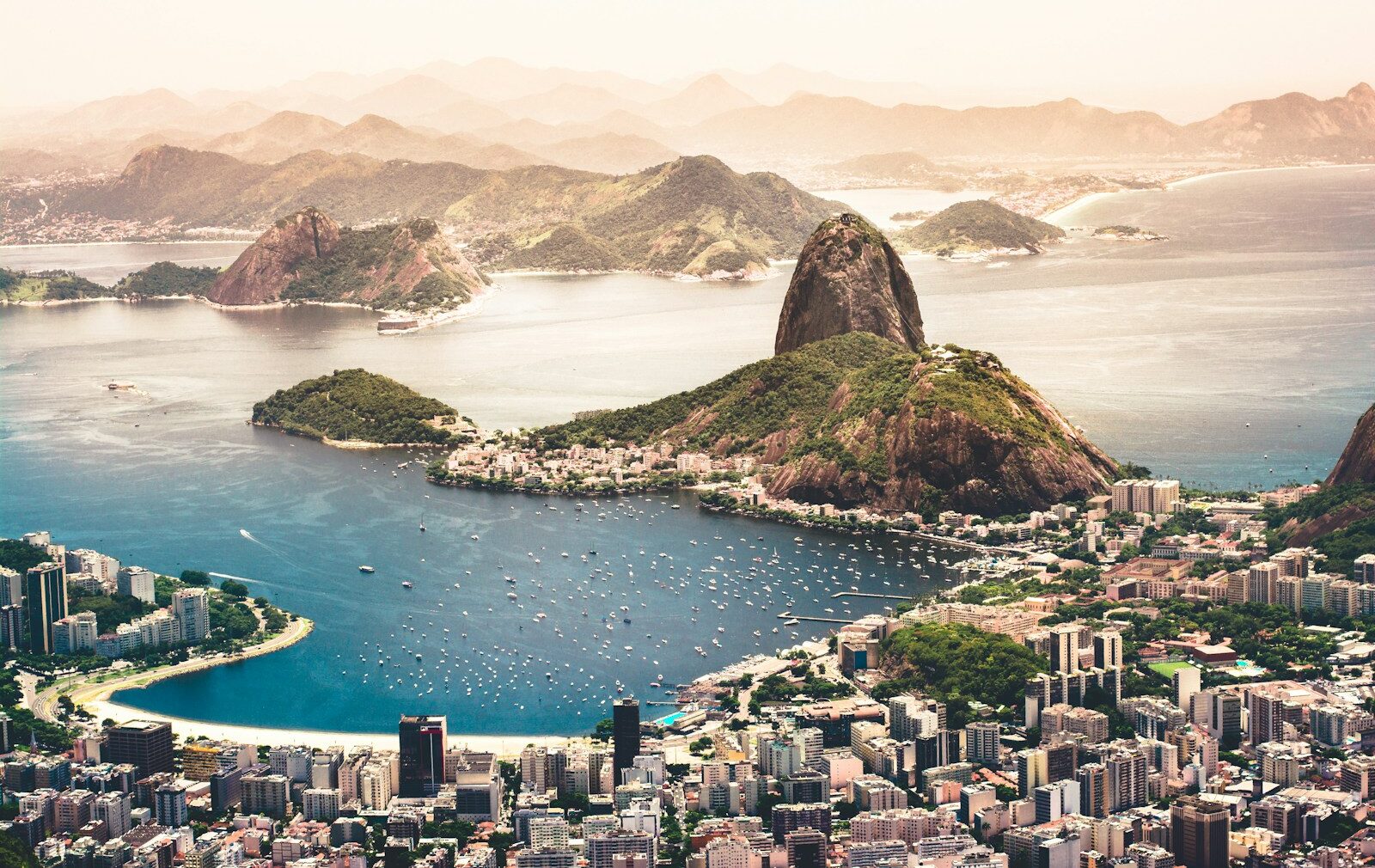
Most journeys begin in Rio de Janeiro or São Paulo. Rio’s geography is quite theatrical. Mountains rise straight from the ocean, neighbourhoods hug curves of sand, and much of daily social life occurs on the beach.
São Paulo delivers a different impression. The skyline stretches for miles, anchored by restaurants, galleries, bookstores, and architectural landmarks that reflect its status as Brazil’s financial and cultural engine. It is a city built on migration, where Japanese, Italian, Lebanese, and northeastern Brazilian communities have created distinct neighbourhoods and exceptional food.
Head northeast, and the country shifts tone again. Salvador, once the capital of Portuguese Brazil, remains the cultural heart of the Afro-Brazilian world. Candomblé temples, percussion schools, and Bahian cuisine are integral to daily life. The Pelourinho district holds pastel-colored colonial buildings and a rhythm that moves from daytime processions to night-time music.
Further north, the coastline between Recife and Fortaleza blends dunes, lagoons, and fishing villages with cities that balance modern growth and tradition. In the central highlands, Brasília stands out with its Niemeyer-Planner urban vision, a rare architectural experiment at a national scale.
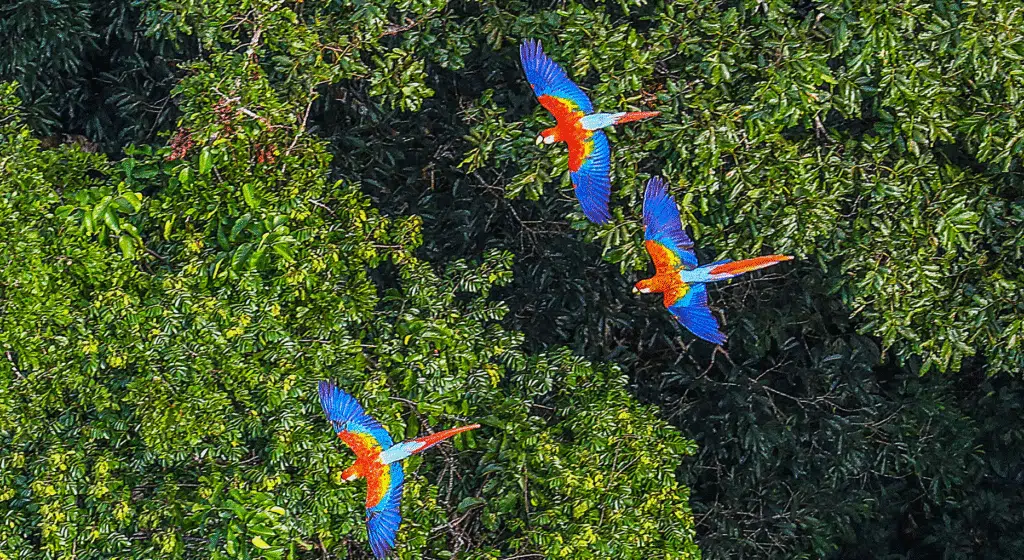
To the west lie Brazil’s great ecosystems. The Pantanal is one of the most important wildlife regions on the planet, known for jaguar sightings, wetland safaris, and birdlife. The Amazon, both river and rainforest, is vast enough to hold its own cultures, dialects, and ecological systems, best explored through small lodges and river journeys.