Skip to content
India

Luxury India Holidays

Private tours, bespoke itineraries and curated journeys across India.

India holds some of the world’s oldest living cultures, from Mughal capitals and desert fortresses to southern temple towns and coastal spice ports. Its regions are distinct, its traditions deeply rooted, and its daily life shaped by history that remains close to the surface.

At Do Not Disturb, we match you with one of our dedicated India luxury travel experts who designs a tailor-made itinerary around how you want your time away to feel. With deep destination knowledge and meticulous planning behind the scenes, we transform complex travel into something effortless and entirely your own.

The world without distraction.

Why India?

India’s heritage spans ancient empires, classical arts, and varied spiritual traditions.


The country’s cities reflect long histories of exchange, whether through trade, conquest, or scholarship. Yet the experience of India is never purely historical. For first-time visitors, India can be an overwhelming sensory overload.


A luxury tour of India can give you an authentic taste of its unique culture, with an added layer of comfort.

Why India

Add your Do Not Disturb Moment in India

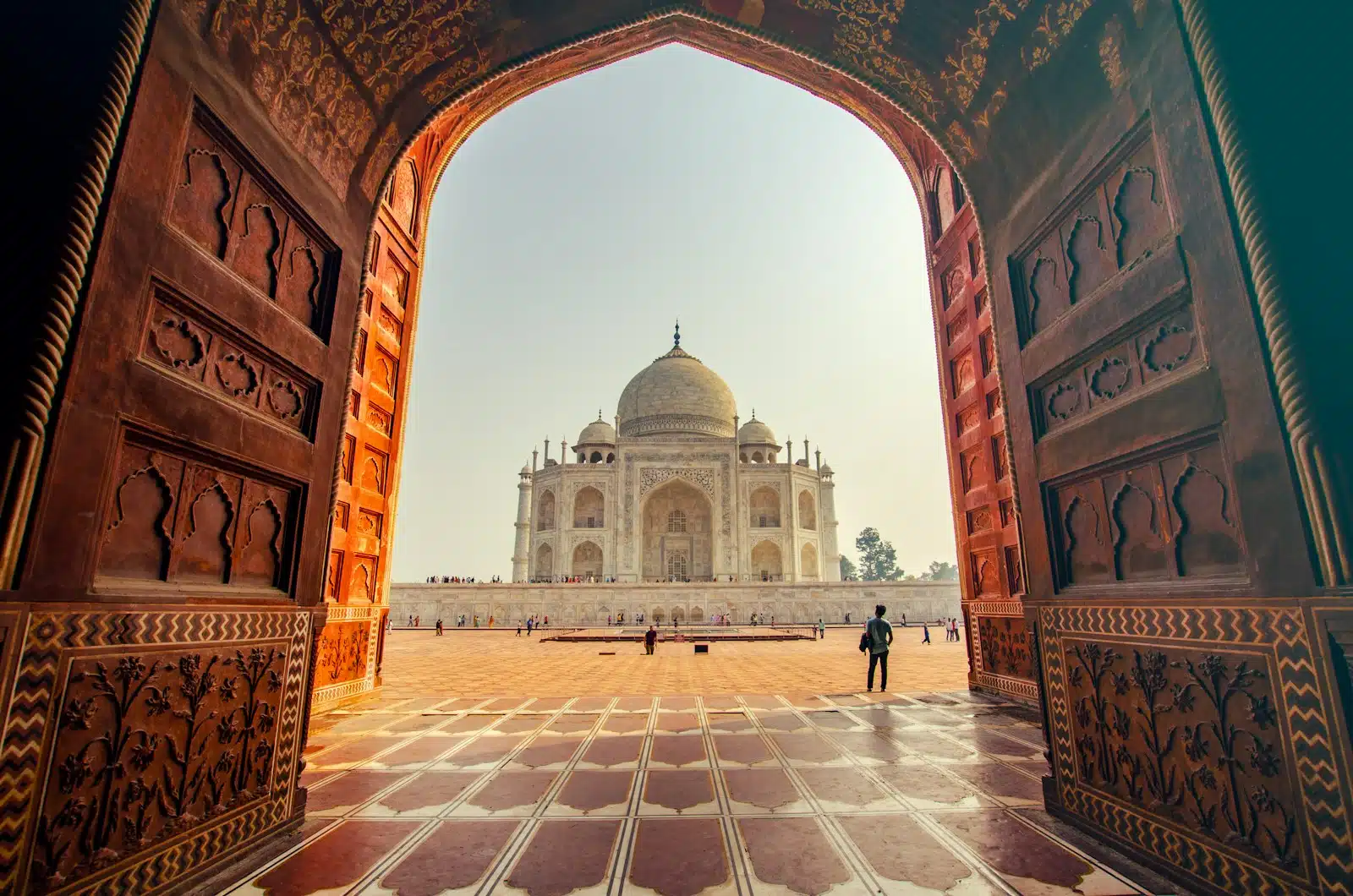
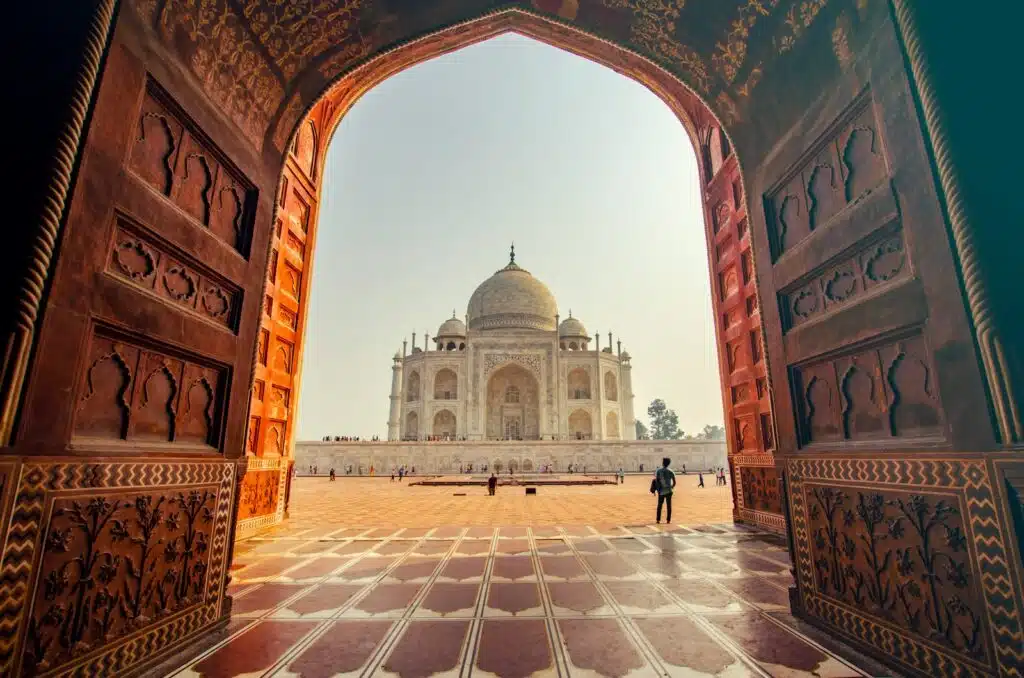
  • A luxury Taj Mahal tour with private arrival, expert guidance, and seamless access, curated by Do Not Disturb for depth, ease, and cultural understanding.

  • A physician-led Ayurvedic programme in Kerala combines classical diagnostics, tailored treatments, and daily routines within a heritage wellness retreat set along the region’s backwaters. This is a structured reset grounded in medical tradition, guided by licensed practitioners, and shaped by place.

  • Experience a private safari in Ranthambore National Park with expert guides and agile Gypsy vehicles, maximizing your chances of close-range Bengal tiger sightings in daylight.

India Travel Guides

  • India Overview

    India at a glance

    Most journeys begin in Delhi or Mumbai. Delhi’s Indo-Islamic architecture sits alongside the master planning of Lutyens’ New Delhi, creating a city that spans eras with unusual clarity. Mumbai offers a different narrative: Art Deco cinemas, colonial-fronted avenues, and a waterfront long shaped by trade and entrepreneurship. Both are natural starting points for travel deeper into the country.

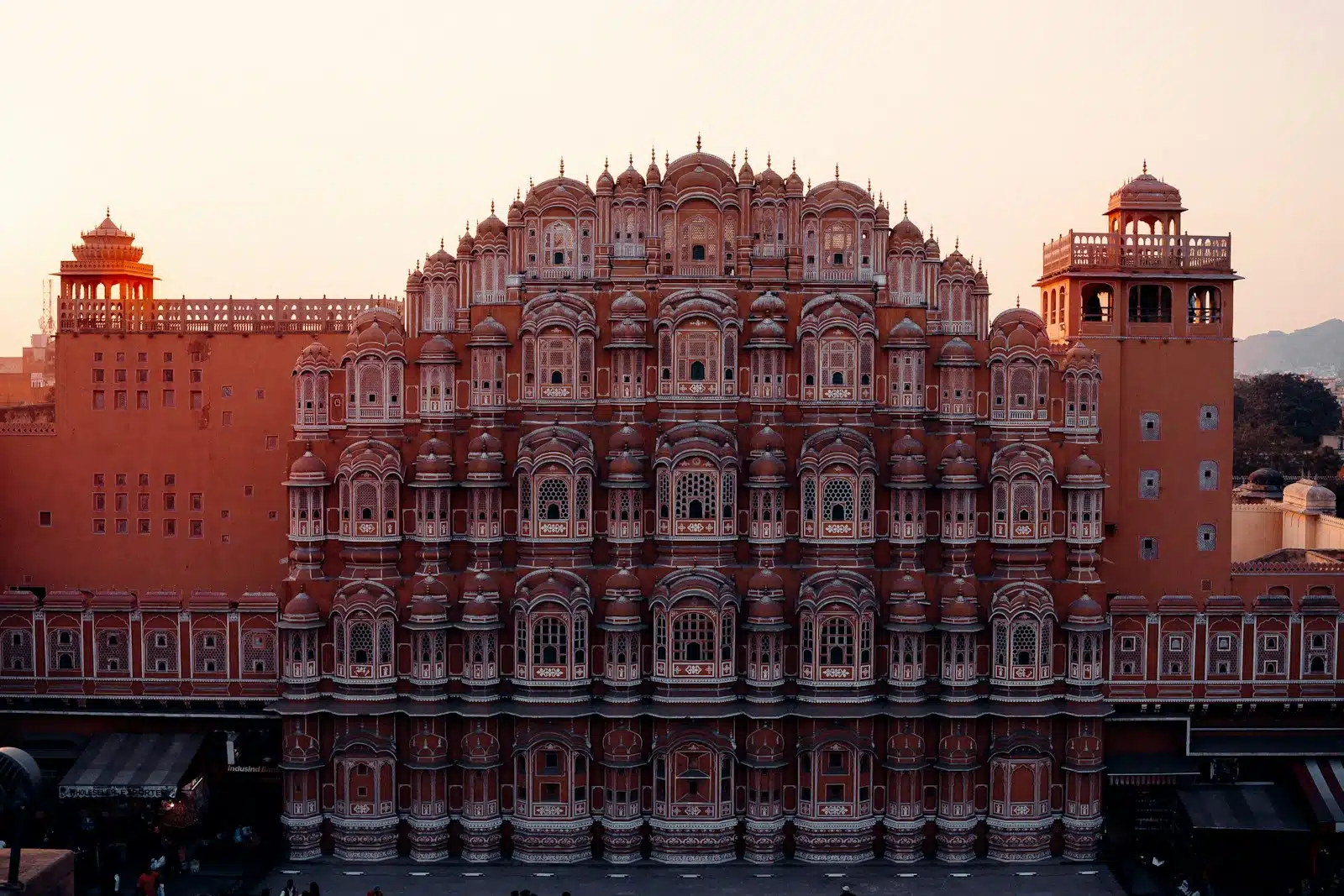
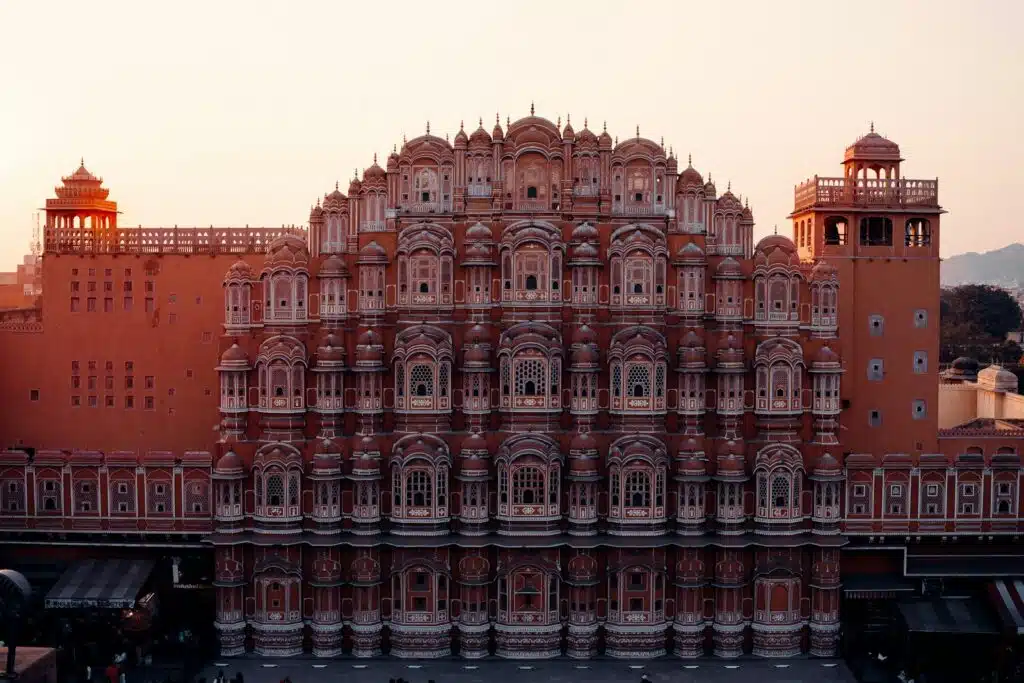
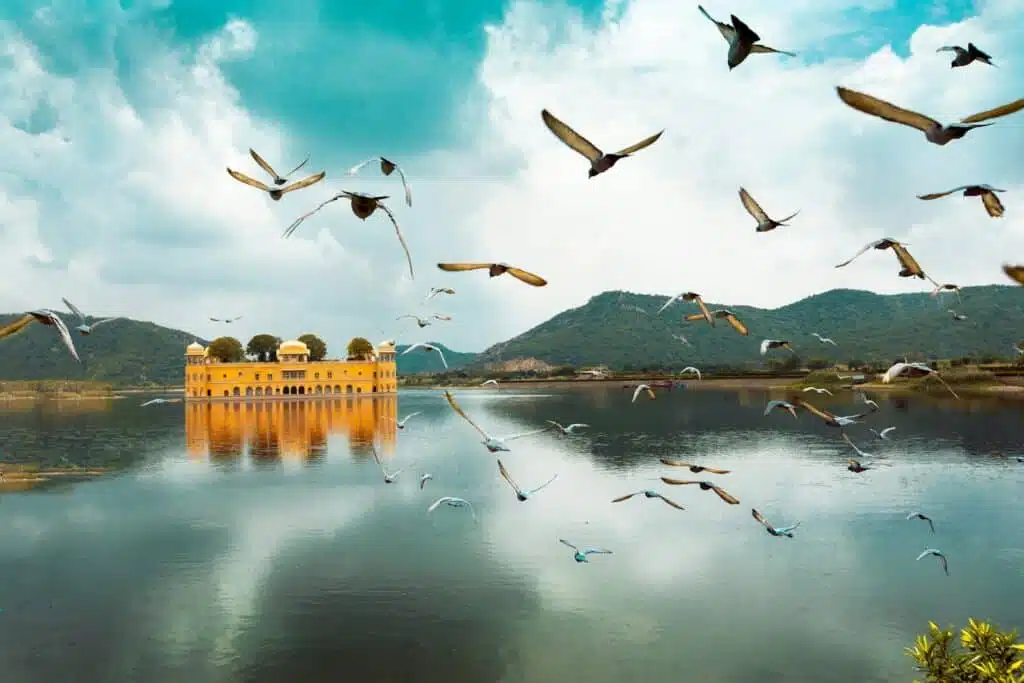
    North of Delhi lie the cities of the Golden Triangle. Agra’s Taj Mahal remains one of the world’s most precise and emotionally resonant monuments. Jaipur balances centuries-old craftsmanship with a newer wave of boutique hotels, galleries, and textile studios. Further west, Jodhpur and Udaipur anchor Rajasthan’s desert culture, each with their own architectural identity and courtly traditions.

    South India moves at a steadier pace. Tamil Nadu’s temple towns trace Dravidian architectural evolution in extraordinary detail. Kerala’s Arabian Sea coastline, inland waterways, and spice hills form landscapes shaped by monsoon, trade, and Ayurveda. Karnataka holds the ruins of Hampi and the palaces of Mysore, while Goa blends Hindu and Catholic heritage across its villages and beaches.

    To the north, the Himalayas shift the frame again. Ladakh’s monasteries and high-altitude deserts feel worlds apart from the pine forests and tea estates of Himachal and Uttarakhand. Each region has its own cultural language, inviting journeys built around contrast rather than repetition.

  • India things to do

    Things to do in India

    Culture and Heritage

    India’s cultural inheritance is unusually intact. Jaipur’s City Palace, Delhi’s Humayun’s Tomb, Hampi’s Vijayanagara ruins and the cave temples of Ajanta and Ellora offer insight into architectural lineages shaped by religion, empire and craft. In Varanasi, morning rituals on the ghats remain central to community life. In Tamil Nadu, temple complexes in Madurai and Thanjavur preserve classical forms of sculpture, music and dance. Travellers with specialist interests can explore miniature painting workshops, Mughal garden design, Tibetan Buddhist monasteries or the literary history of Kolkata.

    Cuisine and Culinary Traditions

    India’s food culture is defined by regional precision rather than a single national style. Rajasthan’s desert cuisine uses preserved ingredients and spice-forward techniques. Kerala’s coastal dishes draw on coconut, curry leaf and the legacy of maritime trade. Hyderabad and Lucknow maintain centuries-old traditions of aromatic biryanis and slow-cooked kebabs.

    Nature and Landscapes

    From the Thar Desert to Himalayan foothills, India’s geography is vast and varied. Ranthambore and Kanha offer wildlife experiences anchored by tiger conservation and diverse ecosystems. Kerala’s backwaters form a network of canals and lakes best explored by traditional kettuvallam or modern houseboat. The Western Ghats carry UNESCO status for their biodiversity, offering trails through coffee estates and rainforest. For trekkers, Ladakh and Uttarakhand provide high-altitude routes framed by Buddhist culture and dramatic terrain.

  • India hidden gems

    Hidden gems in India

    Chettinad, Tamil Nadu

    Palatial mansions built by merchant families define this region’s landscape, each a testament to accumulated wealth and architectural ambition. Walk through villages that feel genuinely suspended in time, quiet, intricate, and full of the kind of architectural details that reward close attention. Antique markets overflow with pieces salvaged from these grand homes, while the region’s culinary tradition, rooted in generations of merchant-class refinement, remains prized across India.

    Majuli, Assam

    One of the world’s largest river islands, Majuli exists in a state entirely shaped by the Brahmaputra. The heart of Assamese Vaishnavite culture, it preserves a classical dance-drama tradition alongside mask-making practices that feel less like tourist commodities and more like living heritage.

    Gwalior, Madhya Pradesh

    Often overlooked despite holding some of India’s most significant cultural landmarks, Gwalior rewards those who venture beyond the obvious. A remarkable hilltop fort commands the landscape, while early Jain rock sculptures and one of the country’s most distinguished musical legacies draw scholars and musicians. The Scindia Palace, with its distinctive Indo-European aesthetic, offers a tangible window into princely history.

  • India Overview weather

    When to visit India

    The months after the monsoon, October to March, are India's golden season: clear skies, comfortable days of 10–30°C depending on the region, and Rajasthan, Delhi, Goa and Kerala's backwaters at their best. Spring turns hot (25–35°C), while the monsoon months from June to September bring vivid green landscapes, festivals and a quieter pace.

    Spring (March–May)

    Warm to hot, typically 25–35°C depending on the region. Spring works well for Rajasthan, the Golden Triangle, central India’s national parks, and early Himalayan travel. Holi brings vivid celebrations but also larger crowds.

    Summer (June–August)

    Humid and monsoonal across most of the country, with temperatures from 28 to 38°C. Landscapes turn lush, and Kerala, Tamil Nadu, and the Himalayas offer cooler, greener escapes. Expect rain but also quieter travel.

    Autumn (September–November)

    One of India’s most reliable seasons, 20–30°C with clearer skies after the monsoon. Ideal for culture-rich itineraries, wildlife viewing, and long journeys across multiple regions. Major festivals like Diwali add energy to cities.

    Winter (December–February)

    Mild to warm in the south, cool in the north, with temperatures from 10 to 25°C. Peak season for Rajasthan, Delhi, and Mumbai, as well as Goa’s beaches and Kerala’s backwaters. Himalayan regions experience snowfall and cold.


  • India getting there

    Getting to India

    India is well connected through major international gateways. Delhi’s Indira Gandhi International Airport (DEL) and Mumbai’s Chhatrapati Shivaji Maharaj International Airport (BOM) receive direct flights from the United States, the United Kingdom, the Middle East and much of Europe. Bengaluru (BLR), Chennai (MAA), and Hyderabad (HYD) also serve long-haul routes, especially from Asia and the Gulf.

    Premium cabins on airlines including Emirates, Qatar Airways, British Airways, Air India and United provide comfortable long-haul travel, with direct US flights averaging 14–16 hours and UK flights around 8–9 hours depending on departure city.

    Most travellers from the US, UK, Canada, and Australia enter on an e-visa, typically issued for short-stay tourism. Requirements can shift, so it is best to confirm details before booking. Domestic connections are straightforward, with an extensive network of flights linking major regions. High-quality rail services, particularly in the Shatabdi and Vande Bharat classes, provide scenic alternatives for shorter routes. Private drivers remain the easiest way to navigate between cities in Rajasthan, the Deccan, and the south.

Travel Guides & Inspiration

India's Most Beautiful Palace Hotels 4 min read

India’s palace hotels are living pieces of history, places where architecture, memory, and hospitality merge. These are not replicas or staged experiences, but real palaces shaped by centuries of royal life, offering travellers the rare chance to inhabit history rather than observe it.

Jaipur 8 min read

A curated 48-hour guide to Jaipur, covering palaces, bazaars, dining and luxury hotels in India’s cinematic Pink City.

Taj Mahal 6 min read

India is vast, vivid, and deeply layered, a place that rewards intention rather than speed. For first-time luxury travellers, understanding where to begin shapes the entire journey.

Jaipur 5 min read

Rajasthan is India’s most visually striking region. Each major city (Jaipur, Jodhpur, Udaipur, Pushkar) has a distinct personality and architectural character.

Kerlala, India 5 min read

Kerala is India’s fundamentally different region. The landscape is tropical. The culture is distinctly its own (Hindu but expressed differently than north India). The pace is genuinely slower, by Indian standards. The food is exceptional and specific to the place. For travellers wanting India without the intensity of the north, or specifically seeking Ayurveda and […]

Our reviews

“Our trip was truly magical and full of core memories that will last us a lifetime.”

Michael • Bora Bora Honeymoon

“We just returned from an incredible journey through Ireland, and we couldn’t have had a better experience”

Brad • Ireland Adventure

“This was a flawless experience right from the beginning, we had so many thoughts and ideas flowing around and they took all of them and perfectly curated the most beautiful honeymoon for us.”

Kris • Sicily Honeymoon

Questions about India

About India

Can my trip to India be tailor-made?

Yes. Our India itineraries are starting points, not fixed packages: your India travel expert shapes every journey around your dates, pace and preferences.

When is the best time to visit India?

The months after the monsoon, October to March, are India's golden season: clear skies, comfortable days of 10–30°C depending on the region, and Rajasthan, Delhi, Goa and Kerala's backwaters at their best. Spring turns hot (25–35°C), while the monsoon months from June to September bring vivid green landscapes, festivals and a quieter pace.

How long should I spend in India?

Our India itineraries run from 8 to 15 days, and most are 13 days. Your expert can shorten or extend any of them around your plans.

Which hotels do you recommend in India?

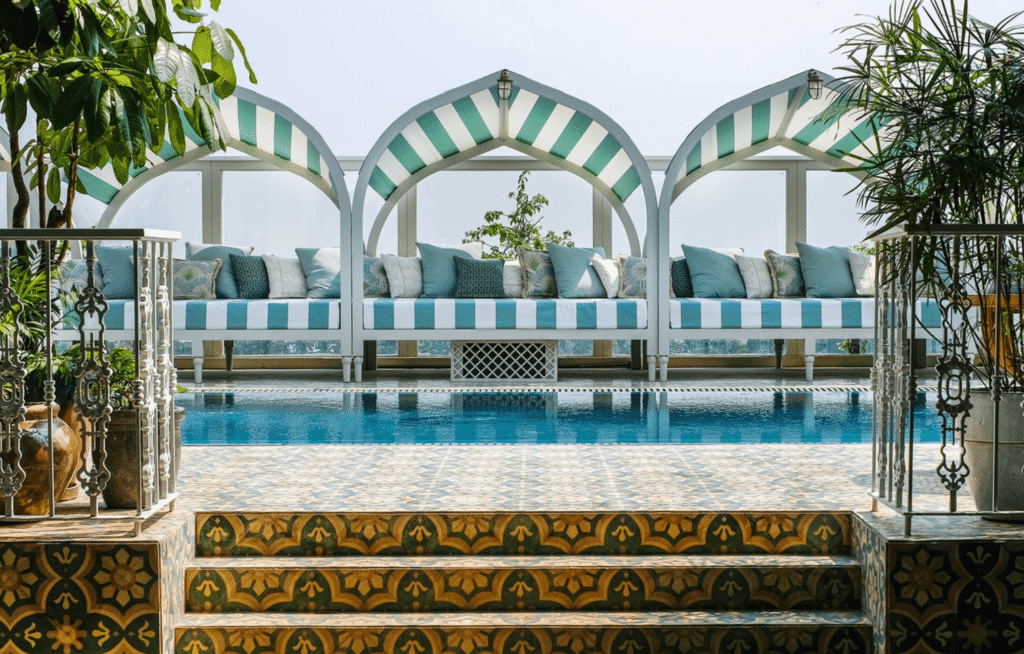
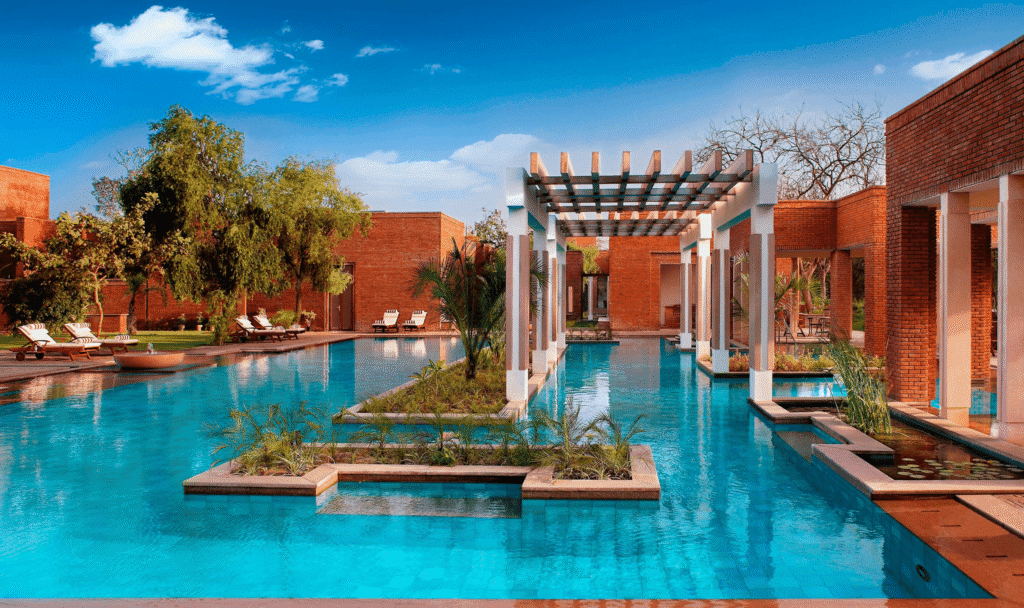
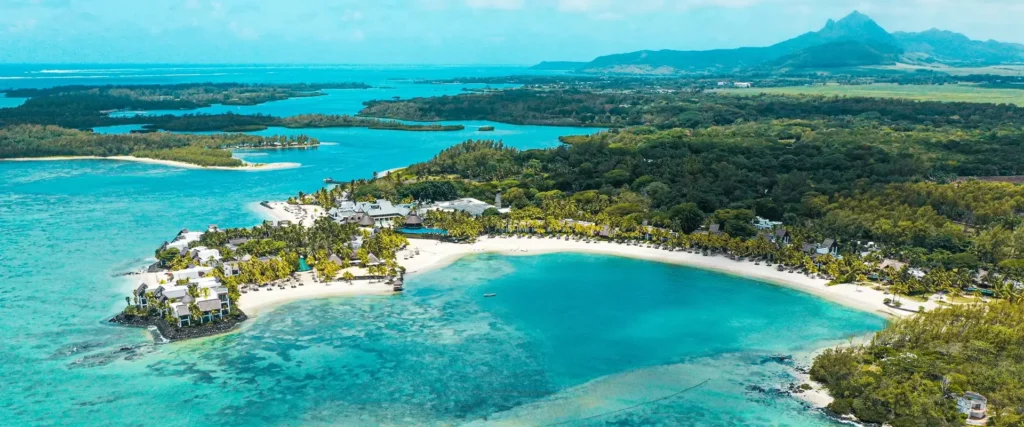
Among the hotels our experts recommend most are Soho House Mumbai, Constance Ephelia and ITC Mughal. See all our hotels in India.

What are the best things to do in India?

Highlights include Luxury tour of the Taj Mahal, Ayurvedic Reset in the Backwaters and Private tour of Ranthambore National Park, and your expert will build the experiences that matter most to you into your itinerary.

Travelling with Do Not Disturb

What does Do Not Disturb do?

We design tailor-made luxury journeys. You tell us what you have in mind, whether a destination, a feeling or a celebration, and a dedicated travel expert shapes a private itinerary around you, then takes care of every detail before, during and after your trip.

Can every trip be tailor-made?

Yes. The itineraries on our site are starting points, not fixed packages. Your expert changes the places, hotels, pace and length around your dates and preferences, or starts from a blank page.

How does planning a trip work?

In three steps. We listen: you share your dates, ideas and budget by phone or through our enquiry form. We curate: your expert designs a private itinerary and refines it with you until it feels right. You travel: every detail is handled, with support throughout your journey.

Who are your travel experts?

Our team brings over 35 years of experience in luxury travel. You are matched with an expert who knows your destination, and the same expert looks after you from the first conversation until you return.

How much does a trip cost?

It depends on your dates, hotels and length of stay. Each suggested itinerary shows a "from" price per person, and your expert prepares a full quote for the trip you want, with no obligation.

Your journey doesn’t start with a booking. It starts with a conversation.

Tell us how you want to feel, we’ll take it from there.

Your next steps

Planning your trip should feel effortless.

We Listen

You share what matters, whether it’s a destination, a feeling, or a moment worth celebrating.

We Curate

Your dedicated expert shapes a thoughtful, private itinerary tailored entirely around you.

You Travel

Every detail handled. Every moment considered. Support before, during, and after your journey.

Tell us about your journey

    Budget per person

    By submitting you confirm you have read our Privacy Policy.