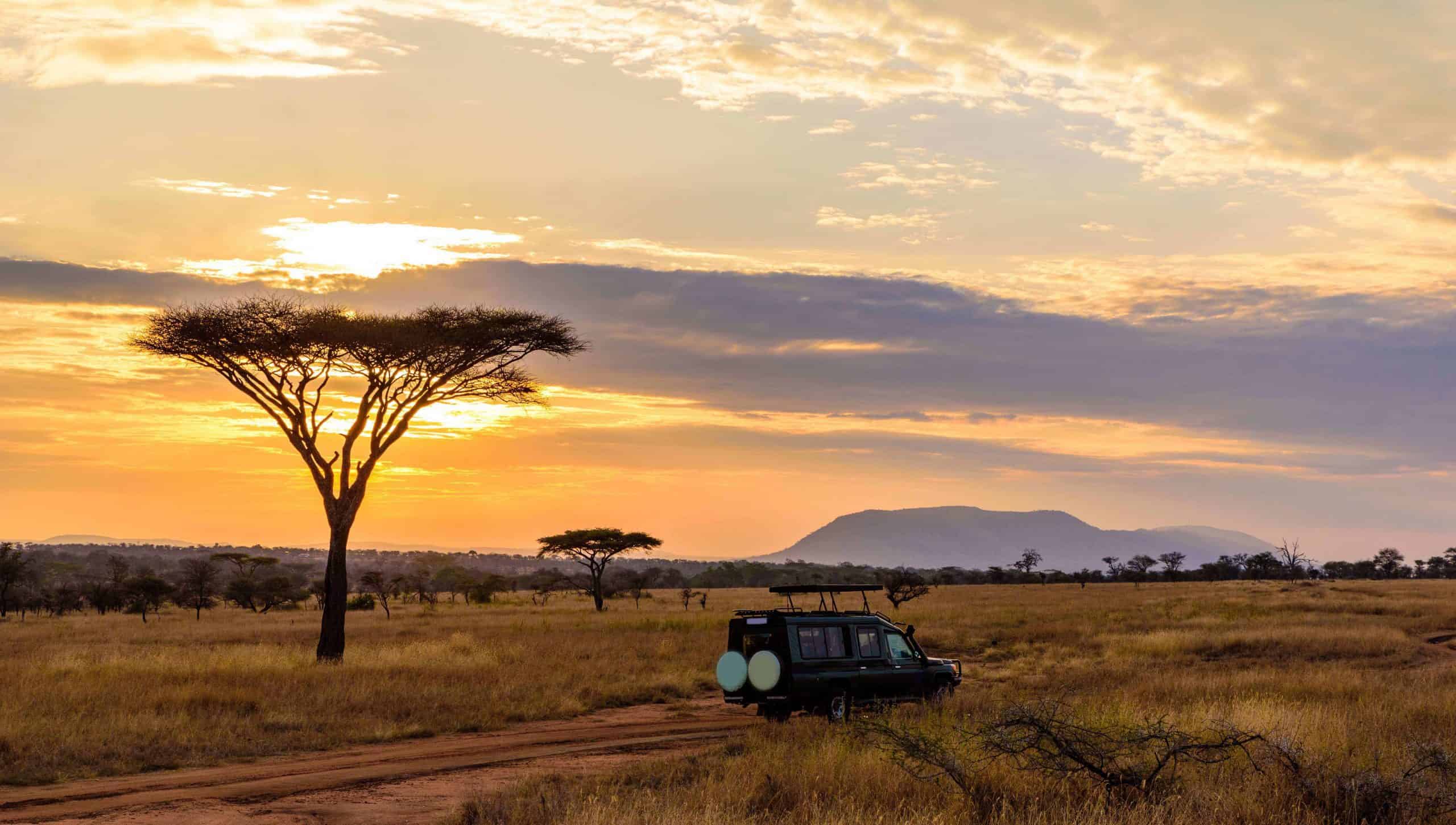

The Okavango Delta and the Kruger region represent two distinct philosophies of safari travel. Choosing between them is less a matter of preference than of understanding what each place actually offers.
Scale, Access, and the Shape of Each Destination
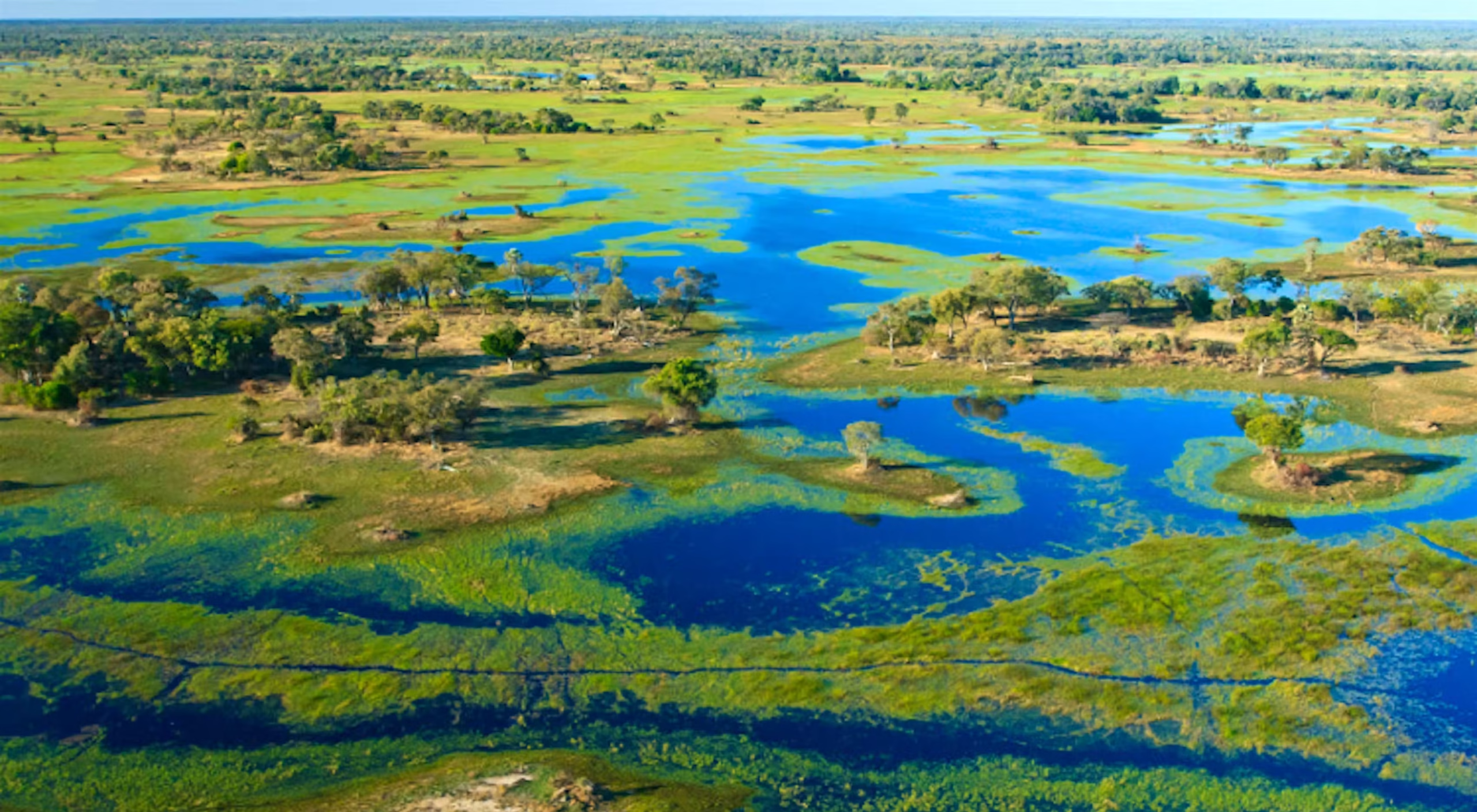
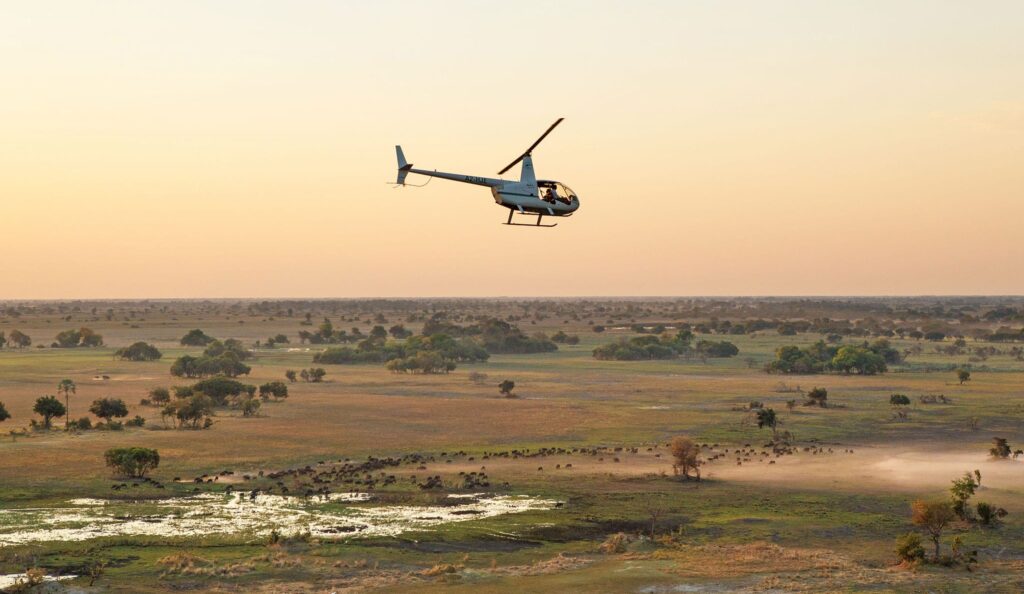
The Okavango Delta is a landlocked river system in northwest Botswana that floods seasonally, creating a shifting network of islands, channels, and floodplains across roughly 15,000 square kilometers. There are no roads into its interior. Reaching most camps requires a light aircraft transfer from Maun and in some cases a further journey by mokoro or motorboat. The number of beds across the Delta is controlled by government concession agreements, keeping guest numbers low by design.
Kruger works differently. The Greater Kruger region, including private reserves such as Sabi Sand and Timbavati, is road accessible from Johannesburg in under five hours. The national park spans nearly two million hectares, supporting a substantial public tourism infrastructure alongside its private concessions. Fly-in transfers are available but never essential.
The Okavango asks for more thought before you arrive. The logistics are more involved, the access more restricted, and the planning more consequential. Kruger gives you more ways to get there and more flexibility once you do.
About Do Not Disturb
Do Not Disturb is a luxury travel company specializing in carefully designed journeys and considered experiences. Each itinerary we build for our clients is informed by real destination knowledge, offering insight into places, cultures, and moments that shape how a trip comes together.
If this destination has sparked ideas, the itinerary can be developed into a private journey tailored to your interests and travel style, with hand-picked stays, thoughtful routing, and experiences curated around what matters most to you.
Exclusivity and the Question of Crowds
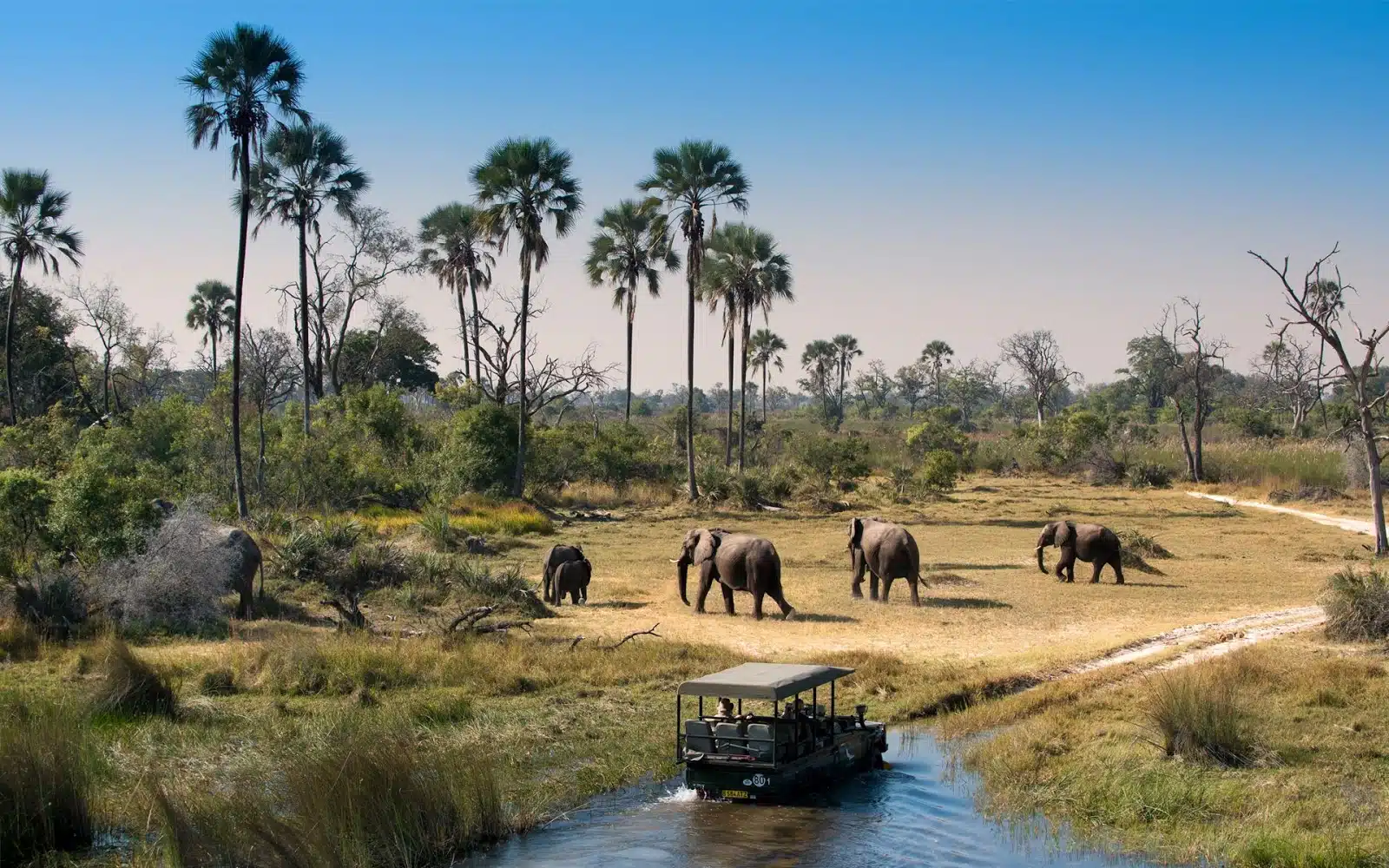
Botswana’s tourism model is built on restraint. The government caps visitor numbers across the Delta and its surrounding concessions, and the cost of access, shaped by high conservation fees and the remote logistics of fly-in camps, keeps the experience reserved for a narrow segment of travellers. Most camps hold fewer than twenty beds. Game drives unfold within private concessions where vehicle numbers are carefully controlled and roads are rarely shared with other operators.
Kruger spans a far wider spectrum. The national park itself is a public resource, reachable by private vehicle, with internal roads that can carry real traffic during peak periods. Private concessions bordering or woven into the greater Kruger ecosystem offer an entirely different tier of access, with traversing rights across vast, unfenced land and strict limits on vehicle numbers at each sighting.
The distinction runs deeper than logistics. In Botswana, exclusivity is written into policy, with concession agreements limiting guest numbers across the entire Delta. In Kruger, the same quality of experience is available through careful selection of the right private reserve and the right camp within it.
Wildlife Encounters: Density Versus Diversity
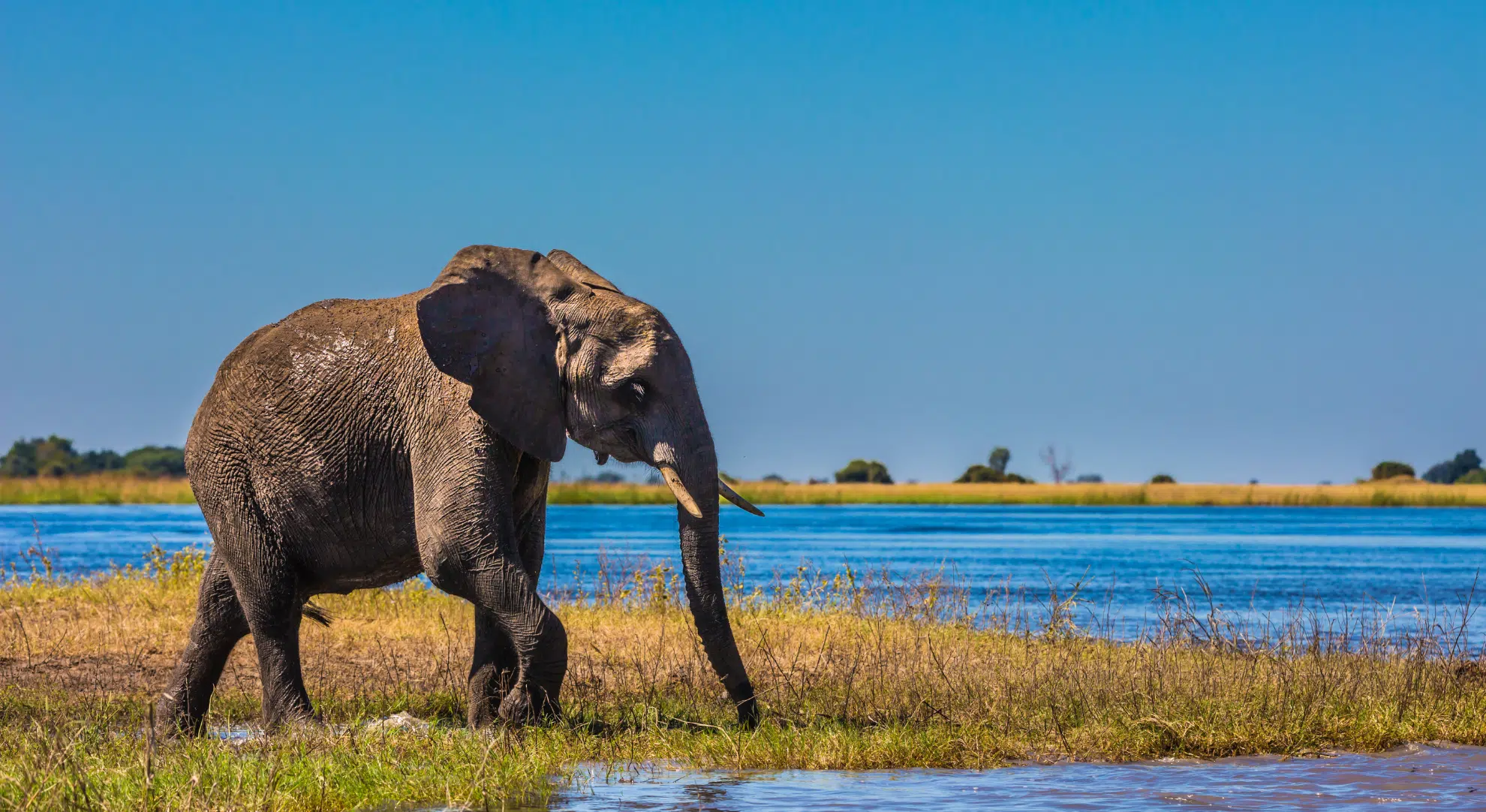
Game viewing in the Okavango follows the flow of water. As the annual flood recedes between July and October, wildlife gathers on shrinking landmasses, creating high predator density and sustained sightings of lions, leopards, wild dogs, and cheetahs. These conditions are seasonal and specific. Outside this window, dispersal across the broader ecosystem thins encounter rates considerably.
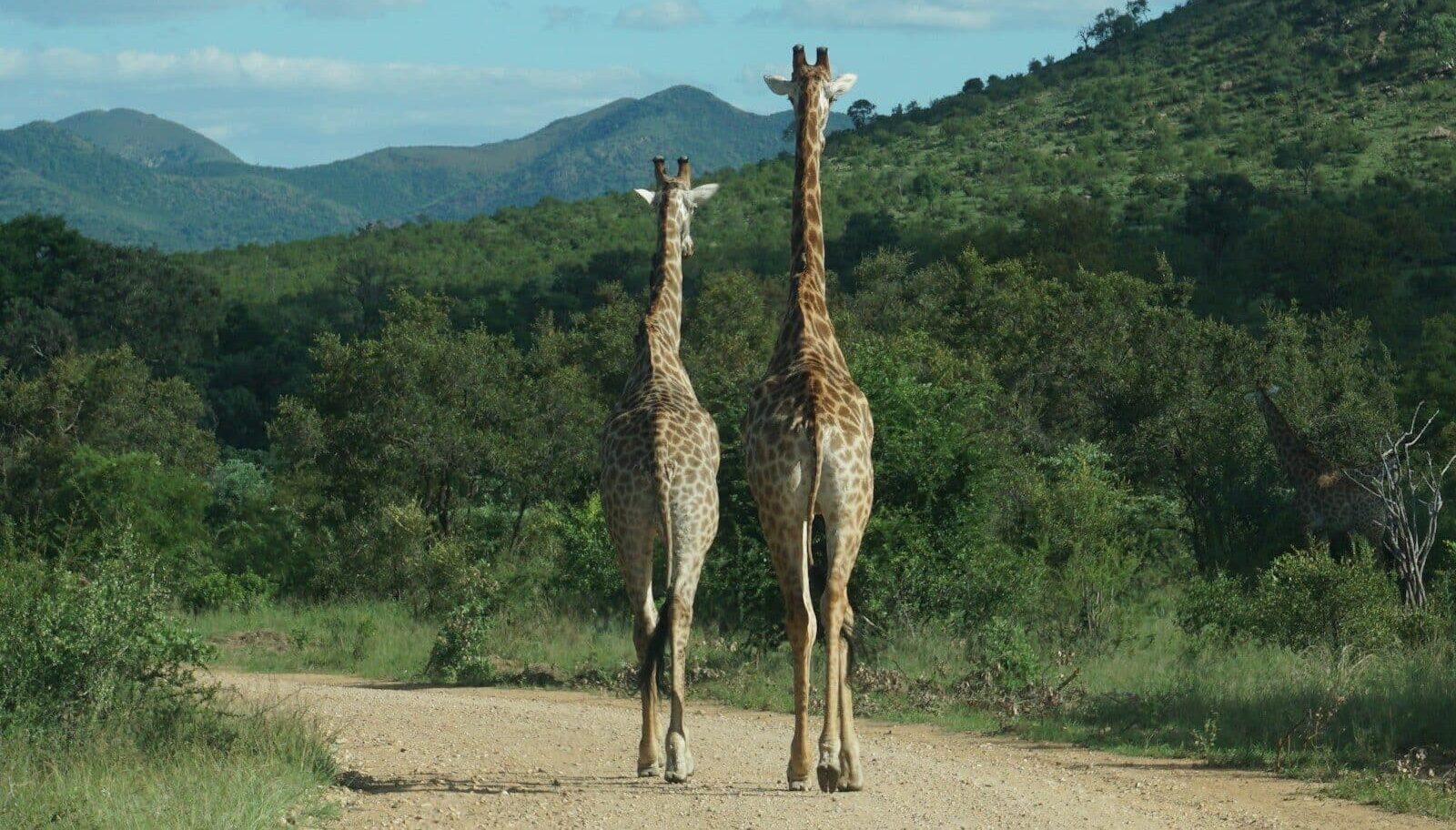
Kruger works on a different rhythm. The park’s 19,485 square kilometers hold one of Africa’s most complete mammal rosters, including all of the Big Five, alongside more than 500 bird species and a documented population of over 1,500 lions. Game viewing stays rewarding year-round, with the dry winter months sharpening visibility as vegetation thins.
The Okavango offers concentrated, high-value encounters within a defined seasonal window. Kruger provides steady access to exceptional species diversity across the calendar. What a traveller sees depends as much on timing as on destination.
Accommodations and the Standard of Luxury
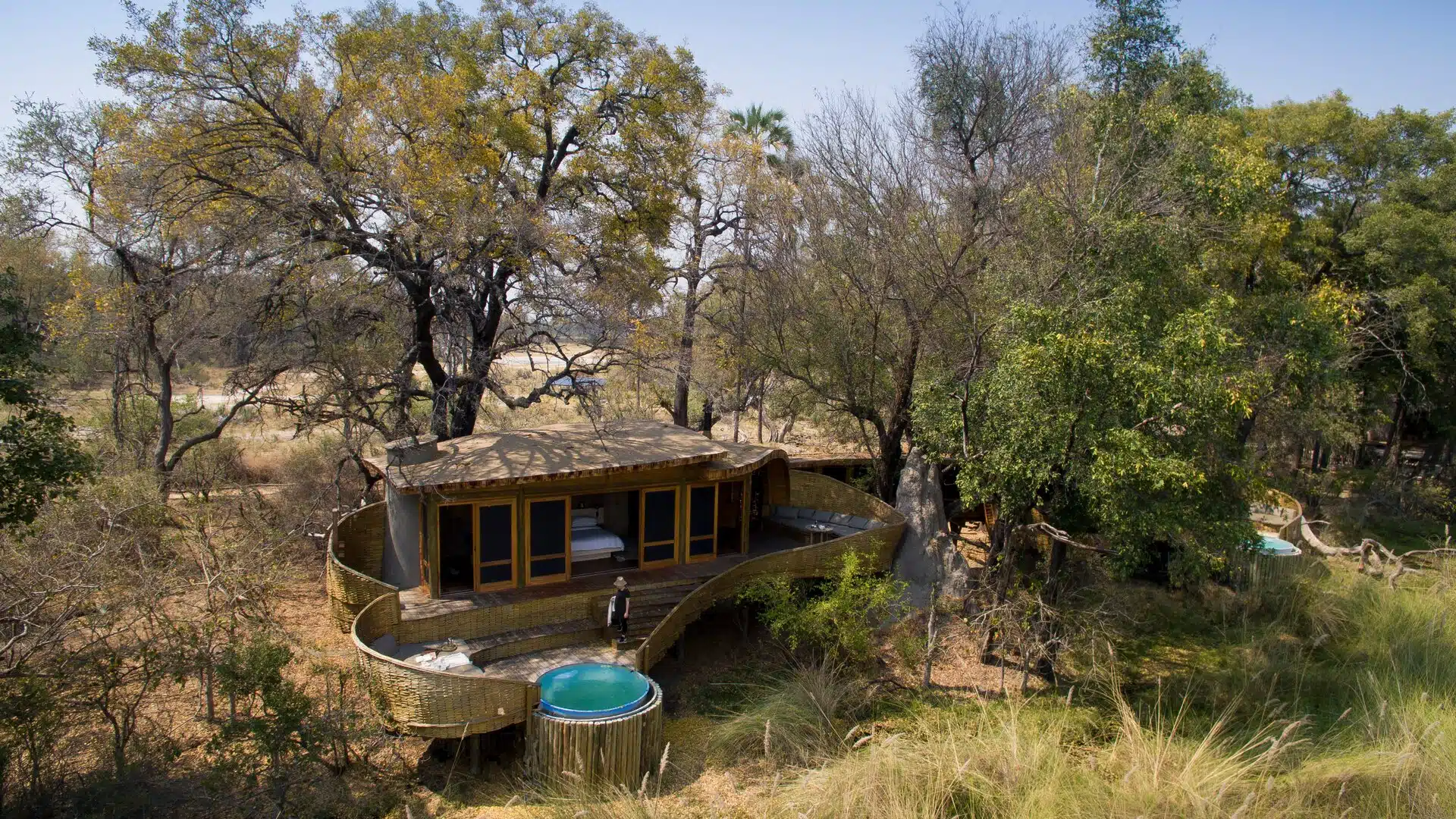
Accommodation in the Okavango Delta is shaped by scarcity and design. Camps within private concessions are small, typically between six and twelve units, and in some cases rebuilt seasonally to comply with low-impact land agreements. The accommodation is not incidental to the experience. It is part of how access to the Delta is controlled.
Kruger and its adjacent private reserves offer a wider range. The Sabi Sand, Timbavati, and Thornybush concessions hold lodges that compete directly with the Okavango on design and service. The difference is one of range rather than quality. Kruger accommodates a broader variety of budgets and travel styles, from self-catering rest camps within the national park to private lodges along its western boundary.
Travel Style and the Traveller Each Destination Suits
The Okavango suits travellers for whom the safari is the destination in itself. Camps are remote, access is by light aircraft, and the surrounding landscape sits apart from any wider tourism infrastructure. There is little scope for combining the Delta with other experiences without significant additional travel. The experience is self-contained by design, and that containment is part of its value.
Kruger and its private concessions suit a different kind of itinerary. The region connects naturally with Cape Town, the Winelands, and the Garden Route, making it a workable piece of a wider South Africa trip. Private reserves bordering Kruger offer serious game viewing without asking the traveller to commit to a single destination.
The difference is not one of quality. It is one of structure. Travellers who want depth and seclusion above all else will find the Okavango hard to match. Those who want flexibility, variety, and geographic range will find the Kruger region better suited to those priorities.
How to Decide, and Whether to Choose at All
The practical case for choosing one over the other rests on two variables, budget and available time. The Okavango asks for a higher per-night spend and rewards longer stays, given the logistical investment required to reach it. Kruger-region camps offer more flexibility on both counts, with a wider range of price points and easier access from Johannesburg.
For travellers with ten days or more, combining both destinations within a single itinerary is a well-established approach and for many the more complete one. The two regions do not duplicate each other. The Delta’s water-based ecosystems and the Lowveld’s open savanna present different wildlife conditions, and the contrast between them gives a journey more range than either destination provides alone.
The decision is less about which is better and more about what the trip is designed to achieve. Both destinations reward careful planning, and the quality of that planning shapes what the experience ultimately delivers.
Ready to plan your safari and determine whether the Okavango, Kruger, or both belong on your itinerary? Speak with Do Not Disturb to begin your journey.
Plan your own version of this journey
Speak to Do Not Disturb’s luxury travel experts and turn this moment into something personal.
Suggested articles
The Most Romantic Train Journeys for a Slow Honeymoon
Where to Go On Honeymoon? A Guide to Help You Choose
Wilderness to Waves: Luxury Honeymoons in Kenya
Why Botswana Is Africa’s Most Exclusive Safari Destination
Tanzania vs. Botswana: Which African Safari Should You Choose?

The Okavango Delta: Africa’s Most Unique Safari Destination
Plan Your South Africa Honeymoon

Safari Without the Crowds: How to Choose the Right Reserve

Malaria-Free Safaris in South Africa, Namibia & Botswana

Best Luxury Hotels in the Cape Winelands
Cairo for Luxury Travellers: Pyramids, Palaces & Grand Hotels
A Luxury Journey Through Ancient Egypt

Cleopatra’s Egypt: Alexandria, Cairo & the Nile