From the sweeping plains of the Serengeti to the energy of the Masai Mara and the intimacy of private conservancies, not all safaris feel the same. Understanding how each reserve manages access and wildlife encounters is the key to choosing an experience that feels expansive, unhurried, and deeply immersive.
A great safari is not defined by how many animals you see. It is defined by how you see them. Space, silence, and a sense of discovery matter just as much as density of wildlife, sometimes more. Yet many travellers still plan their safari around famous names rather than the experience those places actually deliver on the ground.
When it comes to crowd levels, three options dominate the conversation: the Serengeti, the Masai Mara, and private conservancies. Each offers exceptional wildlife, but the way you access that wildlife, and how many others are sharing the moment, differs dramatically.
About Do Not Disturb
Do Not Disturb is a luxury travel company specializing in carefully designed journeys and considered experiences. Each itinerary we build for our clients is informed by real destination knowledge, offering insight into places, cultures, and moments that shape how a trip comes together.
If this destination has sparked ideas, the itinerary can be developed into a private journey tailored to your interests and travel style, with hand-picked stays, thoughtful routing, and experiences curated around what matters most to you.
Serengeti: Vast, Iconic, and Seasonally Crowded
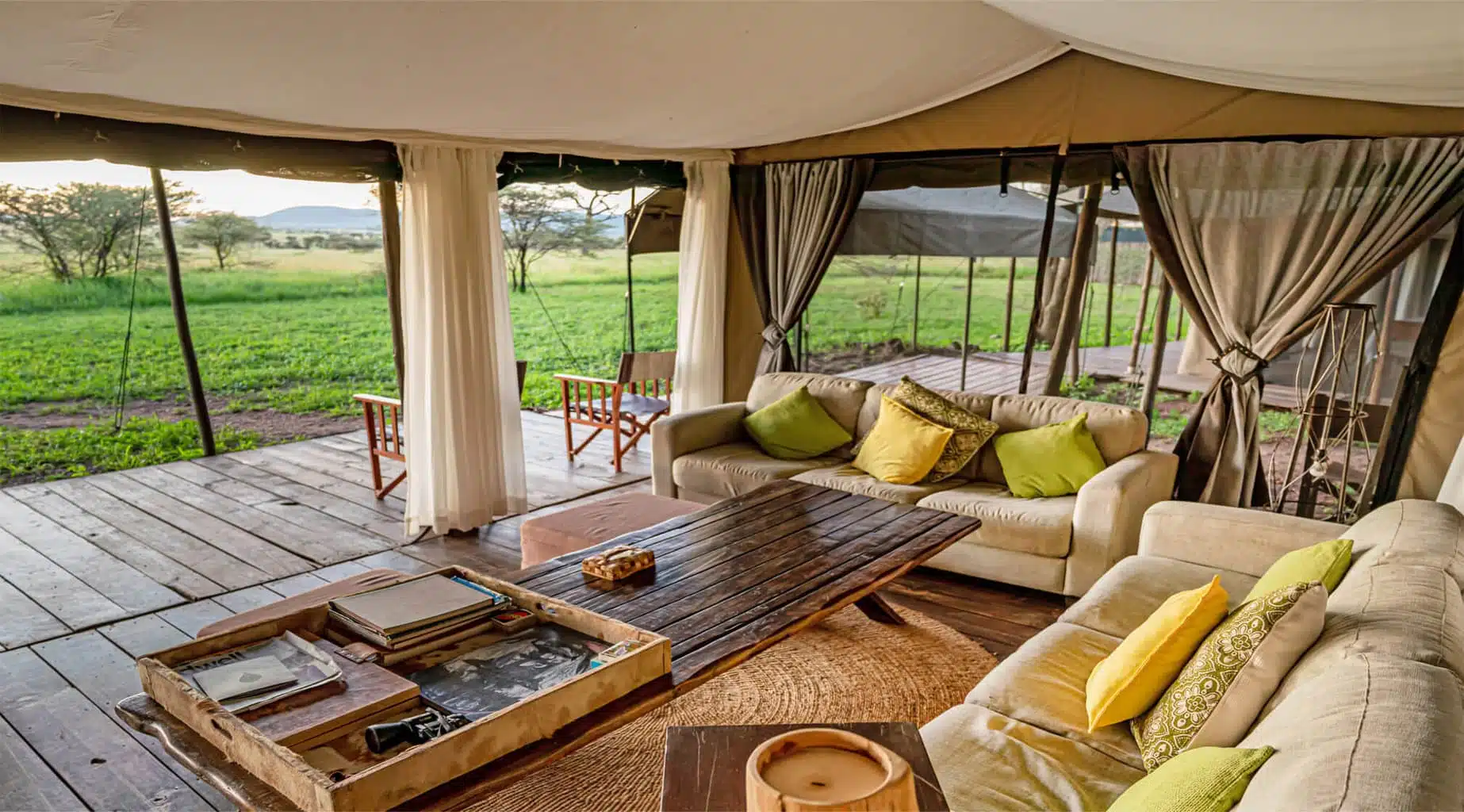
The Serengeti’s scale is its greatest asset. Spanning nearly 15,000 square kilometers, it is one of the largest protected ecosystems on the planet. In theory, this should mean endless space. In practice, crowd levels depend heavily on timing and location.
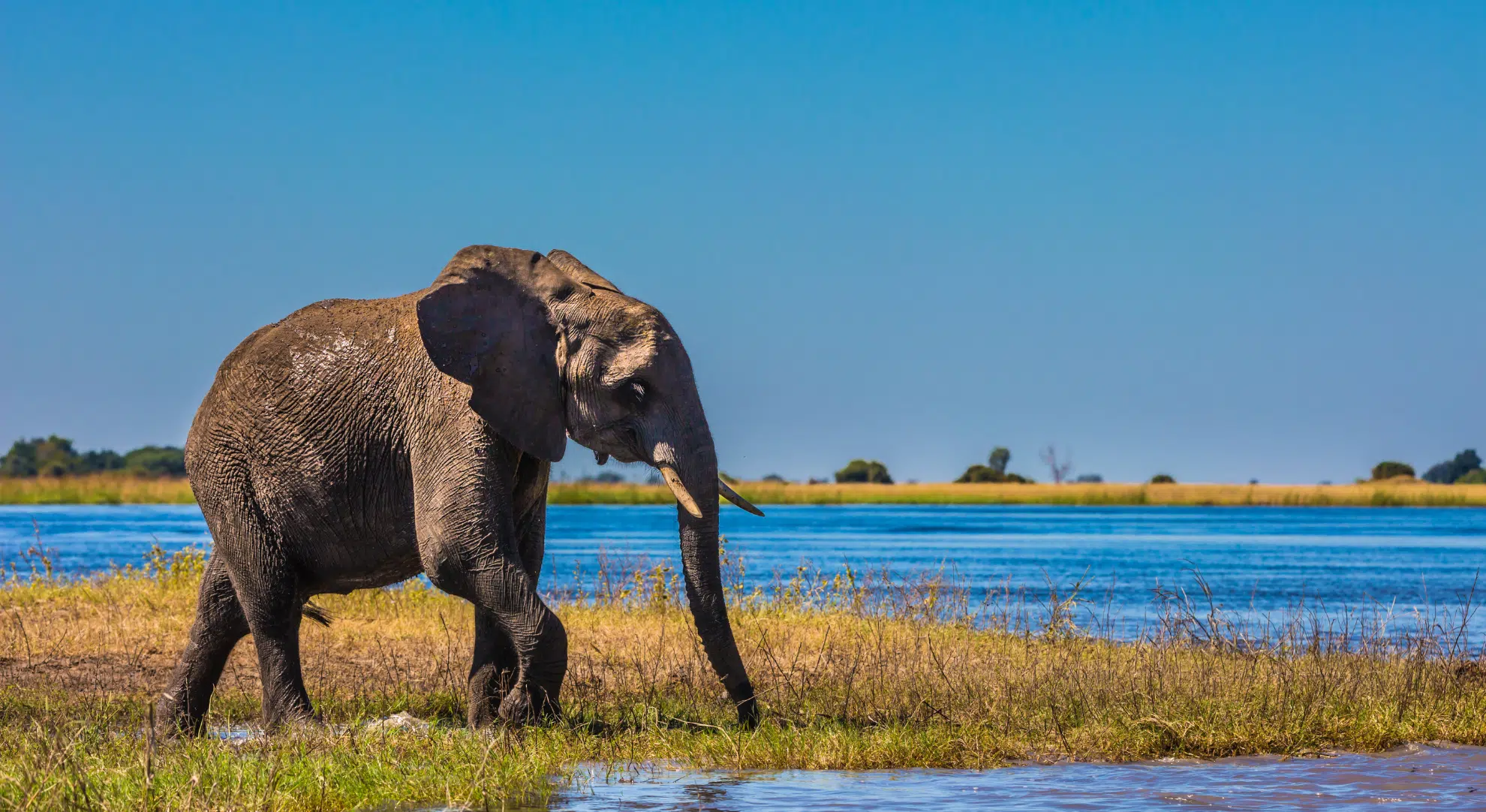
During the Great Migration, particularly between June and October, certain areas attract significant vehicle congestion. River crossings are the most obvious example. A single crossing can draw dozens of vehicles, all converging on a narrow stretch of riverbank. While the Serengeti does not impose strict vehicle limits at sightings, its sheer size allows skilled guides to reposition away from busy corridors, especially when staying in mobile or remote camps.
Access rules are relatively flexible. Off road driving is restricted in most areas, and night drives are not permitted within national park boundaries. This means game viewing follows established tracks and daylight hours only. The reward is raw wilderness on a monumental scale, with moments of solitude still possible for those willing to prioritise camp location over headline moments.
Masai Mara: High Density, High Pressure
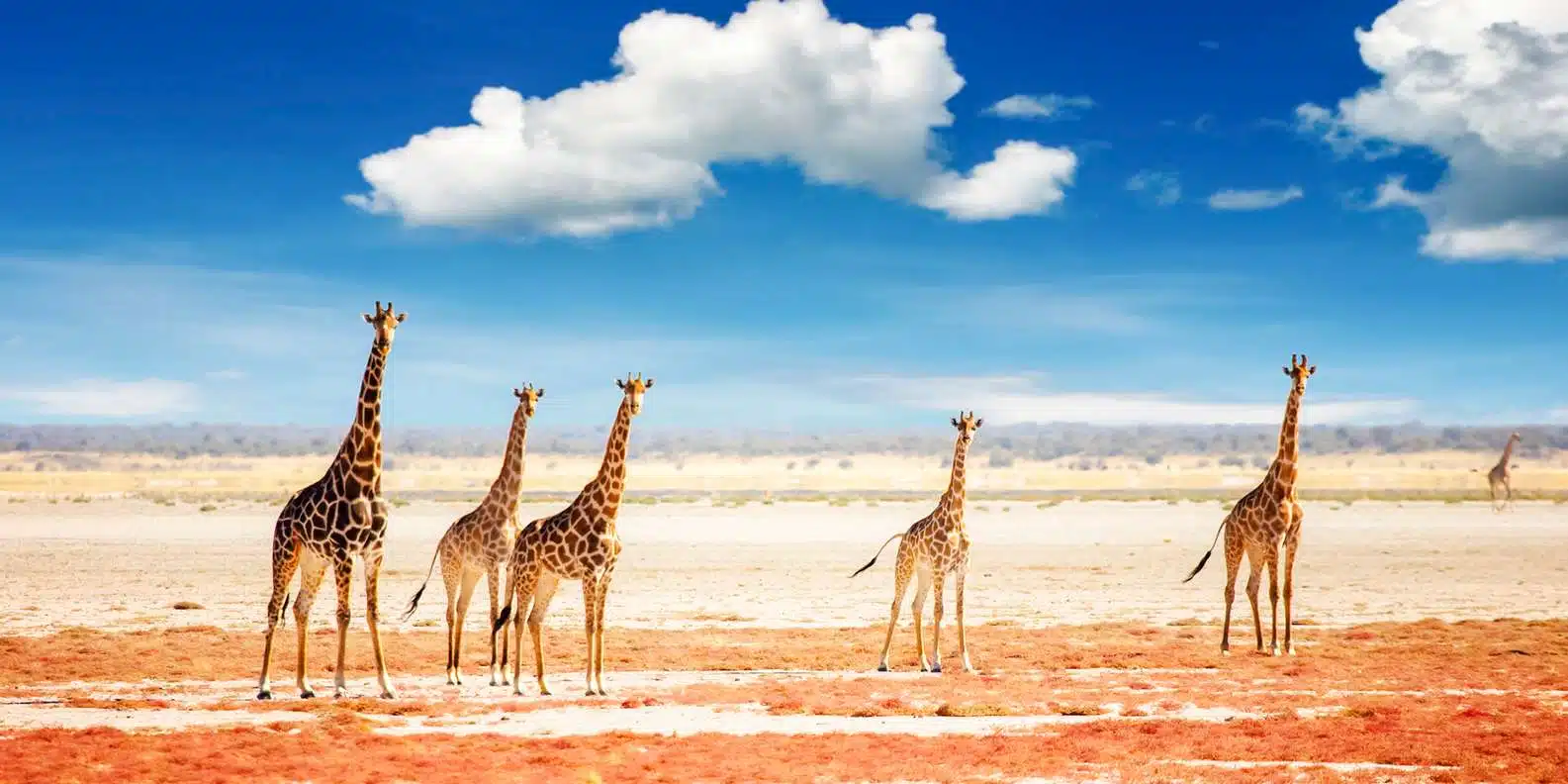
The Masai Mara offers one of the most energetic safari environments in Africa. Wildlife density is exceptional, with predators, plains game, and dramatic interactions playing out daily. Sightings tend to be frequent and often close, which makes the Mara especially rewarding for travellers who want to see a wide range of species in a relatively short time.
Its popularity reflects this abundance. During peak months, particularly when the migration crosses into Kenya, the central reserve can feel lively and social, with guides sharing information and tracking movements together. For many guests, this adds to the excitement rather than detracting from it.
Travellers seeking a quieter experience within the Mara ecosystem can look to conservancies bordering the main reserve. These areas combine the same wildlife richness with more controlled access and lower vehicle density, offering a gentler pace without losing the drama that defines the region.
Private Conservancies: Access with Intention
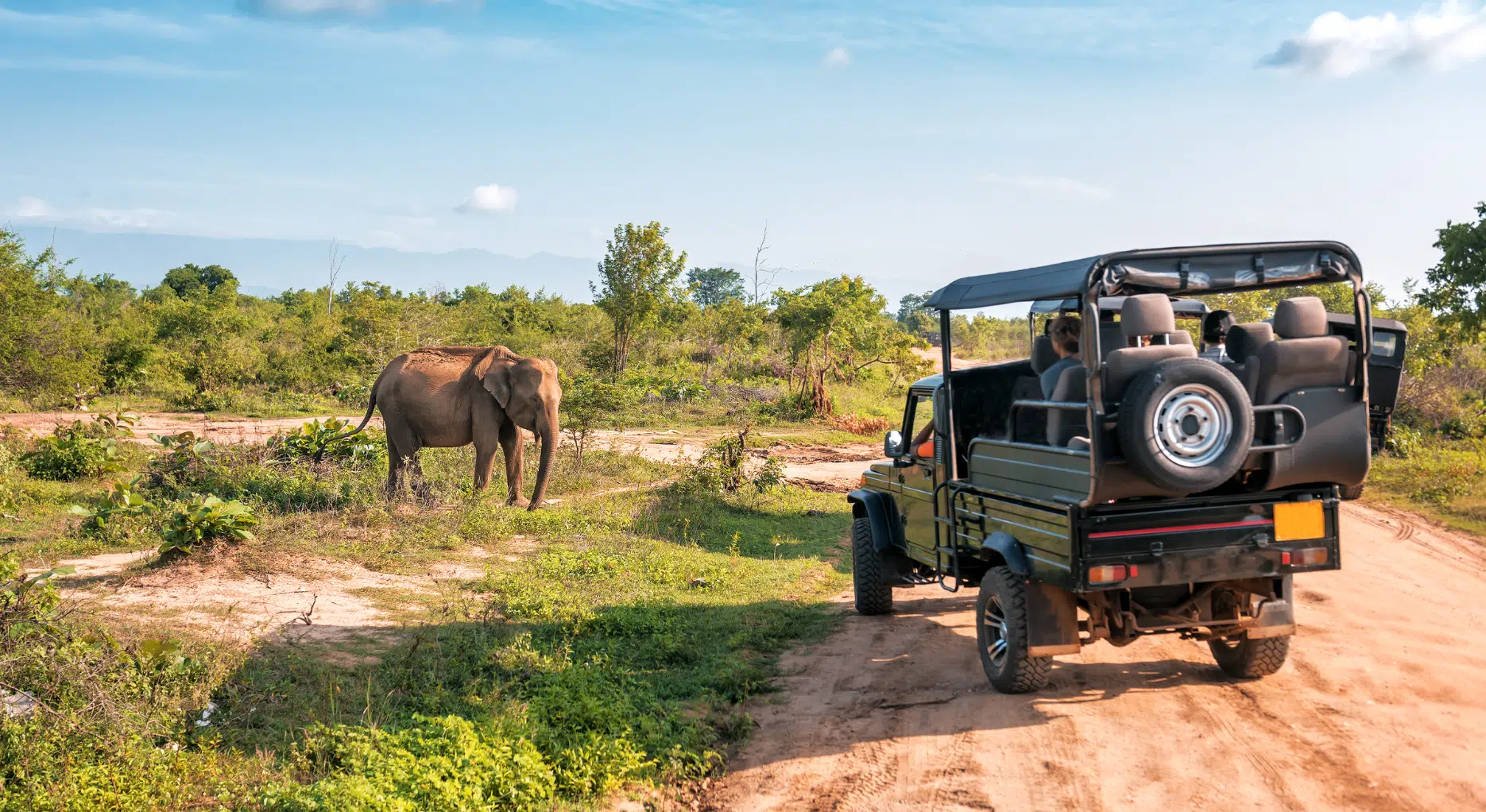
Private conservancies take a more curated approach to safari. With strict limits on the number of lodges and vehicles, these areas prioritise quality over volume. Sightings often unfold with just one or two vehicles present, allowing moments to breathe without pressure.
Flexible access rules make a significant difference. Off road driving enables guides to follow animals naturally, while night drives reveal nocturnal behavior rarely seen in national parks. Walking safaris further slow the experience, shifting focus from spectacle to connection.
Because conservancies rely on tourism to fund conservation and community partnerships, the experience feels carefully balanced. Privacy, flexibility, and depth are central to the model.
Finding the Right Fit
The Serengeti, Masai Mara, and private conservancies each offer a distinct safari experience shaped by landscape, access rules, and visitor flow. The best choice depends on what you value most.
Some travellers are drawn to vast horizons and seasonal migration patterns. Others prefer high energy wildlife encounters with constant movement. Many seek intimacy and freedom, where time at a sighting is unhurried and shared with very few others.
A safari without crowds is not about avoiding famous places. It is about understanding how each reserve works and choosing the rhythm that suits you. When that alignment is right, the experience feels effortless, immersive, and unforgettable.
Looking to experience safari at its most considered and crowd conscious? Do Not Disturb designs private, expertly guided journeys across Africa’s most exceptional reserves, matching you with the right landscape, season, and level of exclusivity for the way you want to travel.
Plan your own version of this journey
Speak to Do Not Disturb’s luxury travel experts and turn this moment into something personal.
Related destinations
Suggested articles
Kruger or a Private Reserve? Where to Safari in Greater Kruger
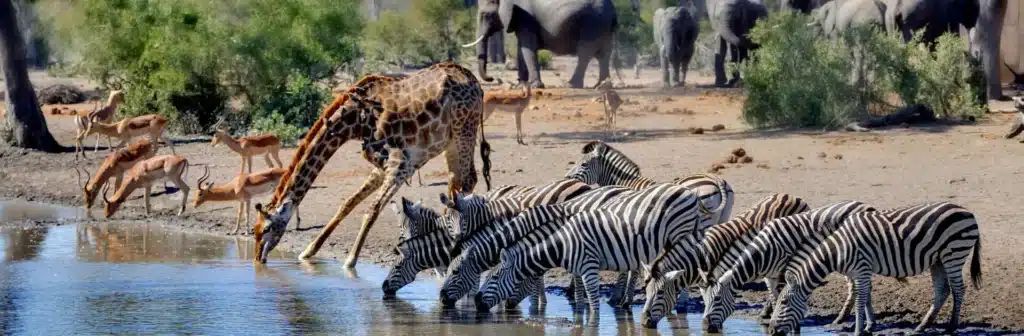
The Best Time to Visit Kruger for Wildlife, Weather and Fewer Crowds
Kruger for First-Time Safari Travellers: What Nobody Tells You Before You Go
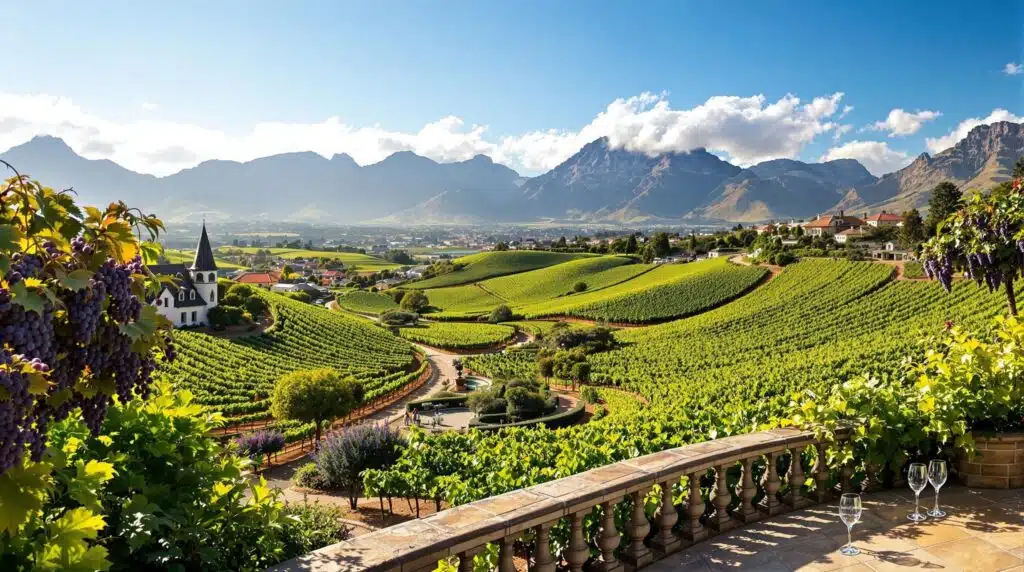
Beyond Wine Tastings: How to Spend Three Days in the Cape Winelands
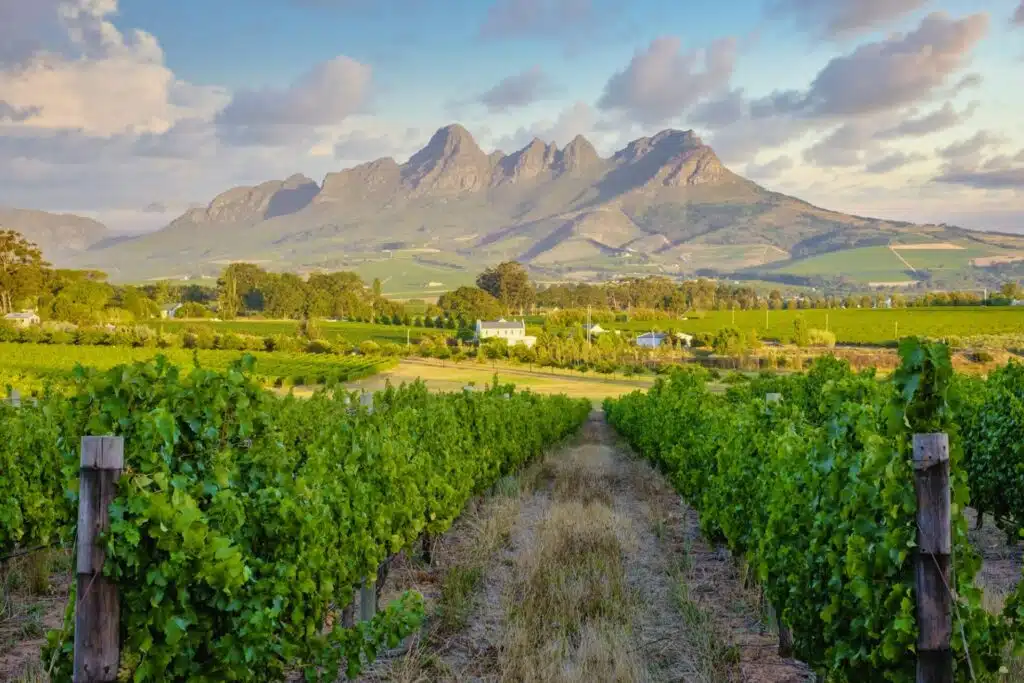
Stellenbosch or Franschhoek? Where to Stay in the Cape Winelands

The Best Honeymoon Destinations for LGBTQ+ Couples
The Most Romantic Train Journeys for a Slow Honeymoon
Where to Go On Honeymoon? A Guide to Help You Choose

Okavango Delta vs. Kruger National Park: Which Safari Is Right for You?
Plan Your South Africa Honeymoon

Malaria-Free Safaris in South Africa, Namibia & Botswana

Best Luxury Hotels in the Cape Winelands

Best Winter Sun Honeymoon Destinations in Europe