For first-time safari travellers, the choice between Kenya and South Africa is rarely simple: both countries offer world-class wildlife, but through entirely different landscapes, infrastructure, and styles of travel. Knowing those differences before booking shapes everything that follows.
The Wildlife Case for Each Country

Kenya’s core proposition is scale. The Masai Mara, continuous with Tanzania’s Serengeti ecosystem, hosts the annual wildebeest migration, a movement of over 1.5 million animals that unfolds broadly from July through October. Outside that window, the Mara still holds formidable predator and plains game populations, but the migration remains the defining draw and the main reason most first-time travellers gravitate toward Kenya over other safari destinations.

South Africa offers a different structure entirely. Reserves like Sabi Sand, which shares an unfenced border with Kruger National Park, are prized for consistent Big Five and leopard sightings, a combination rarely matched elsewhere on the continent. Game drives here take place within controlled, private concessions, allowing for off-road tracking and a far more refined encounter with wildlife.

The distinction, at its core, is this: Kenya presents wildlife at a landscape scale, while South Africa offers it with greater precision and access. Both stand as exceptional first safari destinations; the right choice comes down to what the traveller most wants to witness.

The Wildlife Case for Each Country

About Do Not Disturb

Do Not Disturb is a luxury travel company specializing in carefully designed journeys and considered experiences. Each itinerary we build for our clients is informed by real destination knowledge, offering insight into places, cultures, and moments that shape how a trip comes together.

If this destination has sparked ideas, the itinerary can be developed into a private journey tailored to your interests and travel style, with hand-picked stays, thoughtful routing, and experiences curated around what matters most to you.

Landscape and Setting

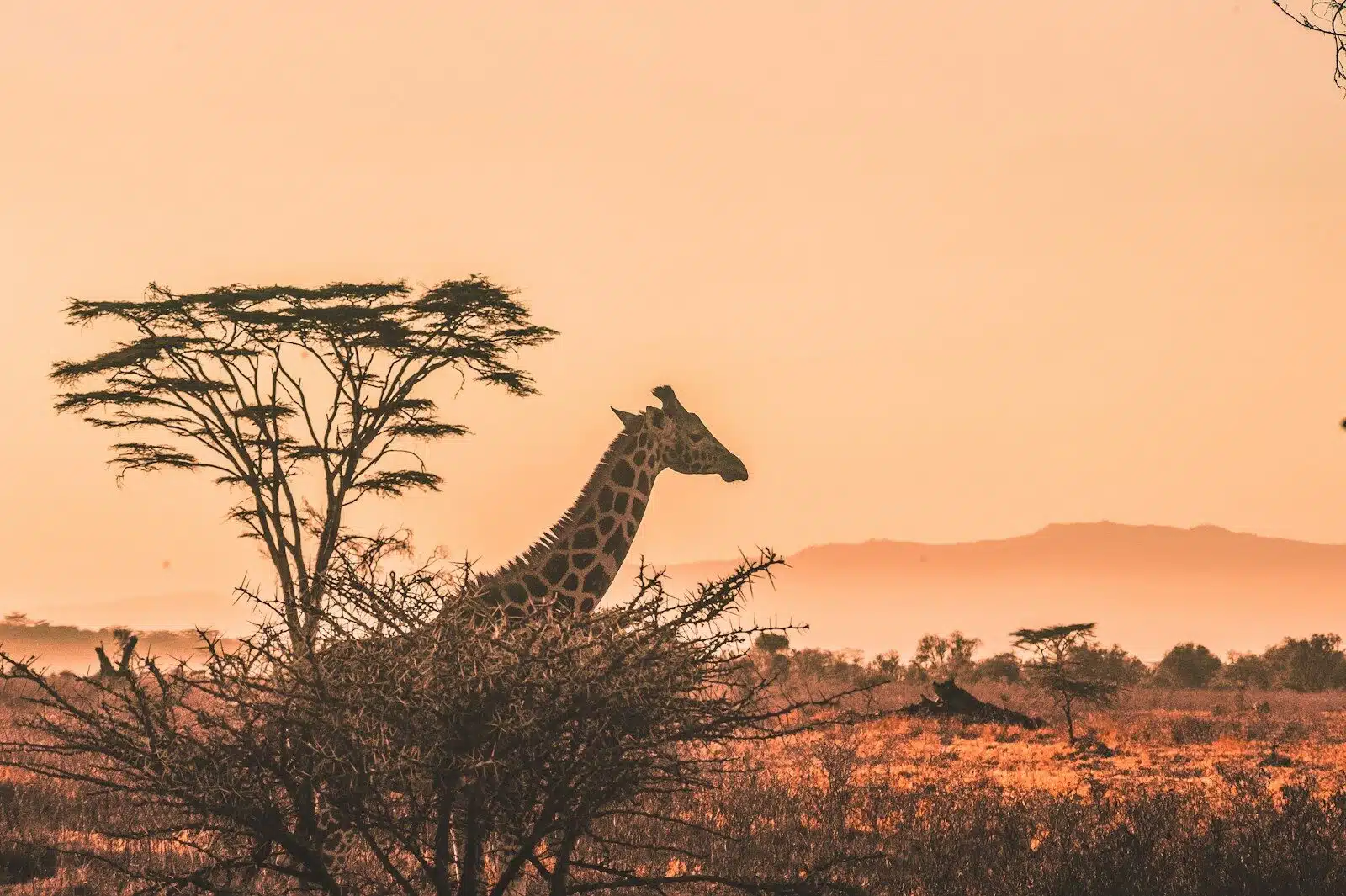
Kenya’s defining safari landscapes are open and sweeping. The Maasai Mara and the broader Rift Valley system unfold in wide grassland plains, scattered acacia, and long, uninterrupted sightlines that reveal wildlife at a distance. This openness carries real weight: it shapes how game drives move, how far animals can be tracked, and how each day in the bush unfolds.

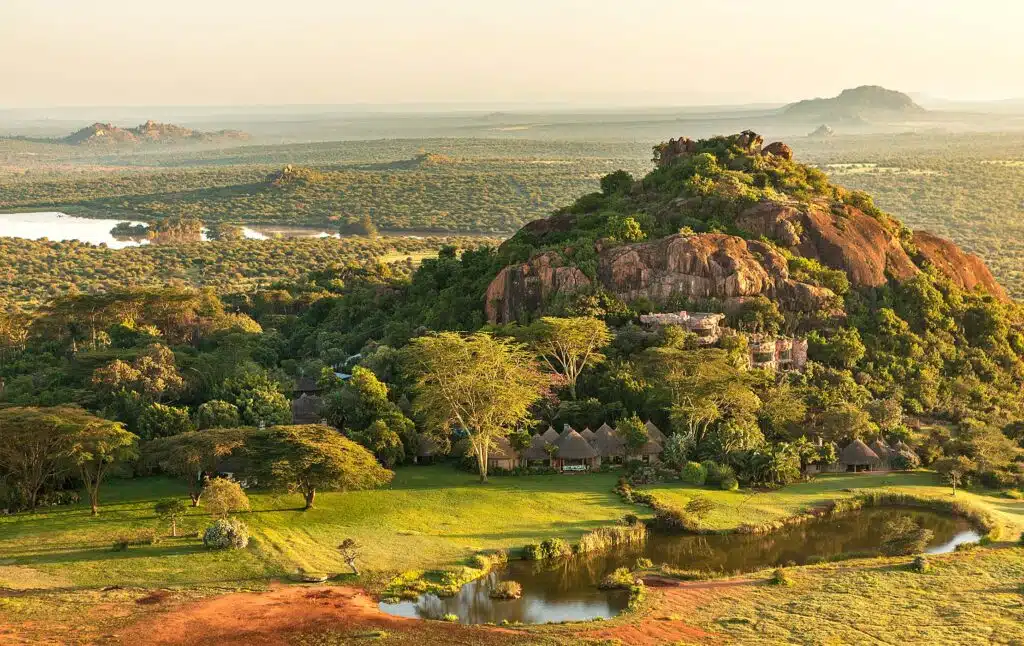
South Africa’s terrain, by contrast, is far more varied. The Kruger ecosystem sits within lowveld bushveld, denser in parts and more enclosed than Kenya’s plains. Beyond Kruger, private reserves in KwaZulu-Natal, the Western Cape, and the Eastern Cape introduce mountains, fynbos, and in some cases coastal proximity, lending South Africa a richer range of landscapes within a single journey.

For a first-time traveller, the distinction is a practical one. Kenya offers a landscape that is singular and immediately legible. South Africa offers greater geographic range, but one that rewards more deliberate itinerary planning to experience it at its best.

a safari vehicle with passengers and a lion

Luxury Lodges and Accommodation Standards

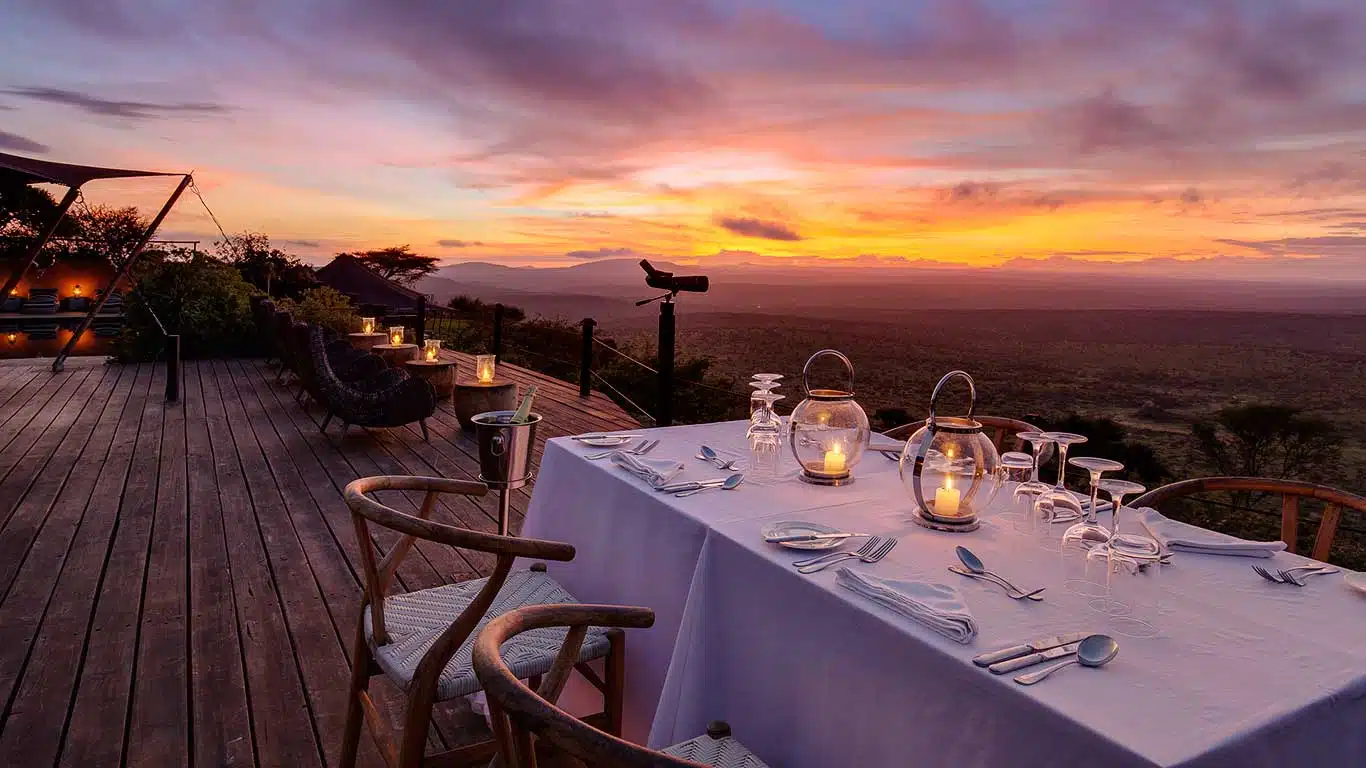
South Africa’s private game reserves, particularly those in the Sabi Sand and Waterberg regions, have cultivated one of the most sophisticated lodge inventories on the continent. Properties here favor permanent architecture, exacting design standards, structured mealtimes, and a level of service closer to a boutique hotel than a bush camp. The experience is deliberately curated, with comfort and proximity to wildlife held in careful balance.

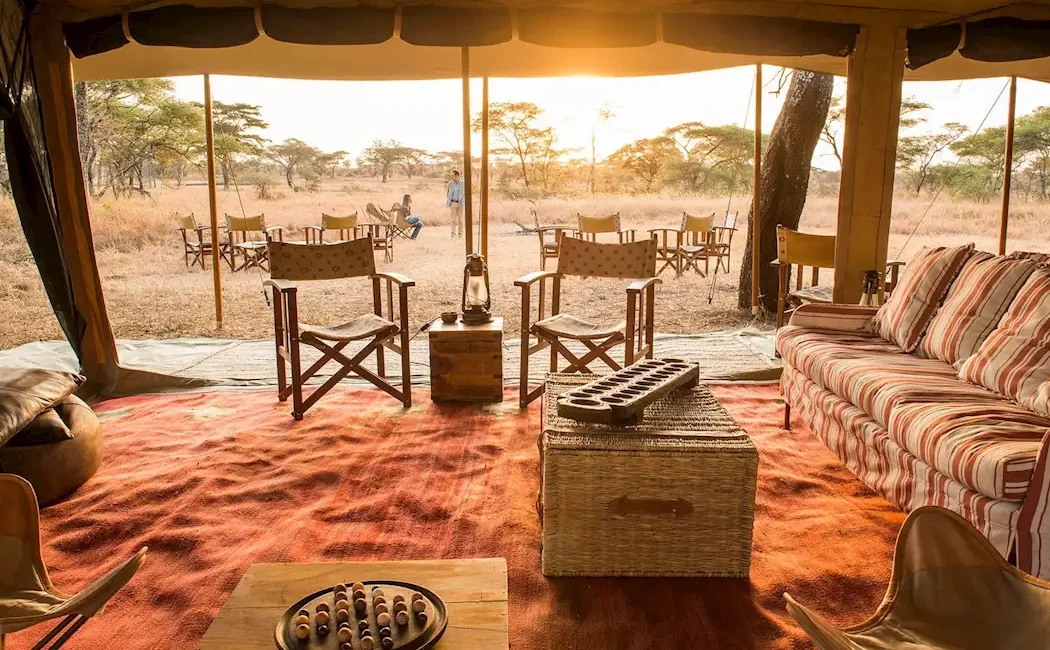
Kenya’s tented camp tradition rests on an entirely different premise. Camps in the Masai Mara and Laikipia are typically seasonal or semi-permanent, designed with the landscape rather than against it. The boundary between guest and environment is intentionally thin, a structural choice rather than an aesthetic one.

Neither model is superior, but each suits a different kind of traveller. South Africa’s lodge circuit rewards those who prize consistency and polished execution. Kenya’s camp format is better suited to those for whom wildlife access and landscape immersion matter more than amenity.

Loisaba Tented Camp

Accessibility and Logistics

South Africa remains the more effortless entry point for first-time safari travellers. Johannesburg and Cape Town receive direct flights from major European and North American hubs, with onward connections to the Kruger region or the private reserves of the Greater Kruger already well established. The Kruger’s malaria zone is worth noting, though the Waterberg and Eastern Cape offer malaria-free alternatives for those who prefer them. Most Western passport holders require no visa at all.

Kenya routes primarily through Nairobi’s Jomo Kenyatta International Airport, with onward connections to the Maasai Mara by light aircraft or road. Most visitors require a visa, now streamlined through an e-visa system. The Mara and most northern circuits sit within a malaria zone, and prophylaxis is standard practice.

Building an itinerary in South Africa tends to be more flexible, with a wider range of camp styles, price points, and self-drive options to choose from. Kenya’s finest areas reward careful sequencing, and the caliber of the experience rests heavily on the quality of local coordination behind it.

Loisaba Tented Camp

Travelling with Family

South Africa’s private reserves set age restrictions that shape family planning from the outset. Many camps within the Sabi Sand and similar concessions require a minimum age of 12 for game drives, and some lodges reserve their experience for guests 16 and older. These policies reflect the nature of open-vehicle drives through unfenced wilderness, which call for a level of composure younger children can’t always sustain. Families travelling with young children will find their options within South Africa’s private sector meaningfully narrower.

Kenya, by comparison, welcomes travellers with far fewer constraints. Most camps warmly accommodate children of all ages, and the safari format itself, vehicle-based game viewing across open savannah, lends itself naturally to mixed-age groups. The Masai Mara is especially well suited to families, offering frequent sightings that unfold in the open rather than requiring careful tracking through dense bush.

For multi-generational travel or journeys that include children under 12, Kenya is the more welcoming starting point. South Africa comes into its own once children meet the age thresholds set by the private reserve system, at which point it offers an equally rewarding experience.

giraffe and giraffe on brown grass field during daytime

Which Destination Suits You

Kenya suits travellers for whom the wildlife encounter itself is the whole point. The Masai Mara’s open plains and the sheer scale of the wildebeest migration offer a kind of safari that’s genuinely difficult to replicate anywhere else. The presence of Maasai communities throughout the region adds a further layer of cultural richness, one largely absent from South Africa’s private reserves.

South Africa is better suited to travellers seeking a more curated introduction to the safari format. Malaria-free reserves such as Madikwe and the Eastern Cape ease logistical complexity, accommodation standards remain consistently elevated across price points, and the country’s refined road infrastructure makes multi-destination itineraries far simpler to execute.

Neither destination is objectively superior for a first safari. The more useful question is where the priority lies: wildlife spectacle and cultural depth, or comfort, accessibility, and ease of movement. The answer points clearly toward one country or the other.

Plan your own version of this journey

Speak to Do Not Disturb’s luxury travel experts and turn this moment into something personal.