



14 days days
|£5,170

By eleven in the morning, the shutters are already closed and the tables have moved under the awning, earlier than they used to. Southern Europe has always paused for the heat. This summer, the pause is starting sooner and lasting longer.
Western Europe has moved through several serious heat spells already this year, with cities from Paris to Valencia recording temperatures well above anything their infrastructure was built for. Meteorologists are not describing this as an anomaly that will pass. They are describing a pattern that returns in waves through the rest of the season.
For a region built on stone streets, un-shaded piazzas, and buildings designed for a cooler climate, this matters. Air conditioning, long treated as optional in much of Europe, has become one of the first questions serious travellers now ask before they book anything.
The point of this piece is not to talk anyone out of a European summer. It is to explain how the trip itself needs to be built differently now, and where a good travel advisor can make all the difference.

Do Not Disturb is a luxury travel company specializing in carefully designed journeys and considered experiences. Each itinerary we build for our clients is informed by real destination knowledge, offering insight into places, cultures, and moments that shape how a trip comes together.
If this destination has sparked ideas, the itinerary can be developed into a private journey tailored to your interests and travel style, with hand-picked stays, thoughtful routing, and experiences curated around what matters most to you.
Not every city struggles equally. The difference usually comes down to geography and materials rather than latitude.
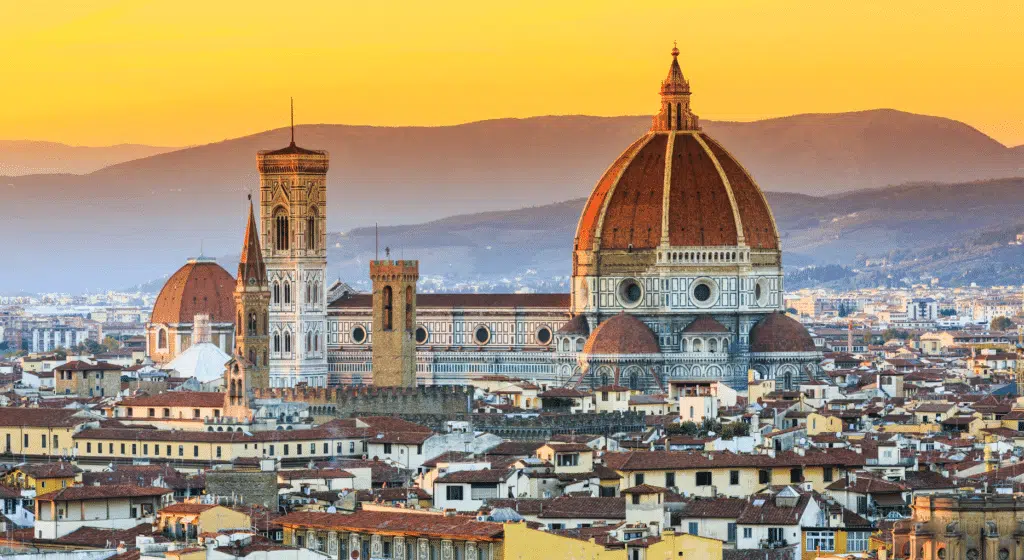
Inland cities built on stone and asphalt, with narrow streets that trap heat overnight, tend to suffer longest. Paris, Madrid, and Florence fall into this category during a heat spell, and all three have had days this summer where museums shortened hours or closed sections entirely because galleries could not be kept at a safe temperature for the art.
Coastal cities and those with consistent sea breeze fare differently. A city with water on multiple sides cools overnight in a way that a landlocked capital does not. This is one of the reasons interest in northern European cities such as Copenhagen has climbed sharply among American travellers this summer, alongside a smaller but real shift toward Iceland.
The takeaway is not “avoid the classics.” It is that timing and pairing matter more than they used to.

14 days days
|£5,170
8 days days
|£4,725
8 days
|£3,175
12 days
|£6,055
The traditional European day, an early start, a long lunch, an evening that runs late, was built for this climate long before anyone called it climate change. Southern Europe has been managing heat for centuries. The mistake most travellers make is importing an American schedule, breakfast at eight, sightseeing through midday, dinner at six, into a city that was never designed to be walked at noon in August.
A better rhythm looks different. Mornings start early, often before eight, when the light is good and the streets are still cool. The middle of the day becomes deliberately quiet: a long lunch somewhere with thick walls and no direct sun, a swim, a rest. The afternoon opens back up around five, and dinner runs late, the way it always has in Rome or Seville, only now for a practical reason rather than a romantic one.
Several hotels have already adapted their own programmeming around this shift. Properties in Florence, for instance, have begun offering evening access to museum collections after the galleries close to the general public, timed for exactly the hours when walking the city is easiest.
Some of the best heat management is not behavioral. It is geographic.
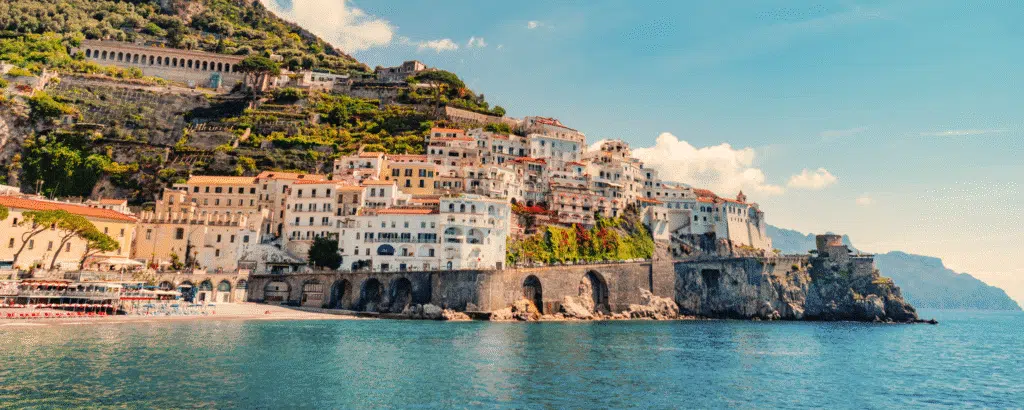
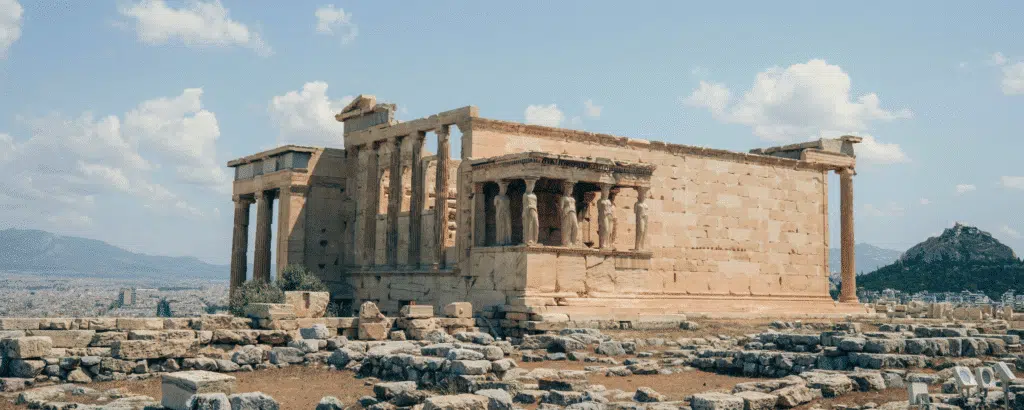
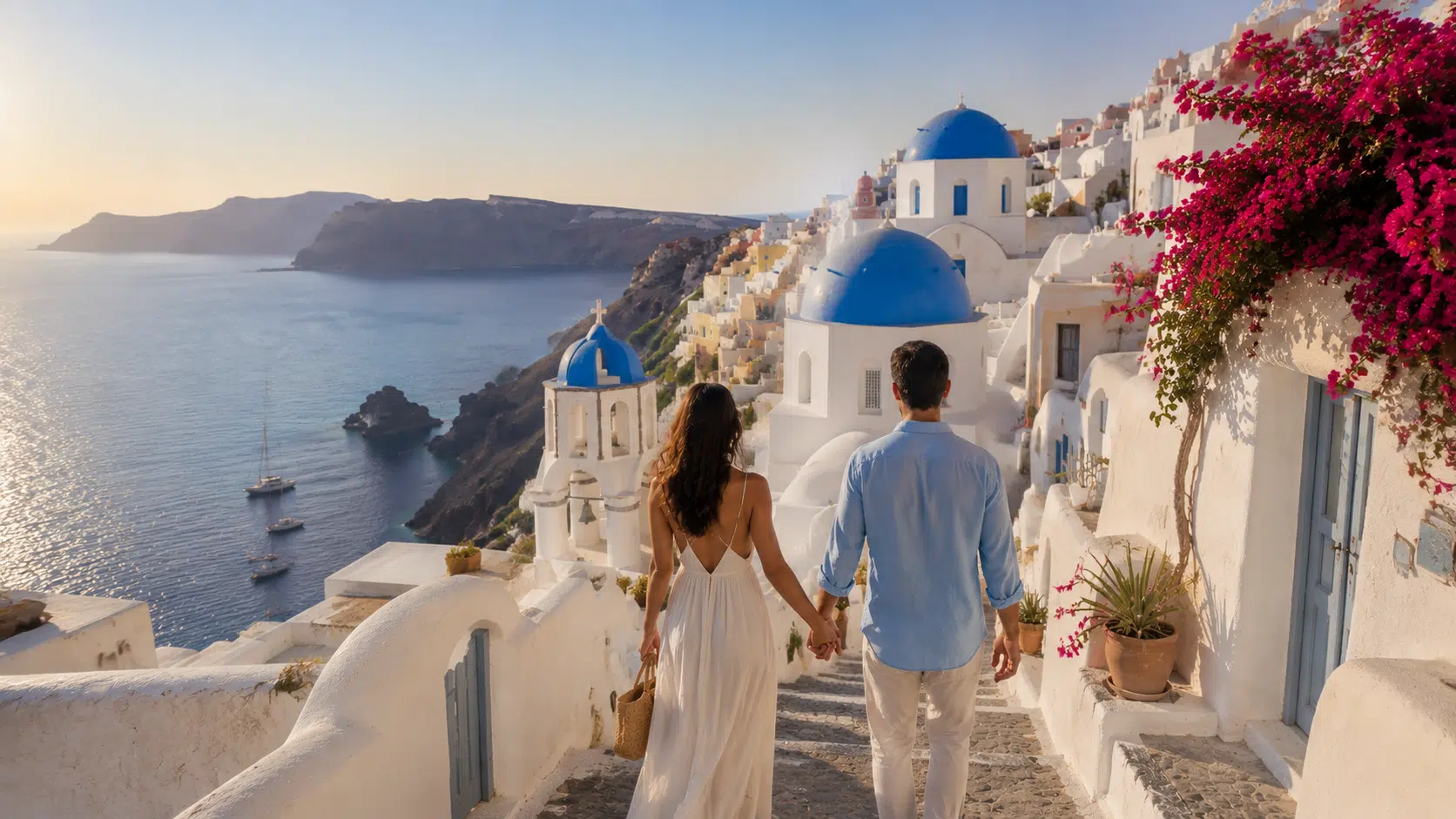
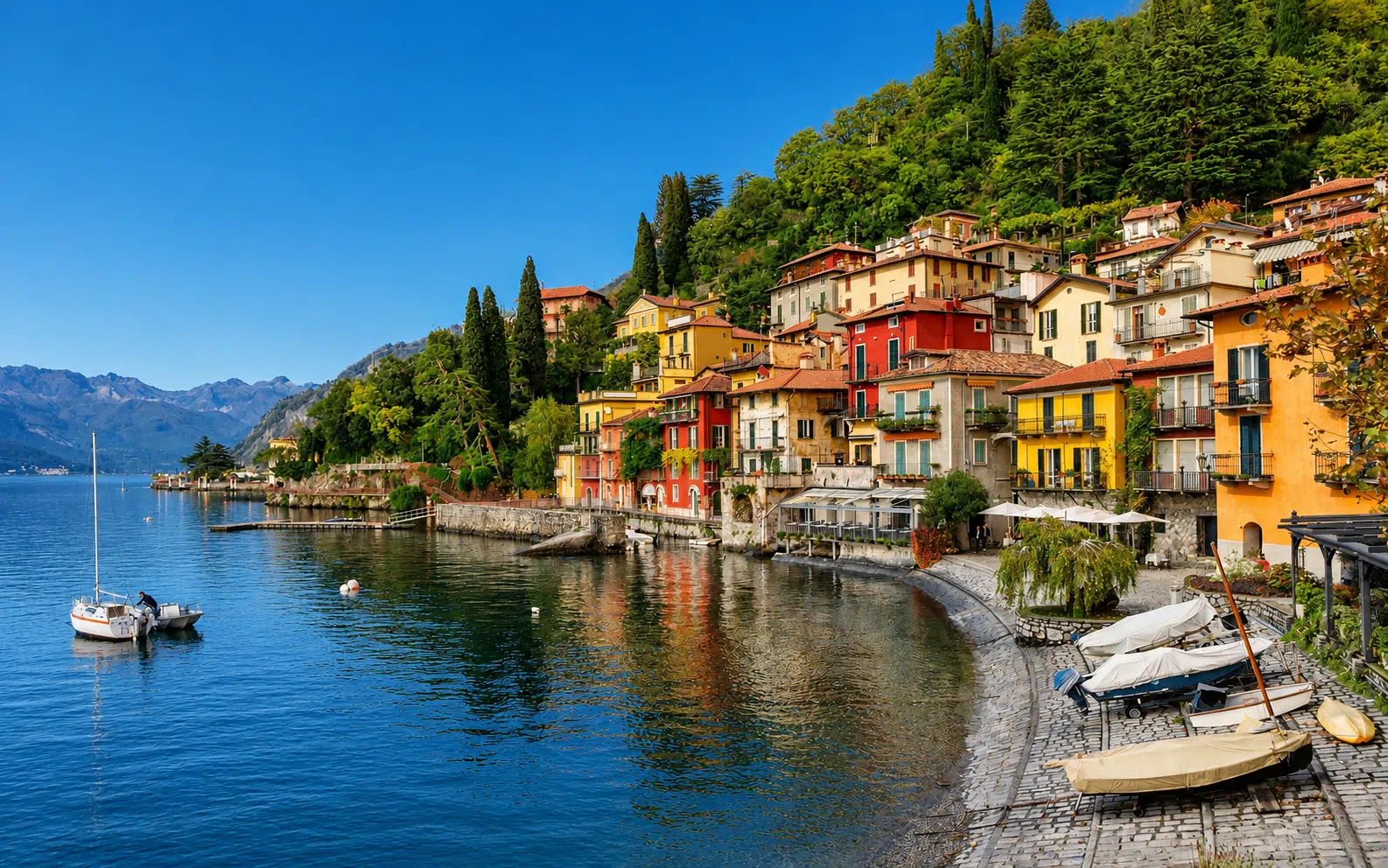
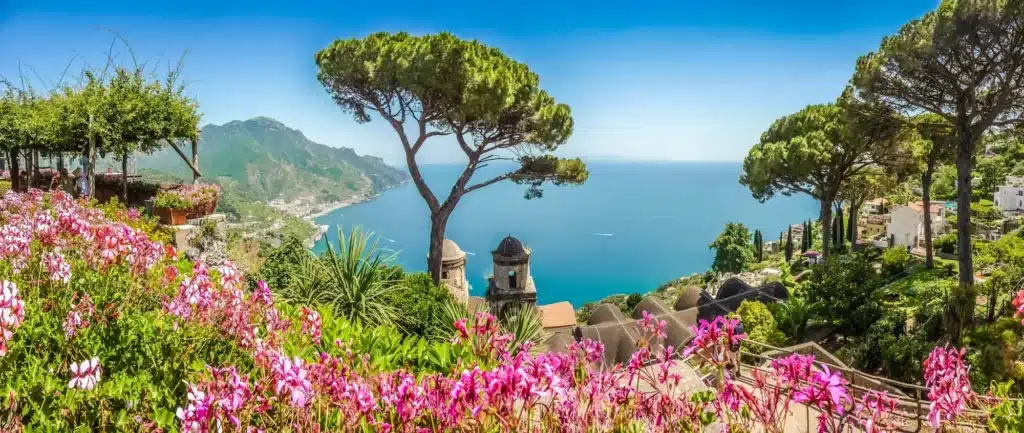
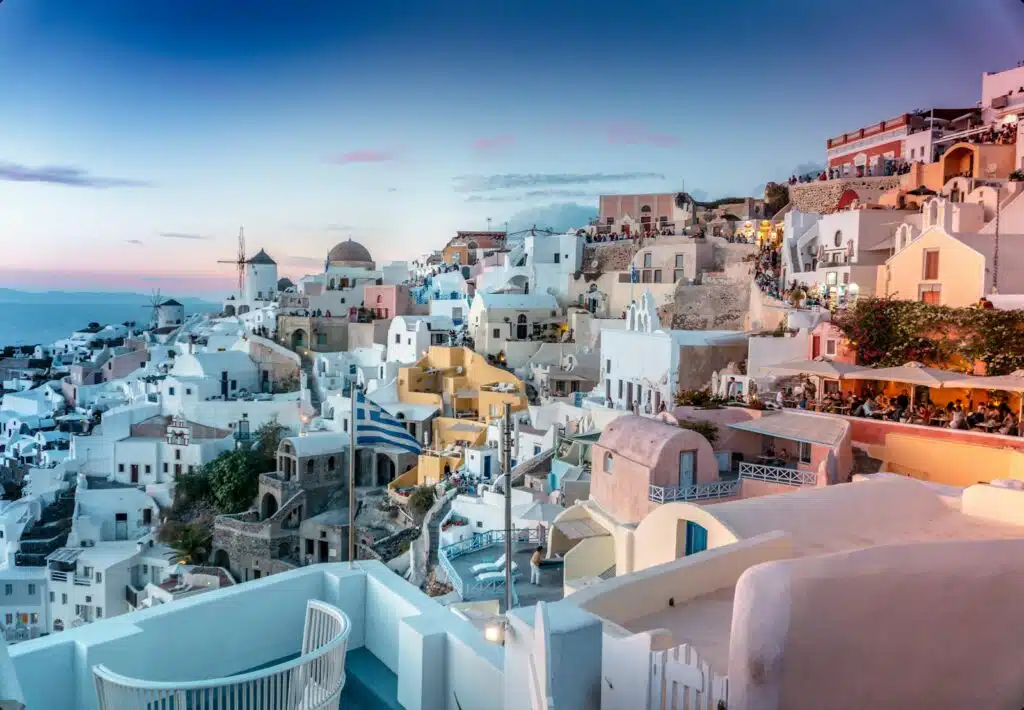
The Amalfi Coast and Lake Como both benefit from water that moderates temperature through the day and night, along with a breeze that inland Tuscany simply does not get. The Dolomites and other alpine regions offer a different kind of relief, real altitude, cooler air, and a landscape built for movement rather than stillness. Greek island itineraries that lean toward the Ionian, with its steadier sea breeze, tend to sit more comfortably through a heat spell than a stop built entirely around Athens.
None of this means avoiding Italy or Greece. It means sequencing a trip so that the hottest days land somewhere the geography is already working in the traveller’s favor.
Italy sees this scrutiny more than most destinations, largely because it remains the most requested country for American summer travel. The honest answer is that very little needs to change about where people want to go. What changes is how the days are built around it.
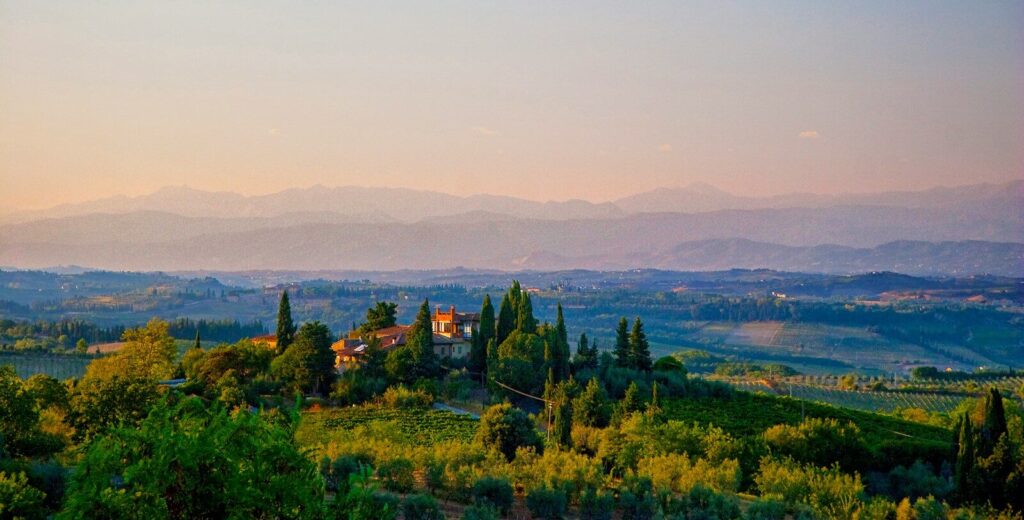
A Florence stay during a heat spell benefits from an early museum slot, a long midday pause, and an evening spent somewhere with a view rather than a crowd. A Tuscany itinerary shifts its outdoor time, vineyard visits, cooking sessions, walks through hill towns, into the parts of the day that were always going to be most comfortable there anyway. Lake Como, with water on hand at all times, absorbs a heat spell more gracefully than almost anywhere else in the country.
This is precisely the thinking behind the destination guides currently being built out for Tuscany, Lake Como, and Greece, each one accounting for how the season actually behaves on the ground, not just how it looks on a map.
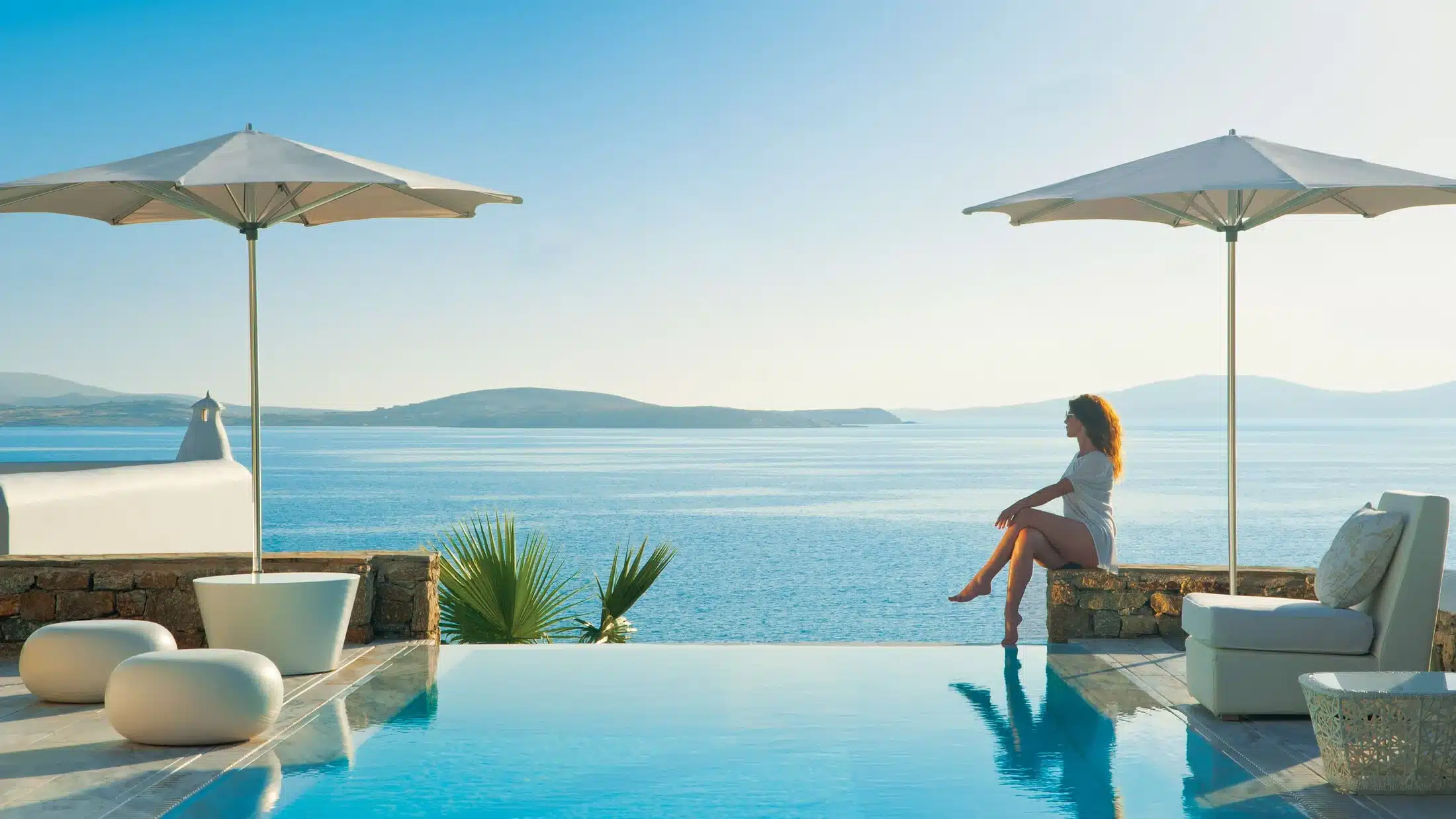
An itinerary built with flexibility in mind can move a walking tour to first light, swap an afternoon in a piazza for a private pool, or shift a city stop toward the coast without unraveling the rest of the trip. Hotels are chosen in part for how they handle heat, not just how they photograph. Timing is built around the hours a destination is at its best, so a spike in temperature becomes a scheduling adjustment rather than a lost day.
There is a version of this story that ends with everyone rebooking for October. Some travellers are making exactly that choice, and for good reason. But summer in Europe still holds things that no other season offers, the very long evenings, the swim before dinner, the sense that a city has slowed down enough to actually be lived in rather than rushed through.
The heat is real, and it deserves to be planned around rather than ignored. It does not have to be the reason the trip does not happen. It is simply one more detail worth getting right, which is, in the end, most of what good travel planning has always been about.
If a European summer is on the table this year or next, we can help build the itinerary around it, timed to the places, hotels, and hours that actually work, and adjusted in real time if the forecast changes mid-trip.
Speak to Do Not Disturb’s luxury travel experts and turn this moment into something personal.
Suggested articles








Tell us how you want to feel, we’ll take it from there.
“Our trip was truly magical and full of core memories that will last us a lifetime.”
Michael • Bora Bora Honeymoon

“We just returned from an incredible journey through Ireland, and we couldn’t have had a better experience”
Brad • Ireland Adventure
“This was a flawless experience right from the beginning, we had so many thoughts and ideas flowing around and they took all of them and perfectly curated the most beautiful honeymoon for us.”
Kris • Sicily Honeymoon
 5 min read
A Maldives honeymoon usually comes down to one early decision. Stay on a single island for the full trip, or divide the time between two resorts with different characters.
 6 min read
Most honeymoon planning defaults to summer, or to whichever destination is warmest on the day of the wedding. Autumn deserves its own shortlist. It is grape harvest in Italy, dry season settling in across the African plains, the last stretch of Caribbean heat before winter rates arrive, and a handful of weeks in Japan that […]
5 min read
Italy or Greece for your honeymoon? Compare city hopping, beaches, culture, food, weather, and cost to find the right fit for the two of you.
 2 min read
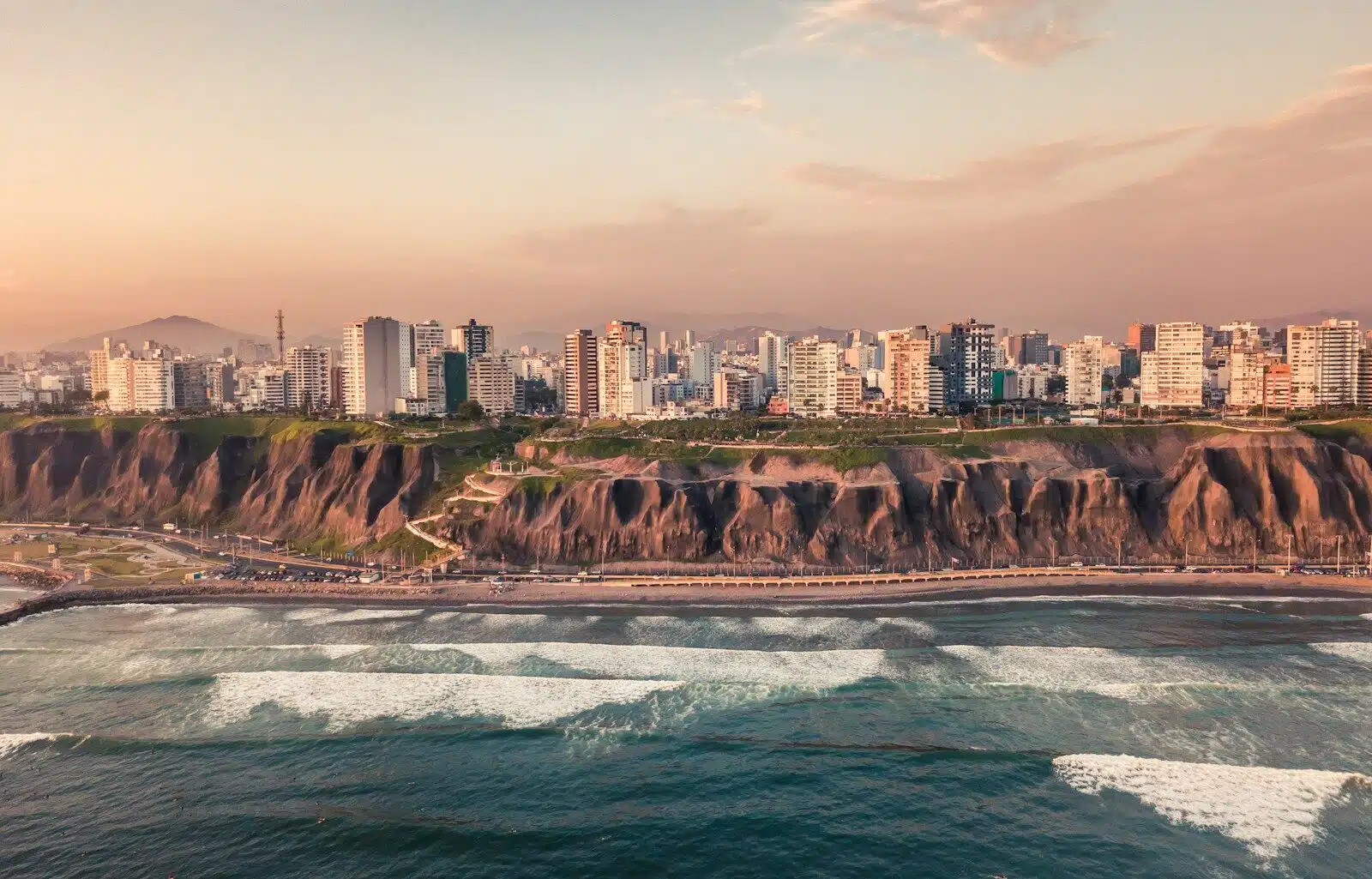
A decade ago, Lima was a single overnight before the flight to Cusco. Now, a two-day trip can be filled with clifftop parks, spectacular culture, and some of the best cooking in the Americas.
Planning your trip should feel effortless.
You share what matters, whether it’s a destination, a feeling, or a moment worth celebrating.
Your dedicated expert shapes a thoughtful, private itinerary tailored entirely around you.
Every detail handled. Every moment considered. Support before, during, and after your journey.

Answer a few quick questions and we’ll craft a journey as unique as your state of mind.
Ask us anything.
