Thailand Holidays

Thailand opened up to international travel in the 1960s, and it went on to become one of the world’s most sought-after holiday spots. From the bright lights of Bangkok to tranquil islands like Samui, Thailand draws millions of visitors every year for a reason.

Why Thailand

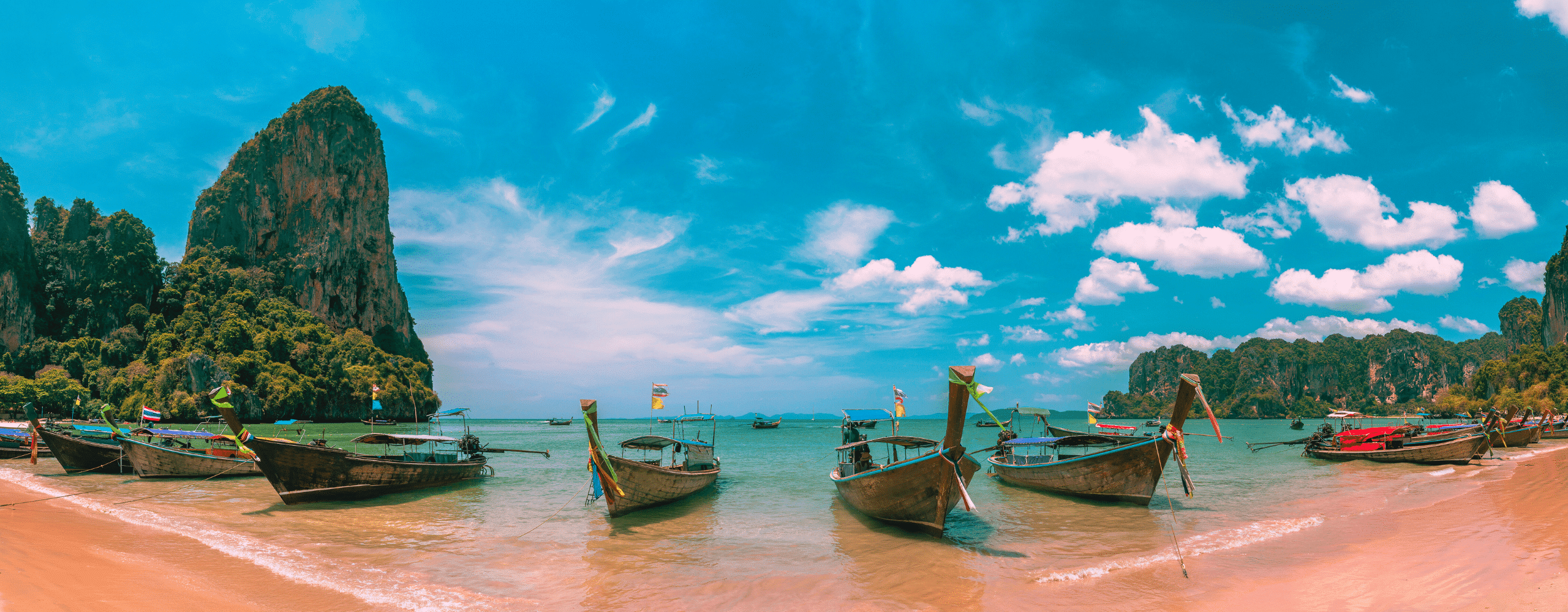
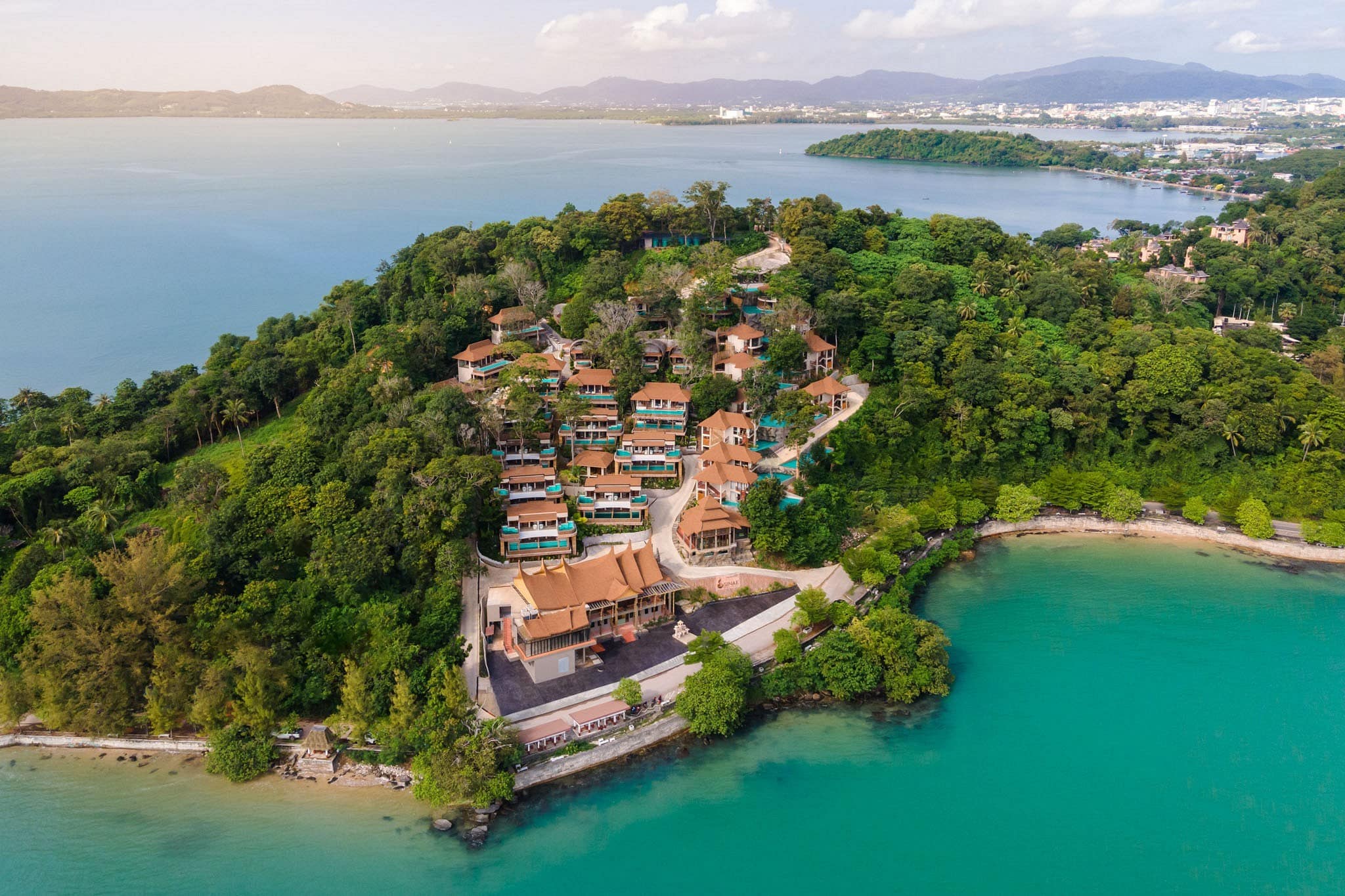
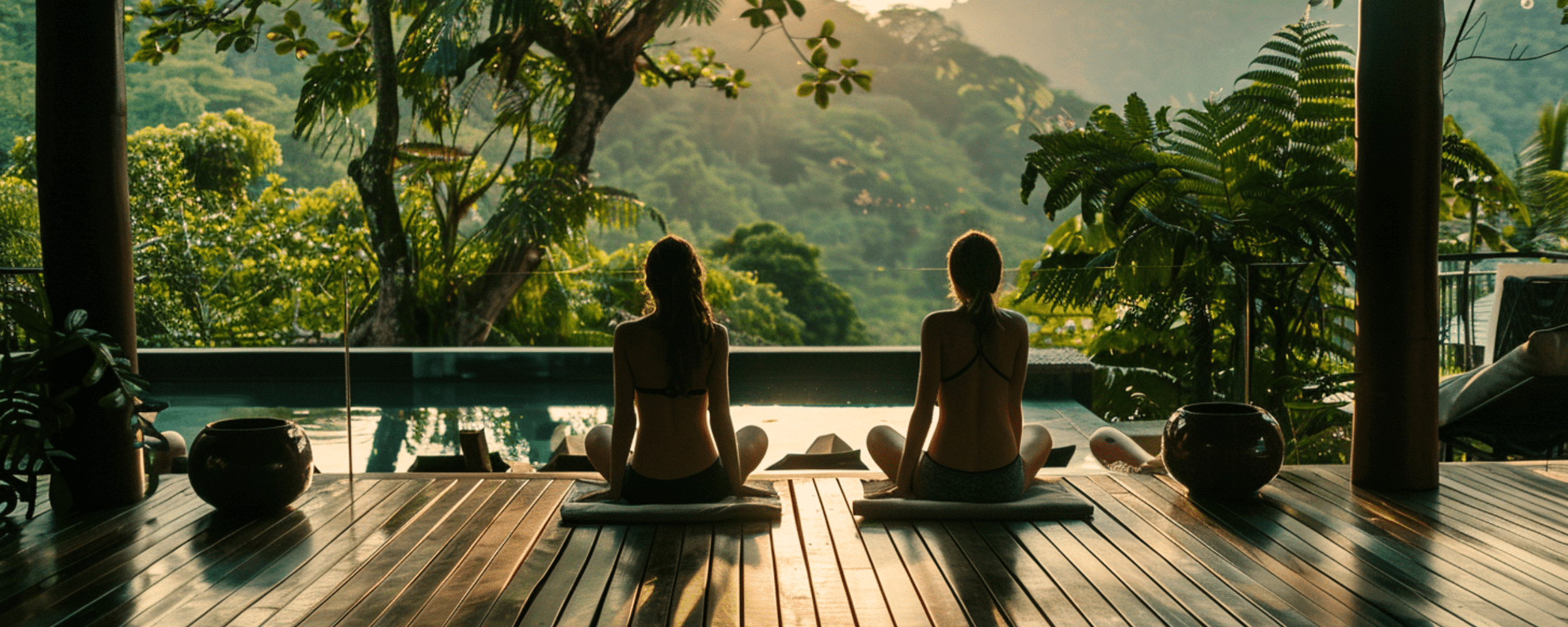
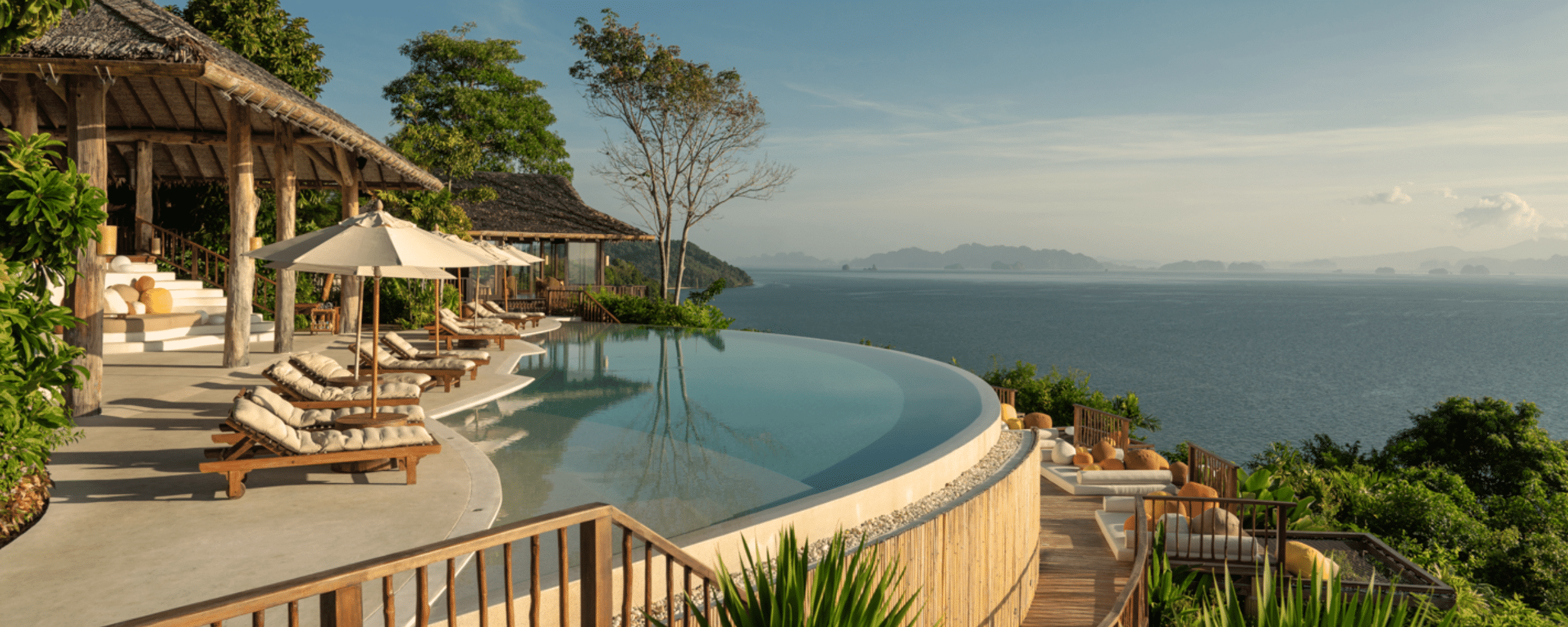
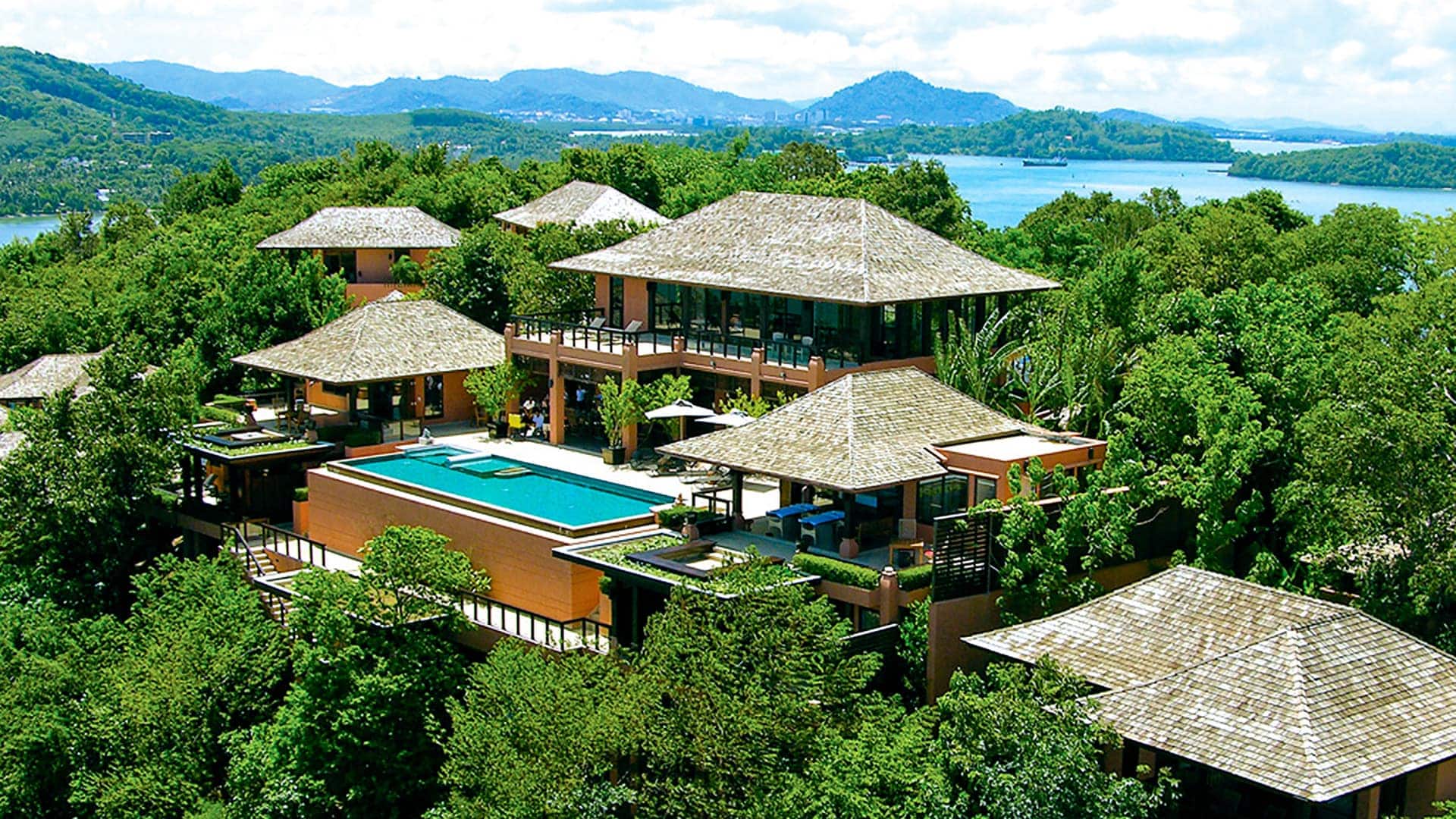
Thailand has become the world’s default answer to the question “where should I go?” for good reason. The islands deliver that classic fantasy: turquoise water, white sand beaches, and a great selection of luxury hotels. Wellness has become inseparable from the Thailand experience. World-class spas operate in compounds that have perfected their craft over decades, offering traditional Thai massage, yoga retreats, and wellness programs. You can spend mornings diving in the Similan Islands, afternoons in a massage at a resort overlooking the Andaman Sea, and evenings at beachfront dinners. If you’re feeling adventurous, the bright lights of Bangkok await.

Why Thailand

Escape to Thailand

Travel Guides

  • Thailand Overview

    Thailand is split between the frenetic energy of Bangkok and everything else. The capital is unrelenting: street food, night markets, temples tucked between shopping malls, traffic, energy, constant stimulation. It’s not restful, but it’s never boring. Most people spend 3-4 days, then escape.

    The islands dominate the tourism conversation. Phuket is the gateway, while Krabi is nearby and feels slightly less overrun. Koh Samui is party-oriented. Koh Phangan is where Koh Samui’s younger sibling lives. Koh Lanta is quiet, less developed, genuinely peaceful. The Andaman region has the best diving and best beaches. The Gulf side (Koh Chang, Koh Tao) is closer to Bangkok and slightly less crowded.

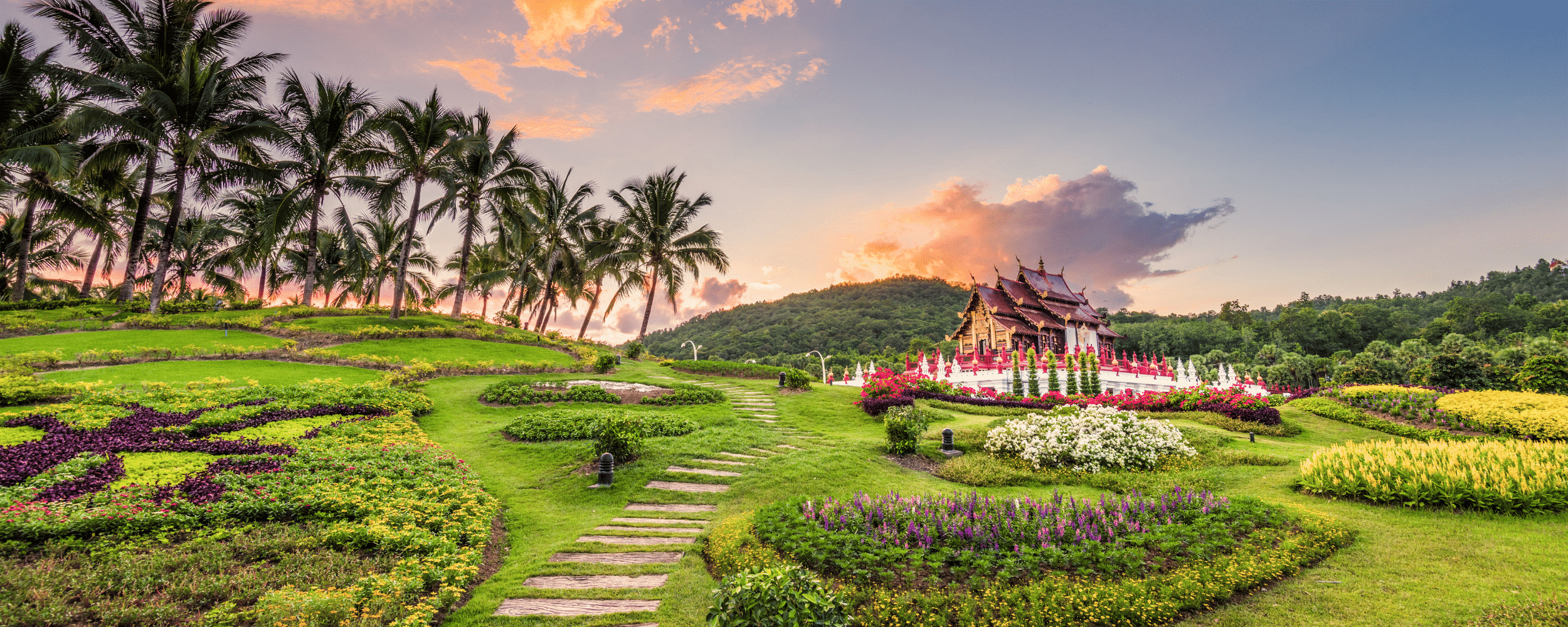
    Northern Thailand (Chiang Mai, Chiang Rai) is cooler, mountainous, less crowded than the coast, with temples, night markets, and access to hill tribes and elephant sanctuaries. Central Thailand has Ayutthaya (ancient temples, historical sites). The south coast has caves, waterfalls, and the massive limestone formations. Most visitors do island time, then either head north or back to Bangkok. The infrastructure works everywhere. You can be as isolated or connected as you want. Weather shifts dramatically seasonally, so timing matters. English is widely spoken in tourist areas, less so elsewhere.


  • Thailand things to do

    Bangkok

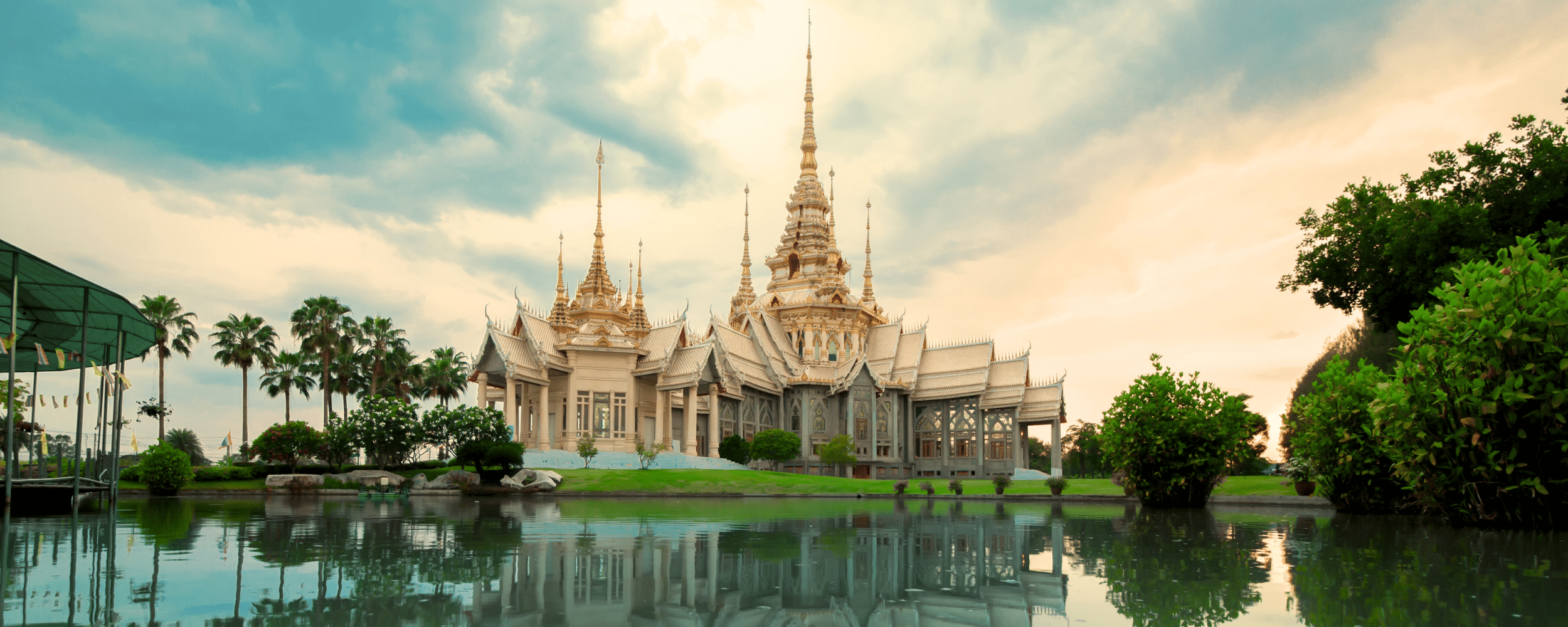
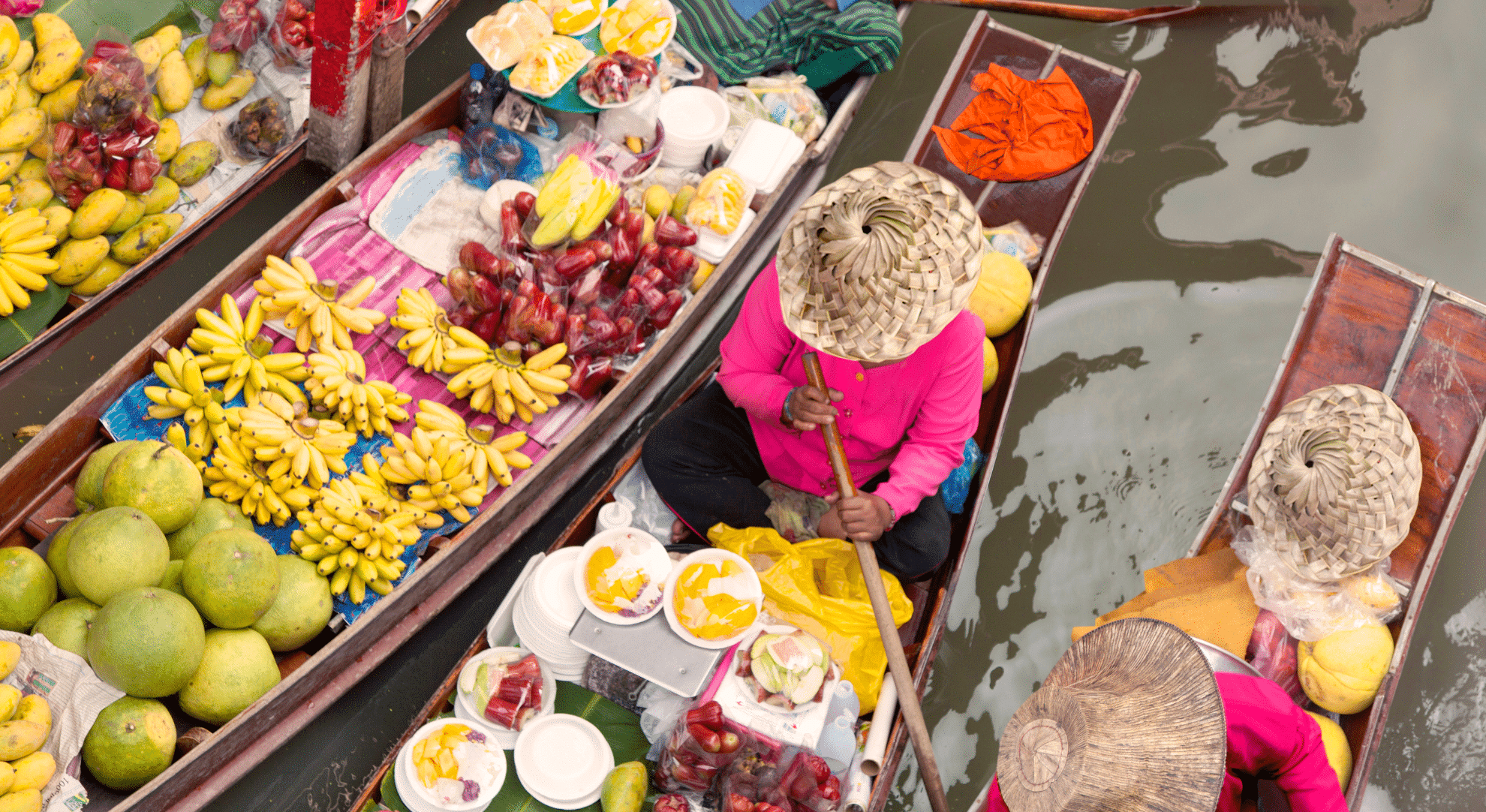
    Bangkok is one of Asia’s most captivating cities, a blend of timeless ritual and modern rhythm. Explore the Grand Palace and Wat Phra Kaew with a private guide to uncover the detail of Thai Buddhist art and architecture. Glide through the city’s canals by long-tail boat to see a quieter side of life, including floating markets, wooden houses and glimpses of daily tradition behind the energy of the streets.

    The Islands

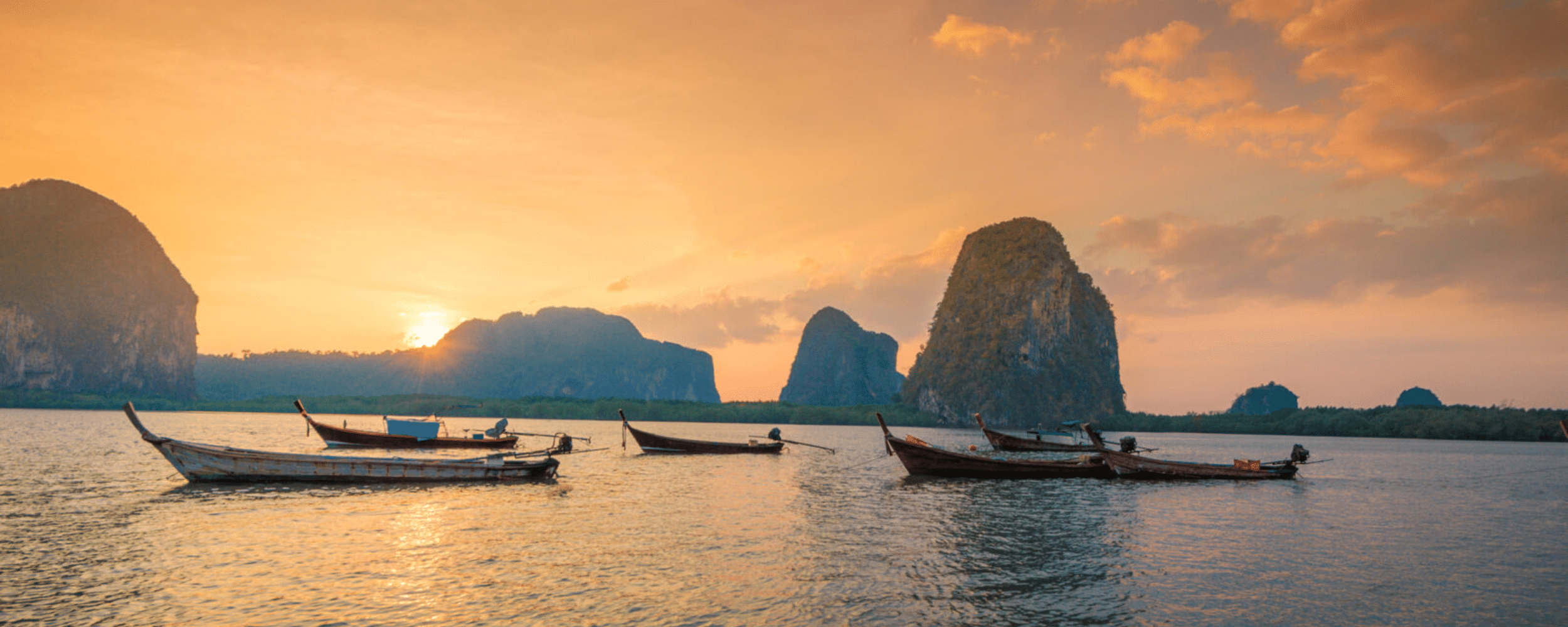
    Thailand’s islands balance ease and escape. Phuket is the most accessible, with yacht charters, diving at the Similan Islands and the limestone beauty of Phang Nga Bay. Koh Samui moves at a slower pace, known for calm beaches, temples, and rainforest waterfalls. Combine both by sailing between them, stopping at smaller islands such as Koh Tao for world-class diving and quiet anchorages.

    Ayutthaya

    Ayutthaya, Thailand’s former capital dating to the 14th century, lies just north of Bangkok and deserves a dedicated overnight or two-day excursion. This UNESCO World Heritage Site contains the ruins of temples, palaces, and monasteries that reveal the kingdom’s ancient grandeur. Visit Wat Mahathat to see the famous Buddha head entwined in tree roots.

  • Thailand hidden gems

    Koh Lanta

    If you want quiet, skip Phuket and the Full Moon Party entirely. Koh Lanta is legitimately undeveloped, genuinely peaceful, genuinely beautiful. The island hasn’t been flattened by tourism infrastructure yet, which means you get actual beach town feel rather than resort sprawl. Pai is a small mountain town filled with artists and creatives, good coffee, and genuinely charming.

    Sukhothai

    Sukhothai has historical temples comparable to Ayutthaya but without the tour bus density. The southern islands like Koh Kradan and Koh Libong see a fraction of the visitors that flood the central coast. Koh Kood is quieter and less developed than Koh Chang. Khao Yai National Park has jungle, waterfalls, and wildlife without feeling like a tourist attraction.

  • Thailand Overview weather

    High Season (November–February)

    Cooler and dry, with temperatures around 77–90°F (25–32°C). Ideal for beaches, diving, and outdoor exploring. Expect higher prices and busier destinations.

    Hot Season (March–April)

    Dry, bright, and very warm — late April can feel intense inland. A good time for island escapes or air-conditioned city days paired with early-morning sightseeing.

    Green Season (May–October)

    Warm, humid, and punctuated by short tropical storms. Temperatures range from 82–95°F (28–35°C). The rains bring vivid landscapes, fewer visitors, and excellent value. Showers are usually brief, and the country feels more alive after them.

    Northern Thailand is most comfortable from November to February, while Bangkok stays visitable year-round if you accept the heat. Light clothing, sunscreen, and a small umbrella go a long way.

  • Thailand getting there

    Most international flights land in Bangkok (Suvarnabhumi Airport). Singapore has excellent connections if you’re coming from Southeast Asia. Phuket and Chiang Mai have international terminals but fewer direct flights. Flight times from the US West Coast are roughly 16-18 hours with connections.

    From the UK, typically 12-14 hours. No visa required for many nationalities for stays under 30 days (check your passport). Extend visas at immigration offices if needed. Once in Bangkok, you can fly to islands (1-2 hours), take buses (12-18 hours), or take trains.

    Trains are atmospheric and popular for overnight journeys. Domestic flights are cheap and efficient. Getting to islands requires either planes or ferries (ferries are slower but cheaper and more scenic). Rent a scooter for island exploration if you’re comfortable (helmets mandatory, insurance recommended).

    Drive on the left side. Roads range from perfect highways to mountain tracks. Drivers are aggressive but organized chaos. Taxis in Bangkok are metered or negotiate rates. Airport transfers should be pre-arranged. Most hotels arrange transportation. Don’t try to do everything at once. Pick a region, spend a week, then consider if you want to add another region. Thailand is easy to navigate once you stop rushing.

Your journey doesn’t start with a booking. It starts with a conversation.

Tell us how you want to feel, we’ll take it from there.

See more reviews on Trustpilot

Editorials

Tell us about your journey