
On this page
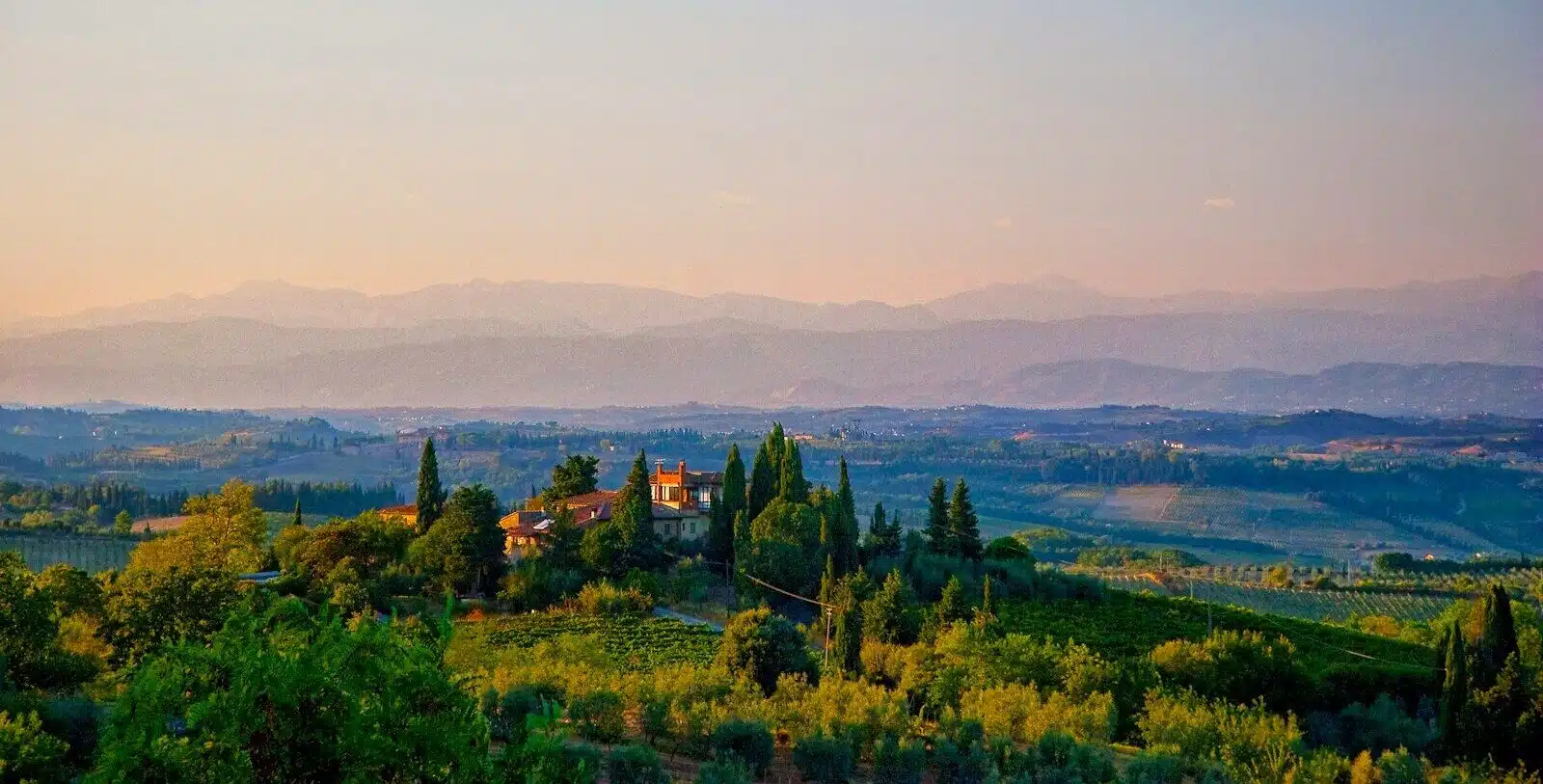
Chianti’s landscape of cypress-lined ridges, fortified wine estates, and medieval villages has long attracted travellers seeking something more considered than a hotel stay. Here, a villa is not an amenity but the destination itself.
The Architecture of Arrival: Chianti's Villas Explained
Chianti’s villa estates fall into two broad categories: the fortified farmhouse, known as a “fattoria,” built to manage agricultural production across large landholdings; and the aristocratic villa, constructed as a seasonal residence for Florentine merchant and noble families from the 14th century onward. Both types share a structural logic rooted in function, with thick stone walls, internal courtyards, and orientation towards productive land rather than scenic outlooks.
What distinguishes a genuine heritage property is continuity of ownership or architectural integrity, not simply age. Many estates in the region remain tied to families whose names appear on wine labels and land records stretching back several centuries. The physical fabric of these properties, including original ceilings, stone staircases, and chapel structures, reflects that history in ways that a converted rural building cannot replicate.
The distinction matters for travellers because it determines what the property actually offers: a documented relationship with the landscape and its history, rather than a rural aesthetic applied to a modern interior.
Vineyard Estates: Where Accommodation and Wine Production Converge
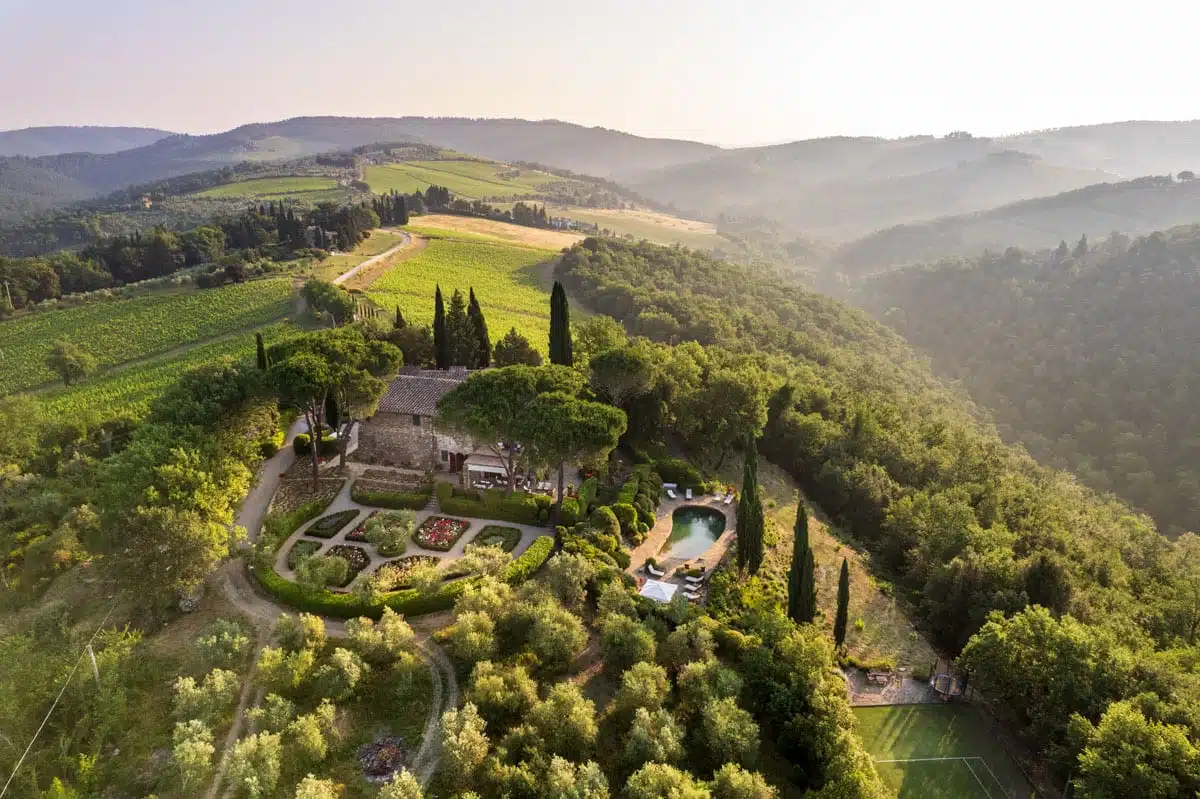
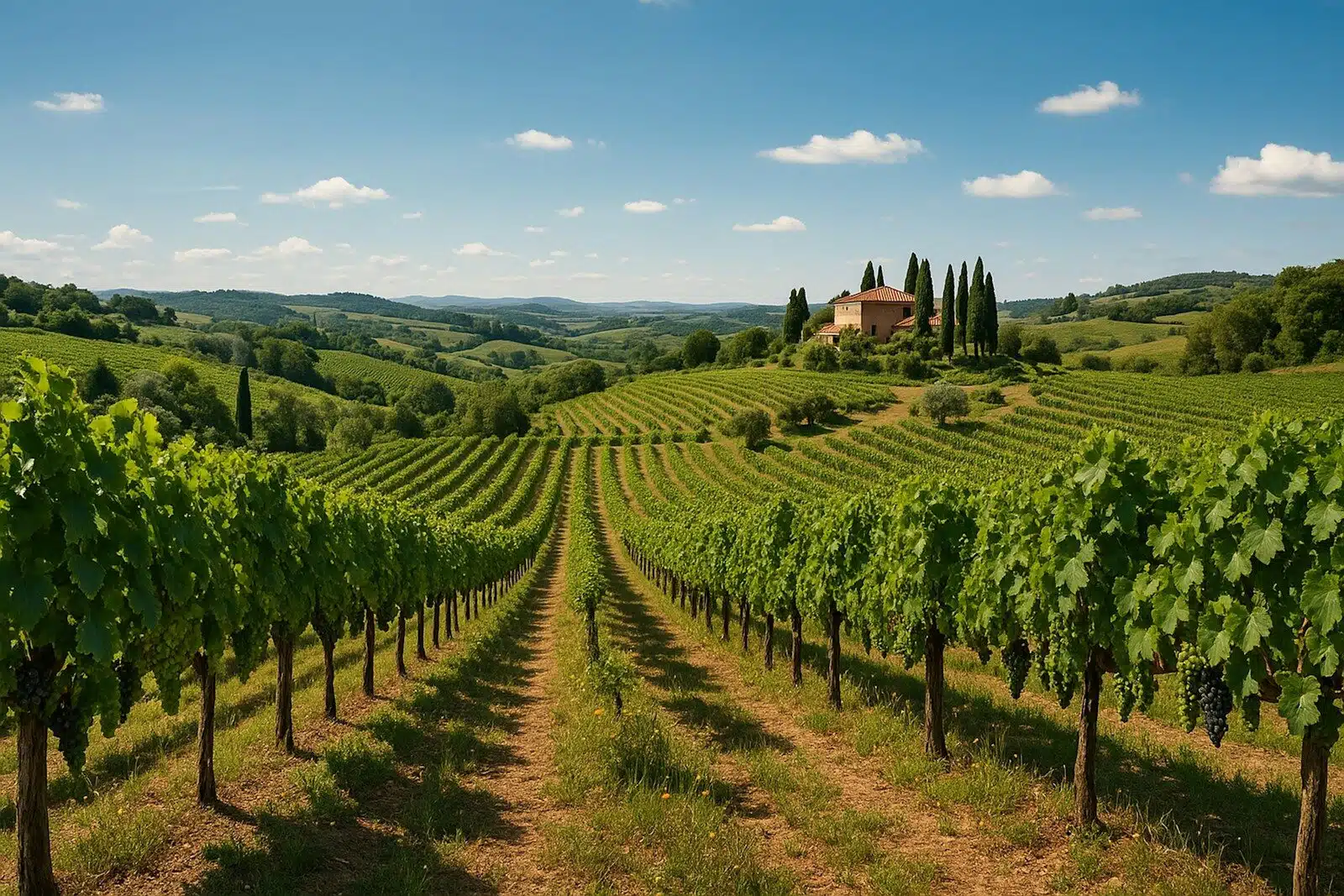
A number of Chianti’s most established wine estates operate private villa accommodation directly within their working production land. These are not properties adjacent to vineyards; they are embedded within them, sharing boundaries with active cellars, fermentation facilities, and harvest infrastructure. The distinction matters because it determines the nature of access available to guests.
On estates of this type, private cellar visits, barrel tastings, and meetings with resident winemakers are structured as part of the stay rather than offered as supplementary activities. Some estates extend this further, allowing guests to follow specific stages of the production cycle depending on the season, including harvest in September and October, or bottling and blending periods in late winter.
The quality and depth of these arrangements vary considerably between estates and are rarely consistent from one booking to the next. What is offered, and at what level of access, depends largely on how the stay is coordinated and the relationships in place with the estate’s production team.
Privacy as a Standard: The Case for Exclusive-Use Properties
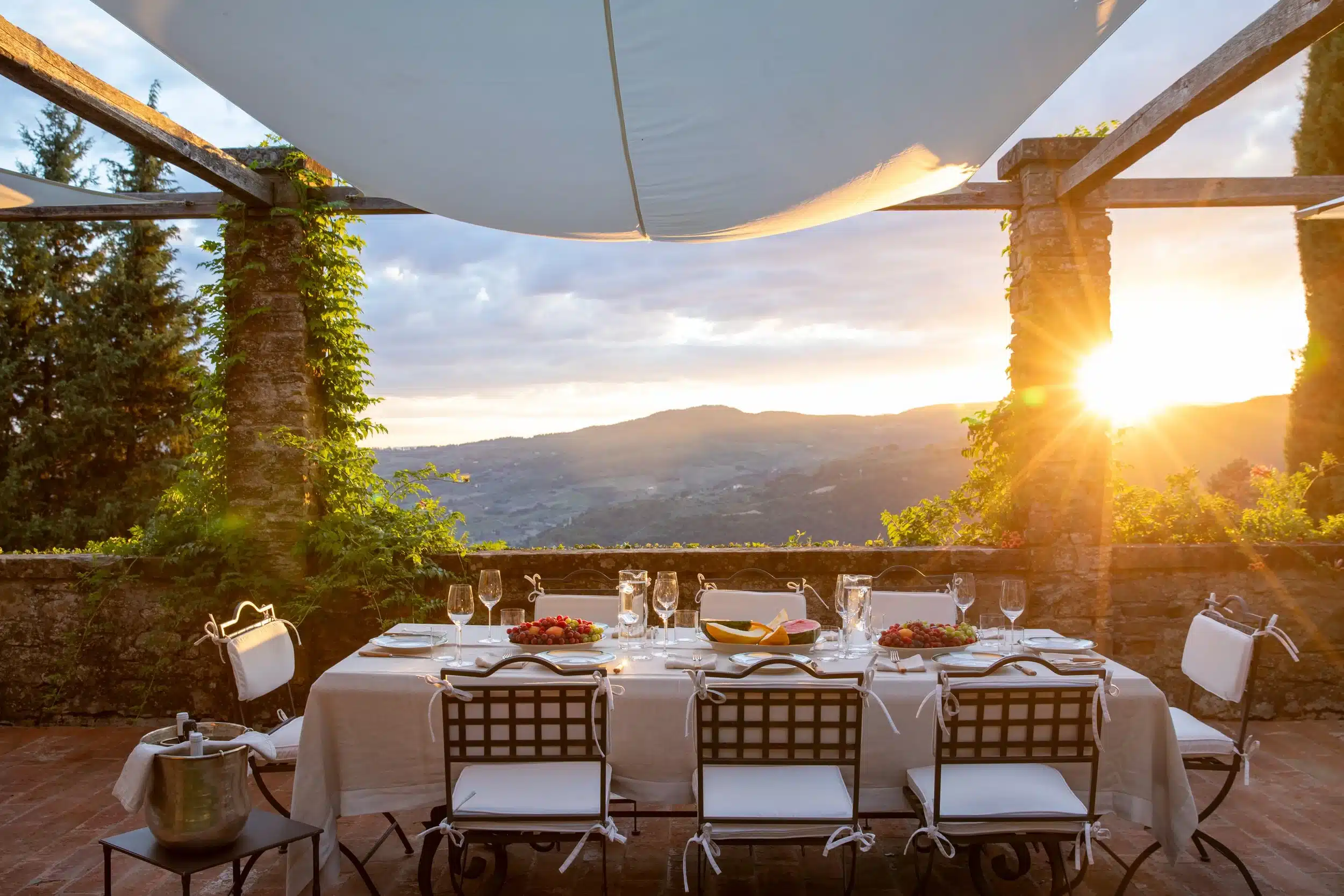
At the upper tier of the Chianti villa market, exclusive-use properties operate on a different logic entirely. A single party takes the full estate, including all accommodation, staff, and facilities, with no shared access, no communal spaces, and no fixed schedule imposed by other guests. This structure is common among historic wine estates and converted fortified farmhouses, where the property itself carries enough scale and character to function as a self-contained retreat.
Staffing arrangements at this level typically include a resident housekeeper, a private chef working with local and estate-grown produce, and a property manager who coordinates external services. The chef’s role is often central to the experience, with menus built around the agricultural calendar of the surrounding Chianti Classico zone.
What distinguishes these properties is not luxury in the conventional sense, but operational autonomy. Meal times, itineraries, and the use of space are determined entirely by the group. That degree of control is difficult to replicate in any other format.
Art, Objects, and Interiors: Living Inside Tuscan Heritage
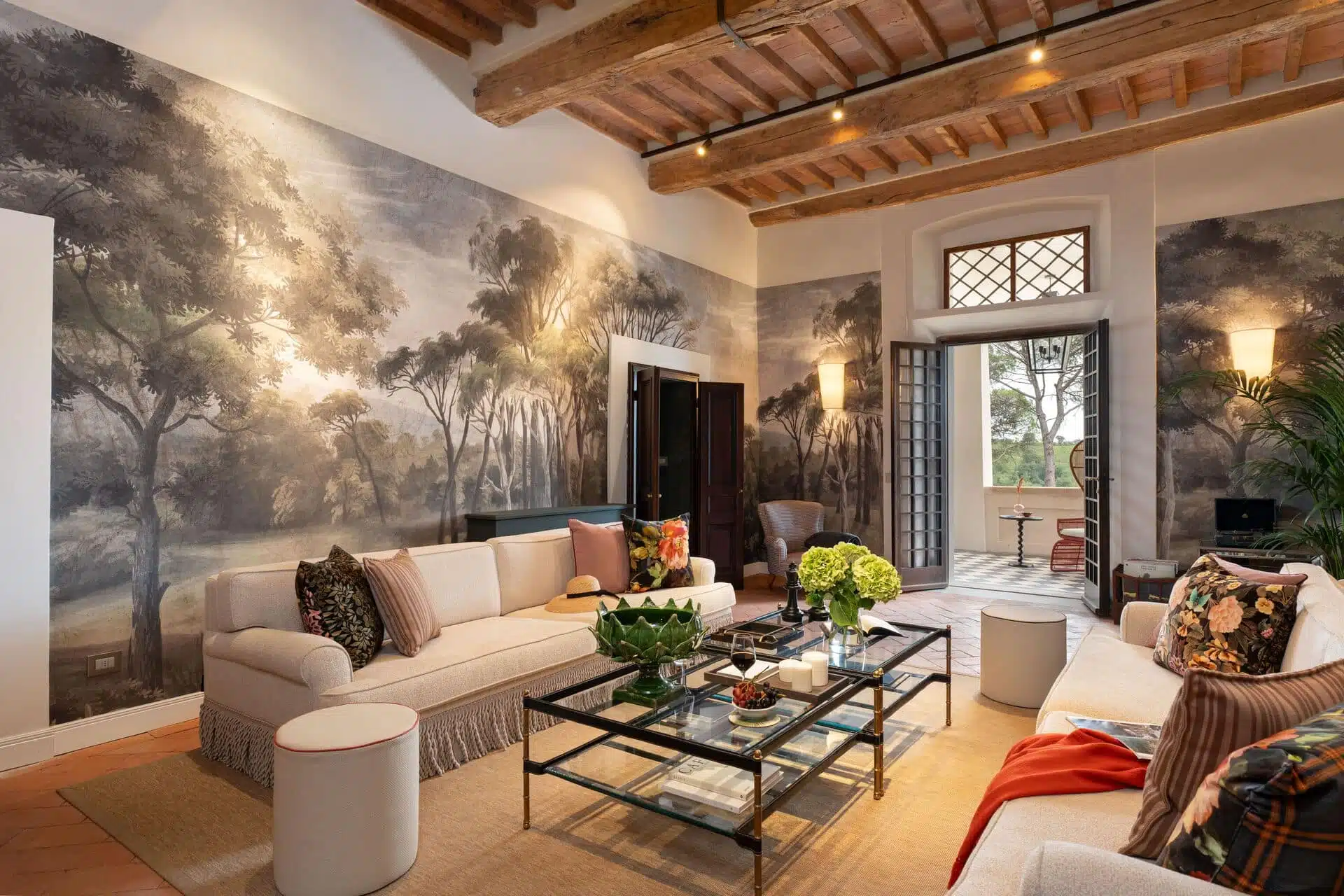
Many of Chianti’s historic villas retain their original interiors intact. Frescoed ceilings from the 15th and 16th centuries, commissioned by merchant and noble families to display wealth and humanist learning, remain in situ across a number of properties. Antique furnishings, family portraits, and decorative objects have often passed through successive generations without dispersal, making the interior of a working estate villa meaningfully different from a restored or curated property.
This continuity matters because it changes the nature of the cultural encounter. A museum presents objects at a remove, extracted from their original function. A historic villa places the guest within a domestic context that has remained largely continuous for centuries, where the architecture, objects, and spatial logic belong to the same period and purpose.
Not all villas offer this depth. The distinction between a property with genuine historic fabric and one that has been aesthetically renovated to suggest heritage is significant and not always apparent from photographs or standard listings.
Positioning and Territory: How Location Shapes the Stay
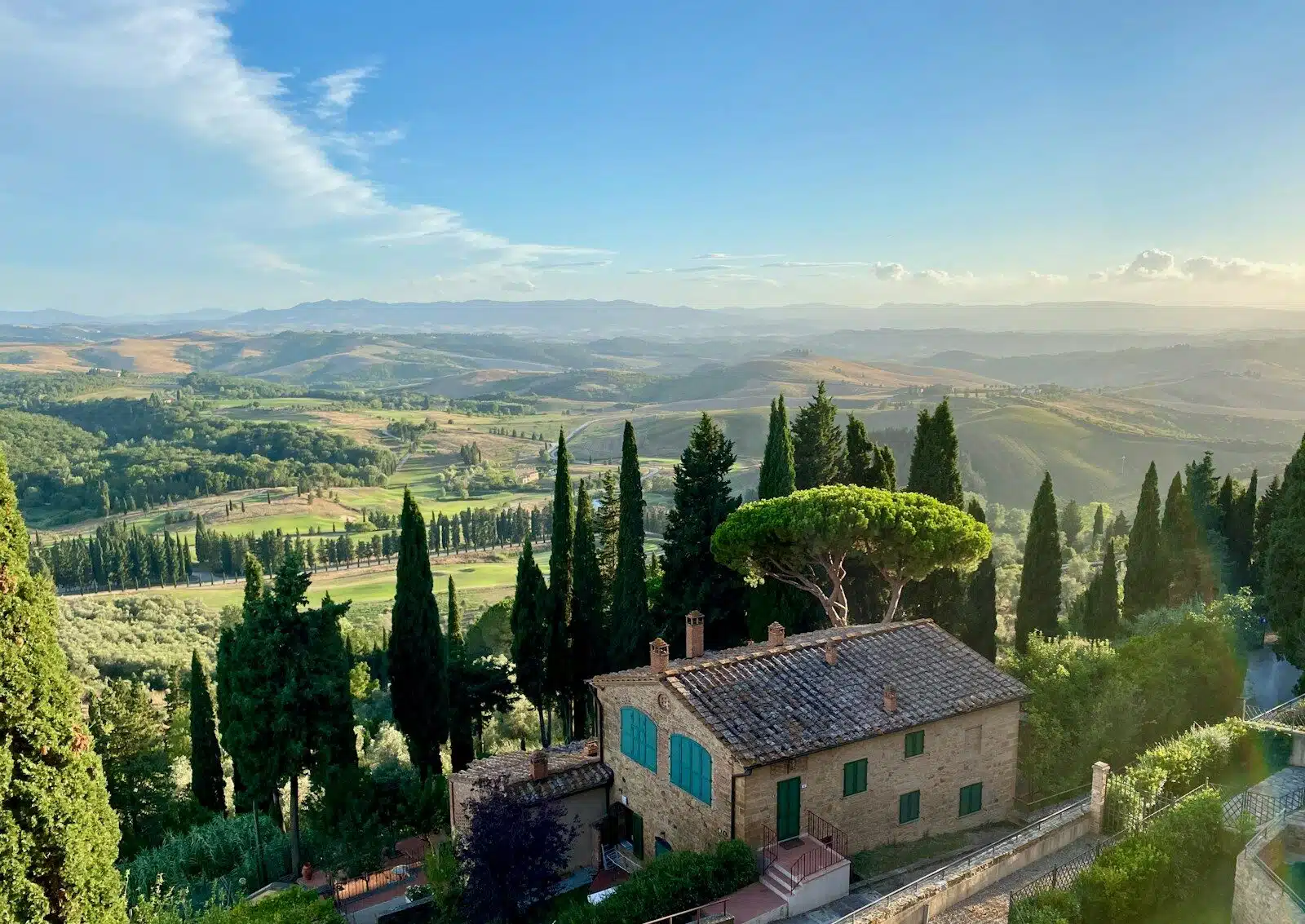
Chianti Classico, the historic core between Florence and Siena, operates under stricter production controls and contains a higher concentration of established estates. Villas within this zone tend to sit within working wine properties, which shapes the daily structure of a stay. Those positioned further into the broader Chianti designation offer more geographic variety but less density of historic infrastructure.
Hilltop positioning, common across communes such as Gaiole, Radda, and Panzano, provides orientation towards the wider landscape and typically means greater distance from valley-floor traffic routes. Valley properties offer easier road access and proximity to market towns, which affects the practical rhythm of a week-long stay.
Proximity to Siena or Florence is a meaningful variable. A villa within forty minutes of Florence suits a stay that combines city access with rural retreat. Properties closer to Siena, or positioned centrally within the Classico zone, function better as self-contained bases, where the surrounding territory is the primary draw rather than urban proximity.
How to Book a Chianti Luxury Villa: What to Verify Before You Commit
The gap between a well-photographed villa and a well-run one is significant. Before committing, confirm whether the property operates with a resident or on-call staff, whether the listed amenities are functional year-round, and whether the estate is genuinely exclusive to your party or shared with adjacent rentals. Many Chianti properties are divided into multiple units; full exclusivity requires explicit verification.
Seasonal factors carry real weight in this region. Pool infrastructure, heating systems, and road access to hilltop properties can vary considerably between spring and autumn. A villa that performs well in July may present differently in April or October, and the quality of local produce and estate wine availability shifts with the harvest calendar.
The most reliable properties in Chianti are not widely listed. Access is typically relationship-based, and the terms of occupancy, staffing arrangements, and condition standards are best established through parties with direct knowledge of the estate and its management.