
On this page
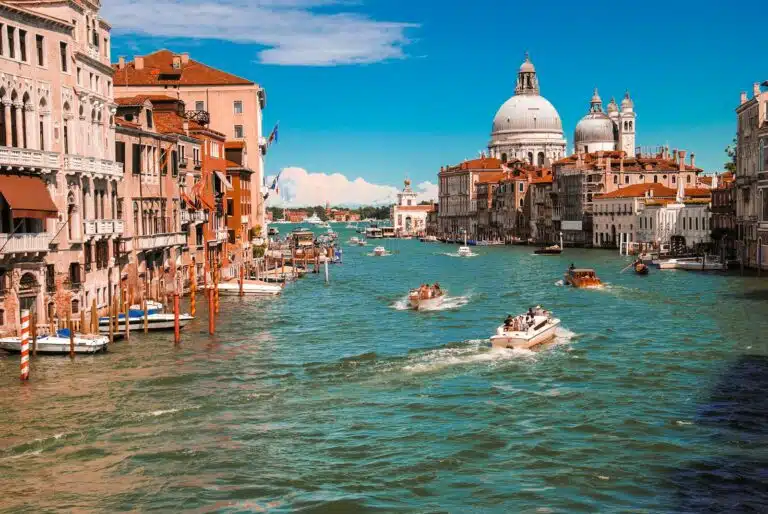
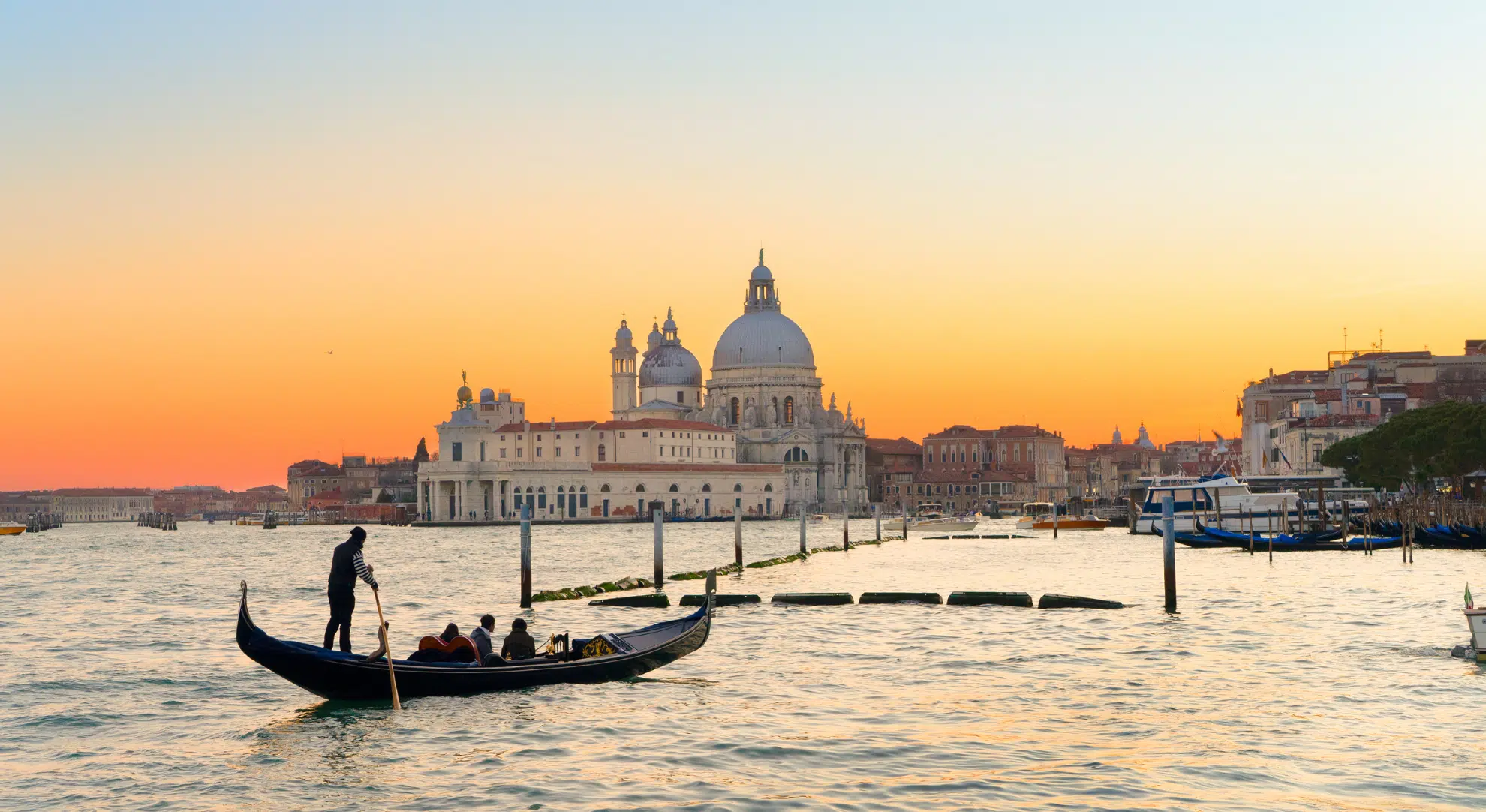
Venice receives nearly 13 million visitors a year, most concentrated in the same six sestieri, crossing the same bridges. What remains, for those who know where to look, is a city that rewards patience and a willingness to move differently.
The Case for Timing: When Venice Belongs to Fewer People
November, January, and early February are the months when visitor numbers drop most significantly. Carnival aside, February remains one of the quietest periods in the calendar. These months also coincide with acqua alta season, which deters some visitors but does not meaningfully restrict access to most of the city.
Within any given day, the window between 6am and 9am offers the clearest separation from the main tourist flow. The vaporetto lines are functional rather than congested, and the areas around San Marco and the Rialto are accessible without the compression that defines midday. Late evening, after 8pm, produces a similar effect, particularly in the sestieri further from the main routes.
The distinction between shoulder season and off-peak hours matters because they serve different purposes. Timing a trip to November reduces overall density across the visit. Adjusting daily movement to early mornings or evenings creates specific windows of access regardless of the season.
Beyond San Marco: The Neighbourhoods That Reward Exploration
Cannaregio, in the city’s north, contains the world’s first Jewish ghetto, established in 1516, along with a concentration of Gothic and Renaissance palazzi that receive a fraction of the attention given to those on the Grand Canal. The sestiere functions as a residential district, with a street-level economy oriented towards locals rather than visitors.
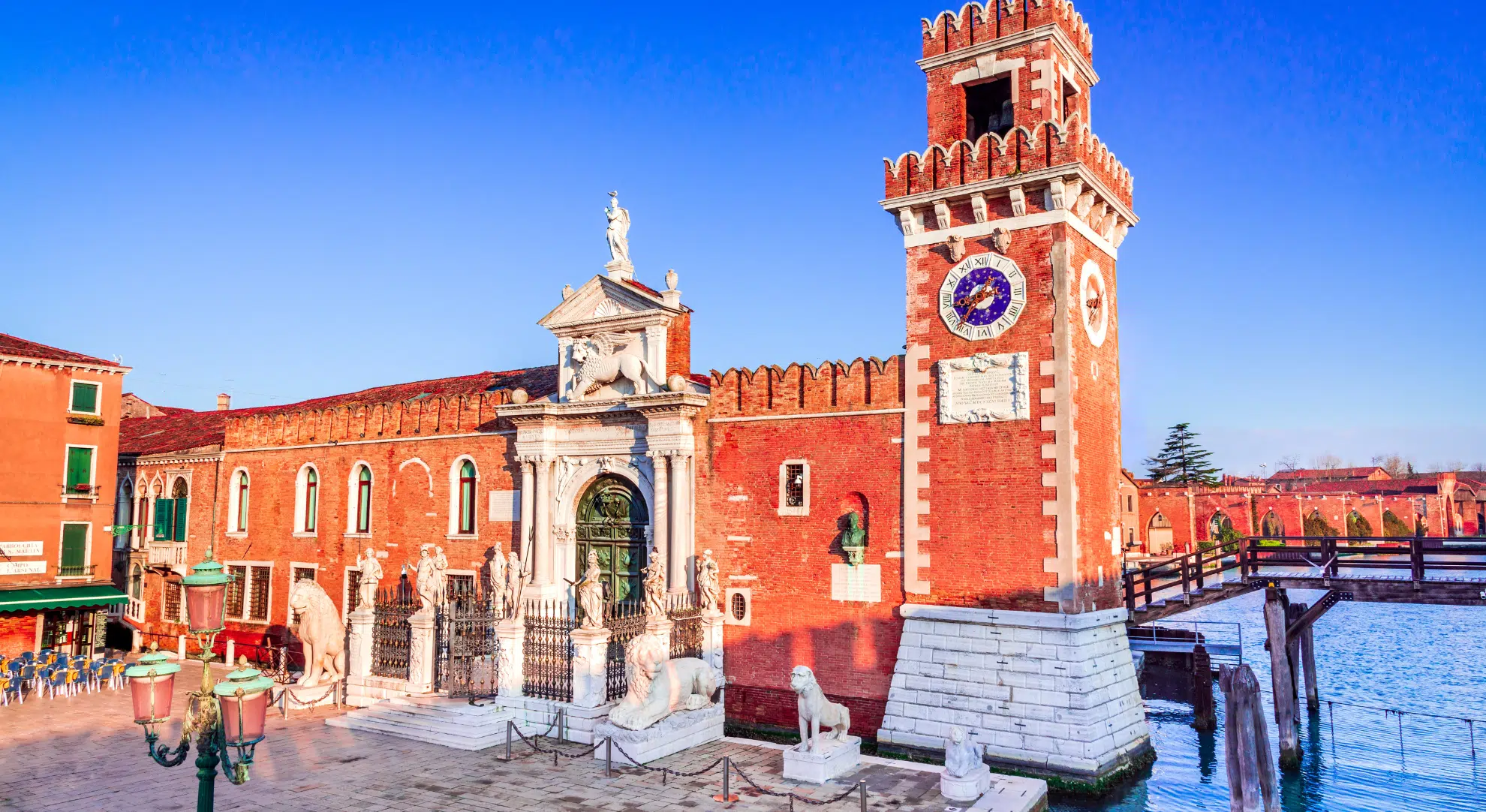
Castello extends east from San Marco but shifts in character within a few hundred metres. The area around Via Garibaldi and the Giardini is one of the few parts of Venice built on a grid, developed in the Napoleonic period, and retains a neighbourhood structure largely unchanged by tourism. The Arsenale, the former naval complex that once made Venice a maritime power, sits within this sestiere and remains one of the most significant industrial sites in the medieval world.
San Polo’s western edges, away from the Rialto, contain working churches, local markets, and residential campi that see little through-traffic. The fabric here is intact but unremarkable by Venetian standards, which is precisely what makes it useful for understanding the city’s ordinary scale.
The Lagoon Islands: A Different Measure of Distance
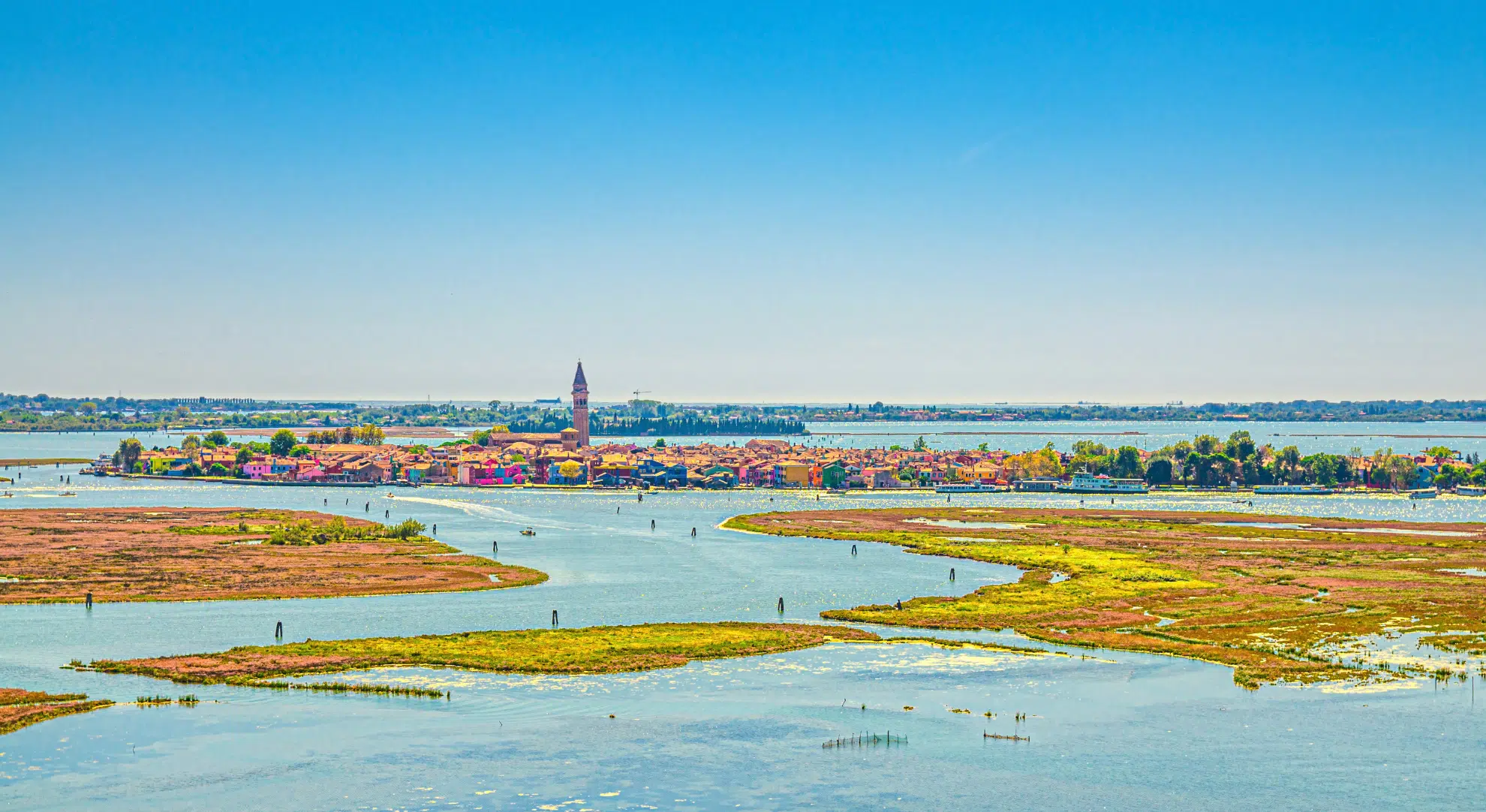
The outer lagoon islands sit between 40 minutes and an hour from Venice by water. Torcello predates Venice as a settlement and retains the 7th-century Basilica di Santa Maria Assunta, one of the oldest Byzantine structures in the region. Sant’Erasmo supplies much of the produce used in Venetian kitchens, including the carciofo violetto, a lagoon-specific artichoke variety. Mazzorbo is home to Venissa, a walled vineyard producing wine from the Dorona grape, nearly lost after the 1966 floods.
Reaching these islands by private water taxi rather than the public vaporetto changes what is possible on arrival, particularly in terms of timing and flexibility. The standard ferry routes operate on fixed schedules that limit how long visitors can stay and which parts of each island are accessible.
The cultural and culinary case for these islands is substantive. Venissa’s restaurant draws on lagoon ingredients with a specificity that reflects the island’s agricultural context rather than Venetian convention. On Sant’Erasmo, access to producers is not publicly organised and depends on prior arrangement through those with existing relationships on the island.
Private Access and Cultural Experiences Worth Arranging in Advance
Venice holds a category of cultural access that does not appear in public listings. Several of the city’s most significant institutions, including private foundations, historic palazzi, and ecclesiastical collections, operate on restricted or invitation-based terms. The Palazzo Grimani, the Scuola Grande di San Rocco outside public hours, and certain collections within the Dorsoduro are among the spaces where access is structured around prior arrangement rather than general admission.
The distinction matters because the experience changes substantially depending on how it is organised. A private opening of a foundation collection, or an after-hours visit to a decorated interior, is not simply a quieter version of the standard visit; it is a different kind of encounter with the material entirely.
These arrangements are not self-service. They depend on existing relationships with institutions, cultural intermediaries, and in some cases individual custodians. The quality and scope of what is accessible reflects directly on the depth of local knowledge behind the planning.
Where to Stay: Hotels That Position You Correctly
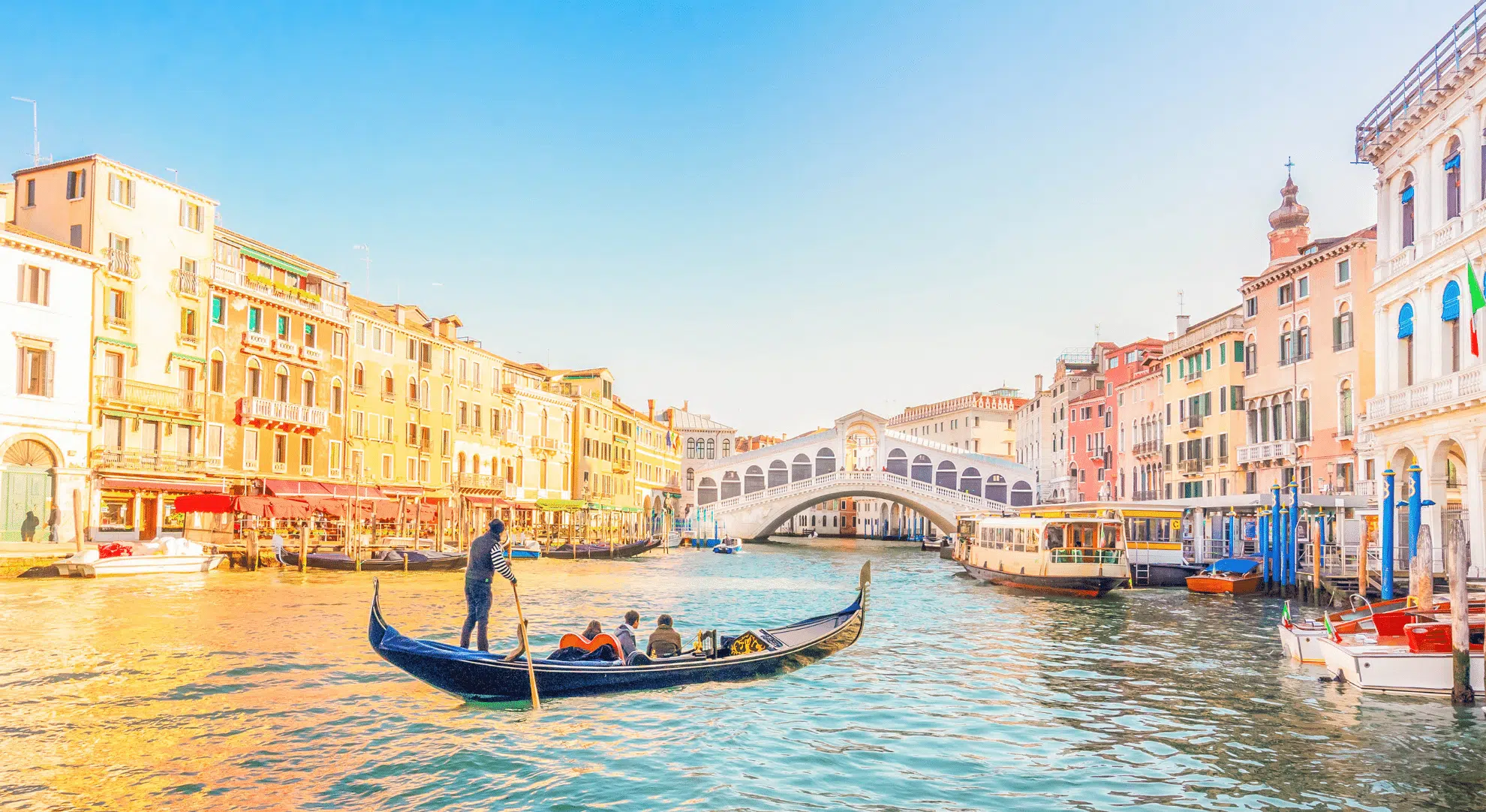
Most visitors arrive by vaporetto and stay near San Marco or the Rialto, concentrating movement into the same corridors at the same hours. Hotels in Cannaregio, Dorsoduro, and Castello offer a structural advantage, with proximity to quieter entry points, local markets, and routes that do not intersect with primary tourist flow. Position, in Venice, determines what version of the city a guest experiences.
A small number of properties hold private water gates, allowing guests to arrive and depart by private water taxi without passing through the main pedestrian network. This matters most during peak hours and during acqua alta, when street-level movement becomes restricted. These properties are not uniformly the most prominent names in the city, and identifying which ones offer genuine operational advantage requires knowledge of how each building sits within the canal system.
Proximity to a quiet calle means little if the hotel’s exit routes converge with high-traffic areas by mid-morning. The relationship between address and access is not always obvious from a map.
The Honest Answer: What Crowd-Free Venice Actually Requires
Crowd-free Venice is not a matter of luck or timing alone. It requires accommodation outside the San Marco and Rialto corridors, a schedule built around early mornings and shoulder seasons, and access to spaces that do not appear in standard itineraries. November through early March offers the most viable conditions, though acqua alta and reduced services are genuine considerations during this period.
The financial commitment is real. Properties in quieter sestieri such as Cannaregio or Castello, particularly those with private canal access or courtyard space, carry a premium precisely because they are scarce. Private access to collections, ateliers, and working institutions is relationship-dependent and rarely available on short notice.
The more accurate question is not whether crowd-free Venice is possible, but whether a visit has been structured to make it probable. That distinction sits entirely in the planning, and the quality of that planning determines what version of the city a visitor actually encounters.
Ready to plan your Venice visit and experience the city on terms that most itineraries never reach? Speak with Do Not Disturb to begin your journey.