
Lake Como and Lake Garda occupy different registers of the Italian lake experience, one defined by restraint, the other by scale and variety. For travellers weighing an Italian lakes holiday, the distinction matters more than most itineraries acknowledge.
Landscape and Character
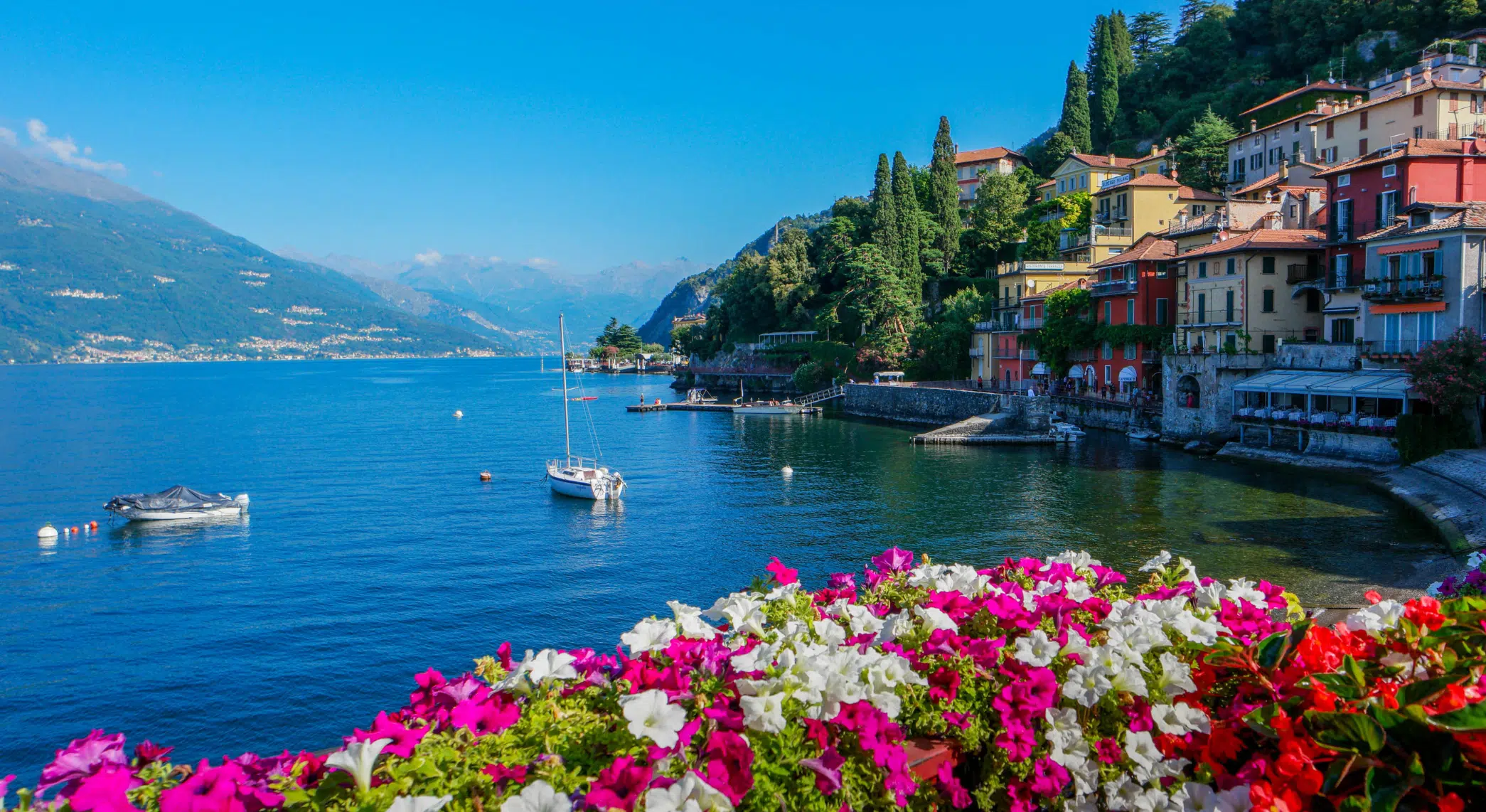
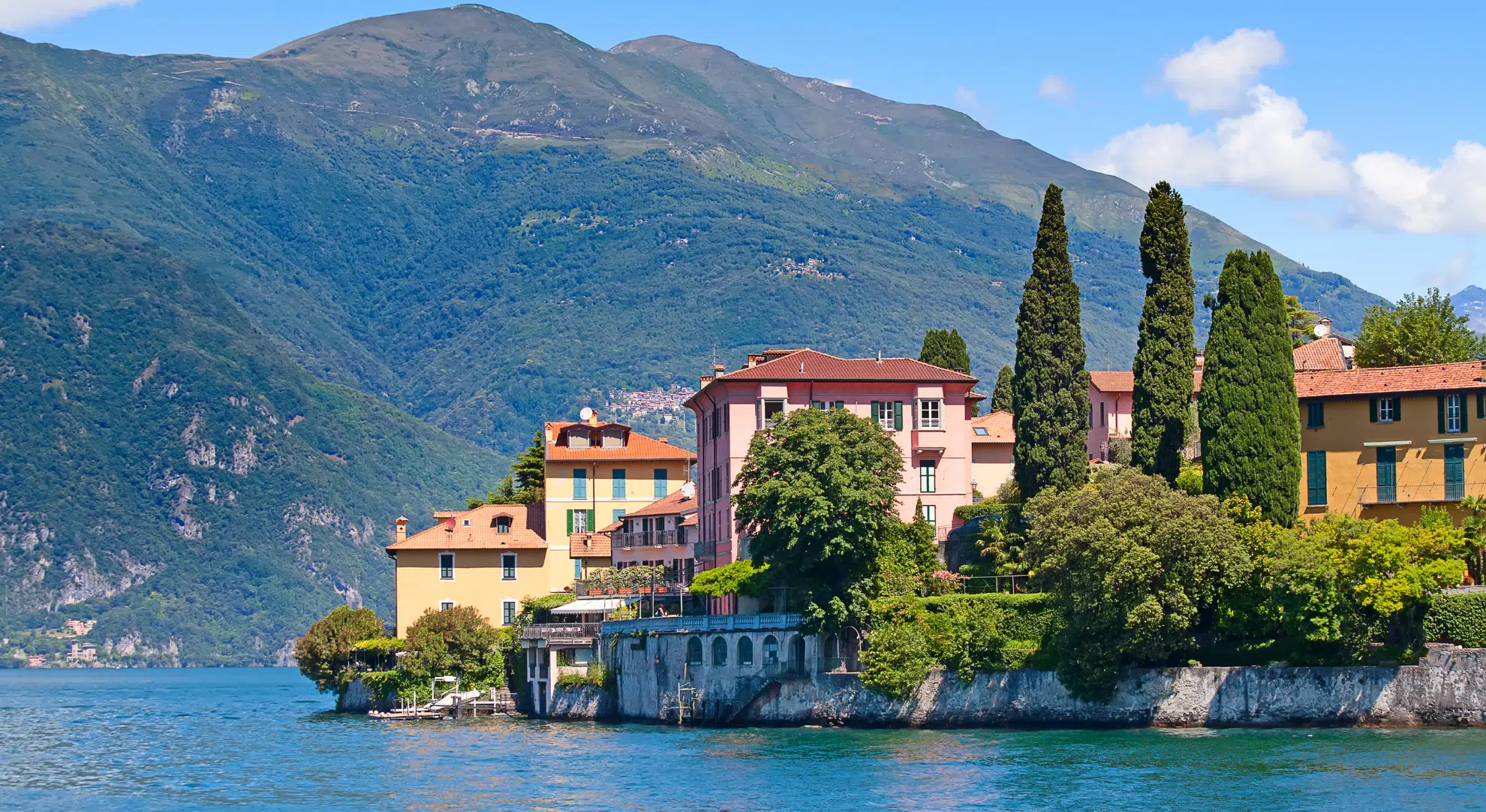
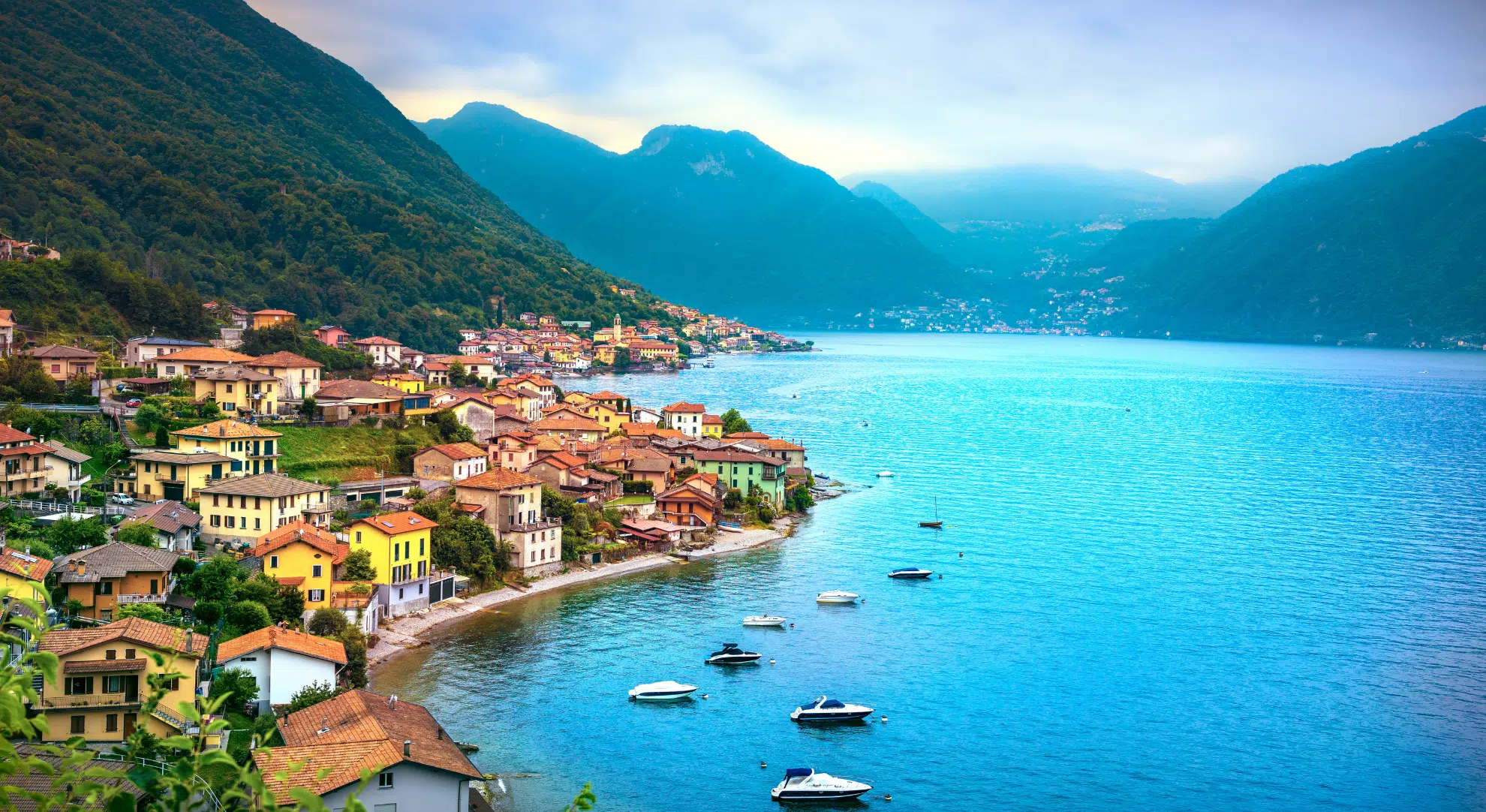
Lake Como runs in a narrow, inverted Y-shape through the foothills of the Alps, with steep wooded slopes descending directly to the water. The confined geography concentrates everything, the villages, the historic villas, the road infrastructure. There is little flat land, which has historically limited development and preserved the lake’s character as a place of contained, vertical landscape.
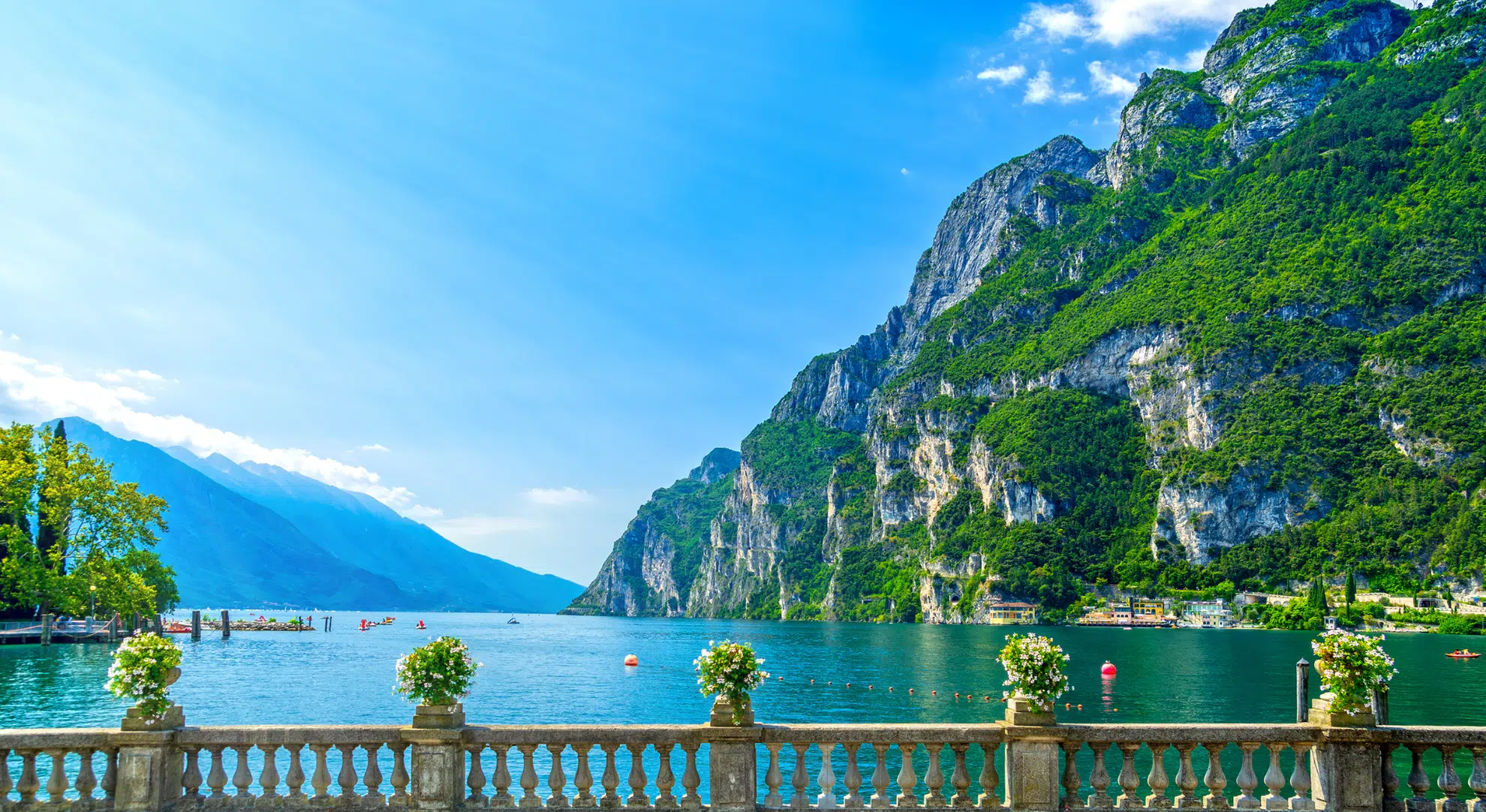
Lake Garda is Italy’s largest lake and operates on a different scale. Its southern basin is broad and low-lying, bordered by the Lombardy and Veneto plains. The northern end narrows into the Trentino mountains, producing a range of distinct microclimates within a single body of water. Olive groves and lemon terraces along the western shore reflect genuinely Mediterranean growing conditions.
Como rewards a focused, place-based stay. Garda supports a more varied itinerary. The right choice depends on whether variety or concentration better suits the trip.
About Do Not Disturb
Do Not Disturb is a luxury travel company specializing in carefully designed journeys and considered experiences. Each itinerary we build for our clients is informed by real destination knowledge, offering insight into places, cultures, and moments that shape how a trip comes together.
If this destination has sparked ideas, the itinerary can be developed into a private journey tailored to your interests and travel style, with hand-picked stays, thoughtful routing, and experiences curated around what matters most to you.
Where to Stay: The Hotel Landscape
Lake Como’s luxury accommodation is concentrated along the central branches of the lake, with historic grand hotels that have operated continuously for over a century. The offering is structured around formal service traditions, private lakefront access, and architecture that reflects the lake’s history as a destination for European aristocracy. The pool of properties is small, which means availability is limited and positioning within the lake matters considerably.
Lake Garda’s hotel landscape is broader and more varied. The western shore, particularly around Gardone Riviera and Gargnano, holds the lake’s most refined properties, including Il Vittoriale-adjacent retreats and converted historic villas. The eastern and southern shores extend into larger resort formats, better suited to families or travellers who prioritise facilities over heritage context.
The distinction is not simply one of quality. It reflects a structural difference in what each lake is built to deliver, and what kind of stay each can reliably support.
Romance and Occasion Travel
Lake Como has a well-established reputation for occasion travel, built on a concentration of historic villa hotels that offer genuine seclusion and a level of service calibrated to private, high-stakes stays. Properties such as Villa d’Este and Grand Hotel Tremezzo have hosted anniversary and honeymoon guests for generations, and their infrastructure, private lakefront access, dedicated event coordination, discreet staffing, reflects that history. For couples prioritising intimacy and a contained, curated environment, Como is the more coherent choice.
Lake Garda offers a broader range of romantic settings without the same singular identity. The southern shores suit couples who want access to wider Lombardy and the Veneto, while the northern reaches around Limone and Riva del Garda provide a more secluded character. Several high-end properties on the western shore combine lake views with direct access to hillside terrain, which suits active couples or those combining a milestone stay with broader travel.
For a honeymoon or anniversary where the setting itself carries symbolic weight, Como’s concentration of landmark properties gives it a clear advantage. Garda is better suited to occasion travel that benefits from variety and flexibility.
Activities and Pace
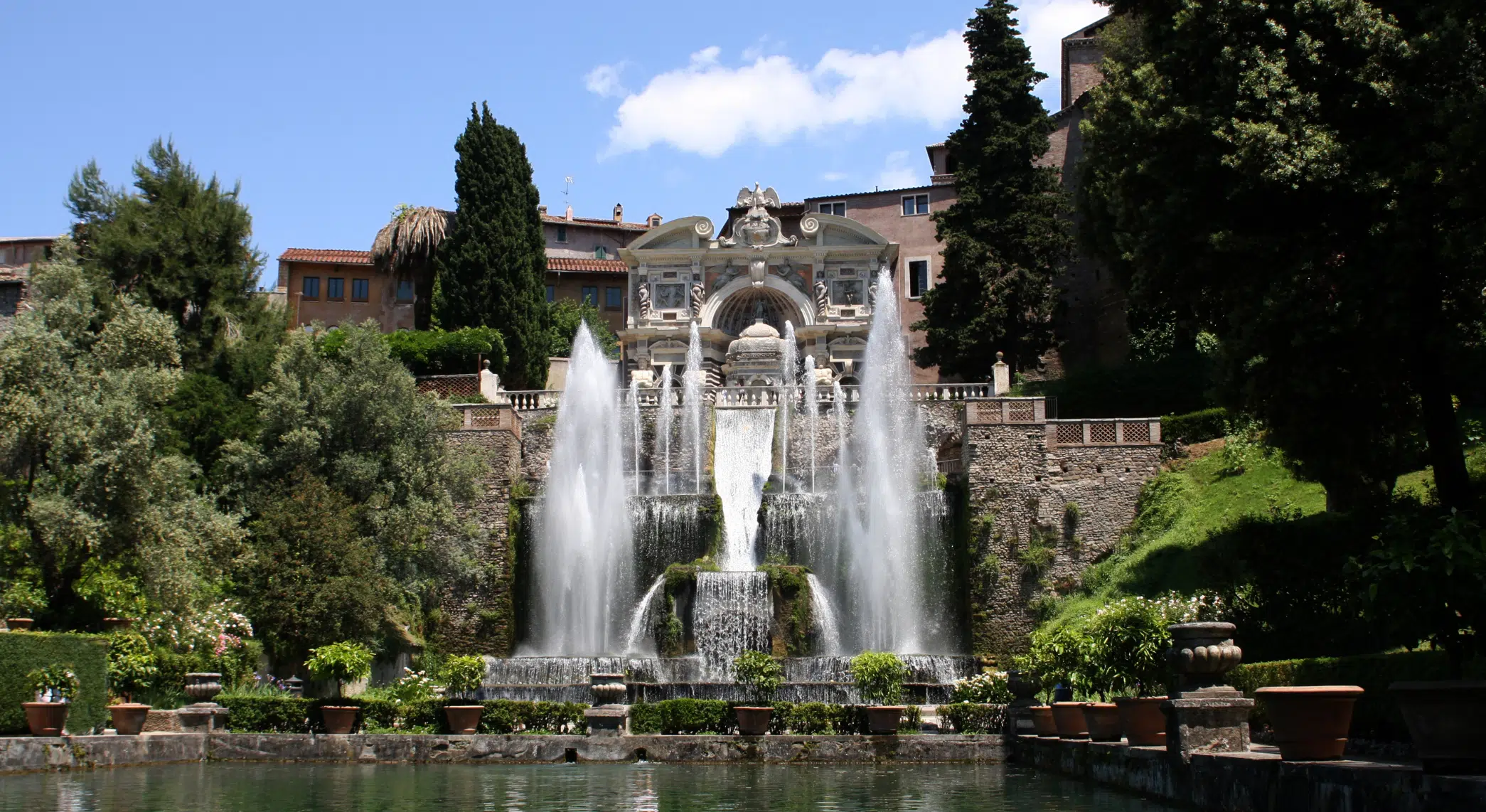
Lake Como’s activity profile is narrow by design. The lake rewards slow movement, boat excursions between villages, access to private and historic villa gardens, and structured visits to properties that are not publicly accessible without prior arrangement. Bellagio, Varenna, and Tremezzo form a natural circuit, but the quality of access to each depends on how the visit is organised.
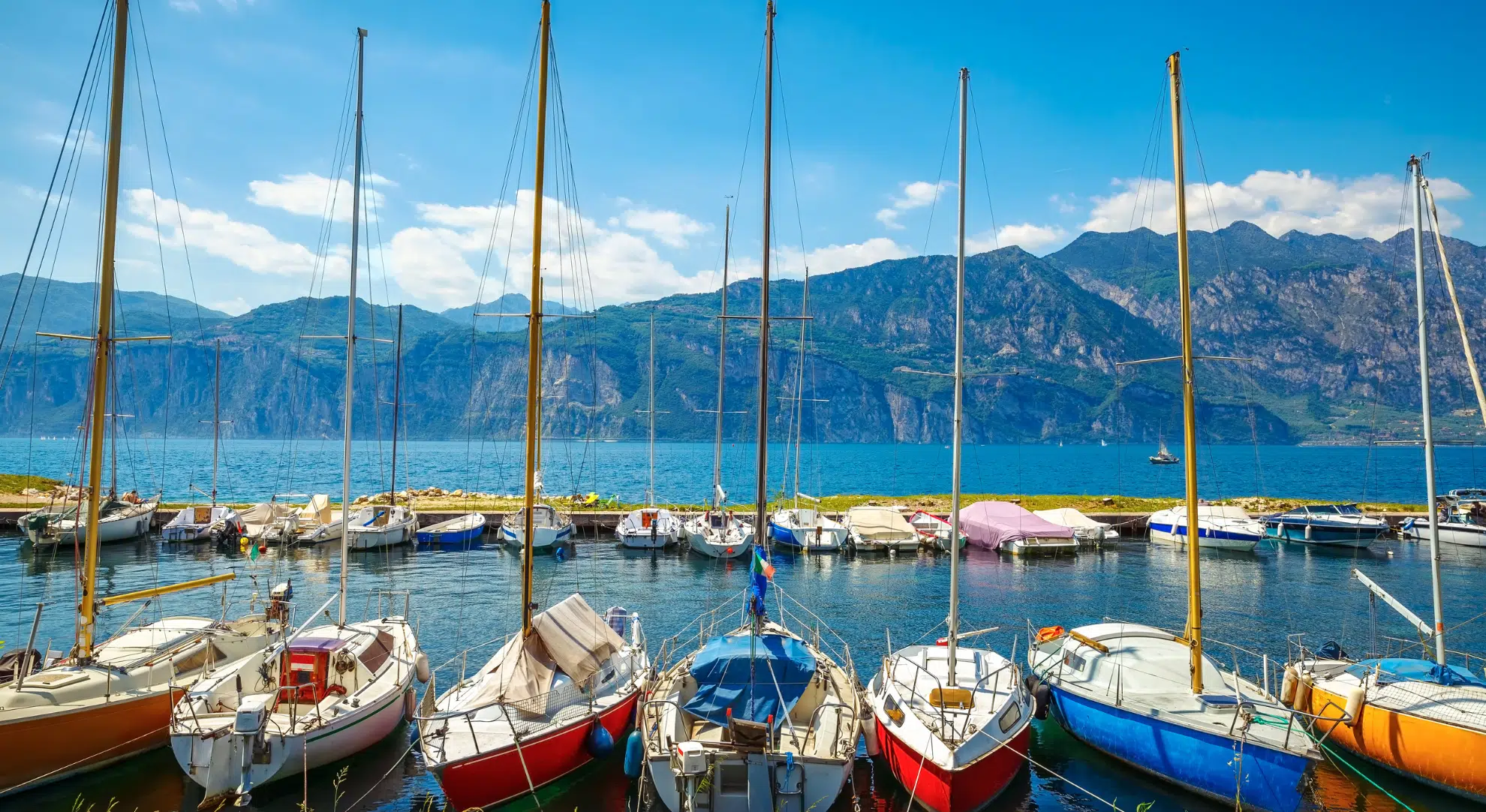
Lake Garda operates at a different scale and supports a broader range of pursuits. The northern basin, sheltered by the Dolomite foothills, produces reliable wind conditions that have made Riva del Garda and Torbole established centres for sailing and windsurfing. A well-developed cycling infrastructure runs along much of the western shore. The southern end connects to the Veneto plains and offers a different character, more open and less defined by terrain.
The choice between the two lakes is a question of pace. Como suits a contained, curated itinerary. Garda accommodates more varied and active programmes.
Getting There and Getting Around
Lake Como is most efficiently reached via Milan Malpensa or Linate, with transfer times to the western shore typically under an hour by road. Lake Garda draws from a wider catchment, with Verona Villafranca serving the southern and eastern shores and Brescia and Bergamo offering alternatives depending on where along the lake you are based.
Navigating each lake differs considerably. Garda’s scale, roughly 50 kilometers in length, makes a car practical for moving between its distinct zones, the southern resort towns, the northern reaches, and the Sirmione peninsula. The public ferry network is extensive but slow across longer distances. Como’s branching geography suits private boat transfer, which remains the most efficient way to move between the central towns and the more secluded villa properties on the upper arms.
Both lakes require local coordination to move well. On Como, water-based logistics are not a preference but a structural reality for many of the best-positioned properties.
Which Lake Suits Your Trip
Lake Como suits travellers for whom restraint and privacy are the primary criteria. The lake’s concentrated geography, historic villa culture, and limited accommodation stock make it better suited to shorter, more focused stays. It rewards those with a clear itinerary and no interest in variety for its own sake.
Lake Garda suits travellers who want range within a single destination. Its size supports meaningful differences between the northern and southern shores, with distinct landscapes, town characters, and activity profiles across the lake. It is the stronger choice for longer stays, mixed-interest groups, or those combining leisure with active pursuits.
The decision is rarely about quality. Both lakes support high-standard travel. The relevant question is whether the trip calls for depth or breadth. Como delivers a more edited experience with fewer variables. Garda offers more to navigate, which is an advantage only if the itinerary is built to use it.
Ready to plan your Italian lakes holiday and determine whether Lake Como or Lake Garda belongs on your itinerary? Speak with Do Not Disturb to begin your journey.
Plan your own version of this journey
Speak to Do Not Disturb’s luxury travel experts and turn this moment into something personal.
Related destinations
Suggested articles
Chianti’s Luxury Villas: Stay Like a Renaissance Noble

Where to Go On Honeymoon? A Guide to Help You Choose
Positano vs Ravello: Where to Stay on the Amalfi Coast

Venice Without the Crowds: Is It Possible?

Sardinia vs Sicily: Which Italian Island Is Right for You?

Experiencing Florence Without the Crowds

Portofino and the Italian Riviera: Italy’s Most Stylish Coastline
Venice for Art Lovers: Palaces, Churches and Private Views

Romantic Florence: The Ideal Italian Honeymoon

Beyond Rome: Italy’s Most Beautiful Cities

Beyond Amalfi: Contrasting Sorrento and Ravello

Positano vs Ravello: Where to Stay on the Amalfi Coast
The Amalfi Coast Without the Crowds: Is It Possible?