From Paris and the Amalfi Coast to Spain and Portugal, our guide to planning the perfect multi-country European honeymoon. Ten to fourteen days, expert curation, and the combinations that actually work.
Europe has been the world’s great honeymoon destination for as long as people have been taking honeymoons, and the reasons are not difficult to identify. The concentration of extraordinary cities, coastlines, food cultures, and historic landscapes within a relatively compact geography means that two countries in ten days can deliver more variety than almost anywhere else on the planet. A morning in Rome, a week on the Amalfi Coast, and a final night in Paris covers three of the most romantic settings in the world without anyone spending more than a couple of hours on a plane.
The art of a great European honeymoon lies in the architecture of the itinerary: knowing which combinations work, how much time each destination genuinely needs, and when to slow down rather than add another stop. What follows is a practical guide to building something that delivers on the promise.
About Do Not Disturb
Do Not Disturb is a luxury travel company specializing in carefully designed journeys and considered experiences. Each itinerary we build for our clients is informed by real destination knowledge, offering insight into places, cultures, and moments that shape how a trip comes together.
If this destination has sparked ideas, the itinerary can be developed into a private journey tailored to your interests and travel style, with hand-picked stays, thoughtful routing, and experiences curated around what matters most to you.
Combining European Destinations
The temptation to combine Paris, the Amalfi Coast, Santorini, and Barcelona in a single trip is understandable and worth resisting. Fourteen days sounds generous until you factor in travel days, arrival evenings, and the cumulative fatigue of packing and unpacking every two nights. The honeymoons that people actually rave about tend to be built around two destinations with complementary characters: a city and a coast, a cultural capital and a slower rural retreat.
A workable structure is three to four nights in a European city to open the trip, a travel day, then seven to eight nights in a coastal or countryside setting where the pace drops and the days have more room in them. That rhythm, city energy followed by unhurried relaxation, suits a honeymoon considerably better than continuous movement.
Now let’s look at the European destinations you can combine.
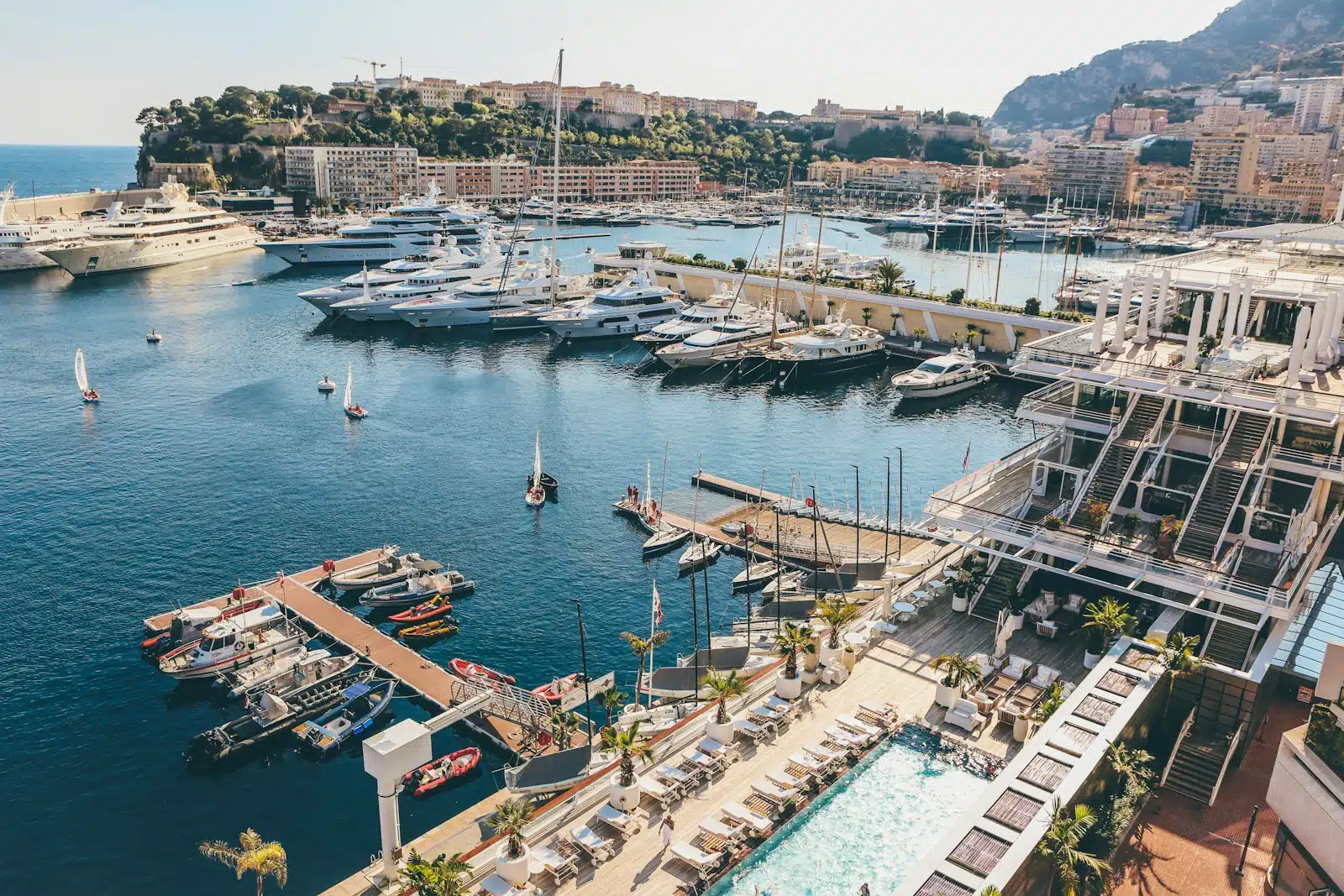
Paris and the French Riviera
The most classically romantic pairing in European travel, and classic for good reason. Three nights in Paris for the museums, the restaurants, and the particular atmosphere of the city in the early morning before the crowds arrive, followed by a train south to Nice and a base on the Riviera for the remainder of the trip.
The Cote d’Azur in May and June, before the August intensity, is one of the most beautiful places in Europe. Day trips to Eze, Antibes, and the hill villages of Provence fill the days without requiring a schedule. The food is exceptional throughout, and the combination of urban sophistication and Mediterranean ease gives the trip a natural shape.
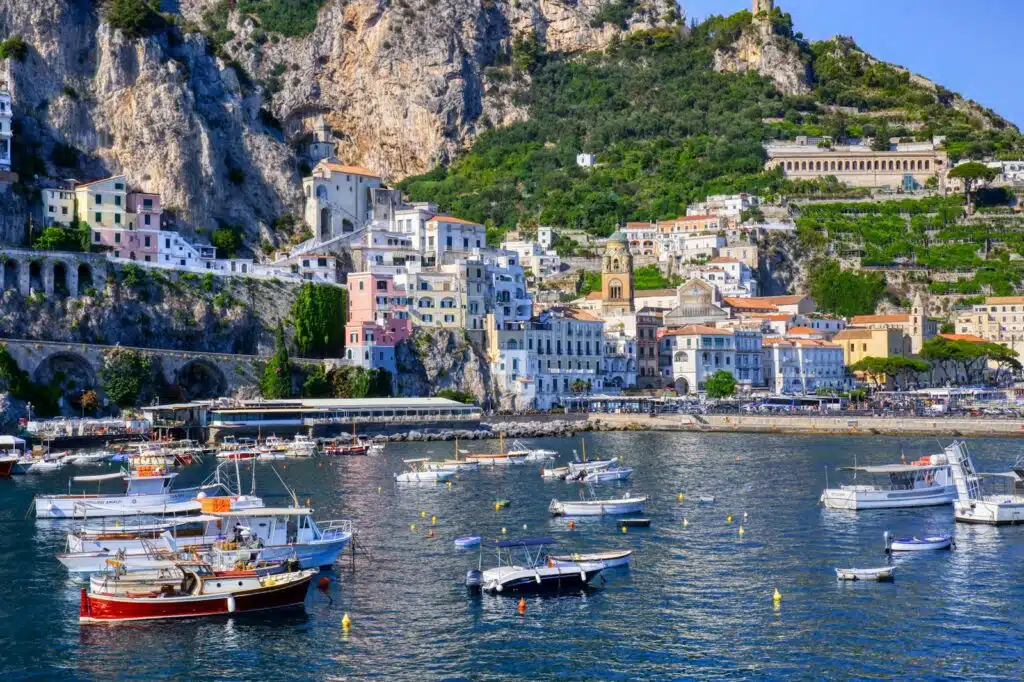
Italy: Rome and the Amalfi Coast
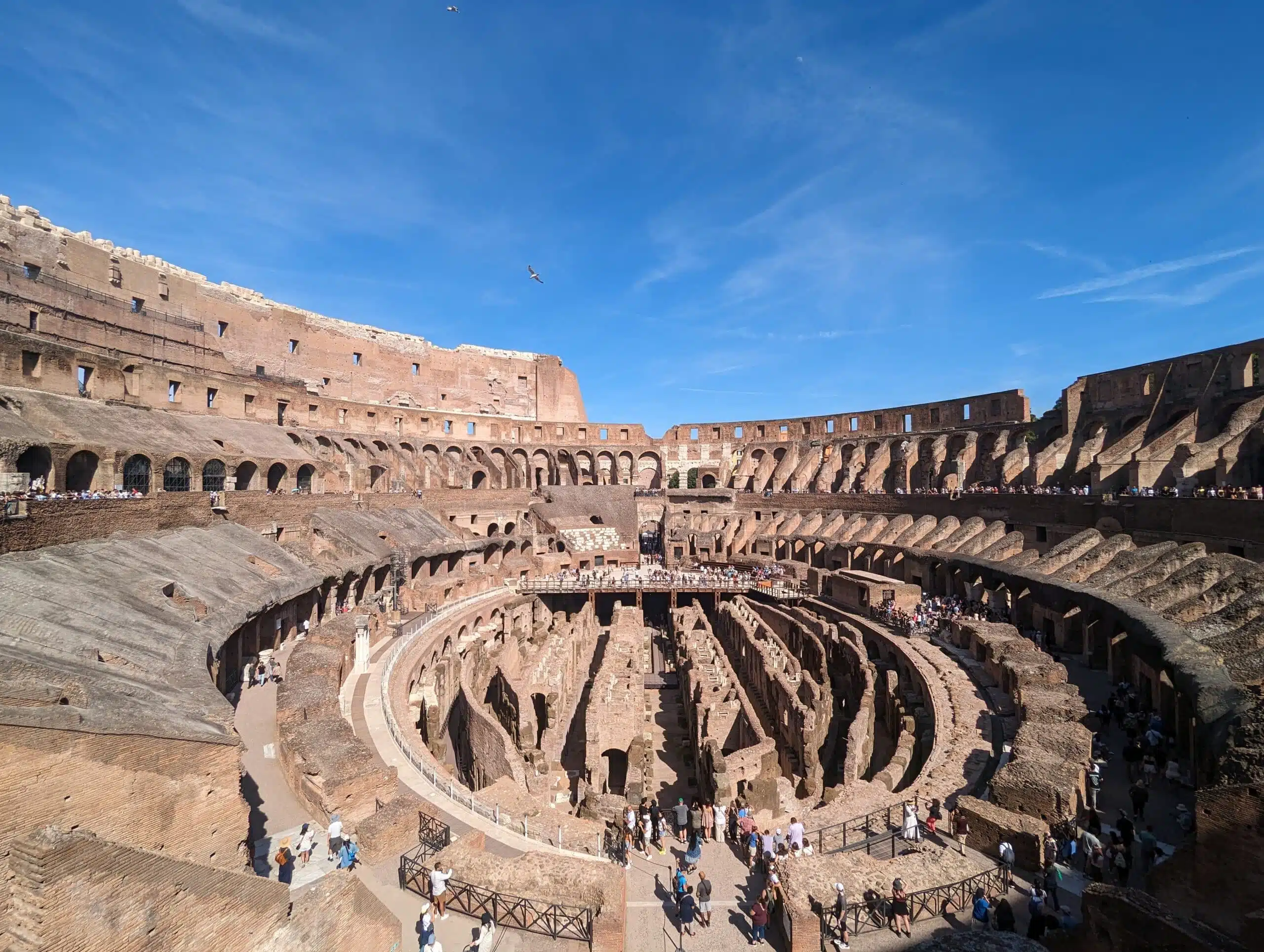
Rome absorbs three nights without difficulty. The Vatican and the Colosseum earn their reputation but the city rewards wandering more than sightseeing: a long lunch in Trastevere, an aperitivo near Campo de’ Fiori, a walk through the Jewish Ghetto at dusk.
From Rome, a train to Naples and a transfer to the Amalfi Coast puts you somewhere that operates at an entirely different frequency.
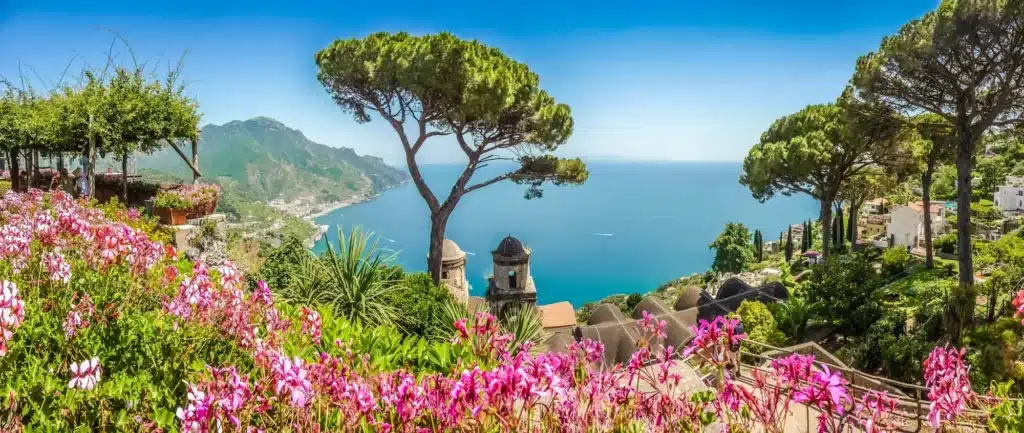
Positano, Ravello, and the smaller villages along the coast are extraordinary in late spring and early September when the summer heat has eased slightly and the crowds have thinned. The drive along the coast road, winding above cliffs that drop straight to impossibly blue water, is one of the great road experiences in Europe.
Greece: Athens and the Cyclades
Athens is underrated as a honeymoon opener. Two nights is enough to cover the Acropolis and the National Archaeological Museum, eat extremely well in Monastiraki and Koukaki, and catch a rooftop sunset over the city before flying or ferrying to the islands.
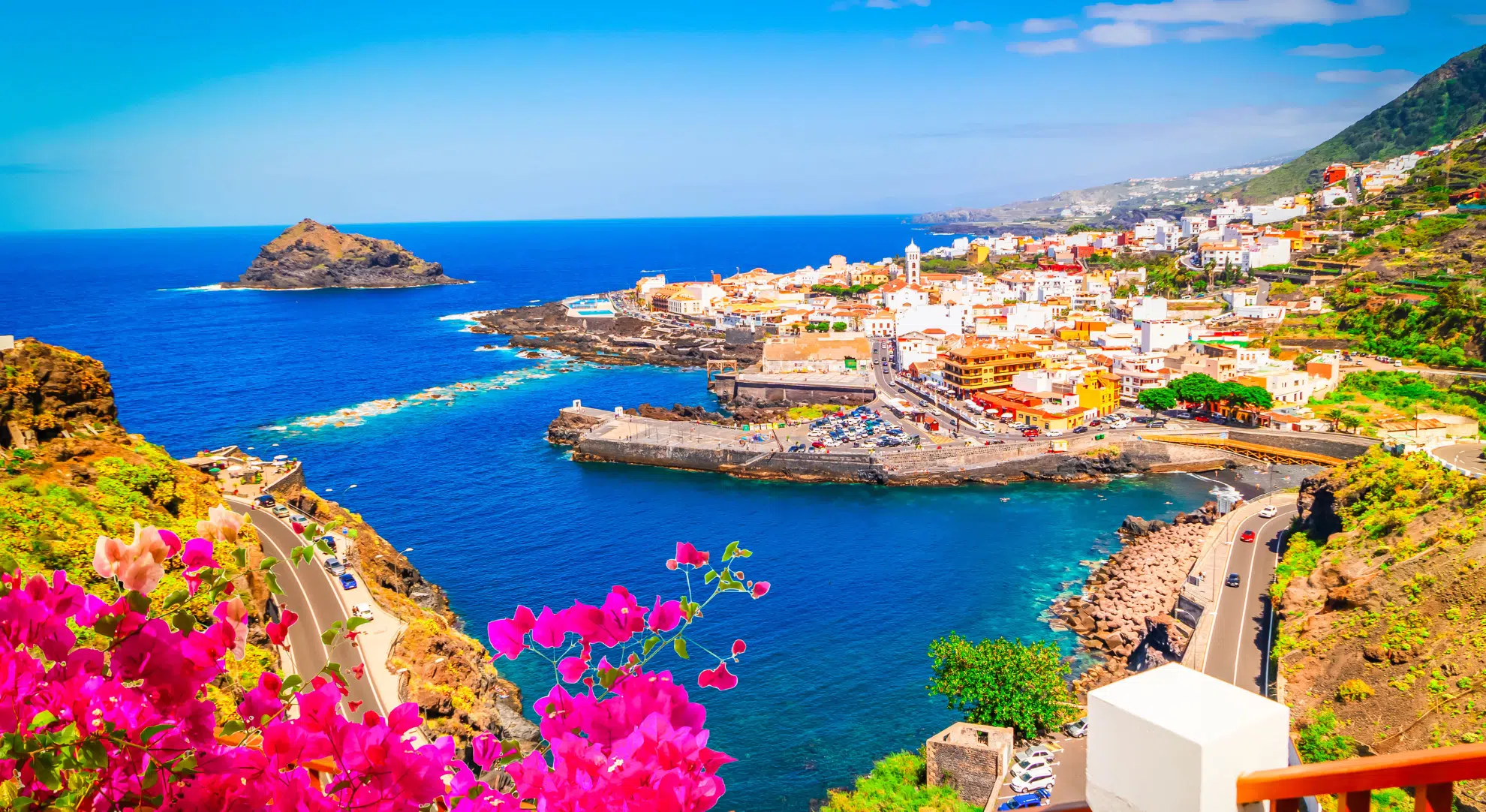
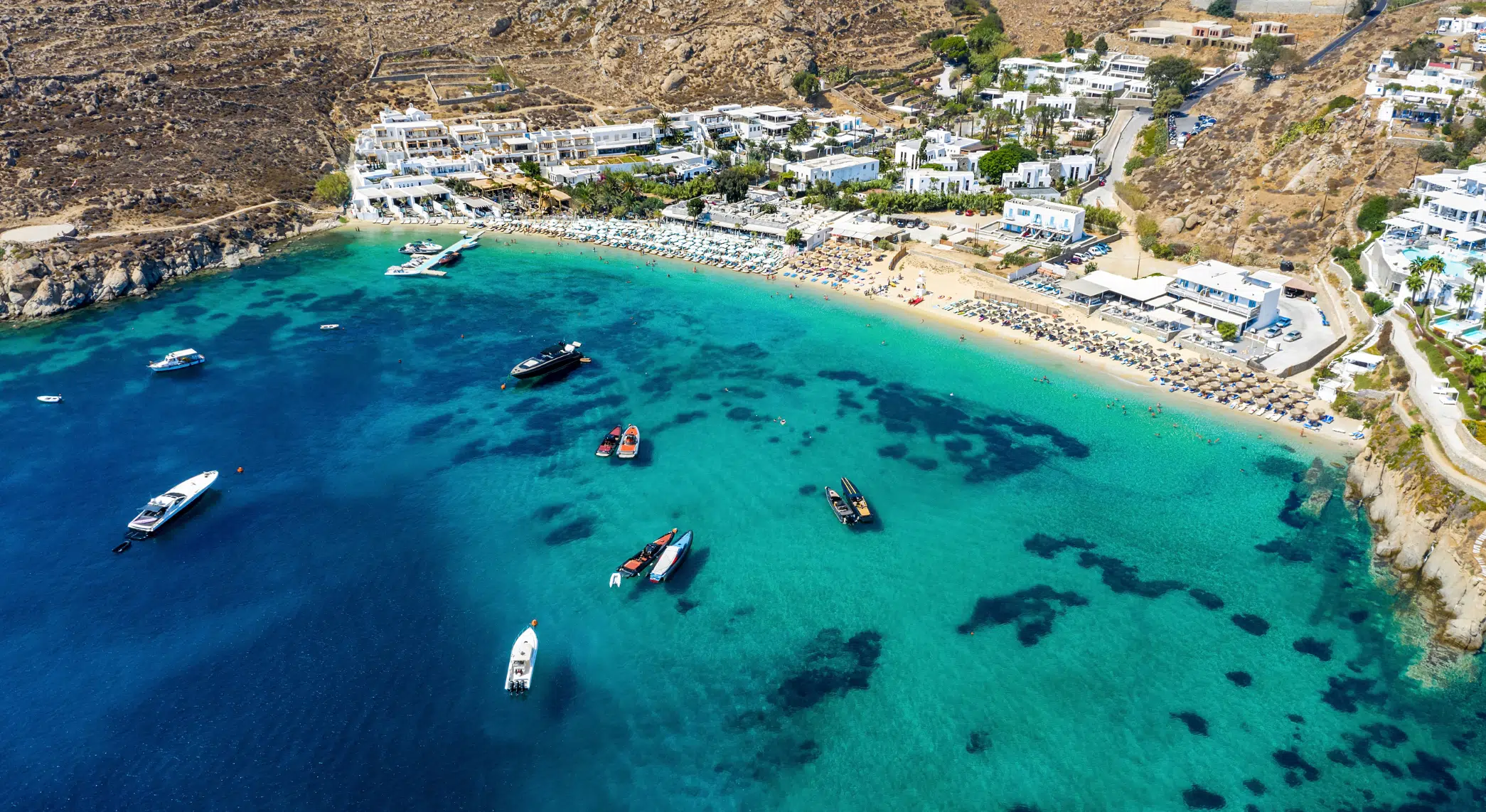
Santorini is the obvious Cyclades choice and the sunsets from Oia deserve every photograph ever taken of them. For couples who want a slightly more social atmosphere alongside the scenery, combining three nights in Santorini with three nights in Mykonos covers both the romantic and the celebratory ends of the spectrum. The food and wine across the islands have improved dramatically in the past decade and are now reason enough to go in their own right.
Spain and Portugal
The Iberian peninsula works beautifully as a single honeymoon itinerary. Barcelona for three nights, then a flight to Lisbon for four, with a final few days in the Alentejo wine country or along the Comporta coast depending on whether you want hills or beaches for the close of the trip.
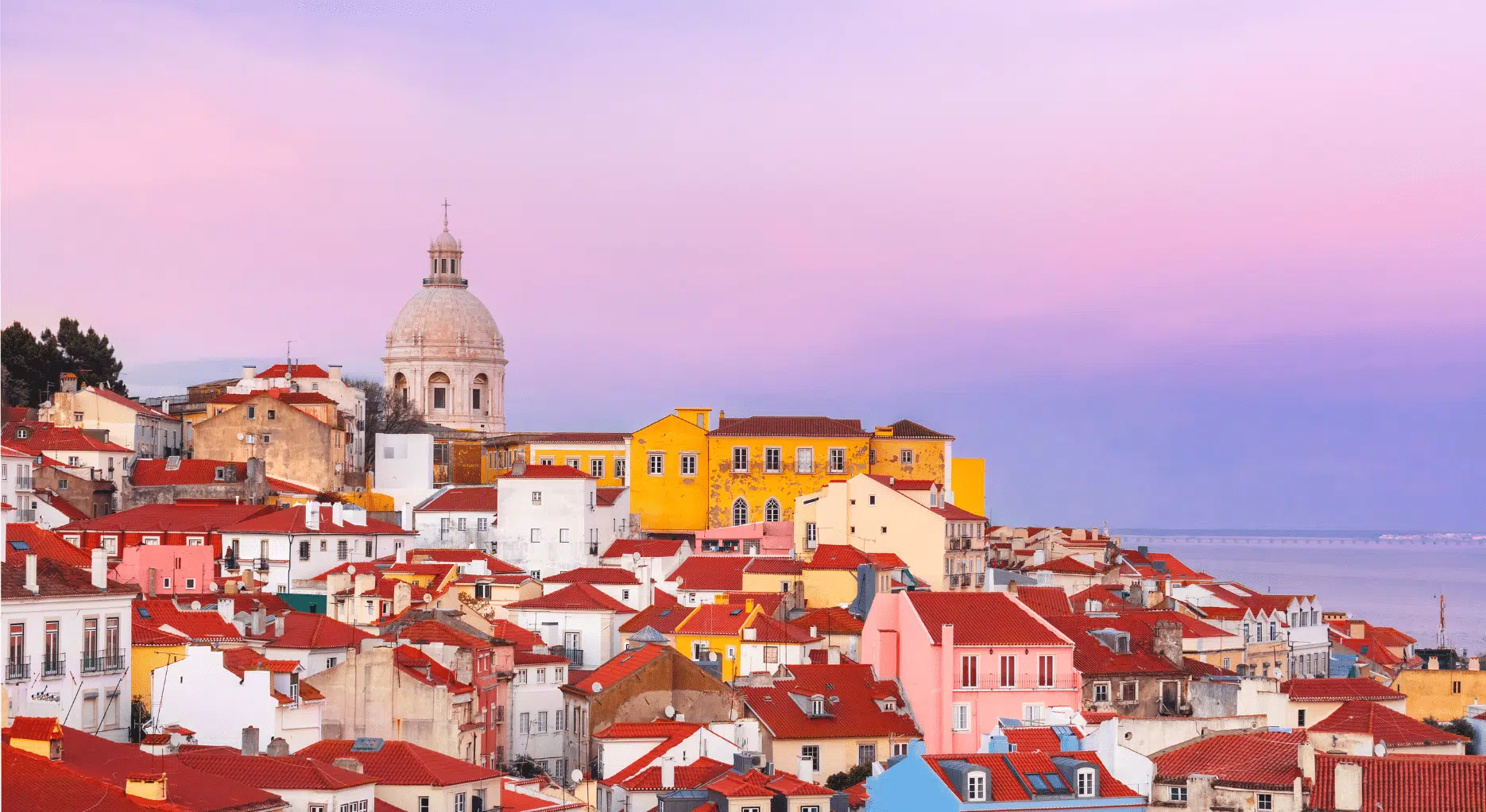
Both cities reward slow exploration: Barcelona’s architecture and food markets, Lisbon’s light and its particular melancholy beauty.
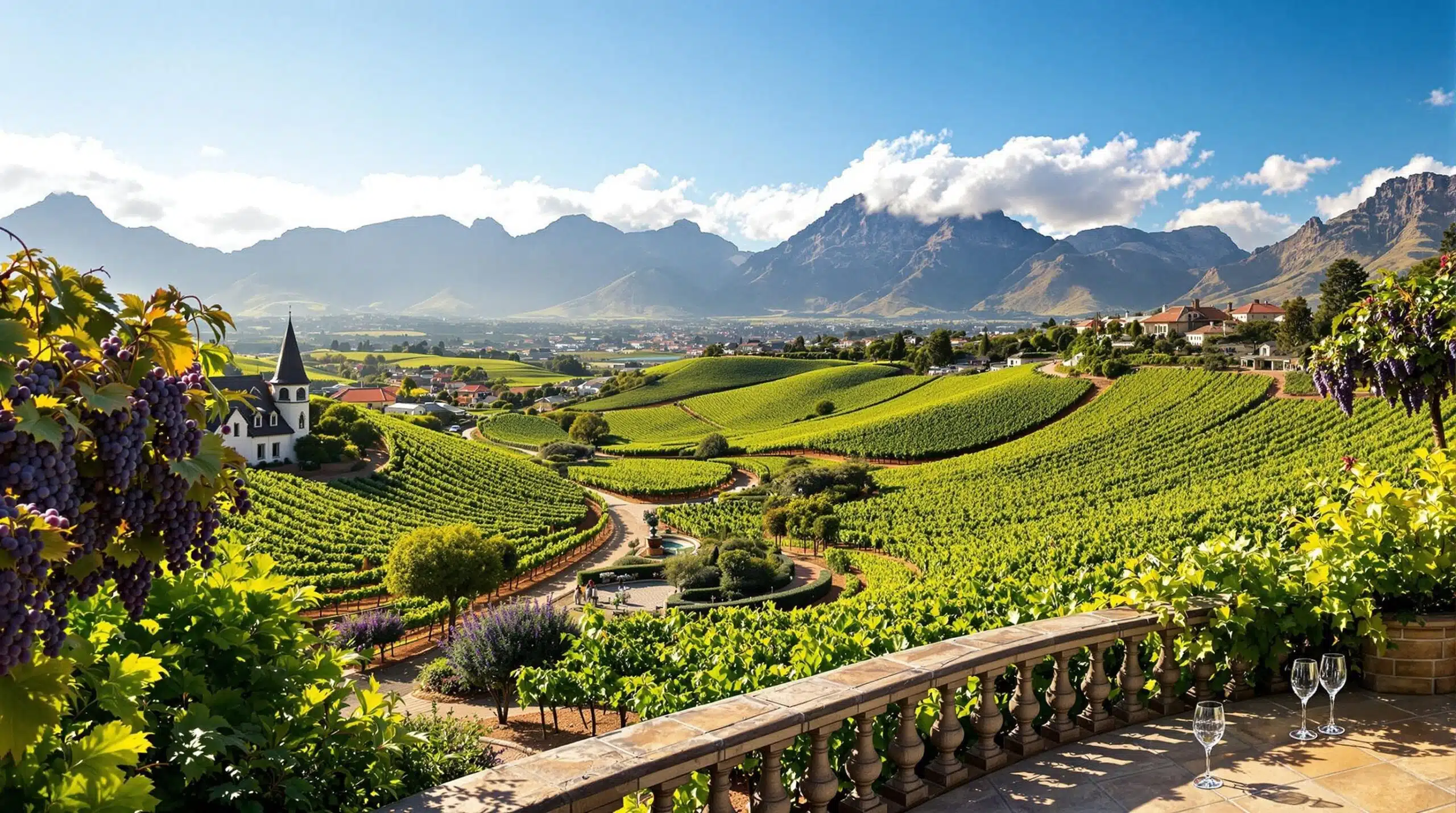
The Alentejo, Portugal’s inland wine and cork country, is one of the great slow-travel discoveries in Europe, with a handful of exceptional rural hotels and a pace that is the opposite of the rest of the trip. The food culture across both countries is exceptional throughout.
Croatia and the Adriatic
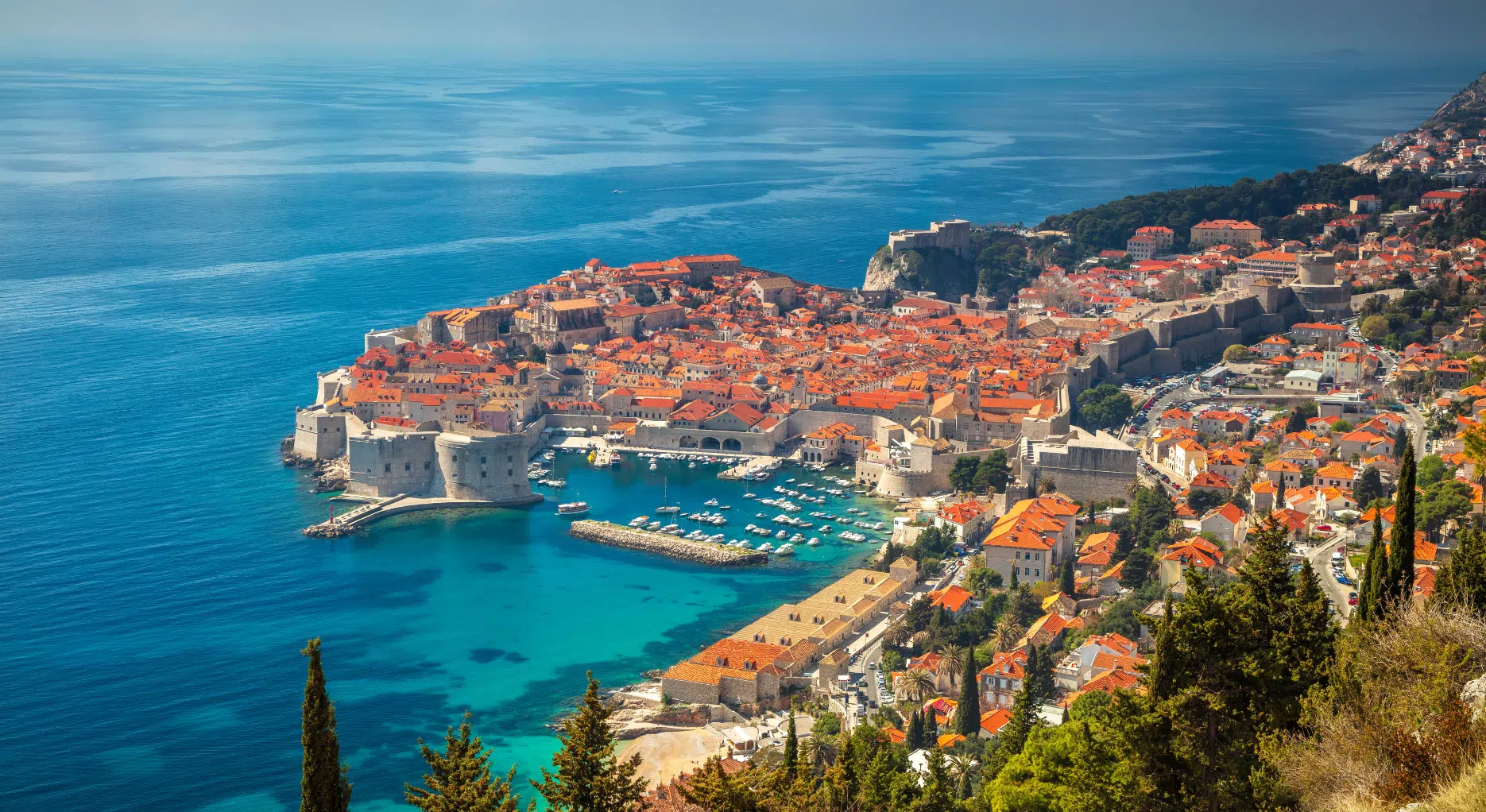
Dubrovnik is the obvious anchor, with its walled old city and concentrated beauty that makes even well-travelled couples stop and look. Combine it with the Peljesac Peninsula for excellent wine, the islands of Hvar and Korcula for slower days on the water, and a few nights in Montenegro’s Bay of Kotor for Adriatic scenery that has no real equal.
The combination of history, coastline, and islands gives this itinerary a different texture from the Mediterranean combinations above, and the relative newness of Croatia on the luxury travel circuit means it still feels like a discovery.
Practical Decisions That Matter
When to go
May, June, and September are the months that make European honeymoon travel genuinely work. July and August deliver heat and crowds in quantities that can undermine the romance of almost any destination. The shoulder seasons offer the same beauty with shorter queues, better restaurant availability, and an atmosphere that is noticeably more relaxed.
How to move between countries
Europe’s train network is underused by travellers who default to flying. The Paris to Nice TGV takes under six hours and arrives in the centre of both cities. Rome to Naples by high-speed train takes just over an hour. For longer distances a short intra-European flight is practical and often inexpensive. The key is not to let travel days consume the trip: one well-managed travel day per country change is reasonable, more than that starts to feel like a logistics exercise rather than a honeymoon.
Where to stay
The best honeymoon hotel is often the quietest and most intimate one rather than the most famous. A small boutique property in a Lisbon neighbourhood rather than a grand hotel on the main square. A family-run hotel on a Santorini caldera edge rather than the resort that appears in every Instagram search. Out Of Office has relationships across Europe with properties that do not always surface on standard booking platforms, and knowing which room faces the right direction at the right time of year is the kind of detail that makes a genuine difference on a honeymoon.
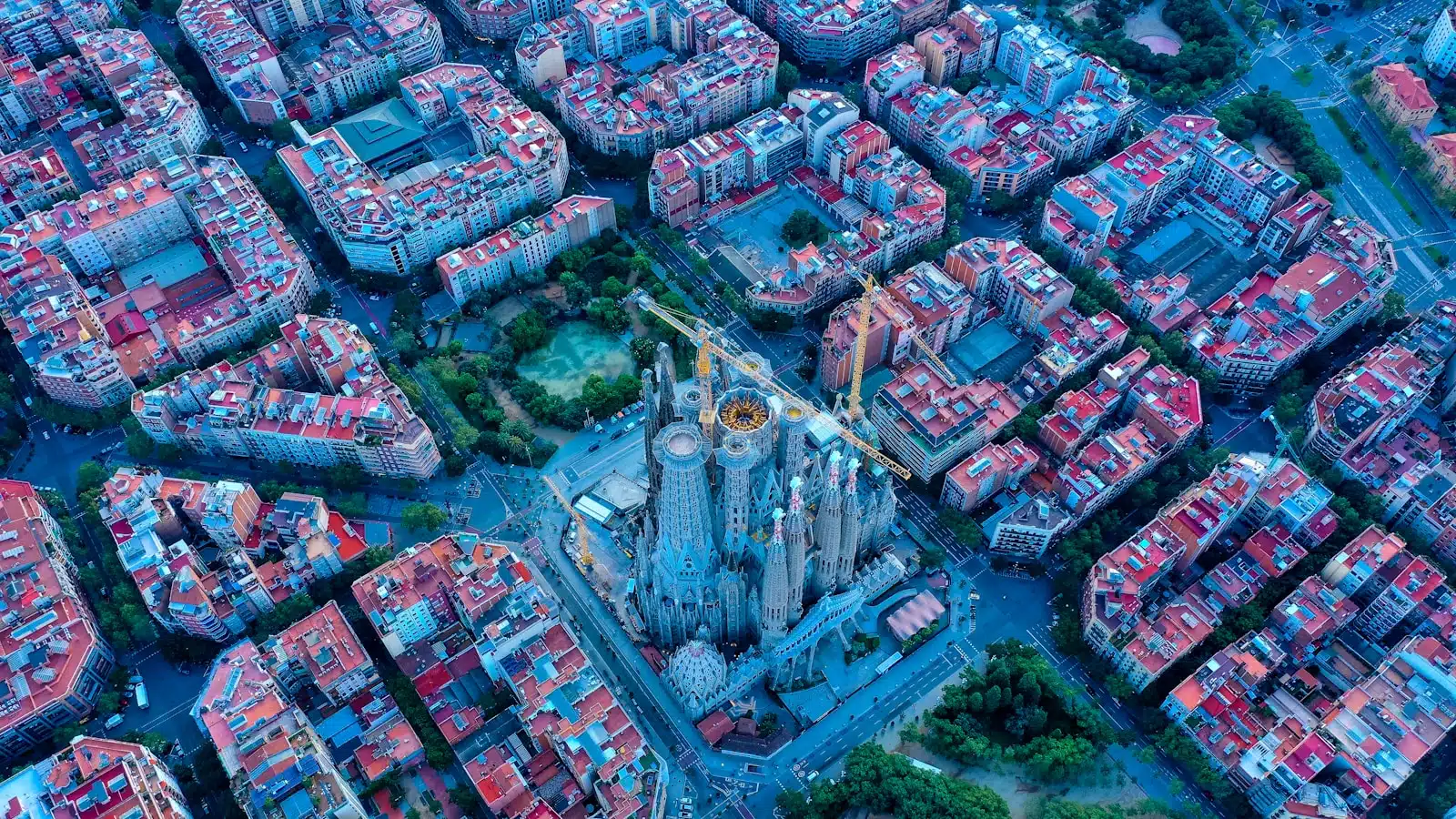
The best European honeymoon is not the one that covers the most ground. It is the one that gives you enough time in each place to stop rushing and start noticing: the quality of light on the water at six in the evening, the pleasure of a long lunch that turns into an afternoon, the feeling of a city or a coastline becoming slightly familiar before you have to leave it. Build in space, resist the urge to fill every day, and let Europe do what it does best.
Do Not Disturb designs tailor-made honeymoons across Europe and beyond. Talk to our team about what your ideal combination looks like.
Plan your own version of this journey
Speak to Do Not Disturb’s luxury travel experts and turn this moment into something personal.
Suggested articles
Chianti’s Luxury Villas: Stay Like a Renaissance Noble

Where to Go On Honeymoon? A Guide to Help You Choose

Lake Como vs Lake Garda: Which Italian Lake Is Right for You?
Positano vs Ravello: Where to Stay on the Amalfi Coast

Venice Without the Crowds: Is It Possible?

Sardinia vs Sicily: Which Italian Island Is Right for You?

Experiencing Florence Without the Crowds

Portofino and the Italian Riviera: Italy’s Most Stylish Coastline
Venice for Art Lovers: Palaces, Churches and Private Views

Romantic Florence: The Ideal Italian Honeymoon

Beyond Rome: Italy’s Most Beautiful Cities

Beyond Amalfi: Contrasting Sorrento and Ravello

Positano vs Ravello: Where to Stay on the Amalfi Coast