





Rich Ryan
Luxury Travel Expert
Not sure yet? Talk to an expert · 020 7551 7230
Not sure yet? Talk to an expert · 020 7551 7230
Or talk to us 020 7551 7230
Tailor-made trips for 2027 & 2028
Private tours, bespoke itineraries and curated journeys across England.
Tailor-made, always
Every itinerary shaped around your dates, pace and preferences.
One dedicated expert
The same person from the first conversation until you return.
Decades of experience
Over 35 years shaping bespoke journeys for discerning travellers.
England concentrates London’s global infrastructure, with the countryside accessible within two hours of the capital. You can spend mornings in world-class museums and be walking through Cotswolds villages by afternoon tea. The country invented many formats luxury travel still uses: the country house weekend, shooting parties on private estates, tailored Savile Row suits, and afternoon tea served on bone china.
At Do Not Disturb, we match you with one of our dedicated England luxury travel experts who designs a tailor-made itinerary around how you want your time away to feel. With deep destination knowledge and meticulous planning behind the scenes, we transform complex travel into something effortless and entirely your own.
The world without distraction.
Request a quoteDo Not Disturb is UK-based, which means we operate where we’re planning your itinerary. We know which London neighbourhoods work for different types of travellers, which Cotswolds villages stay quiet versus which see tour buses, which country house hotels maintain their standards versus trading on heritage alone, and when Lake District trails turn into bottlenecks. England layers functional history into daily life. Pubs serve food in buildings operating since the 1500s. Oxford and Cambridge colleges still teach in medieval halls. Victorian railway stations remain the primary transport infrastructure.

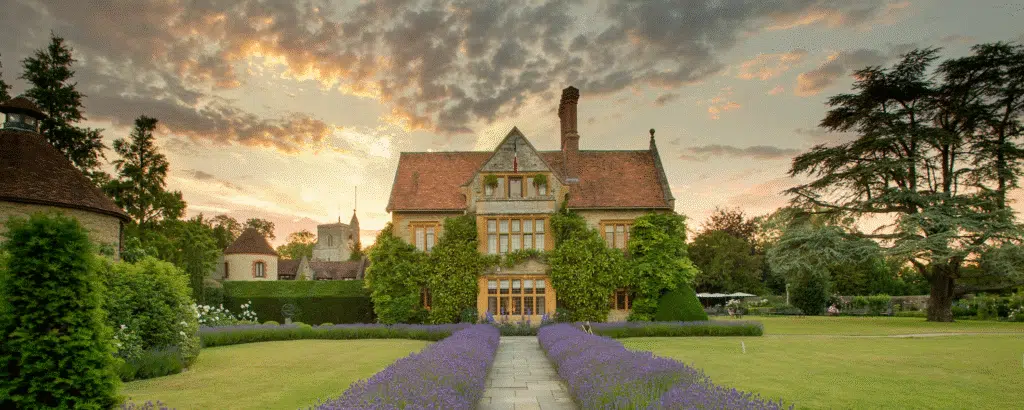


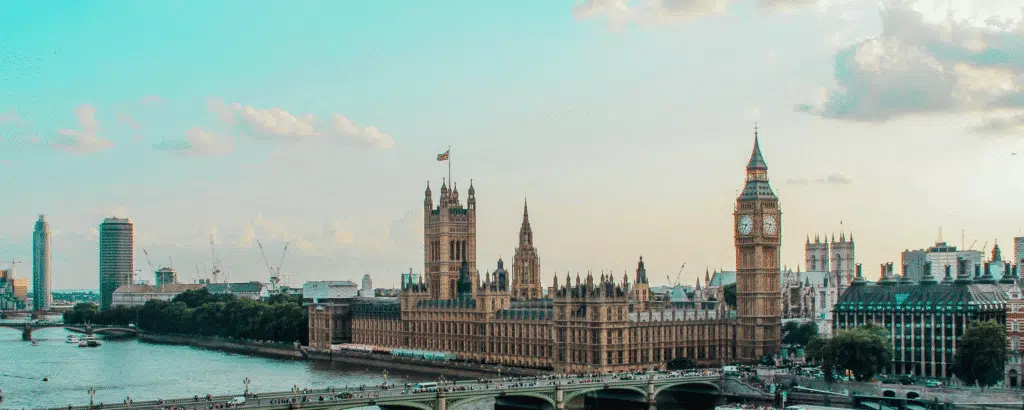
Every itinerary is a starting point. Your expert reshapes the places, hotels and pace around you.
Request a quote Hampton Court Palace, Before the Gardens Open
With expert guidance and carefully timed access, the palace reveals a different character entirely when its grounds belong only to you.
Hampton Court Palace, Before the Gardens Open
With expert guidance and carefully timed access, the palace reveals a different character entirely when its grounds belong only to you.
 A Private View at the British Museum, Before the Doors Open
Led by a specialist guide and arranged entirely for your party, experience a rare, unhurried view of one of the world's great collections.
A Private View at the British Museum, Before the Doors Open
Led by a specialist guide and arranged entirely for your party, experience a rare, unhurried view of one of the world's great collections.
 Highclere Castle: Tracing the Real Downton Abbey
A private day at Highclere Castle traces the real history behind Downton Abbey, from the Hampshire countryside that doubled as the fictional village to the State Rooms where the Crawley family's story was filmed. Early access before the public arrives adds a rare stillness to one of England's most recognised stately homes.
Highclere Castle: Tracing the Real Downton Abbey
A private day at Highclere Castle traces the real history behind Downton Abbey, from the Hampshire countryside that doubled as the fictional village to the State Rooms where the Crawley family's story was filmed. Early access before the public arrives adds a rare stillness to one of England's most recognised stately homes.
 Tower of London: See the Crown Jewels After Dark
An after-hours evening at the Tower of London pairs a private guided tour of the grounds with a vault viewing of the Crown Jewels before the night's final ritual: the Ceremony of the Keys, a military tradition performed without interruption for more than 700 years. Few experiences in London carry this combination of private access and living history.
Tower of London: See the Crown Jewels After Dark
An after-hours evening at the Tower of London pairs a private guided tour of the grounds with a vault viewing of the Crown Jewels before the night's final ritual: the Ceremony of the Keys, a military tradition performed without interruption for more than 700 years. Few experiences in London carry this combination of private access and living history.
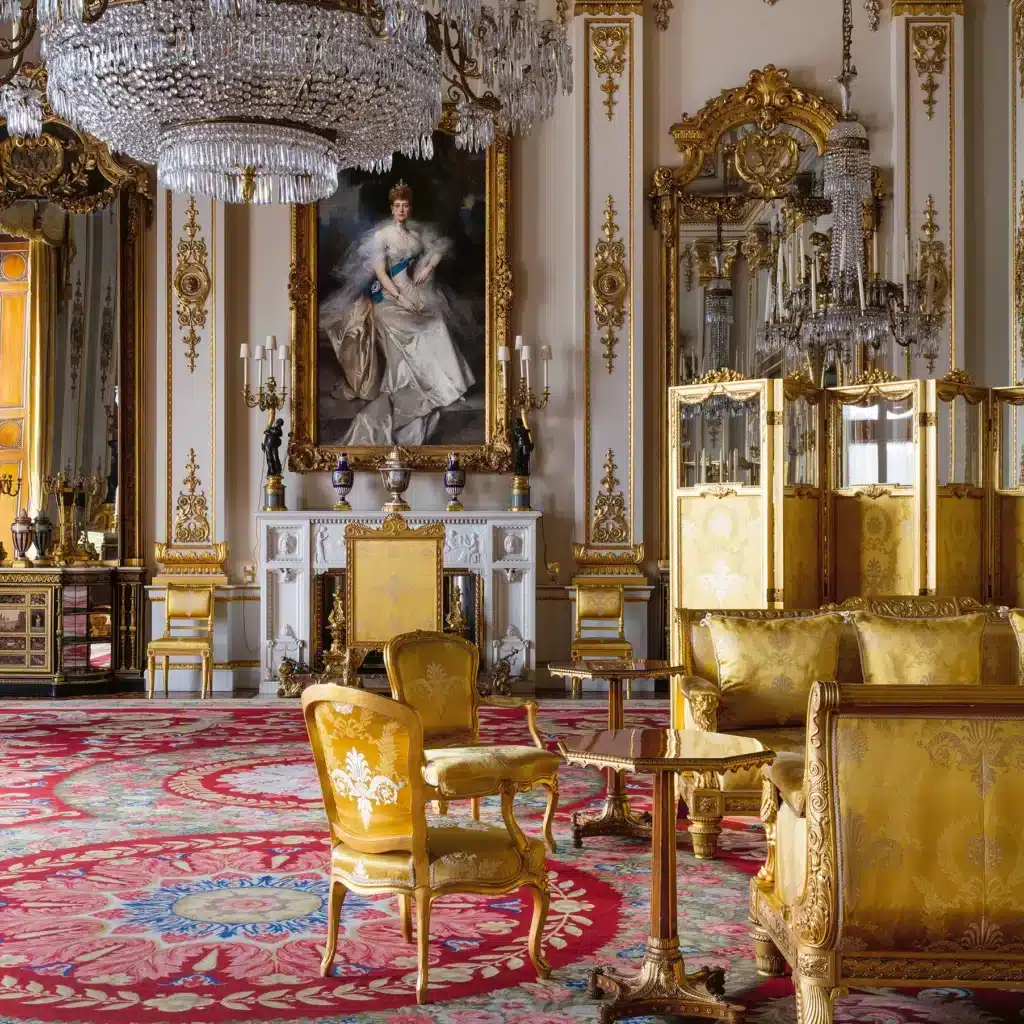 An Evening Inside Buckingham Palace
A private evening tour of Buckingham Palace's State Rooms offers access during the months the Palace is closed to its usual summer visitors. With an expert guide and the Palace quiet around you, the evening reveals one of the world's most recognised residences in a season almost no traveller associates with it being open at all.
An Evening Inside Buckingham Palace
A private evening tour of Buckingham Palace's State Rooms offers access during the months the Palace is closed to its usual summer visitors. With an expert guide and the Palace quiet around you, the evening reveals one of the world's most recognised residences in a season almost no traveller associates with it being open at all.
 Junior Falconry
A privately guided junior falconry experience introduces children to the traditions of birds of prey.
Junior Falconry
A privately guided junior falconry experience introduces children to the traditions of birds of prey.
Travel guide
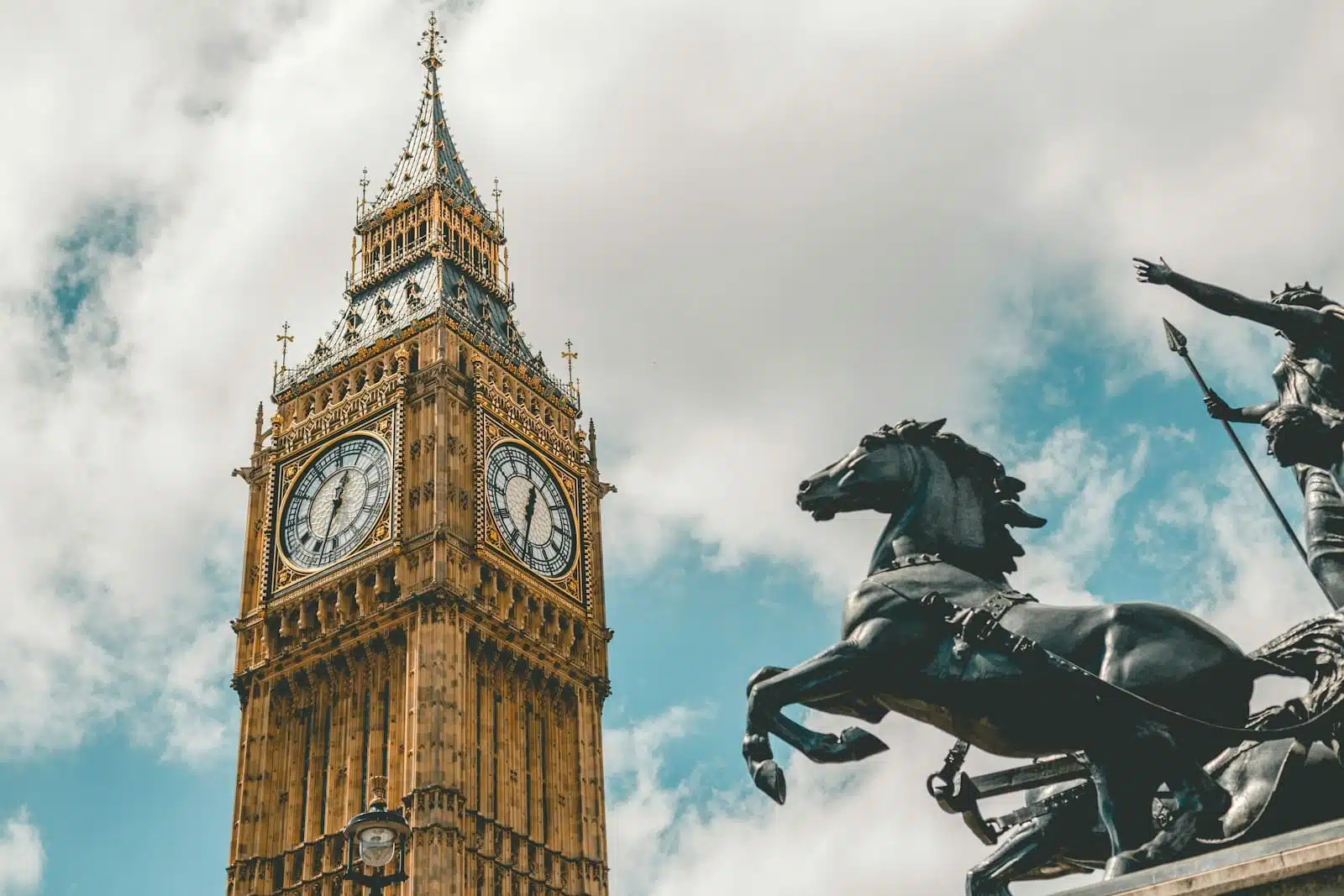
England covers 50,000 square miles with efficient rail connections between major cities and extensive motorway networks reaching rural areas. London sits at the centre of transport infrastructure, making it a logical base for exploring regions radiating outward: the Cotswolds two hours west, Cambridge one hour north, and Bath 90 minutes southwest.
The country divides into distinct regions with different geography and character. The South includes London, the Home Counties, and coastal areas from Cornwall to Kent. The Midlands contains industrial heritage cities like Birmingham alongside Stratford-upon-Avon and the Peak District. The North stretches from Manchester and Liverpool through Yorkshire to the Lake District and Northumberland, with landscapes that become more dramatic and less populated as you move towards the Scottish border.
England maintains functional infrastructure while preserving historic fabric. You can still walk along Roman roads and attend markets that have been continuously operating since the Medieval era, such as London’s ever-popular Borough Market by London Bridge.
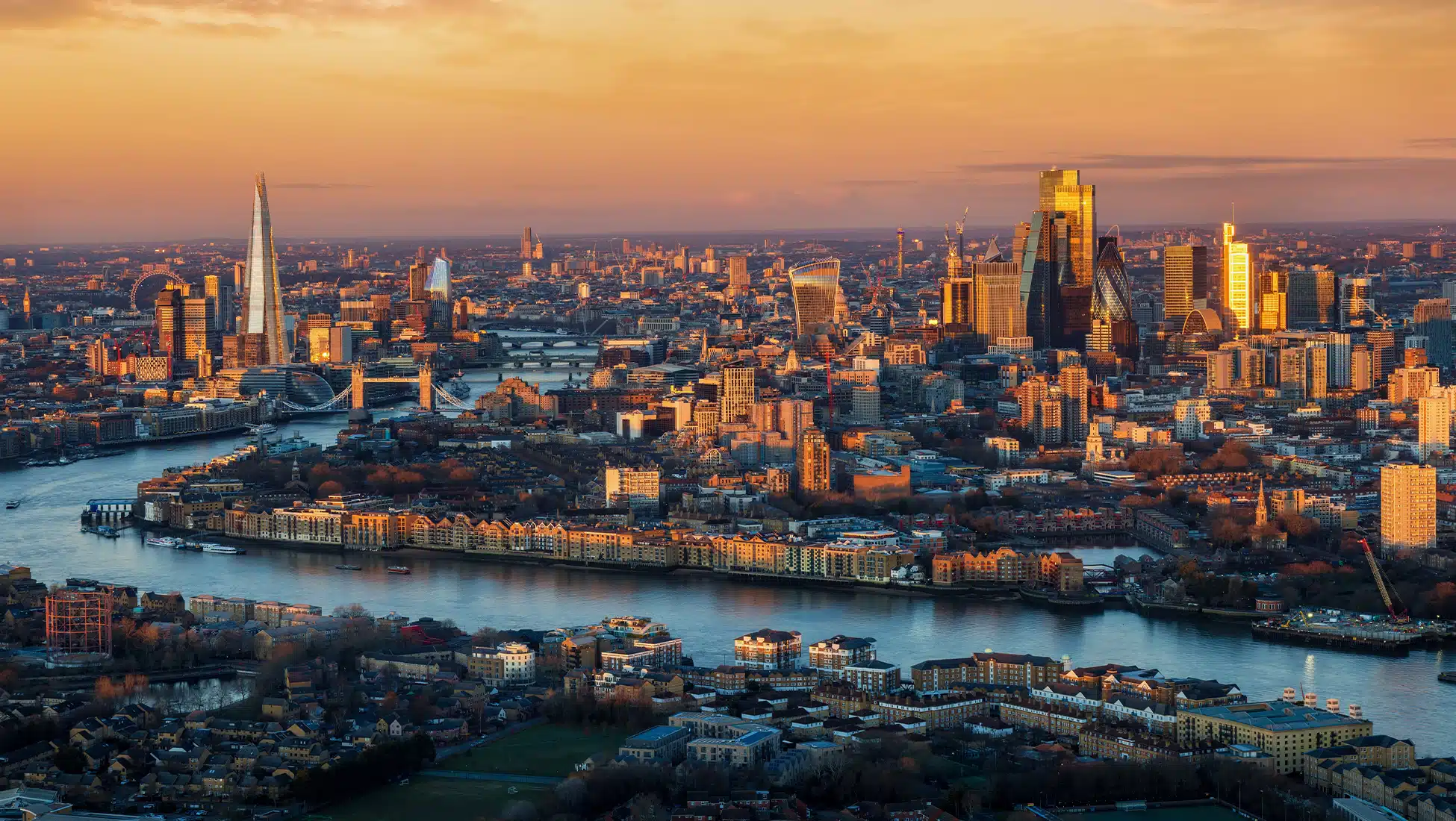
London holds more Michelin stars than ever before, runs world-class museums with free entry, and sustains a theatre scene that rivals Broadway. The challenge is efficiency. Knowing which museums require timed tickets, securing reservations at restaurants that never appear on public booking platforms, and choosing neighbourhoods that match how you want to move through the city. We arrange private museum visits that bypass introductory content, secure premium West End seating, and access dining rooms where availability rarely reflects reality.
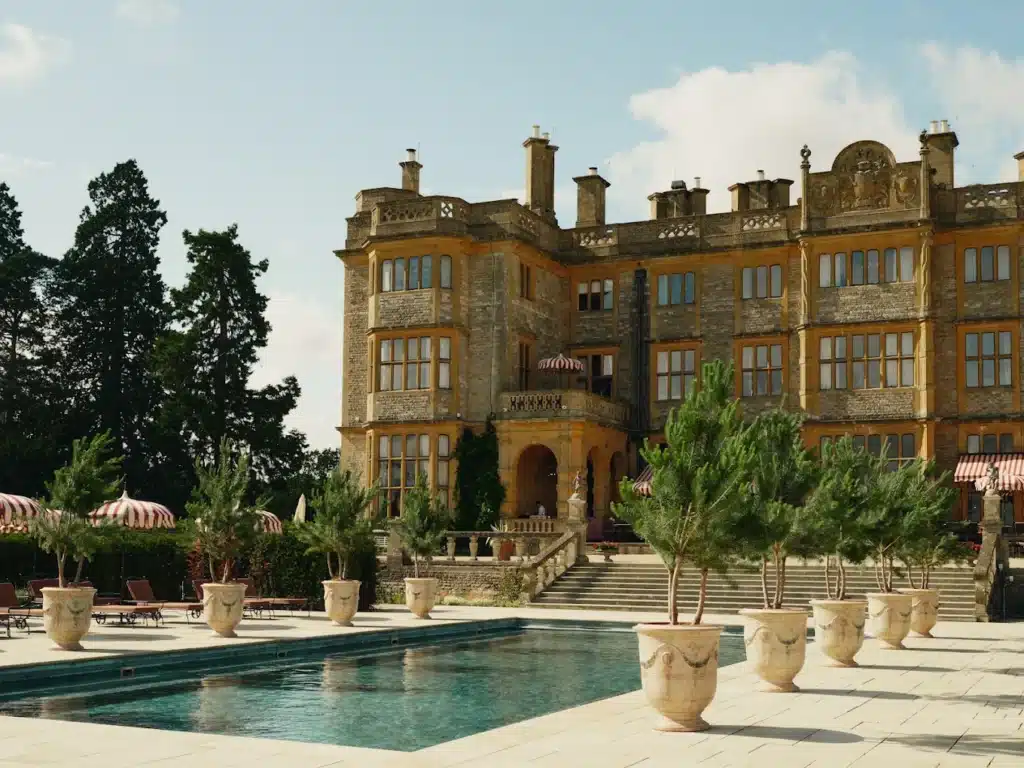
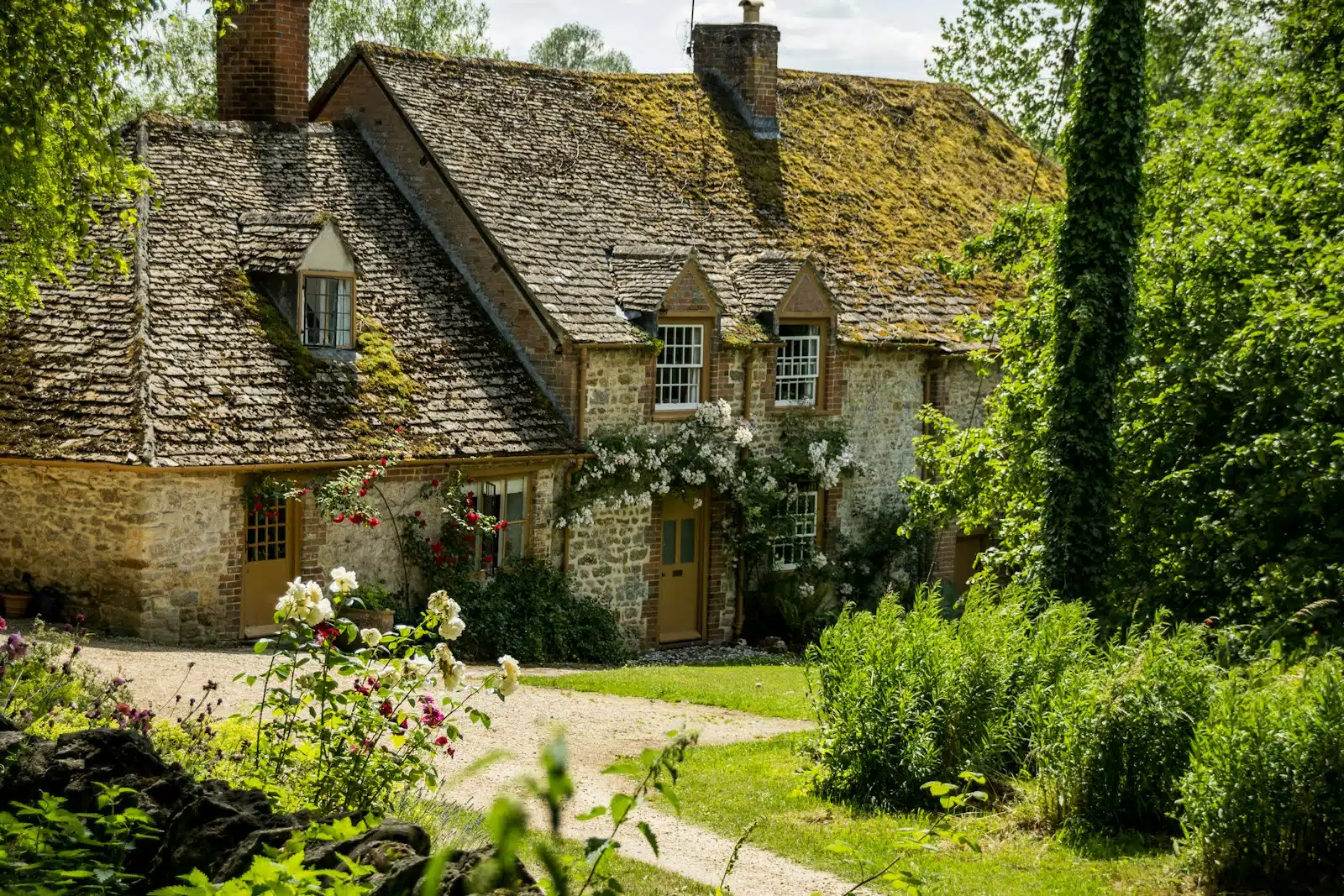
Spanning 800 square miles of rolling hills and honey-stone villages, the Cotswolds rewards those who know where to go. Bibury and Bourton-on-the-Water fill with tour buses by mid-morning, while villages like Painswick, Blockley, and Lower Slaughter offer the same architecture without the crowds. Country house hotels vary widely. Some deliver a true estate experience; others simply occupy old buildings. We know the difference.
Bath remains one of Europe’s best-preserved Georgian cities, built around Roman baths that still channel thermal water through ancient pipes. Beyond the city, Cornwall’s coastline stretches for 300 miles, with crowds shifting dramatically depending on access. Devon offers a quieter alternative, combining rugged coastline with Dartmoor and Exmoor walking country. We arrange private access in Bath and select coastal hotels with genuine character, not just views.
Sixteen major lakes sit within 900 square miles, with summer bottlenecks around Windermere and Ambleside. Quieter waters like Buttermere, Crummock Water, and Wastwater offer space and stillness. Walking ranges from gentle lakeside paths to serious mountain routes. Hotels vary just as widely. We focus on those that maintain standards rather than relying on location alone.
Set between Lincoln and the coast, the Lincolnshire Wolds offers the same gentle, rolling countryside as the Cotswolds, without the crowds or international profile. Market towns such as Louth still run weekly markets and support independent shops, largely untouched by chains.
While visitors cluster in the Lake District and Yorkshire Dales, Northumberland’s 40-mile coastline remains quietly compelling. Castles, including Bamburgh, Dunstanburgh, and Warkworth, sit above wide beaches that are largely empty beyond local dog walkers. Holy Island is reachable only at low tide via a causeway, reinforcing the area’s slower rhythm. Alnwick Castle, used as Hogwarts in early Harry Potter films, remains a working estate.
Between Aldeburgh and Southwold, Suffolk’s coast blends shingle beaches, reed marshes, and towns that have eased from medieval wealth into quiet seaside life. Aldeburgh hosts the annual music festival founded by Benjamin Britten, maintains a working fishing fleet, and still serves fish and chips on the beach from a shop established in 1870. Southwold preserves its Georgian and Victorian architecture, a working lighthouse, and Adnams Brewery, operating since 1872.
Late spring and early autumn are England at its loveliest: bluebell woods in late April and May, golden countryside in September and October, and comfortable days of 12–18°C for walking and country houses. June to August brings long evenings and full gardens (15–25°C), along with the busiest Cotswolds, Cornwall and Lake District.
Cool to mild (8–15°C), with April and May the most reliable for dry weather. March can still bring cold snaps. Daffodils appear early, bluebells carpet woodlands by late April, and country estates reach peak colour in May. Easter weekends draw more visitors to popular areas. London’s parks feel fresh and animated, without summer-level crowds.
Peak season brings long days and temperatures of 15–25°C, with sunset after 9pm in June. Gardens are in full bloom, festivals fill the calendar, and coastal areas draw British holidaymakers, particularly in July and August. Hotel rates rise 30–50% in popular regions. The Lake District, Cotswolds, and Cornwall are busiest. London remains active but manages capacity better than rural destinations.
Comfortable walking weather (12–18°C) makes this an ideal time for countryside travel. September stays warm with schools back in session, easing family crowds. October brings autumn colour across forests and moorland. November turns cooler and wetter, but cities remain lively with full theatre seasons, uncrowded museums, and strong restaurant scenes. Country house hotel rates soften.
Cold and often wet (3–8°C), with occasional snow that disrupts travel more than it settles. London thrives, with theatres, museums, and restaurants operating at full pace and Christmas markets through December. Many countryside hotels close or reduce services. The Cotswolds and Lake District can be striking in snow, but travel requires flexibility. Coastal areas quieten significantly until spring.
London is served by five airports, with Heathrow handling the majority of long-haul arrivals. Premium cabins on British Airways, Virgin Atlantic, and leading US carriers offer strong products for the 7–8 hour transatlantic crossing from the East Coast, longer from the West Coast. Manchester provides a useful alternative gateway for northern England, particularly for Lake District or Yorkshire itineraries, avoiding a London transfer. Regional airports including Bristol, Birmingham, and Newcastle serve European routes, with limited long-haul options.
US citizens enter England visa-free for up to six months. Post-Brexit, EU citizens now require passports rather than ID cards and also receive visa-free access for up to six months. Entry rules continue to evolve, so current requirements should always be confirmed before travel.
England’s rail network connects major cities efficiently, despite its reputation. London acts as the hub, with direct services to Bath (90 minutes), Oxford and Cambridge (around one hour), York (two hours), and Manchester (two hours). First-class carriages offer extra space, power outlets, and light refreshments, often worth the upgrade. Advance tickets bring meaningful savings but restrict you to specific trains, while flexible fares allow travel on any service.
Driving is essential for countryside travel. The Cotswolds, Yorkshire Dales, Lake District, and Northumberland coast all require a car for proper access. Roads narrow quickly beyond motorways, with single-track lanes common in rural areas. Automatic cars cost more and are less widely available. Parking in historic town centres is limited, often requiring pre-booking or park-and-ride services.
Within London, the Underground operates efficiently and covers most of the city. Black cabs are reliable but expensive. Ride-hailing services operate in major cities but are inconsistent in rural areas.
Planning a trip to England? Speak to one of our experts, based here in the UK.
Plan your England journey 9 min read
Discover Regency England: Jane Austen and Bridgerton Tour
Step into Regency England through the worlds of Jane Austen and Bridgerton, where stately homes, Georgian cities, and grand ballrooms call to mind a fairytale version of England.
9 min read
Discover Regency England: Jane Austen and Bridgerton Tour
Step into Regency England through the worlds of Jane Austen and Bridgerton, where stately homes, Georgian cities, and grand ballrooms call to mind a fairytale version of England.
 3 min read
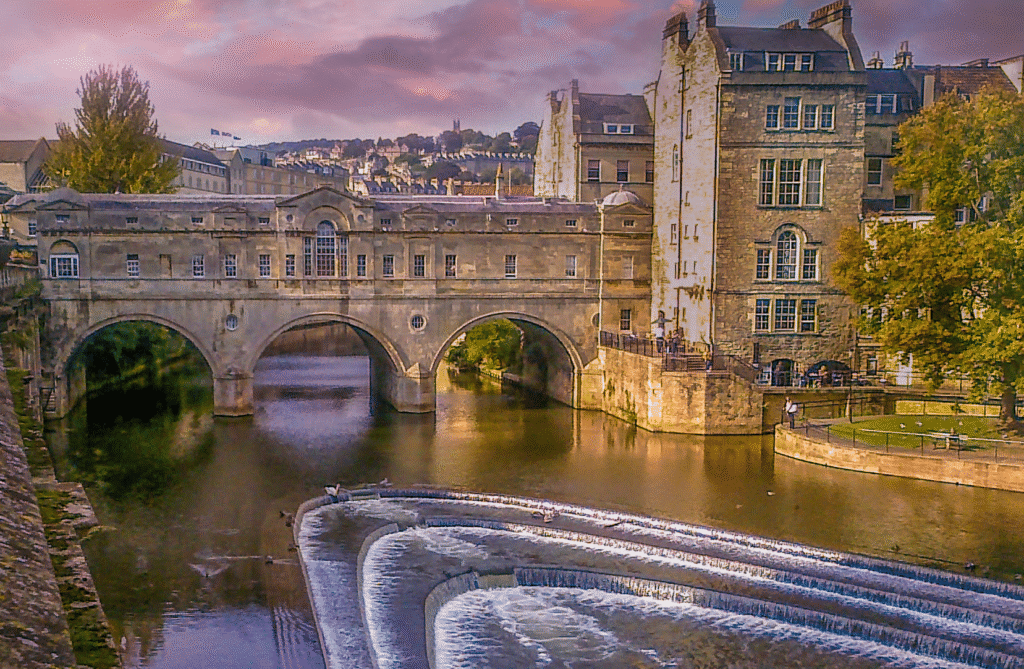
24 Hours in Bath: A Perfect English Experience
Elegant Georgian terraces, ancient Roman baths, and the kind of cinematic charm that feels almost unreal. Here’s how to spend the perfect 24 hours in Bath, the English city that…
3 min read
24 Hours in Bath: A Perfect English Experience
Elegant Georgian terraces, ancient Roman baths, and the kind of cinematic charm that feels almost unreal. Here’s how to spend the perfect 24 hours in Bath, the English city that…
 7 min read
Plan Your UK Heritage Trip: An American’s Guide to Tracing Your Roots
For Americans with British, Irish, or Scottish ancestry, few journeys feel more personal than tracing your family’s footsteps across the UK. Here’s how to plan a heritage trip that connects…
7 min read
Plan Your UK Heritage Trip: An American’s Guide to Tracing Your Roots
For Americans with British, Irish, or Scottish ancestry, few journeys feel more personal than tracing your family’s footsteps across the UK. Here’s how to plan a heritage trip that connects…
 5 min read
The Do Not Disturb Guide to Luxury Travel in the UK
Locally based. Exceptionally connected. This is the UK done properly.
5 min read
The Do Not Disturb Guide to Luxury Travel in the UK
Locally based. Exceptionally connected. This is the UK done properly.
 6 min read
How to Plan a Multi-Country Europe Honeymoon
From Paris and the Amalfi Coast to Spain and Portugal, our guide to planning the perfect multi-country European honeymoon. Ten to fourteen days, expert curation, and the combinations that actually…
6 min read
How to Plan a Multi-Country Europe Honeymoon
From Paris and the Amalfi Coast to Spain and Portugal, our guide to planning the perfect multi-country European honeymoon. Ten to fourteen days, expert curation, and the combinations that actually…
You are matched with an expert who knows England, and the same expert looks after you from the first conversation until you return.
Luxury Travel Expert

Luxury Travel Expert

Luxury Travel Expert
Our team brings over 35 years of experience in luxury travel, shaping bespoke journeys for discerning clients worldwide.
Our trip was truly magical and full of core memories that will last us a lifetime.
“We just returned from an incredible journey through Ireland, and we couldn’t have had a better experience”
“This was a flawless experience right from the beginning, we had so many thoughts and ideas flowing around and they took all of them and perfectly curated the most beautiful honeymoon for us.”
Yes. Every England itinerary is a starting point: your England travel expert shapes each journey around your dates, pace and preferences.
Late spring and early autumn are England at its loveliest: bluebell woods in late April and May, golden countryside in September and October, and comfortable days of 12–18°C for walking and country houses. June to August brings long evenings and full gardens (15–25°C), along with the busiest Cotswolds, Cornwall and Lake District.
Our England itineraries run from 7 to 10 days, and most are 10 days. Your expert can shorten or extend any of them around your plans.
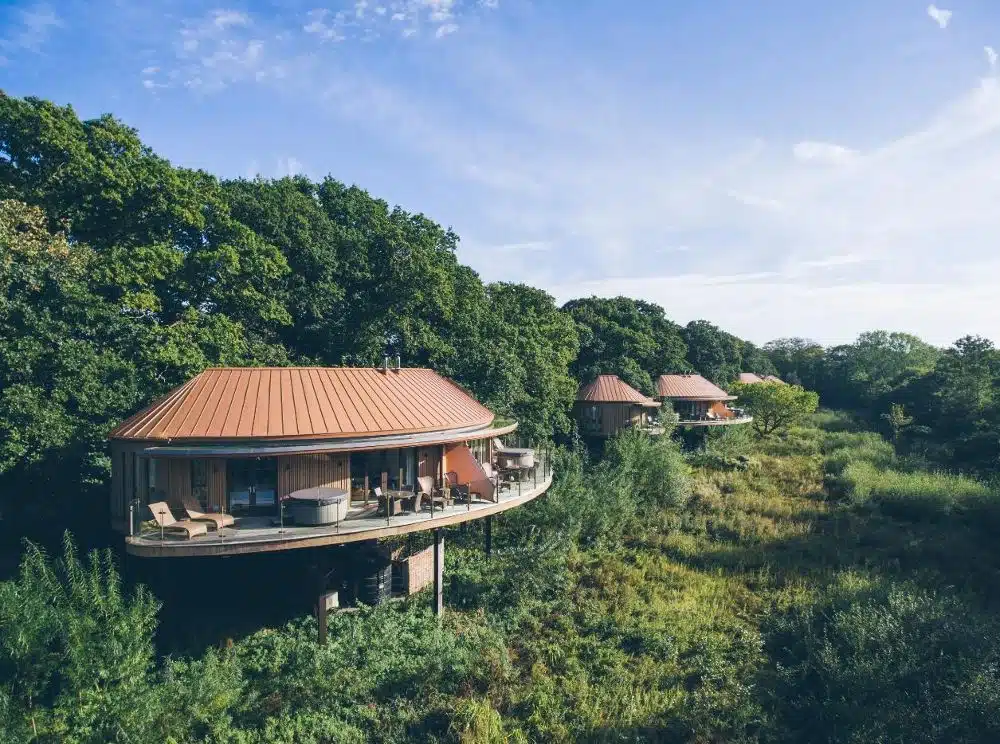
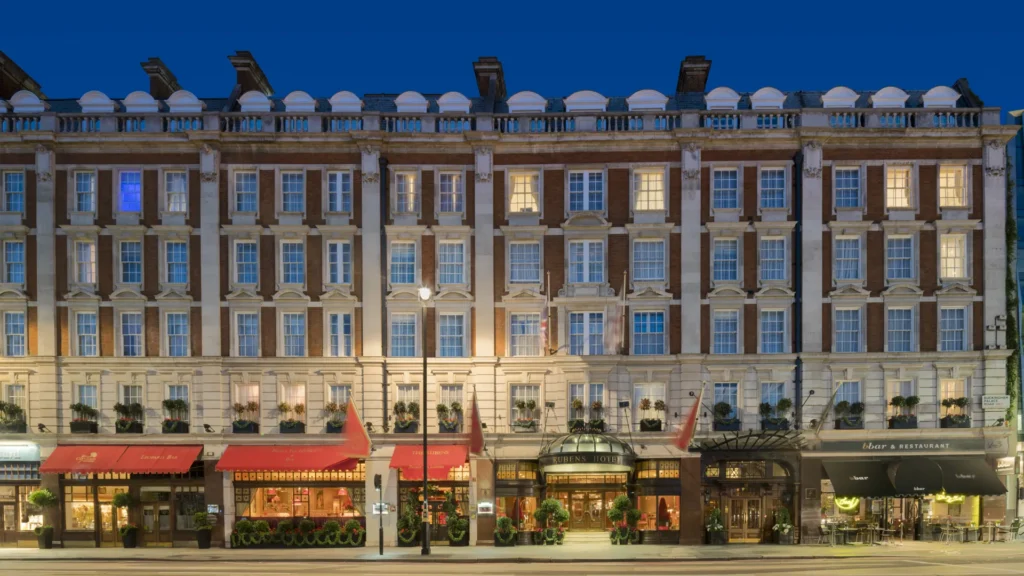
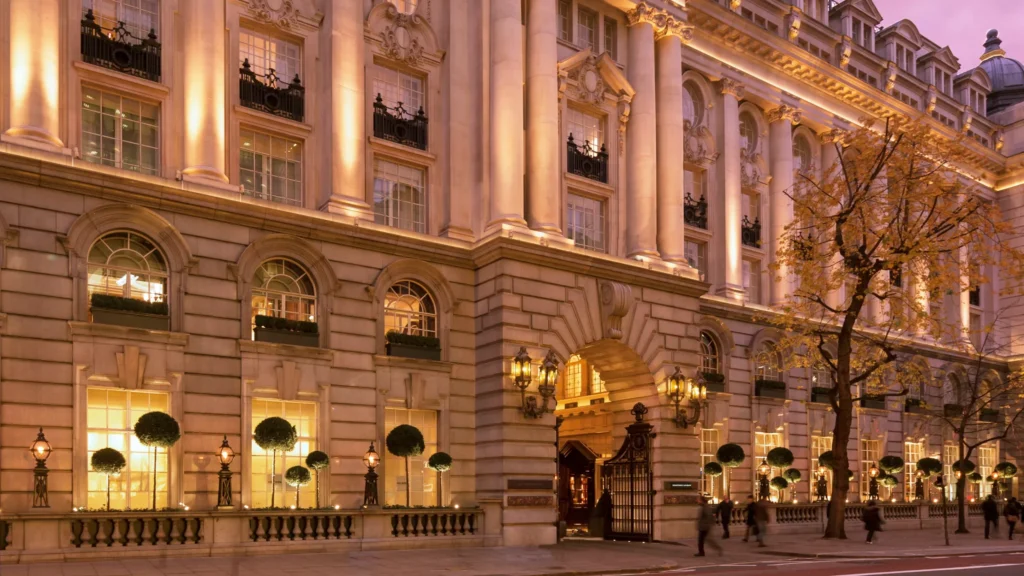
Among the hotels our experts recommend most are Chewton Glen, The Rubens at the Palace and The Royal Crescent Hotel and Spa. See all our hotels in England.
Highlights include Hampton Court Palace, Before the Gardens Open, A Private View at the British Museum, Before the Doors Open and Highclere Castle: Tracing the Real Downton Abbey, and your expert will build the experiences that matter most to you into your itinerary.
Yes. Our journeys pair England with United Kingdom, Scotland or France, and your expert can link it with almost anywhere we travel.
We design tailor-made luxury journeys. You tell us what you have in mind, whether a destination, a feeling or a celebration, and a dedicated travel expert shapes a private itinerary around you, then takes care of every detail before, during and after your trip.
Yes. Every itinerary on our site is a starting point. Your expert shapes the places, hotels, pace and length around your dates and preferences, or begins with a blank page.
In three steps. We listen: you share your dates, ideas and budget by phone or through our enquiry form. We curate: your expert designs a private itinerary and refines it with you until it feels right. You travel: every detail is handled, with support throughout your journey.
Our team brings over 35 years of experience in luxury travel. You are matched with an expert who knows your destination, and the same expert looks after you from the first conversation until you return.
It depends on your dates, hotels and length of stay. Each suggested itinerary shows a "from" price per person, and your expert prepares a detailed proposal for the journey you have in mind.
Tell us how you want to feel, we’ll take it from there.
Or talk to us 020 7551 7230
Planning your trip should feel effortless.
You share what matters, whether it is a destination, a feeling, or a moment worth celebrating.
Your dedicated expert shapes a thoughtful, private itinerary tailored entirely around you.
Every detail handled. Every moment considered. Support before, during, and after your journey.
Begin your journey
Tell us how you want your time away to feel. Your dedicated expert will be in touch to begin shaping it around you.
Or speak with us
020 7551 7230




Your enquiry goes straight to one of our travel experts, who will reply to you personally.
Rich, Delwyn, Jemima and the team