


On this page
An evening tour of the Tower of London shows you the fortress in its most atmospheric state: empty of its daytime crowds, lit against the night sky, and moving towards one of the oldest military ceremonies still performed anywhere in the world. This is a thousand years of history experienced in sequence, from a private Crown Jewels vault viewing to the Ceremony of the Keys, with a Yeoman Warder guiding you through every step.
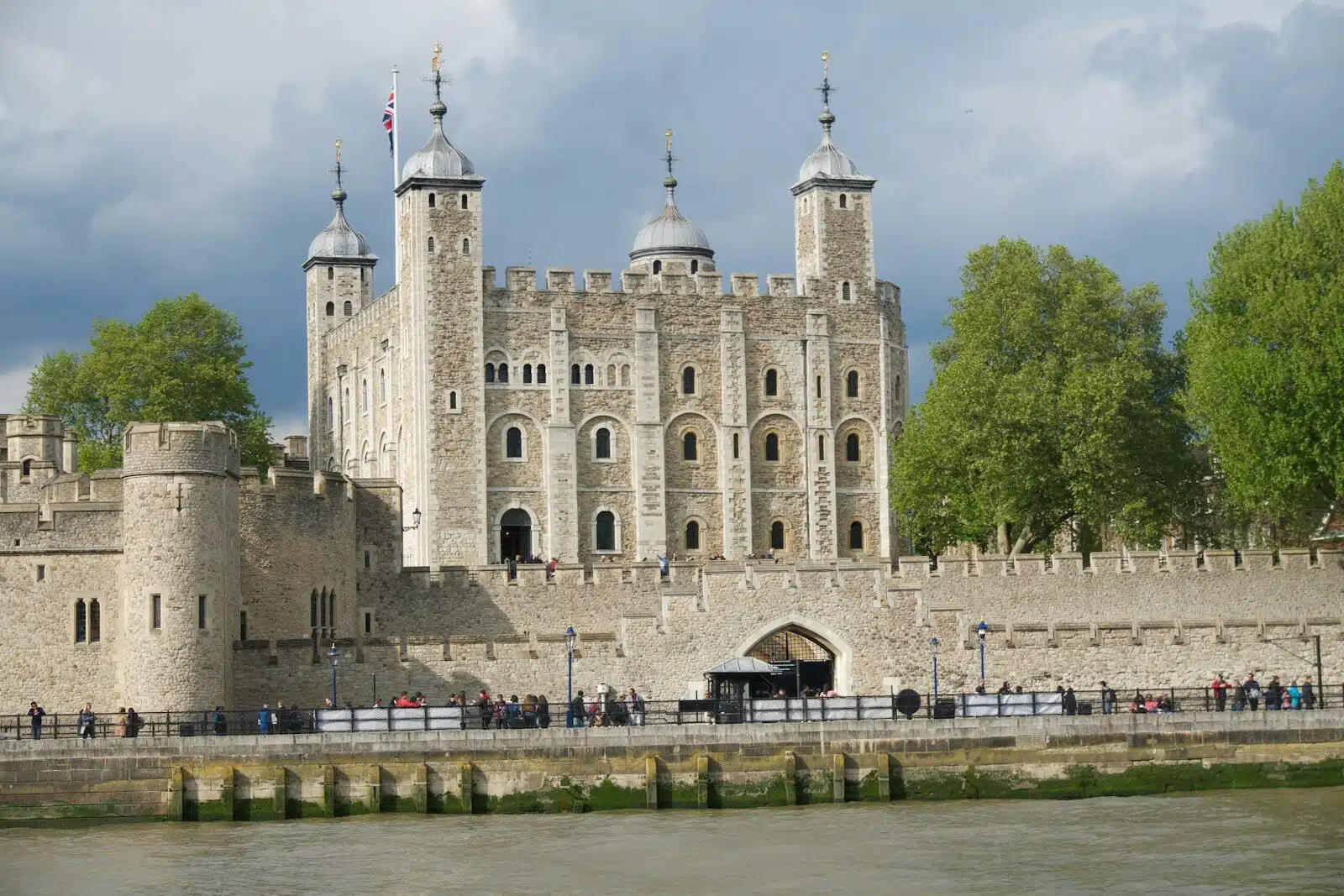
The Tower of London has stood on the north bank of the Thames since William the Conqueror began its construction in 1066, serving across the centuries as a royal palace, a prison, a mint, a menagerie, and the permanent home of the Crown Jewels. By day, it draws millions of visitors a year through its gates. By evening, it belongs to a very small number of people.
Your Yeoman Warder meets you at the West Gate as the last of the day’s visitors are escorted out and the Tower settles into a different kind of quiet. The cobbled paths and stone walls that moments before were packed with cameras and audio guides now hold only torchlight and the sound of your own footsteps.
The evening moves through three distinct chapters, each one building towards the last.
Cultural & Historical Context
The Tower’s longevity lies in its ability to absorb every era it has survived. Henry VIII signed the execution orders of two of his wives within its walls. The young Edward V and his brother vanished here in 1483, their fate never conclusively established. Walter Raleigh spent thirteen years imprisoned in the Bloody Tower and used the time to write a history of the world. The ravens, whose presence within the walls is maintained by royal decree to this day, have been part of the Tower’s identity since the reign of Charles II, when an astronomer complained they were obstructing his telescope, and the King reportedly refused to move them.
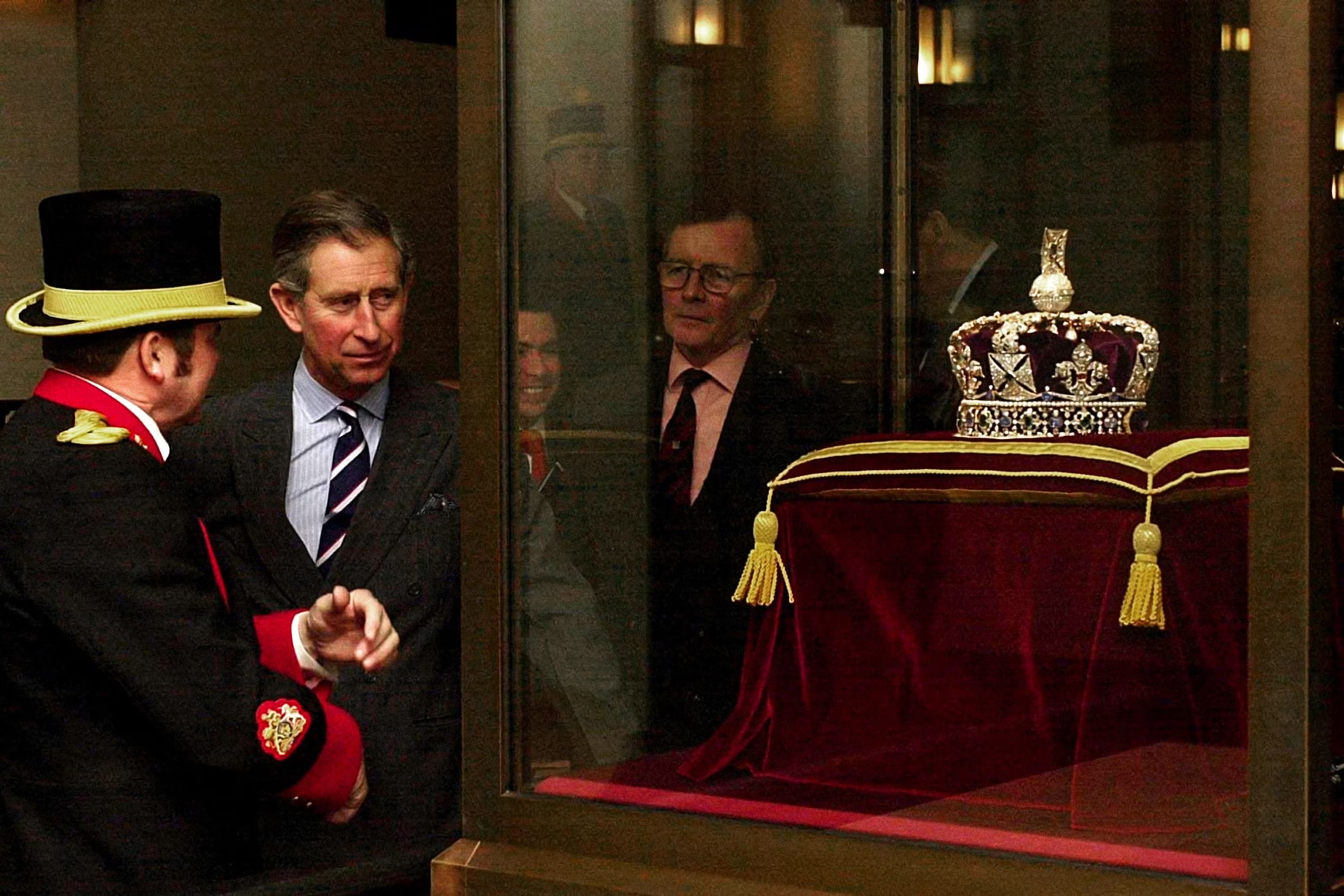
The Crown Jewels arrived here for safekeeping in 1303, following a theft from Westminster Abbey, and have remained ever since. They are not museum pieces but working objects, used at coronations and state occasions within living memory, including the coronation of King Charles III in 2023.
The Ceremony of the Keys, which closes the evening, predates almost everything else in the Tower’s modern life. Its exact form has remained unchanged for more than 700 years, paused only once in that time when a Second World War bomb knocked its participants briefly off their feet. Even then, the ceremony was completed, only minutes late.
Why Private Access Matters
The Tower receives around three million visitors a year, and the Crown Jewels queue alone can run to more than an hour on busy days. An after-hours evening removes both entirely, replacing a crowd-managed daytime visit with a private tour of the grounds guided by one of the Yeoman Warders who lives within the Tower itself.
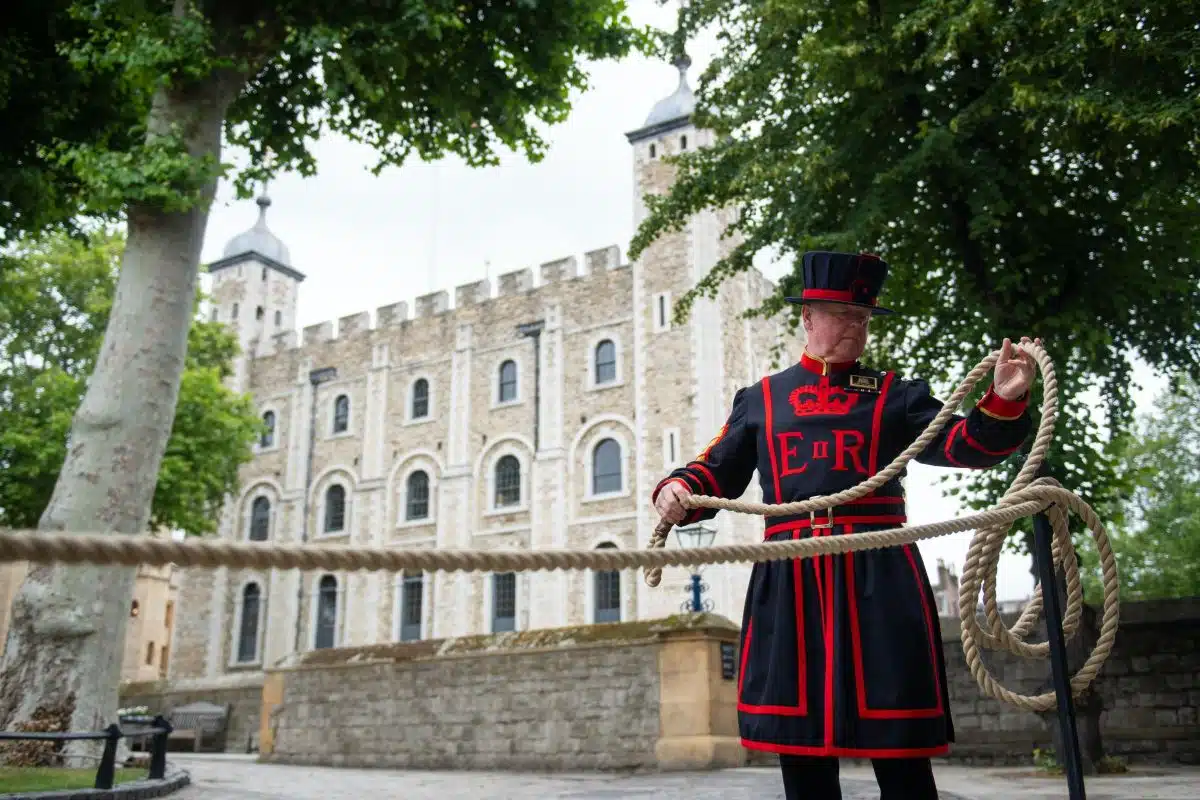
Yeoman Warders are not ceremonial figures in the way that phrase is sometimes used. To qualify, candidates must have completed at least 22 years of service in the British Armed Forces and hold the Long Service and Good Conduct Medal. The guide leading your evening has earned their knowledge through a career, not a training course, and their stories about the Tower’s history carry a directness that reflects genuine familiarity with the place rather than a rehearsed script.
The Crown Jewels vault, arranged separately as a private viewing before the general public’s access each morning or as a standalone evening experience, opens the Jewel House exclusively for your party, without the moving walkway that carries daytime visitors past the display at pace, and without any other group beside you.
What You Experience
The evening begins in the grounds, moving at a pace the daytime cannot offer. Your Yeoman Warder leads you through Traitors’ Gate, the water entrance through which prisoners arrived by barge from the Thames to await their fate inside, and past the Bloody Tower, where the stories of the two young princes and of Raleigh’s long imprisonment come with a weight that the empty surroundings amplify considerably.
Tower Green, the execution site where Anne Boleyn, Catherine Howard, and Lady Jane Grey were each beheaded, carries its own particular atmosphere after dark. Your guide can spend as long here as your group needs, the stories moving between documented history and the details that rarely make it into the standard tour.
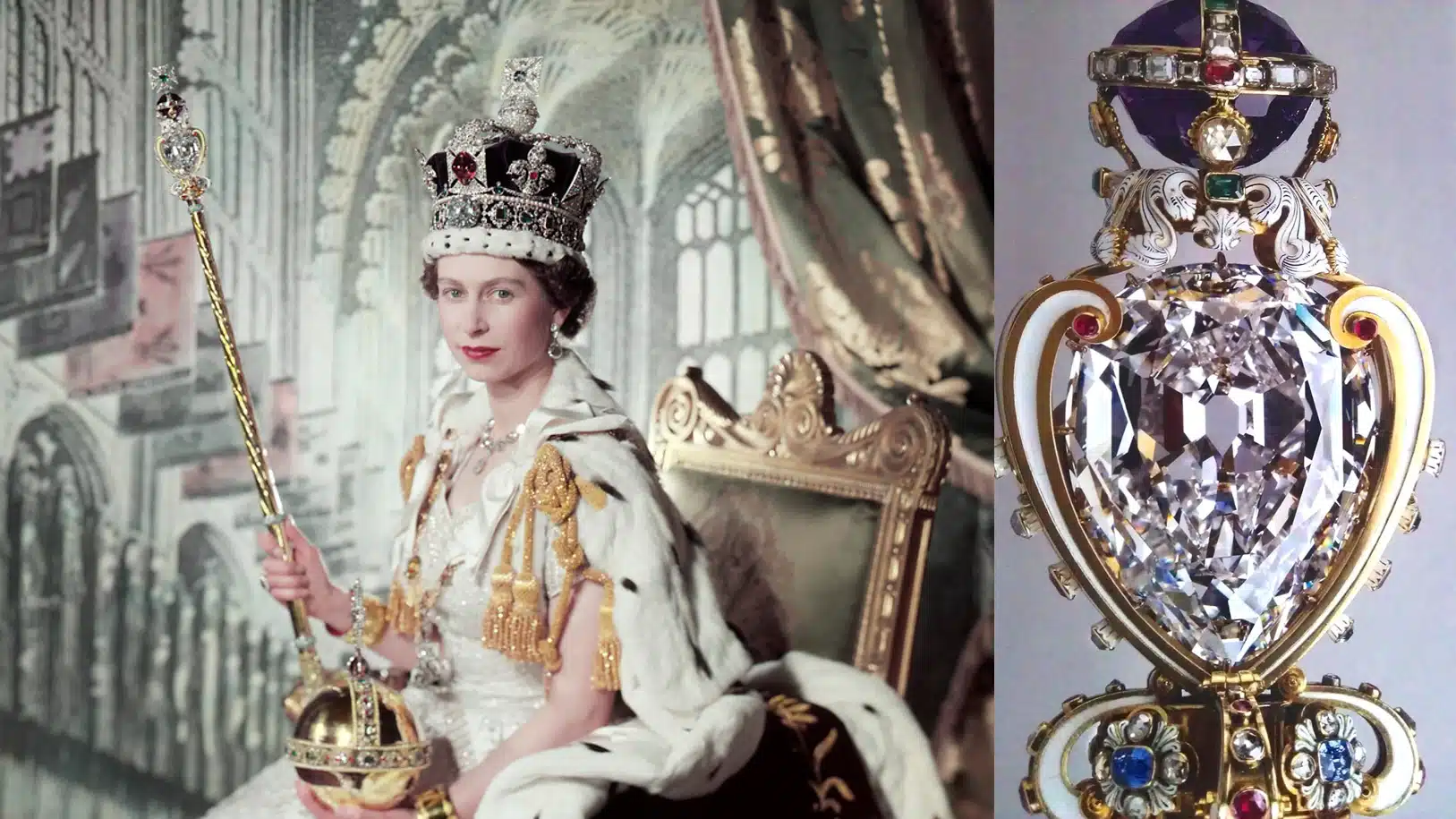
The Crown Jewels vault visit follows; the Jewel House opened exclusively for your party. Inside, the scale of what is held here becomes clear without a crowd to navigate around. St Edward’s Crown, placed on the head of every monarch at coronation since 1661, sits alongside the Sovereign’s Scepter, set with the First Star of Africa, the largest clear-cut diamond in the world at 530 carats. The all-diamond crown made for Queen Victoria, the Koh-i-Noor, and the sheer accumulated weight of centuries of state ceremony fill the room with an intensity that a daytime queue rarely allows you to fully absorb.
The Ceremony of the Keys brings the evening to its close. At precisely 21:52, the Chief Yeoman Warder emerges carrying a candle lantern and the King’s Keys, accompanied by a military escort. The outer gate is locked, then the Middle Tower, then the Byward Tower, in an exchange of challenges and responses that has proceeded in the same words for centuries. The sentry’s cry, the Warder’s reply, and the bugler’s Last Post sounding as the clock strikes ten mark the end of another night’s closing, as they have without interruption since the reign of Edward I.
The Ceremony is witnessed alongside a small number of other ticket holders, no more than fifty in total on any given evening, a figure that itself places it among the most intimate regular experiences available anywhere in London.
How Do Not Disturb Makes This Possible
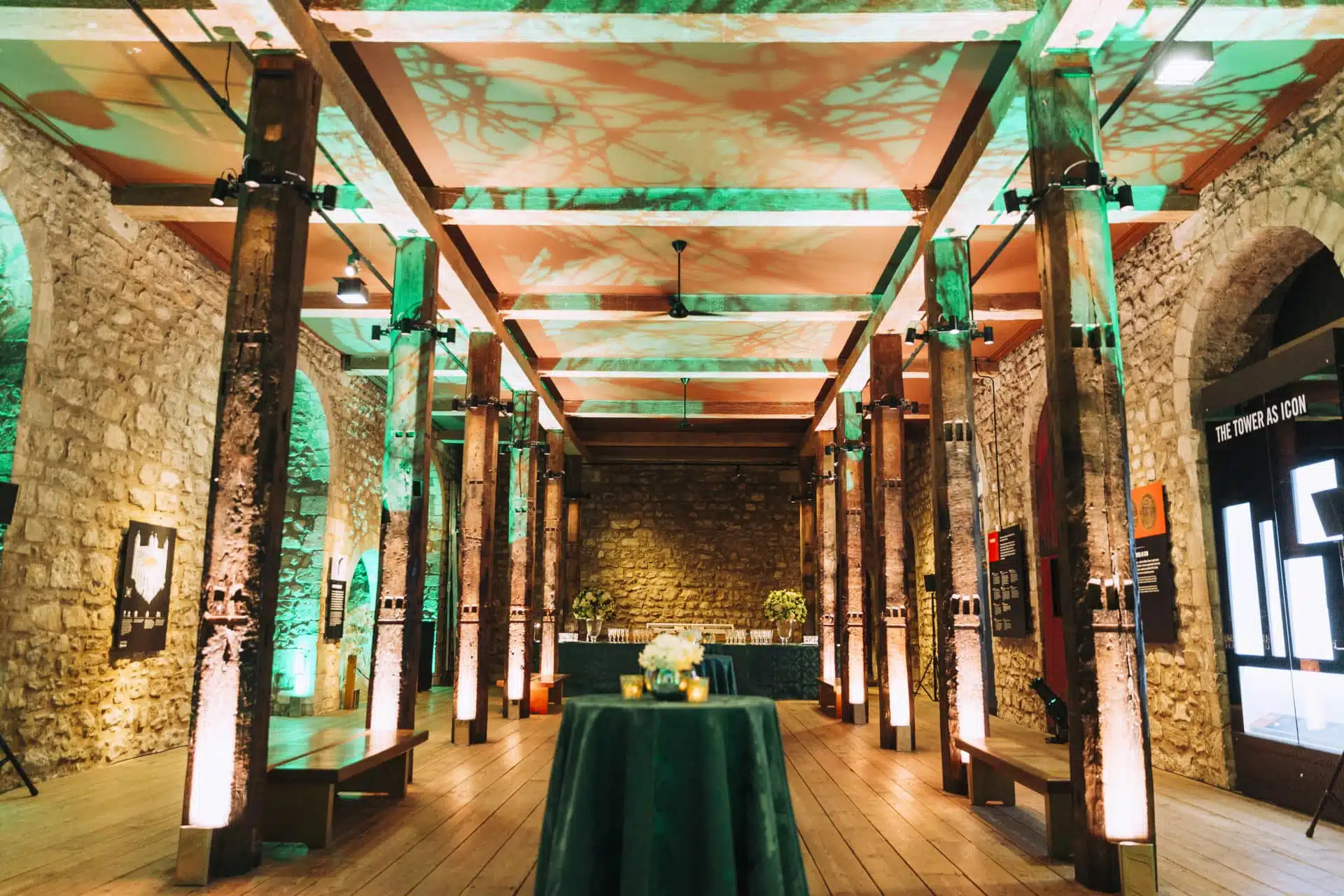
Do Not Disturb arranges the after-hours grounds tour and private Crown Jewels vault viewing directly through Historic Royal Palaces’ exclusive tours programme, coordinating both elements around a single evening to avoid the separate booking complexity these products would otherwise require. Ceremony of the Keys tickets, released on a rolling monthly basis and in high demand, are secured well ahead of your travel dates as part of the same arrangement. Transfers, timing, and the wider shape of your London itinerary are handled in full, with the evening’s sequence confirmed in advance so that nothing on the night requires your attention beyond arriving at the West Gate.
The Tower of London is one of those places whose daytime version, however impressive, never quite prepares you for what it feels like once the crowds have gone. Prison, treasury, palace, and ceremony: the Tower’s thousand years of use make more sense experienced in sequence, in the quiet that only exists after the gates have closed.