On this page
Kruger rewards visitors year-round, but the experience changes considerably depending on when a traveller goes. Wildlife visibility, weather, and crowd levels all shift with the seasons, sometimes in opposite directions from each other, which makes the question of timing more complicated than a single best month.
How the Seasons Work in Kruger
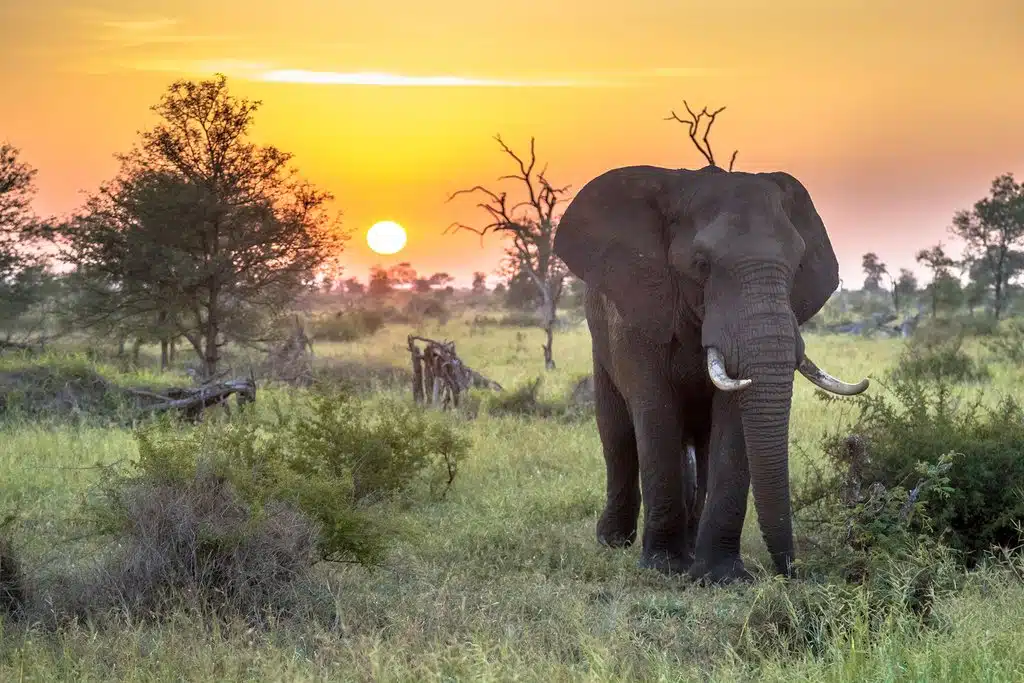
Kruger runs on two broad seasons rather than four. The dry winter months, roughly May through September, bring falling rainfall, thinning vegetation, and cooler temperatures, particularly in the early mornings and evenings. The wet summer months, from around October through April, bring heavy rain, lush growth, and heat that builds through the middle of the day.
Everything else, from game visibility to crowd size to what the bush looks like in photographs, follows from that basic split.
The Dry Season: Wildlife Concentrated, Visibility at Its Peak
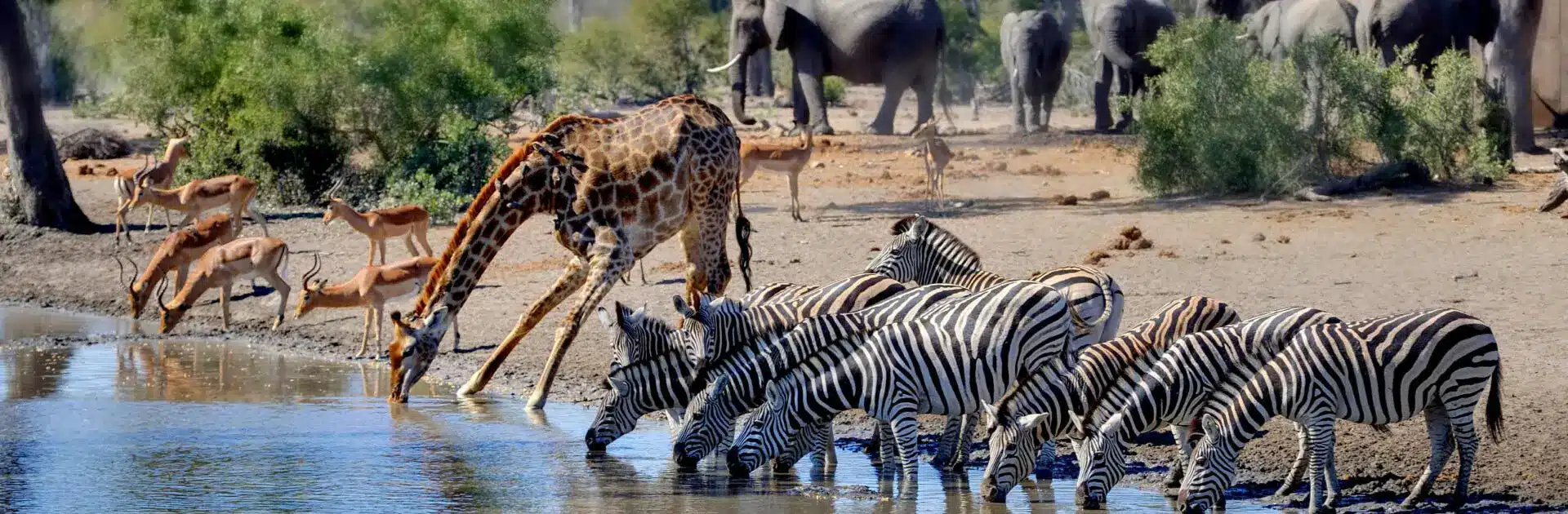
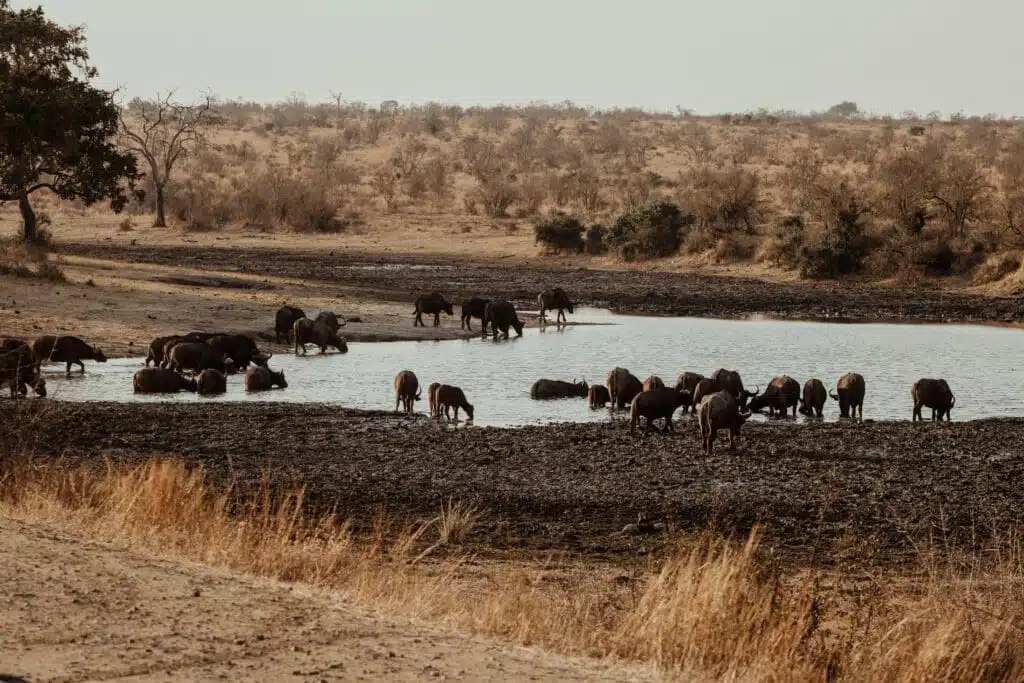
Dry season safaris tend to deliver the most consistent wildlife sightings. As rainfall drops away and vegetation thins, animals concentrate around Kruger’s permanent rivers and waterholes rather than dispersing across the park, and the open landscape makes them far easier to spot.
Mornings and evenings can be genuinely cold, cold enough to need a proper jacket on an open vehicle, but the payoff is game drives with fewer places for anything to hide.
This period also carries a lower malaria risk than the wetter months.
The Green Season: New Life, Dramatic Skies and Fewer Visitors
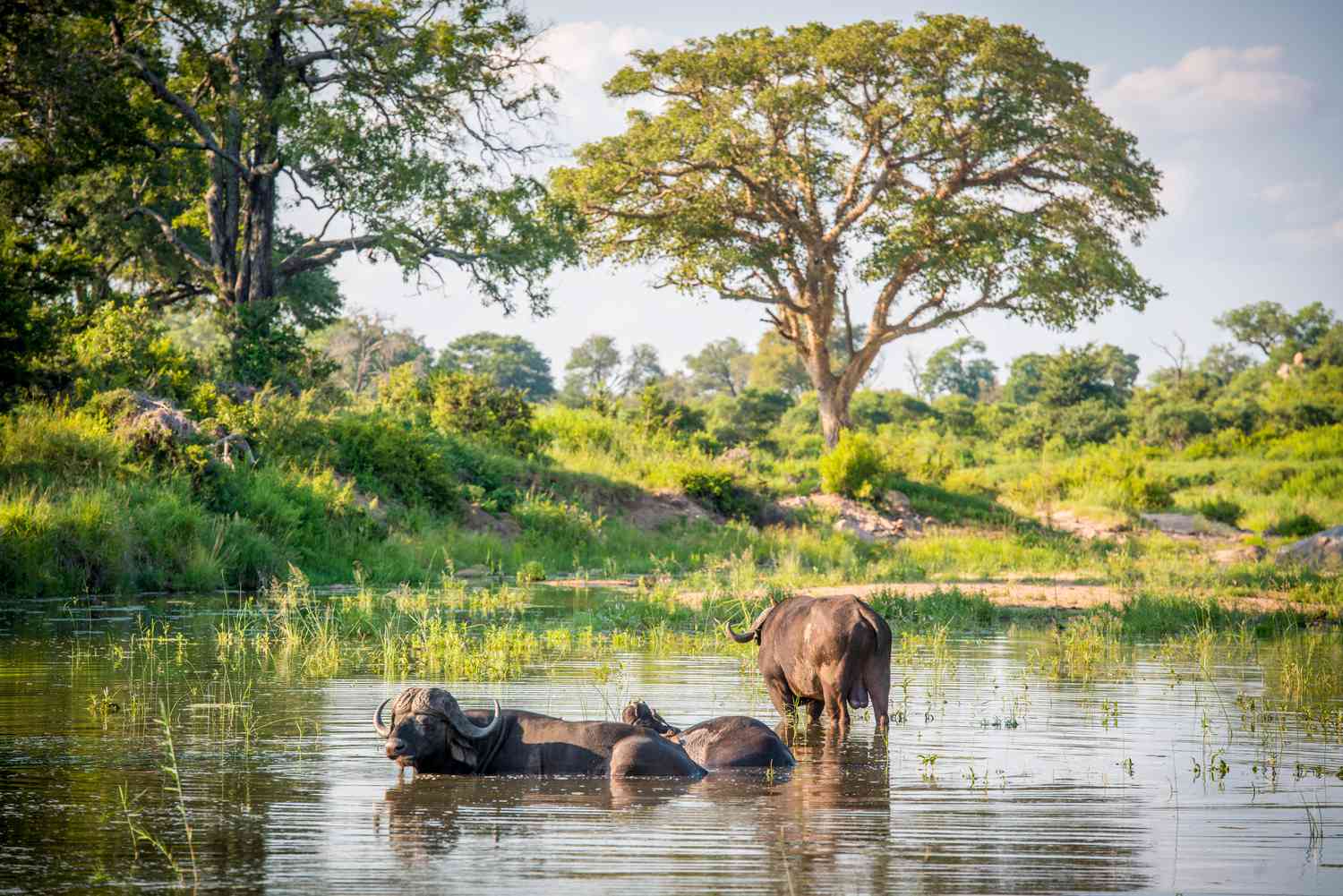
The wet season trades some of that visibility for a different kind of experience. Rain transforms the bush from brown to vivid green, thunderstorms produce dramatic skies that photographers tend to love, and the season brings newborn wildlife, with impala lambing peaking in November.
Migratory birds arrive as well, making this the stronger window for birdwatching. Vegetation grows dense enough that spotting animals takes more patience and more reliance on an experienced guide, but the trade-off suits travellers less focused on ticking off the Big Five and more interested in the park’s atmosphere.
Crowds, Costs and the Case for Shoulder Months
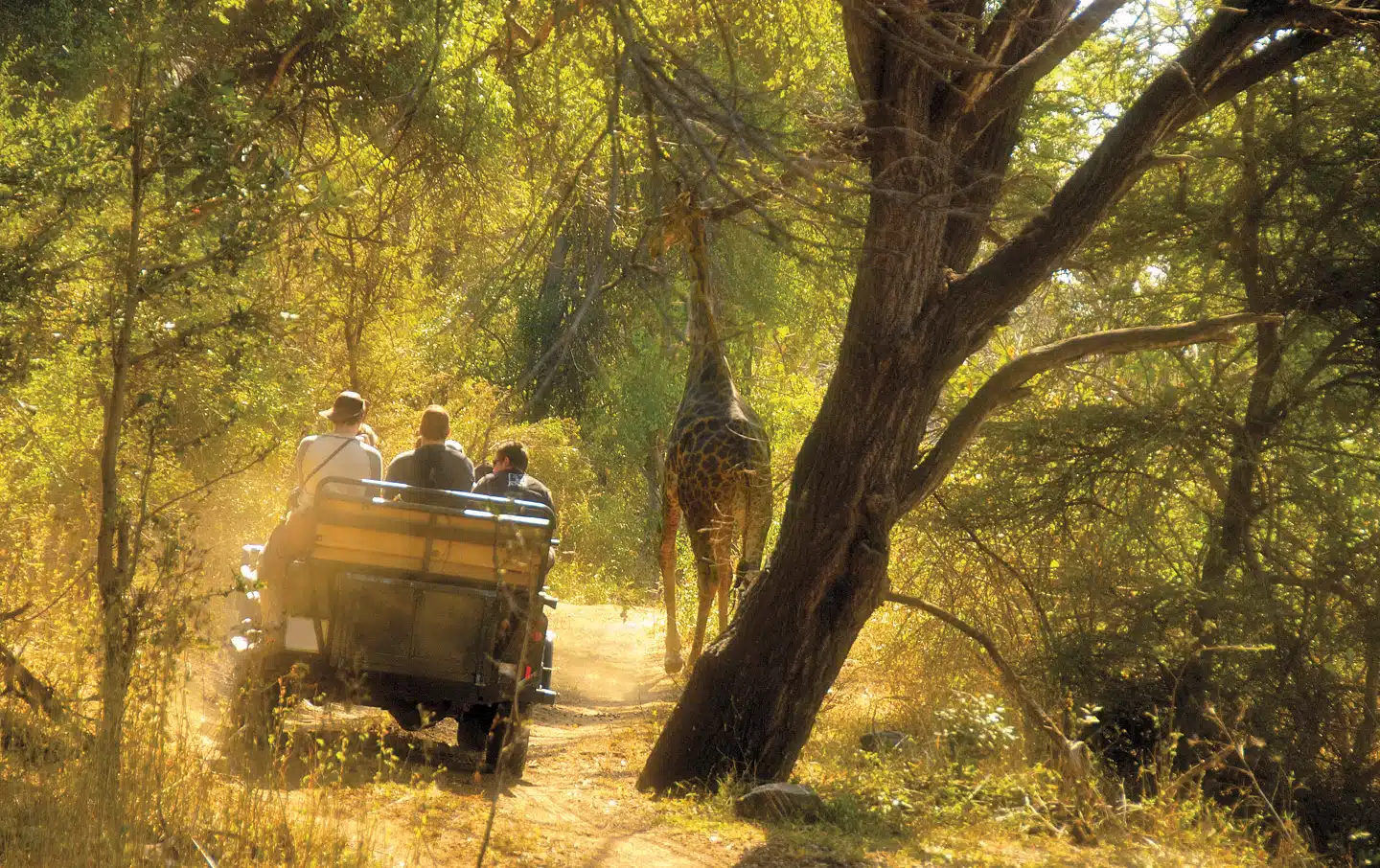
The dry season’s superior game viewing is well known, which means it also draws the most visitors and the highest rates, particularly around South African school holidays. The shoulder months, especially April and September, tend to offer much of the dry season’s visibility with fewer crowds and gentler pricing, since the bush has thinned but the peak season rush hasn’t fully arrived or has just begun to ease.
Matching the Season to What You Want to See
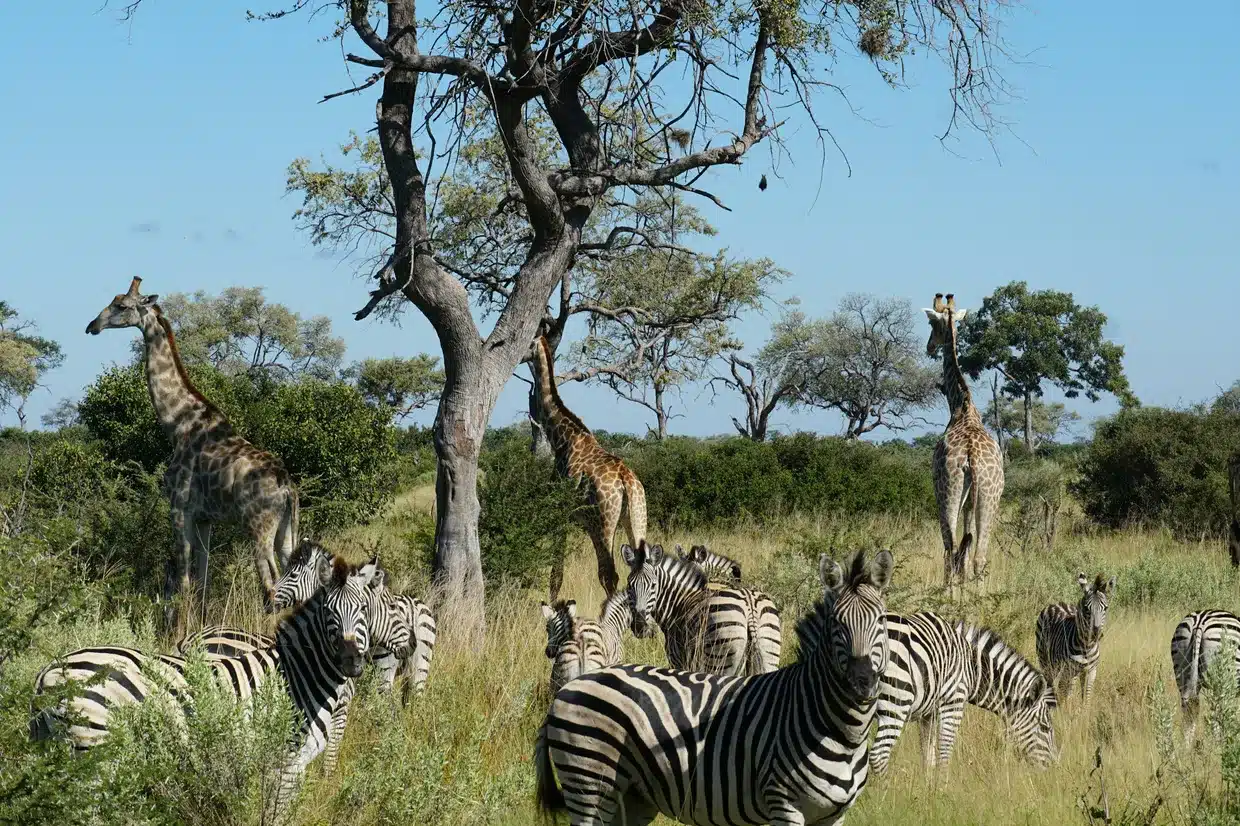
Travellers chiefly focused on predator sightings and the Big Five generally do best in the dry season, when concentrated wildlife and open sightlines work in their favour. Birdwatchers and travellers drawn to a greener, more dramatic landscape tend to prefer the wet season, particularly November through February. Families travelling with children sometimes find the shoulder months strike the easiest balance between comfortable temperatures and manageable crowds.
What No Season Can Guarantee
Even the strongest dry season sighting record comes with a caveat: Kruger is a wild environment, and no guide, however experienced, can promise a particular animal on a particular day. Choosing the right season improves the odds considerably, but the element of chance that makes a safari feel alive is also the one thing timing can never fully remove.