



7 days
|£2,990

A winter honeymoon in Europe can mean fewer crowds, better hotel availability and a more intimate atmosphere, but not every sunny destination offers the same experience. We compare the warmest options, the best places for actual beach weather, luxury hotels that work well out of season, and the destinations that still feel special once summer has gone.
Not every honeymoon needs to happen in summer. Plenty of couples marry in fall or winter, while others deliberately wait a few months after the wedding rather than leaving the morning after. Doing so offers practical advantages: fewer crowds, better hotel availability, more suite options, and often a calmer atmosphere in places that can feel completely different in July and August.
There is also something to be said for escaping winter itself. A honeymoon in January or February does not necessarily need 30-degree heat and a long-haul flight. Southern Europe and its Atlantic islands can offer bright days, outdoor lunches, beautiful hotels and enough warmth to make home feel very far away, while still being relatively easy to reach.
The trade-off is that winter changes the nature of the trip. The sea may be too cold for long swims, some seasonal restaurants and beach clubs will be closed, and the days are shorter. Weather can also be less predictable, particularly in places such as Madeira or the Mediterranean islands. A winter honeymoon therefore works best when the destination has more to offer than a beach alone.
That is where the differences become useful. The Canary Islands are the best bet if reliable warmth matters most. Madeira is better for scenery, walking, gardens and hotels with a sense of place. Cyprus gives you history, food and a Mediterranean atmosphere, but with a much quieter winter season. Southern Spain and parts of Portugal can work brilliantly too, provided you are looking for sunshine and culture rather than guaranteed beach weather.
For some couples, those compromises are not compromises at all. A winter honeymoon can feel more private and often more luxurious simply because you are not competing with the busiest weeks of the year. The key is choosing somewhere that still feels alive once summer has gone.

Do Not Disturb is a luxury travel company specializing in carefully designed journeys and considered experiences. Each itinerary we build for our clients is informed by real destination knowledge, offering insight into places, cultures, and moments that shape how a trip comes together.
If this destination has sparked ideas, the itinerary can be developed into a private journey tailored to your interests and travel style, with hand-picked stays, thoughtful routing, and experiences curated around what matters most to you.
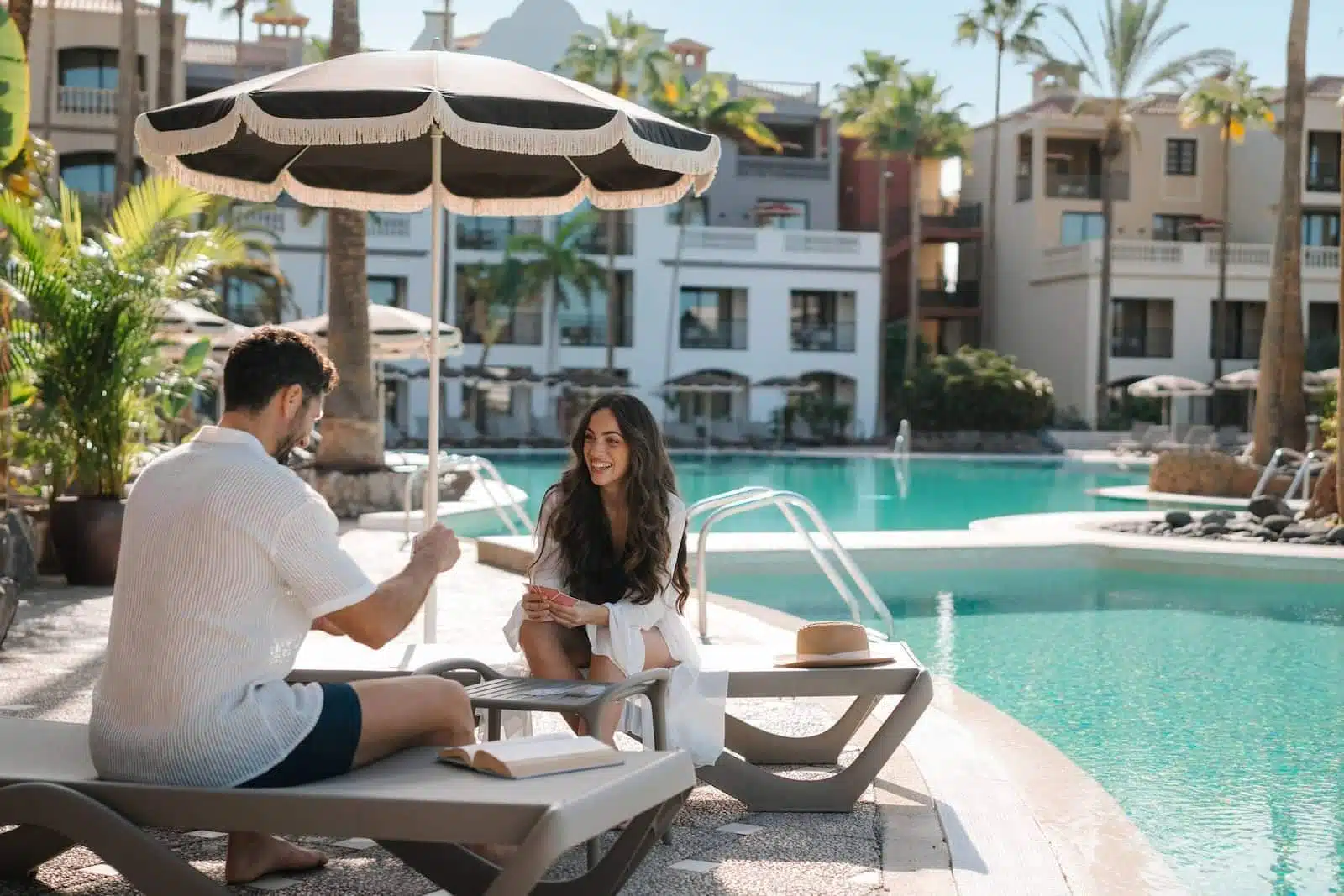
If warmth is the priority, the Canary Islands are the most dependable place to start. Tenerife averages around 18°C / 65°F across January as a whole, with the southern resorts generally enjoying the best conditions for sitting outside, using the pool and having lunch in the sun. December is slightly warmer again.
Madeira sits a little lower on the thermometer but has a different appeal. Winter temperatures are generally mild rather than hot, and the island’s weather can change considerably between the coast and mountains. That works well if you want a honeymoon built around scenery, food, walking and a great hotel, rather than spending every day on a lounger.
Cyprus still gets plenty of winter sunshine, including around six hours a day in December and January, but this is firmly mild Mediterranean winter rather than guaranteed beach weather. Malta, southern Spain and the Algarve fall into a similar category. You can get beautiful sunny days, outdoor lunches and much more pleasant temperatures than northern Europe, but you should not book them expecting midsummer conditions.
7 days
|£2,990
12 days
|£3,810
10 days
|£5,530
This is where the list gets considerably shorter.
If by “winter sun” you mean the possibility of spending several afternoons in swimwear, southern Tenerife and southern Gran Canaria are your best bets. Even here, winter is not summer. Atlantic water can feel cool, clouds happen, and a hotel with a properly heated pool is worth prioritising.
Lanzarote and Fuerteventura can also work, particularly if you like open landscapes and long beaches, although both can feel windier. The advantage of the Canaries is that their resort infrastructure is built around winter travel rather than simply staying open in spite of it.
Madeira is not really a classic beach honeymoon destination at this time of year. The attraction is Funchal, the mountains, natural pools, gardens, wine and hotels overlooking the Atlantic.
Cyprus is sunnier than much of mainland Europe, but the sea averages around 15°C to 17°C from January through March. That makes a beach walk considerably more realistic than a long afternoon swimming.
The same honesty should apply to the Algarve, Malta and southern Spain. All can be excellent winter honeymoons, but book them for the hotel, food, scenery and sunshine rather than because you expect to spend February swimming in the sea.

Winter becomes much more interesting when the honeymoon does not depend on beach weather.
Madeira is one of the strongest examples. You can walk the levadas, drive into the mountains, explore Funchal, visit wineries, eat extremely well and retreat to a hotel overlooking the Atlantic. Cooler or cloudier weather rarely ruins the day because the island gives you so many other reasons to be there.
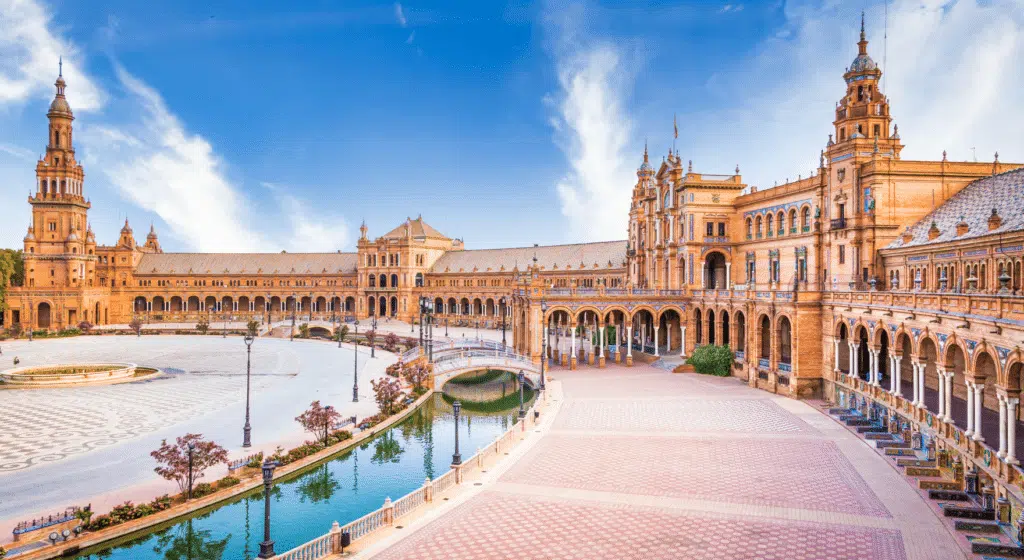
Seville works for an entirely different kind of winter honeymoon. You get the Alcázar, tiled courtyards, tapas bars and evenings around the old city without having to contend with the fierce heat of summer. Pair it with Marbella if you want a few nights by the Mediterranean afterward.
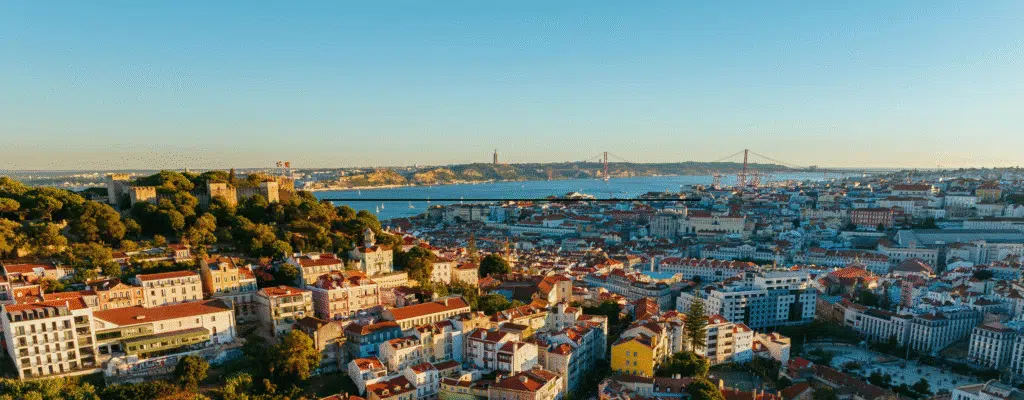
Lisbon gives you restaurants, galleries, old neighbourhoods and the possibility of combining the city with Sintra, the Alentejo or even a few nights farther south. Portugal’s winter weather is less dependable than the Canaries, but Lisbon does not stop being interesting when the sun disappears.
Malta is particularly good when history and food matter more than the beach. Valletta remains a functioning city in winter, and the island’s compact size means you can combine restaurants, archaeological sites, coastal walks and time in Gozo without relying on seasonal resort life. Malta’s tourism authority promotes its mild winters specifically for walking and outdoor activities.
Cyprus also becomes much more compelling if you look beyond the coast. Wine villages, archaeological sites, mountain drives and long lunches give the honeymoon something to fall back on when the weather is not pool-perfect.

Often, yes, but not everywhere and not every week.
In destinations such as the Algarve, Cyprus and parts of southern Spain, travelling outside the main summer season can give you considerably better access to rooms and suites that become expensive or difficult to secure in July and August. It can also make upgrades, longer stays and higher room categories easier to justify within the same honeymoon budget.
The Canary Islands are the important exception. Winter is one of their most desirable seasons, particularly for travellers escaping colder parts of Europe, so Tenerife is not necessarily a bargain in January just because it is technically winter.
Christmas and New Year are different from the rest of the season. Festive programmes, minimum stays and strong demand can push luxury hotel rates back up.
The useful window is often after New Year and before the spring school holidays, provided the property you want operates fully during that period.
There is another form of value too. A honeymoon suite at 70 percent occupancy can feel very different from staying at the same hotel in the middle of August. More restaurant availability, easier spa reservations and less competition for the pool can be worth as much as the reduction in room rate.

There are compromises, and they should be part of the decision.
The days are shorter. The Mediterranean and Atlantic are cooler. Some restaurants, beach clubs and seasonal hotels close completely, while others operate with a reduced winter offering. Resort towns that feel lively in June can feel almost deserted in January.
Weather is also harder to predict. A week in Tenerife can deliver several excellent pool days, but no European winter destination offers tropical certainty. Madeira can move from sun on the coast to cloud in the mountains within the same afternoon, while Portugal and southern Spain can have spells of rain.
You also need to choose the hotel more carefully. Heated pools, a good spa, restaurants that remain open and somewhere pleasant to spend a slower afternoon become much more important than they would be on a July honeymoon.
None of that makes winter a poor time to honeymoon. It simply means the destination needs to work even when the weather does not.

There is a different atmosphere to many European destinations in winter. Without the pressure of peak season, places can feel calmer, more intimate and more like themselves. Old towns are easier to wander, restaurants feel less frantic, and hotels are often less packed.
That matters on a honeymoon. You are not competing with summer crowds for the best table, the spa is easier to book, and a sea-view terrace or rooftop bar can feel far more private when the destination is not operating at full volume.
Winter also changes the mood of a trip. Seville feels softer in low light, Madeira greener and more dramatic, Tenerife more relaxed around the pool, and Valletta more atmospheric without cruise-season intensity. Even when the weather is not perfect, the experience can feel more personal and cinematic.
For couples who value privacy, good service and a slower pace, winter can actually create a more romantic version of places that are much busier in summer.
At Do Not Disturb, we can build that around your priorities. Tell us whether you want guaranteed pool time, food and wine, a great spa, privacy, a city-and-coast combination or simply somewhere sunny enough to forget what month it is. We can then choose the destination, hotel and timing that give you the best version of it.
Speak to Do Not Disturb’s luxury travel experts and turn this moment into something personal.
Related destinations
Suggested articles






Tell us how you want to feel, we’ll take it from there.
“Our trip was truly magical and full of core memories that will last us a lifetime.”
Michael • Bora Bora Honeymoon

“We just returned from an incredible journey through Ireland, and we couldn’t have had a better experience”
Brad • Ireland Adventure
“This was a flawless experience right from the beginning, we had so many thoughts and ideas flowing around and they took all of them and perfectly curated the most beautiful honeymoon for us.”
Kris • Sicily Honeymoon
8 min read
A winter honeymoon in Europe can mean fewer crowds, better hotel availability and a more intimate atmosphere, but not every sunny destination offers the same experience. We compare the warmest options, the best places for actual beach weather, luxury hotels that work well out of season, and the destinations that still feel special once summer […]
 7 min read
Spain and Portugal can both make exceptional honeymoon destinations, but they deliver luxury very differently. Spain offers greater variety and a more developed high-end hotel scene, while Portugal is more compact, often better value and particularly easy to combine with wine country and coast.
 5 min read
A Maldives honeymoon usually comes down to one early decision. Stay on a single island for the full trip, or divide the time between two resorts with different characters.
 6 min read
Most honeymoon planning defaults to summer, or to whichever destination is warmest on the day of the wedding. Autumn deserves its own shortlist. It is grape harvest in Italy, dry season settling in across the African plains, the last stretch of Caribbean heat before winter rates arrive, and a handful of weeks in Japan that […]
Planning your trip should feel effortless.
You share what matters, whether it’s a destination, a feeling, or a moment worth celebrating.
Your dedicated expert shapes a thoughtful, private itinerary tailored entirely around you.
Every detail handled. Every moment considered. Support before, during, and after your journey.

Answer a few quick questions and we’ll craft a journey as unique as your state of mind.
Ask us anything.
