

Explore Brazil’s Pantanal on a private safari, tracking jaguars and wildlife by boat, on foot, and on horseback across the world’s largest tropical wetland.
Explore Brazil's Pantanal on Private Safari
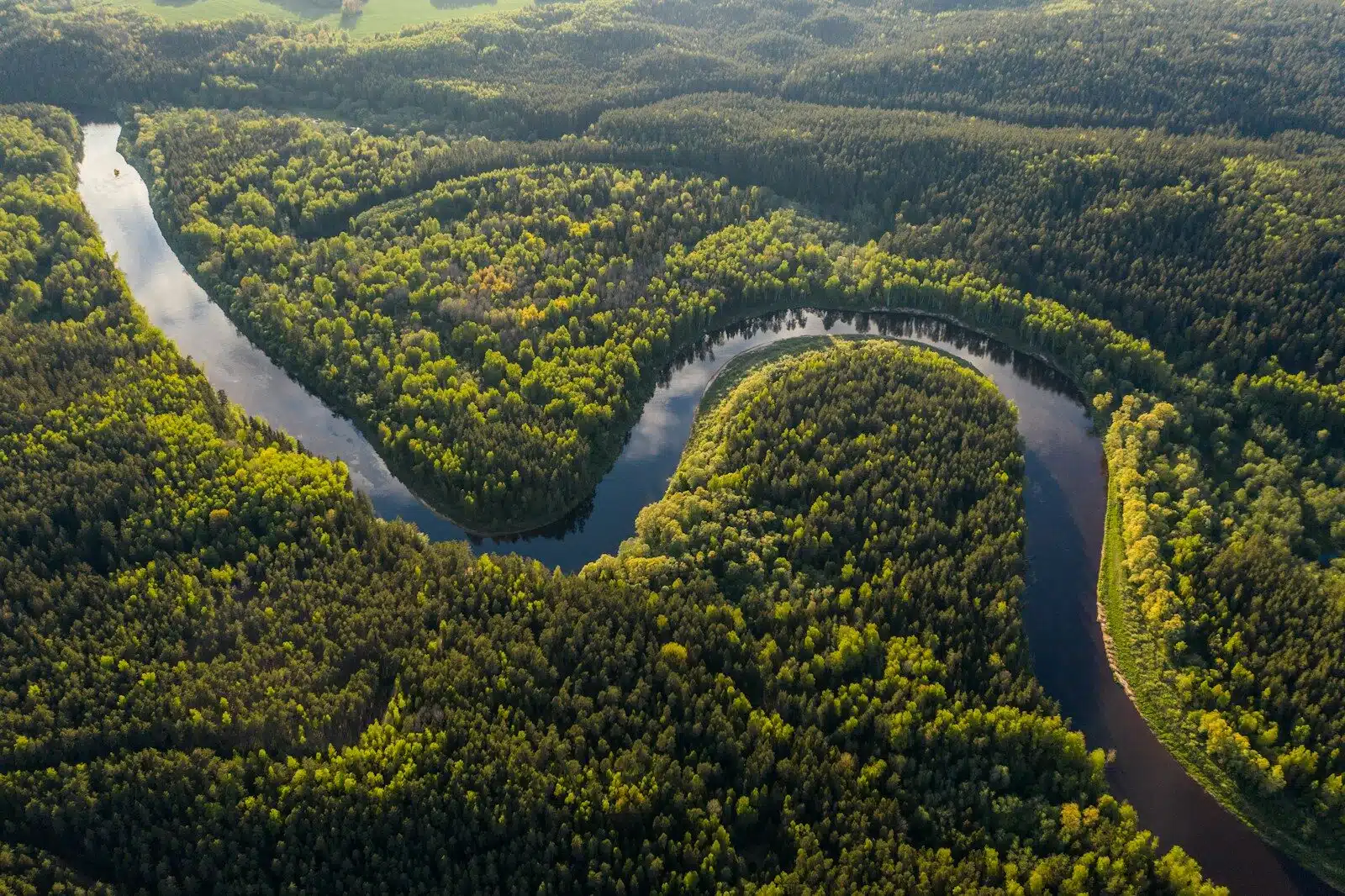
The Pantanal does not hide its wildlife the way the Amazon does. This vast wetland, spread across western Brazil and spilling into Bolivia and Paraguay, is open country, grasses, gallery forests, slow rivers, and seasonal lagoons creating clear sight lines across the land. A private safari moves through this landscape by boat, on foot, and on horseback, tracking jaguars and the wider wildlife that gathers along its rivers.
About Do Not Disturb
Do Not Disturb is a luxury travel company specializing in carefully designed journeys and considered experiences. Each itinerary we build for our clients is informed by real destination knowledge, offering insight into places, cultures, and moments that shape how a trip comes together.
If this destination has sparked ideas, the itinerary can be developed into a private journey tailored to your interests and travel style, with hand-picked stays, thoughtful routing, and experiences curated around what matters most to you.
What You See
Morning begins early, with light gathering slowly over river margins to reveal shapes along the bank. Caiman line the shallows, motionless except for blinking eyes. Capybara families graze in clusters, and Jabiru storks, the tallest flying birds in South America, stand upright against pale sky.
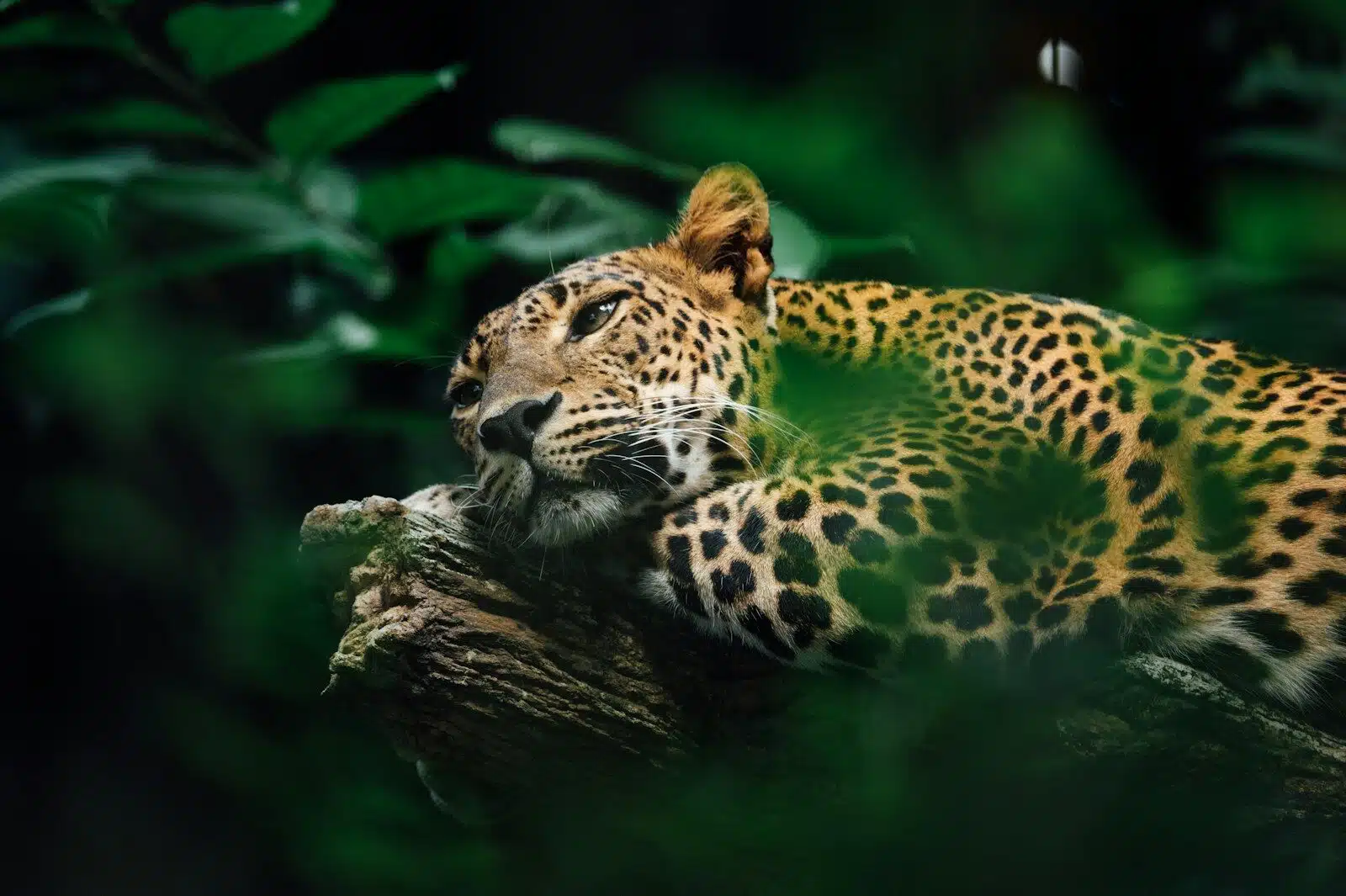
A jaguar sighting is rarely theatrical, more often composed. A female steps from forest shade and walks parallel to the water, pausing to listen before lowering her head to drink. Giant river otters move in coordinated groups, surfacing beside the boat before diving in unison. Hyacinth macaws nest in manduvi trees, their curved beaks cracking palm nuts with audible force, and giant anteaters cross open ground in the southern plains.
Night safaris bring a different register. Spotlights catch the red glow of caiman eyes, and an ocelot may slip across a track and disappear into the brush.
What You Experience
The Pantanal is the largest tropical wetland on Earth, covering more than 70,000 square miles, its annual flood cycle shaping everything. During the rainy months, water spreads across the plains, sustaining a remarkable concentration of species. When the dry season arrives, the water recedes, drawing animals toward shrinking rivers and lagoons, and it’s this rhythm that makes the Pantanal one of the most reliable places in the world to see jaguars in the wild.
Days follow the same climate-led pattern throughout a stay. An early start takes advantage of cooler temperatures and predator movement, with canoe outings or short interpretive walks after breakfast focused on birdlife and plant ecology. Midday heat encourages rest, hammocks on shaded verandas and ceiling fans a matter of practicality. Late afternoon brings renewed activity, a 4×4 drive through open fields that may reveal marsh deer or foxes, or on the southern fazendas, horseback riding along old cattle routes across the wetlands.
There are two distinct areas to consider. The Northern Pantanal, accessed via Cuiabá, is best known for jaguar tracking, reached along the Transpantaneira, a dirt road crossing more than a hundred wooden bridges over channels alive with caiman and wading birds. The Southern Pantanal, reached from Campo Grande, is defined by vast cattle ranches known as fazendas, where conservation and ranching coexist and horseback riding and tracking sit alongside river safaris.

Why Private Access Matters
Wildlife viewing in the Pantanal is not about chance alone, it is about timing, river knowledge, and experienced guiding. In peak dry season, from July through October, jaguars frequent exposed riverbanks to hunt caiman and capybara, and skilled boat pilots understand territory patterns well enough to position vessels at a respectful distance rather than racing toward a sighting.
On land, naturalist guides read tracks pressed into dust, identify alarm calls from monkeys overhead, and distinguish fresh spoor from old along the trail, expertise that reveals much of the Pantanal’s nuance that would otherwise pass unnoticed. Small boats and a limited number of vehicles along ranch tracks keep both noise and disturbance to a minimum, the difference between a crowded sighting and a quiet one.

Commonly Asked Questions
Is the Pantanal a good place to see jaguars?
Yes, sightings here are regular rather than rare, particularly along the Cuiabá River system during the dry season between July and October.
What is the difference between the Northern and Southern Pantanal?
The north, reached via Cuiabá, offers higher jaguar density and river-based tracking. The south, reached from Campo Grande, offers broader activity across cattle ranches, including horseback riding and anteater tracking.
When is the best time to visit the Pantanal?
The dry season, July through October, draws animals toward shrinking rivers and lagoons. The green season, November through March, floods the plains and shifts the focus toward birdlife.
What does accommodation look like in the Pantanal?
Lodges range from rustic riverfront properties near Porto Jofre in the north to established ecological lodges in the south, most built on stilts to accommodate seasonal flooding.

How Do Not Disturb Makes This Possible
Do Not Disturb curates Pantanal journeys around peak wildlife windows and personal preference, working with established conservation lodges and specialist naturalists who understand both animal behavior and pacing. Boat safaris are arranged privately or in small groups where appropriate, with internal flights, road transfers, and overnight transitions handled as part of the day.
Travellers combining the Pantanal with Rio de Janeiro, Iguazu Falls, or the Amazon can expect the rhythm to stay balanced, wildlife intensity offset by time to rest and reset.
Start Planning Your Pantanal Journey.
Plan your own version of this journey
Speak to Do Not Disturb’s luxury travel experts and turn this moment into something personal.
Related destinations
Suggested articles
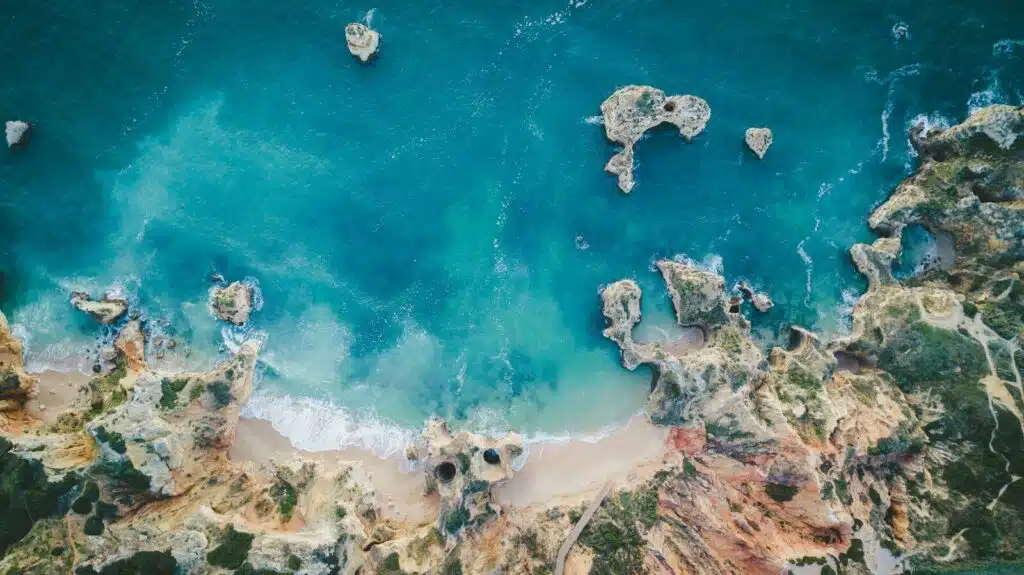
Portugal vs Spain for Your Honeymoon – Which Should You Choose?

One Island or Two? Splitting Your Maldives Honeymoon Between Resorts

Best Honeymoon Destinations for Autumn

Italy vs Greece for Your Honeymoon – Which is Better?
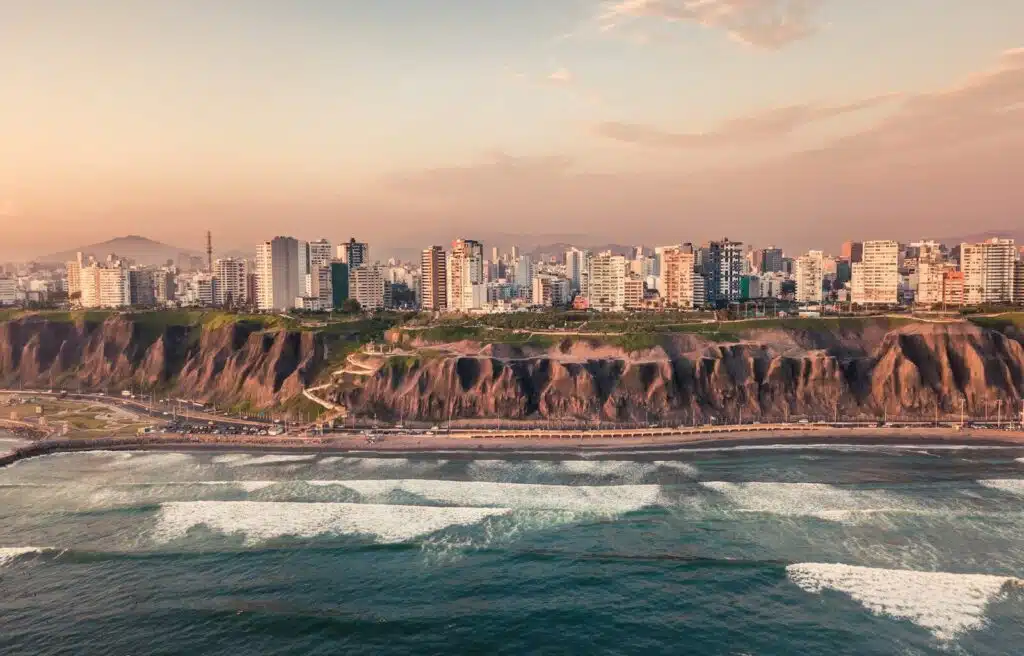
48 Hours in Lima: Where to Eat, Stay and Explore

A Cultural Honeymoon in Peru: Machu Picchu, Cusco, the Sacred Valley and the Amazon

Peru or Mexico: Which Ancient Civilisation Should You Visit First?
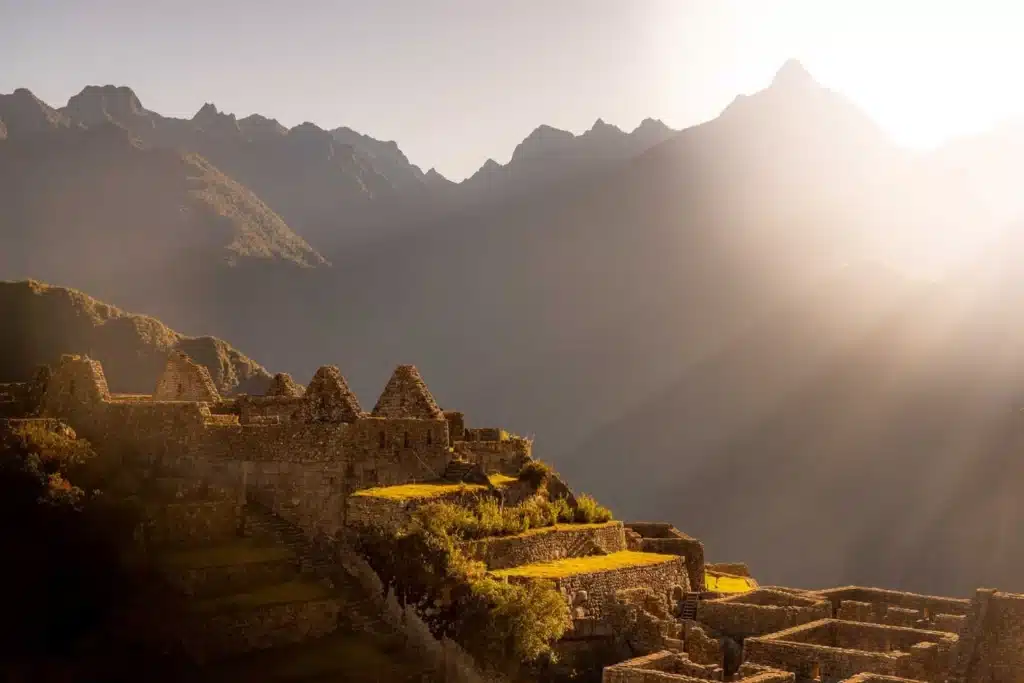
The Best Time to Visit Machu Picchu for Fewer Crowds

Why So Many Travellers Fall for Kanazawa
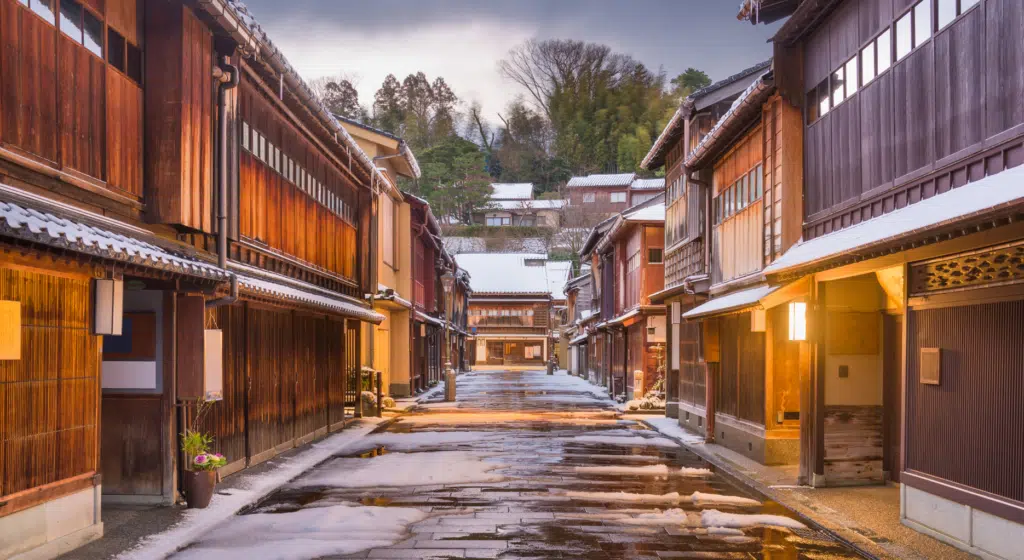
Kyoto or Kanazawa – Which Is Better for Traditional Japan?
What Is a Kissaten? Inside Japan’s Historic Coffee Shop Culture
Kruger or a Private Reserve? Where to Safari in Greater Kruger
The Best Time to Visit Kruger for Wildlife, Weather and Fewer Crowds