


See Christ the Redeemer, Sugarloaf Mountain, and the Selarón Steps with a private guide, moving through Rio’s landmarks and the neighbourhoods around them.
Rio de Janeiro carries its history across its own skyline, a colossal statue on a mountain, a granite peak rising straight from the bay, a staircase built one tile at a time by a single obsessive artist. A private guide connects these landmarks into a single day, moving between the city’s most recognized sights and the neighbourhoods that surround them.

About Do Not Disturb
Do Not Disturb is a luxury travel company specializing in carefully designed journeys and considered experiences. Each itinerary we build for our clients is informed by real destination knowledge, offering insight into places, cultures, and moments that shape how a trip comes together.
If this destination has sparked ideas, the itinerary can be developed into a private journey tailored to your interests and travel style, with hand-picked stays, thoughtful routing, and experiences curated around what matters most to you.
What You See
Christ the Redeemer stands 30 meters tall atop Mount Corcovado, its arms spanning 28 meters over the city below. Built between 1922 and 1931 and funded almost entirely by donations from Brazil’s Catholic community, the statue was a genuinely international effort, designed by Brazilian engineer Heitor da Silva Costa, its head and hands modeled in France by sculptor Paul Landowski, its face carved by Romanian sculptor Gheorghe Leonida. In 2007, it was named one of the New Seven Wonders of the World.
Sugarloaf Mountain rises 396 meters from the mouth of Guanabara Bay, a granite monolith more than 600 million years old. The cable car that carries visitors to its summit opened in 1912, the third aerial tramway ever built, climbing in two stages via Morro da Urca. From the top, the view takes in Copacabana, Flamengo Park, and Christ the Redeemer across the city.

What You Experience
The Escadaria Selarón winds between Lapa and Santa Teresa, 215 steps covered in more than 2,000 mosaic tiles gathered from over 60 countries. Chilean-born artist Jorge Selarón began the work in 1990, renovating the steps outside his own front door, and continued adding and replacing tiles for 23 years, calling it a living, changing piece of art. Around 300 tiles depict a pregnant African woman, his signature, the meaning left deliberately unexplained.
Above the steps, Santa Teresa unfolds across cobblestone streets and 19th-century mansions, reached by the Bondinho tram, running since 1877 and the oldest continuous electric tramway in Latin America. Largo do Guimarães sits at the neighbourhood’s heart, its galleries and bars a legacy of the artists and musicians who settled here through the mid-20th century.

Why Private Access Matters
A private guide moves between these landmarks at whatever pace the day calls for, more time at the summit if the light is good, a longer walk through Santa Teresa’s side streets if the mood favors it. Timing matters too, arriving at Christ the Redeemer or Sugarloaf ahead of the crowds changes the experience of both. The guide’s own knowledge threads the sights together, the sugar trade that gave Sugarloaf its name, the story behind Selarón’s tiles, the history of an aqueduct now carrying a century-old tram.

Commonly Asked Questions
How tall is Christ the Redeemer?
The statue stands 30 meters tall on an 8-meter pedestal, with an arm span of 28 meters, atop Mount Corcovado, 700 meters above the city.
How do you get to the top of Sugarloaf Mountain?
A two-stage cable car, in operation since 1912, carries visitors from Praia Vermelha to Morro da Urca and then on to the summit.
Who built the Selarón Steps?
Chilean-born artist Jorge Selarón began the work in 1990 and continued adding tiles for 23 years, until his death in 2013.
What is Santa Teresa known for?
A hilltop neighbourhood of cobblestone streets and 19th-century mansions, reached by Latin America’s oldest continuous tram, and home to a long-standing community of artists.

How Do Not Disturb Makes This Possible
Do Not Disturb arranges a private guide to move between Rio’s landmarks at a pace suited to the group, timing visits to Christ the Redeemer and Sugarloaf Mountain around the best light and the fewest crowds. The day sits within a wider Rio itinerary, following naturally from time spent along the coast or ahead of onward travel through Brazil.
Start Planning Your Rio Visit
Plan your own version of this journey
Speak to Do Not Disturb’s luxury travel experts and turn this moment into something personal.
Related destinations
Suggested articles

Portugal vs Spain for Your Honeymoon – Which Should You Choose?

One Island or Two? Splitting Your Maldives Honeymoon Between Resorts

Best Honeymoon Destinations for Autumn

Italy vs Greece for Your Honeymoon – Which is Better?

48 Hours in Lima: Where to Eat, Stay and Explore

A Cultural Honeymoon in Peru: Machu Picchu, Cusco, the Sacred Valley and the Amazon

Peru or Mexico: Which Ancient Civilisation Should You Visit First?
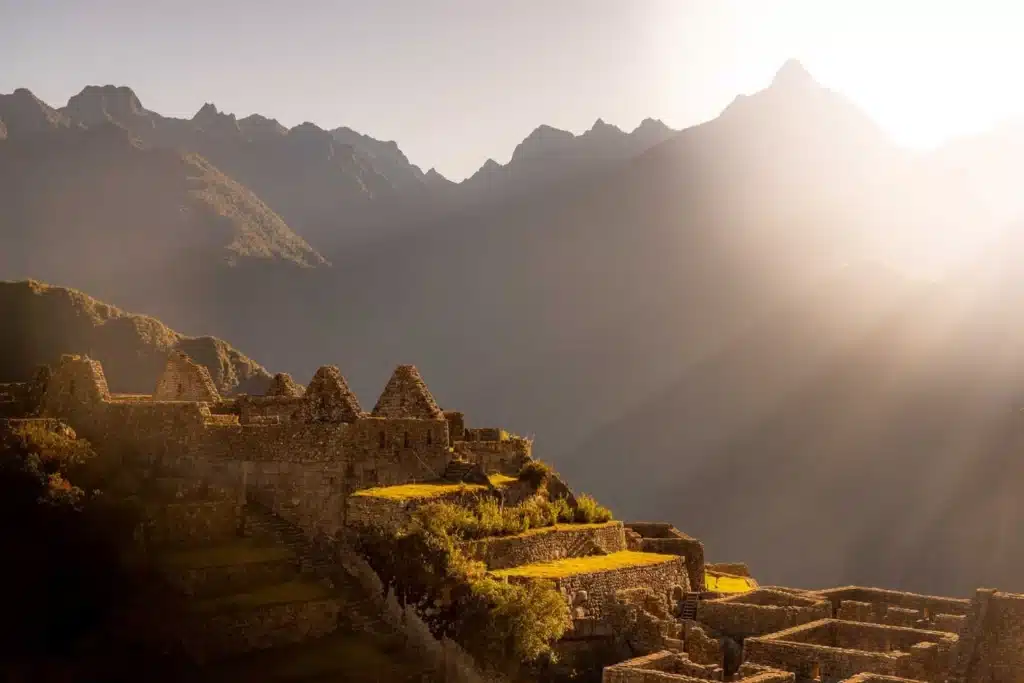
The Best Time to Visit Machu Picchu for Fewer Crowds

Why So Many Travellers Fall for Kanazawa

Kyoto or Kanazawa – Which Is Better for Traditional Japan?

What Is a Kissaten? Inside Japan’s Historic Coffee Shop Culture

Kruger or a Private Reserve? Where to Safari in Greater Kruger

The Best Time to Visit Kruger for Wildlife, Weather and Fewer Crowds