



On this page
A kissaten is not a cafe in the way that word gets used everywhere else. It is a Japanese-style coffee house, usually small, usually dim, often unchanged since the decade it opened. Finding one, sitting down, and staying for an hour is a great way to catch a glimpse of a more traditional Japan.
Where Kissaten Came From
Japan’s first Western-style coffee house, Kahiichakan, opened in Tokyo’s Ueno district in 1888, founded by Tei Eikei, who had studied abroad and wanted to recreate the salon culture he had encountered there, a place for coffee, books, and conversation. It closed within five years. Coffee was still an unfamiliar, expensive import, and the idea was ahead of what Japan’s public was ready for.
The template survived anyway. In 1911, Ryo Mizuno opened Cafe Paulista in Ginza, serving Brazilian coffee through connections built by Japanese laborers who had emigrated to work Brazil’s coffee farms, and grew it into more than twenty locations, one of the world’s earliest coffee chains.
Kissaten proper flourished through the Taisho era, from 1912 to 1926, as something distinct from the more raucous kafe of the same period, which were associated with hostesses and nightlife. Kissaten positioned themselves as quiet and respectable instead, and became one of the few public spaces where women could sit alone or meet friends without any of that association attached.
The culture reached its peak in the postwar Showa era. By 1981, over 154,000 kissaten were operating across the country, neighbourhood institutions where regulars kept their usual table and the owner, known simply as the master, remembered exactly how they took their coffee.
A related strand, the jazz kissa, emerged in the late 1920s as spaces built entirely around serious, dedicated listening, a high-fidelity sound system and a large record collection rather than music as background noise.
Decline came fast once it started. Starbucks arrived in Japan in 1996, followed by Doutor and Tully’s, all offering brighter, faster, cheaper coffee, and kissaten closed as their ageing owners retired with no one willing to take over a business built on long hours and thin margins. What’s happened over roughly the last five years is a quiet reversal, a younger generation rediscovering kissaten less as nostalgia and more as an actual antidote to a faster, more digital way of living.
What a Kissaten Is Actually Like
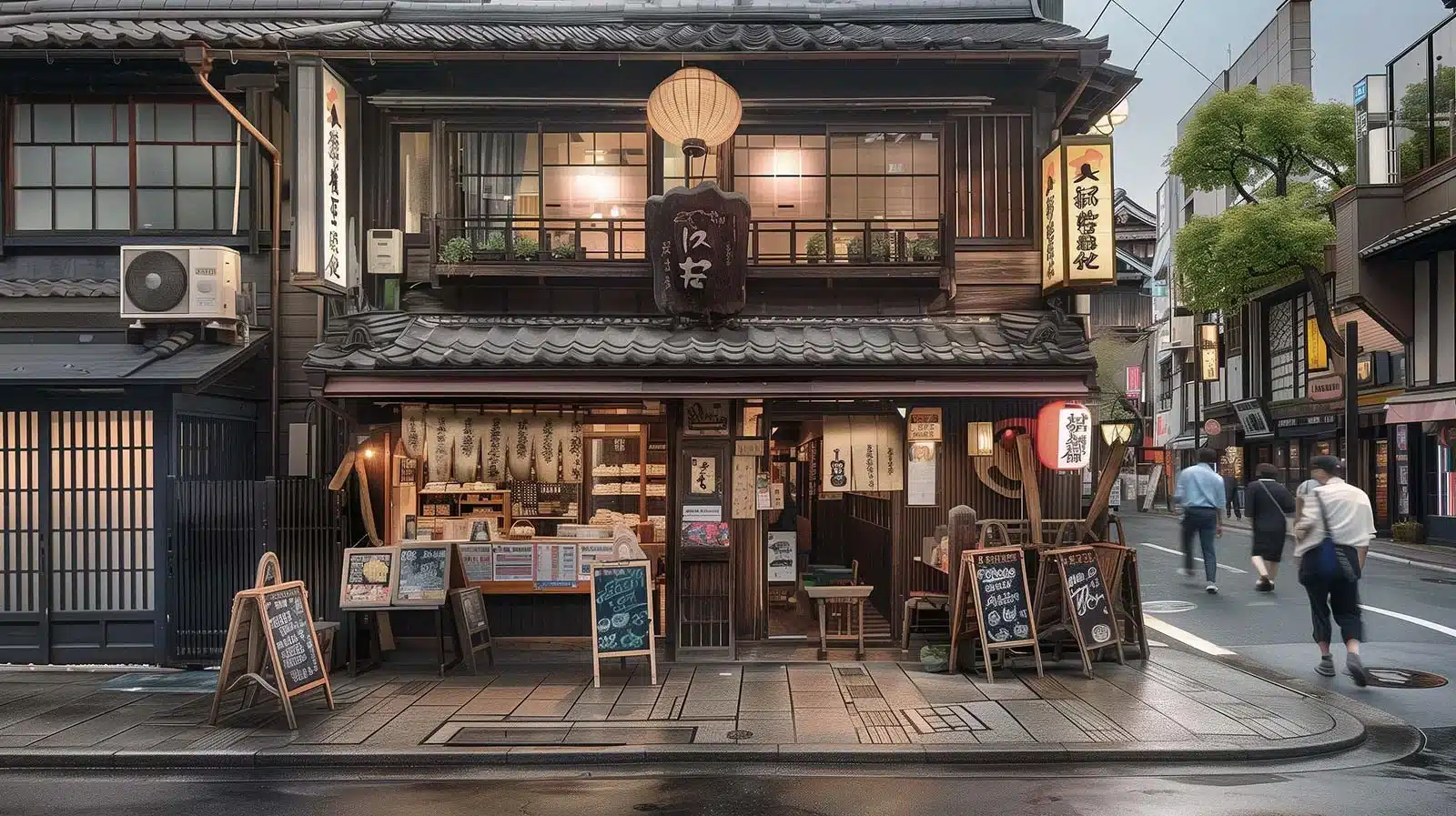
Step inside one and the differences from an ordinary coffee shop are immediate. The lighting sits low and amber rather than bright. Coffee is often brewed one cup at a time through a siphon, a glass apparatus that pulls water up through a vacuum and brews it slowly enough to watch the whole process happen.
Seating tends to be dark wood or worn leather booths, sometimes decades old, kept exactly as they were rather than renovated. Menus are short, usually just coffee, toast, a slice of pudding, and occasionally an old-fashioned dish called Napolitan, spaghetti tossed in ketchup that has nothing to do with Naples and everything to do with postwar Japan’s relationship with Western food.
Conversation stays low, and most kissaten have an unspoken expectation that a laptop, if you bring one at all, stays closed. People go to a kissaten to read, to think, or simply to sit, the same reason people went in 1955.
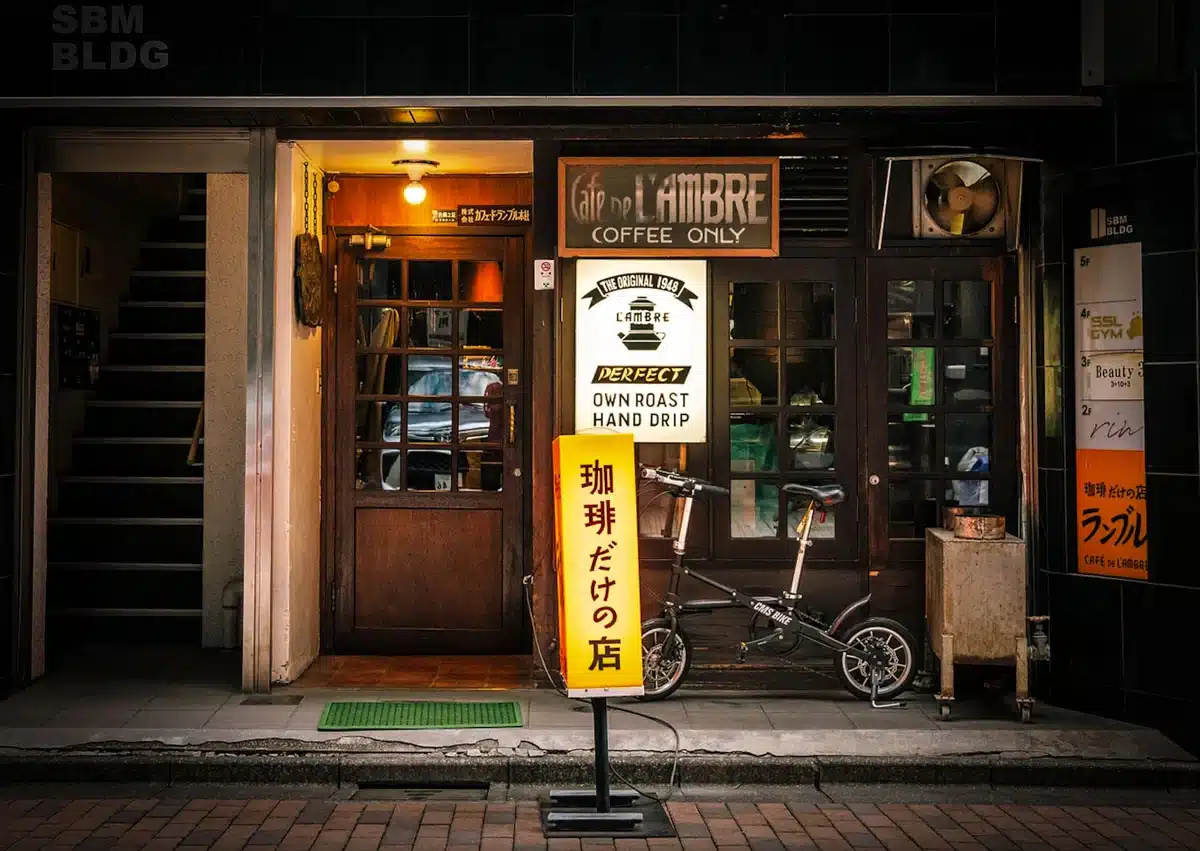
Cafe de l’Ambre in Ginza is one of the clearest examples of how far this culture can go. It has served only coffee since 1948, and its founder, Ichiro Sekiguchi, spent decades experimenting with ageing green coffee beans for years, sometimes decades, before roasting them, a practice that runs directly against everything modern specialty coffee teaches about freshness. Sekiguchi died in 2018 at 103, and the shop still operates exactly as he built it, down to a grinder from 1948 that still works.
Tours we recommend
How to Visit One
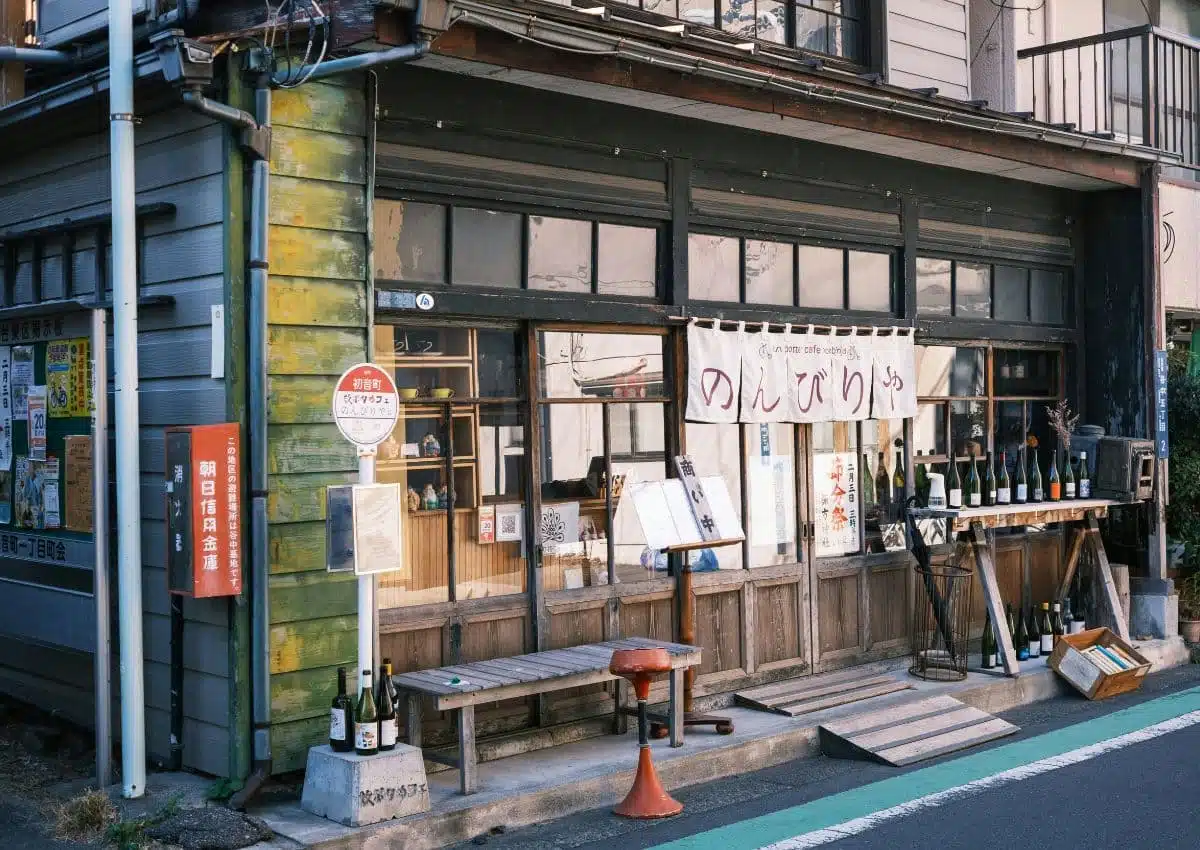
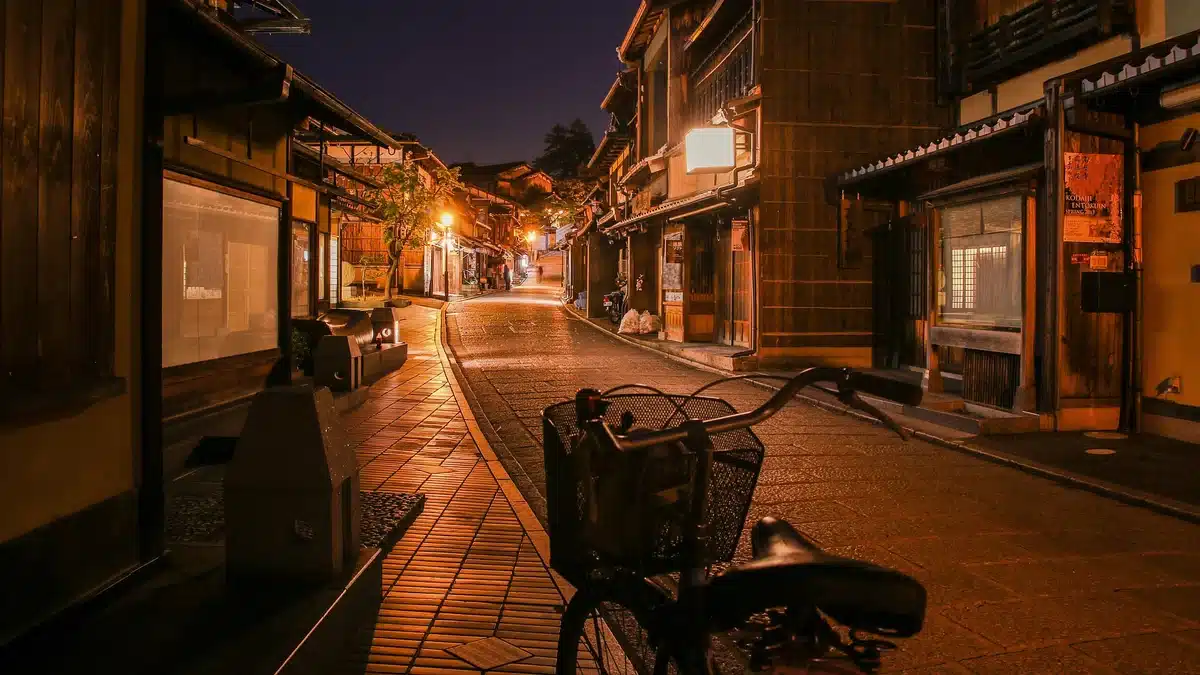
Kissaten do not advertise, and most have no English signage or online booking of any kind, which is part of the point. The best approach is to simply walk Tokyo neighbourhoods like Yanaka, Jimbocho, or the older backstreets of Ginza, and look for a shopfront that seems to have stopped changing decades ago, often a hand-painted sign, a doorway you can’t quite see through, and no queue outside.
Older, working-class districts tend to have more surviving kissaten than the newer commercial parts of a city, since redevelopment is what tends to kill them.
Most open in the morning and close by early evening, and a few have been run by the same owner for so long that opening hours can be inconsistent depending entirely on whether the master feels like being open that day.
Cash is often the only accepted payment. None of this is inconvenience for its own sake, it’s simply a business that was never built around a tourist’s schedule.
What to Expect Once You're Inside
Nobody will rush you, and that’s the entire experience. A single cup of coffee, carefully made, can occupy a table for as long as you want to sit there, and the master will generally leave you alone unless you signal otherwise.
Smoking is still permitted in some of the oldest kissaten, a detail that surprises visitors used to Japan’s otherwise strict smoking laws, and the smell of tobacco layered into decades-old wood paneling is, for better or worse, part of the atmosphere in those particular shops.
The coffee itself is often stronger and more deliberate than what a modern specialty cafe serves, and the food, when there is any, leans towards the plain, retro dishes kissaten have always served rather than anything trend-driven.
Why Japan's Kissaten Culture Is Having a Comeback
Walk into a kissaten in Tokyo today and you’re as likely to find a table of twenty-somethings as the elderly regulars who kept these places running through the decades nobody else was paying attention. Much of that shift comes from a generation discovering something rather than remembering it, an amber-lit room with velvet booths and a hand-poured siphon looks nothing like the chain cafes they grew up with, and the visits that follow tend to last far longer than a photo requires.
Part of the appeal is exactly what a kissaten refuses to offer, no app, no loyalty points, no algorithm, just a short menu and a master who has made the same coffee the same way for thirty years, and for a generation that spends most of its day inside a screen, that absence of optimisation has become the draw rather than a limitation.
Much of that atmosphere is frozen somewhere in the Showa era, which ran from 1926 to 1989, and that specific period has become its own aesthetic movement inside Japan, often called Showa retro, showing up now in newly opened cafes deliberately borrowing the dark wood paneling and mid-century light fixtures of the original.