

On this page
Few experiences in Japan are as quietly revealing as an onsen. These natural hot springs are not simply places to bathe. They are social spaces governed by a shared understanding of how to behave considerately in close proximity to others. For first-time visitors, the rules can feel opaque.
What an onsen is, and why it matters
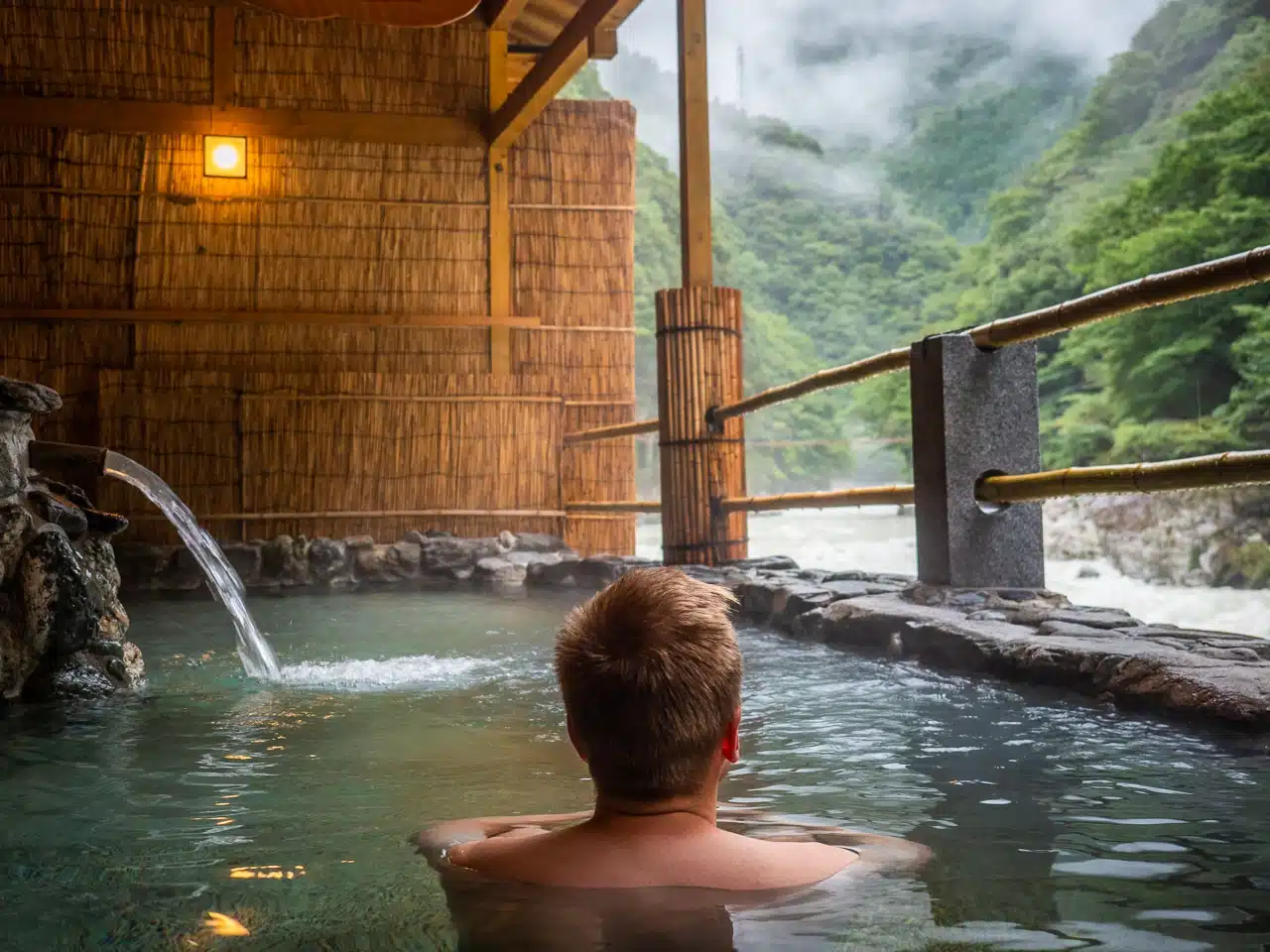
An onsen is a communal bath fed by geothermally heated spring water, often rich in minerals. You’ll find them across the country, from rural mountain towns to refined urban ryokan, but the cultural role remains consistent.
Bathing is about restoration rather than cleanliness. The soak comes after washing, not before. Time moves slowly. Conversation is minimal. The atmosphere is deliberately uncluttered, allowing both body and mind to reset.
Before you enter: preparation matters
Onsen bathing always begins with separation by gender, with clearly marked entrances. Once inside the changing area, shoes are removed and clothes are placed in a locker or basket. You bring only a small towel with you, nothing else.
Before entering the bath, you must wash thoroughly at the designated washing stations. These are equipped with low stools, hand-held showers, and toiletries. Sit while washing. Rinse carefully. Take your time.
This step is non-negotiable. The bath itself is for soaking, not washing.
In the water: how to behave
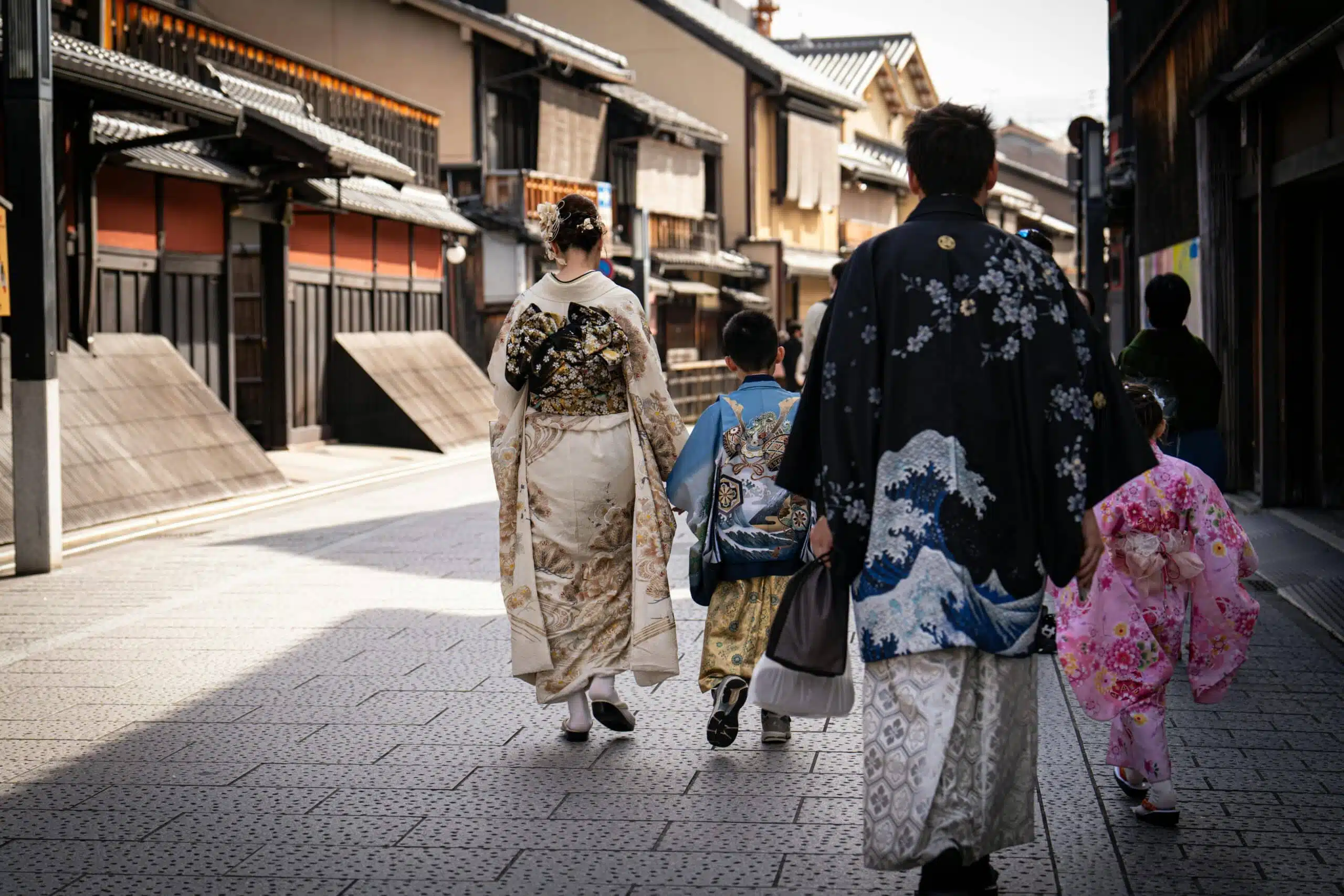
Once clean, step into the bath slowly. The water is hot, often hotter than expected, and entering gradually is both polite and practical.
A few key points to observe:
- No towels in the water. The small towel you carry should be folded and placed on the side of the bath or, commonly, balanced on your head.
- Minimal movement. Splashing, swimming, or stretching disrupts the shared calm.
- Quiet conversation only. Many people bathe in silence. If you speak, keep voices low.
- No phones or cameras. Privacy is absolute.
The aim is to occupy space lightly. You are sharing the water, not claiming it.
How long to stay
There is no set time limit, but most people soak in short intervals, exiting briefly if the heat becomes intense. Listen to your body. Onsen bathing is meant to restore, not exhaust.
It’s common to see bathers pause on the edge, cool down, then re-enter. This rhythm is normal and unremarked upon.
Tattoos and modern realities
Historically, tattoos were associated with organised crime, and some onsen still restrict entry. Today, attitudes are changing, particularly in areas accustomed to international visitors.
Options if you have tattoos:
- Choose tattoo-friendly onsen or ryokan
- Use small cover patches if permitted
- Opt for private baths, which many properties offer
A well-planned itinerary takes these details into account in advance.
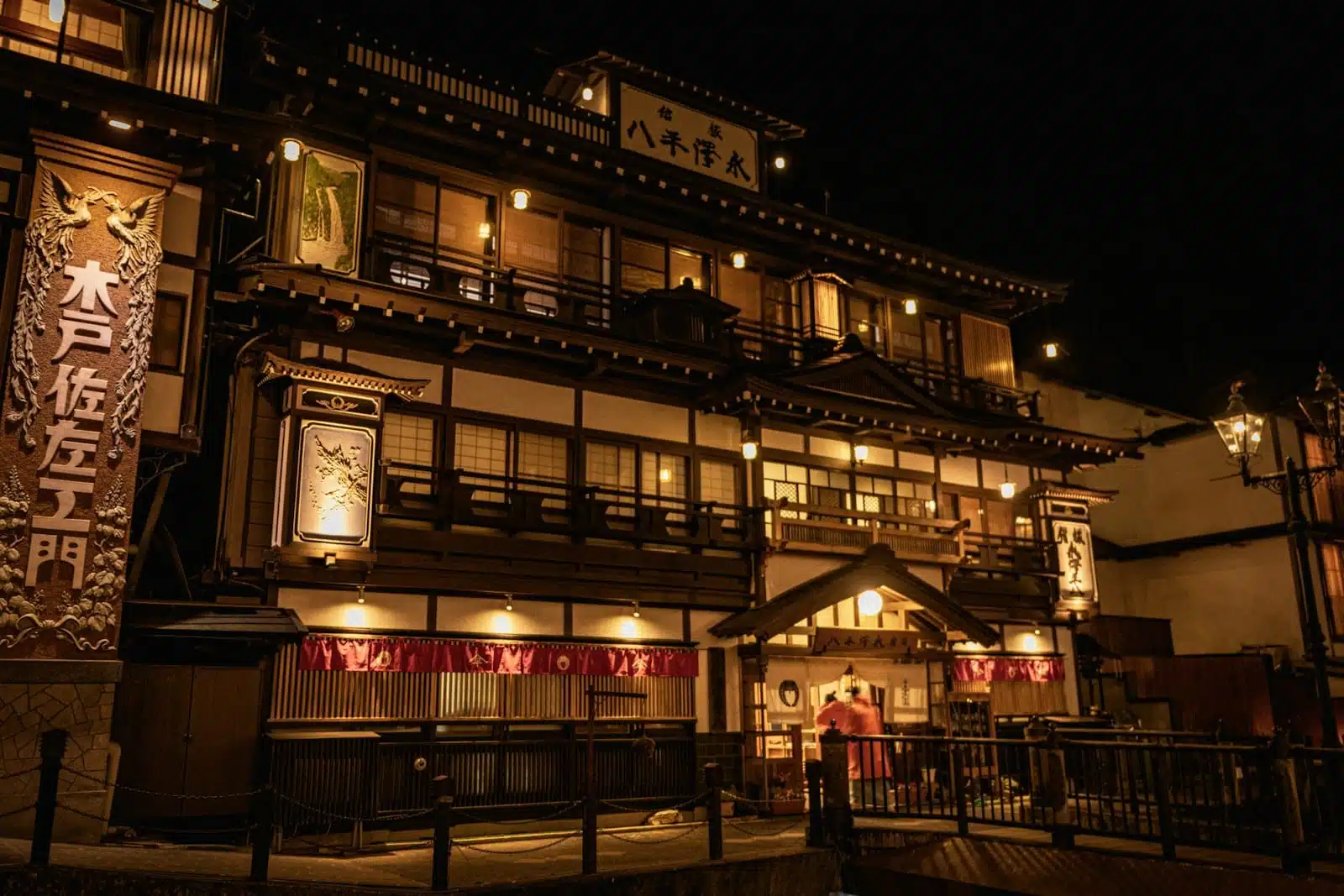
After the bath
On leaving the water, resist the urge to rinse immediately unless necessary. Many Japanese believe the mineral content of the water continues to benefit the skin.
Dry off lightly before returning to the changing area to keep floors dry. In ryokan settings, it’s common to relax afterwards in a yukata, allowing the body temperature to settle gradually.
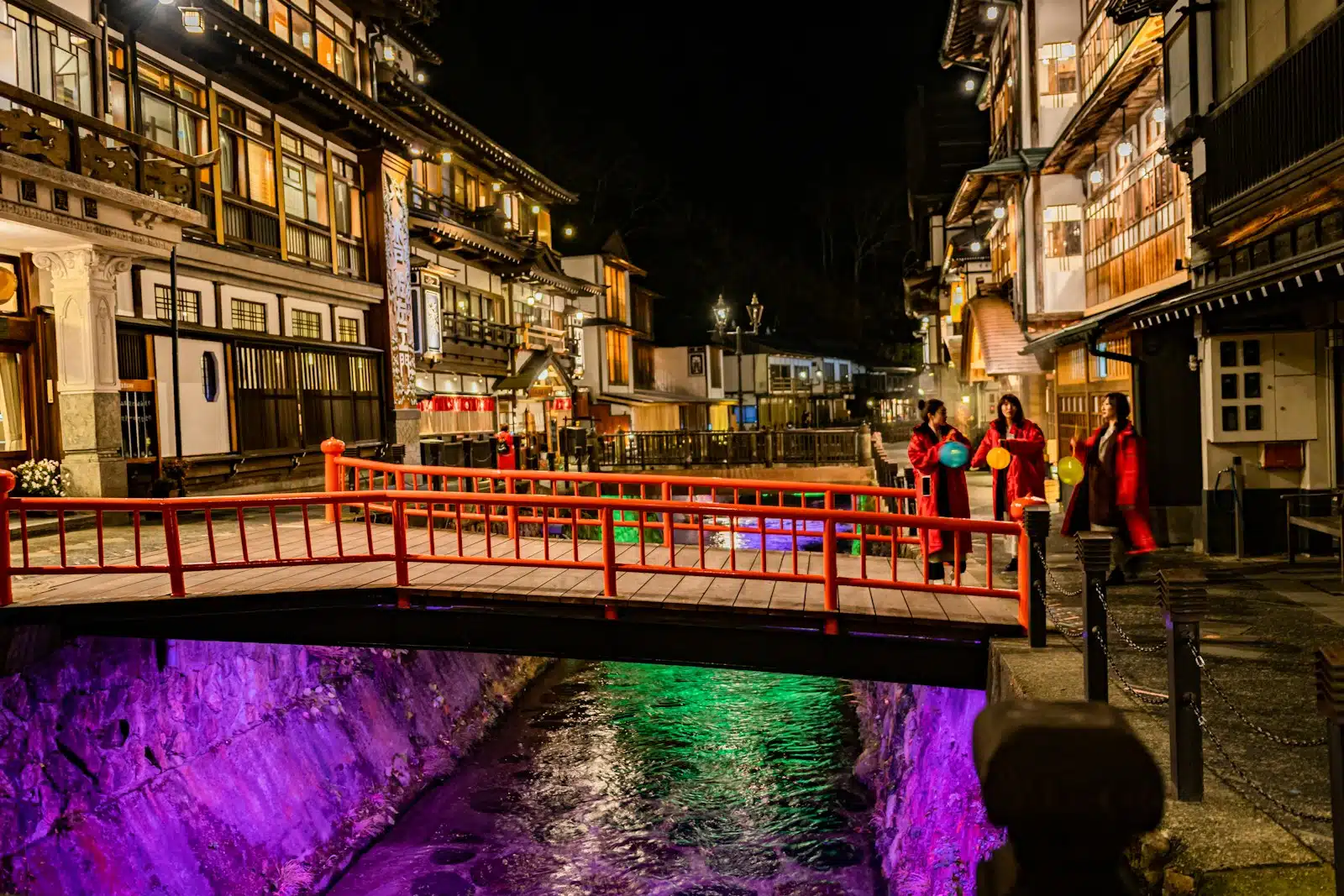
Regional expressions of onsen culture
While etiquette remains consistent, the atmosphere varies by location.
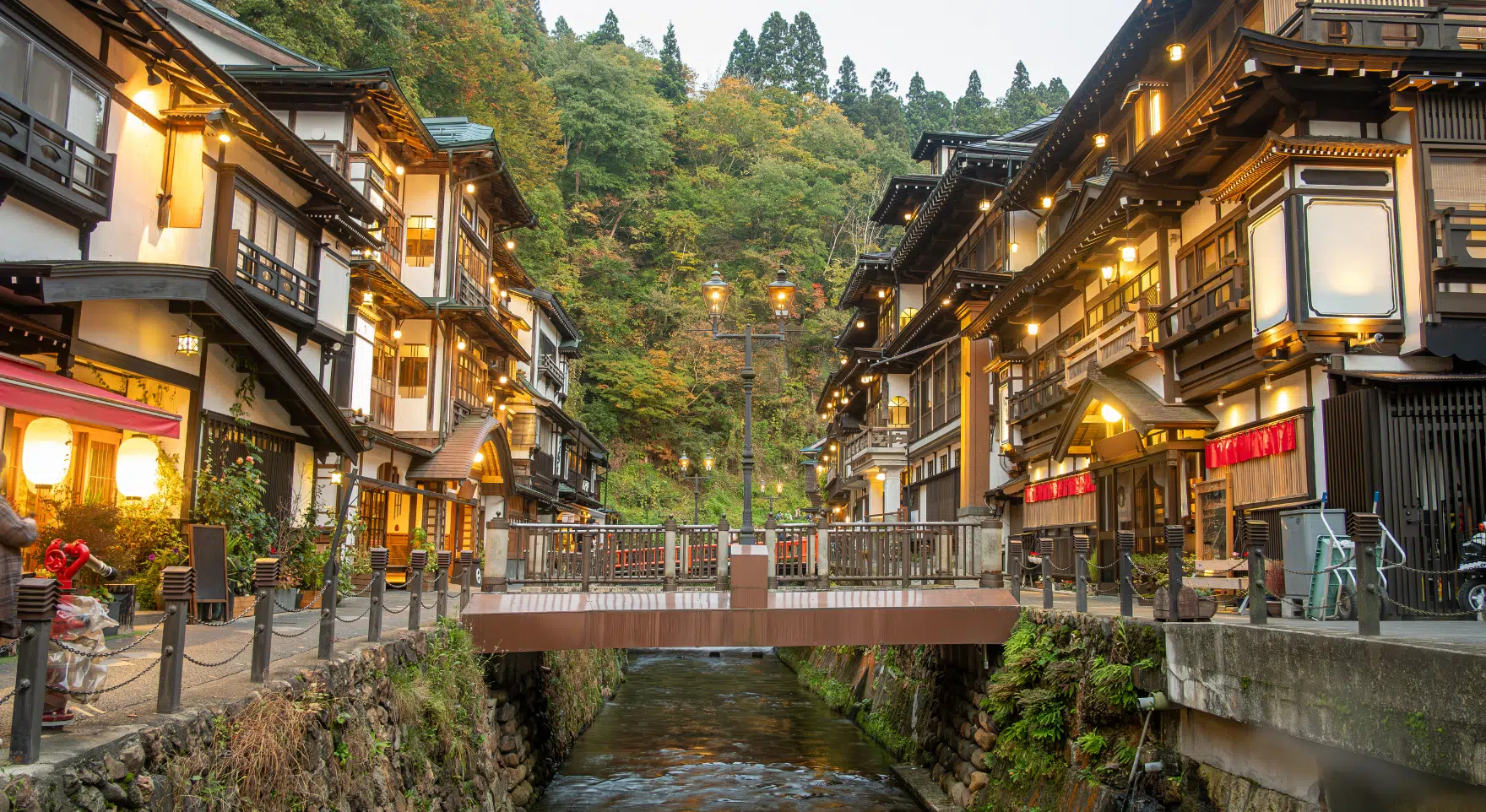
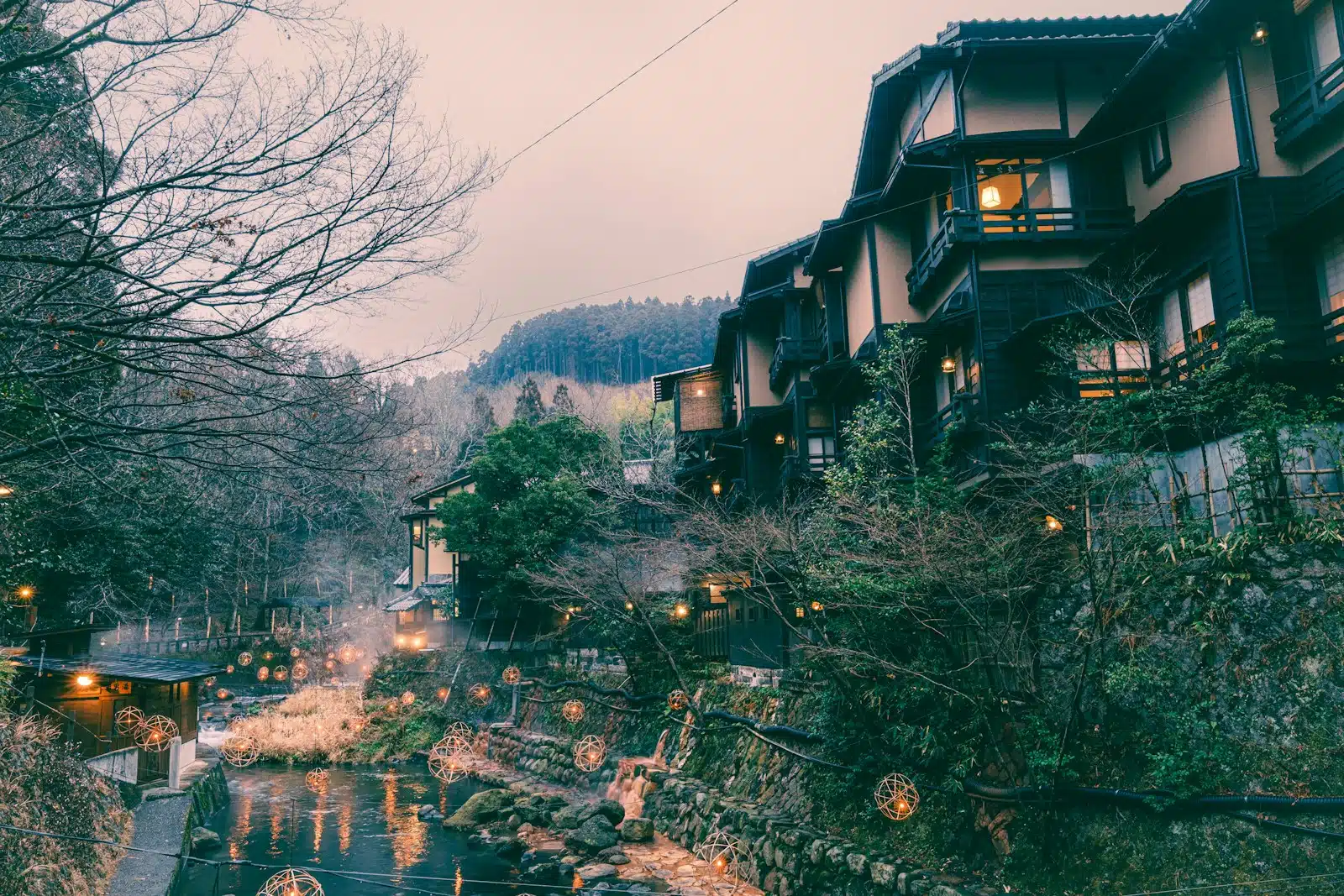
In places like Hakone, onsen are woven into a refined weekend rhythm, often paired with views of forest or lake. Kinosaki Onsen offers a more social expression, with guests strolling between baths in wooden sandals, while rural onsen towns lean towards quiet, local routine.
Understanding these nuances helps you choose the right setting for the experience you want. Handled well, an onsen visit becomes one of the most grounding moments of a journey through Japan.
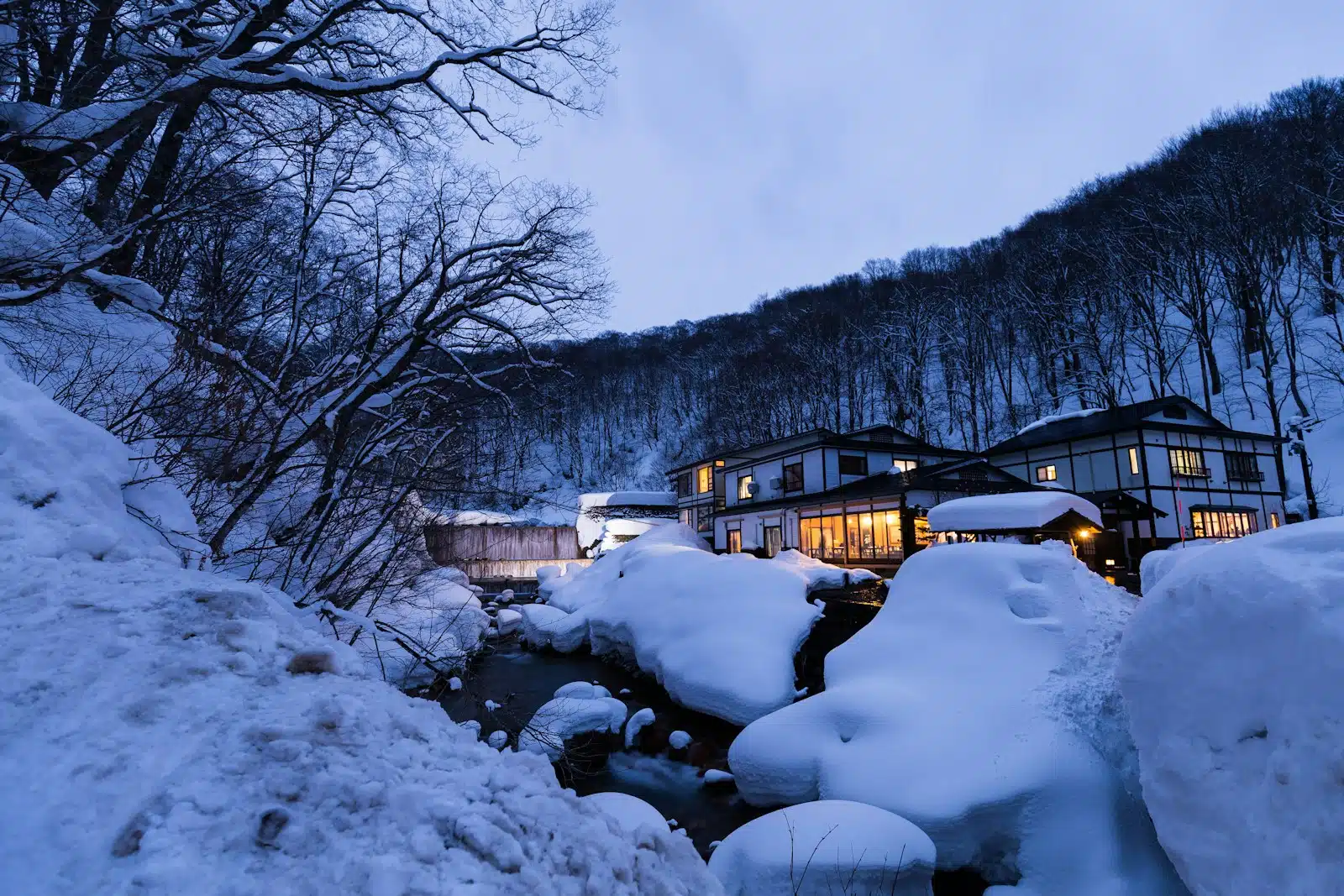
Approach onsen culture with attention rather than anxiety. Watch how others behave. Move slowly. Keep things simple. The rules exist to remove friction, not create it.
When done properly, an onsen is not something you visit between activities. It becomes the point at which the journey pauses, and Japan reveals itself at its most elemental.
Ready to experience Japan’s onsen culture with confidence and ease? Speak with Do Not Disturb to plan a journey shaped around the right places, timing, and access.