
On this page
For experienced travellers who have already stood in the Colosseum and watched the Santorini sunset, Greece and Italy still hold entire regions that remain largely undiscovered by international tourism. Epirus in northwestern Greece and Le Marche on Italy’s Adriatic coast represent two of southern Europe’s most compelling arguments for venturing off the beaten path.
Why the Classics Are No Longer Enough
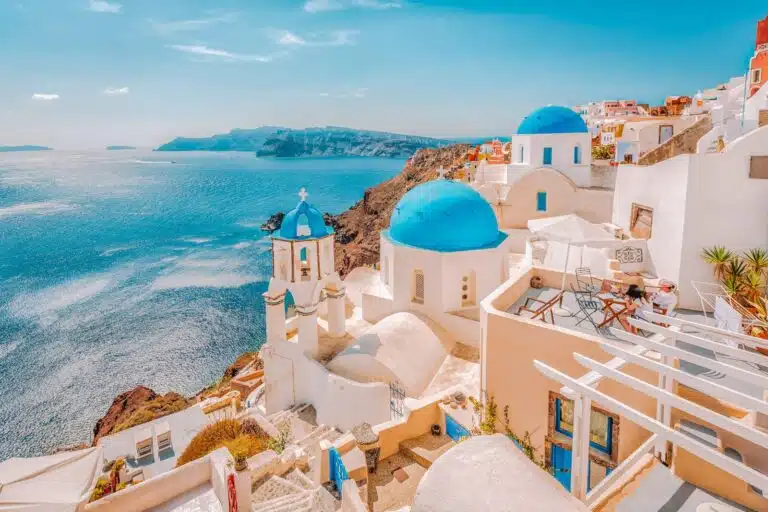
The most visited sites in Greece and Italy now attract tens of millions of visitors annually, and the experience at many of them reflects that reality. Pompeii processes crowds through timed entry systems. The caldera at Santorini has become so associated with a particular photograph that the photograph has largely replaced the place itself. For travellers who have already made those journeys, the question is no longer whether these destinations are worth seeing, but whether they can still be genuinely experienced.
What has shifted is the traveller. A growing number of people arriving in southern Europe are not chasing landmarks but looking for the conditions that made those landmarks meaningful in the first place: landscapes that still shape daily life, cuisines that haven’t been adjusted for export, and histories that haven’t been flattened into a single narrative. For those travellers, the classic Aegean circuit is a starting point, not a destination in itself.
Greece and Italy both contain regions where that kind of travel remains possible, though not without the right knowledge and access to navigate them well.
Epirus: Where Greece Turns Towards the Mountains
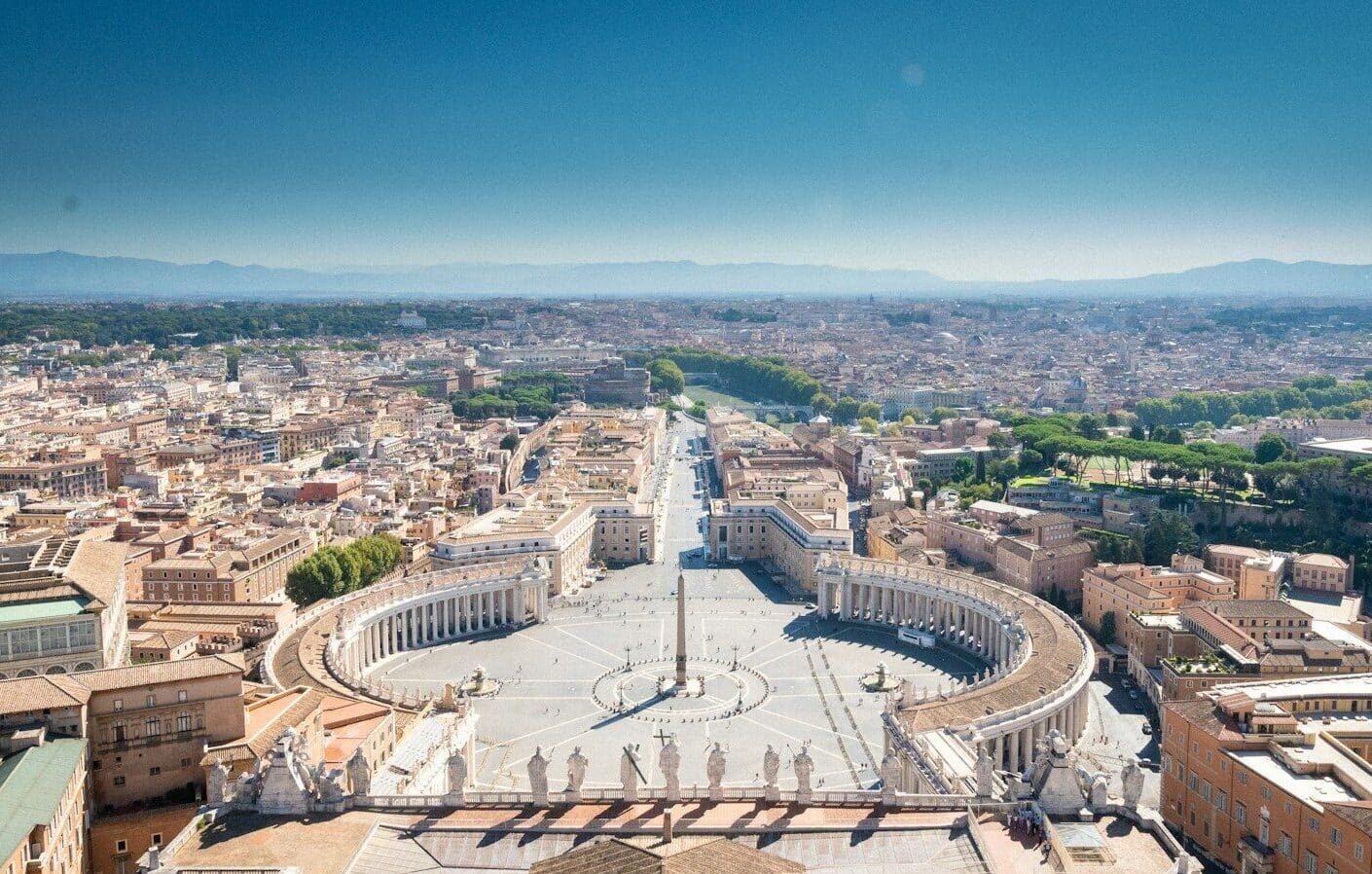
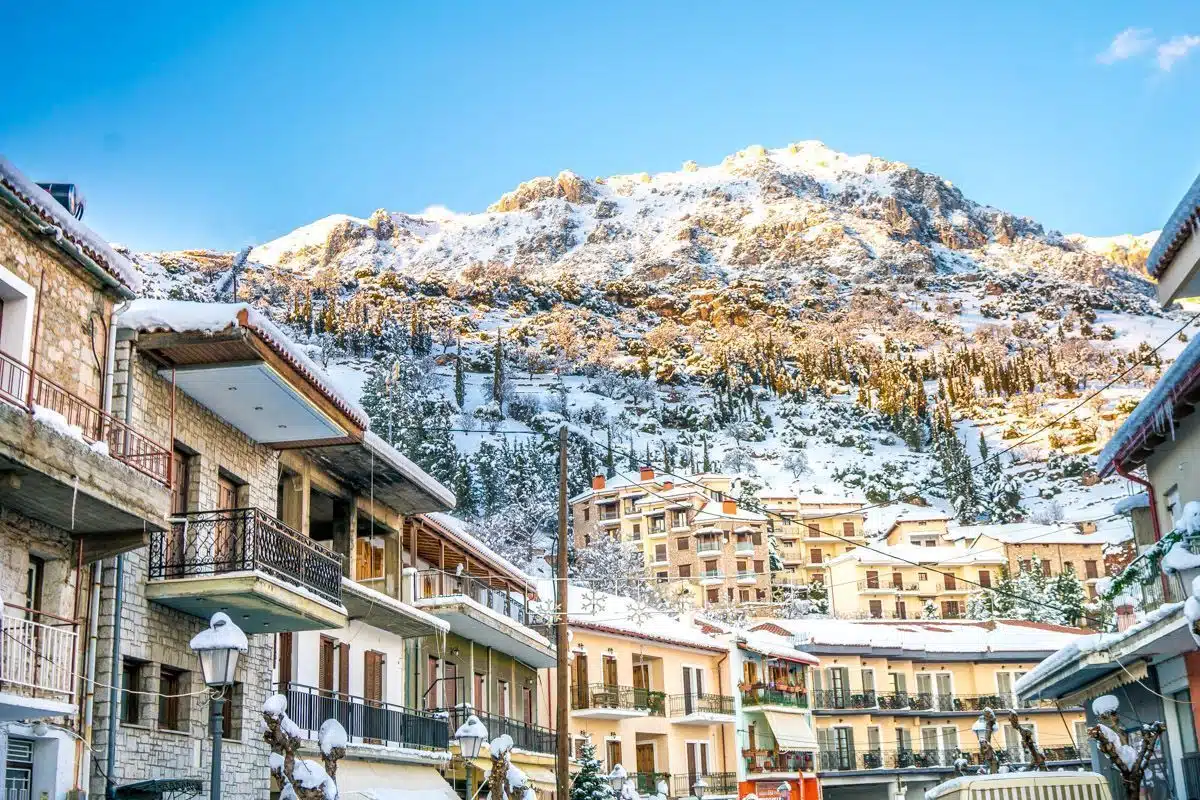
Most travellers encounter Greece through its islands and ancient sites, a circuit that rewards enormously but leaves the northwest largely unexamined. Epirus operates on a different register entirely. The region’s stone villages, built by wealthy Ottoman-era merchants who funded elaborate churches and arched bridges, reflect a prosperity rooted in trade routes rather than maritime power. That history gives Epirus a distinct architectural and cultural character, one that feels closer to the Balkans than to the Aegean.
The Zagori area, a collection of 46 villages spread across a mountainous landscape in the region’s northeast, sits above the Vikos Gorge, one of the deepest canyons in the world relative to its width. Hiking its trails requires genuine physical commitment, which is precisely what keeps the experience meaningful.
The region’s culinary traditions, shaped by transhumant herding and long winters, have remained similarly intact, producing cheeses, pies, and meat preparations that carry real geographical specificity rather than the generalized “Greek” identity found closer to the tourist mainstream.
Le Marche: Italy's Renaissance Interior, Without the Crowds
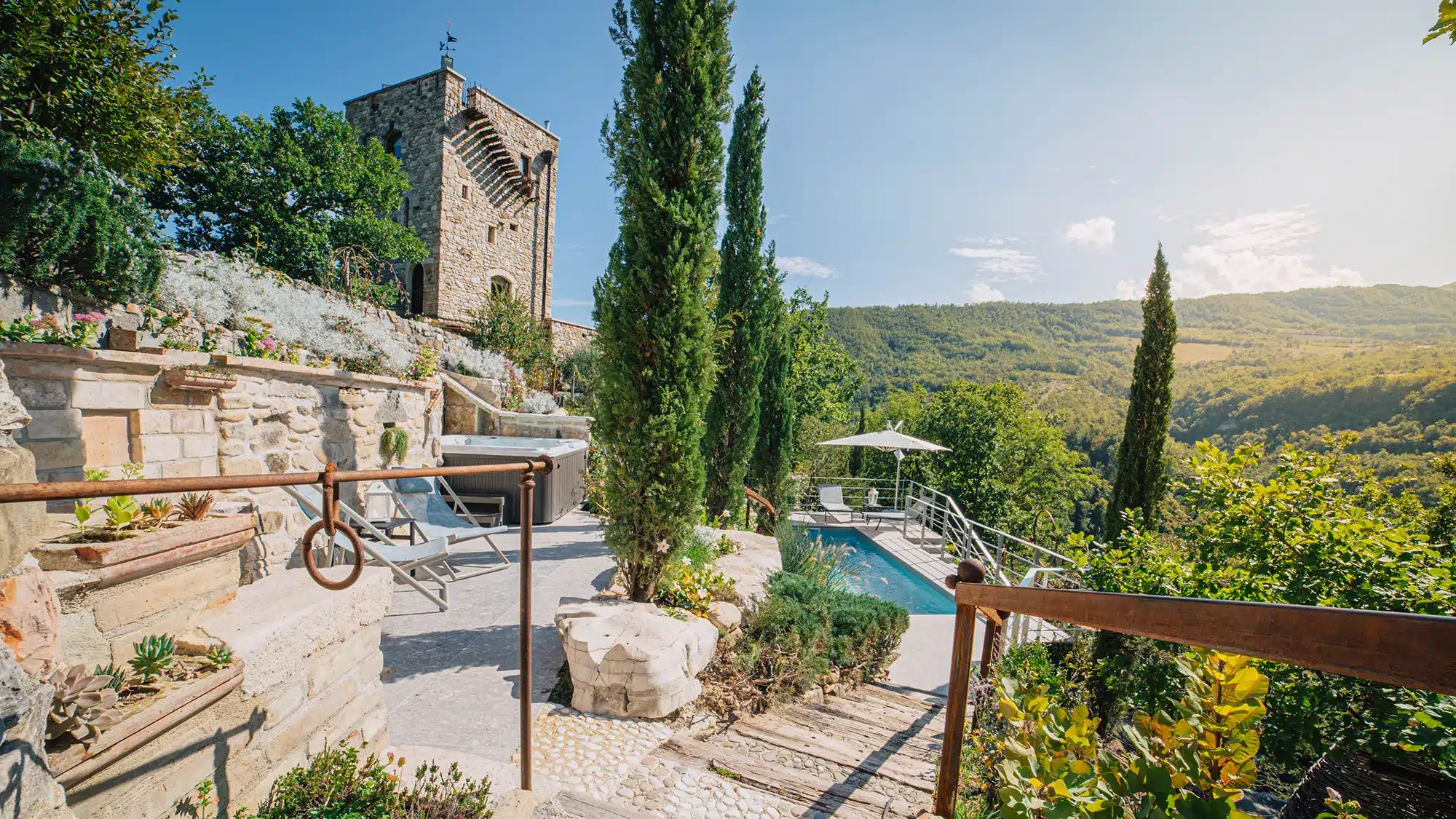
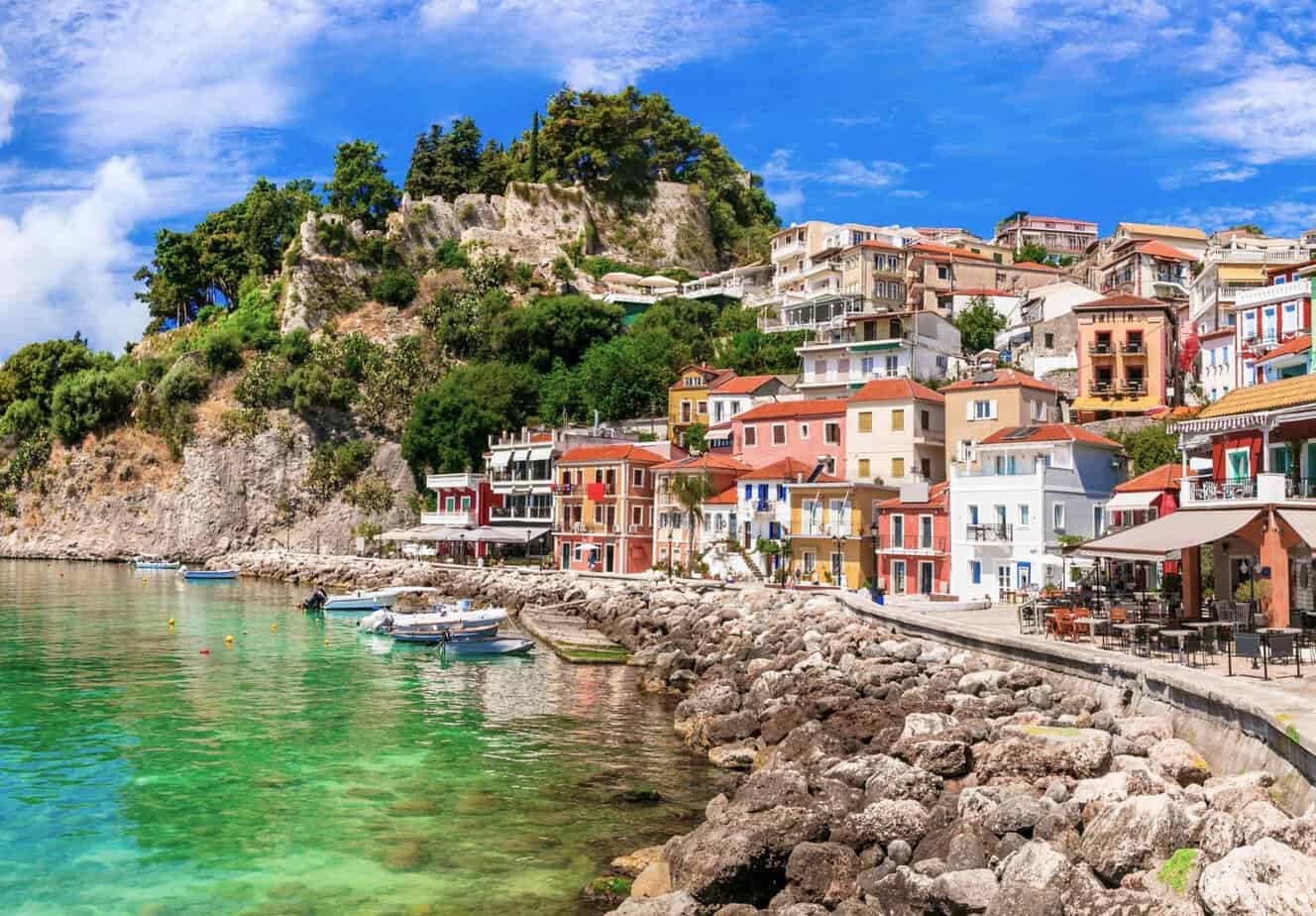
What Tuscany once was before it became a destination in its own right, Le Marche still is. The region runs south along Italy’s Adriatic spine, a landscape of fortified hilltop towns connected by roads that wind through vineyards and wheat fields largely unchanged in character since the 15th century. Urbino, a UNESCO World Heritage Site and birthplace of Raphael, contains one of the most significant Renaissance ducal palaces in Italy, yet receives a fraction of the visitors that Florence draws on any given morning.
The region’s cuisine is equally rooted in place. Vincigrassi, a baked pasta layered with offal and béchamel, and olive ascolane, the stuffed and fried olives particular to Ascoli Piceno, reflect a cooking tradition that has never needed to perform for an outside audience. The local Verdicchio and Rosso Conero wine roads offer further reason to slow down.
How Local History Changes What You Taste
What a region eats is tantamount to its history. In Epirus, centuries of mountain isolation produced a cuisine built on necessity and resourcefulness: slow-cooked lamb, foraged greens, and pies layered with wild herbs or offal, baked in wood-fired ovens that predate modern Greek cooking by generations. The flavours bear little resemblance to the grilled seafood and mezze that define coastal Greek dining, and that distance is precisely the point. This is food shaped by altitude and self-sufficiency, not by trade or tourism.
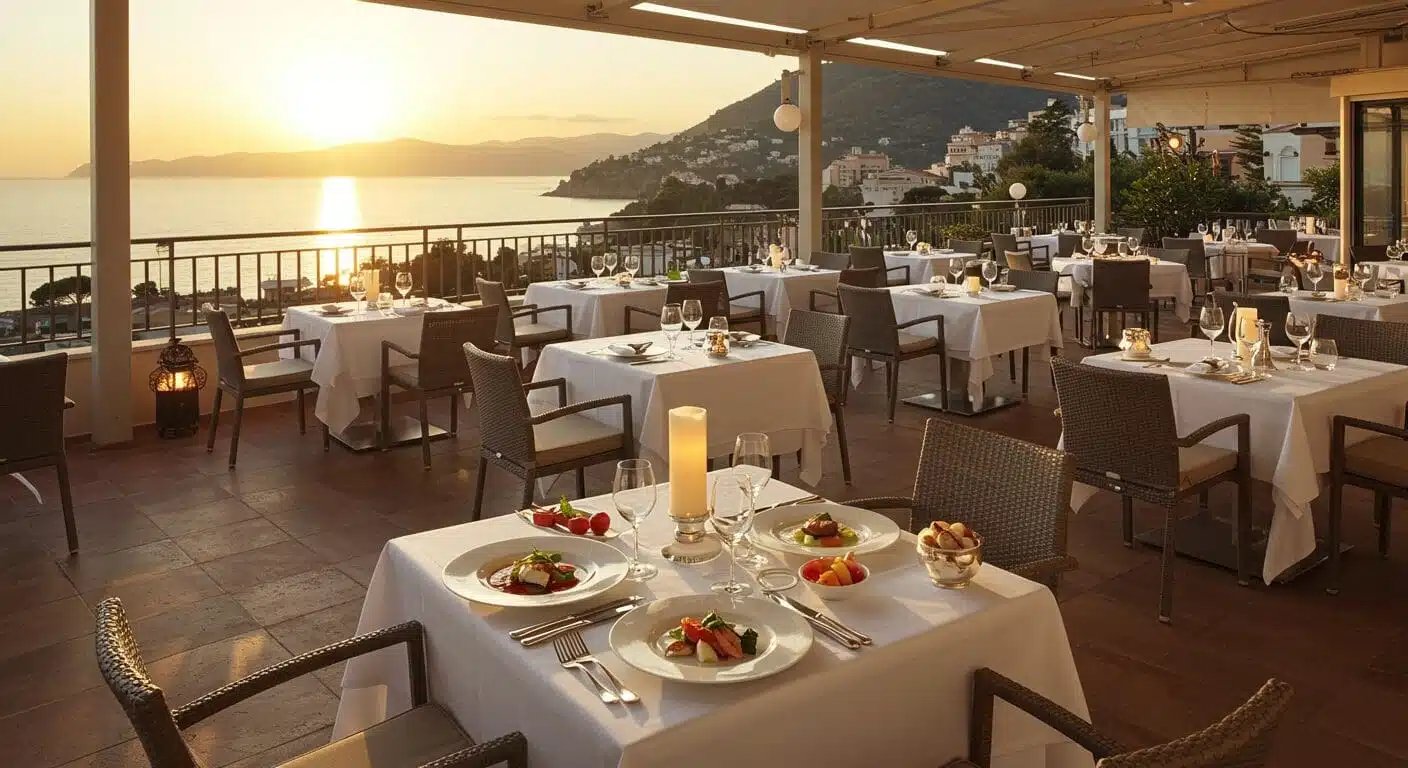
Le Marche tells a different story. Positioned along the Adriatic with access to both sea and Apennine interior, the region developed a cuisine of unusual range, one that moves between brodetto, a fisherman’s stew that varies by port, and rich inland preparations built around truffle, cured pork, and Verdicchio, a white wine with more complexity than its relative obscurity suggests. Where Roman and Tuscan cooking have been refined for export, the food of Le Marche remains largely local in audience and intention, which is what keeps it honest.
The Kind of Access That Can't Be Booked Online
What separates a meaningful journey through Epirus or Le Marche from a well-intentioned but surface-level visit is rarely the itinerary itself, but the relationships behind it.
A locally owned agriturismo in the Sibillini foothills or a family-run guesthouse in a Zagorochoria village offers something that no hotel booking platform can replicate: proximity to the people who actually understand these places and the informal access that follows.
Timing matters as much as connection. Le Marche’s white truffle season, concentrated in the hill towns of Acqualagna and Sant’Angelo in Vado from October through December, draws serious food travellers but rewards those with prior knowledge of where the best producers work and which local markets are worth the journey. In Epirus, winter festivals rooted in pre-Christian tradition animate villages that summer tourism never reaches, but they require local guidance to navigate with any real understanding.
Both regions resist independent discovery at depth. The knowledge that makes them worthwhile has been accumulated over years, and it rarely surfaces on its own.
What Choosing the Quieter Road Actually Means
Travelling to Epirus or Le Marche is not a statement against the Acropolis or the Amalfi Coast. Those places earned their reputations honestly, and the travellers who seek them out are not wrong to do so. But Greece and Italy are countries whose histories, landscapes, and cultures extend across centuries and geographies that no single region can represent. The well-documented corners are entry points, not conclusions.
What tends to happen to travellers who venture into these quieter regions is a recalibration of expectations. The rewards are less immediate and more lasting: a clearer sense of how a country actually functions beyond its tourism economy and a closer relationship with places that have not yet learned to perform for visitors.
For those who have already covered the foundational sites of ancient Greece or the Italian coast’s most celebrated stretches, Epirus and Le Marche offer something harder to attain and thus, more rewarding.