On this page
For couples who measure romance not in rose petals but in glacier crossings and aurora-lit skies, Norway and Iceland represent two very different answers to the same question. Choosing between them means understanding not just what each destination looks like, but how each one feels to move through as a couple chasing both wildness and intimacy.
Two Kinds of Wild: How Each Destination Sets a Different Tone
Norway rewards patience. Its fjords, carved by glaciers over millennia and flanked by villages that have changed little in a century, ask couples to slow down and let the landscape accumulate. The Geirangerfjord or the Nærøyfjord doesn’t reveal itself in a single view; it builds across days of ferry crossings, mountain roads, and quiet harbours. For a honeymoon, that gradual unfolding creates a particular kind of intimacy, one shaped by shared stillness rather than shared exertion.
Iceland operates on a different register entirely. The terrain is geologically young and visibly restless, with active volcanoes, lava fields, and geothermal plains that make the landscape feel provisional, as if it’s still being decided. Couples here are rarely passive observers. The environment demands a response, whether that’s crossing a glacier on the Vatnajökull ice cap or watching a geyser erupt on a schedule that waits for no one.
The distinction matters when planning a honeymoon because it shapes everything from pacing to mood. Norway is a destination to inhabit; Iceland is one to reckon with.
The Road as the Romance: Driving Routes That Define Each Journey
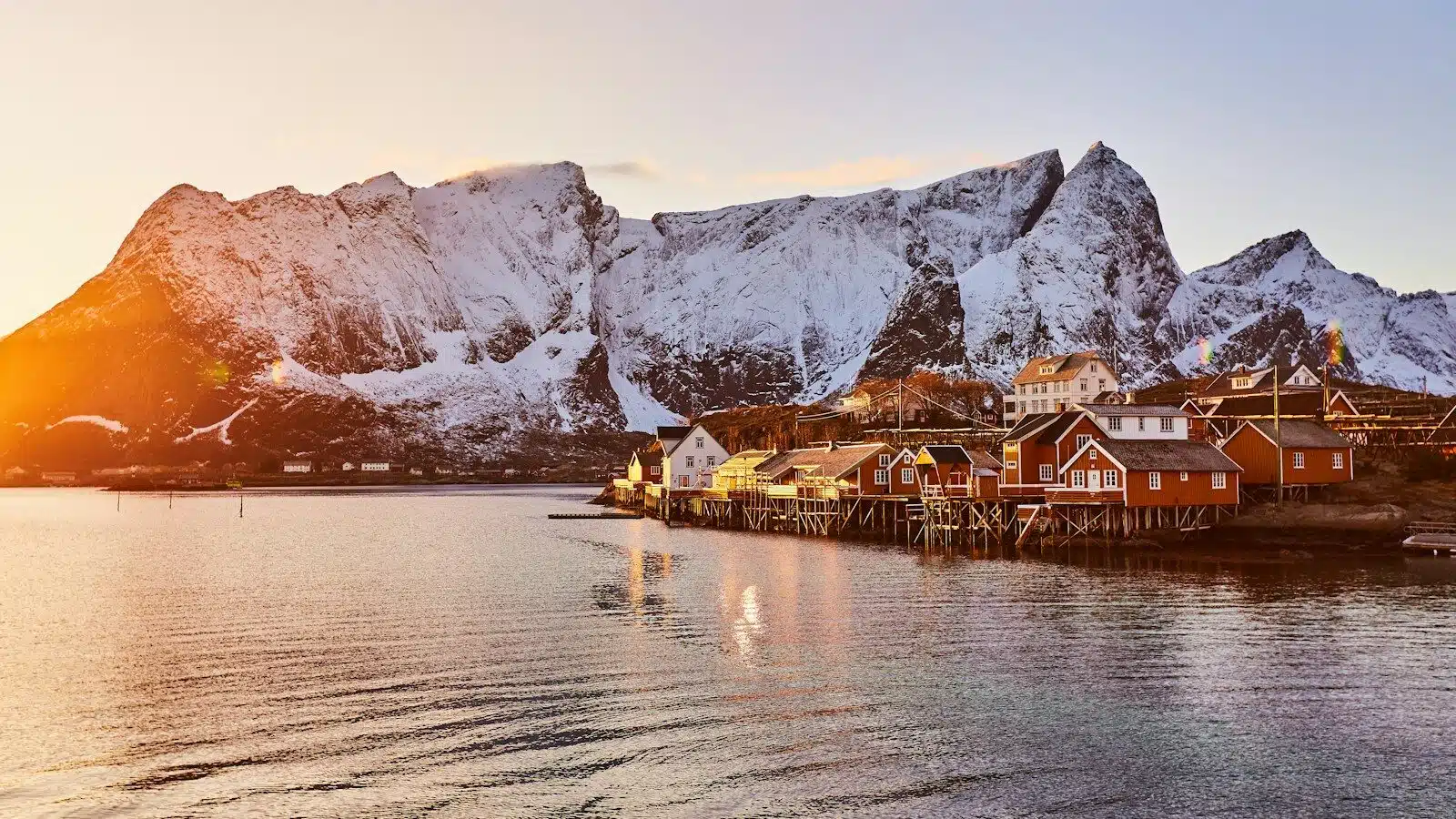
Norway’s 18 designated scenic routes are built around the idea of the reveal: roads engineered to slow you down, with viewpoints, rest stops, and architecture designed by leading Scandinavian firms placed precisely where the landscape demands attention. Trollstigen, a switchback mountain road that climbs through waterfalls and sheer rock faces, and the Lofoten archipelago’s coastal drive, where fishing villages appear between peaks and open sea, represent a curated kind of discovery. The pacing is deliberate, the infrastructure considered.
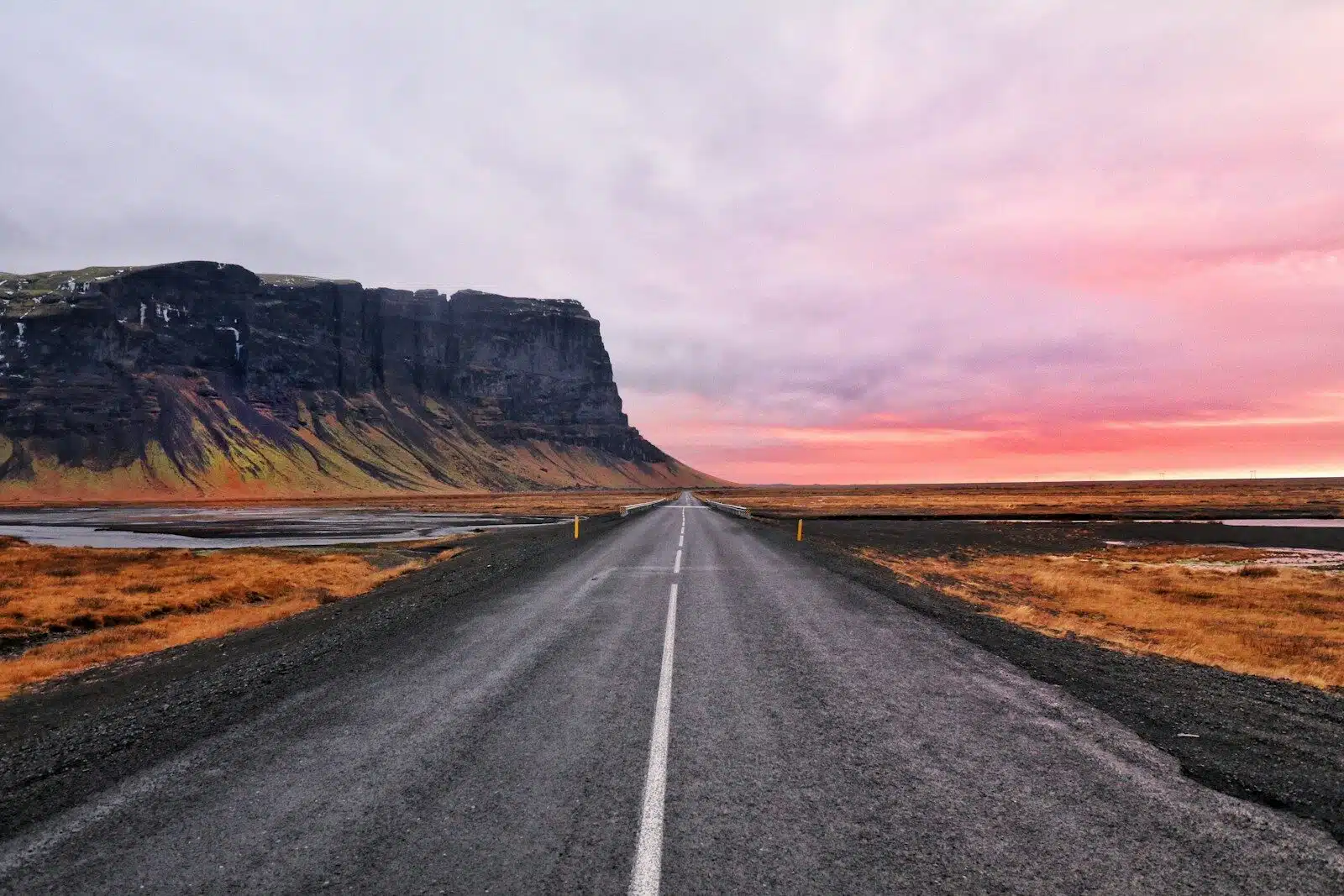
Iceland’s Ring Road operates on different logic entirely. Circling the island in roughly 1,300 kilometres, it connects glaciers, lava fields, black sand beaches, and geothermal valleys without hierarchy or sequence. The surprise is structural: you rarely know what the next hour holds. That unpredictability is part of the appeal, but it also demands flexibility.
For couples who want adventure shaped around comfort, Norway’s routes offer more reliable footing. For those who want the journey itself to feel genuinely open-ended, Iceland rarely disappoints.
Where Activity Meets Altitude: Outdoor Experiences Worth Planning a Honeymoon Around
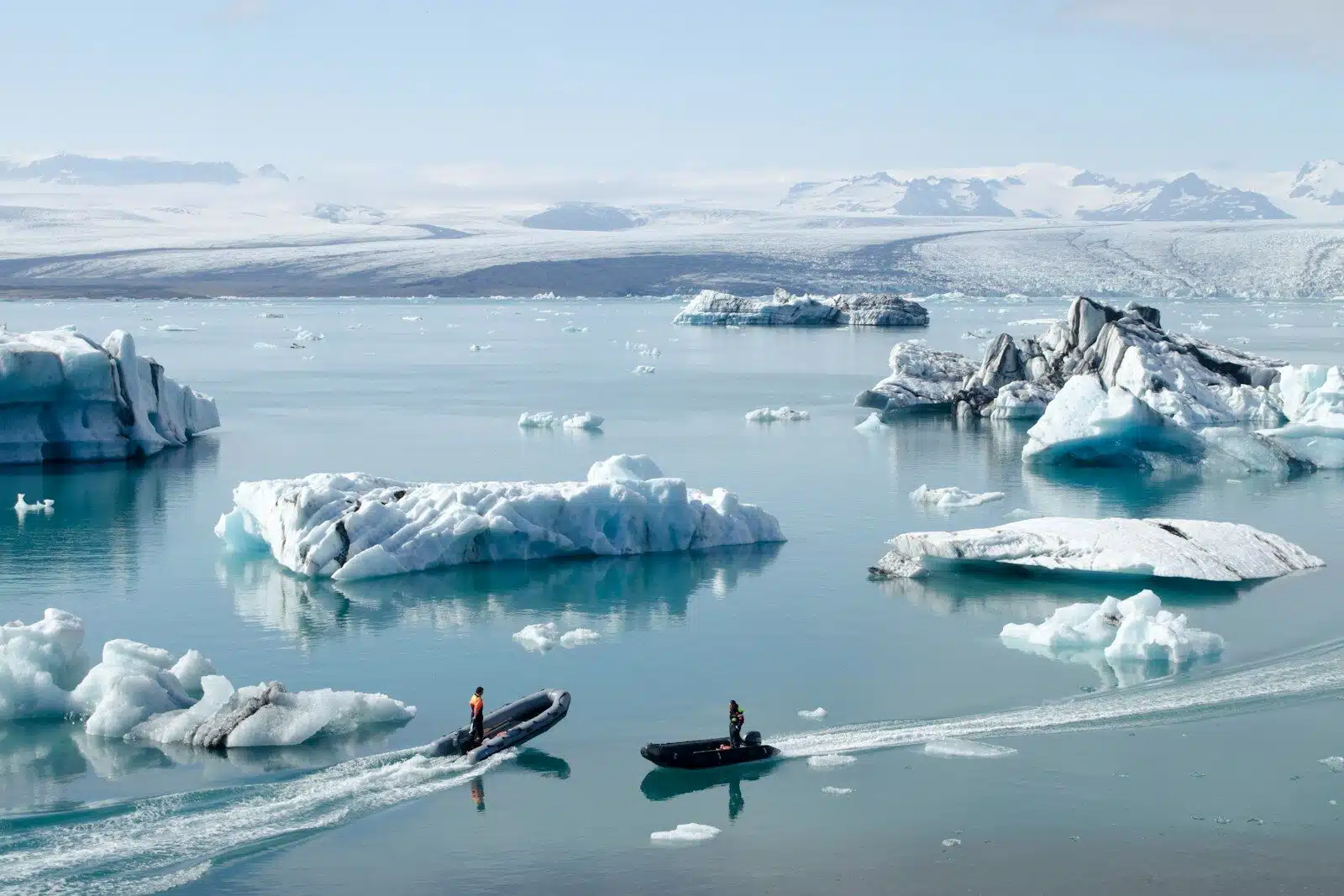
Iceland’s glacier experiences carry a particular kind of weight. Walking the surface of Vatnajökull, Europe’s largest ice cap, or descending into a blue ice cave beneath it requires both timing and coordination; the cave season runs roughly from November through March, and access is controlled to protect the formations. These are not activities that reward improvisation. The operators who hold access agreements and understand daily ice conditions are the ones who determine whether a visit is genuinely memorable or simply adequate.
Norway’s range is broader and, in some ways, more adaptable to a couple’s pace. Sea kayaking through the Lofoten archipelago, sailing a private vessel into Geirangerfjord, or trekking above the snowline in the Jotunheimen range each offer a different register of intensity. The fjord sailing in particular rewards local knowledge, since weather windows in these channels shift quickly and anchorage decisions require experience.
Where Iceland concentrates its drama into a handful of iconic but tightly managed experiences, Norway distributes its rewards across terrain, season, and mode of travel.
Chasing the Aurora: Which Destination Actually Delivers
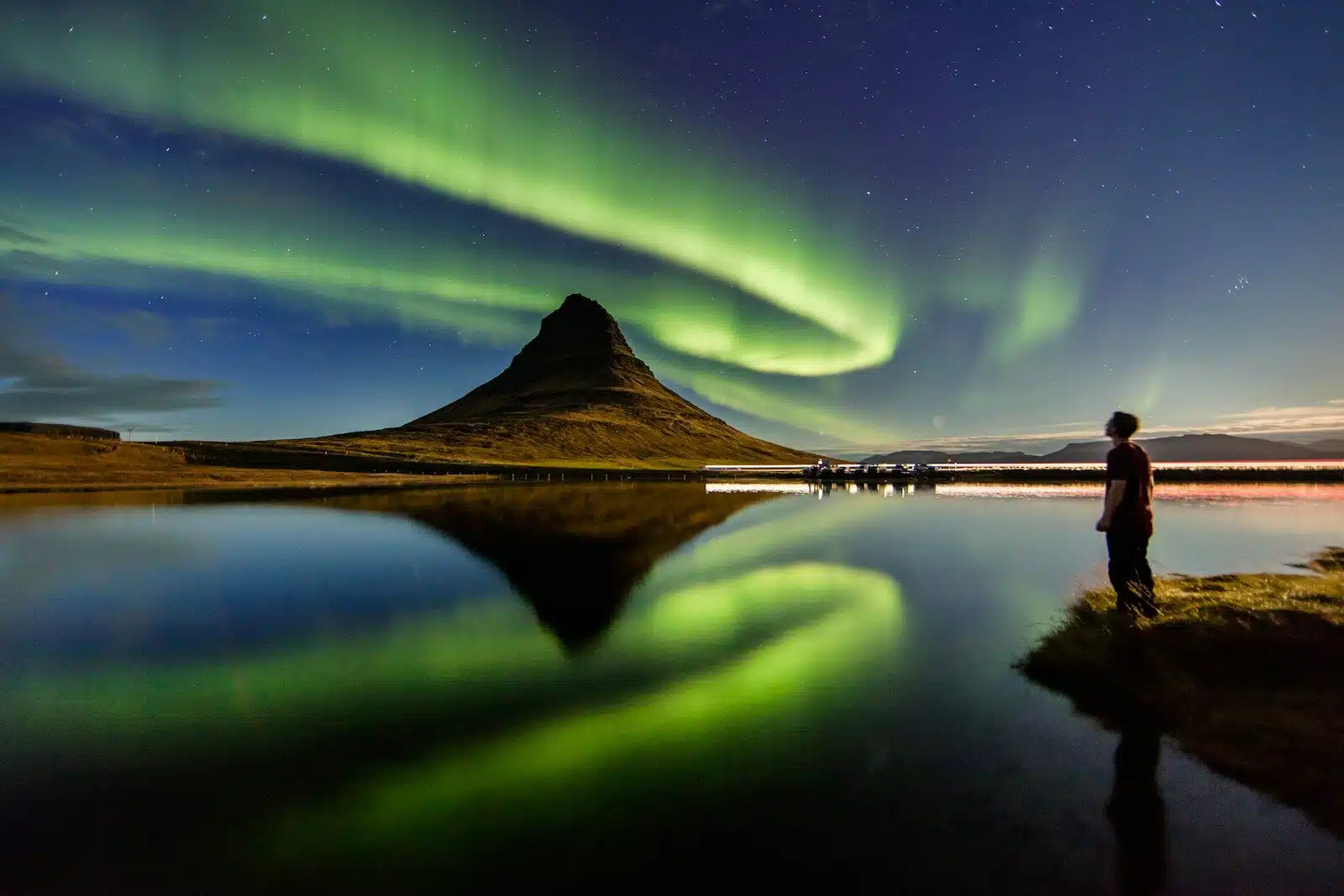
Both destinations sit within the auroral zone, but that shared geography masks meaningful differences in how reliably the lights actually appear. Iceland’s position in the North Atlantic makes its weather volatile; clear skies are never guaranteed, and even strong solar activity can be obscured by cloud cover for days at a time. Norwegian Lapland, by contrast, benefits from a more stable continental climate during winter months, giving it a statistical edge in viewing frequency across a season.
What separates a sighting from a near-certainty, in either country, is infrastructure. The best lodge operators in both regions employ dedicated aurora guides who track real-time Kp index data and position guests accordingly, rather than leaving them to scan the sky from a hotel window. In Lapland, properties built around glass-roofed suites allow couples to watch from bed without sacrificing warmth or sleep.
Iceland’s interior offers its own advantage: distance from coastal weather systems and almost no light pollution, conditions that reward travellers willing to move beyond the Ring Road entirely.
The Places That Make You Stay: Hotels That Balance Adventure With Intimacy
Where a property sits within a landscape matters far less than how it was conceived in relation to it. Iceland’s most considered retreats, particularly those built around geothermal activity in the volcanic interior, treat the land as both architecture and amenity. The hot spring is not an amenity added to the experience; it is the reason the building exists where it does. That logic produces a different kind of intimacy, one rooted in geology rather than design.
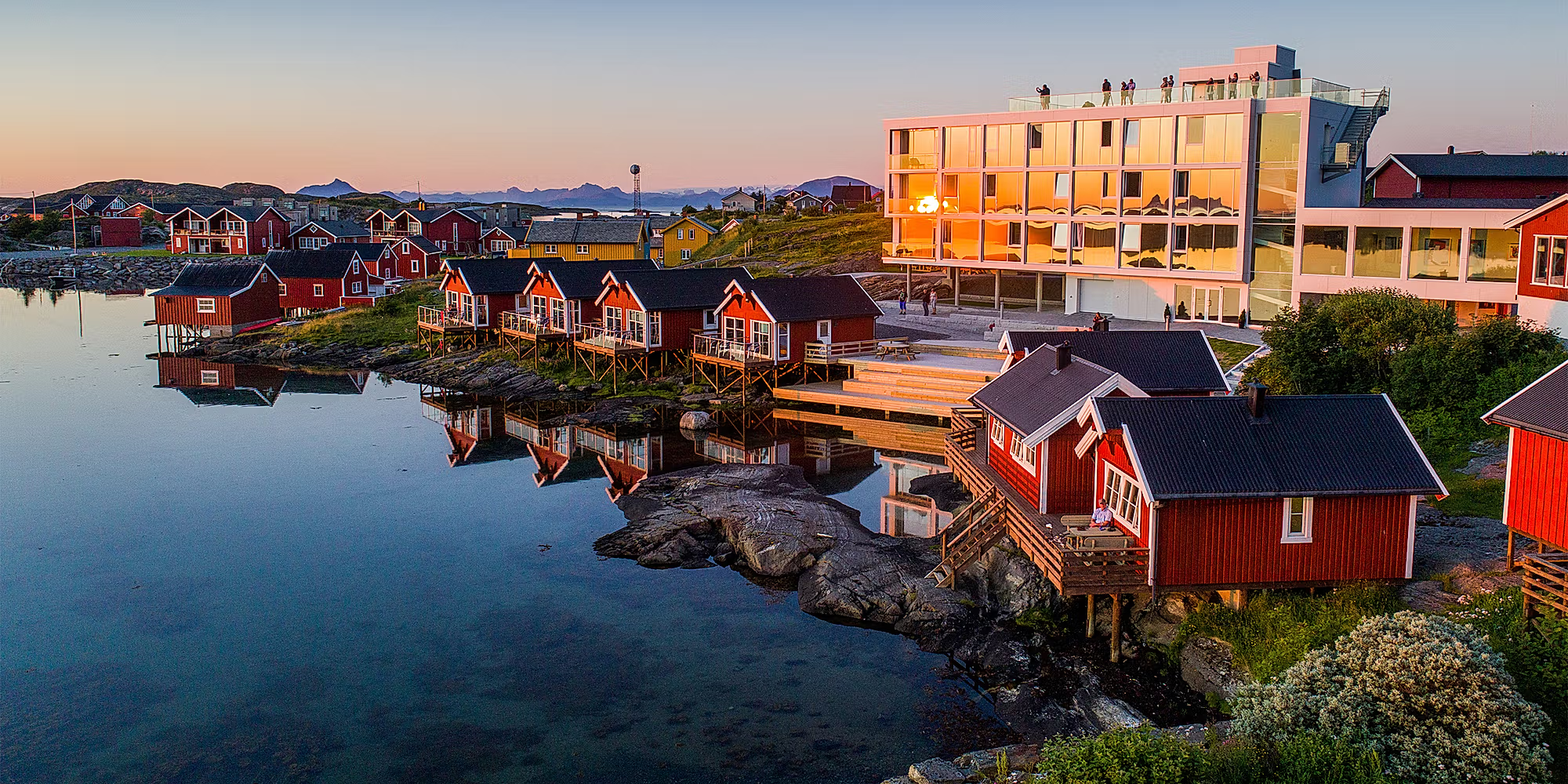
Norway’s approach is quieter and, for many couples, more affecting. Remote fjord camps and heritage coastal properties in regions like Lofoten or Hardanger are often built around access rather than spectacle, placing guests within landscapes that reward patience. The light changes, the water shifts, and the property becomes a base for understanding a place rather than simply witnessing it.
The distinction shapes the honeymoon experience in practical terms. Iceland tends towards the dramatic and immediate; Norway towards the gradual and immersive. Both are valid, but they suit different couples.
Take a look at our top picks for Norwegian and Icelandic hotels and see the options for yourself.
The Honest Answer: Which Destination Is Right for Your Honeymoon
The distinction between these two destinations is ultimately a question of how you want your honeymoon to unfold. Iceland compresses its drama into a small, navigable geography where glaciers, geysers, and black-sand coastlines arrive in rapid succession. For couples who want intensity without complexity, that immediacy is the point. The sense of discovery is fast and visceral, and the country rewards those with limited time who want to feel the full weight of a landscape without having to work too hard to find it.
Norway asks for more. Its rewards accumulate slowly, across fjords that require ferry crossings, mountain roads that demand patience, and coastal villages that only reveal themselves once you’ve committed to the journey. The experience is richer for that effort, but it suits couples who want a honeymoon that builds at a measured pace, rather than delivers everything at once.
Neither destination is the obvious choice. The right one depends entirely on which version of adventure you’re searching for.