

On this page
A comparison of Tanzania and Botswana’s safari philosophies, from the Serengeti’s high-volume wildlife encounters to Botswana’s low-density concessions and controlled wilderness access.
The Wildlife Case: Volume vs. Exclusivity
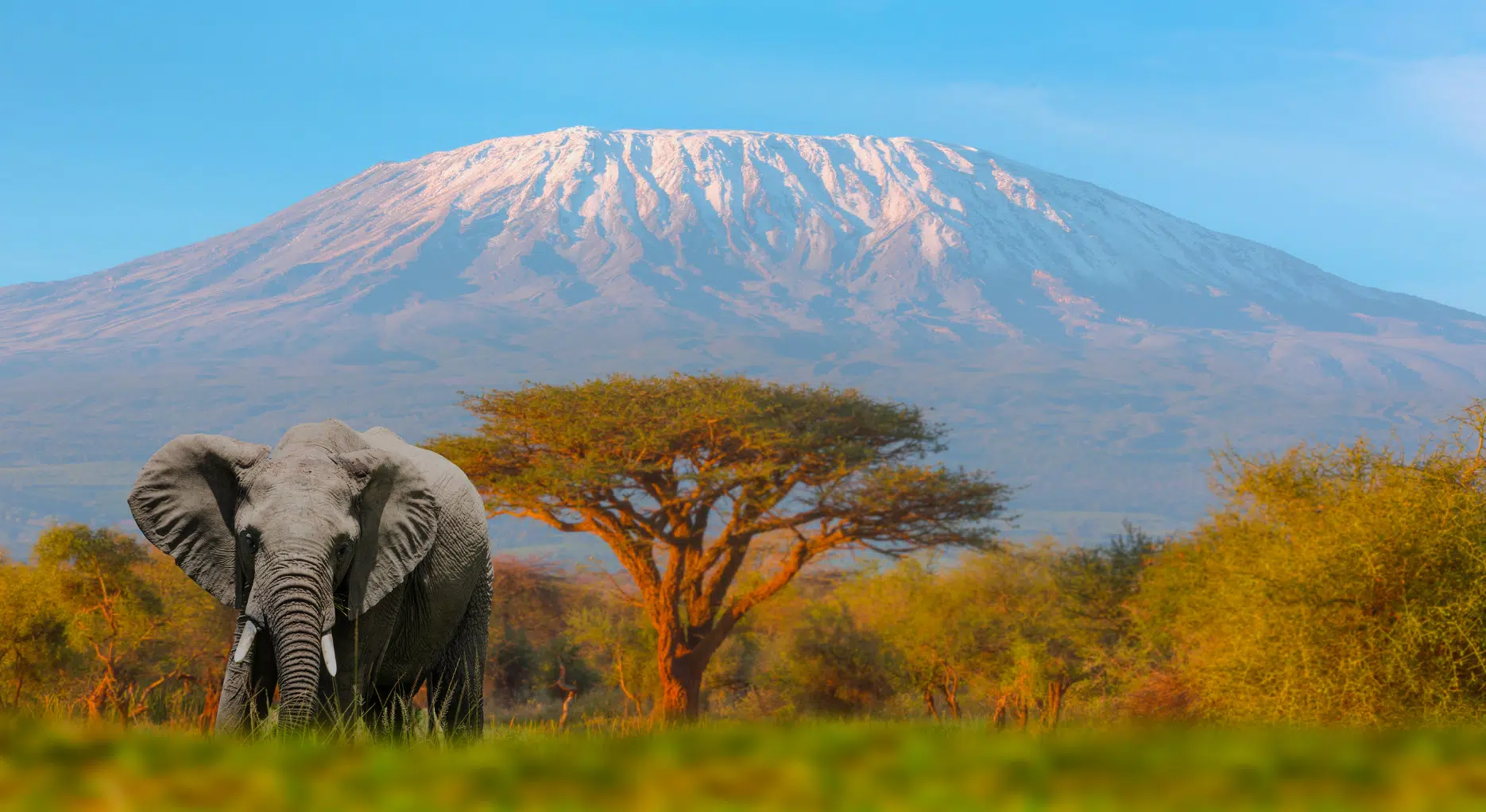
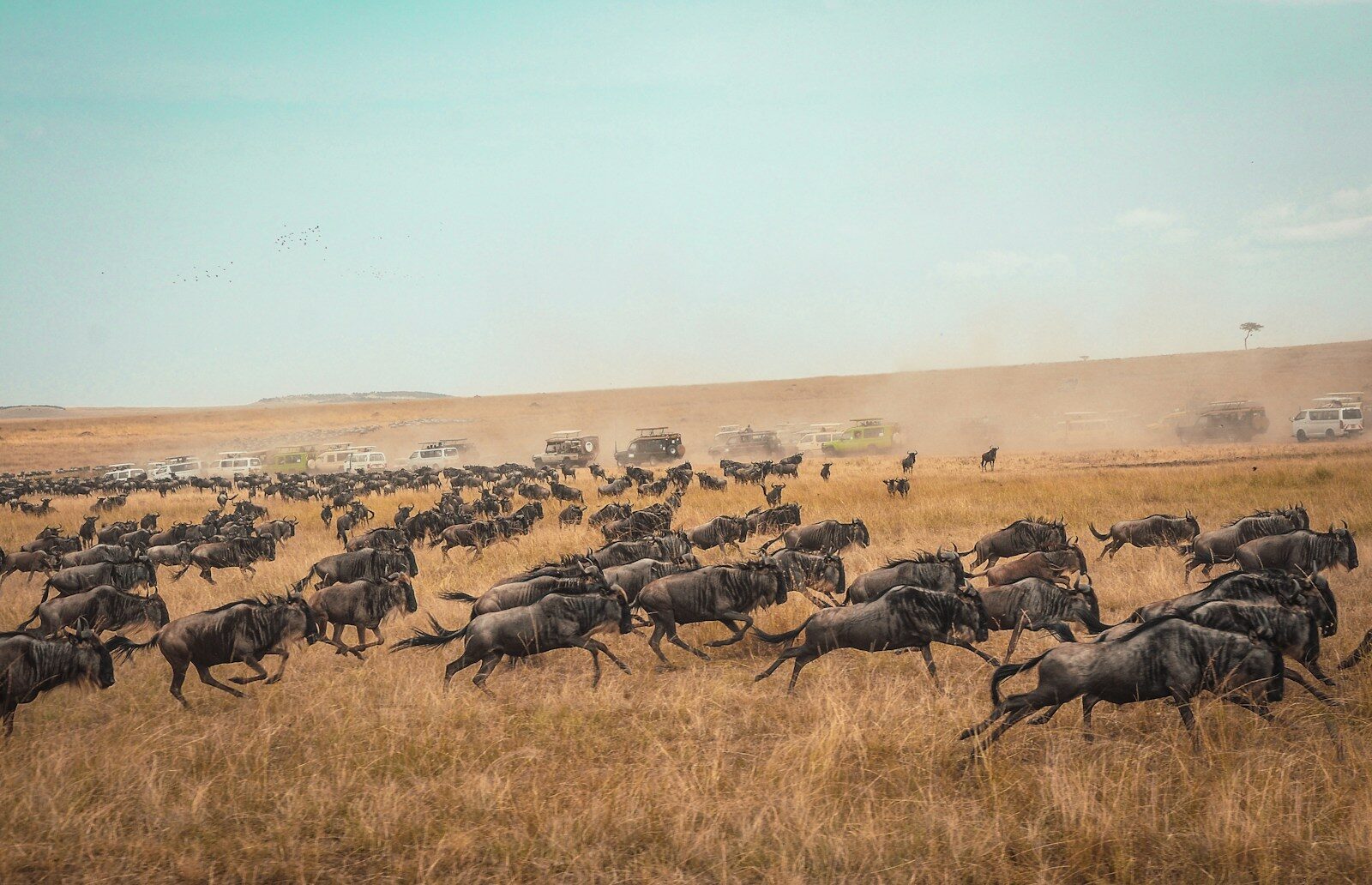
Tanzania’s wildlife case rests on scale. The Serengeti supports one of the highest concentrations of large mammals on earth, and the Great Migration, which moves roughly 1.5 million wildebeest and several hundred thousand zebra across the ecosystem annually, is the largest overland animal movement in the world. Sightings in the Serengeti are frequent and often multiple species at once, which suits travellers who want consistent, high-volume game viewing across a relatively accessible circuit.
Botswana operates on a different logic. The Okavango Delta and the Linyanti system hold smaller, more dispersed wildlife populations, and camps in these areas are deliberately low-capacity. Daily game drives or boat-based activities may yield fewer individual sightings, but encounters tend to occur without the presence of other vehicles, a condition that is increasingly rare across East Africa’s more trafficked reserves.
The distinction is structural. Tanzania offers breadth and spectacle. Botswana offers depth and controlled access. Neither is superior. They serve different priorities.
The Camps: Iconic Infrastructure vs. Deliberate Restraint
Tanzania’s luxury camps operate at a scale that reflects the country’s volume-based conservation model. Properties are designed to deliver a high standard of comfort across a significant number of guests, with established infrastructure within landscapes that support it.
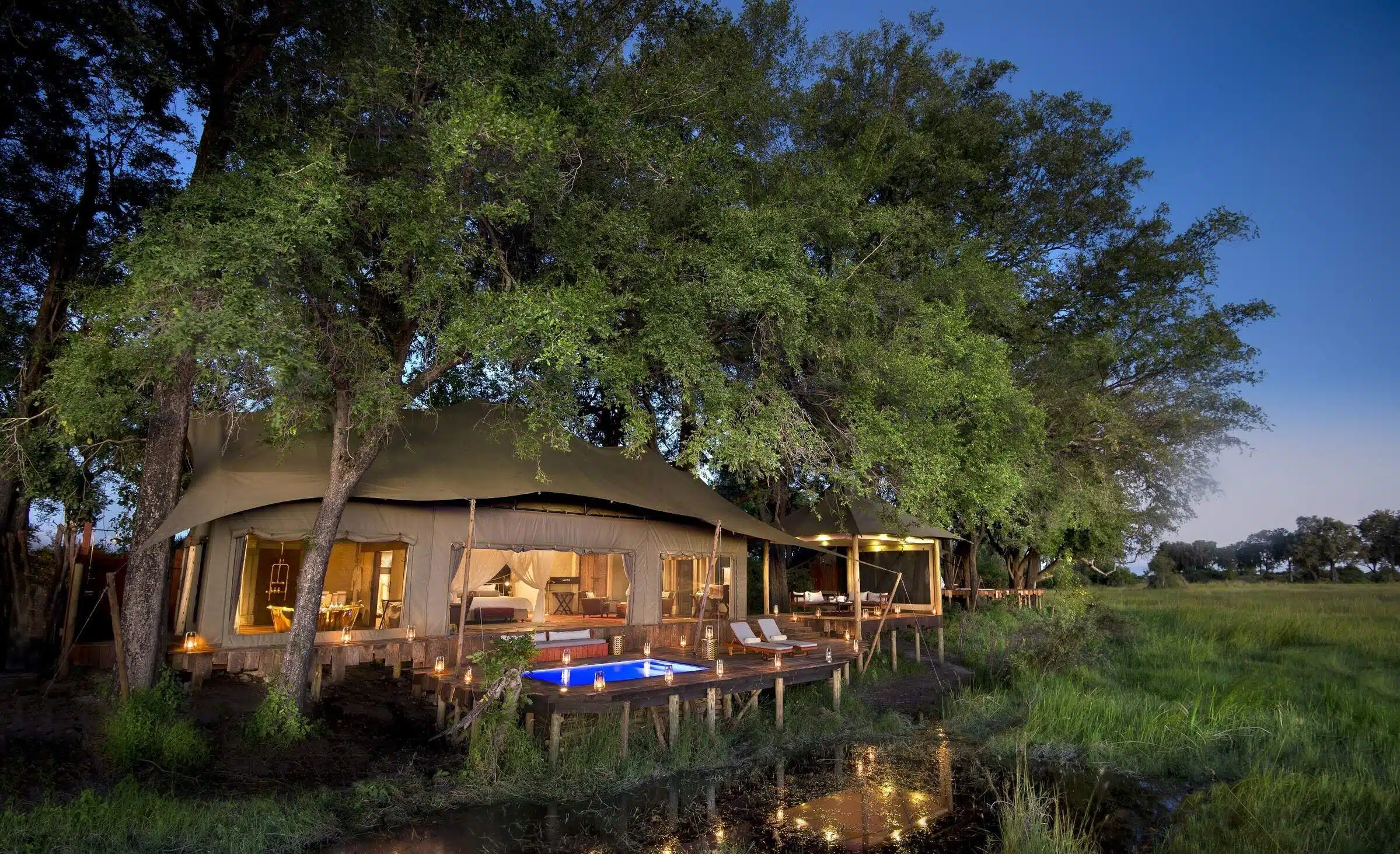
Botswana’s approach is structurally different. Camps in the Okavango Delta operate under strict low-volume concession agreements, limiting guest numbers as a condition of access. The remoteness is not incidental. It is the basis on which these properties are permitted to exist.
The distinction matters when choosing. Tanzania offers established, high-specification infrastructure within landscapes that support it. Botswana offers access to ecosystems where the camp’s value is inseparable from its exclusivity and the conservation framework that governs it.
Getting There: Accessibility and the Cost of Remoteness
Tanzania is the more accessible of the two. International flights connect through Kilimanjaro, Dar es Salaam, and Zanzibar, with onward connections to the northern circuit via Arusha or direct charter into the Serengeti. The infrastructure supports a broader range of itineraries and entry points, which gives it flexibility that Botswana does not offer.
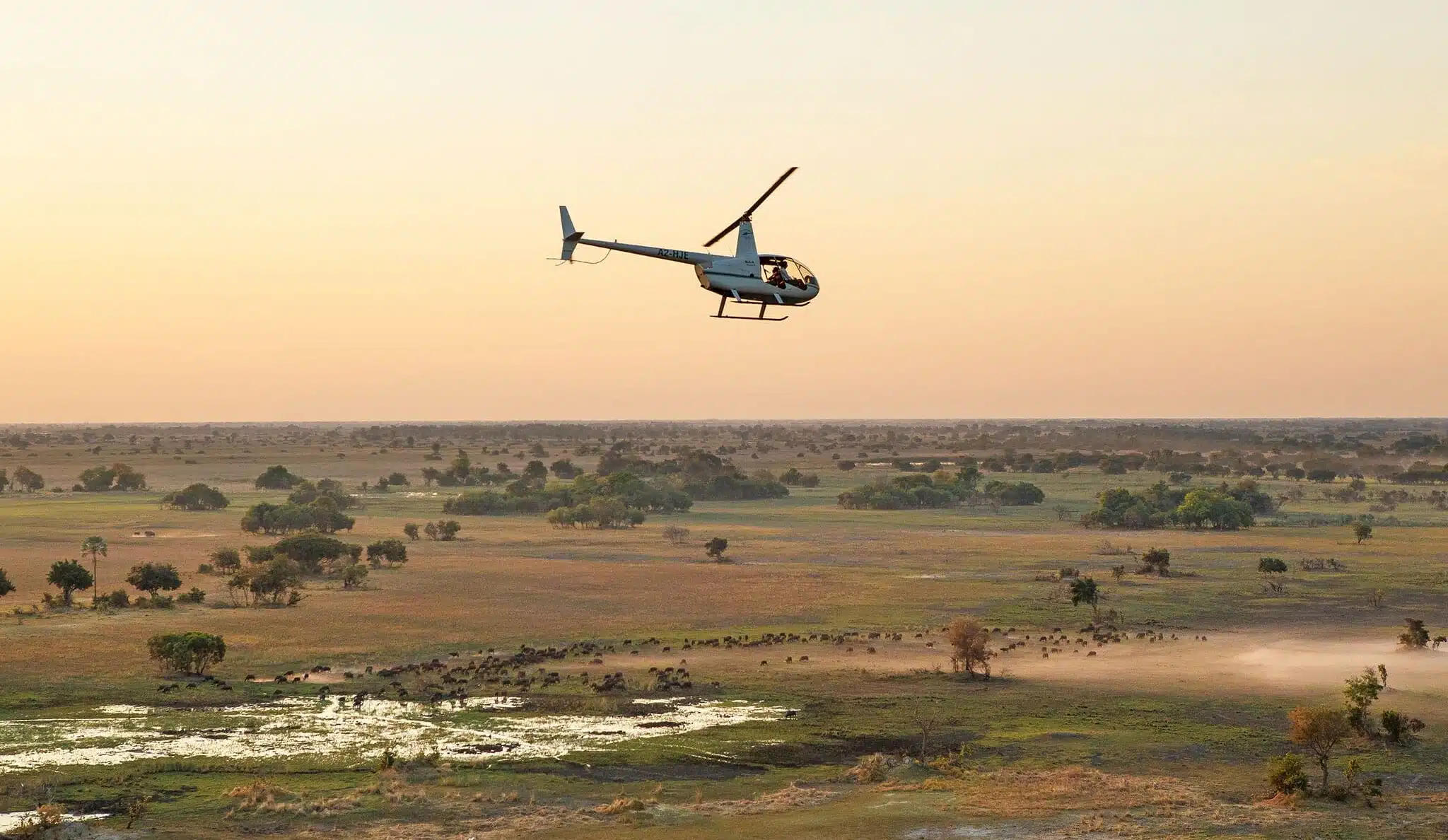
Botswana’s remoteness is a structural feature, not an inconvenience. Most visitors route through Johannesburg into Maun or Kasane, then transfer onto light aircraft to reach camps in the Okavango Delta, Linyanti, or the Central Kalahari. These internal charter networks are the primary means of movement between concessions, and they are integrated with the camps themselves. Access is not something a traveller arranges independently.
This distinction matters when planning. Tanzania accommodates more variables; Botswana requires a fixed, coordinated itinerary from the outset. The cost of remoteness in Botswana is real, both financially and logistically, and it shapes the entire structure of a visit.
Crowd Levels and Conservation Policy
Botswana’s conservation model is built on a deliberate constraint. The government limits the number of beds permitted within its protected areas, and concession fees are structured to make high-volume tourism economically unviable. The result is a system where exclusivity is a function of policy, not price tier. Camps in the Okavango Delta and Linyanti operate with small guest capacities, and shared sightings in the bush are uncommon by design.
Tanzania operates under a different framework. Its national parks are publicly accessible, and the northern circuit, covering Serengeti, Ngorongoro, and Tarangire, draws significant visitor numbers during peak migration season. Luxury lodges and private conservancies adjacent to park boundaries offer meaningful separation from that pressure, but they require deliberate planning to access effectively.
The distinction matters when assessing value. In Botswana, seclusion is structurally guaranteed. In Tanzania, it is achievable but contingent on how the itinerary is constructed and which areas are prioritised.
The Type of Traveller Each Destination Rewards
Tanzania suits the traveller who wants range. The Serengeti’s wildebeest migration, Ngorongoro’s crater floor, and the northern circuit’s concentration of species offer a structured safari with reliable, high-volume wildlife encounters. It is a destination that rewards first-time safari travellers and those who want to cover significant ground within a single trip.
Botswana suits a different set of priorities. The Okavango Delta and Linyanti concessions are built around low-density access, meaning fewer vehicles, fewer camps, and a more deliberate pace. The experience is less about accumulation and more about sustained observation. Travellers who return to Botswana tend to do so because the format suits a particular kind of attention.
The financial gap between the two is also a practical filter. Botswana’s high-cost, low-volume model is a deliberate conservation policy, not a pricing anomaly. Tanzania offers more flexibility across budgets. Neither is the correct choice in the abstract. Both are the correct choice for the right traveller.
Ready to plan your safari and decide which destination suits your priorities? Speak with Do Not Disturb to begin your journey.