
On this page
A luxury safari is one of the most complex travel experiences to plan well, where the difference between a good trip and an extraordinary one often comes down to decisions most travellers don’t know to ask about. Understanding where those decisions matter most, and why, is the starting point for getting it right.
Destination First, But Not for the Reasons You Think
The most common mistake in planning a safari isn’t choosing the wrong camp. It’s choosing the wrong country for the wrong reasons. Africa’s major safari destinations are frequently treated as interchangeable, when in reality they offer fundamentally different wildlife experiences shaped by ecosystem, seasonality, and geography. The Serengeti and the Okavango Delta are both world-class, but they reward very different kinds of travellers, and conflating them leads to itineraries that underdeliver on what the traveller actually came for.
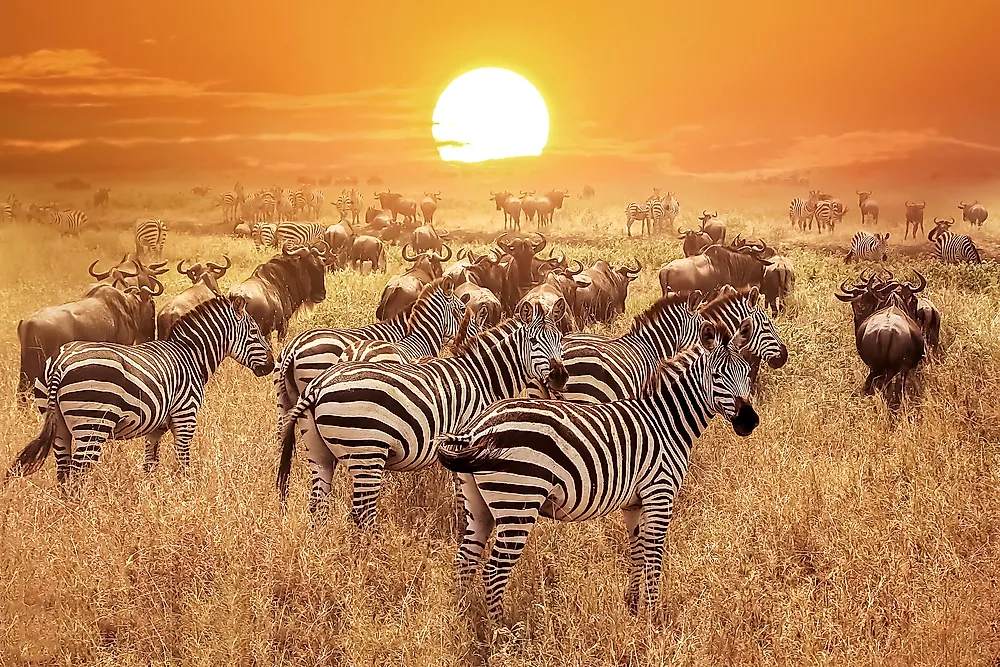
Wildlife priorities should drive the destination decision before anything else. Travellers focused on the Great Migration need to understand that the spectacle shifts across the Serengeti and Maasai Mara on a seasonal calendar, meaning timing determines location, not the other way around. Botswana, by contrast, offers something structurally different: low-volume, high-exclusivity access across private concessions where the absence of crowds is itself part of the experience. Choosing between Tanzania and Botswana is less about prestige and more about what kind of encounter with the landscape you’re looking for.
Trip length and travel tolerance matter just as much. Botswana’s remote camps often require multiple light aircraft transfers. East Africa’s northern circuits can be combined across Kenya and Tanzania, but only when the routing is built around wildlife movement rather than convenience.
The Season Question Has a More Complicated Answer Than Peak or Off-Peak
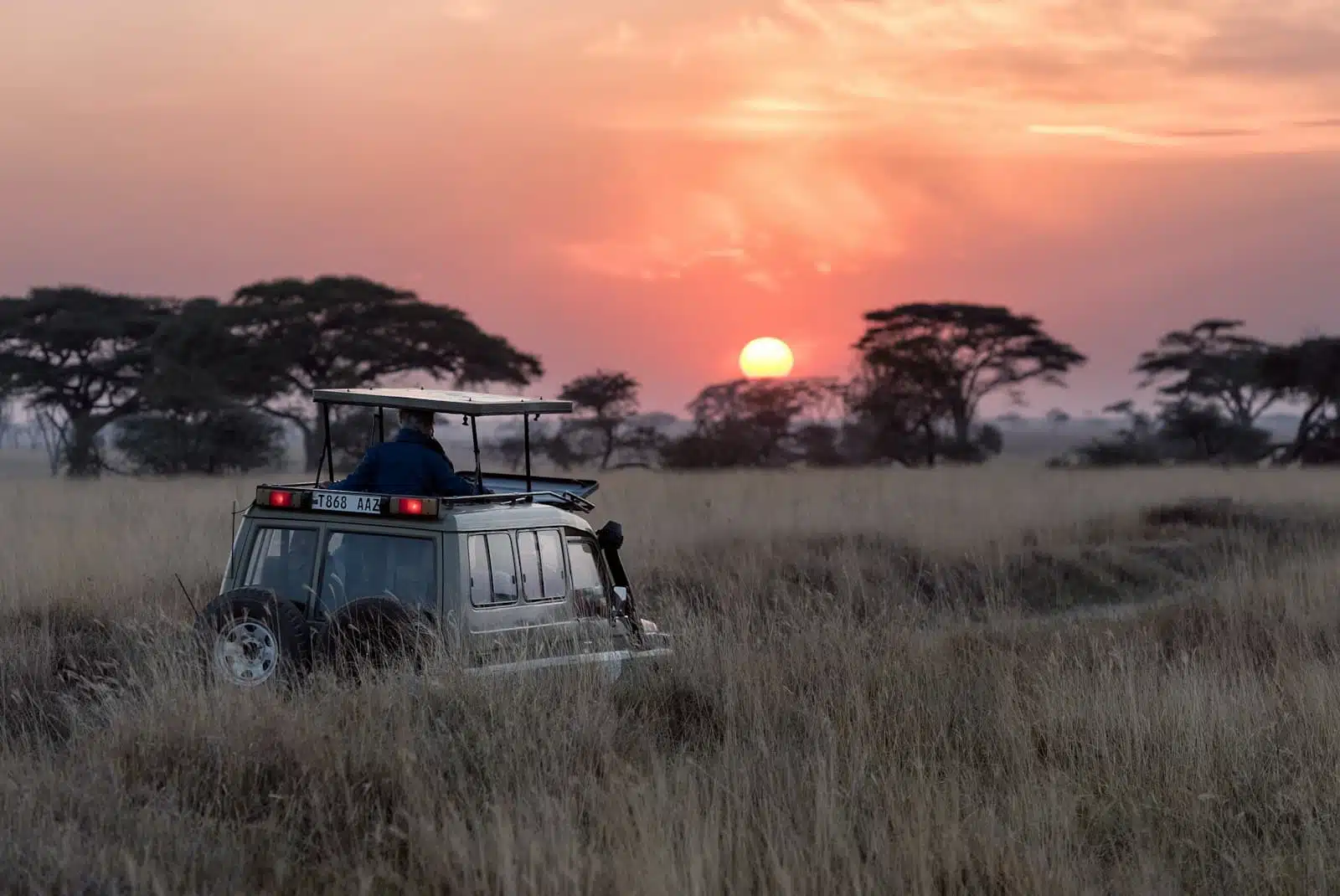
Timing a safari well requires more than avoiding the rains. The conventional peak-versus-off-peak framework tells you when conditions are most comfortable, but it says little about what you’ll actually encounter on the ground. The Serengeti’s wildebeest migration, for instance, doesn’t follow a fixed calendar. The river crossings that define the Mara River spectacle typically occur between July and October, but the precise timing shifts year to year depending on rainfall patterns further south. Arriving a week too early or too late can mean missing the event entirely, and no amount of camp quality compensates for that.
The green season, broadly dismissed as a compromise, is genuinely the better choice for certain travellers. Newborn wildlife is concentrated in the southern Serengeti between January and March, predator activity is high, and camp rates across Tanzania drop considerably. The landscape reads differently too, lush and open in ways the dry season doesn’t produce. For photographers, the light and the lack of dust can be a significant advantage.
The real question isn’t which season is best in the abstract. It’s which combination of wildlife events, landscape conditions, and crowd levels aligns with what a specific traveller wants. That calculation changes with every destination, and often with every year.
What Camp Style Actually Determines About Your Experience
The style of camp a traveller chooses doesn’t just determine where they sleep. It sets the structure of every day on safari, from how early they move to how much of the landscape they actually reach.
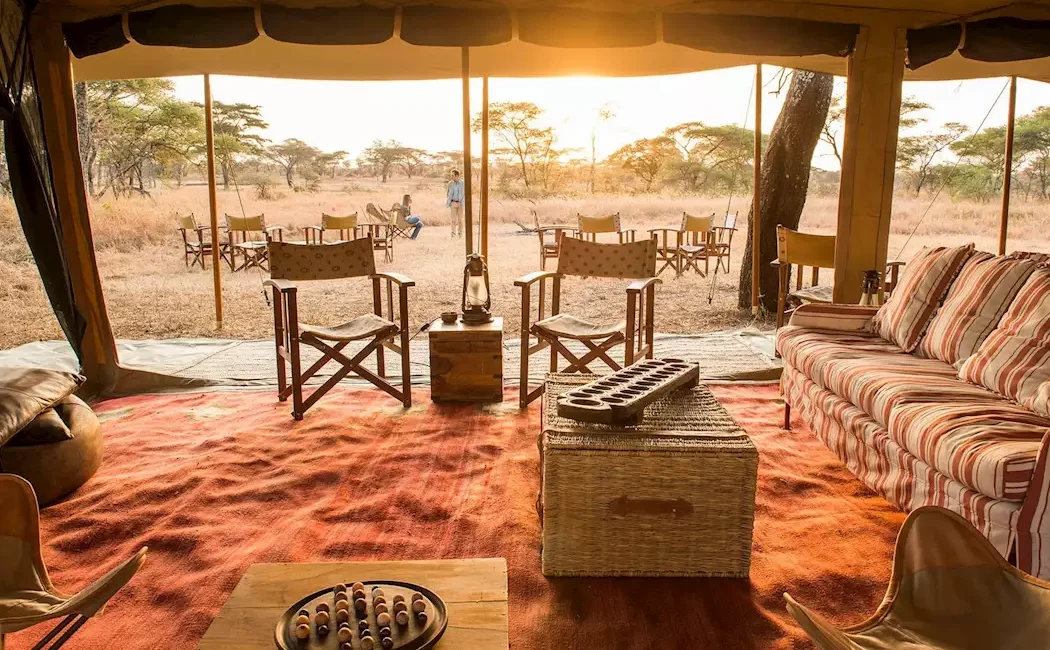
Large lodges, typically found in high-traffic reserves, operate on fixed schedules shared across dozens of guests. The guiding can be excellent, but the experience is collective by design. Intimate tented camps, often limited to 8 or 10 guests, allow for more flexible timing, closer guide relationships, and itineraries that respond to what’s actually happening in the bush. Mobile camps go further still, relocating seasonally to follow wildlife movement rather than waiting for it to arrive. In Botswana’s more remote concessions, the exclusivity of the land itself means that camp scale directly determines how much of it a traveller can access.
Private houses sit in a different category entirely. Booked exclusively, they allow a group to set their own pace, work with a dedicated guide, and move without compromise. For families or travellers with specific interests, that level of control changes the quality of the experience in ways that no amount of luxury finishing can replicate.
The Private Vehicle Decision, and Why It Changes Everything on the Ground
Most travellers on shared game drive vehicles don’t realise what they’ve given up until they watch another vehicle hold position at a sighting for exactly as long as the guide decides, then move on without a vote. That autonomy is what a private vehicle actually buys, and it shapes the entire rhythm of a day in the bush.
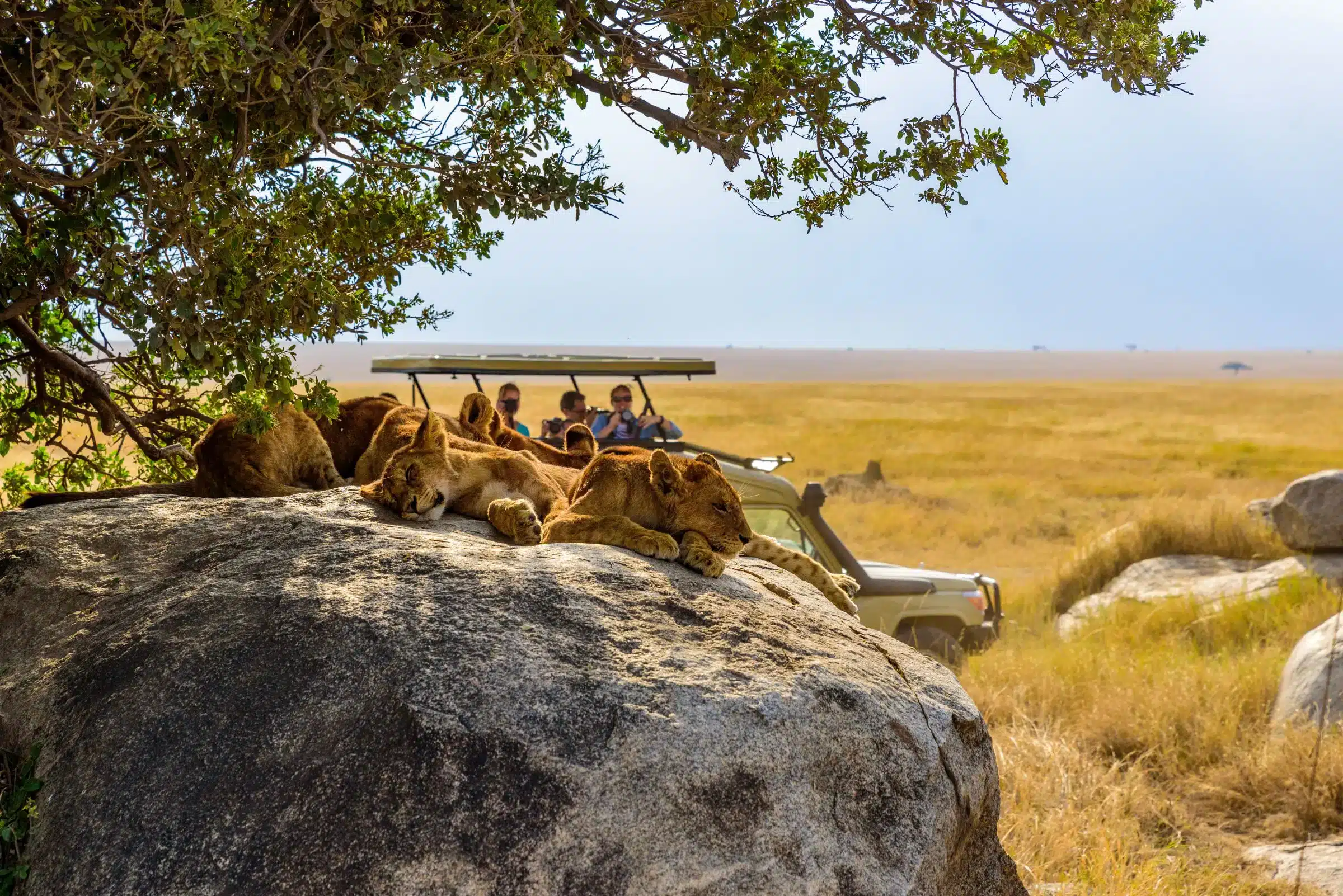
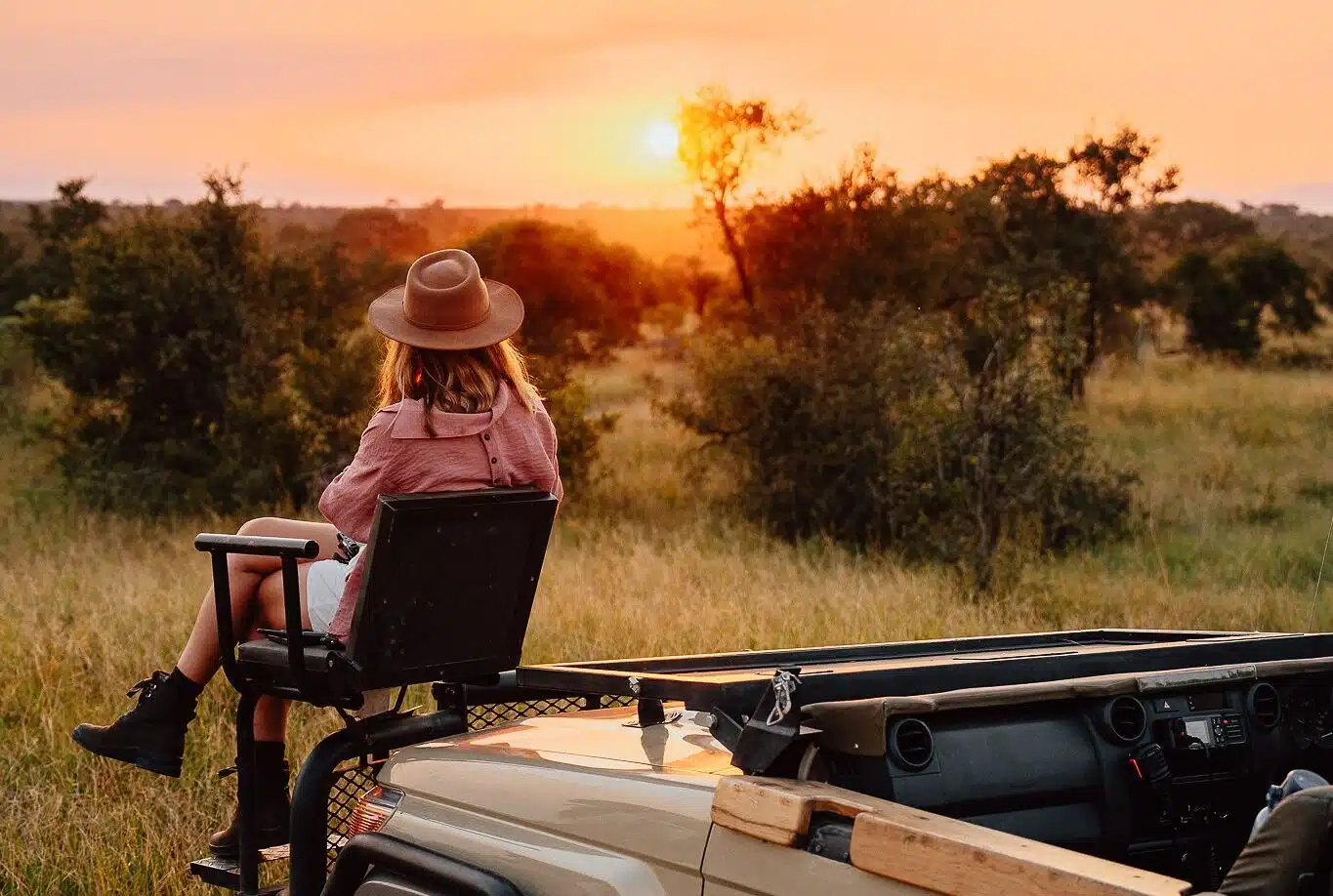
With a dedicated guide and vehicle, the pace of each drive is set by what’s unfolding in front of you. A leopard moving through long grass, a lion cub testing its footing, a breeding herd of elephants crossing at dusk: these are moments that reward patience, and patience requires control over when you stay and when you leave. Private vehicles also allow guides to pursue sightings off established tracks in reserves where off-road driving is permitted, which in ecosystems like the Okavango Delta or the private concessions bordering the Serengeti, can be the difference between a distant view and a genuinely close encounter.
The guide’s relationship with the landscape and their ability to read animal behaviour in real time become far more valuable when nothing is pulling them towards a schedule built around other people’s interests. A private dawn drive with a specialist tracker illustrates precisely how that dynamic changes what becomes possible before most camps have even finished breakfast.
Flying Between Camps Is Not a Convenience - It's Part of the Safari
Most travellers treat the flight between camps as dead time, a necessary gap between one game drive and the next. In practice, the routing and sequencing of those transfers shapes the entire rhythm of a safari itinerary, and getting it wrong can leave an otherwise well-chosen trip feeling disjointed.
Flying low over the Okavango Delta or the Serengeti’s open plains at altitude reveals a scale that’s impossible to grasp from the ground. The patchwork of ecosystems, the movement of herds across vast distances, and the shift from woodland to floodplain to open savanna—these transitions become legible from the air in a way that deepens what you see once you land. A well-sequenced itinerary uses each transfer to reorient the traveller, so that arriving at a new camp feels like a natural progression rather than a reset.
The sequencing logic matters as much as the camps themselves. Moving from a high-density wildlife area early in the trip to a more remote, specialist destination later tends to build rather than flatten the experience. In multi-country itineraries across Kenya and Tanzania, the order of ecosystems visited and the flight paths connecting them require the kind of regional knowledge that only comes from having planned these routes repeatedly.
Length of Stay, and the Patience That Separates a Good Safari From a Great One
Most travellers structure their safari around variety, moving between three or four camps across two weeks in the belief that more locations means a richer experience. The logic is understandable, but it tends to produce the opposite result. Frequent moves consume travel days, compress time in each ecosystem, and leave little room for the kind of repeated, cumulative observation that defines a genuinely immersive safari.
Wildlife behaviour rarely reveals itself on a schedule. A predator hunt, a river crossing, and a sequence of interactions within a pride can unfold over several days, and only those who stay long enough are positioned to witness it. Spending 4 or 5 nights in a single area also allows guides to build on what they’ve already seen, tracking specific animals and returning to promising sightings rather than starting fresh each morning.
The most considered itineraries tend to prioritise depth over breadth, committing meaningful time to two well-chosen areas rather than skimming across five. For travellers weighing how to allocate those nights, understanding the differences between destinations like Tanzania and Botswana is a useful starting point, since each rewards longer stays in fundamentally different ways.