

On this page
March sits at a rare intersection in the travel calendar, when winter loosens its grip just enough to make the world’s most beautiful destinations feel newly discovered. From the first cherry blossoms drifting over Kyoto’s temple gardens to the pale gold light returning to the Amalfi Coast, this is the month that rewards those who plan ahead and travel with intention.
Why March Is the Month That Changes Everything
The most experienced travellers understand something that casual tourists often miss: the difference between visiting a destination and arriving at the right moment. March occupies a particular position in the travel calendar because it sits just ahead of the surge, when spring is beginning but the crowds that follow it have not yet materialised. In practical terms, this means shorter queues at Kyoto‘s most celebrated temples, open tables at restaurants along the Amalfi Coast, and hotel rates that reflect the season’s transitional status rather than its actual appeal.
But the case for March travel goes beyond logistics. The destinations worth pursuing this month are not simply pleasant in March; they are transformed by it. Cherry blossom season in Japan is a cultural event tied to a precise and fleeting window. The return of light to southern Europe shifts the quality of the landscape in ways that photographs rarely capture. These are places where the timing is not incidental to the experience. It is the experience.
Japan Before the Crowds: Timing the Cherry Blossom Season Right
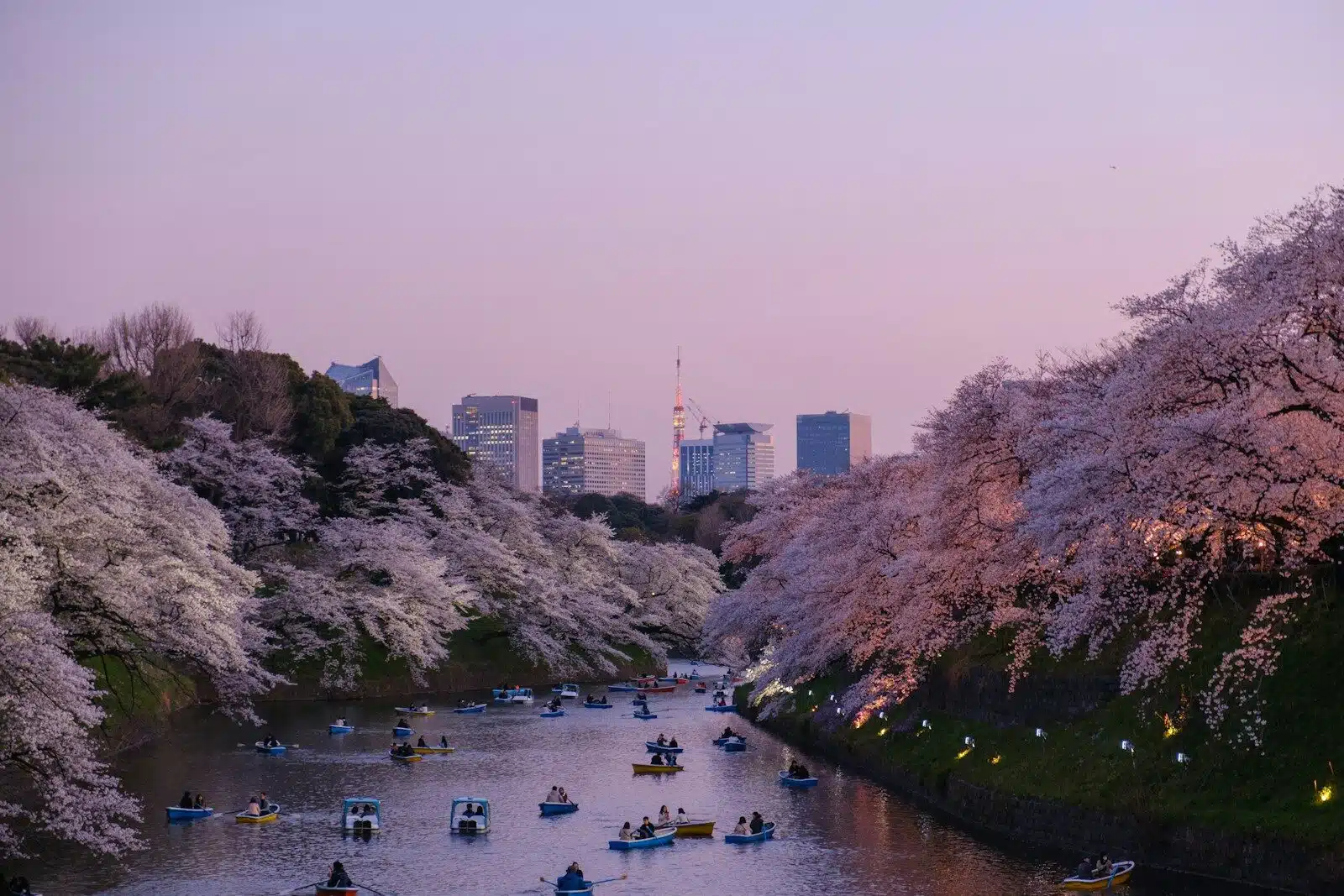
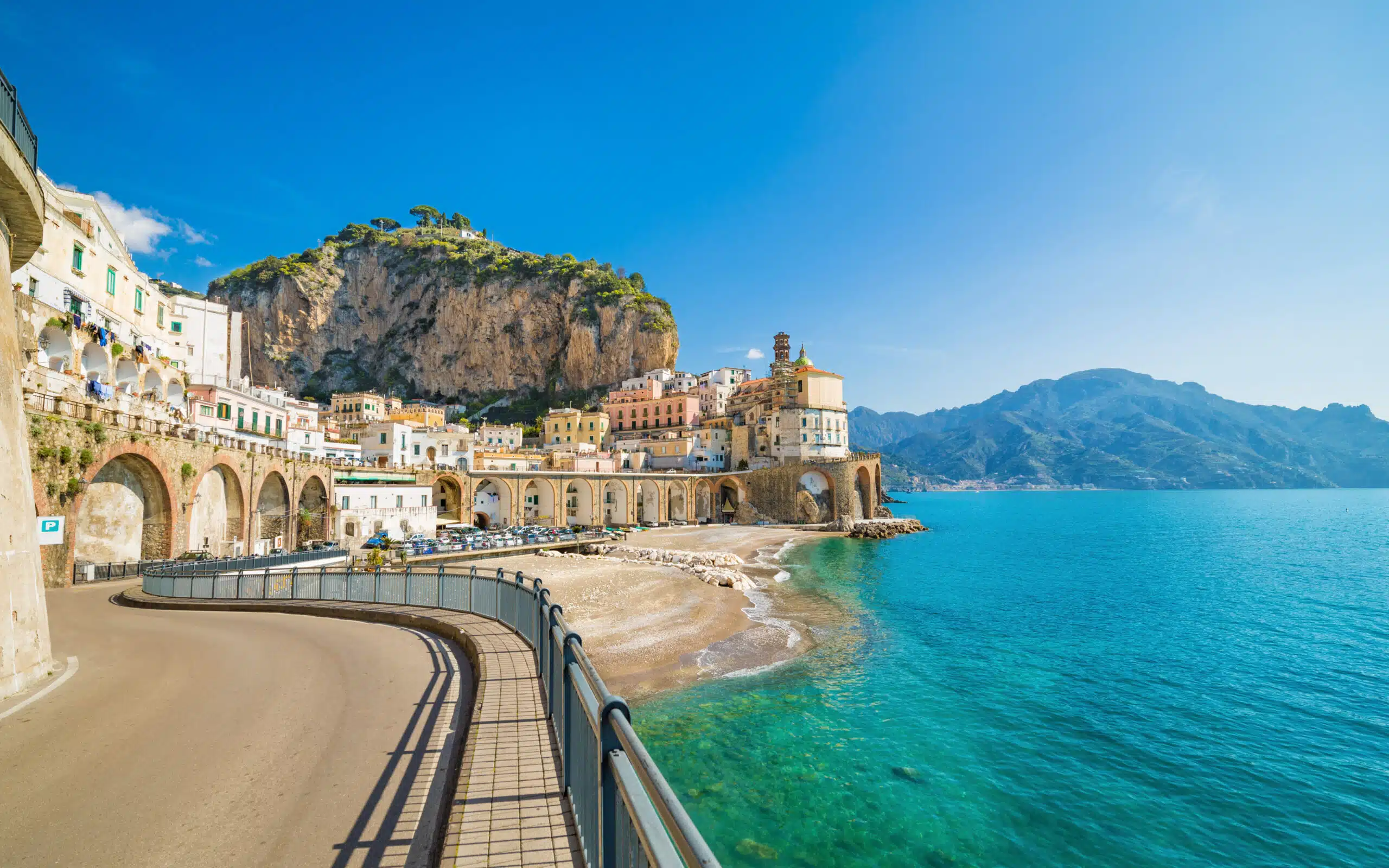
The sakura forecast is one of Japan’s most closely watched seasonal events, tracked by meteorologists and updated weekly as temperatures shift across the archipelago. Most travellers plan around April, when coverage is widest, but the bloom moves northward from late March onward, and those who understand the progression find something rarer: the season at its opening, before the crowds arrive.
Kyoto’s most celebrated sites, including Maruyama Park and the canal path at Okazaki, typically reach peak bloom in the final week of March, often coinciding with quieter weekday windows before the spring holiday period begins. Kanazawa, frequently overlooked in favour of Kyoto, offers a comparable concentration of historic gardens and castle grounds, with a bloom window that rewards early arrivals willing to trade certainty for the possibility of having Kenroku-en largely to themselves.
Reading the forecast correctly, and building an itinerary flexible enough to follow it, is where local expertise makes the difference between a beautiful trip and a perfectly timed one.
Italy Wakes Up: The Case for Arriving Before the Season Begins
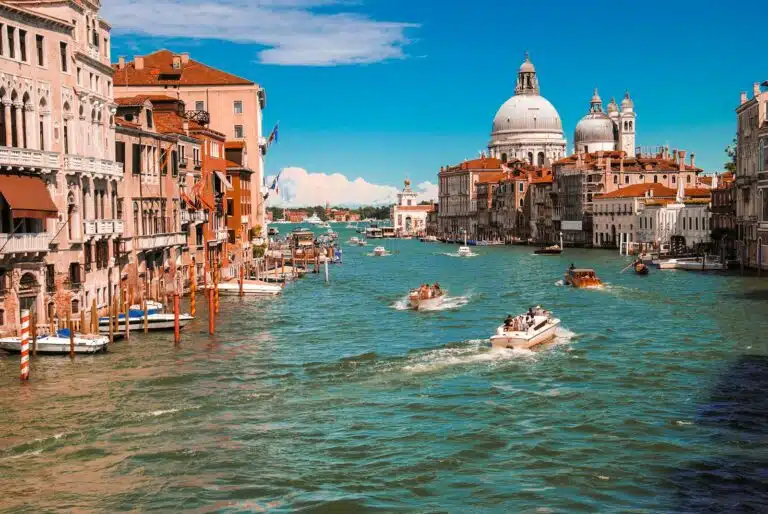
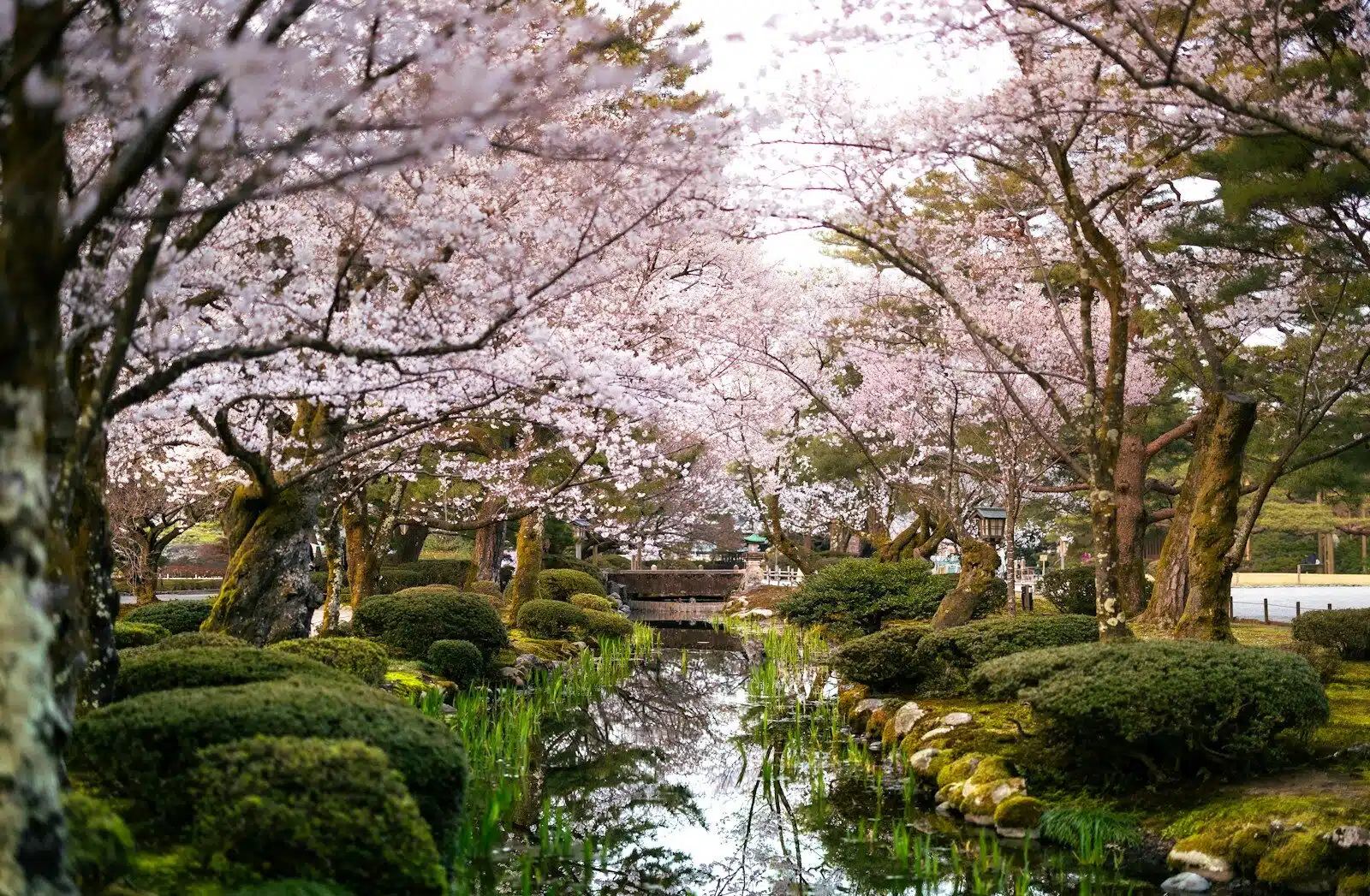
There is a version of Italy that most travellers never see, and March is when it briefly becomes available. The Amalfi Coast‘s clifftop villages are navigable without the summer gridlock. Tables at restaurants that spend July fully booked open without negotiation. Across Sicily, almond trees finish their bloom and wildflowers begin to take over the hillsides, a seasonal shift that arrives weeks ahead of the tourist calendar.
The quality of light in early spring is part of what has drawn painters and photographers to this country for centuries. Softer and more directional than the harsh midday sun of summer, it gives the limestone facades of Palermo and the waterways of the Venetian lagoon a clarity that is genuinely difficult to find later in the year.
What March offers, above all, is access. To the best rooms, the most sought-after tables, and to Italy itself, before it becomes a stage set for the season ahead.
Desert in Bloom and Ocean in Calm: The Destinations That Peak in March
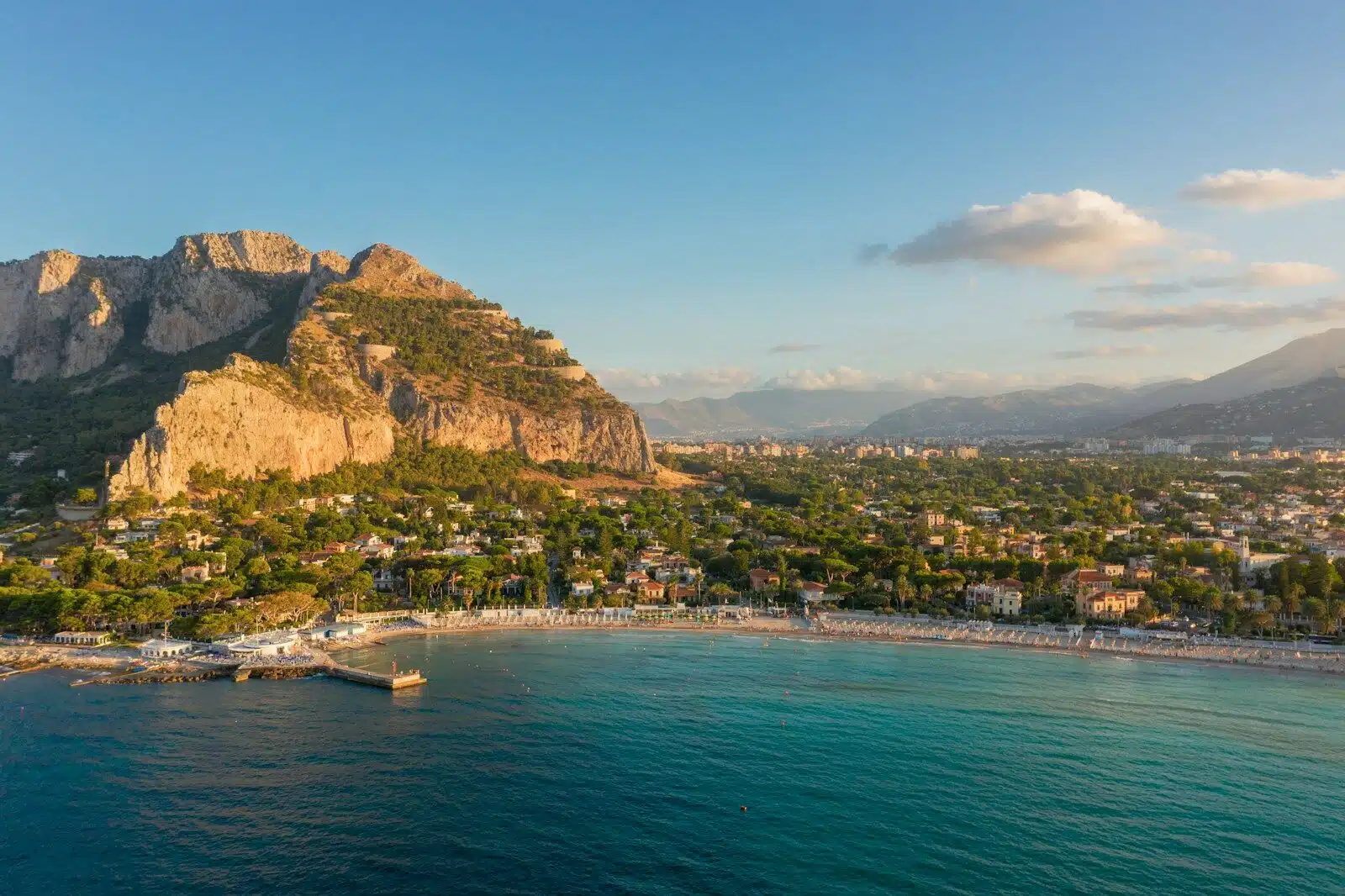
Some destinations have a window measured not in seasons but in weeks. Oman is one of them. By April, the Arabian Peninsula’s heat has already begun its long advance, but through March, the country’s interior remains genuinely temperate, making the ancient forts of the Hajar Mountains and the vast gravel plains of the Wahiba Sands accessible without the physical toll that summer travel demands.
The Maldives operates on a different logic. The dry northeast monsoon, which governs the archipelago’s best diving and sailing conditions, reaches its clearest, most settled point in March before the season shifts. Visibility in the water is at its annual peak, and the probability of disruption is at its lowest.
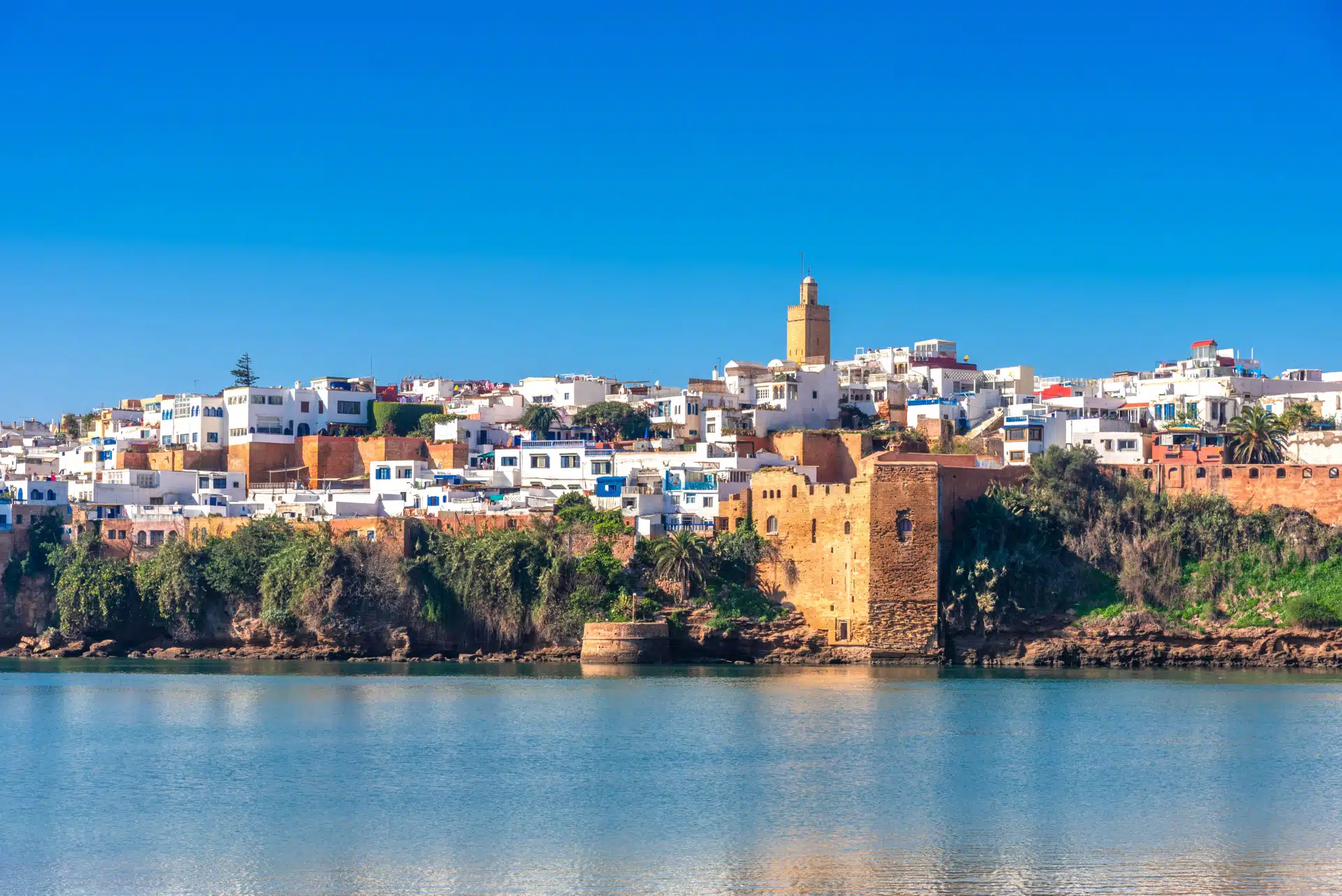
Morocco‘s timing is more fleeting still. In the foothills below the Atlas Mountains, almond trees bloom in late February and hold through early March, briefly transforming the agricultural valleys around Ouarzazate and the Draa River into something that rewards those who know precisely when to arrive.
The Art of Choosing: Matching the Right Destination to the Right Traveller
The most common mistake in March travel is choosing a destination before identifying what you actually want from it. Japan during cherry blossom season and the Amalfi Coast in early spring are both extraordinary, but they reward fundamentally different travellers. One demands patience, timing, and cultural engagement; the other offers space, light, and the particular pleasure of a famous place before the crowds arrive.
A useful starting point is to consider whether you are drawn to spectacle or stillness. Natural phenomena like Japan’s sakura or Patagonia’s shoulder-season landscapes require a degree of flexibility and planning precision that suits travellers who find meaning in the journey itself. Destinations like Sicily or the Algarve in March offer something quieter: cultural depth, excellent food, and a pace that allows genuine rest.
For couples, the question of shared rhythm matters as much as shared interests. A destination that balances cultural access with unhurried time, such as Kyoto beyond its central temples or coastal Campania, tends to hold longer than one built around a single spectacle.
The Reward of Travelling in the Moment Before Everyone Else Arrives
There is a particular quality to arriving somewhere just before the season turns. The infrastructure of tourism is present but not yet activated, locals are still moving at their own pace, and the destination reveals something closer to its actual character. In March, that window is real and, in many of the world’s most visited places, it is narrowing.
Overtourism has compressed the calendar in ways that make genuine timing increasingly difficult to find. Peak season now arrives earlier and lingers longer, which makes the early weeks of March more valuable than they have ever been. Kyoto’s first blossoms appear before the crowds that follow them. The Amalfi Coast is navigable before the summer traffic makes it otherwise. These are not simply quieter versions of the same experience; they are fundamentally different ones.
Travelling in March is, at its core, a decision to prioritise the quality of an experience over the convenience of a more obvious moment. That distinction is worth making deliberately.