

Tailor-made trips for 2027 & 2028
Luxury Kyoto Holidays
Private tours, bespoke itineraries and curated journeys across Kyoto.
Tailor-made, always
Every itinerary shaped around your dates, pace and preferences.
One dedicated expert
The same person from the first conversation until you return.
Decades of experience
Over 35 years shaping bespoke journeys for discerning travellers.
A guide to Kyoto, Japan’s former capital of a thousand years.
At Do Not Disturb, we match you with one of our dedicated Kyoto luxury travel experts who designs a tailor-made itinerary around how you want your time away to feel. With deep destination knowledge and meticulous planning behind the scenes, we transform complex travel into something effortless and entirely your own.
The world without distraction.
Request a quoteWhy Kyoto?
Kyoto was Japan’s capital for more than a thousand years, and it still carries itself that way. Unlike Tokyo, where the old city has largely been built over, Kyoto kept its temples, its wooden machiya townhouses, and its geisha districts standing. A private tea ceremony. A morning at a Zen garden before the crowds arrive. A kaiseki dinner built entirely around what the season provides.
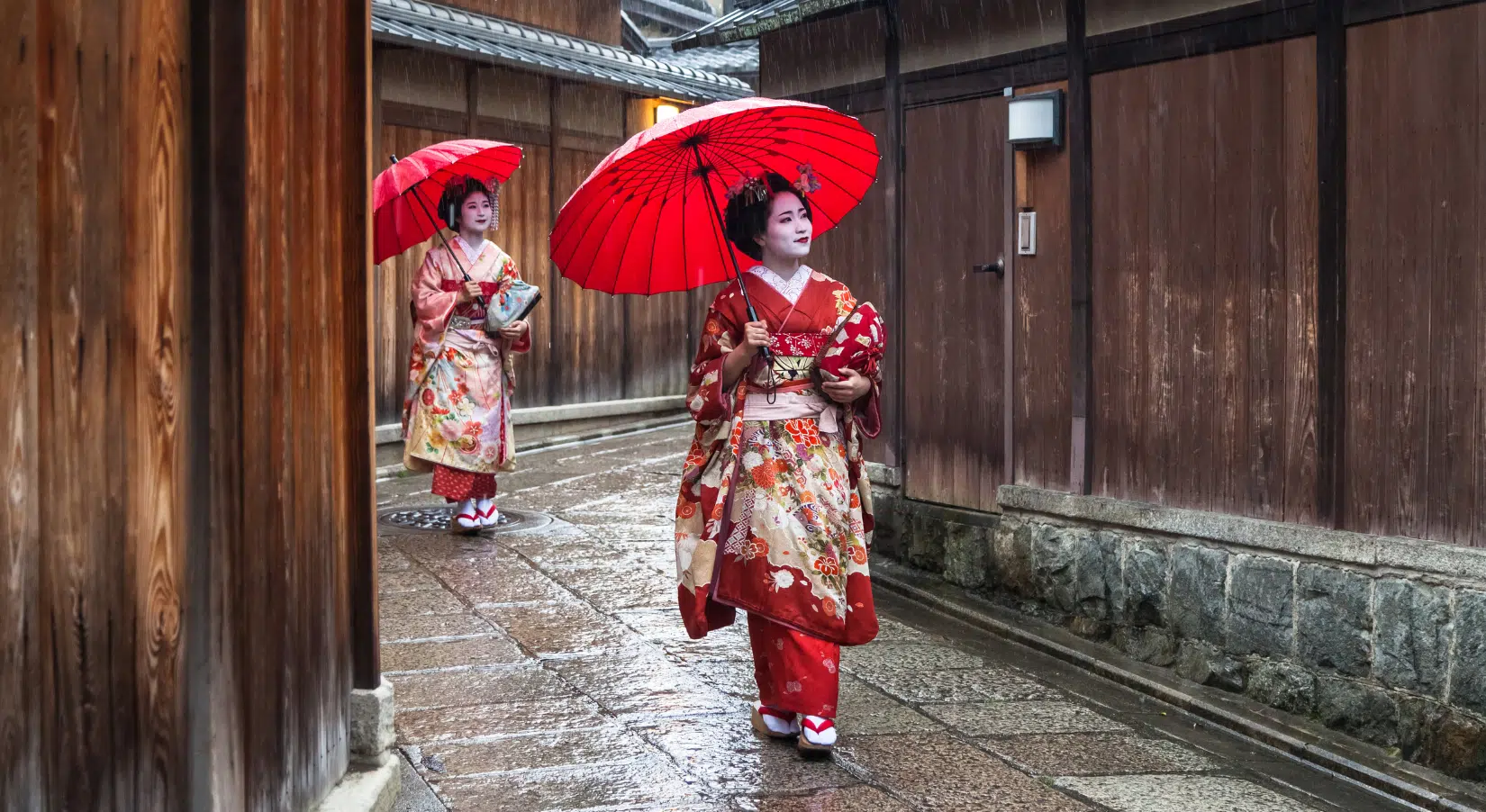
Escape to Kyoto

Kyoto Without the Kids
10 days · From £4,930pp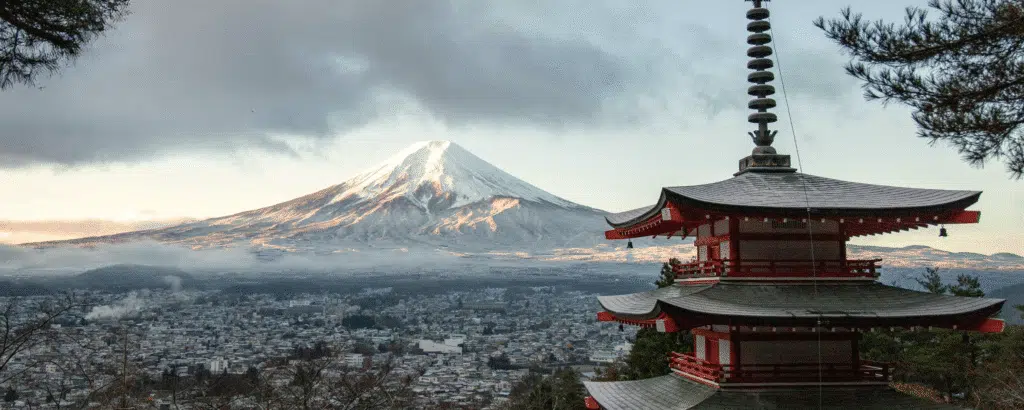
Discover Japan: Luxury Tour of Tokyo, Kyoto & Beyond
14 days · From £5,015pp
Family Tour of Japan: Tokyo, Hakone & Kyoto
10 days · From £5,165pp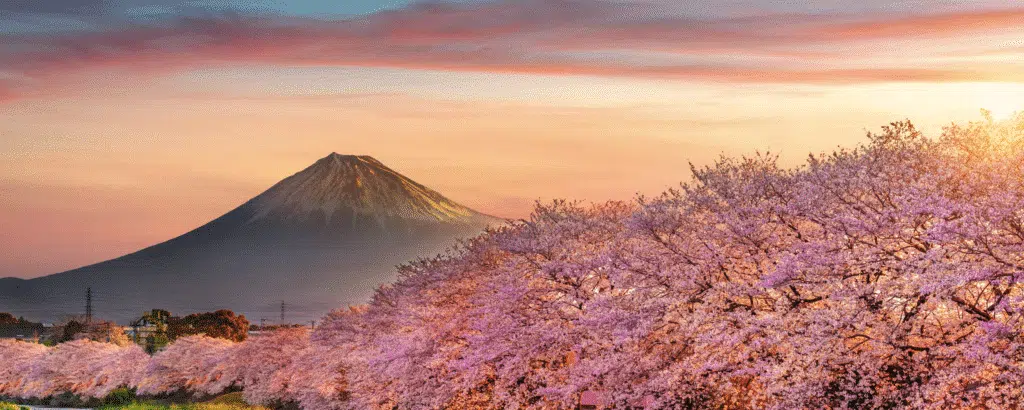
Japan Tour: Sakura Season in Tokyo & Kyoto
8 days · From £6,440ppEvery itinerary is a starting point. Your expert reshapes the places, hotels and pace around you.
Request a quoteAdd your Do Not Disturb Moment in Kyoto
 Private Tea Ceremony in Kyoto
Book a private tea ceremony in Kyoto with a dedicated tea master in a traditional machiya. An exclusive, authentic Japanese cultural experience arranged by Do Not Disturb.
Private Tea Ceremony in Kyoto
Book a private tea ceremony in Kyoto with a dedicated tea master in a traditional machiya. An exclusive, authentic Japanese cultural experience arranged by Do Not Disturb.
 Nijo Castle After Hours
Explore Kyoto’s Nijo Castle after hours with a private guide. Quiet access, rich history and a deeper look at this UNESCO World Heritage site.
Nijo Castle After Hours
Explore Kyoto’s Nijo Castle after hours with a private guide. Quiet access, rich history and a deeper look at this UNESCO World Heritage site.
 Learning the Art of Kintsugi
Experience a private Kintsugi lesson in Kanazawa, learning Japan’s historic gold-lacquer repair technique with traditional materials and expert guidance.
Learning the Art of Kintsugi
Experience a private Kintsugi lesson in Kanazawa, learning Japan’s historic gold-lacquer repair technique with traditional materials and expert guidance.
 Naoshima Art Island with a Curator
Experience Naoshima Art Island with a curator-level guide. A private, intellectually rich journey through Japan’s most influential art site.
Naoshima Art Island with a Curator
Experience Naoshima Art Island with a curator-level guide. A private, intellectually rich journey through Japan’s most influential art site.
 A private bonsai workshop in Omiya Bonsai Village
, guided by a master grower. Experience Japan’s living art with patience, insight, and quiet access.
A private bonsai workshop in Omiya Bonsai Village
A private bonsai workshop in Omiya Bonsai Village, guided by a master grower. Experience Japan’s living art with patience, insight, and quiet access.
 Ski Touring in Hakuba’s Northern Alps
A private backcountry ski touring experience in Hakuba, exploring Japan’s Northern Alps beyond the lifts with expert guides and deep powder.
Ski Touring in Hakuba’s Northern Alps
A private backcountry ski touring experience in Hakuba, exploring Japan’s Northern Alps beyond the lifts with expert guides and deep powder.
 Nara Park Before Dawn
Experience Nara Deer Park before the crowds on a private morning tour. A calm, educational family experience with gentle deer and expert local guides.
Nara Park Before Dawn
Experience Nara Deer Park before the crowds on a private morning tour. A calm, educational family experience with gentle deer and expert local guides.
 Snow Monkeys of Jigokudani
Explore Jigokudani’s snow monkeys on a private guided tour, with quiet viewing areas, flexible pacing and insight into Japan’s macaque culture.
Snow Monkeys of Jigokudani
Explore Jigokudani’s snow monkeys on a private guided tour, with quiet viewing areas, flexible pacing and insight into Japan’s macaque culture.
 A Night in Kinosaki’s Private Baths
Experience a private hot spring night in Kinosaki, Japan, with warm mineral baths and quiet moments for two, curated by Do Not Disturb.
A Night in Kinosaki’s Private Baths
Experience a private hot spring night in Kinosaki, Japan, with warm mineral baths and quiet moments for two, curated by Do Not Disturb.
 Arashiyama Bamboo Forests at First Light
Discover Kyoto’s Arashiyama Bamboo Grove at dawn with a private photographer. A curated, crowd-free session for exceptional imagery.
Arashiyama Bamboo Forests at First Light
Discover Kyoto’s Arashiyama Bamboo Grove at dawn with a private photographer. A curated, crowd-free session for exceptional imagery.
 Private Sushi Lessons in Tokyo
Discover Tokyo’s sushi craft with a private lesson in Shintomi, guided by an expert itamae. A refined, hands-on introduction to the omakase tradition.
Private Sushi Lessons in Tokyo
Discover Tokyo’s sushi craft with a private lesson in Shintomi, guided by an expert itamae. A refined, hands-on introduction to the omakase tradition.
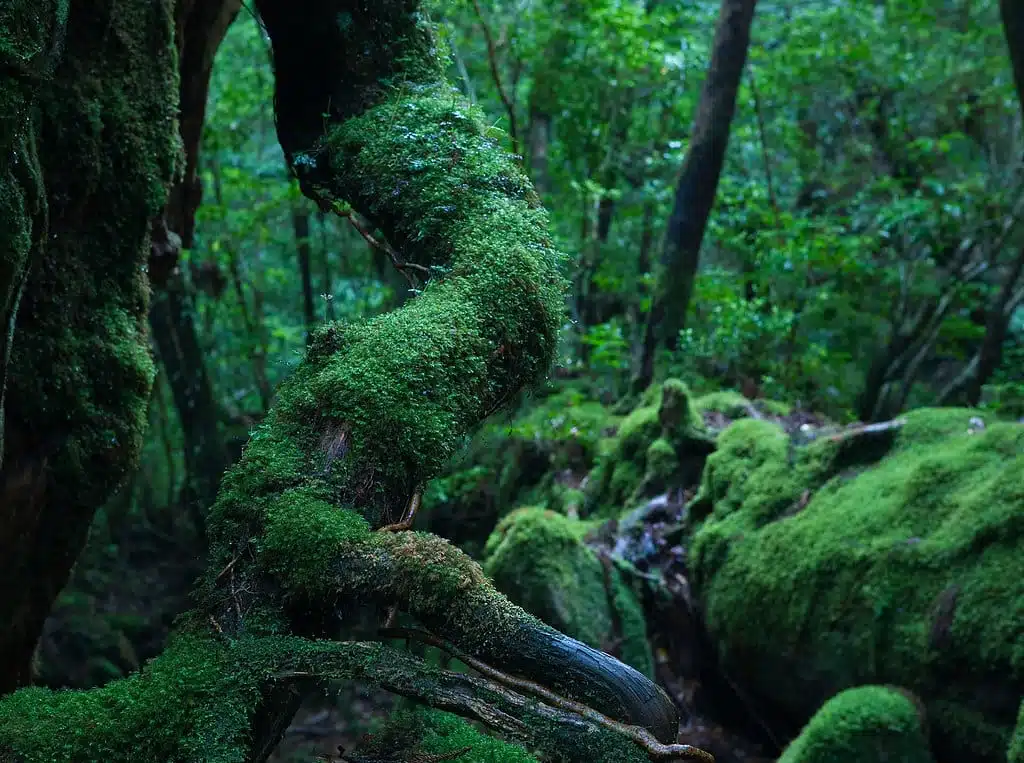 Forest Bathing with a Shinrin-Yoku Guide
A guided Shinrin-yoku experience on Yakushima Island offers structured forest therapy led by a certified practitioner, grounded in scientific research and Japanese environmental philosophy.
Forest Bathing with a Shinrin-Yoku Guide
A guided Shinrin-yoku experience on Yakushima Island offers structured forest therapy led by a certified practitioner, grounded in scientific research and Japanese environmental philosophy.
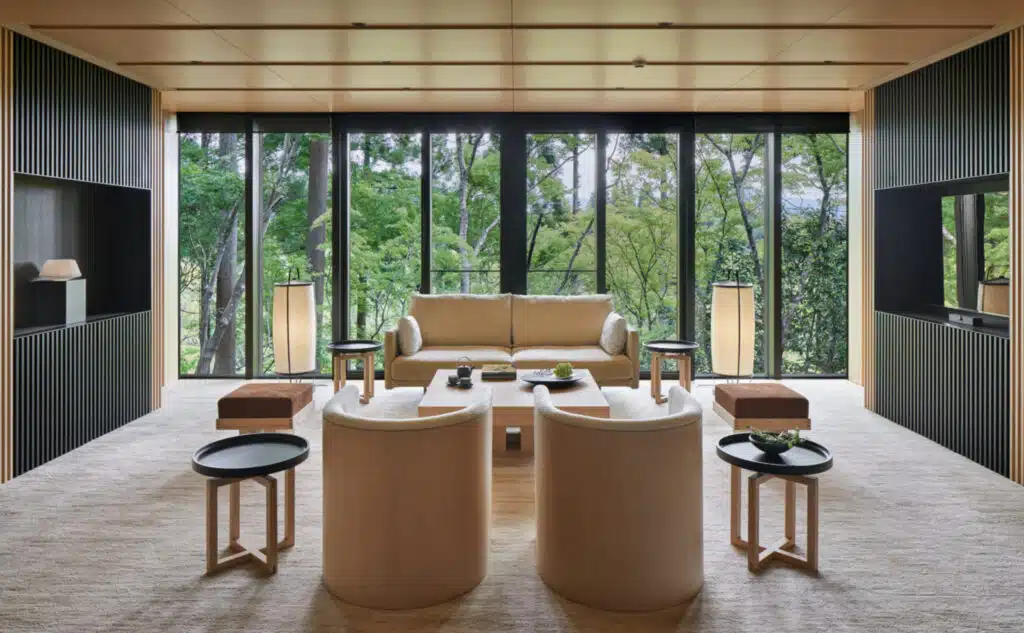
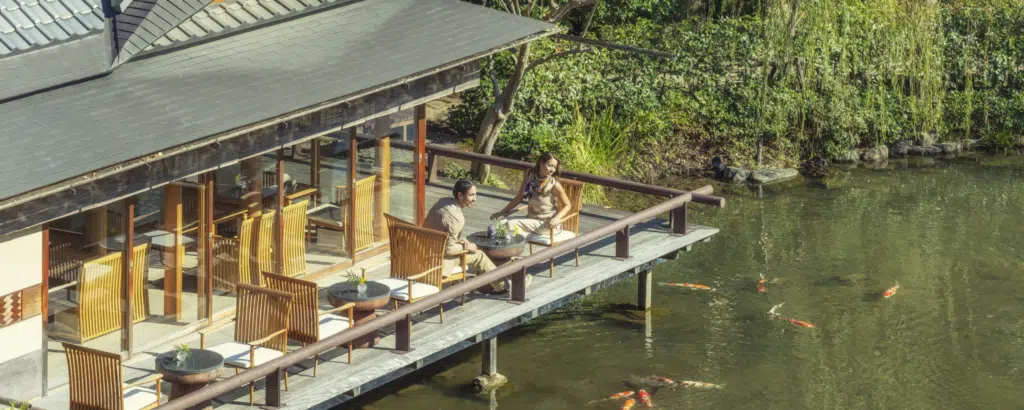
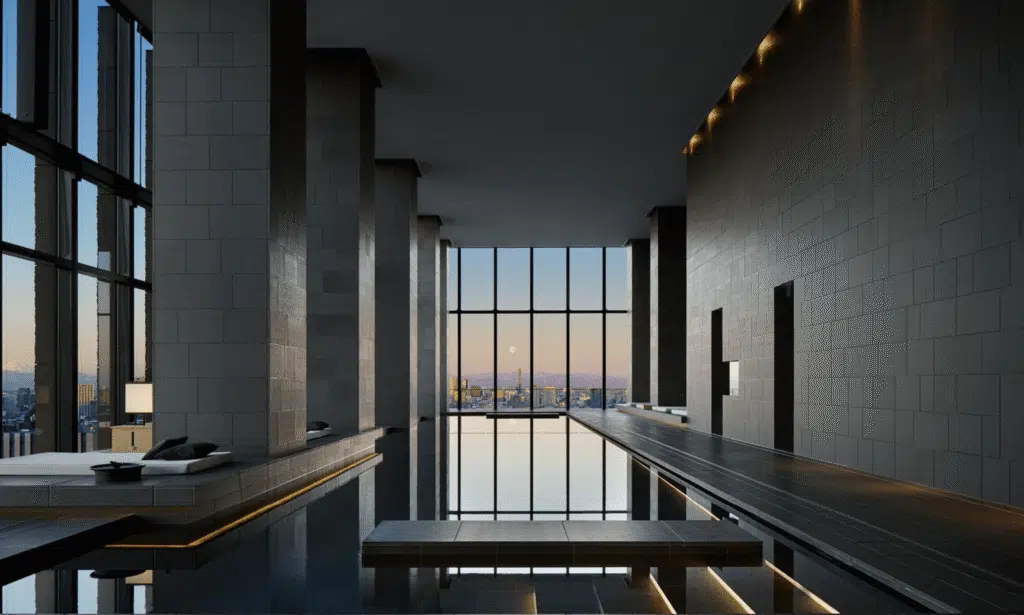
Our Handpicked Luxury Hotels in Kyoto
Travel guide
Planning a trip to Kyoto
Kyoto at a glance
Kyoto sits in a basin surrounded by mountains, a geography that shapes the city as much as its history does, trapping summer heat and giving winter mornings a particular stillness. The city itself divides into distinct districts worth understanding before arrival: Higashiyama’s preserved lanes and temples in the east, Gion’s geisha quarter, Arashiyama’s bamboo groves and river to the west, and the modern centre around Kyoto Station, useful for logistics but not where the city’s character actually lives.
A well-built stay in Kyoto rarely tries to see everything. The city rewards a slower pace, choosing a handful of temples over a checklist of them, and building in enough unstructured time to notice the smaller details, a moss garden after rain, a shopkeeper’s morning ritual, the specific quality of light through a shoji screen. Hotels here range from centuries-old ryokan with private onsen to newer five-star properties that pair contemporary design with a distinctly Kyoto sense of restraint.
Things to do in Kyoto
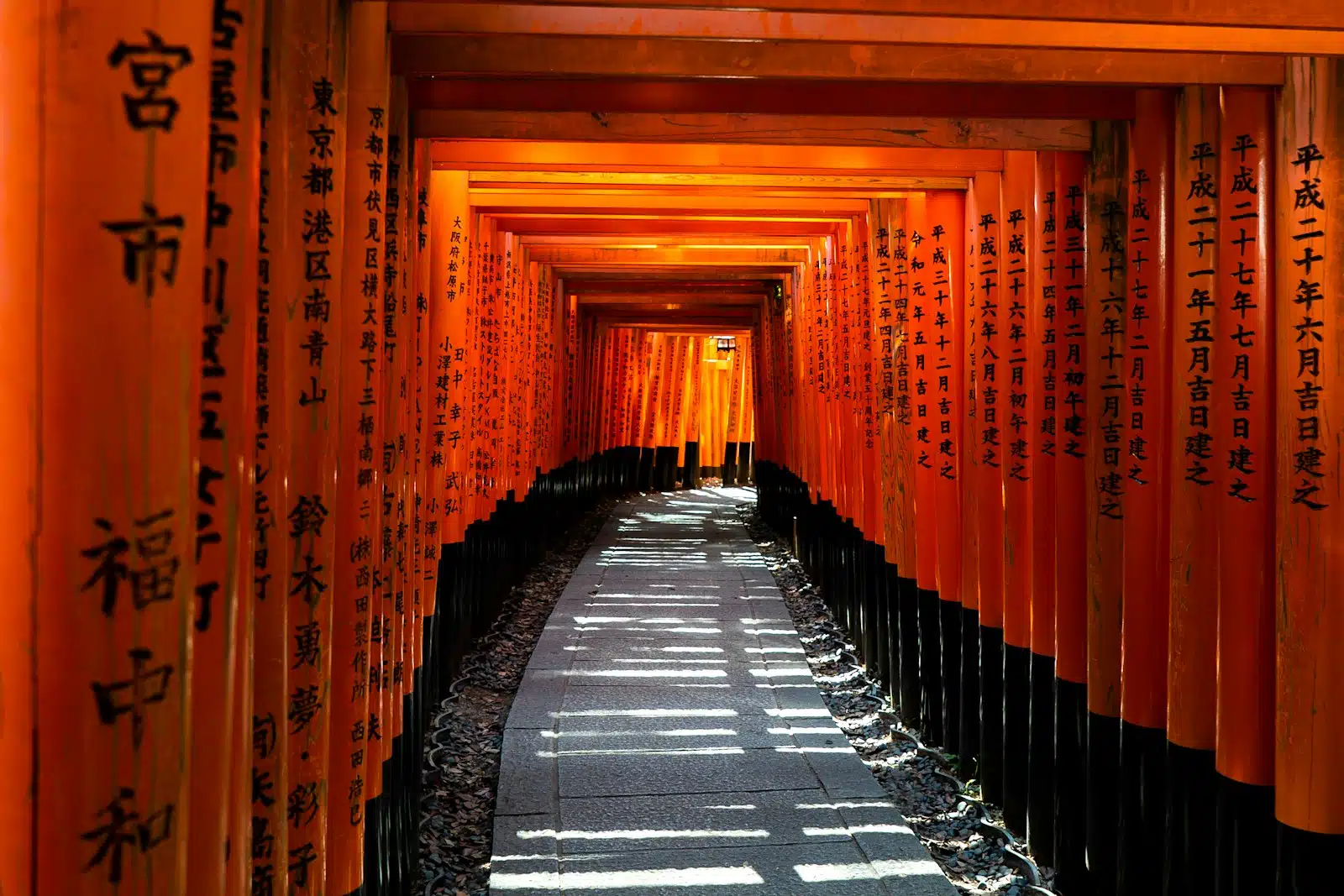
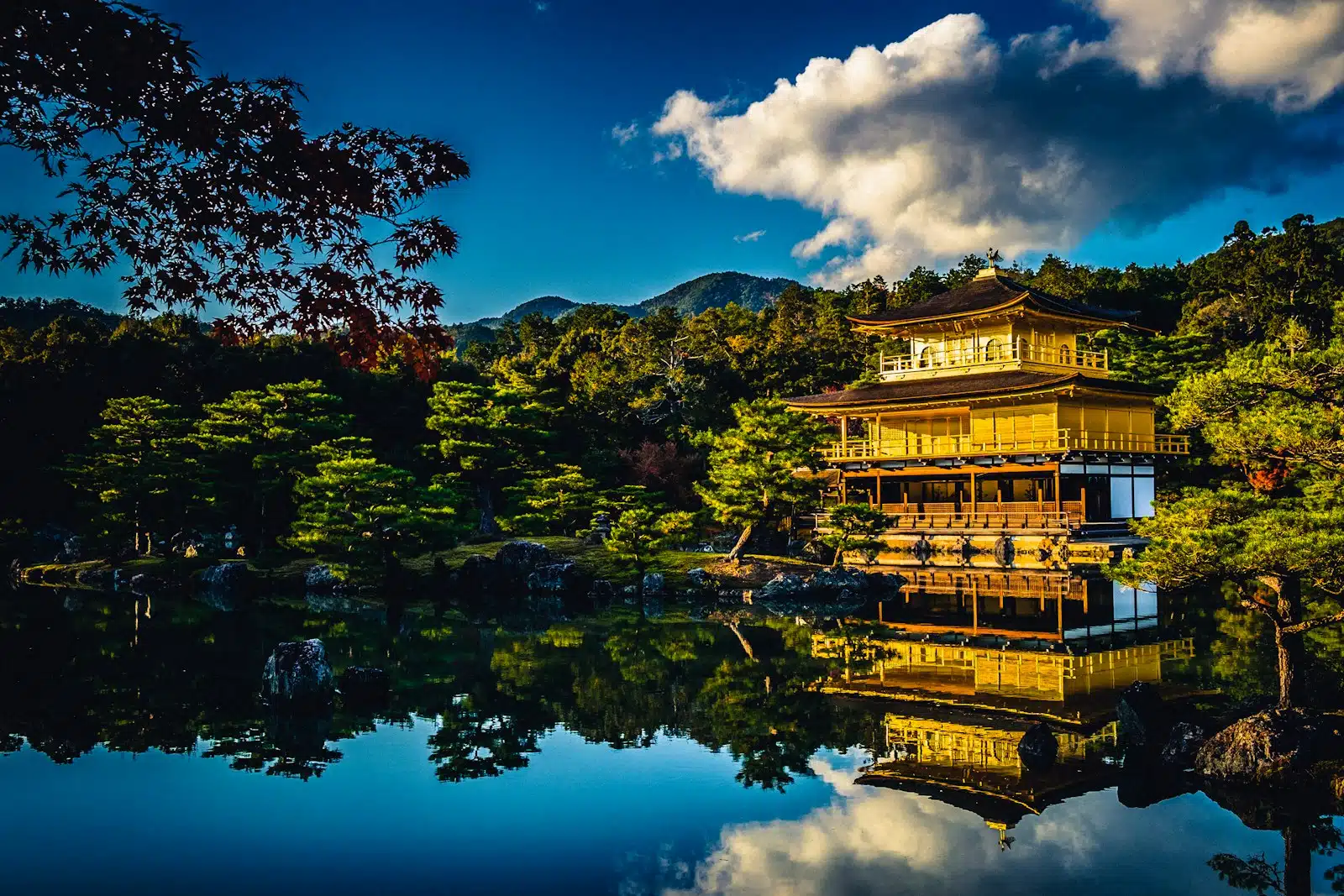
Fushimi Inari Taisha’s thousands of vermilion torii gates remain one of the most photographed sights in Japan. A visit timed for early morning or late afternoon avoids the midday crowds almost entirely. Kinkaku-ji, the Golden Pavilion, is worth seeing once, its gold-leafed reflection on the pond below is over in a few minutes, but it’s a few minutes worth having.
Arashiyama’s bamboo grove is best walked at first light, before the tour groups arrive, continuing on to Tenryu-ji, a Zen temple with one of Kyoto’s most respected gardens. In Higashiyama, Kiyomizu-dera’s wooden stage looks out over the city from a hillside, reached by way of Sannen-zaka and Ninen-zaka, two stone-paved lanes lined with traditional storefronts that have changed little in centuries.
A private tea ceremony, arranged through a working tea house rather than a tourist demonstration, gets closer to the ritual’s actual pace than a scripted show does. Kaiseki dining, Kyoto’s multi-course culinary tradition built entirely around what’s in season, is worth booking well ahead at one of the city’s more established houses.
Hidden gems in Kyoto
Otagi Nenbutsu-ji, tucked into the hills beyond Arashiyama’s main bamboo path, holds over 1,200 stone rakan statues, each carved with its own individual expression by amateur sculptors over a decade of restoration work, and remains genuinely quiet even when the grove below is full.
The Philosopher’s Path is well known, but its quieter northern extensions, winding through residential neighbourhoods rather than the main tourist stretch, offer the same canal-side cherry blossoms with a fraction of the crowd. Early risers can find a similar version of local Kyoto at the small morning market along the Kamogawa canal near Sanjo, where a handful of vendors sell produce and fish much as they have for generations, largely unnoticed by visitors.
For those willing to go further afield, Jingo-ji, a mountain temple south of Arashiyama, rewards a proper hike with some of the best unobstructed views in the region, particularly during autumn foliage, when its grounds see a fraction of the visitors at the city’s more central sites.
When to visit Kyoto
Spring (March-May) brings the cherry blossoms Kyoto is best known for, typically peaking in the first two weeks of April, with average temperatures rising from around 10°C in March to 20°C by May. This is the city’s busiest season by a wide margin, and hotel rates and crowds both peak accordingly.
Summer (June-August) is hot and humid, with average highs reaching 31-33°C in August and Kyoto’s basin setting trapping heat more than nearby Osaka. Early July brings the rainy season’s tail end, but summer also holds Gion Matsuri, one of Japan’s most significant festivals, running through the month of July.
Autumn (September-November) rivals spring for scenery, with foliage typically peaking in mid-to-late November and average temperatures a comfortable 15-23°C. Crowds are nearly as heavy as spring at the height of foliage season, so early or late November tends to offer a better balance.
Winter (December-February) is Kyoto’s quietest and least expensive season, with average highs of 9-11°C and occasional light snow that settles briefly on temple roofs, a genuinely striking sight for those visiting during a cold snap.
Getting to Kyoto
Most international travellers arrive via Kansai International Airport (KIX), roughly 75 minutes from Kyoto on the JR Haruka limited express train, with private transfers also available for a more direct, luggage-free arrival. Travellers arriving via Tokyo typically continue to Kyoto by Shinkansen, a journey of around two and a half hours that’s worth treating as part of the experience rather than a logistical necessity.
American and British passport holders can enter Japan visa-free for stays of up to 90 days. Within Kyoto itself, the city’s bus network covers most major sites, though taxis and private drivers offer a more comfortable option for reaching temples further from the centre, and walking remains the best way to experience Higashiyama and Gion, both largely pedestrian by nature.
Planning a trip to Kyoto? We will match you with an expert who knows it well.
Plan your Kyoto journeyTravel Guides & Inspiration
All Kyoto editorials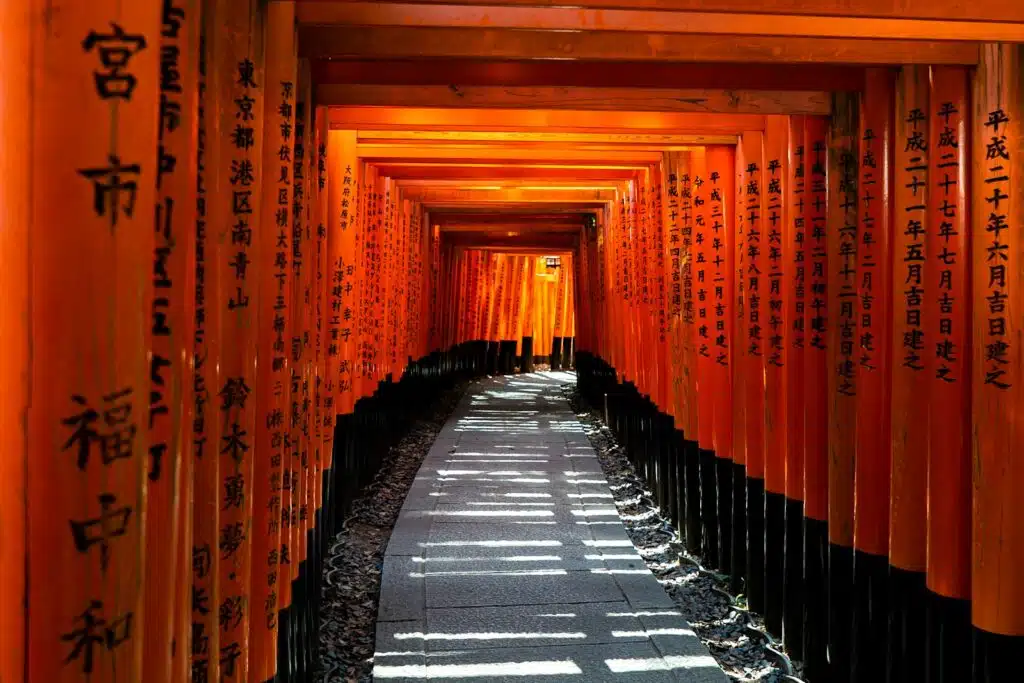 5 min read
Beyond Tokyo: 5 Incredible Japanese Cities to Visit
Kyoto, Osaka, Hiroshima, Kanazawa and Takayama. Japan's most rewarding itineraries rarely begin and end in Tokyo, they move through cities where the food runs centuries deep and a slower pace…
5 min read
Beyond Tokyo: 5 Incredible Japanese Cities to Visit
Kyoto, Osaka, Hiroshima, Kanazawa and Takayama. Japan's most rewarding itineraries rarely begin and end in Tokyo, they move through cities where the food runs centuries deep and a slower pace…
 3 min read
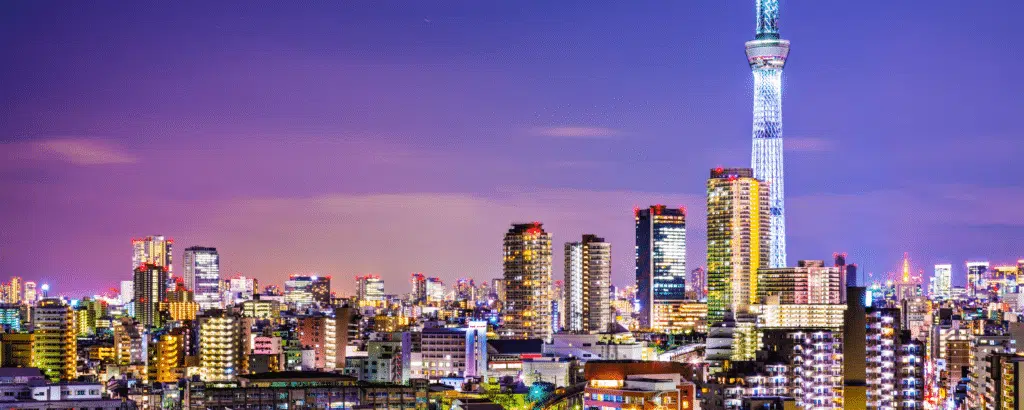
Japan for First-Time Visitors: What to Know
Japan rewards preparation more than almost any other destination, and a few things have changed recently that every first-time visitor should sort before they leave.
3 min read
Japan for First-Time Visitors: What to Know
Japan rewards preparation more than almost any other destination, and a few things have changed recently that every first-time visitor should sort before they leave.
 8 min read
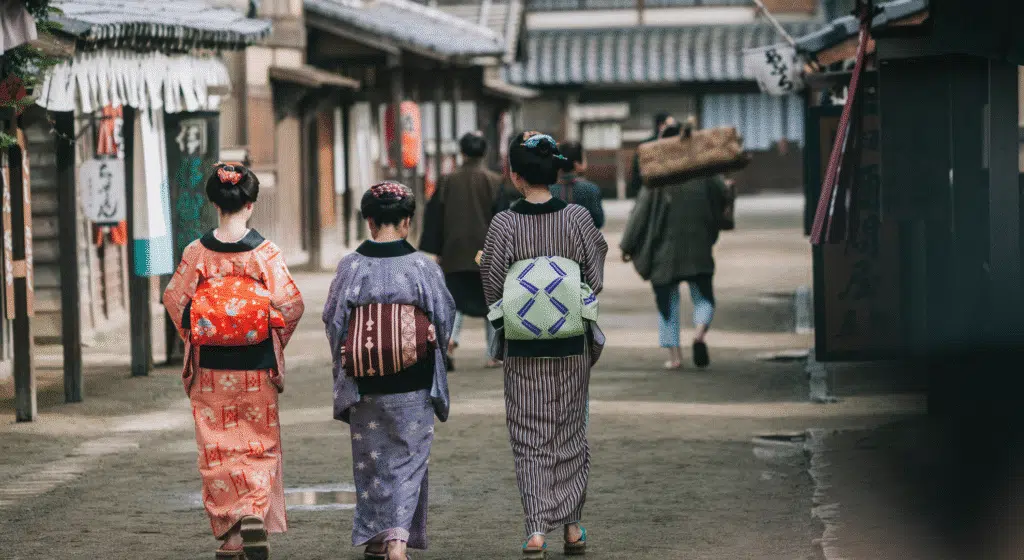
Exploring Japan’s Time Capsule Edo Towns
Beyond Tokyo’s neon and bullet trains, Japan’s Edo towns preserve a slower, older world where samurai walked, geisha performed, and tradition endures in everyday life.
8 min read
Exploring Japan’s Time Capsule Edo Towns
Beyond Tokyo’s neon and bullet trains, Japan’s Edo towns preserve a slower, older world where samurai walked, geisha performed, and tradition endures in everyday life.
 4 min read
Japan’s Onsen Culture: An Etiquette Guide
Few experiences in Japan are as quietly revealing as an onsen. These natural hot springs are not simply places to bathe. They are social spaces governed by a shared understanding…
4 min read
Japan’s Onsen Culture: An Etiquette Guide
Few experiences in Japan are as quietly revealing as an onsen. These natural hot springs are not simply places to bathe. They are social spaces governed by a shared understanding…
Our reviews
Our team brings over 35 years of experience in luxury travel, shaping bespoke journeys for discerning clients worldwide.
Our trip was truly magical and full of core memories that will last us a lifetime.
“We just returned from an incredible journey through Ireland, and we couldn’t have had a better experience”
“This was a flawless experience right from the beginning, we had so many thoughts and ideas flowing around and they took all of them and perfectly curated the most beautiful honeymoon for us.”
About Kyoto
Can my trip to Kyoto be tailor-made?
Yes. Every Kyoto itinerary is a starting point: your Kyoto travel expert shapes each journey around your dates, pace and preferences.
Which hotels do you recommend in Kyoto?
Among the hotels our experts recommend most are AMAN, Kyoto, Four Seasons, Kyoto and AMAN.
What are the best things to do in Kyoto?
Highlights include Private Tea Ceremony in Kyoto, Nijo Castle After Hours and Learning the Art of Kintsugi, and your expert will build the experiences that matter most to you into your itinerary.
Travelling with Do Not Disturb
What does Do Not Disturb do?
We design tailor-made luxury journeys. You tell us what you have in mind, whether a destination, a feeling or a celebration, and a dedicated travel expert shapes a private itinerary around you, then takes care of every detail before, during and after your trip.
Can every trip be tailor-made?
Yes. Every itinerary on our site is a starting point. Your expert shapes the places, hotels, pace and length around your dates and preferences, or begins with a blank page.
How does planning a trip work?
In three steps. We listen: you share your dates, ideas and budget by phone or through our enquiry form. We curate: your expert designs a private itinerary and refines it with you until it feels right. You travel: every detail is handled, with support throughout your journey.
Who are your travel experts?
Our team brings over 35 years of experience in luxury travel. You are matched with an expert who knows your destination, and the same expert looks after you from the first conversation until you return.
How much does a trip cost?
It depends on your dates, hotels and length of stay. Each suggested itinerary shows a "from" price per person, and your expert prepares a detailed proposal for the journey you have in mind.
Your journey doesn’t start with a booking. It starts with a conversation.
Tell us how you want to feel, we’ll take it from there.
Or talk to us 020 7551 7230
Your next steps
Planning your trip should feel effortless.
-
We Listen
You share what matters, whether it is a destination, a feeling, or a moment worth celebrating.
-
We Curate
Your dedicated expert shapes a thoughtful, private itinerary tailored entirely around you.
-
You Travel
Every detail handled. Every moment considered. Support before, during, and after your journey.
Begin your journey
Tell us about your journey
Tell us how you want your time away to feel. Your dedicated expert will be in touch to begin shaping it around you.
Or speak with us
020 7551 7230




Your enquiry goes straight to one of our travel experts, who will reply to you personally.
Rich, Delwyn, Jemima and the team