




On this page
A private tea ceremony in Kyoto offers one of Japan’s most quietly profound cultural experiences, conducted by a tea master in a traditional machiya townhouse.
A private tea ceremony in Kyoto is not a tourist activity.
It is one of the oldest living rituals in Japan, and in the right setting, with the right tea master, it is one of the most interesting things you can do in the country.
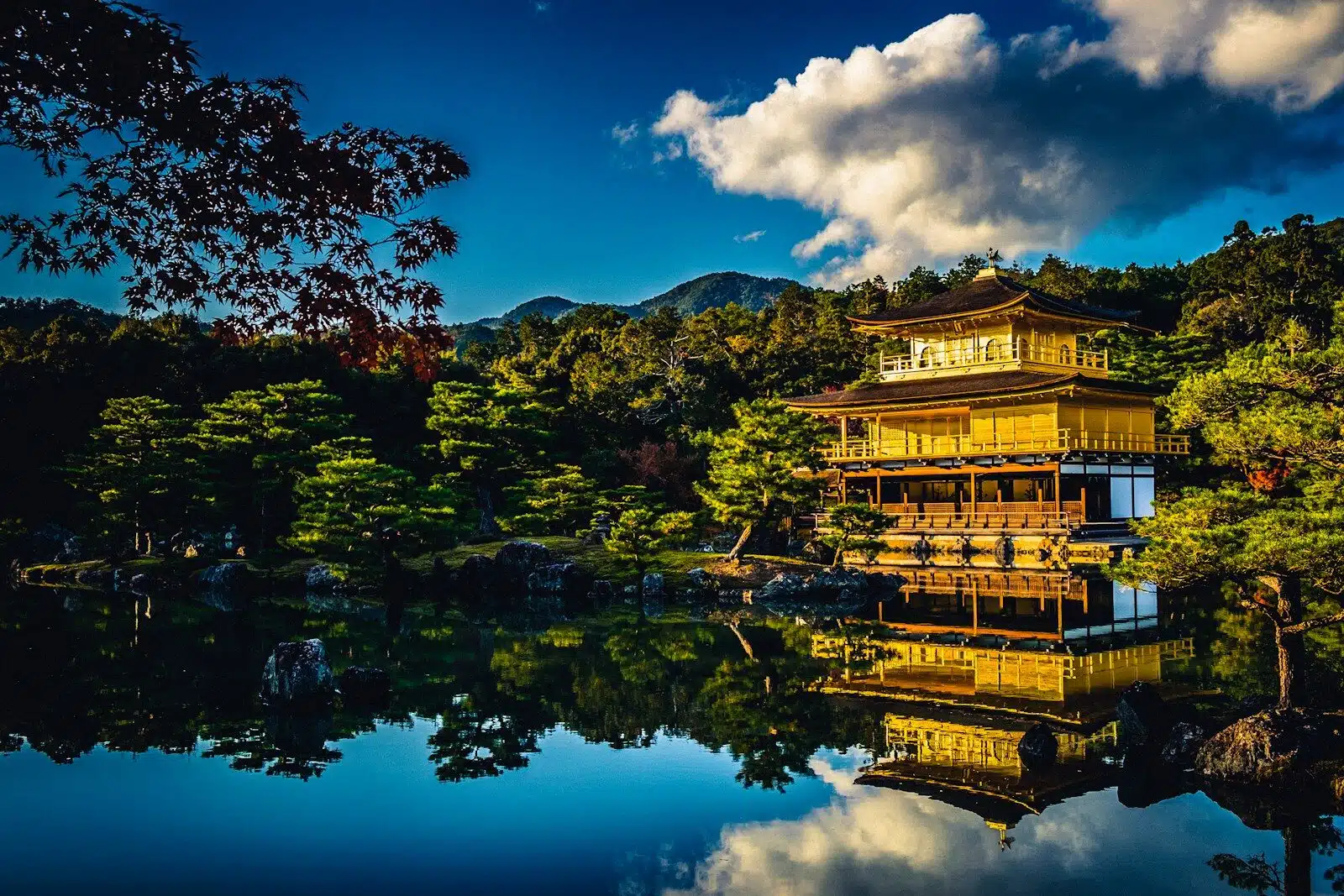
Kyoto is where this tradition has its deepest roots. The city has been practicing it for over 400 years, and it shows.
Kyoto and the Way of Tea
The tea ceremony, known as Chanoyu or the Way of Tea, was shaped into its modern form here in Kyoto by Sen no Rikyū, a 16th-century master who stripped it back from lavish ritual to something spare and precise.
He built it around four principles: harmony, respect, purity, and tranquillity. Not as abstract ideals but as practical instructions for how to move, how to hold a bowl, how to be present in a room.
The philosophy that governs the whole thing is ichi-go ichi-e. One time, one meeting. The idea that this moment, with these people, in this room, will never come again.
Why Early Autumn Works
Kyoto’s tea ceremony runs year-round, but autumn changes the atmosphere in ways that matter.
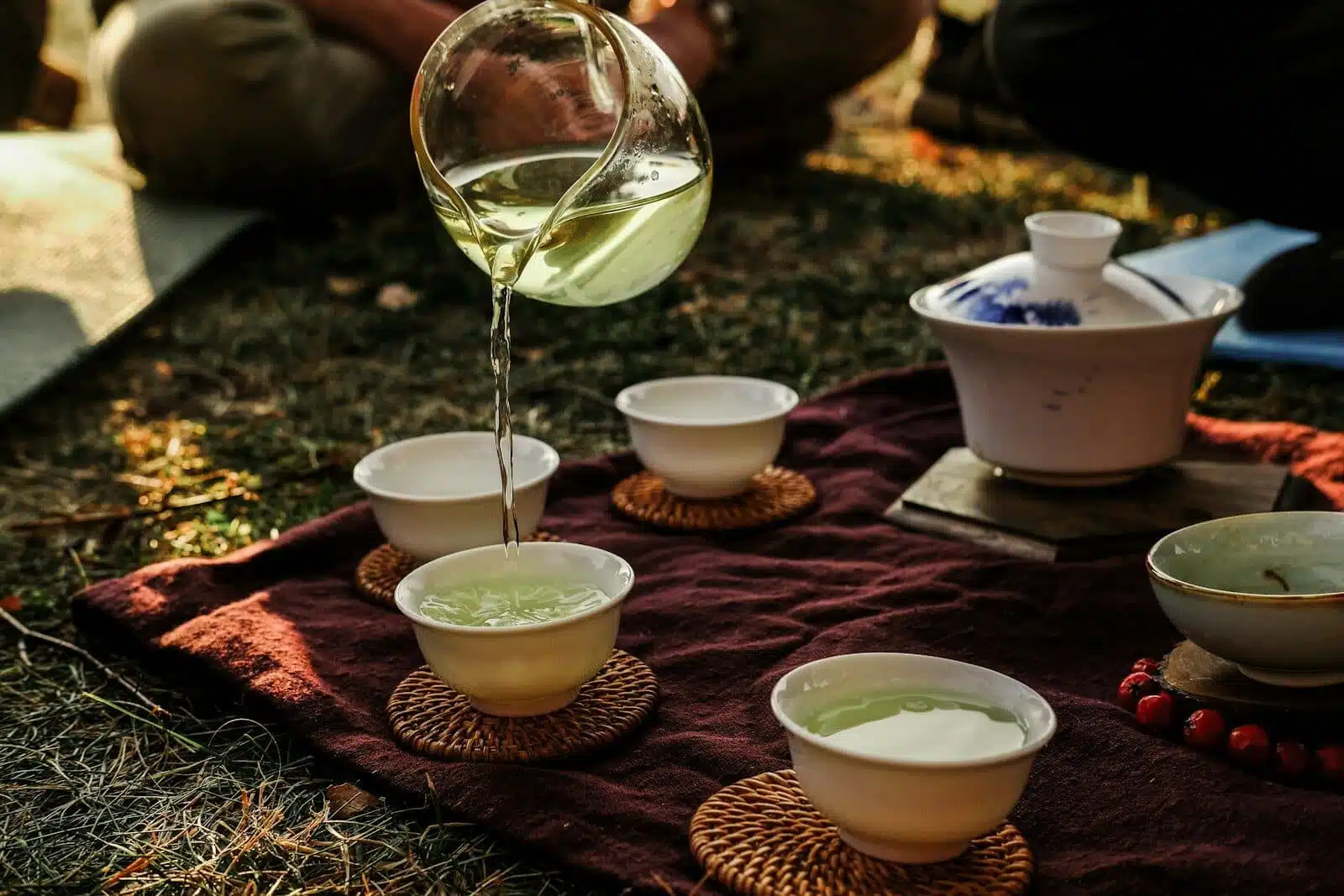
The seasonal scroll in the tokonoma alcove shifts. The flowers change. The light through the shoji screens has a different quality in October than it does in July. The bowls feel right for the cooling air.
Autumn also pulls the crowds towards the famous maple spots, which means the teahouses in Gion and Nishiki are quieter. The ceremony feels more private, more focused, more like something happening for you specifically.
The Experience
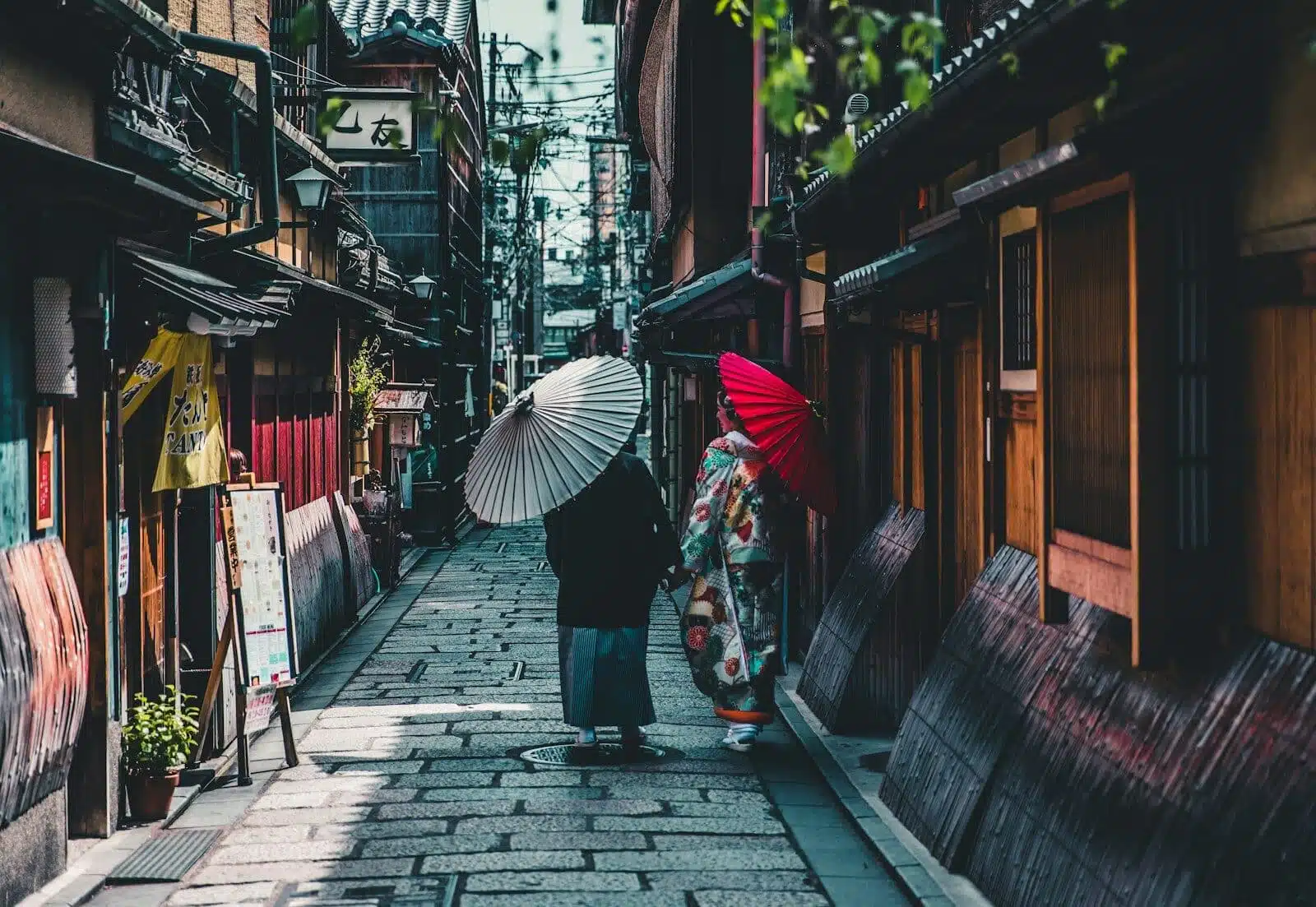
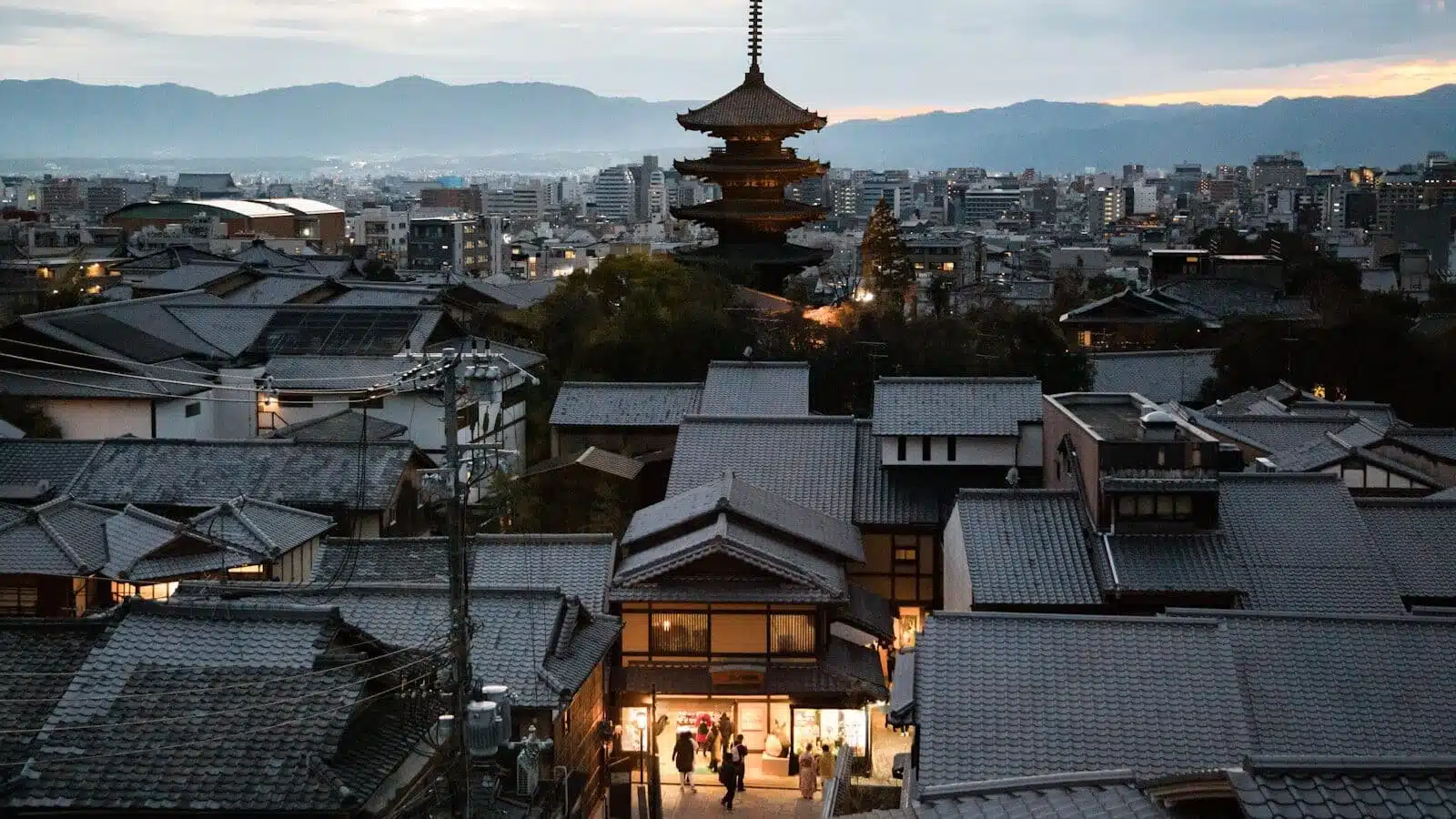
You arrive at a machiya townhouse, typically down a narrow lane in Gion or near Kinkaku-ji. Shoes off at the entrance. The pace drops immediately and stays dropped.
The tearoom is sparse. A scroll. A single flower. The sound of water heating over charcoal.
The tea master works with the kind of precision that comes from years of practice, not performance. Each movement has a name and a reason: the folding of the fukusa cloth, the cleansing of the chawan bowl, the particular motion of the chasen whisk through matcha.
When the bowl reaches you, you bow, rotate it slightly away from the decorated face, and drink in three or four slow sips. A small slurp at the end is correct etiquette, a signal to the host that you appreciated it.
Then you look at the bowl properly. You look at the scroll. You ask questions if you have them. In a private session with a trained tea master, this part of the ceremony can run as long as the ceremony itself, and it is often where the experience becomes something you actually remember.
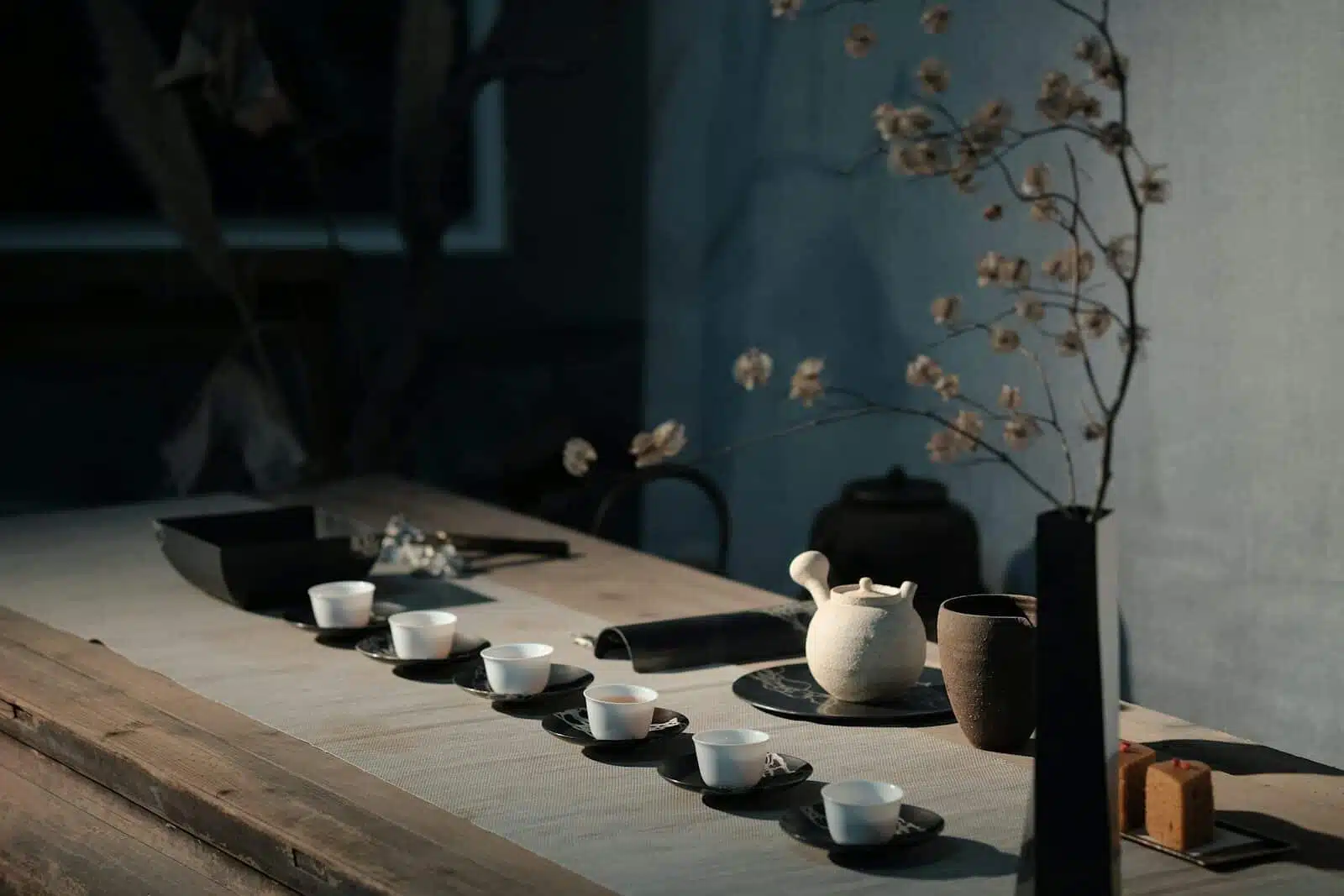
What You Notice
Then the weight of the bowl in both hands. The smell of tatami. The fact that there is nothing in the room that does not need to be there.
The ceremony is built on wabi-sabi, the Japanese understanding that imperfection and impermanence are where beauty actually lives. A rough edge on a bowl is not a flaw. The asymmetry of a flower arrangement is not an oversight. These things are deliberate, and once you understand that, you start seeing the room differently.
This is what a private ceremony gives you that a group session does not. Without a schedule or other guests to follow, your attention lands on the ritual itself rather than the logistics around it.
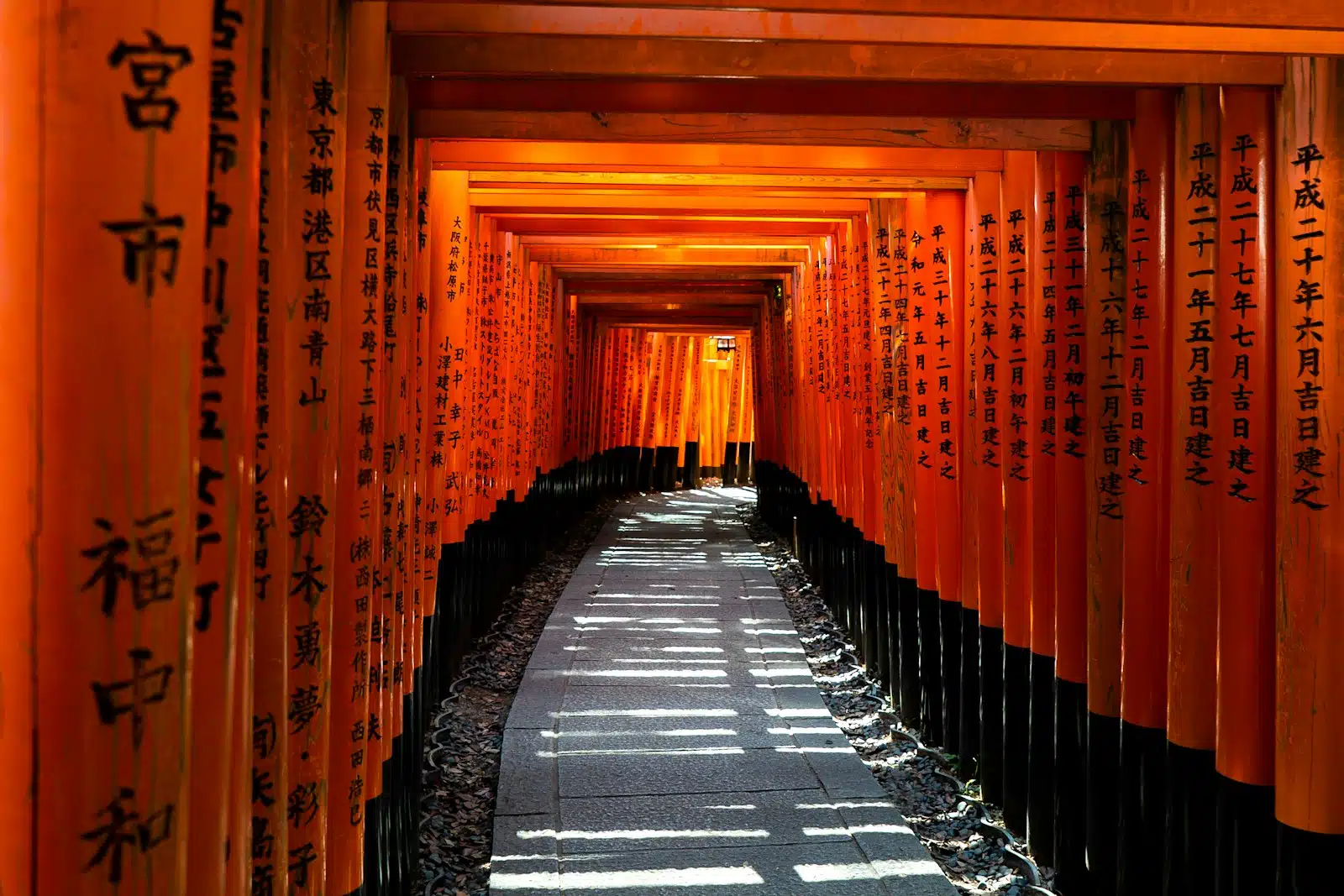
How This Differs from a Standard Visit
A group tea ceremony covers the basics. You learn the structure, you get the context, and you drink good matcha. That is worth doing.
But a private session operates differently.
The tea master sets the pace around you. Questions are welcomed, not managed. The conversation after the ceremony, about a specific bowl, the history of a school, the meaning of a seasonal reference, is where it gets genuinely interesting.
Most visitors to Kyoto never reach this version of the city. The private experience is available, but it takes knowing where to go and who to ask.
How Do Not Disturb Makes This Possible
The right ceremony depends on the neighbourhood, the time of day, the level of formality you want, and how it sits within the rest of your time in Japan. Some people want an evening session with candlelight and Zen meditation. Others want a focused morning with a master trained in the Urasenke school. Some want to dress in kimono. Others want none of that.
Out Of Office handles the selection, the booking, and the positioning within your broader itinerary. We work with providers across Gion, Nishiki, and near Kinkaku-ji who are chosen for their knowledge, their fluency, and their ability to make the experience feel natural rather than managed.
A private tea ceremony in Kyoto, done properly, is one of those things that changes how you see the rest of the trip.