




On this page
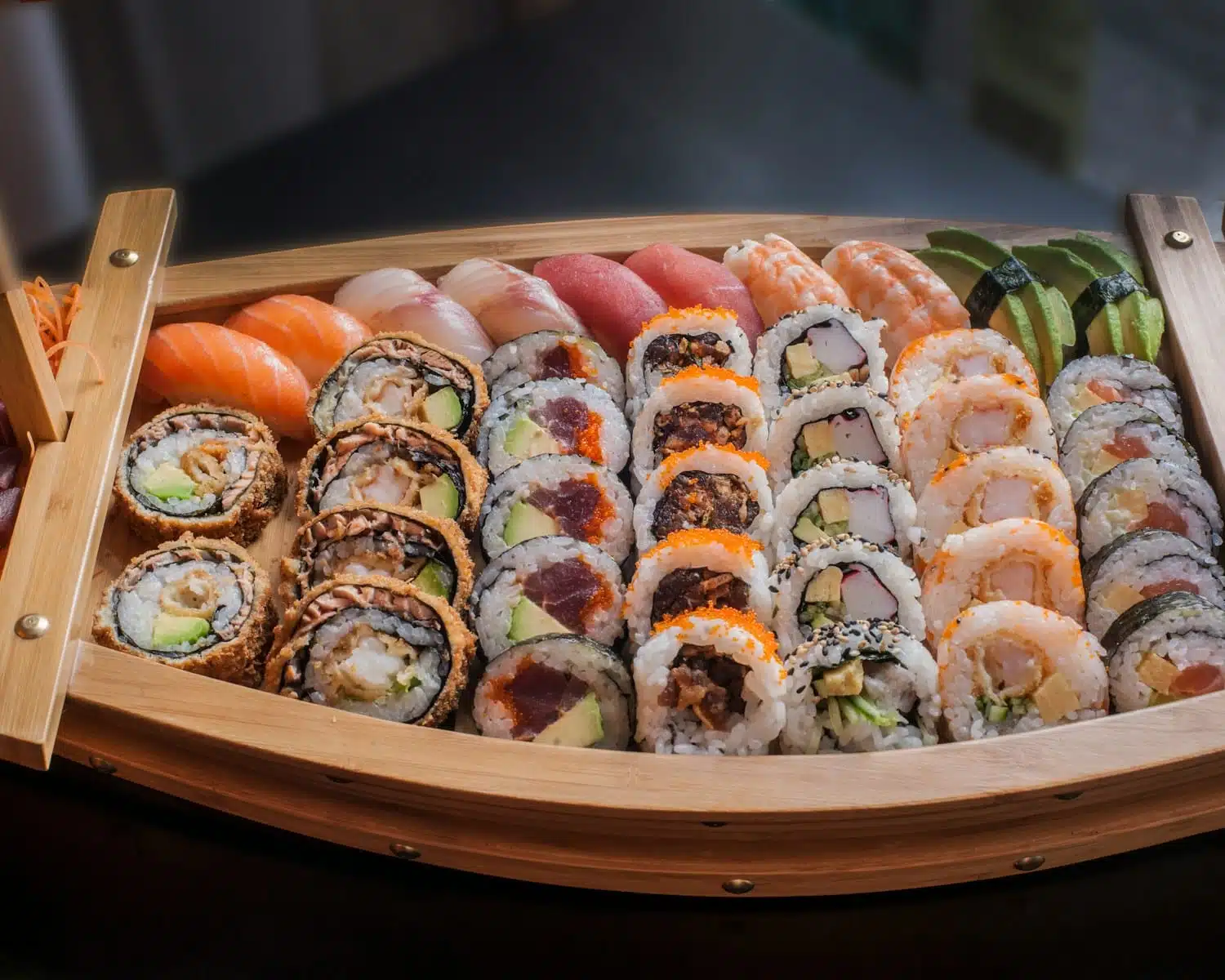
A private omakase sushi class in Shintomi offers a focused introduction to one of Tokyo’s most respected culinary traditions, taught directly at the counter by a trained itamae in a controlled, distraction-free setting.
Shintomi lies between Ginza and the business districts of Chuo City, an area known for its mix of small studios and long-standing food suppliers. The sushi workshop you enter reflects that character. It is compact, orderly and designed around a single hinoki counter. The environment is intentionally simple to keep attention on technique rather than presentation.
Your instructor, an experienced itamae, has prepared the essential tools and ingredients in advance. There is no printed menu, no staged demonstration and no group dynamic to navigate. The format is direct. You sit at the counter and begin. The session is structured to give you a clear understanding of professional sushi preparation without the pace or pressure of a restaurant kitchen.
A Clear Definition of Omakase
Omakase, translated as “I leave it up to you,” is a format in which the chef determines the sequence of the meal. The practice began during the Edo period when sushi was sold from street stalls and diners depended on the chef to choose what was freshest. After the war, as seated sushi dining became the norm, omakase evolved into a more curated and structured experience.
By the 1990s, omakase became a preferred format in high-end Tokyo restaurants, offering a straightforward way for guests to enjoy seasonal fish without navigating extensive menus. The chef leads. The guest observes and responds. The interaction is subtle but central to the experience. In a private class, this dynamic becomes easier to understand because each step is explained with the opportunity to ask any questions.
Inside the Studio
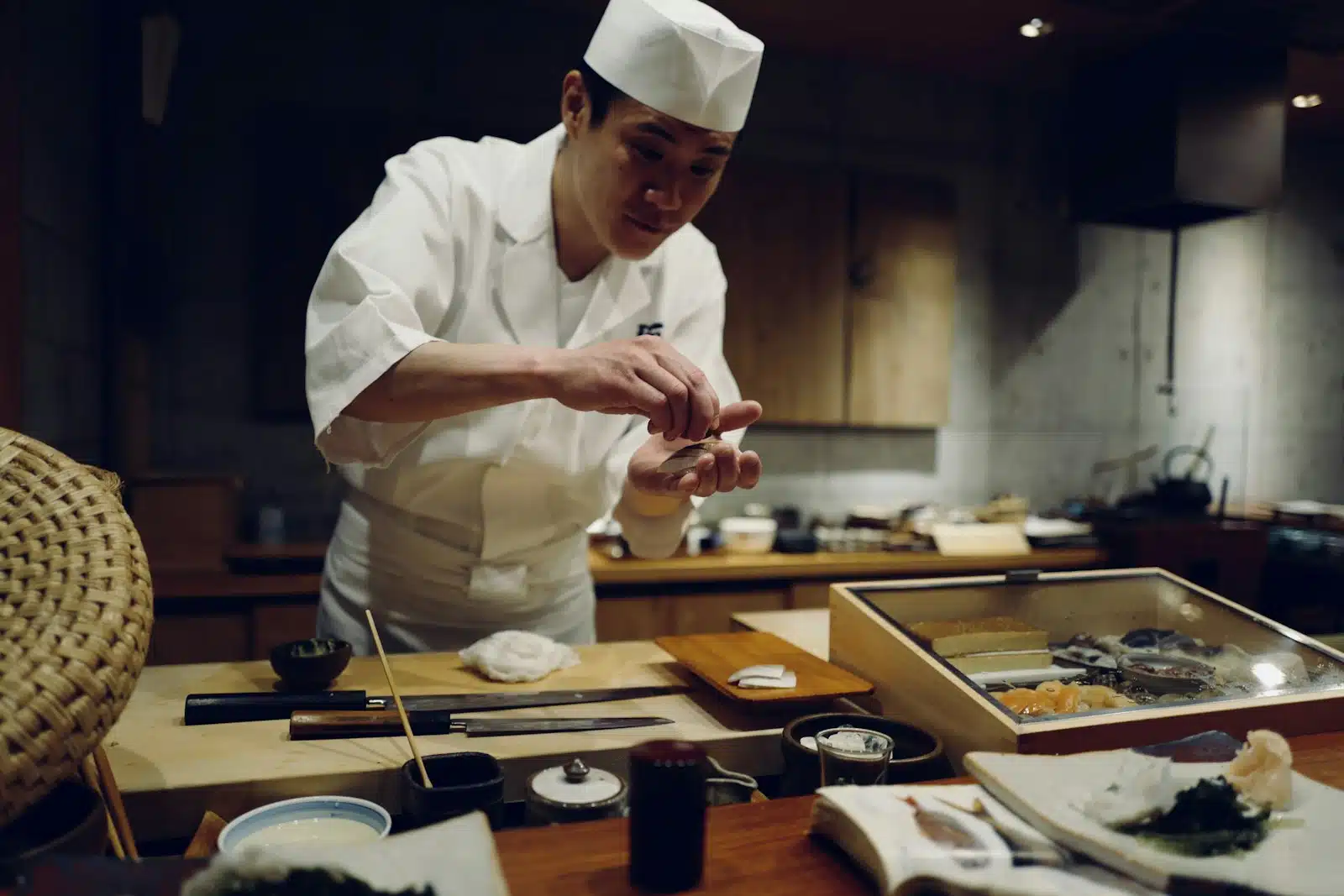
The studio is arranged to support hands-on learning. The counter seats only a few guests, and ambient noise is minimal. Trays of prepared fish, bowls of seasoned rice and the chef’s knives are positioned within easy reach. The focus is on process.
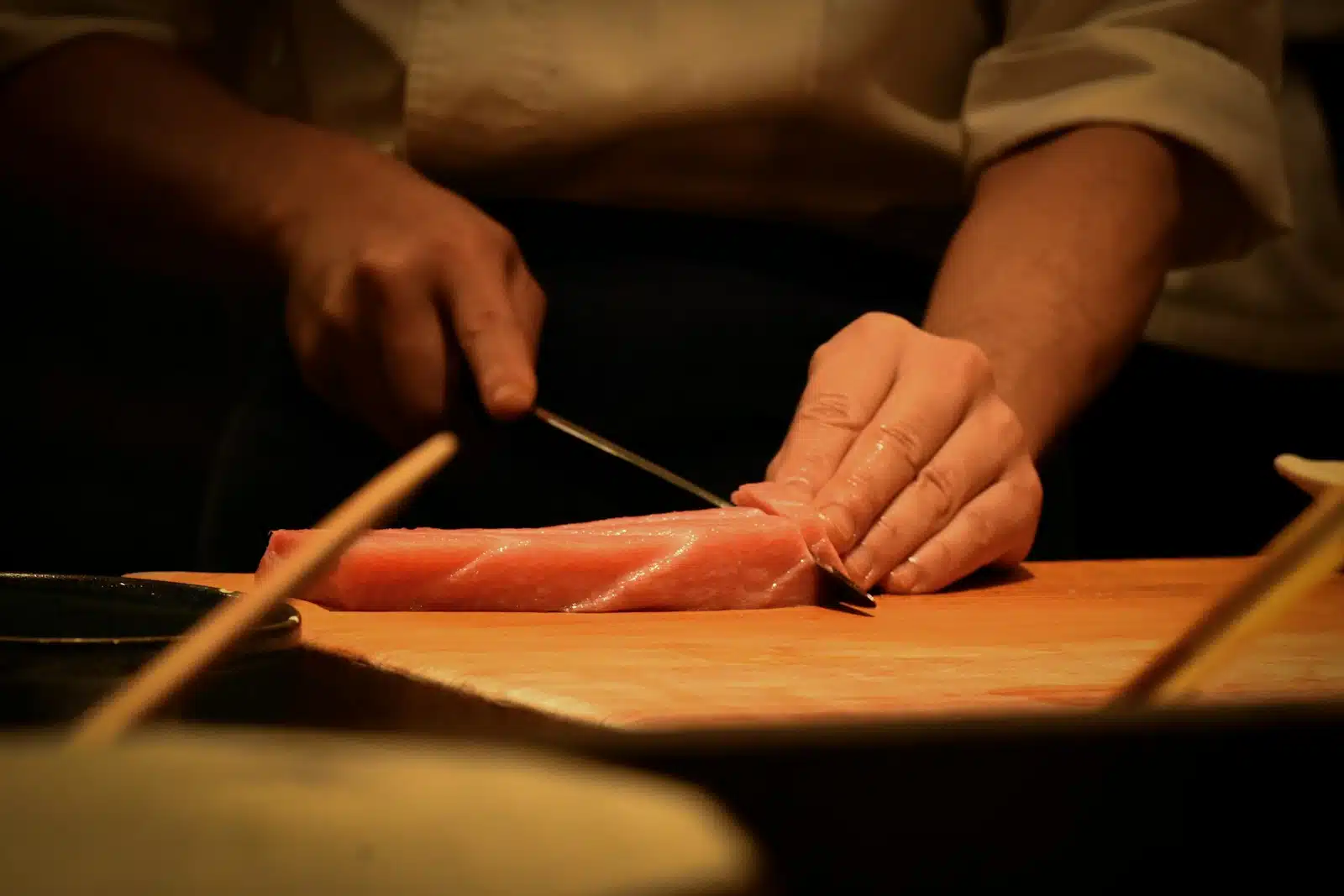
You begin with rice, the base of every piece of sushi. The chef explains temperature control, seasoning and shaping. You handle the shari yourself, gaining a practical sense of its texture and how it responds to pressure. Knife work follows. The chef demonstrates controlled slicing and correct grip, then guides you as you repeat the steps.
How Omakase Flows
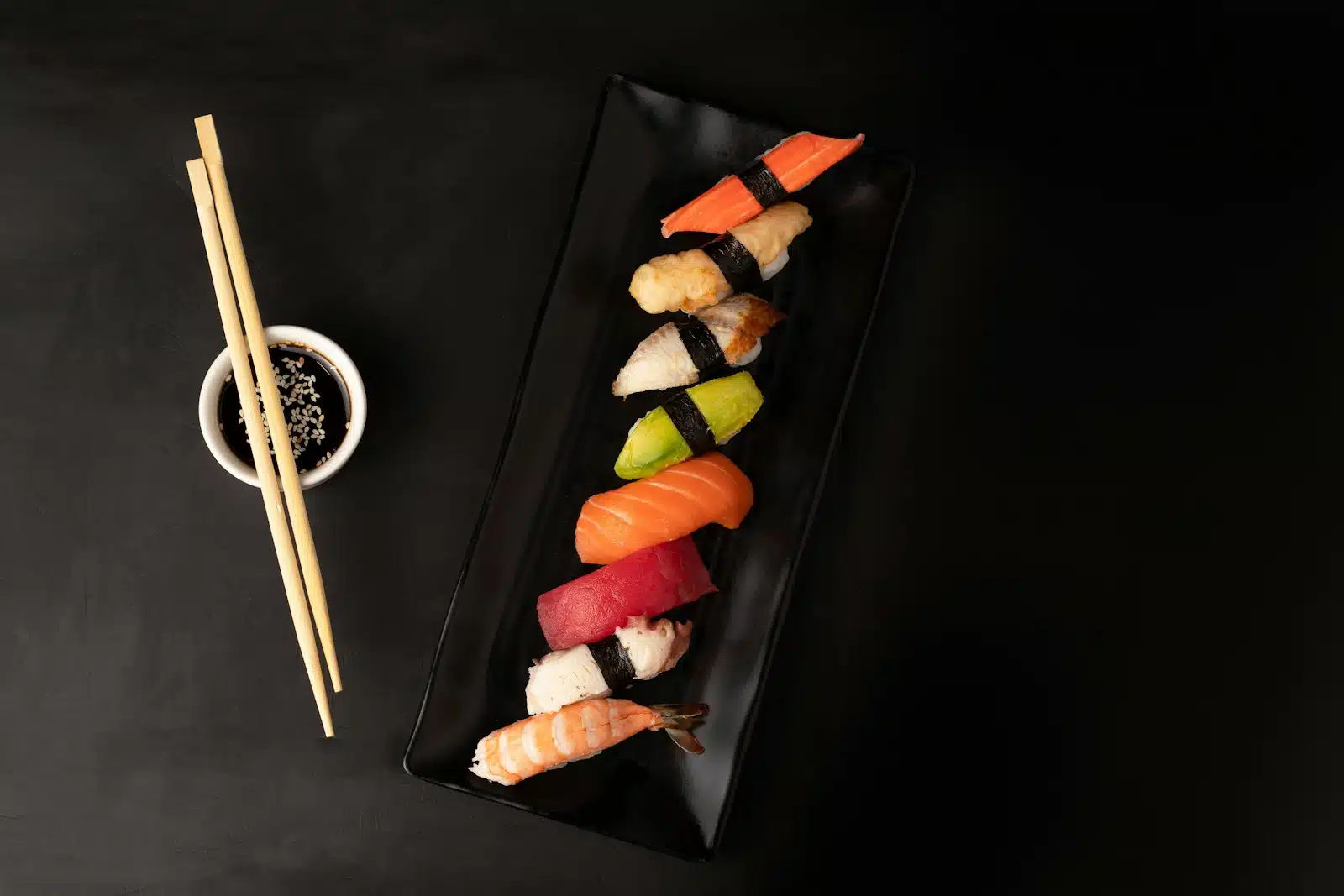
Omakase is not only about selection but about sequence. The chef introduces shun, the point at which each fish is at optimal flavour. This principle determines what appears first and what appears last. Lighter cuts begin the progression. Richer cuts are reserved for the conclusion.
You observe a sample omakase set prepared in real time, noting how the chef seasons each piece and adjusts portion size based on the nature of the fish. You then replicate the steps, shaping your own pieces under direct supervision. This combination of explanation and repetition makes the logic of omakase more transparent than it is from a restaurant seat.
Why a Private Format Works Better
Group sushi classes often follow a preset curriculum and simplified techniques to accommodate multiple participants. In Shintomi, the instruction adapts to you. If a technique needs more practice, the chef adjusts. If you progress quickly, the lesson moves forward without delay.
The private structure also allows for technical questions that would be impractical in a larger setting. Topics such as knife-sharpening angles, resting times for specific cuts and the differences between regional seasoning styles can be discussed in detail.
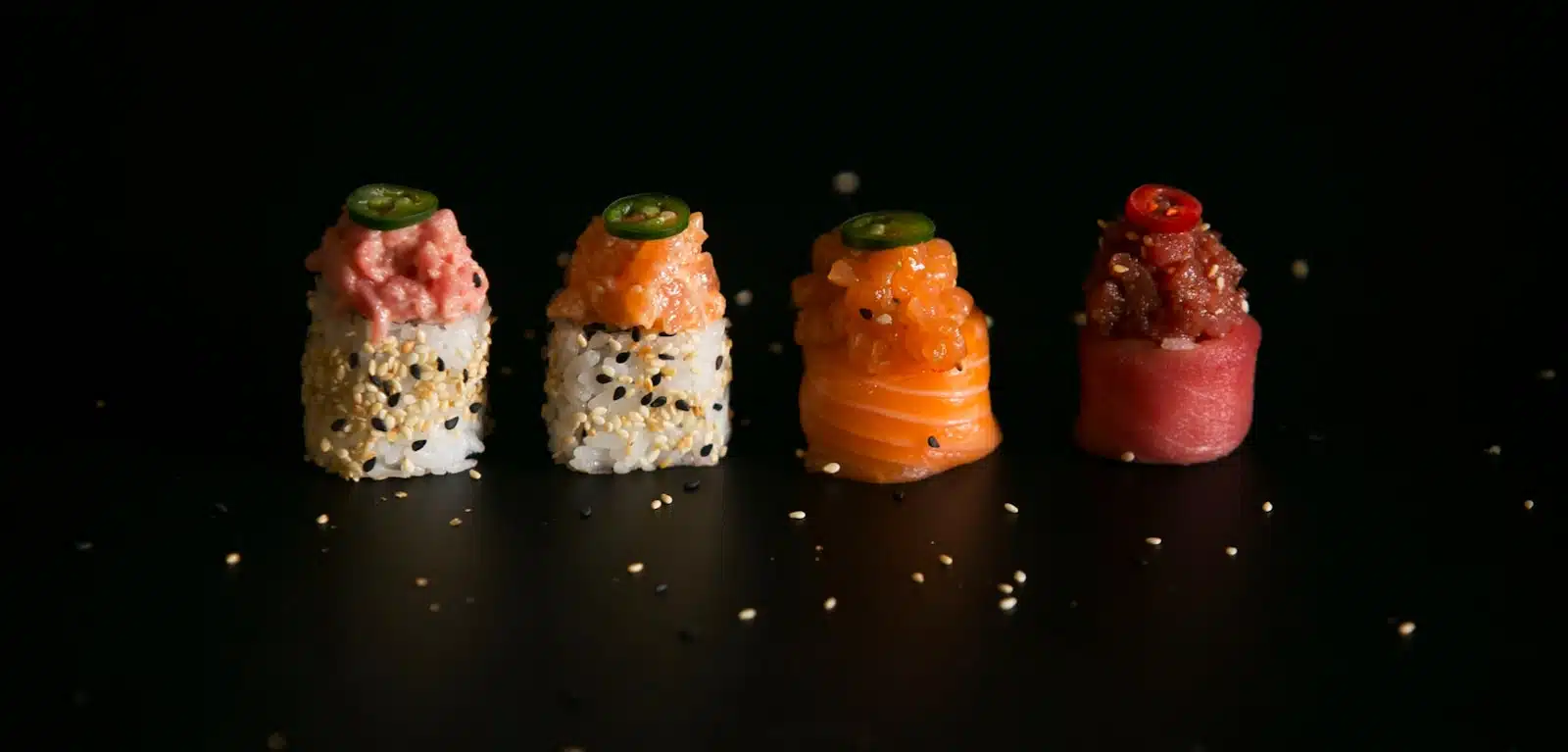
Practical Details You Notice Up Close
Working at the counter reveals details that are easily missed in a restaurant environment. You see how the chef monitors moisture levels in each cut of fish. You understand how subtle variations in rice temperature affect balance. You recognise the importance of pressure, timing and consistency.
When you taste the final sequence, the comparison between your work and the chef’s is instructive rather than discouraging. It shows the effect of minor adjustments and highlights the precision behind techniques that often appear effortless from the opposite side of a sushi bar.
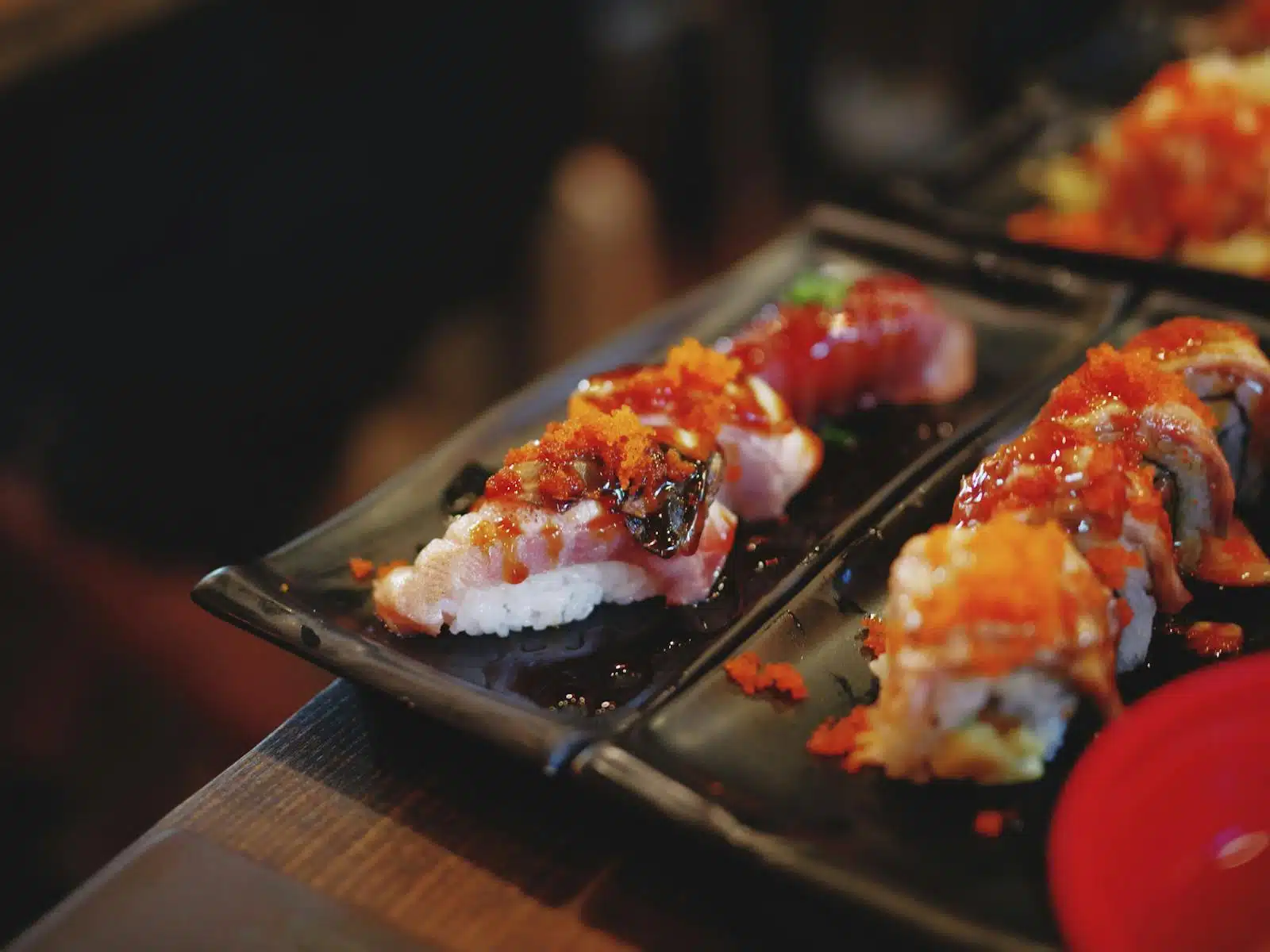
How Do Not Disturb Makes This Possible
Do Not Disturb partners with small, specialist studios that accept guests by arrangement only. The timing of each class is coordinated to ensure the chef’s full attention and optimal ingredient preparation. Interpretation, transfers and schedule planning can be included so the session runs smoothly from arrival to departure.
Our role is to streamline every logistical step, allowing you to focus solely on the learning experience and the direct exchange with the chef.
Ready to arrange your private sushi lesson in Shintomi and explore Tokyo’s culinary traditions with confidence and ease? Speak with Do Not Disturb to begin your journey.