On this page
Kyoto is the Japan of emperors, temples and centuries of tradition; Kanazawa is the Japan of preserved Edo streets, samurai homes and untouched neighbourhoods.
Temples, Shrines, and Scale
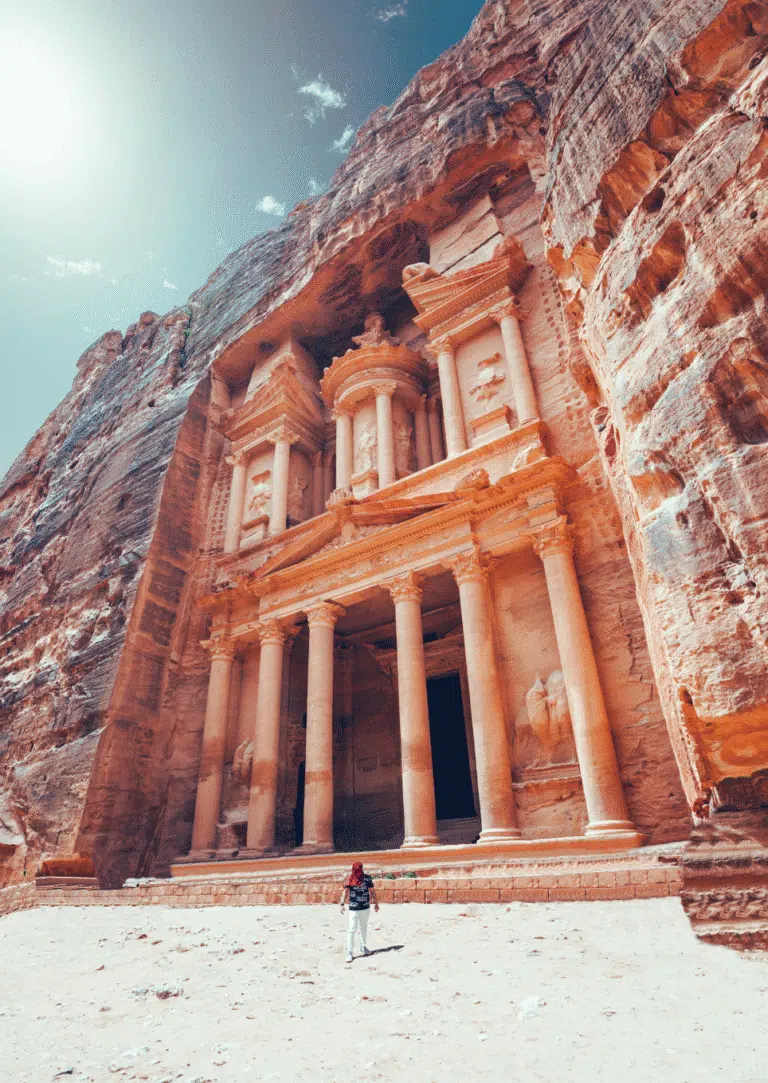
There’s no real contest on numbers. Kyoto has Kinkaku-ji, the gold-leafed pavilion reflected in its own pond, Kiyomizu-dera built out on wooden stilts above the hillside, and Fushimi Inari’s tunnel of vermilion torii gates climbing the mountainside behind it, a site that now draws roughly three million visitors a year.
Kanazawa’s religious sites are smaller and fewer, though not without their own character, Oyama Shrine blends European and Asian architectural styles in a way found nowhere else in the country. If the point of a trip is walking through centuries of Buddhist and Shinto architecture in volume, Kyoto wins outright.
Geisha Districts, and the Difference Between Preserved and Alive
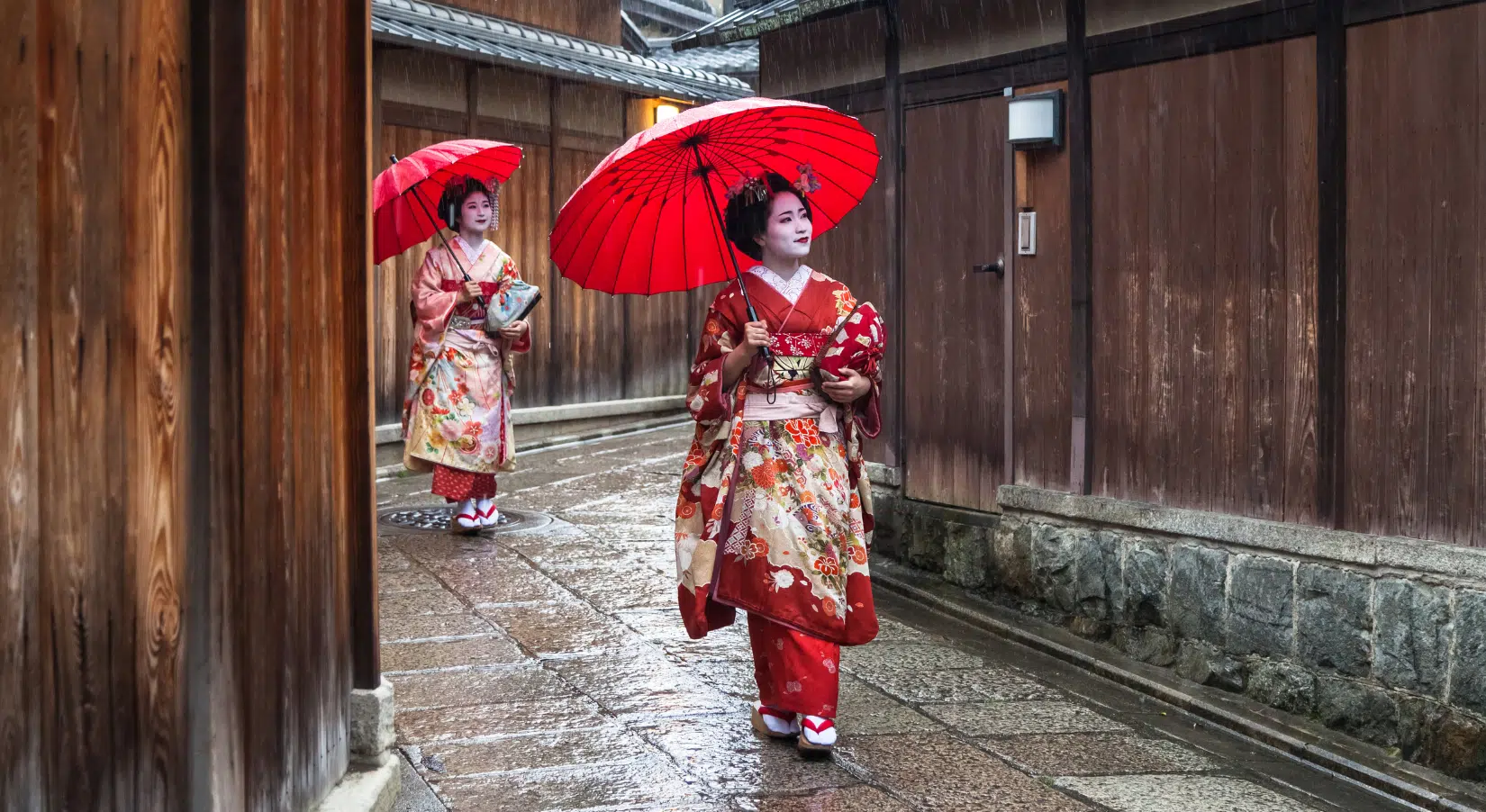
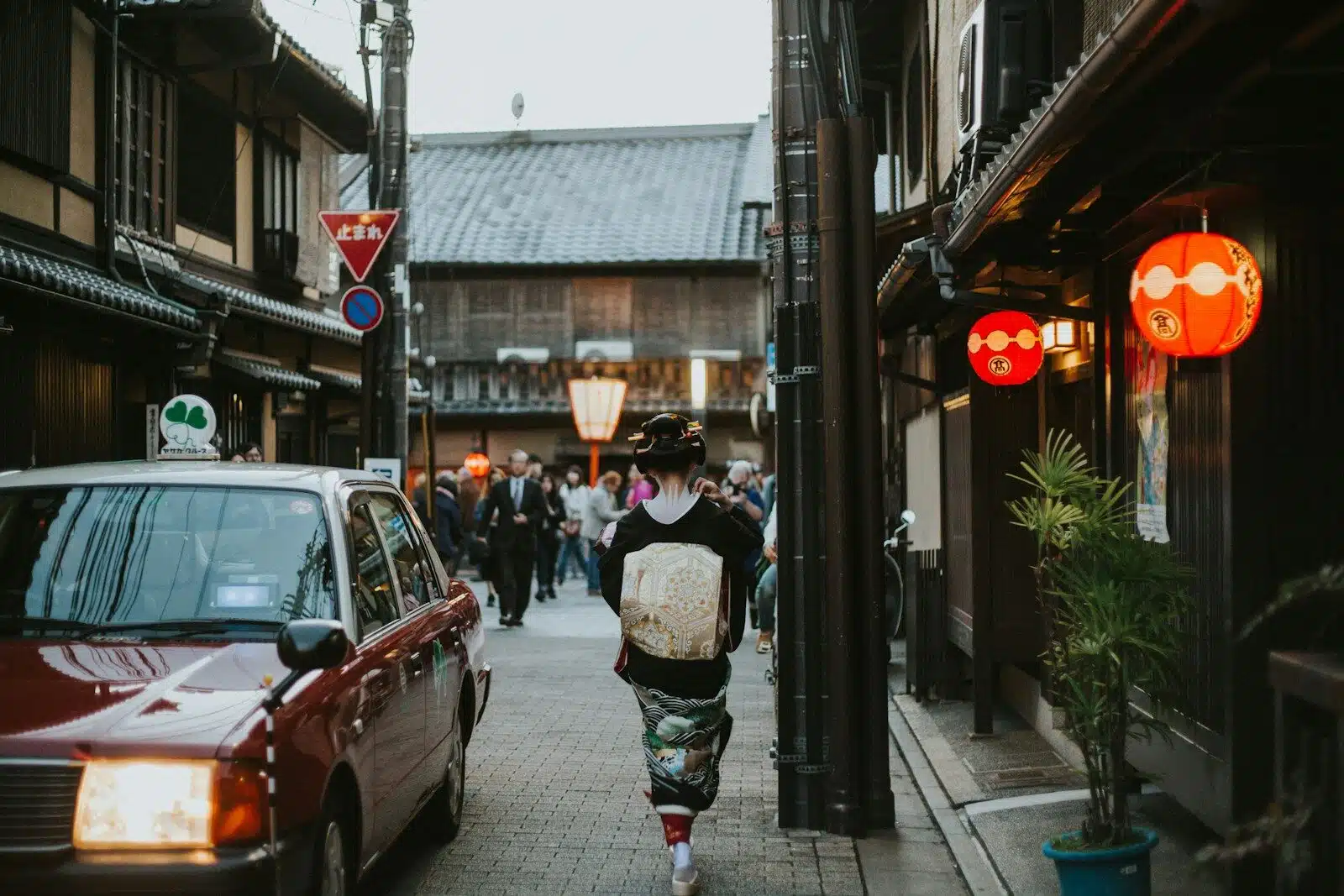
This is where the comparison gets more interesting than a simple size contest. Kyoto’s Gion district is still a real historic neighbourhood, but its foot traffic now runs at something like ten times what Kanazawa’s equivalent districts see, and much of what a visitor encounters there involves staged photo opportunities with performers dressed for tourists rather than working geiko going about an actual evening.
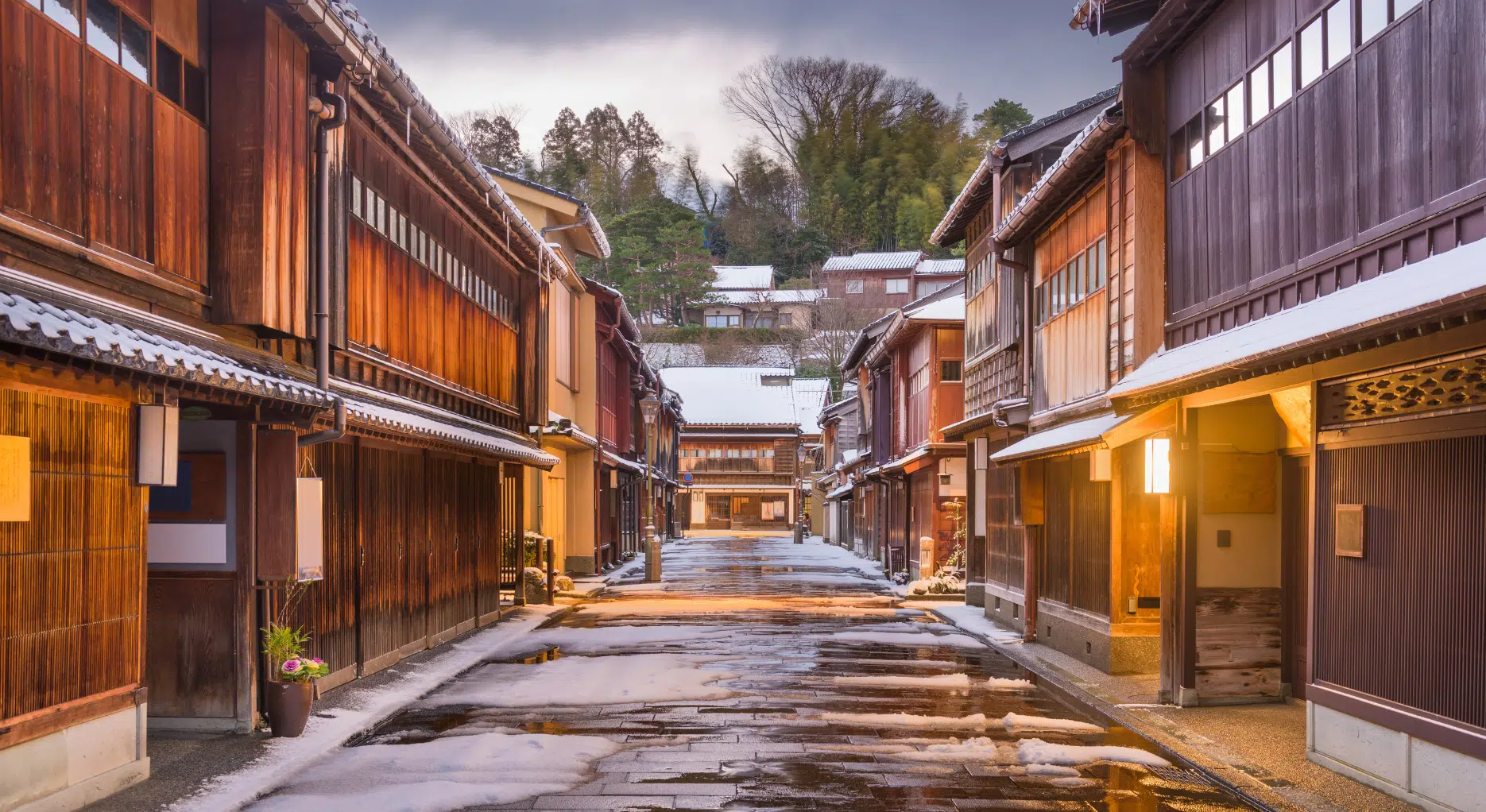
Kanazawa’s Higashi Chaya district, along with its two smaller sister districts, still supports an estimated forty active geiko, and the city has made a deliberate, sustained effort to protect the tradition rather than simply preserve the buildings it happens in. Walking through Higashi Chaya in the early evening means a real chance of seeing a working geiko rather than a costume.
Tours we recommend
Gardens Built for Different Seasons
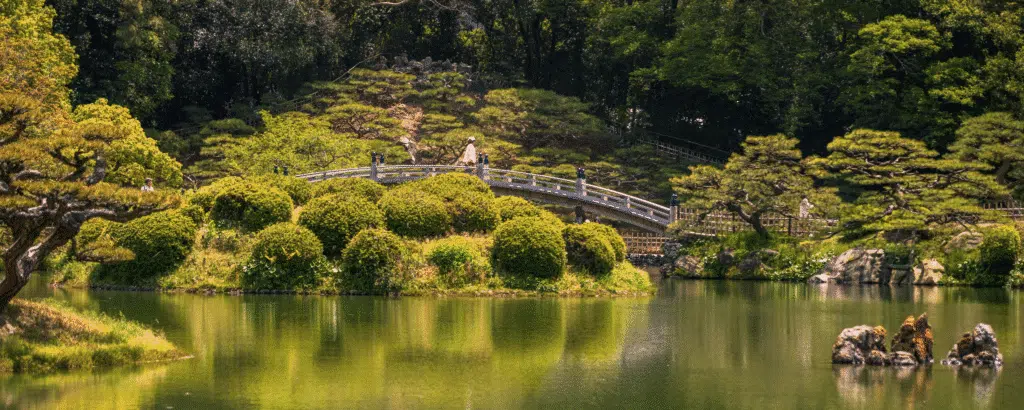
Kanazawa holds Kenroku-en, officially recognised as one of Japan’s three great gardens, drawing around two and a half million visitors a year but spread across enough space that it rarely feels crowded the way a single-file queue through a smaller Kyoto garden can. Its winter yukitsuri, the rope supports strung to protect pine branches from snow, turn the garden into something closer to sculpture for a few months each year, an experience Kyoto’s gardens don’t offer at all.
Kyoto answers with Arashiyama’s bamboo grove and the Zen gravel gardens of temples like Ryoan-ji, more famous individually, but rarely with room to actually stand still and look at them during peak travel months.
Where the Crowds Actually Are
Kyoto’s popularity has become its own obstacle. Peak cherry blossom and autumn leaf seasons push the city towards some of the most congested tourist conditions anywhere in Japan, and a sunrise visit to Fushimi Inari now requires an actual plan to beat the few thousand other visitors with the identical idea.
Kanazawa carries real crowds of its own at Kenroku-en and Omicho Market, but the city’s compact, walkable layout distributes people more evenly, and a quiet street in Nagamachi’s samurai district can still feel close to empty even in high season.
Food, and What Each City Does Best
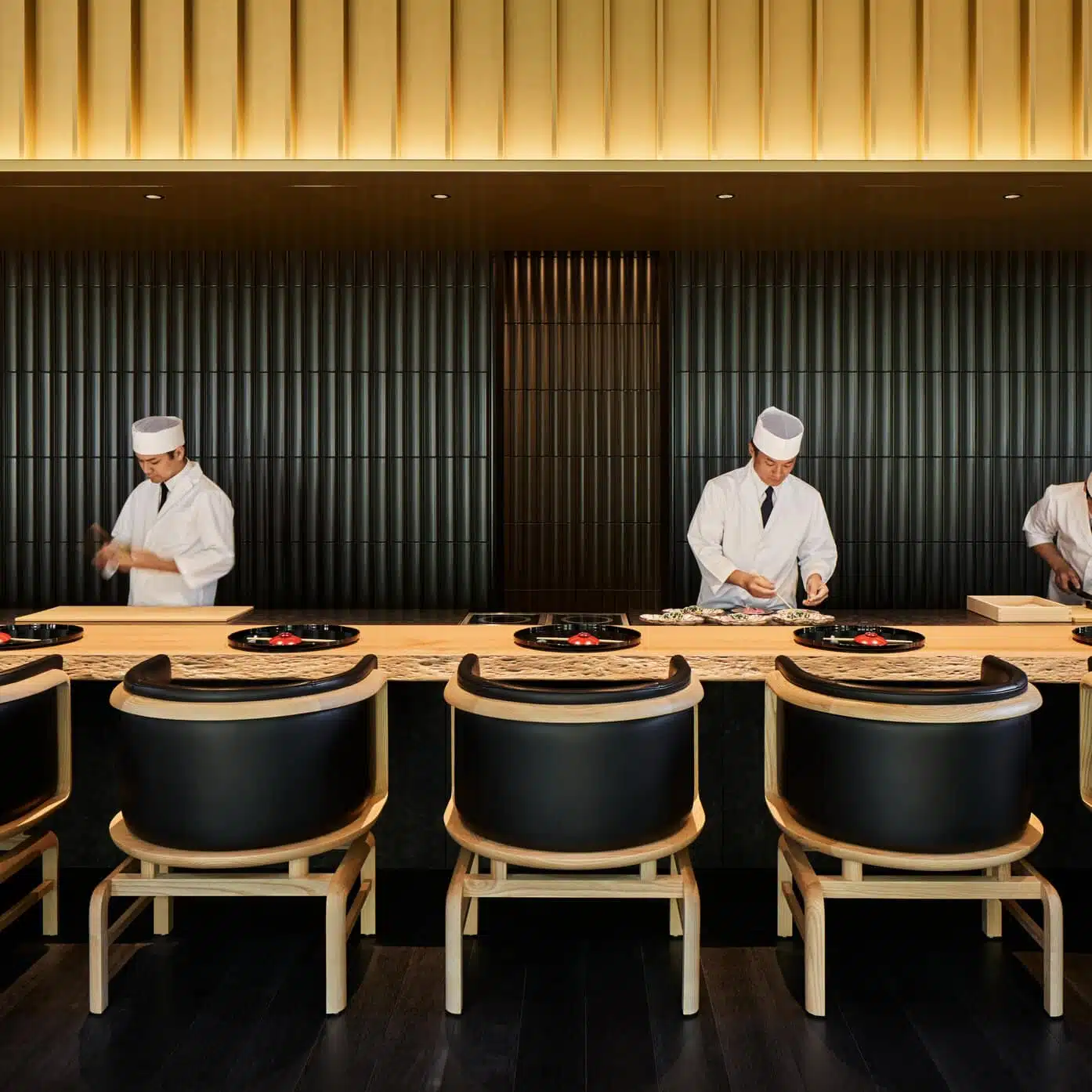
Kyoto is arguably the country’s most important food city. Kaiseki itself, the multi-course meal built around the tea ceremony’s philosophy of seasonal precision, effectively originated in Kyoto, and the city still has the restaurants to prove it, Kikunoi Honten and Hyotei both hold three Michelin stars and have been refining the format for generations.
Beyond kaiseki there’s a whole second tier worth just as much attention, yudofu simmered in iron pots at century-old tofu houses near Nanzenji Temple, obanzai home-style cooking built around whatever’s in season, shojin ryori Buddhist temple food that’s entirely plant-based, and Nishiki Market, in continuous operation for centuries and still the place locals go for pickles and prepared food rather than a tourist stop dressed up as one.
Kanazawa can’t match that range or that history, but it wins on something else entirely, raw seafood pulled from the cold waters of the Sea of Japan and sold at Omicho Market, which has anchored the city’s food culture for close to three hundred years, including the region’s prized winter crab at a quality most of Japan travels to Kanazawa specifically to eat.
Samurai Japan, Why Kanazawa Has the Edge
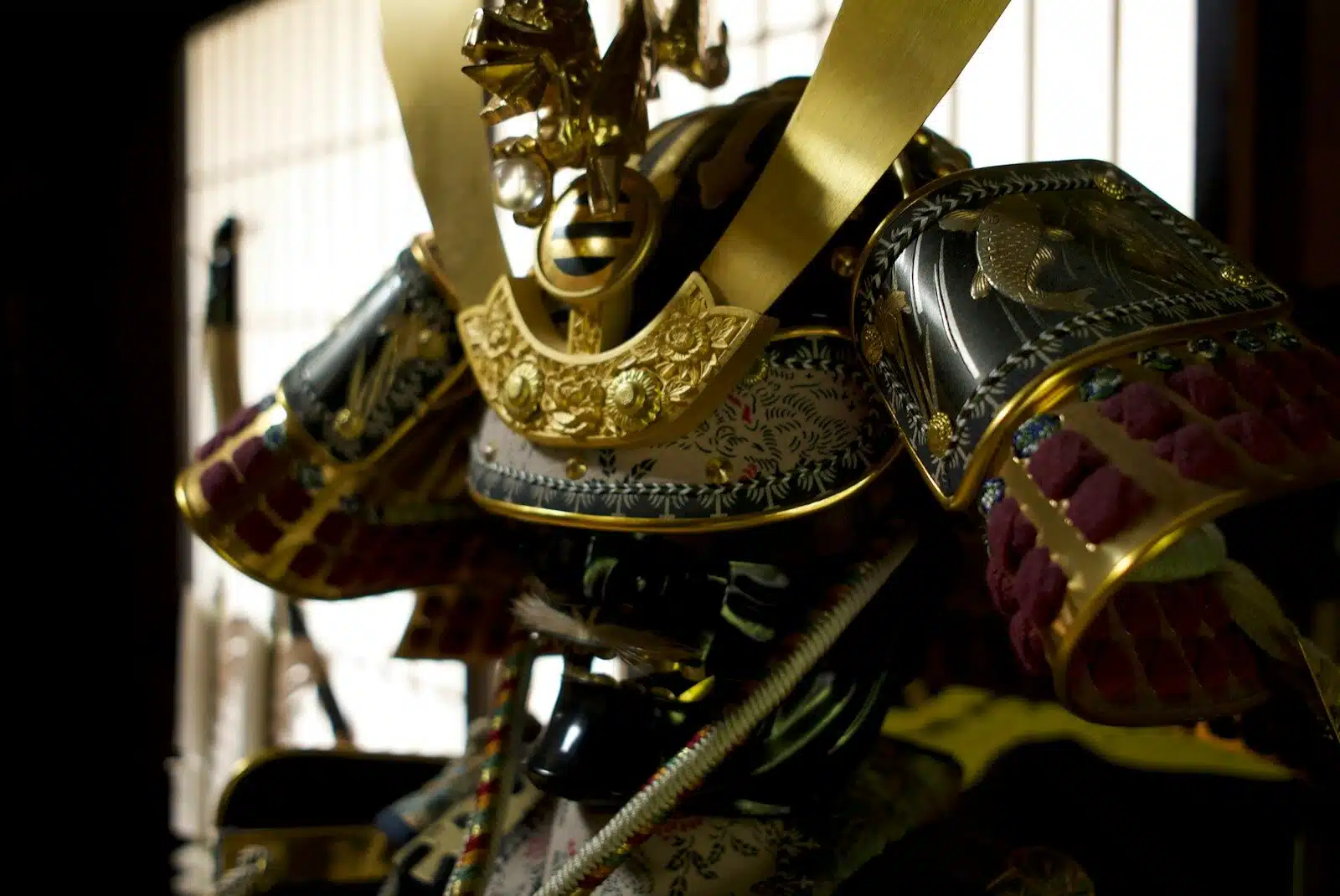
Nagamachi sits southwest of Kanazawa Castle, a former samurai quarter where retainers of the Maeda clan once lived within walking distance of the lord they served. The Maeda ruled the Kaga Domain, one of the wealthiest and most powerful territories in feudal Japan, and that wealth shows in what survives, earthen walls the colour of ochre, narrow cobbled lanes, small canals still running exactly where they always did.
The Nomura Residence is the clearest way in, the former home of a family who provided the Maeda lords with mounted security across eleven generations, its garden built around a stream, a granite bridge, and a bayberry tree now over four hundred years old, ranked among Japan’s finest gardens by international guides and rated in the Michelin Green Guide.
What sets Nagamachi apart from Kyoto’s historical sites isn’t grandeur, it’s that these are lived-in houses rather than roped-off exhibits behind glass. Many of Kyoto’s most famous historical buildings survive as temples still performing an active religious function, which is its own kind of authenticity, but a samurai’s actual home is a different thing entirely, and Kanazawa has more of them standing than almost anywhere else in the country, largely because the city escaped the wartime bombing that erased so much of urban Japan elsewhere.
Walking Nagamachi’s lanes means walking the real layout of an Edo-period neighbourhood rather than a reconstruction of one, and that difference is what keeps the district from feeling like a museum, even though, in the strictest sense, parts of it now are.
Kyoto or Kanazawa in Cherry Blossom Season
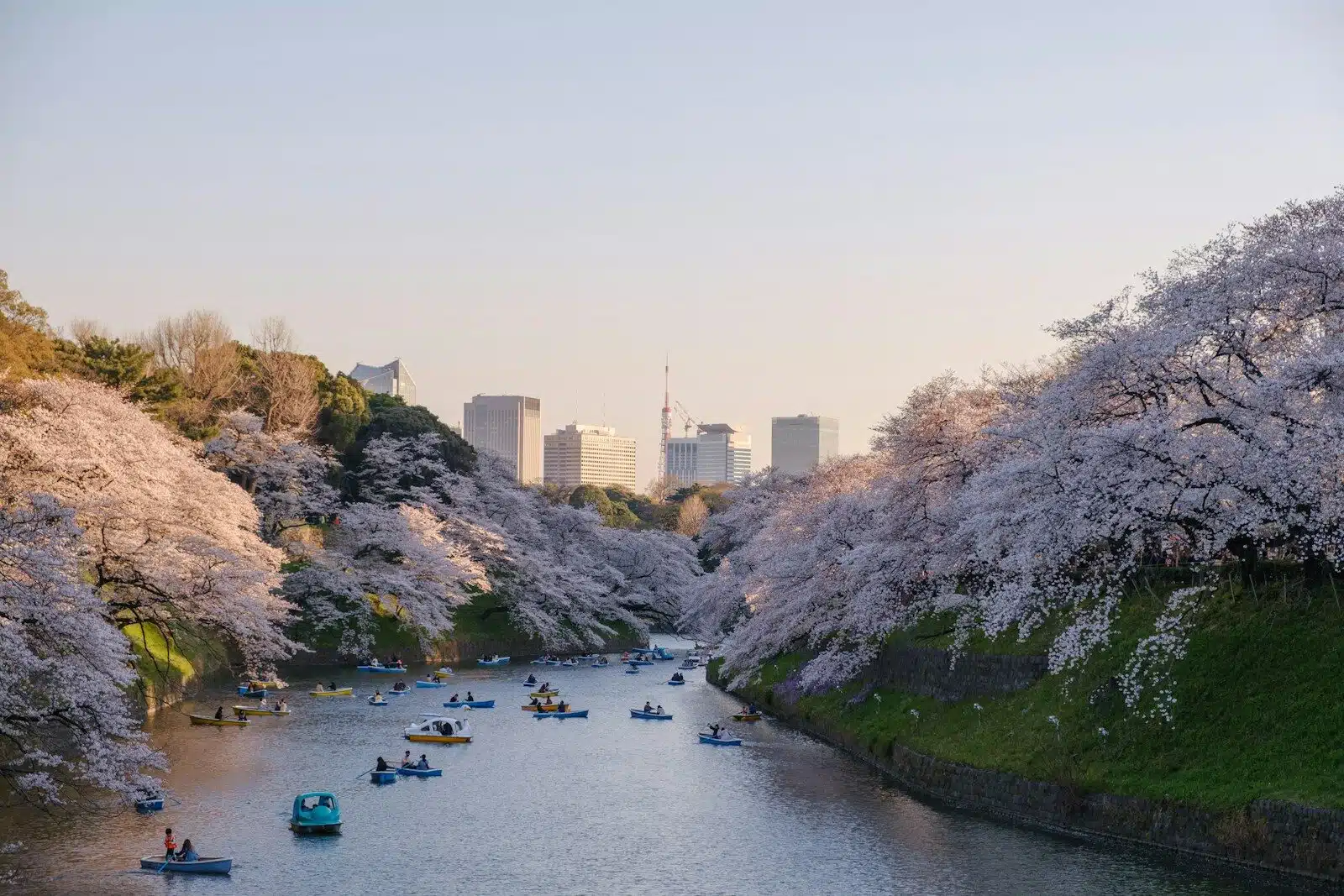
Sakura season pushes Kyoto’s crowd problem to another level. Maruyama Park, the city’s central hanami spot with its illuminated weeping cherry tree, draws crowds so dense that a comfortable view of the tree itself can require arriving well before sunrise. The Philosopher’s Path, a canal-side walk lined with cherry trees, turns from serene to properly packed by mid-morning, and popular temples like Kiyomizu-dera see queues that stretch the length of an ordinary weekday visit into something closer to an event.
Experienced Kyoto visitors have developed real workarounds, arriving at the Philosopher’s Path around six in the morning while the canal is still quiet, visiting Maruyama Park after dark for the illuminated tree rather than during the day, or skipping the famous names entirely for quieter sub-temples around Daitoku-ji.
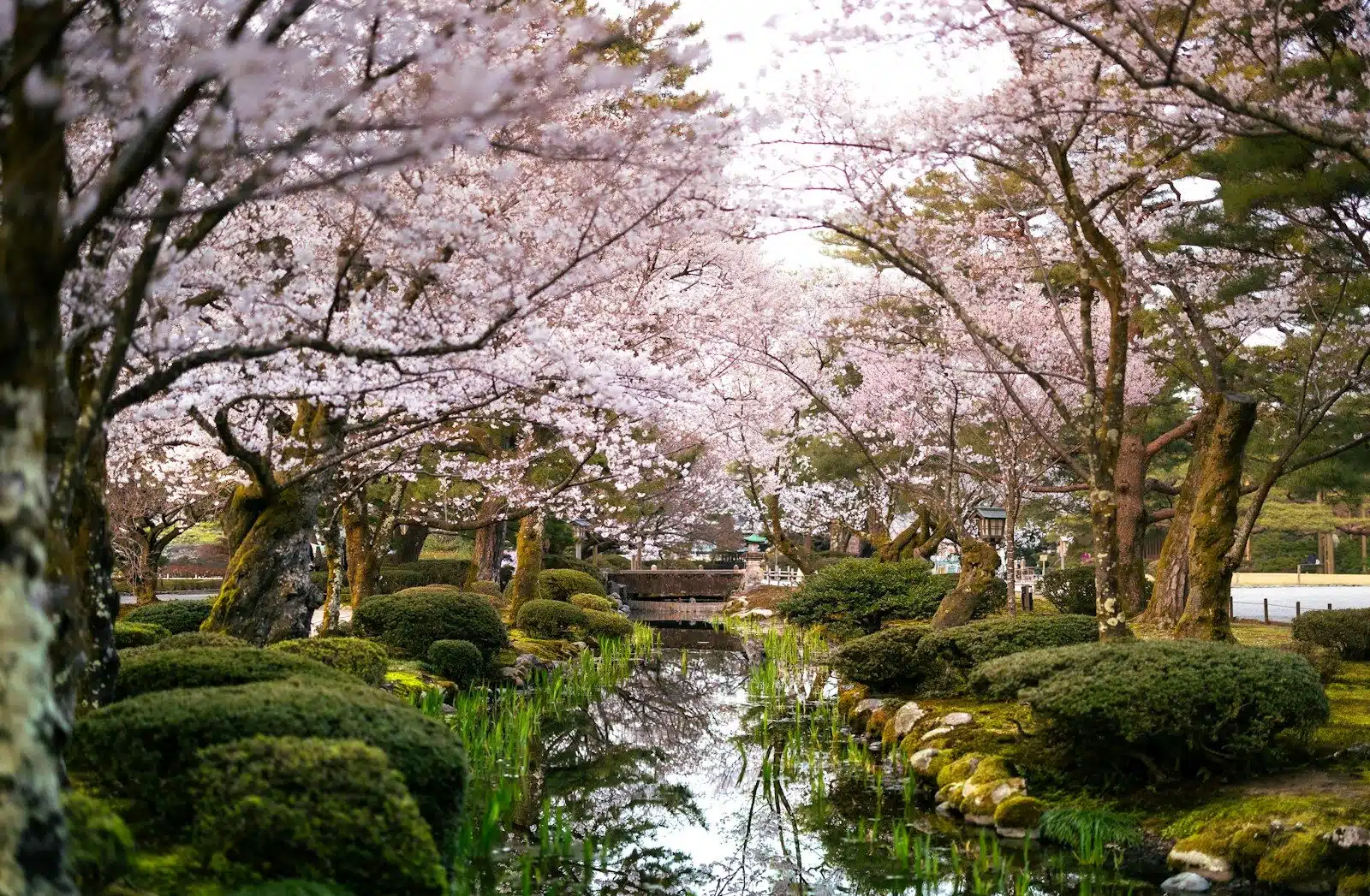
Kanazawa provides a different experience during the same season rather than just a smaller version of Kyoto’s. Kenrokuen, already spread across enough ground that its two and a half million annual visitors rarely feel concentrated, carries cherry blossoms without anything close to Maruyama Park’s density, and Nagamachi’s samurai lanes and the Higashi Chaya geisha district add sakura backdrops that draw a fraction of Kyoto’s foot traffic.
None of this makes Kanazawa crowd-free, but the gap between the two cities is wide enough that travellers specifically trying to avoid peak-season Kyoto increasingly treat Kanazawa not as a fallback but as the better spring booking outright.
Getting There, and Getting Between Them
Kanazawa connects directly to Tokyo via the Hokuriku Shinkansen in about two and a half hours, no transfer required. Between Kyoto and Kanazawa specifically there’s no direct train, the route runs via the Thunderbird limited express to Tsuruga, then a transfer onto the Hokuriku Shinkansen for the final stretch, a journey of a bit over two hours in total. That connection makes pairing the two cities in one trip straightforward rather than an either-or decision.