



10 days
|$9195

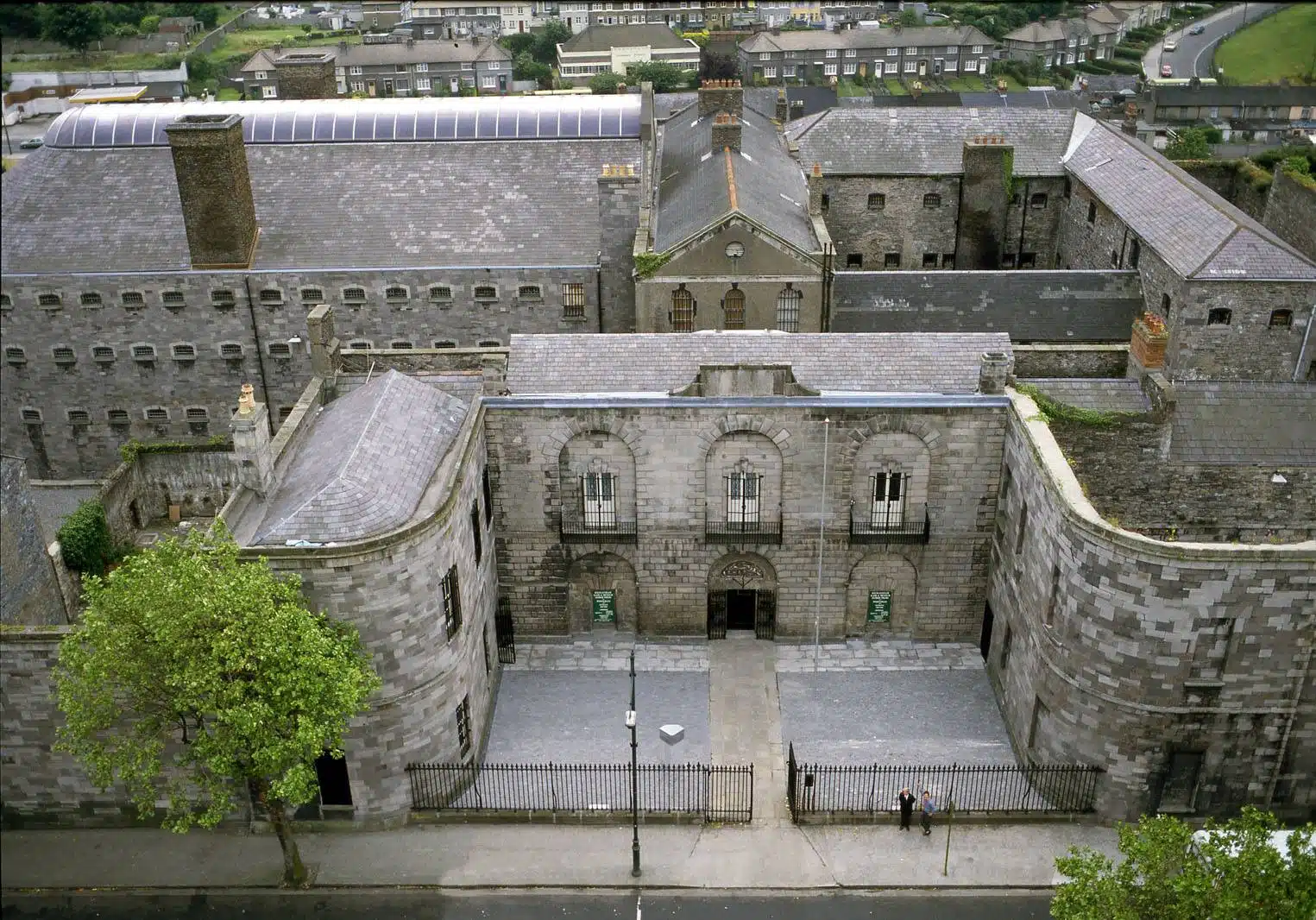
Kilmainham Gaol opened in 1796 as Dublin’s county prison and closed in 1924. Between those dates it held ordinary criminals, Famine survivors, suffragettes, political prisoners and the leaders of every major Irish rebellion from 1798 onwards. It is now one of the most significant historical sites in Ireland, preserved as a national monument and accessible by guided tour only.
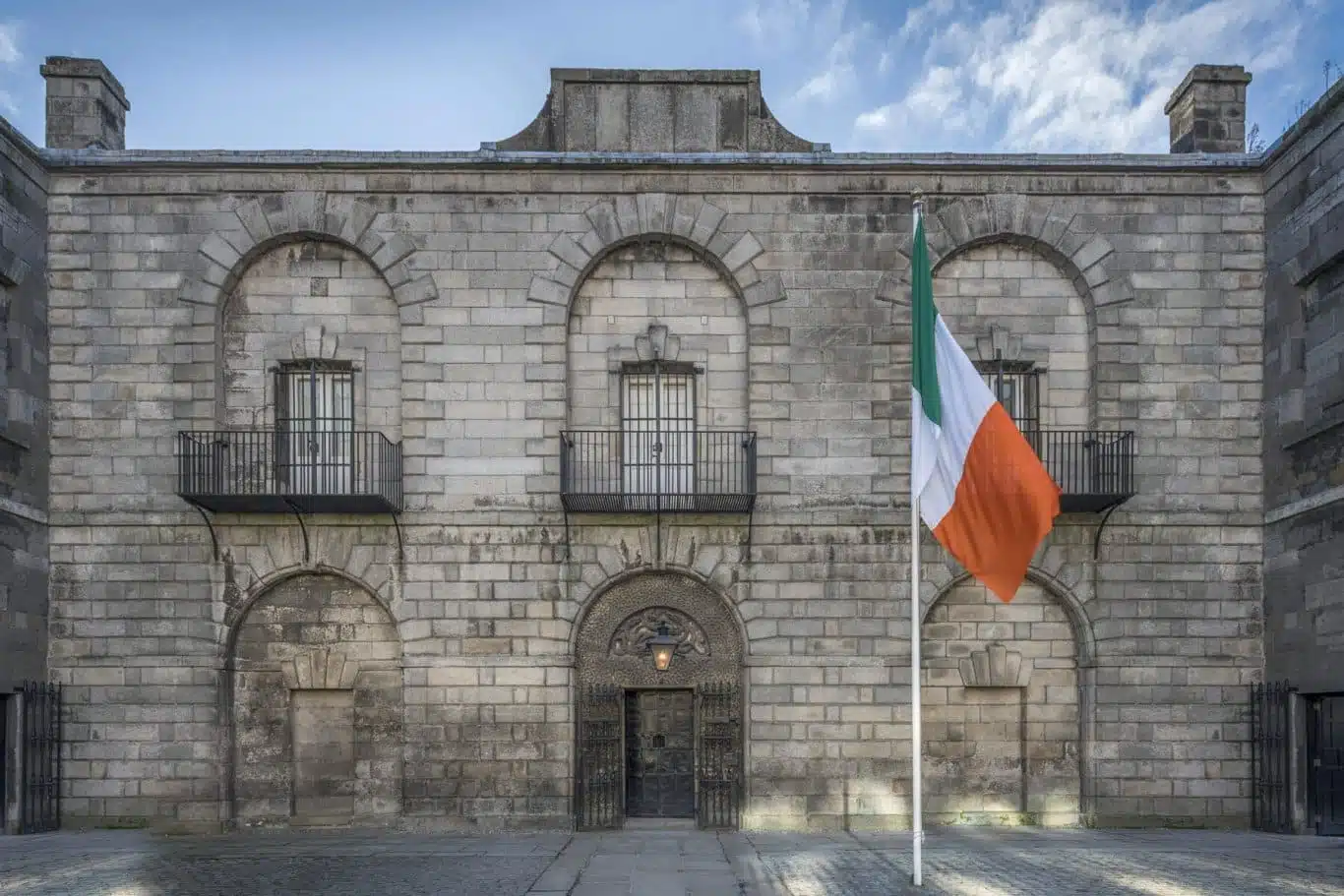
The gaol sits in the Kilmainham neighbourhood on the western edge of Dublin’s city centre, about 2 kilometres from Trinity College. The exterior is a heavy Georgian structure with an arched gateway.
The west wing, built in 1796, is the oldest part of the building: a narrow corridor of cells with walls stripped back to bare stone, no glass in the windows and a darkness that persists regardless of the hour. Up to five prisoners were held in a single cell of 28 square metres. During the Famine years of the late 1840s, some people deliberately committed crimes to get inside, trading freedom for food.
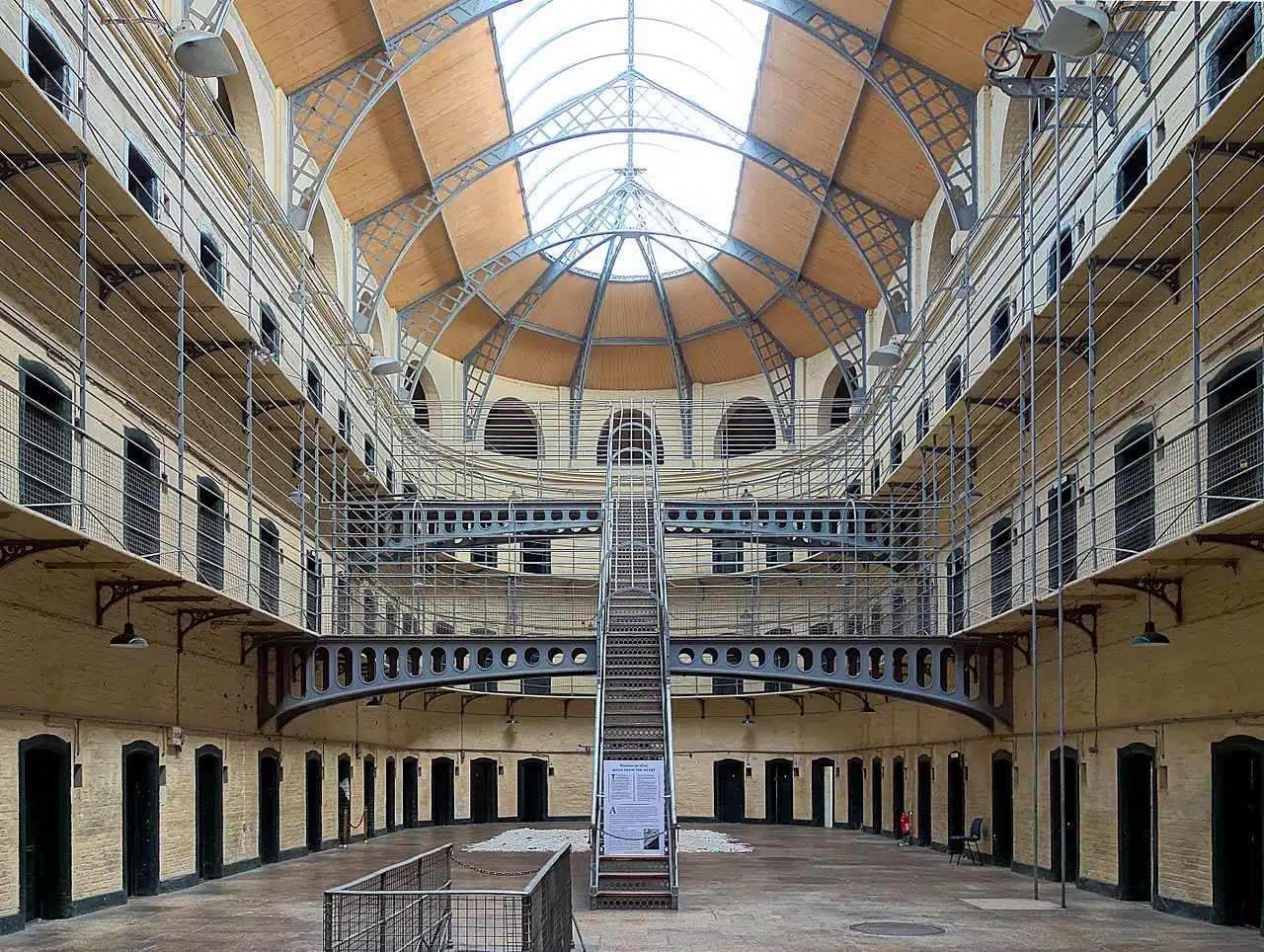
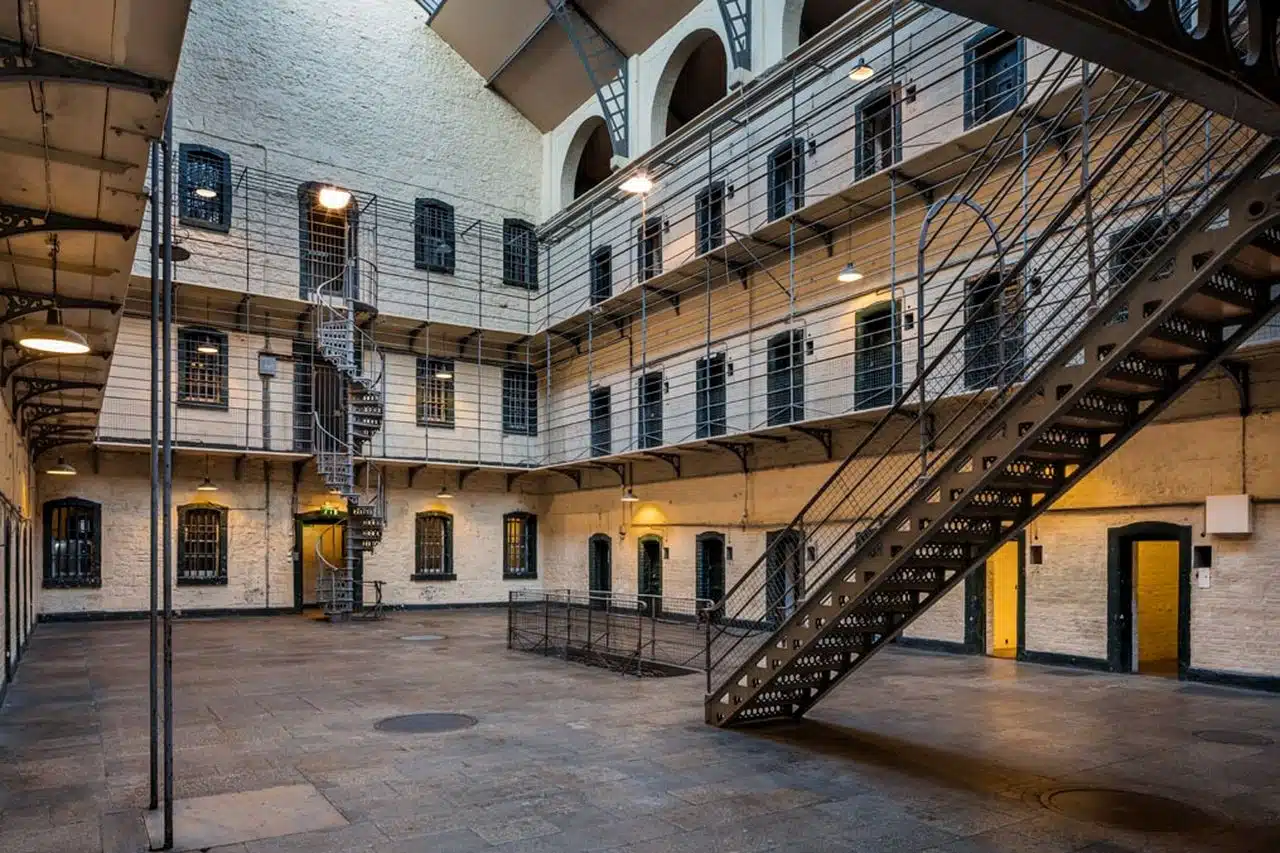
The east wing, built in 1861 in the Pentonville model, is the building most visitors recognise. A soaring Victorian atrium rises to a vaulted glass ceiling, with three tiers of cells running along both sides. It is where the last prisoners were held before the gaol closed, and where the final chapter of the Irish independence story was written.
Do Not Disturb is a luxury travel company specializing in carefully designed journeys and considered experiences. Each itinerary we build for our clients is informed by real destination knowledge, offering insight into places, cultures, and moments that shape how a trip comes together.
If this destination has sparked ideas, the itinerary can be developed into a private journey tailored to your interests and travel style, with hand-picked stays, thoughtful routing, and experiences curated around what matters most to you.
Kilmainham Gaol was built to consolidate Dublin’s prison population into a single facility, replacing a network of smaller, older institutions. From its opening it held everyone from seven-year-old children convicted of petty theft to leaders of armed rebellion. The stories of ordinary prisoners and political rebels run side by side throughout the building, and the tour gives equal weight to both.
The political history begins with Robert Emmet, hanged in 1803, and runs through the Fenian movement, Charles Stewart Parnell, who wrote letters to his supporters from his cell in 1881, and Countess Markievicz, sentenced to death after the 1916 Rising and later reprieved.
The 1916 Easter Rising is the dominant narrative. On Easter Monday, Patrick Pearse declared Ireland an independent republic from the steps of the General Post Office. The rebellion lasted six days. After the surrender, 90 men were sentenced to death and fourteen were shot in the Stonebreakers’ Yard at Kilmainham. Joseph Plunkett married his fiancée Grace Gifford in the gaol’s chapel hours before his execution. The executions turned Irish public opinion against British rule and set in motion the events that led to independence in 1922.
The gaol closed in 1924, its symbolic weight too heavy for a new state to use as a functioning prison, and reopened as a museum in 1966, fifty years after the Rising.
10 days
|$9195
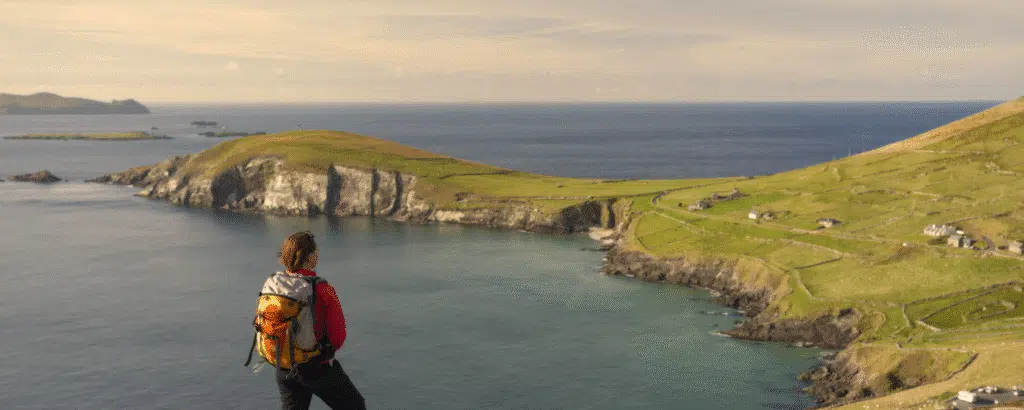
10 days
|$6295
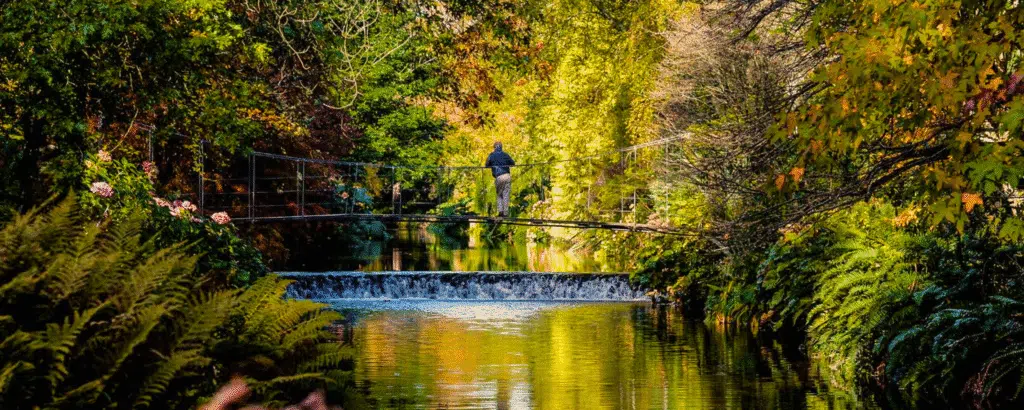
10 days
|$7795
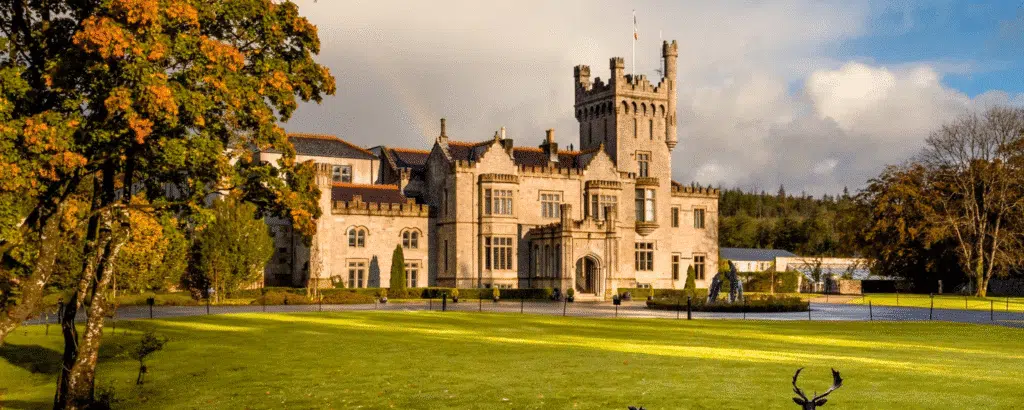
10 days
|$9795
Standard tours at Kilmainham Gaol run throughout the day and carry groups of up to 40 visitors through the building on a fixed route at a fixed pace. The gaol is one of the most visited attractions in Dublin and the tours sell out consistently, particularly between late morning and mid-afternoon.
A private guided visit before the standard tours begin means arriving at a building that is otherwise empty. The west wing in silence is a different space from the west wing with a group of 40 people moving through it. Standing in the Stonebreakers’ Yard without a crowd around it is where the history stops being information and becomes something closer to presence.
A private guide also means the visit moves at the pace of whoever is there.
The standard tour covers the full narrative in around an hour. A private visit can spend longer in the sections that matter most to the people on it, whether that is the 1916 story specifically, the conditions of ordinary prisoners during the Famine, or the women’s section and Countess Markievicz’s cell, which is often passed through quickly in the standard tour.
The tour begins in the west wing, where the original 1796 cells are largely unchanged. The narrow corridor, the cell doors and the absence of glass in the windows give the oldest section of the gaol its atmosphere directly rather than through reconstruction.
The chapel is where Joseph Plunkett married Grace Gifford in the early hours of May 4, 1916. The ceremony lasted ten minutes, with British soldiers present throughout. Plunkett was executed a few hours later. The chapel is a small, plain room that carries the weight of that story without any additional staging.
The east wing opens into the Victorian atrium, three tiers of cells rising to the glass ceiling above. The scale is unexpected after the west wing, the light is different and the architecture reflects the reformist ambitions of the 1861 Pentonville design. Each cell door still bears its number.
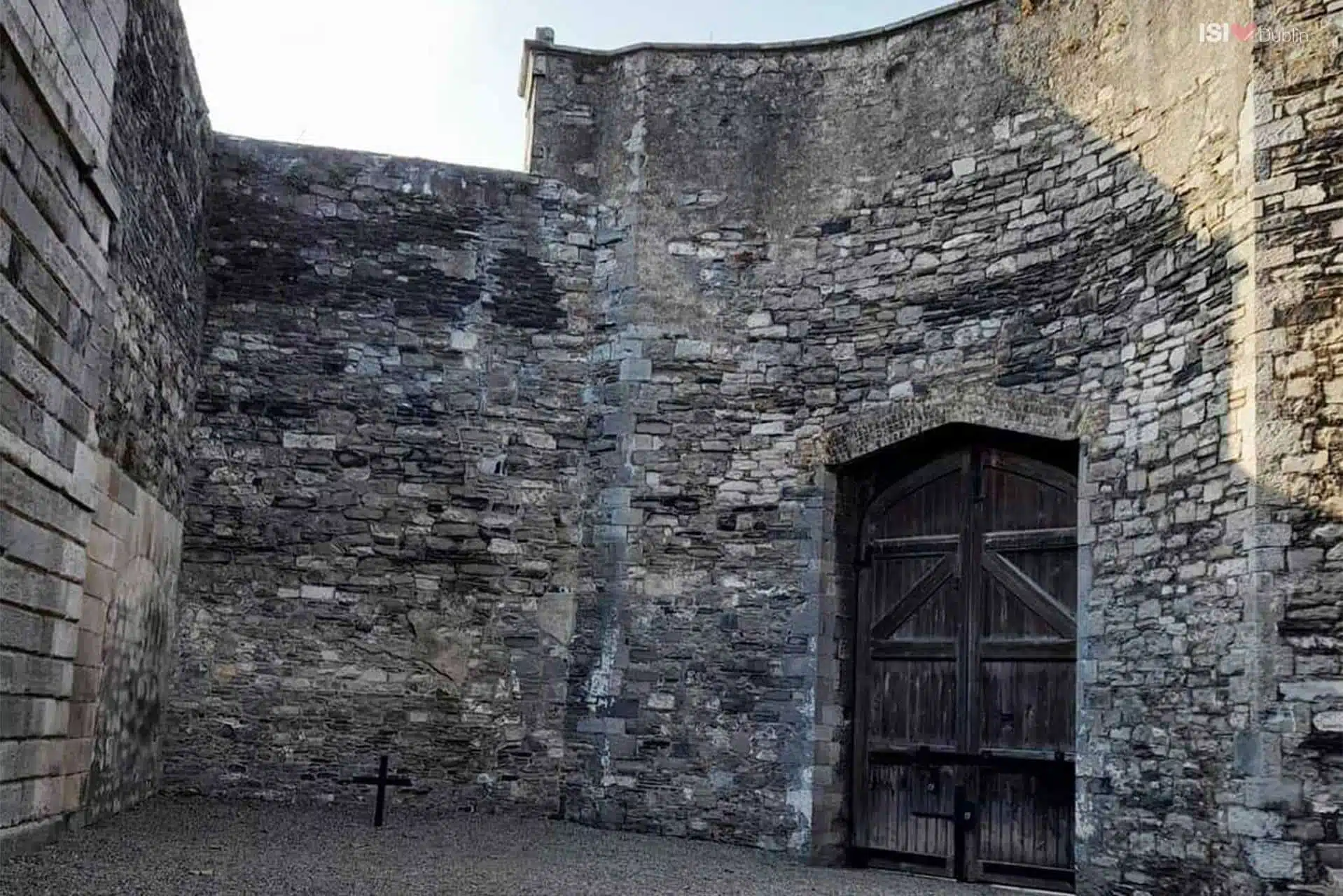
The Stonebreakers’ Yard is at the end of the tour. A small, enclosed space with high walls. A cross marks the approximate position of the executions. It is where fourteen men were shot over ten days in May 1916 and where, most accounts agree, the momentum of Irish independence became irreversible.
The museum on the ground floor holds original letters, personal belongings from prisoners, newspaper accounts of the trials and executions and a comprehensive record of the gaol’s 128-year history. A recreation of a prisoner in solitary confinement and multimedia guides are available throughout.
Kilmainham Gaol releases a select number of tickets 28 days in advance, with the most sought-after slots at opening time going within hours of release. Do Not Disturb secures access in advance and arranges a private guide with specialist knowledge of the 1916 Rising and the broader Irish independence period.
Timing, transfer from the hotel and any additional Dublin experiences are coordinated as part of the same arrangement. Guests arrive at Kilmainham with the visit already planned, and the building for that hour is largely to themselves.
Ready to plan your private visit to Kilmainham Gaol in Dublin? Speak with Do Not Disturb to begin your journey.
Speak to Do Not Disturb’s luxury travel experts and turn this moment into something personal.
Related destinations
Suggested articles





Tell us how you want to feel, we’ll take it from there.
“Our trip was truly magical and full of core memories that will last us a lifetime.”
Michael • Bora Bora Honeymoon

“We just returned from an incredible journey through Ireland, and we couldn’t have had a better experience”
Brad • Ireland Adventure
“This was a flawless experience. They took all our thoughts and perfectly curated the most beautiful honeymoon.”
Kris • Sicily Honeymoon
Our team brings over 35 years of experience in luxury travel, shaping bespoke journeys for discerning clients worldwide. The reviews below reflect the trust placed in us and the experiences we continue to create.
See more reviews on Trustpilot
 5 min read
Choosing a honeymoon destination as an LGBTQ+ couple requires more than a shortlist of scenic hotels: it demands a clear-eyed assessment of legal protections, local attitudes, and the kind of welcome that holds up beyond the lobby. This guide moves through six destinations with that standard in mind, weighing romance against reality so you can […]
 5 min read
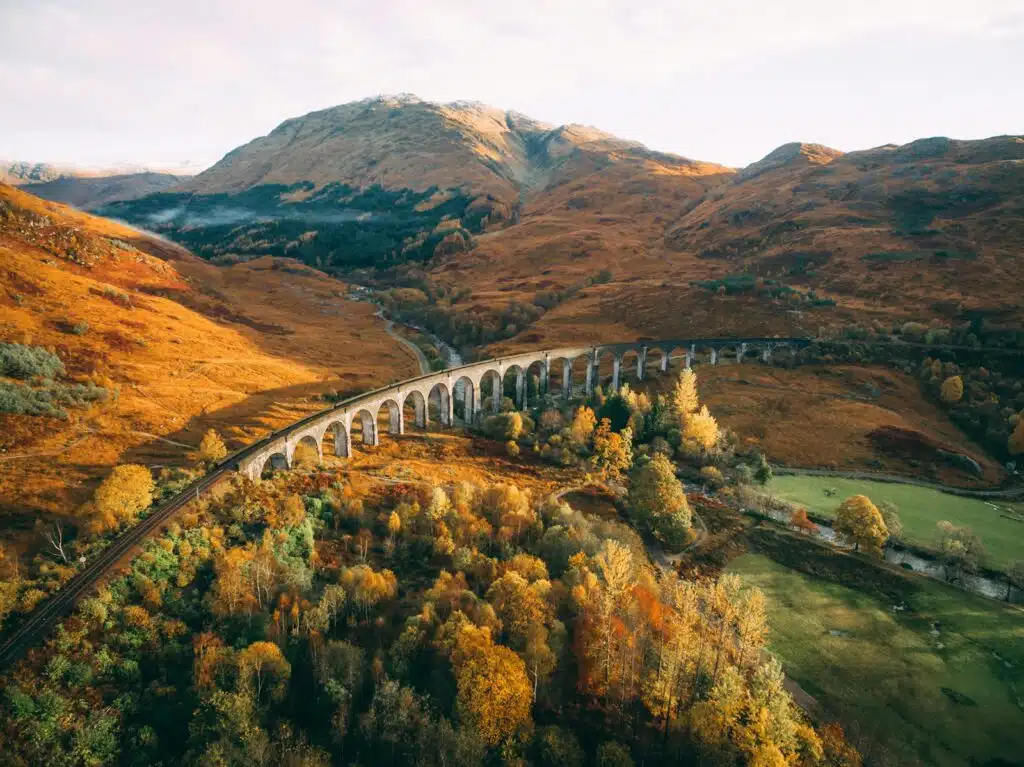
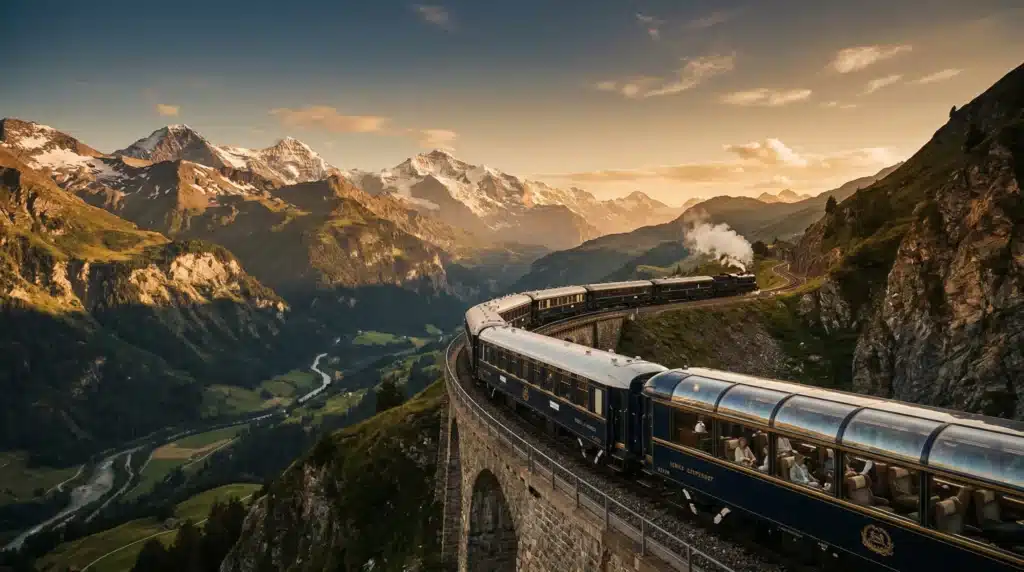
Rail travel offers honeymooners something that flights cannot: the journey itself as a destination, measured in landscapes rather than hours. These routes, spanning Scotland, Switzerland, South Africa, and Southeast Asia, are built around storied long-distance trains and hotel stays chosen to match the slower pace.
 5 min read
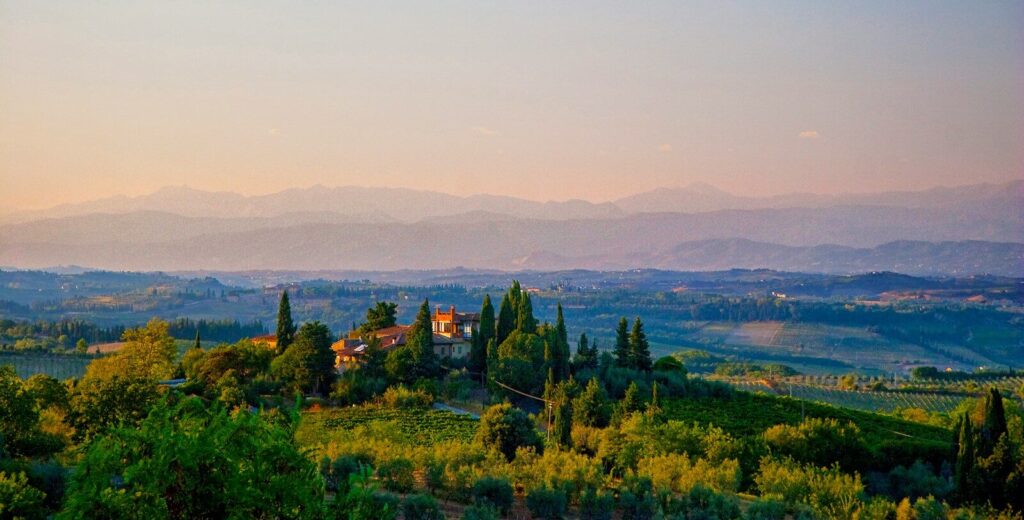
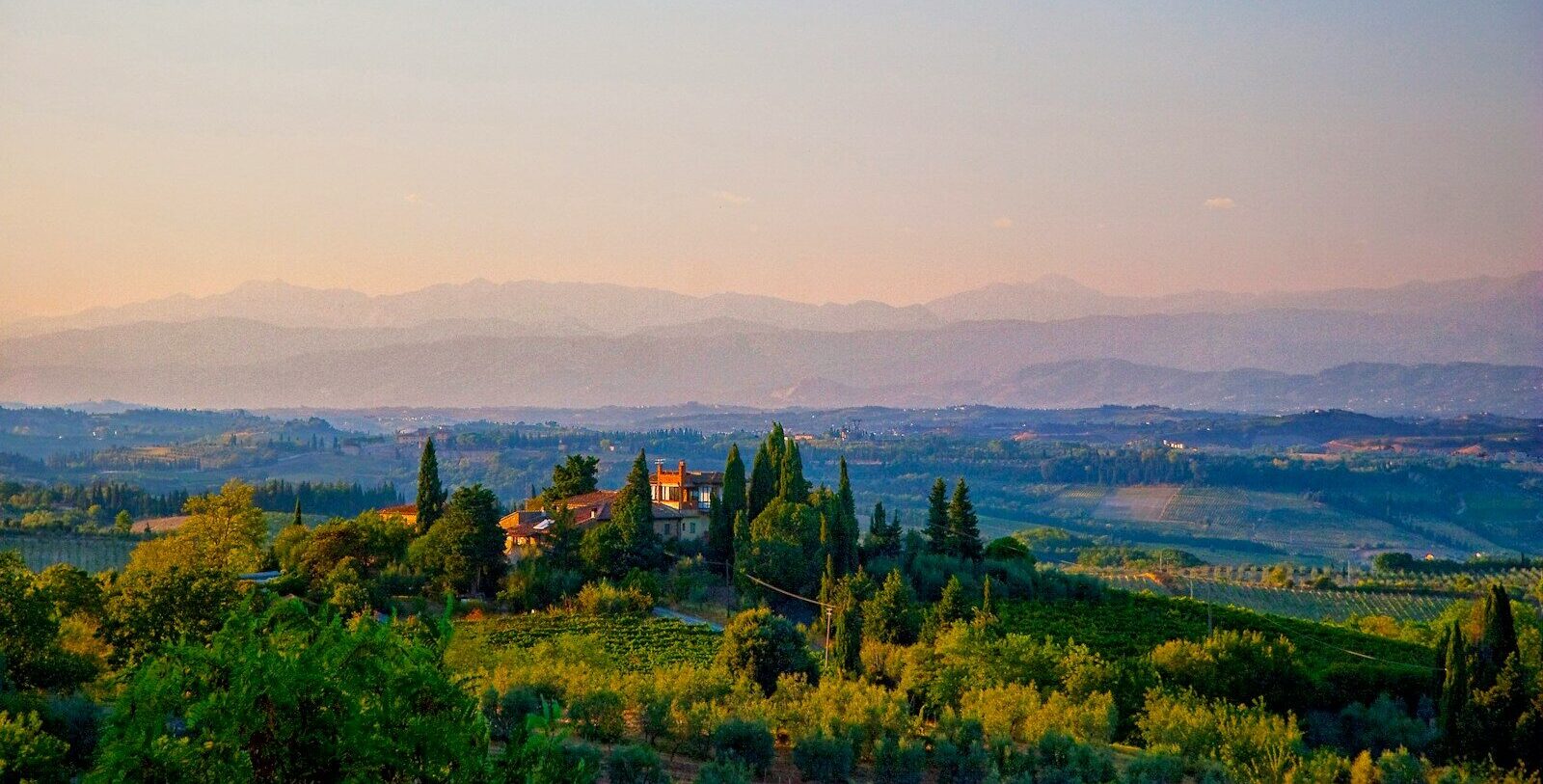
Chianti’s landscape of cypress-lined ridges, fortified wine estates, and medieval villages has long attracted travelers seeking something more considered than a hotel stay. Here, a villa is not an amenity but the destination itself.
 5 min read
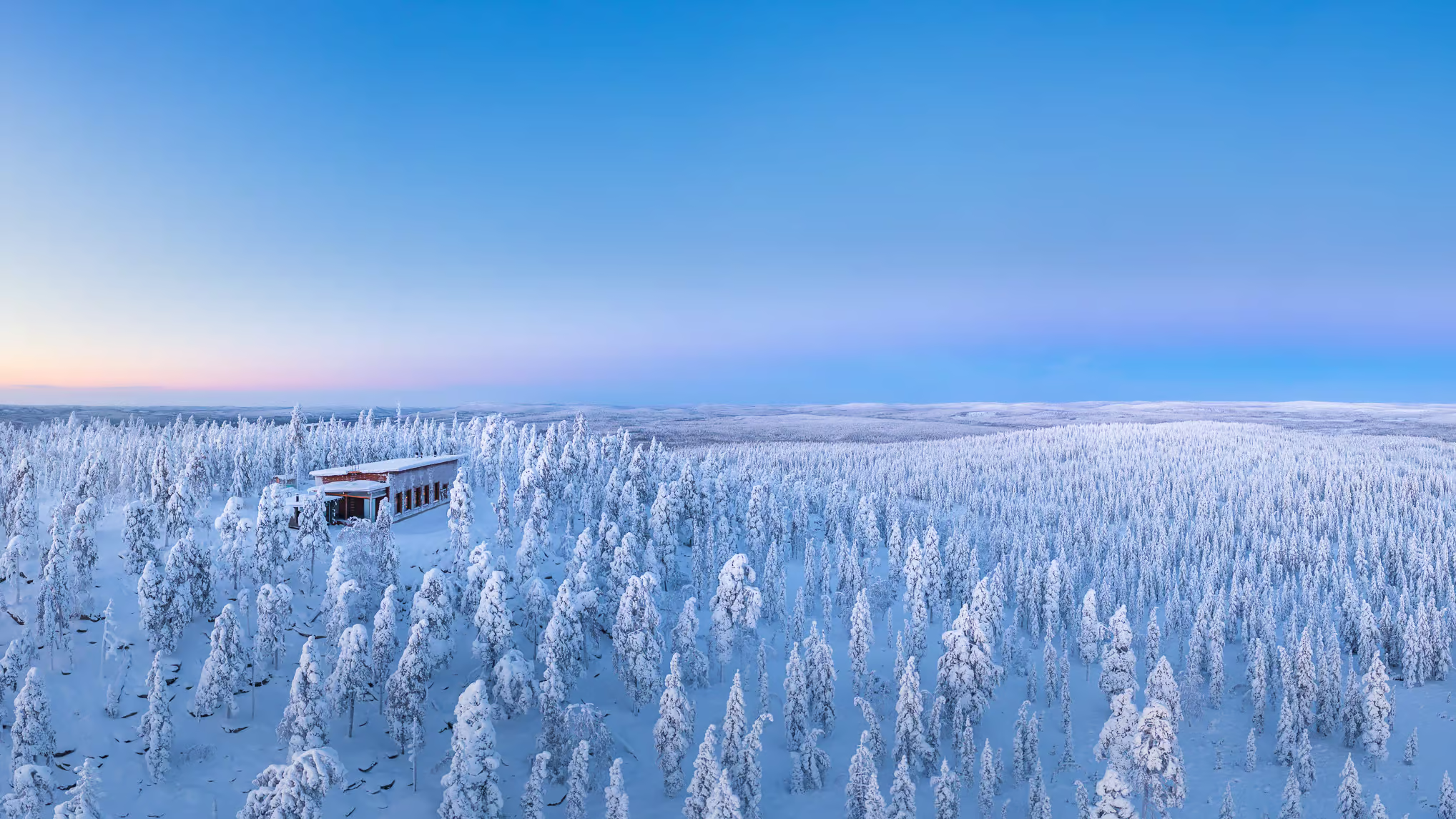
Finnish Lapland sits at the northern edge of Europe, where winter darkness settles across vast forests and frozen lakes, and the Northern Lights move across the sky, watched by those lucky enough to notice them. The region’s finest hotels have been designed around that reality, placing guests in direct contact with the landscape rather than […]
Planning your trip should feel effortless.
You share what matters, whether it’s a destination, a feeling, or a moment worth celebrating.
Your dedicated expert shapes a thoughtful, private itinerary tailored entirely around you.
Every detail handled. Every moment considered. Support before, during, and after your journey.

Answer a few quick questions and we’ll craft a journey as unique as your state of mind.
Ask us anything.
