

On this page
Ireland’s most rewarding journey is not a single destination but a corridor of landscapes, histories, and carefully curated stops that runs from Dublin’s Georgian streets north through the drumlin country of Ulster and out to the basalt columns of the Antrim coast. This itinerary traces that route with a private driver, a sequence of exceptional properties, and the kind of access that turns a road trip into a considered editorial on the island itself.
Dublin
Dublin is worth a full day, not just a night before you drive on. The city’s two great five-star hotels, The Merrion, set across four restored Georgian townhouses facing Government Buildings, and The Shelbourne, which looks out over St Stephen’s Green and has its own place in Irish constitutional history, give you two very different versions of the capital. Which one you choose sets the tone for the whole trip.
There is more to Dublin than where you sleep, and the city rewards a bit of private access. The Chester Beatty Library holds one of Europe’s finest collections of Islamic, East Asian, and Western manuscripts, and most visitors hurrying through the city walk straight past it. The National Museum’s archaeology rooms, a short walk from either hotel, hold the largest collection of prehistoric gold in northern Europe.
A day here also lets the drive north start at the right pace rather than a rushed one. The route to the Antrim coast is short on miles but long on things worth stopping for.
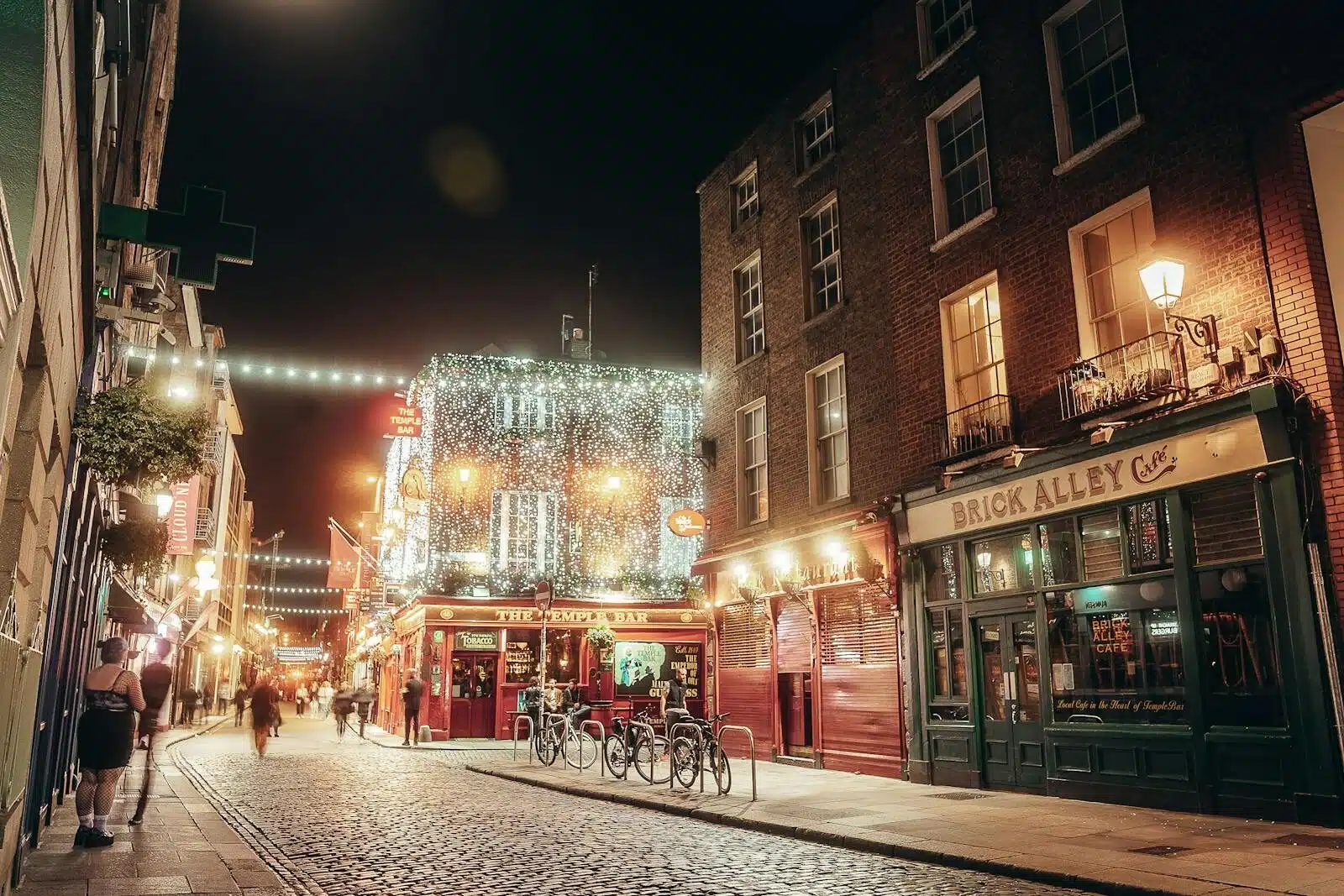
The Midlands and Beyond: Ireland's Quieter Interior
Leaving Dublin on the M1 or N3, the route runs through a part of Ireland most itineraries skip: the midlands, a low, quiet interior of bog, drumlin, and market towns that links the capital to the northern counties. It is worth driving rather than rushing. This is where the trip changes character, from city hotels to estates measured in acres.
The first places worth anchoring to here are the working castle hotels, Cloughan, Killua, and Lough Rynn among them, where the rooms sit within demesne land and the building itself carries real, documented history. These are not heritage theme parks. Several are still in private or semi-private hands, which shapes both how you get in and what the stay feels like.
A private driver earns his keep on this stretch. The roads narrow fast once you leave the main routes, and the properties worth stopping for are rarely signposted or easy to find on your own. What this leg of the trip turns into comes down to who is planning it.
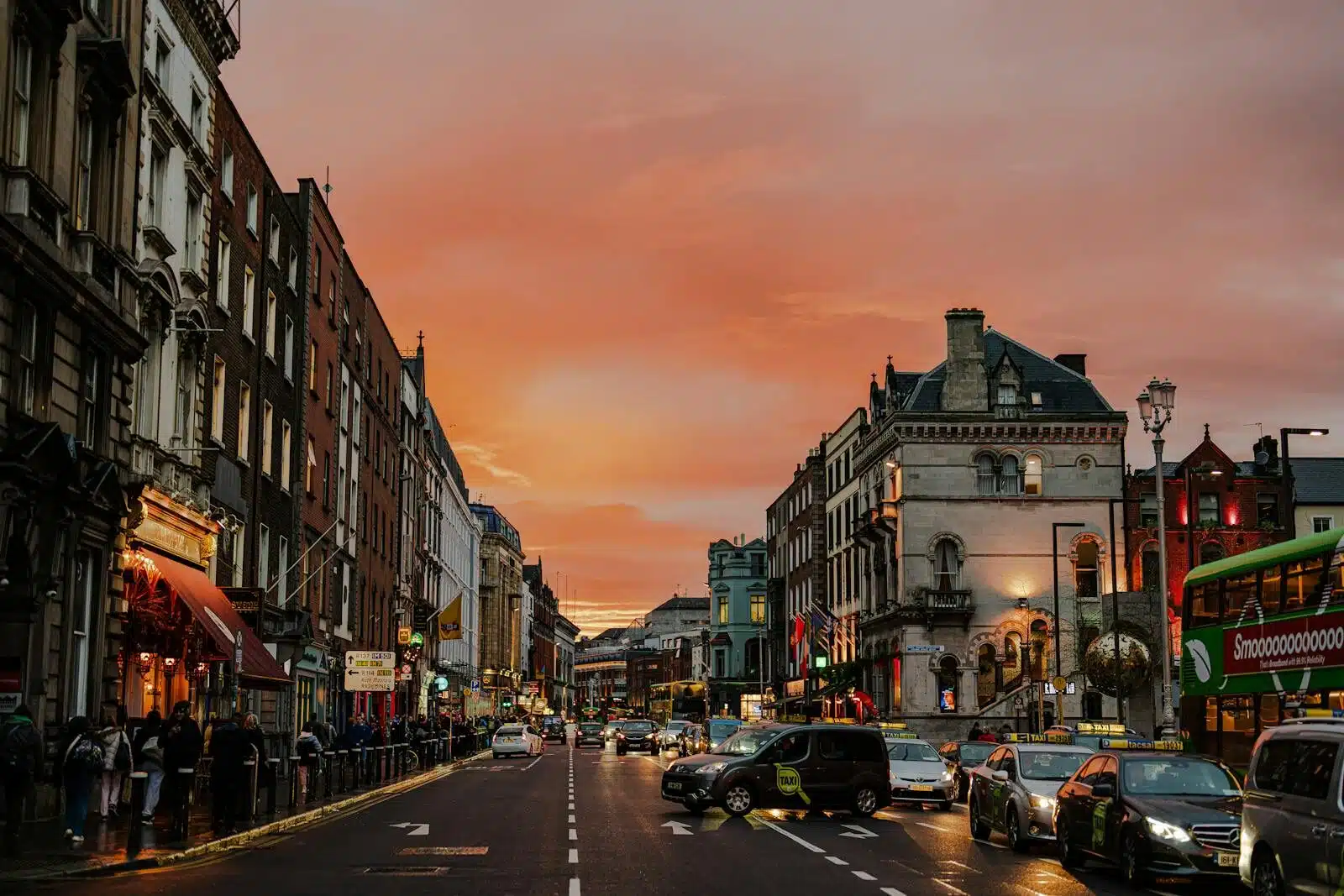
The Wild Atlantic Way: A Western Detour Worth the Miles
The fast route north from Dublin gets you there, but it misses the western coast, the part of Ireland that lingers longest in the memory. Swinging through Connemara and County Clare before you turn north adds about two days, and a stretch of single-track roads and Atlantic cliffs that no straight line could replace. It changes the entire shape of the trip, so that when you finally reach the Antrim coast you see it against everything that came before.
The Wild Atlantic Way runs for more than 1,500 miles, but its finest stretch is the run between Clifden and the Cliffs of Moher: empty beaches, sheer headlands, and light off the ocean that shifts by the hour. The hotels that match the scenery are few and far apart, which is part of what makes them special. Doonbeg, Ballynahinch Castle, and Ashford Castle each hold a very different corner of this coast, and the order you take them in is half the pleasure.
Some of the best of it is hard to reach on your own, the private land, the working estates, the boat crossings to the islands, and that is exactly the kind of access worth having arranged for you in advance.
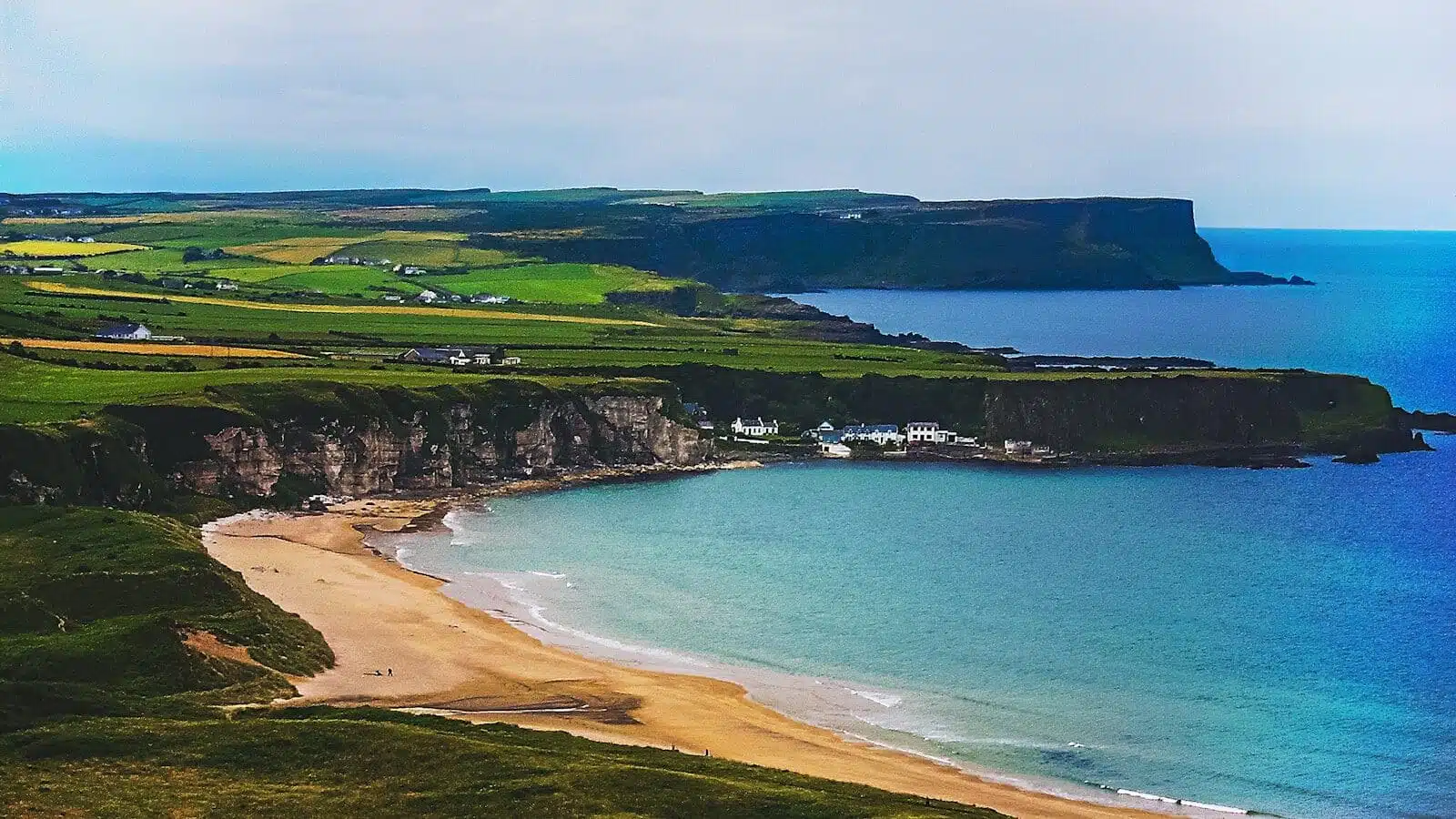
Crossing Into Northern Ireland: Belfast as a Serious Luxury Stop
The crossing into Northern Ireland is a formality rather than a checkpoint, but the change is real enough. Belfast runs on its own political and cultural terms, uses the pound, and has built a hospitality scene that matches its new confidence.The best hotels sit in the Cathedral Quarter and the old linen district, where former industrial buildings have been turned into genuinely serious luxury.
The private dining goes well beyond restaurants here: the city has a network of producers, chefs, and cultural institutions whose best experiences never make it onto a public listing. The Titanic Quarter, usually written off as just the museum, also opens doors to archives and curators for anyone willing to look past the obvious.
Belfast is the right place to draw breath before the Causeway Coast. What comes next is raw and elemental, all wind and rock and open sea, and the jump from the city’s noise and history to that emptiness makes both land harder. One night is not enough. Two lets you actually take the place in.
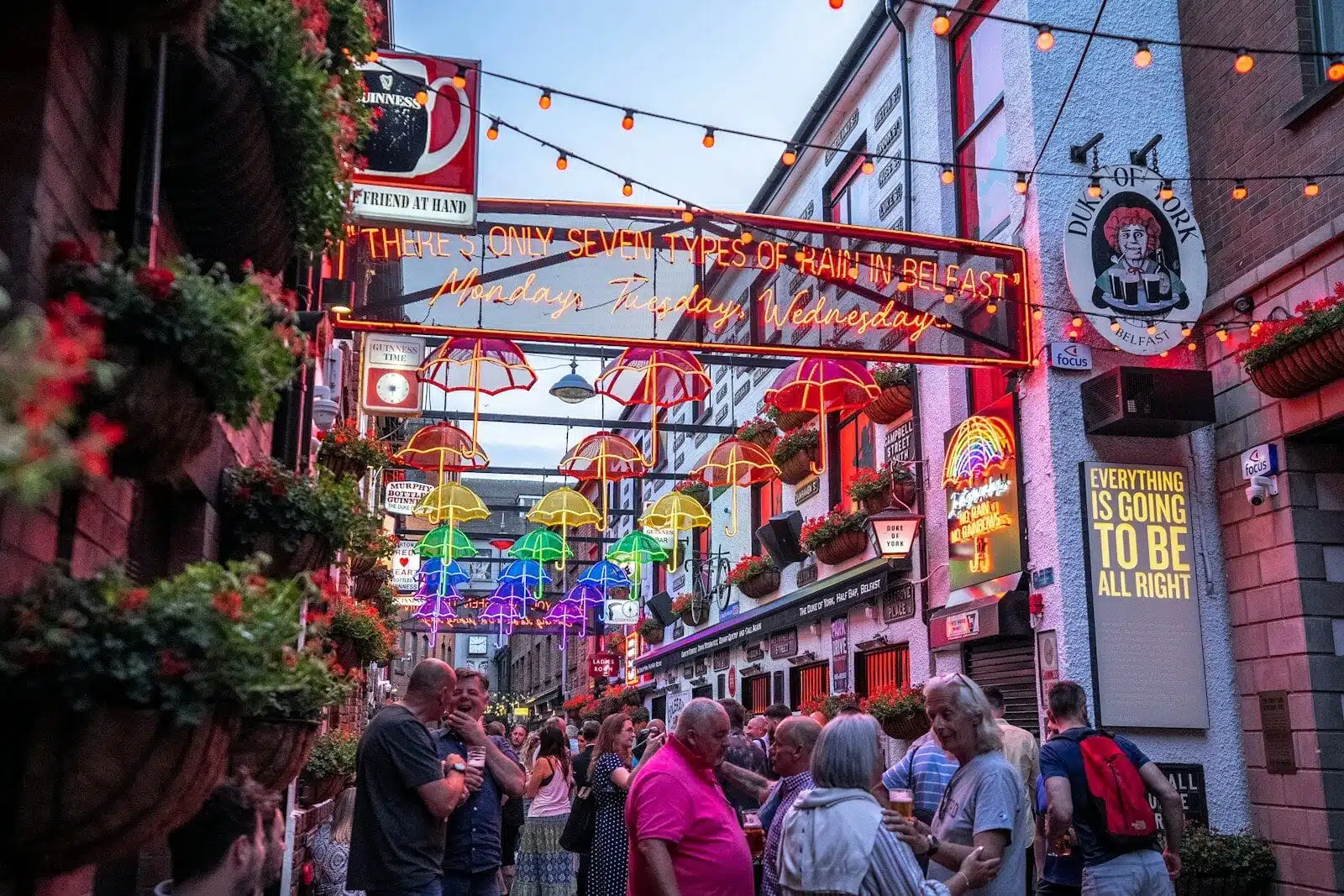
The Causeway Coast: Drama, Access, and Where to Stay
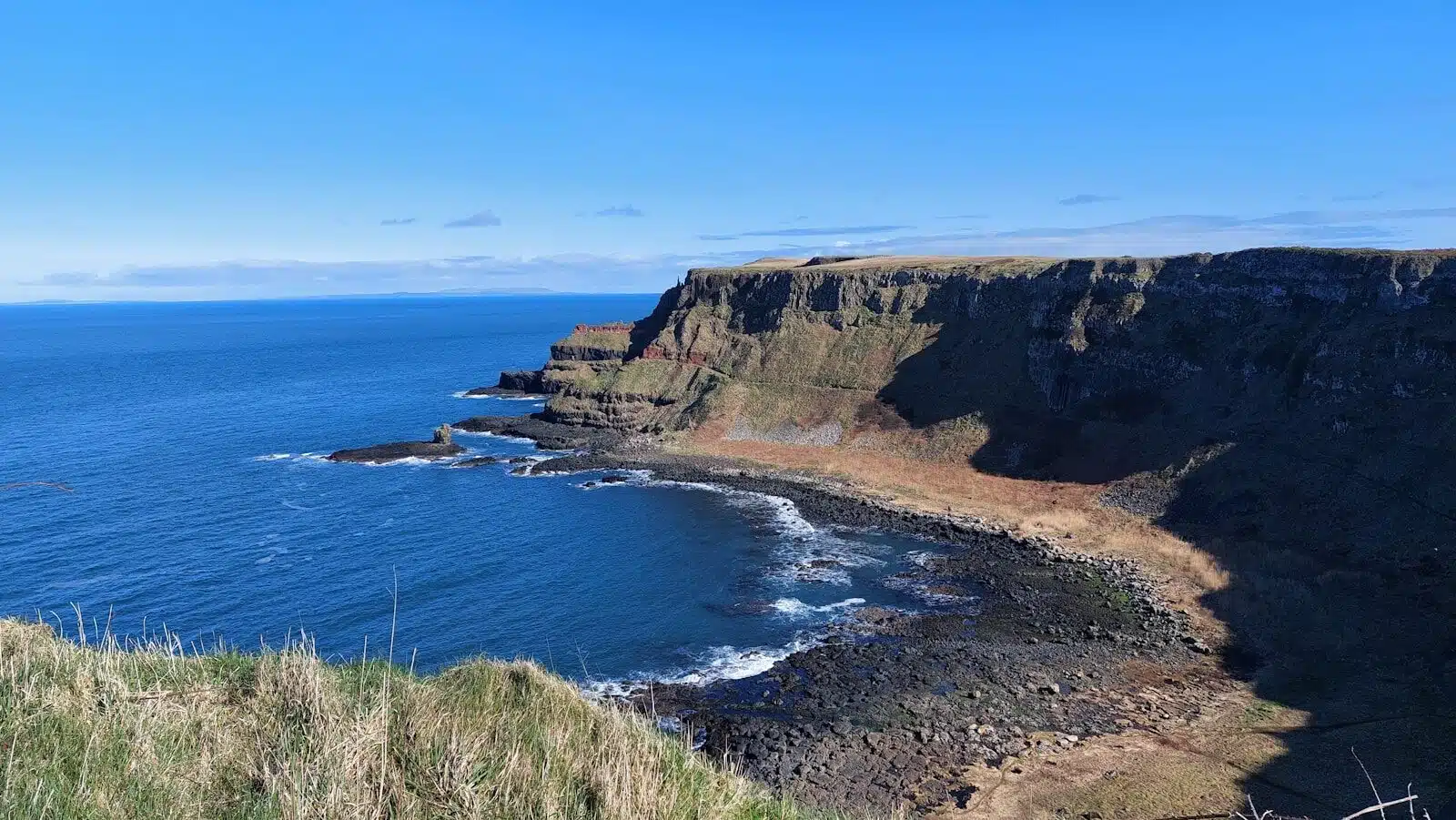
The Giant’s Causeway is the natural end point of this route, and Northern Ireland’s only UNESCO World Heritage Site. Some 40,000 interlocking basalt columns step down into the sea here, formed by volcanic activity around 60 million years ago. The site is run by the National Trust and draws more than a million visitors a year, which makes timing everything. Early morning entry, arranged outside standard hours, gives you the place almost to yourself and changes the experience completely.
A good guide here goes well beyond the geology. The Causeway sits within a wider sweep of coast that takes in Dunluce Castle, the Carrick-a-Rede rope bridge, and Bushmills, Ireland’s oldest licensed whiskey distillery, dating to 1608. Each one is worth slowing down for in a way a self-guided dash up the coast never manages.
Top-end places to stay on the Antrim coast are thin on the ground. The Bushmills Inn is the most convincing local base, close to the Causeway and full of real regional character.
Planning the Route: Logistics, Timing, and Who to Use
The full route from Dublin to the Giant’s Causeway runs about 270 miles and crosses an international border, so you want a driver who knows both sides of it. Currency changes at the border, and some insurance policies need to be told before you cross. Late May through September gives you the most reliable driving weather and the longest days, and the Antrim coast in particular comes alive in the long evening light, which is the best time to make the final run out to the Causeway.
Spread across four to five nights, the trip gives each stop room to breathe without ever feeling rushed. The version that flows best heads north through the Boyne Valley and County Armagh before it reaches the coast, rather than darting straight to Belfast and doubling back.
A journey like this rests on real networks across both the Republic and Northern Ireland: the property access, the same trusted driver throughout, the right order of stops. That is the part we handle, and it is what separates a good trip from one you talk about for years.