
On this page
Ireland’s culinary identity has shifted decisively in the past decade, moving well beyond its pastoral reputation into a serious, internationally recognized food and drink culture. From private distillery access in the midlands to Michelin-starred tasting menus on the Wild Atlantic Way, the country now offers a compelling case for gourmet travel.
The New Irish Table
Ireland’s food scene has changed for good, not just for now. Over the past decade, a generation of chefs trained in the best European kitchens came home to work with ingredients that were always world-class, grass-fed beef, wild Atlantic seafood, raw-milk cheeses, heritage grains, but had rarely been cooked with real ambition.
What sits behind it has grown up at the same pace. Small producers across counties Cork, Clare, and Waterford now supply restaurant kitchens directly, with supply chains short enough that provenance is a fact on the plate rather than a line on the menu. Bodies such as Bord Bia have set firm quality standards, giving the whole movement a backbone.
The upshot is a food landscape that rewards travelers who plan around it. The Michelin stars have followed, Ireland now holds more of them per head than several of its European neighbors, but the better story is everything happening just outside that system: the small, independent kitchens doing some of the country’s most interesting cooking.
Tours we recommend
Dublin and Cork
Dublin and Cork together account for the majority of Ireland’s Michelin-starred restaurants, and both cities have developed distinct culinary identities rooted in proximity to exceptional primary produce. Dublin’s starred establishments, including Liath in Blackrock and Chapter One in the city centre, operate within a framework of hyper-local sourcing and tasting menu formats that reward advance planning. Chapter One, now under chef Mickael Viljanen, holds two Michelin stars and represents the most technically ambitious cooking currently practised in the country.
Cork’s food culture is anchored by its market infrastructure, particularly the English Market, which has supplied the city’s professional kitchens for over two centuries. Chefs such as Ahmet Dede, whose eponymous restaurant in Baltimore holds a Michelin star, draw on West Cork’s seafood and farmland with a precision that has brought international attention to the region.
Private Distillery Access: Irish Whiskey Beyond the Visitor Center
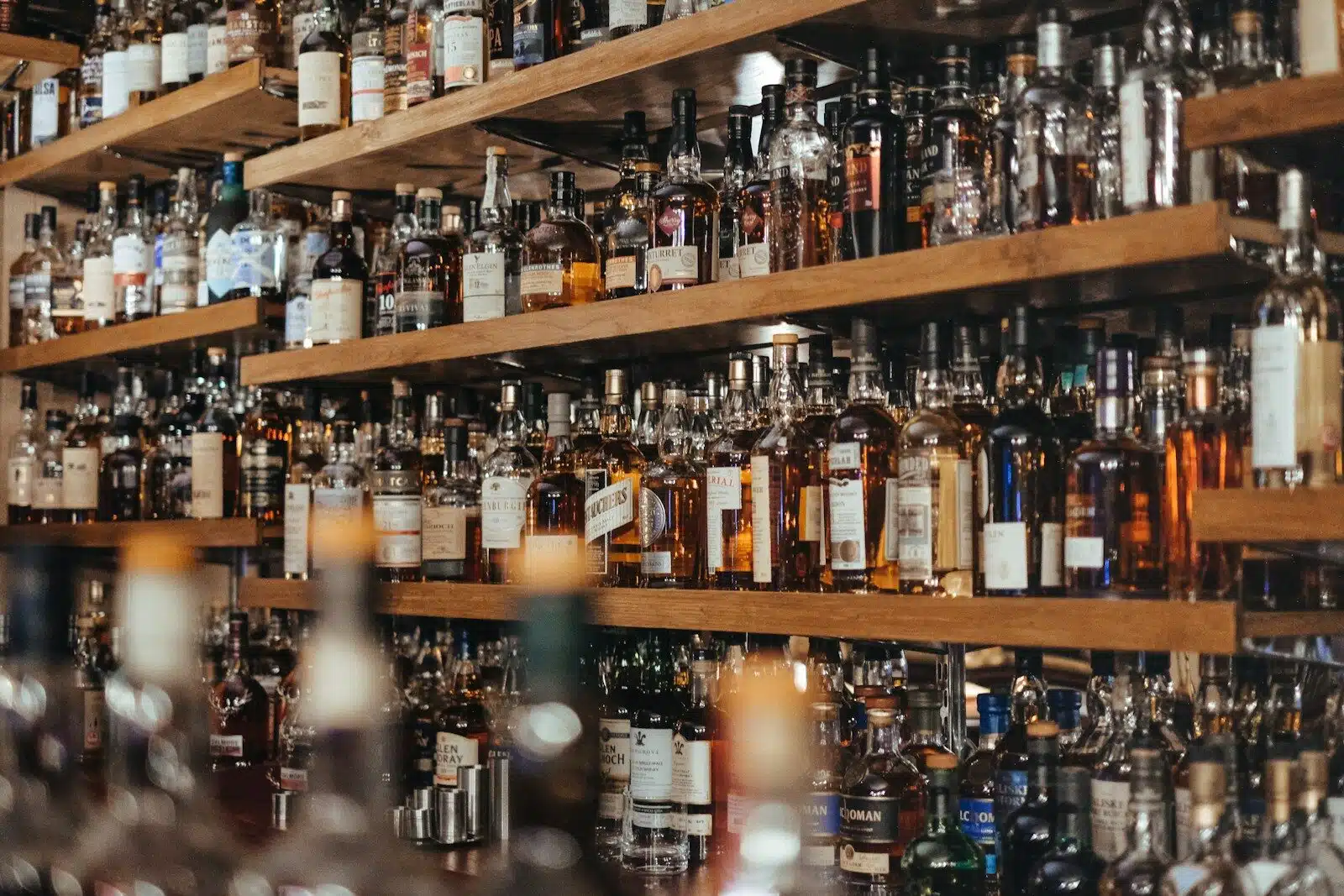
Ireland’s whiskey industry has grown fast, with over forty distilleries now running across the country, up from fewer than five two decades ago. That growth has opened up a level of private access well above the standard visitor-center tour, built around working distilleries where the stills are active and the expertise is current.
At the top end, this means time with the master distillers themselves: private blending sessions using aged single casks, the run of warehouses that public tours never see, and in some cases the chance to bottle and label your own whiskey. Distilleries including Midleton in Cork and Slane in County Meath have the history and the production scale to host this kind of visit, though you will not find it through the usual booking channels.
The gap between a genuinely private distillery experience and a premium tour comes down to who you know and how it is arranged. The real access, to the working floor, the senior team, and the reserve stock, takes coordination that no standard booking can deliver. That is where we come in.
The Wild Atlantic Way: Oysters, Seafood and Coastal Producers
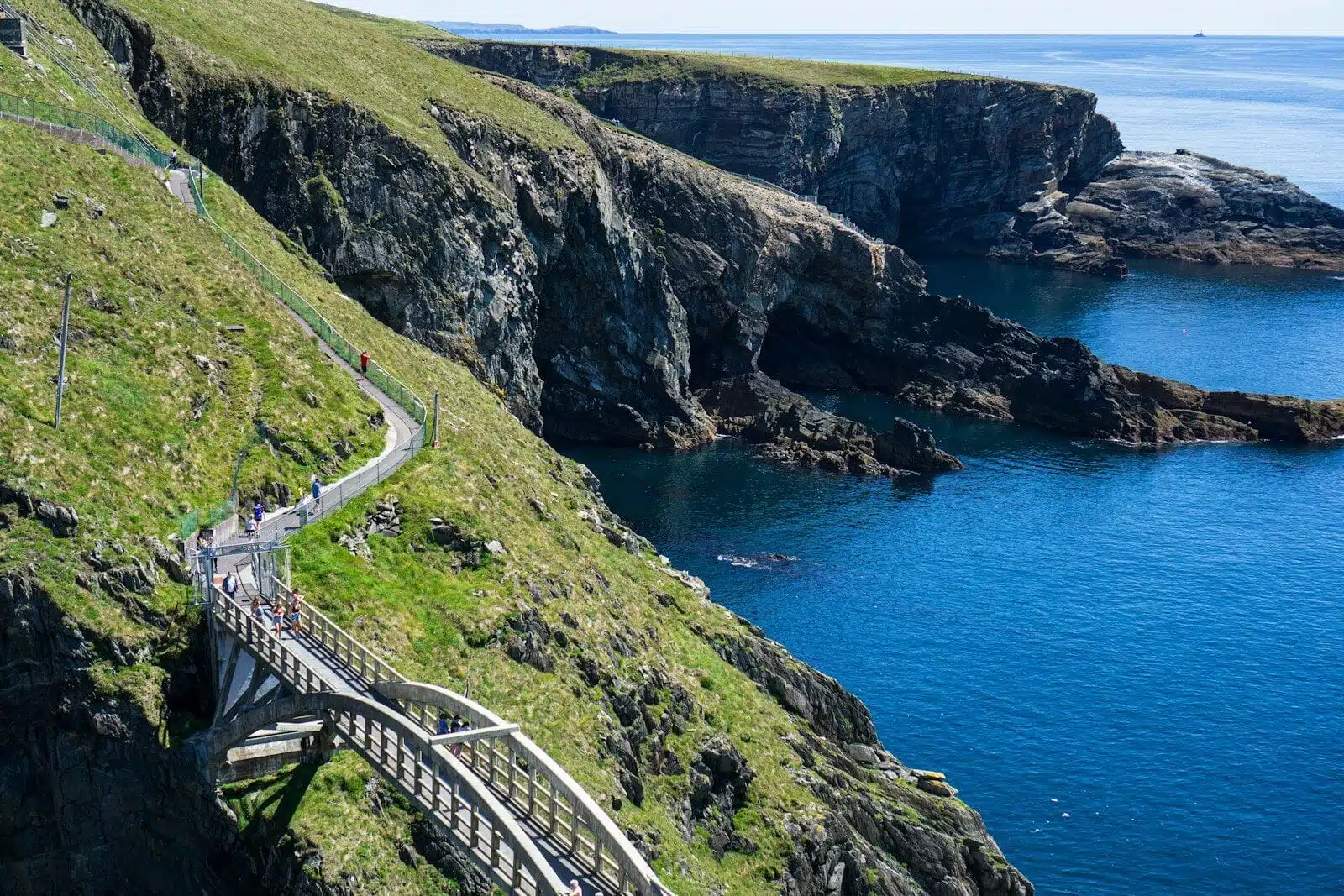
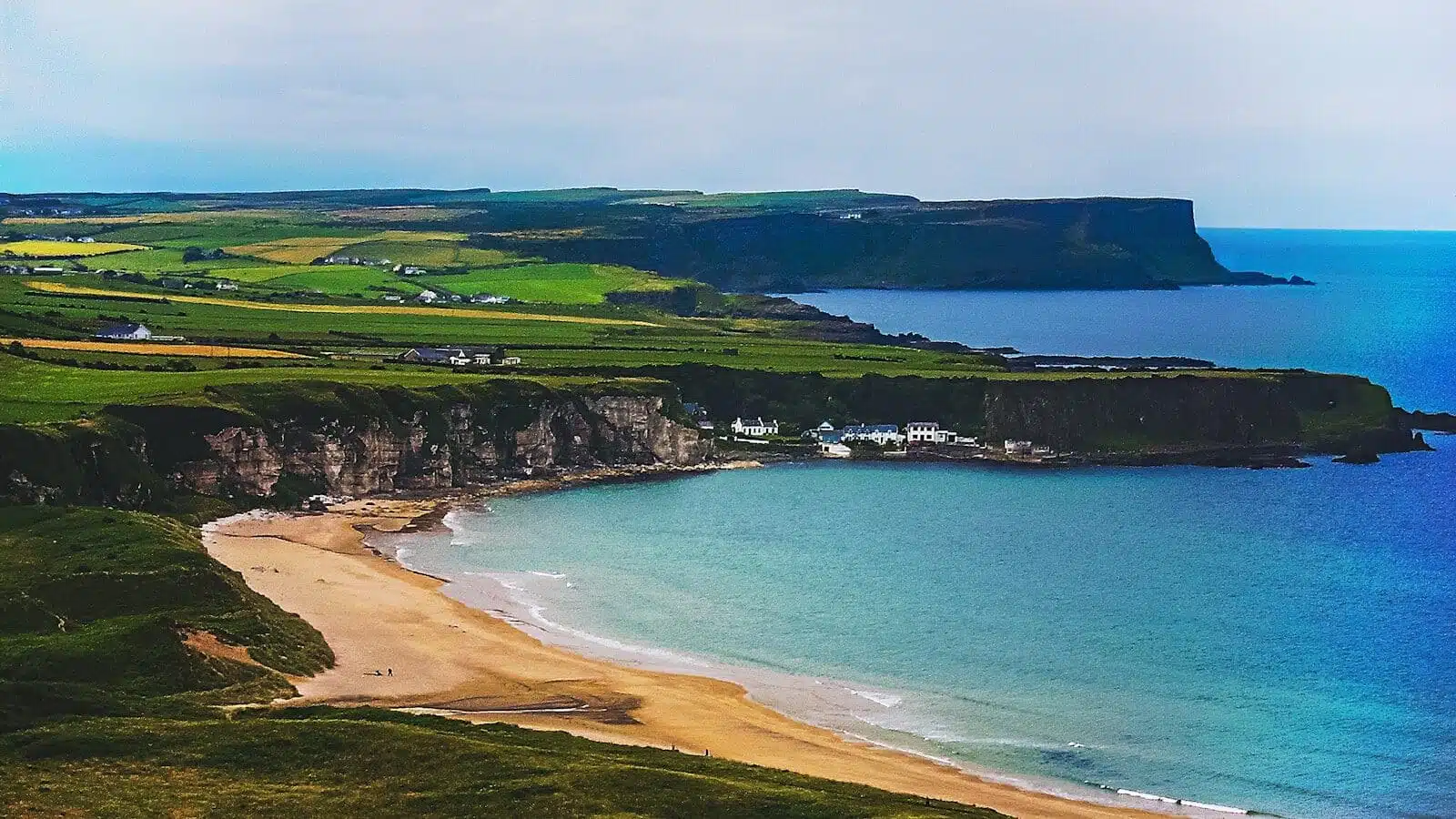
The Wild Atlantic Way stretches 2,500 kilometres along Ireland’s western seaboard, and its culinary value is concentrated in the producers working directly from its coastline. Connemara and Galway Bay are the country’s primary oyster-producing regions, with native flat oysters and Pacific varieties farmed in tidal waters that have shaped their flavour profile and earned them consistent placement on European fine dining menus. Several shellfish farms along this route operate as working production sites first, with structured tastings available only through prior arrangement.
Beyond oysters, the west coast supports a network of small-scale producers supplying smoked salmon, hand-dived scallops, and seaweed-derived ingredients that now appear regularly in Michelin-recognised kitchens. Producers in Clare, Mayo, and Donegal have built direct supply relationships with restaurants in Dublin and abroad, which reflects both the quality of the output and the limited volumes available.
Access to these producers varies considerably. Some operate exclusively through trade relationships or established hospitality contacts, making the route more navigable with the right local knowledge in place.
Countryside Stays
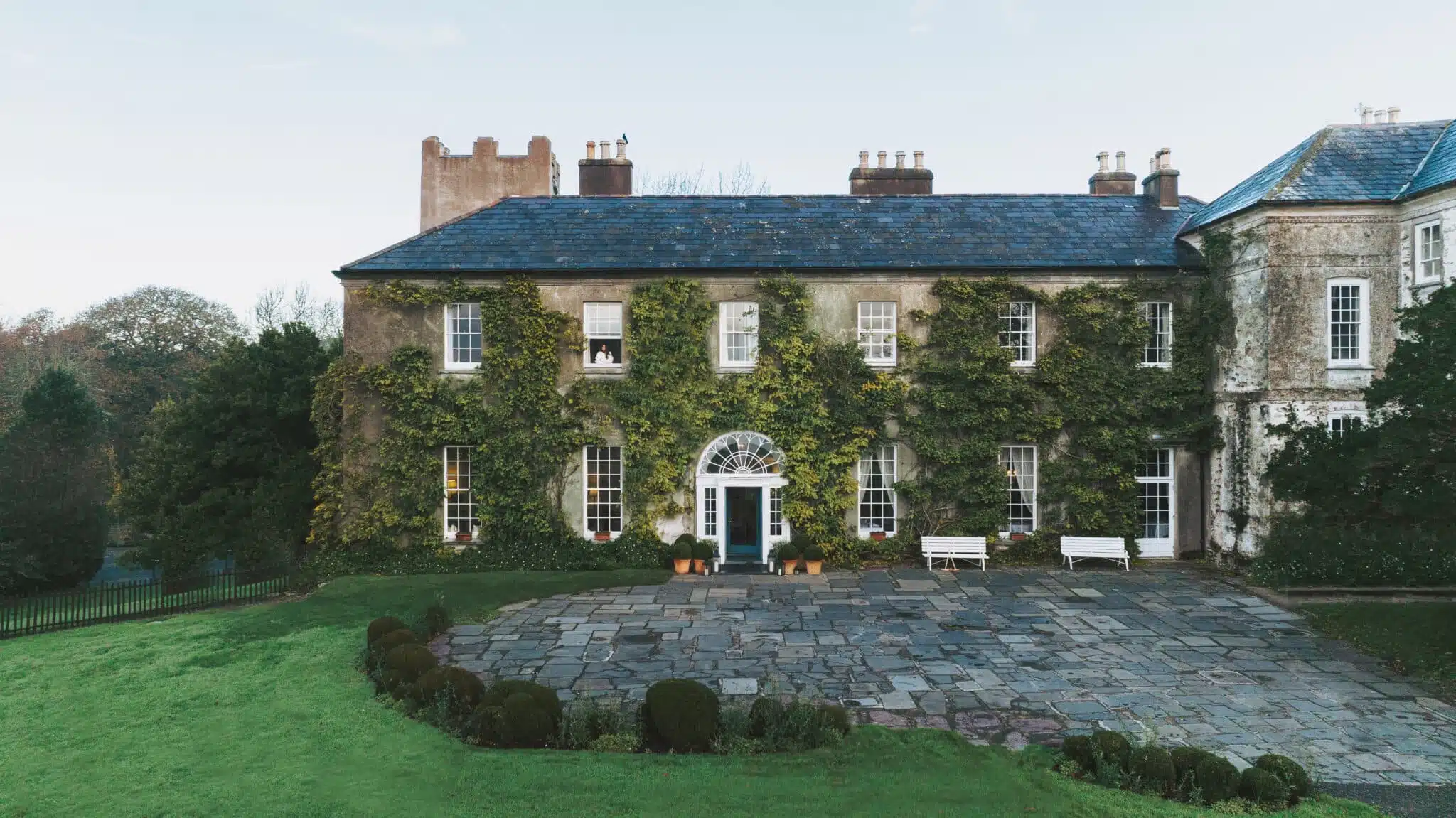
A handful of Irish country house hotels and estate properties have built culinary programs that go far beyond standard dining. These are not a side amenity, they are the reason to come. At Ballymaloe House in County Cork, which sits alongside a working farm and the world-renowned Ballymaloe Cookery School, the food is woven through the whole stay, with produce pulled straight from the land and menus that change with the season and the harvest.
Working farm estates in counties Wicklow, Tipperary, and out west have taken the same approach, planting kitchen gardens, hiring their own estate chefs, and opening up the production itself to guests, from foraging walks to private dinners built around whatever the land gives up that week.
What sets these places apart from a conventional luxury hotel is how specific they are. The food is shaped by the estate’s own gardens, farm, and suppliers, which means no two stays deliver quite the same thing, and the best of it comes down to how the visit is put together.
Planning a Bespoke Culinary Itinerary in Ireland
Ireland’s food map rewards a trip that is sequenced with care. A good itinerary tends to move between the west coast, where the Wild Atlantic Way holds the country’s best seafood and farm-to-table cooking, and the midlands and south, where the distilleries and estate experiences cluster.
Dublin makes a practical anchor for Michelin-level dining and producer markets, but it works better as a first or last stop than a base.
The experiences that define a serious food trip here, private distillery visits, chef’s table access, off-menu tastings with producers, are rarely available through the usual booking channels. Most of them rest on long-standing relationships between operators and suppliers, and the terms change with the season.
Autumn and early spring are the sweet spot, peak ingredients without the crowds. Summer brings the best produce but also the heaviest demand. The difference between a trip that works and one you never forget comes down to who builds it and how early they start. This is where the right contacts, and the years spent building them, do the heavy lifting.