
On this page
Ireland and Northern Ireland share a landmass, a coastline, and centuries of intertwined history, but for the luxury traveler, they offer two meaningfully distinct experiences shaped by different currencies, cultures, and hospitality traditions.
Two Jurisdictions, One Island: What You Actually Need to Know
One island, two countries, and a single trip can take in both. The Republic of Ireland is an independent country, part of the European Union, and runs on the euro. Northern Ireland is part of the United Kingdom, uses the British pound, and follows British law.
You can drive from the wild coast of Donegal to the walls of Derry in under an hour and cross between the two without so much as a passport check, which is part of what makes the island so rewarding to explore end to end.The differences are real, though, and they shape how a trip is planned. Currency changes at the border. So do tipping habits, tax on your hotel bill, and the companies licensed to drive you or guide you.
A route between Belfast and County Monaghan, or Donegal and Derry, quietly crosses from one jurisdiction into another, and the details on the ground shift with it.For travelers, this is an advantage rather than a complication.
Two distinct countries, two cultures, and two histories sit within easy reach of each other, which is exactly why the best itineraries treat the whole island as the destination. The practical side, currency, logistics, cross-border coordination, is simply what a well-run trip handles for you so you never have to think about it.
Currency, Costs, and Crossing the Border
The Republic of Ireland uses the euro; Northern Ireland uses the British pound. For travelers moving between the two, that means budgeting in two currencies on a single trip, with exchange rates shifting the relative cost of each side in ways that are hard to predict at the time of booking.
High-end properties on both sides price in their own local currency, so any itinerary that spans the border needs clarity upfront on how costs are quoted and settled.Tipping differs only slightly. In the Republic, 10 to 15 percent is standard at formal restaurants, though many now add a service charge.
In Northern Ireland, the habit follows the wider UK norm, where a service charge is common but not automatic.The land border itself is open and unmarked, and you can cross it without noticing. The money is the part that changes. A good operator handles the currency, quoting, and settlement across both sides, so the only thing you keep track of is the trip.
Tours we recommend
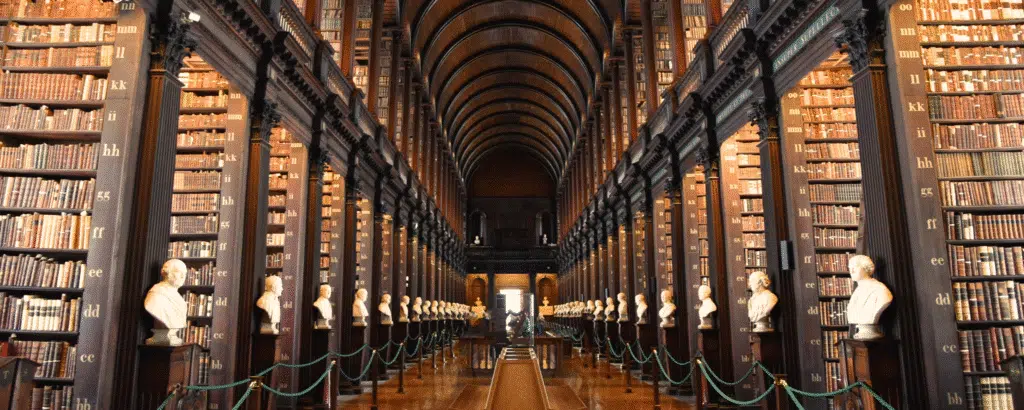
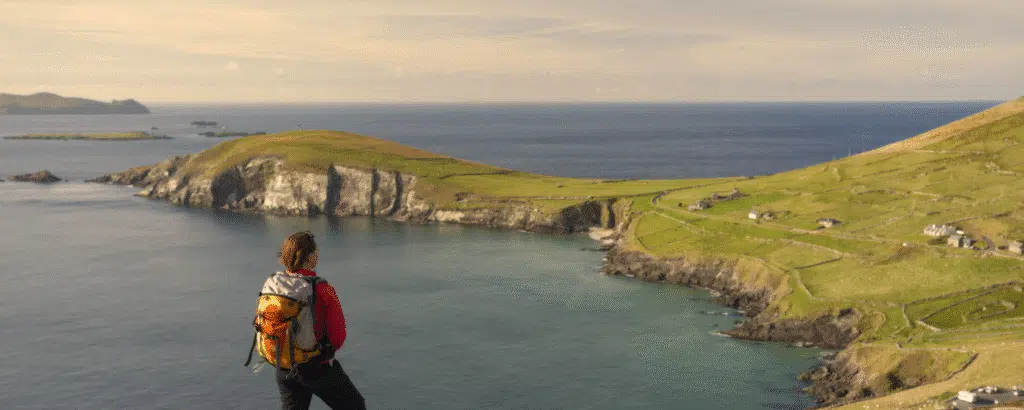
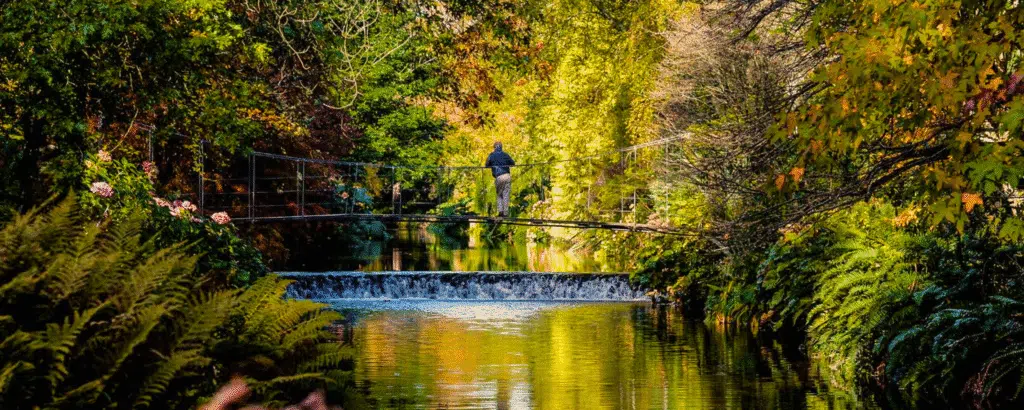
Dublin and Belfast
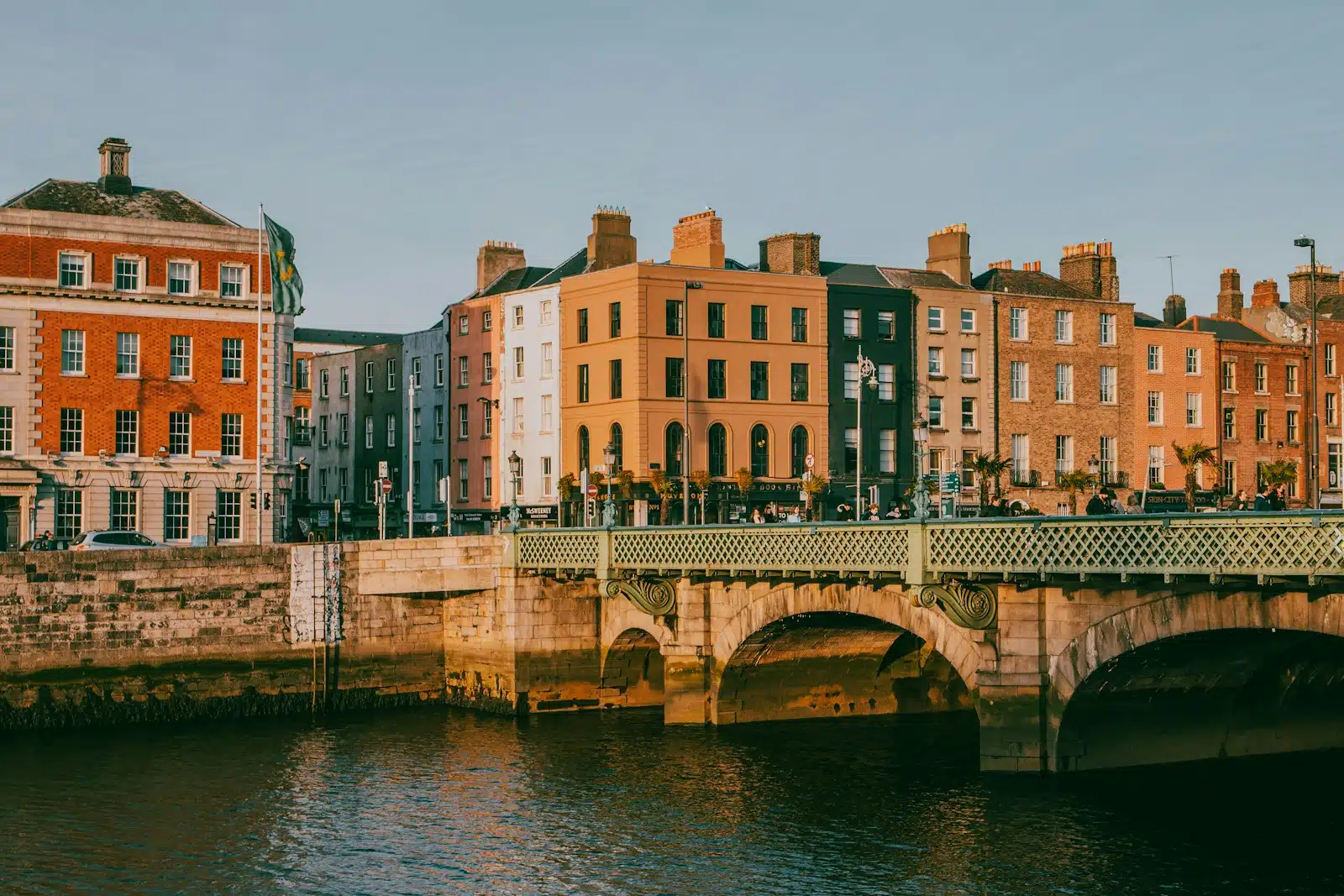
Dublin’s luxury hospitality is built on its Georgian architecture and the formal traditions that come with it. The Merrion, assembled from four restored townhouses on Merrion Street, works within that frame: period interiors, an art collection of national importance, and a dining program that reflects Ireland’s maturing fine food culture.
The city’s leading hotels trade on a sense of permanence, the feeling that they have always been there and always will be.Belfast’s luxury offer is built differently. Rather than hiding the city’s Victorian industrial past, its best hotels have made it the point. The Merchant Hotel, set in a former Ulster Bank headquarters, delivers grandeur on its own terms, shaped by mercantile history rather than aristocratic convention.
The dining scene has gone the same way, with a number of kitchens drawing serious critical attention over the past decade.
History, Culture, and the Weight of Place
Ireland’s cultural identity runs back a long way: Celtic roots, the monasteries that kept learning alive through Europe’s dark centuries, colonial displacement, and the writers and revolutionaries who came after. You feel that history in the buildings and in how the country shows itself off.
The Irish Museum of Modern Art fills a 17th-century former hospital. The National Museum’s archaeology rooms lay out pre-Christian Ireland as the foundation of everything that followed. The mood is one of pride, of a culture that held onto itself and recovered what it nearly lost.
Northern Ireland’s story is more recent and right out in the open. Belfast has remade itself since the Good Friday Agreement of 1998, and that transformation is the lens through which the city now meets its visitors. Titanic Belfast, the murals of the Falls and Shankill Roads, the work staged at the MAC: this is a place that has chosen to face its hardest history head-on rather than tuck it away.
For travelers, the difference is worth understanding before you go. Ireland’s depth comes from centuries layering on top of one another. Belfast’s comes from a city working through a past still within living memory. Both reward real attention. They just ask for it in different ways.
Landscape and Experience Beyond the Cities
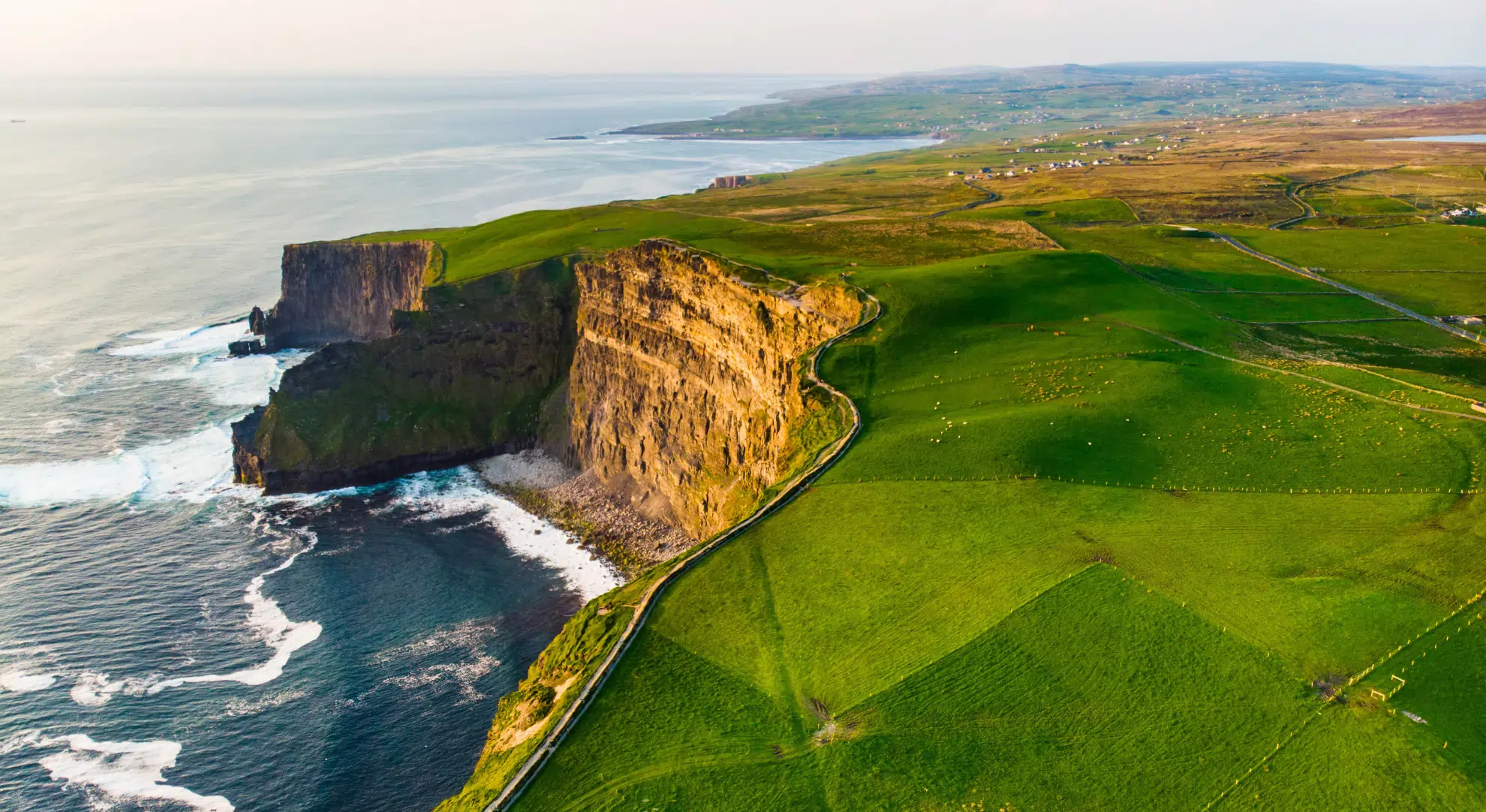
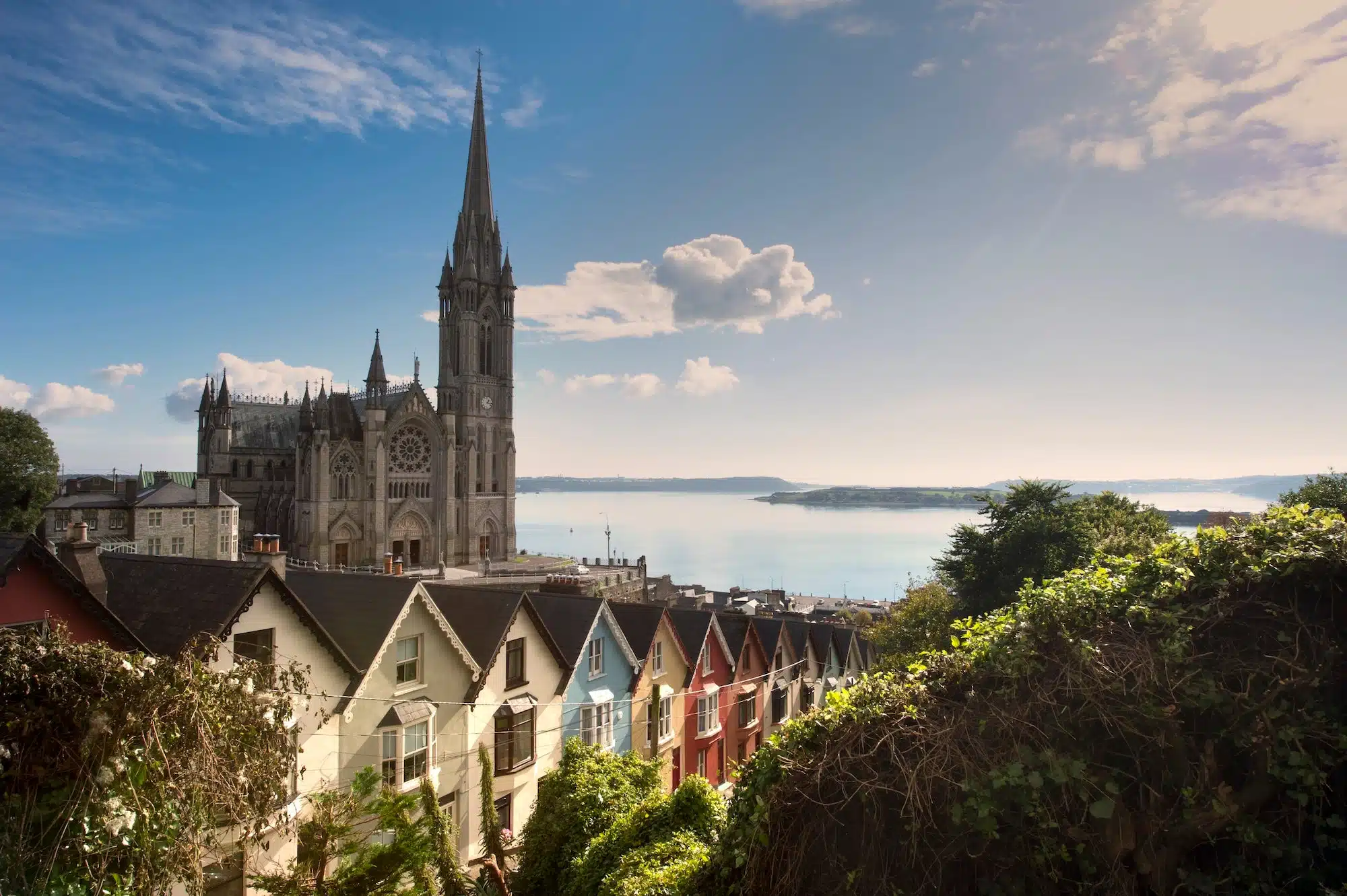
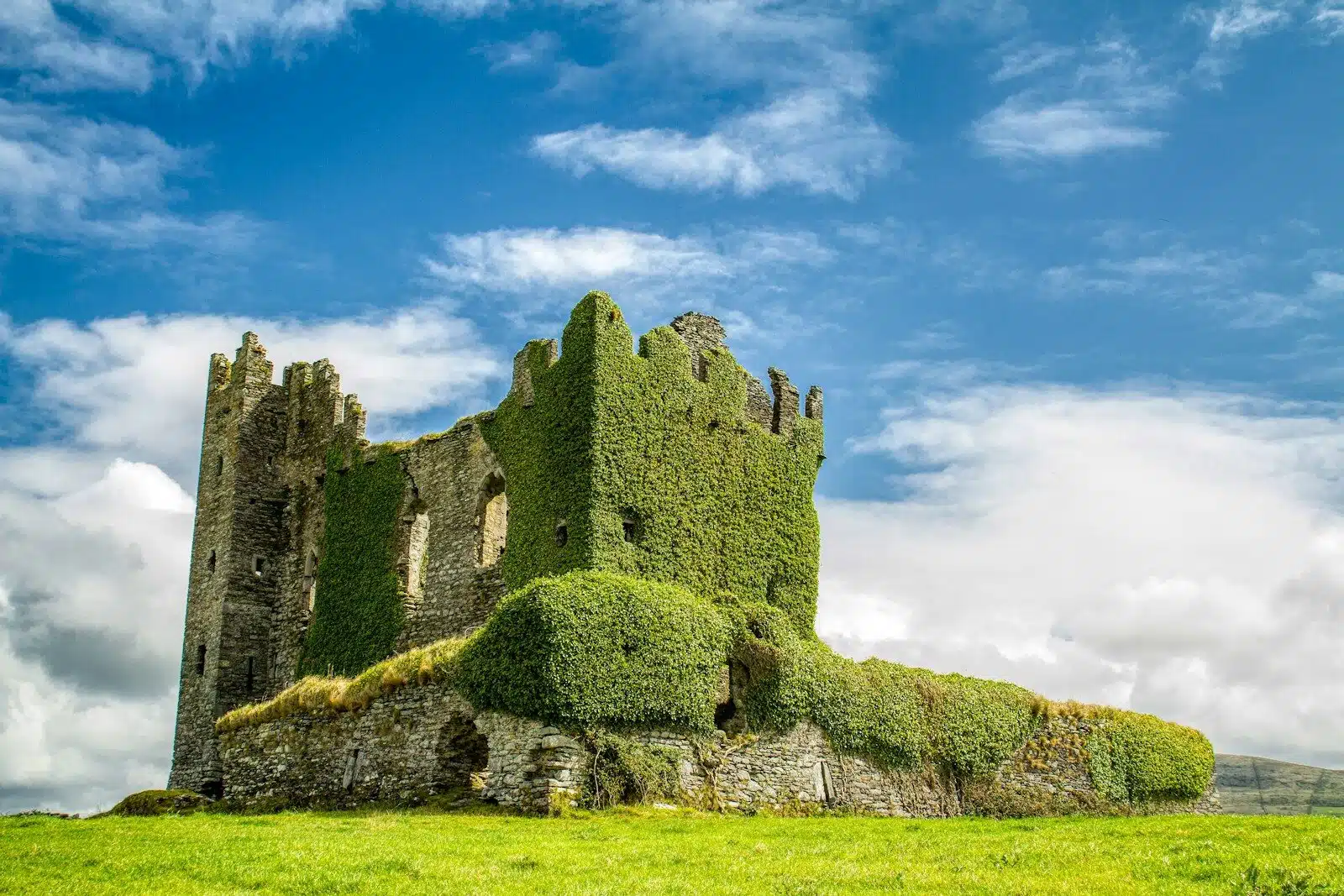
The Republic’s rural offering is defined by scale and remoteness. The Wild Atlantic Way stretches over 2,500 kilometres from Donegal to Cork, with Connemara representing its most concentrated luxury provision — a small number of estate hotels and private lodges positioned within a landscape that has limited road infrastructure and no significant urban centre nearby. Access to the best properties here is not straightforward, and the quality of what you experience depends considerably on how the stay is structured.
Northern Ireland’s countryside operates differently. The Causeway Coast, in County Antrim, is more compact and more accessible, with the Giant’s Causeway serving as a fixed geographical reference point around which several castle hotels and coastal properties are organised. Fermanagh, in the southwest, offers a distinct alternative — a lakelands environment built around Lough Erne, with Lough Erne Resort and Castle Coole among the properties that define the area’s luxury tier.
The two landscapes reward different itinerary structures. Connemara suits longer, slower stays. The Causeway Coast and Fermanagh can be combined within a single northern itinerary without significant travel time between them.
How to Structure a Cross-Border Itinerary
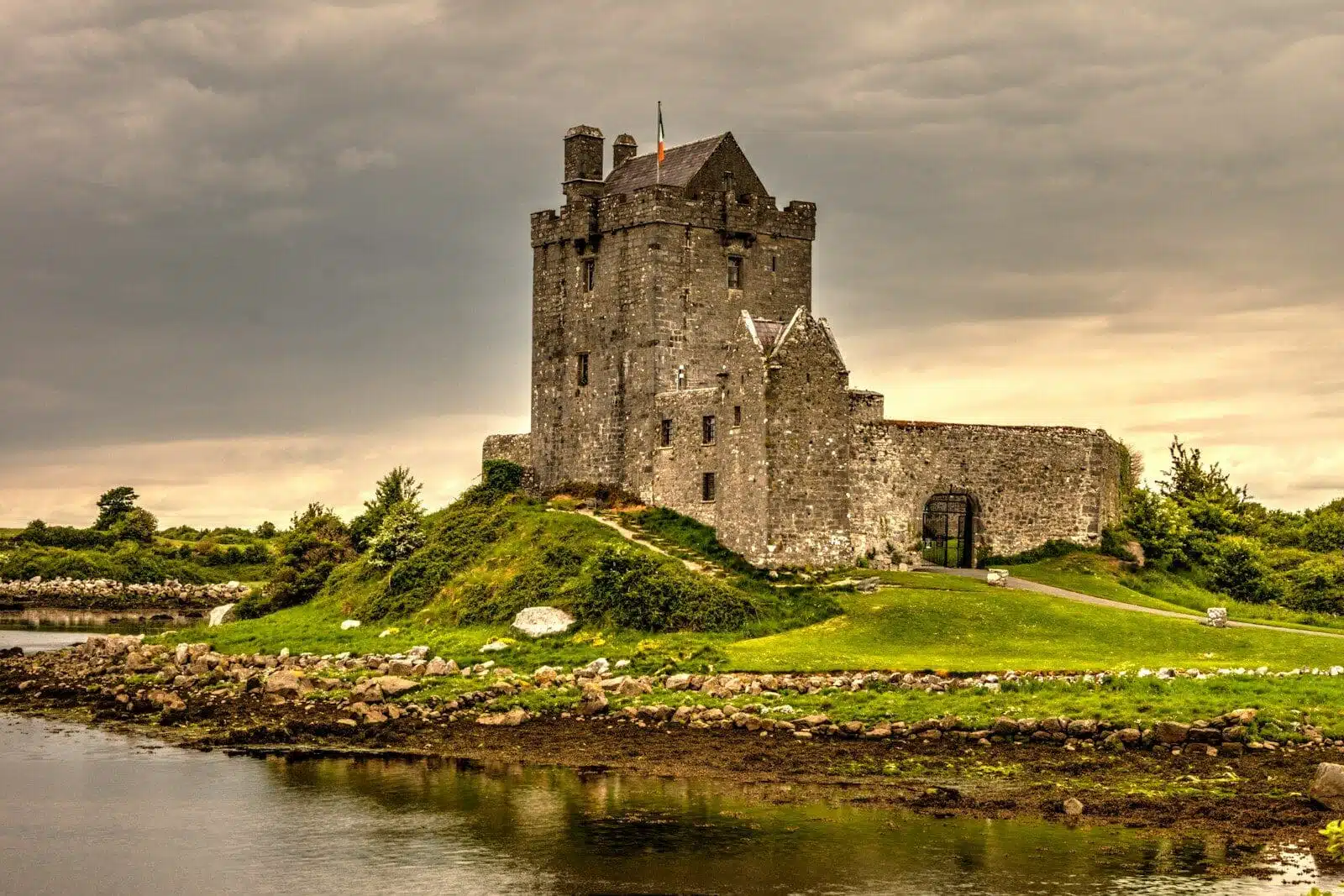
The best cross-border trips are built around two bases rather than one. Belfast and Dublin sit just 100 miles apart by road, with nothing between them but open countryside; the border is a line on a map, not a checkpoint. Most travelers settle into one city first, take its measure, then move on to the other, switching currency and changing pace as they go.
The order is everything. Northern Ireland’s best, the basalt drama of the Causeway Coast, the sweep of the Mourne Mountains, the crackling energy of a reborn Belfast, lands hardest as an opening or a closing act rather than a detour squeezed into the middle. The west of Ireland is the opposite: a place that opens up only when you slow down and stop watching the clock, all empty Atlantic beaches and roads that go quiet for miles. A north-to-south run, in through Belfast and out through Shannon or Cork, lets each half of the island make its own case.
How good the trip is comes down to how it is put together, not how far you travel. Sequencing a journey like this takes real local knowledge, and the relationships that open the best properties and the doors worth opening are not the same on either side of the border. That is where we come in.