
On this page
Ireland and Scotland occupy the same northern latitude and share a Celtic past, but they deliver fundamentally different experiences to the traveler who looks closely. This comparison moves through hotels, whisky and whiskey, landscape, golf, and heritage to help you determine which destination earns your time.
First Impressions: Dublin vs. Edinburgh
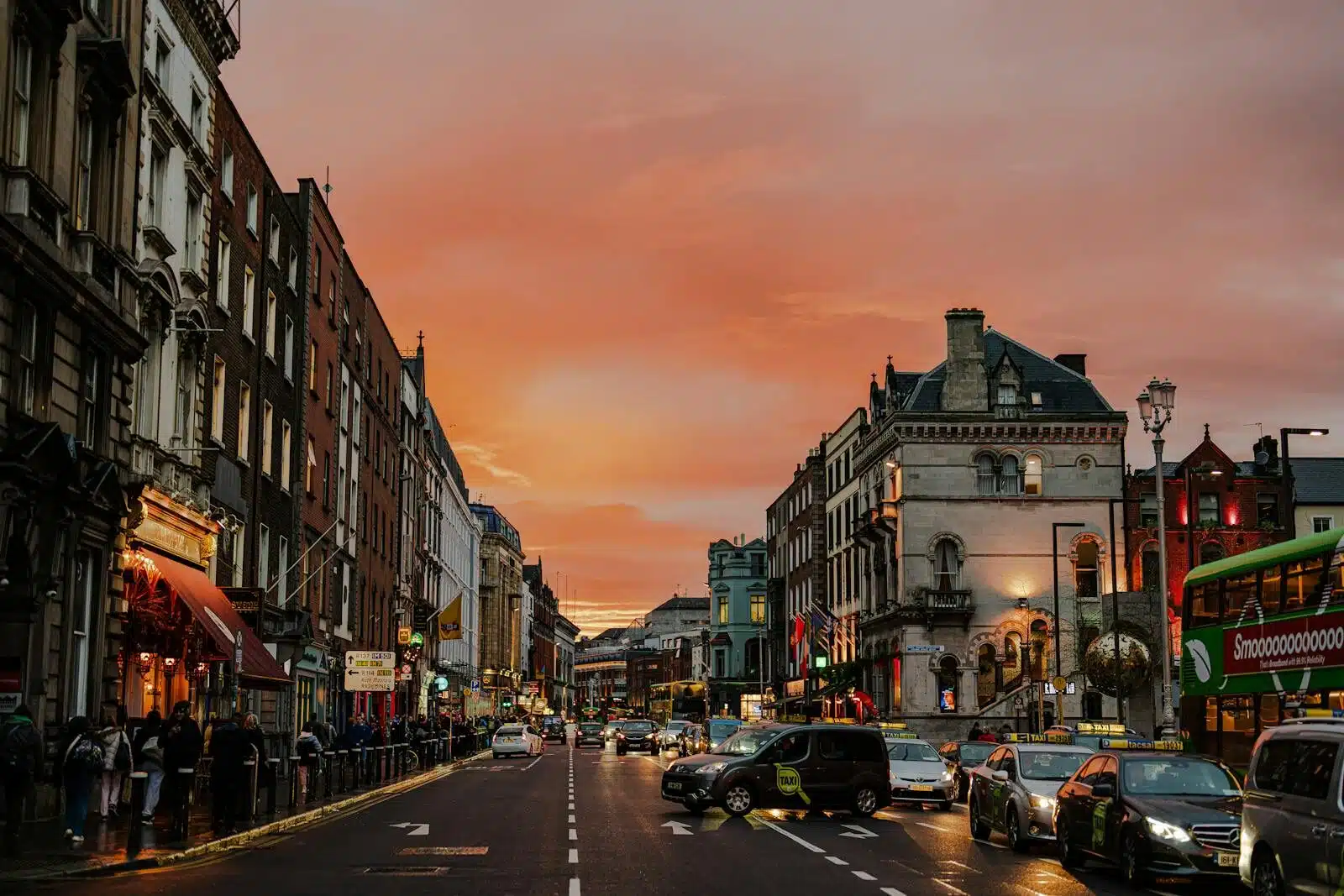
Dublin is a city you can take in on foot. It’s compact and walkable, with its best institutions, the National Museum, the Chester Beatty Library, the National Gallery, all within a short stroll of one another. The Merrion, set across four restored Georgian townhouses on Merrion Street, sits right at the heart of it. It is a city hotel that doubles as a way into Irish life, and the collection of Irish art on its walls is one of the finest in private hands in the country.
Edinburgh works on a different scale. The city is built on rock, the Castle Rock, the volcanic ridge of the Royal Mile, the long drop down to Holyrood, and the whole place rises and falls with it. The Balmoral holds the eastern end of Princes Street, right where the Old and New Towns meet. Its clock tower, kept two minutes fast to hurry along departing train passengers, tells you everything about how this city treats its own history: useful, knowing, and entirely its own.
The deciding factor isn’t the cities themselves but what comes after them: Ireland’s soft Atlantic coast and country houses, or Scotland’s Highlands, lochs, and sporting estates.
Tours we recommend
The Highlands vs. The Wild Atlantic Way
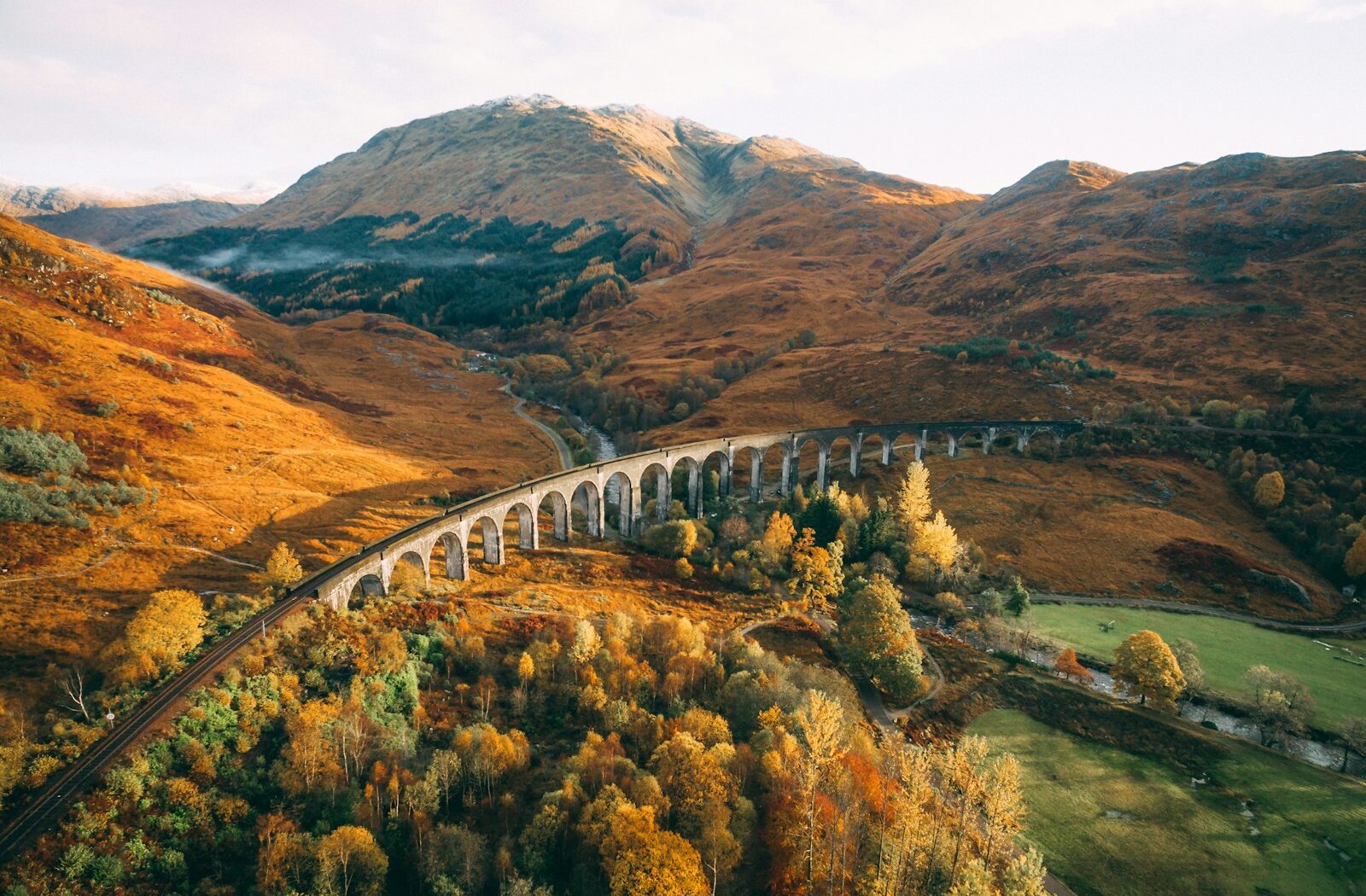
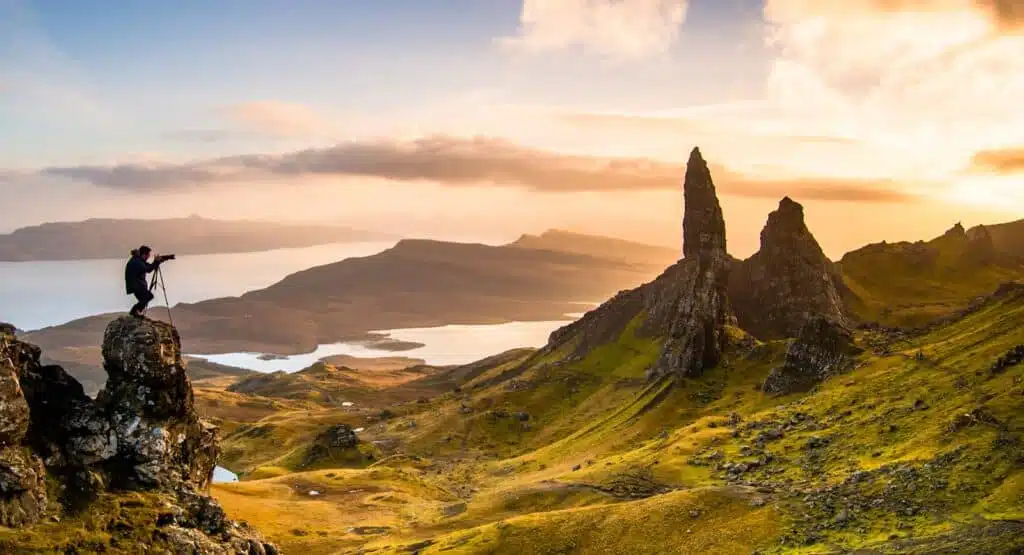
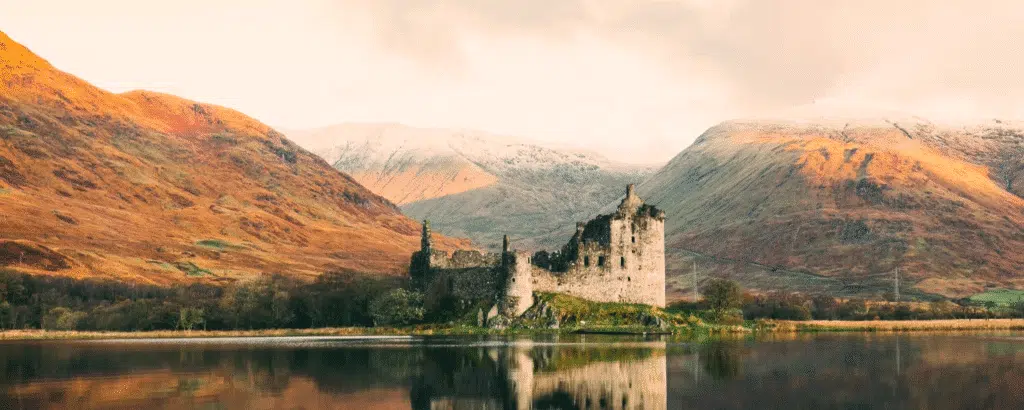
Scotland’s Highlands are about scale, and emptiness. The central and northern Highlands run for mile after mile of open moor, bare mountain, and silence: Sutherland alone covers nearly 2,000 square miles, with fewer people in it than almost anywhere in Europe. This is country that won’t be hurried. The pleasure is in the long drive itself, the single-track road over the pass, the loch that appears around the bend, the sense that you have the whole glen to yourself.
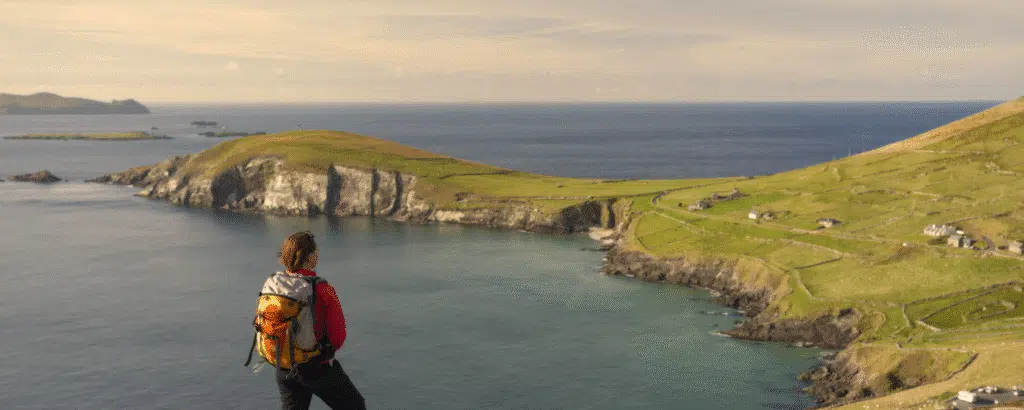
Ireland’s Wild Atlantic Way runs 1,600 miles down the western edge of the country, from Donegal to Cork, but its greatest hits sit close together. The Cliffs of Moher, the Aran Islands, and the Dingle Peninsula are near neighbors and completely different from one another, so the west of Ireland gives you a lot in a short stretch: cliffs, islands, beaches, and the best of Irish music and food, often in a single day.
So the real question is what kind of drive you want. Scotland is for those happy to trade hours on the road for true wilderness. The west of Ireland is for those who want it all close at hand, the coast, the culture, the landscape, within easy reach of each other.
Castle Estates and Country Houses
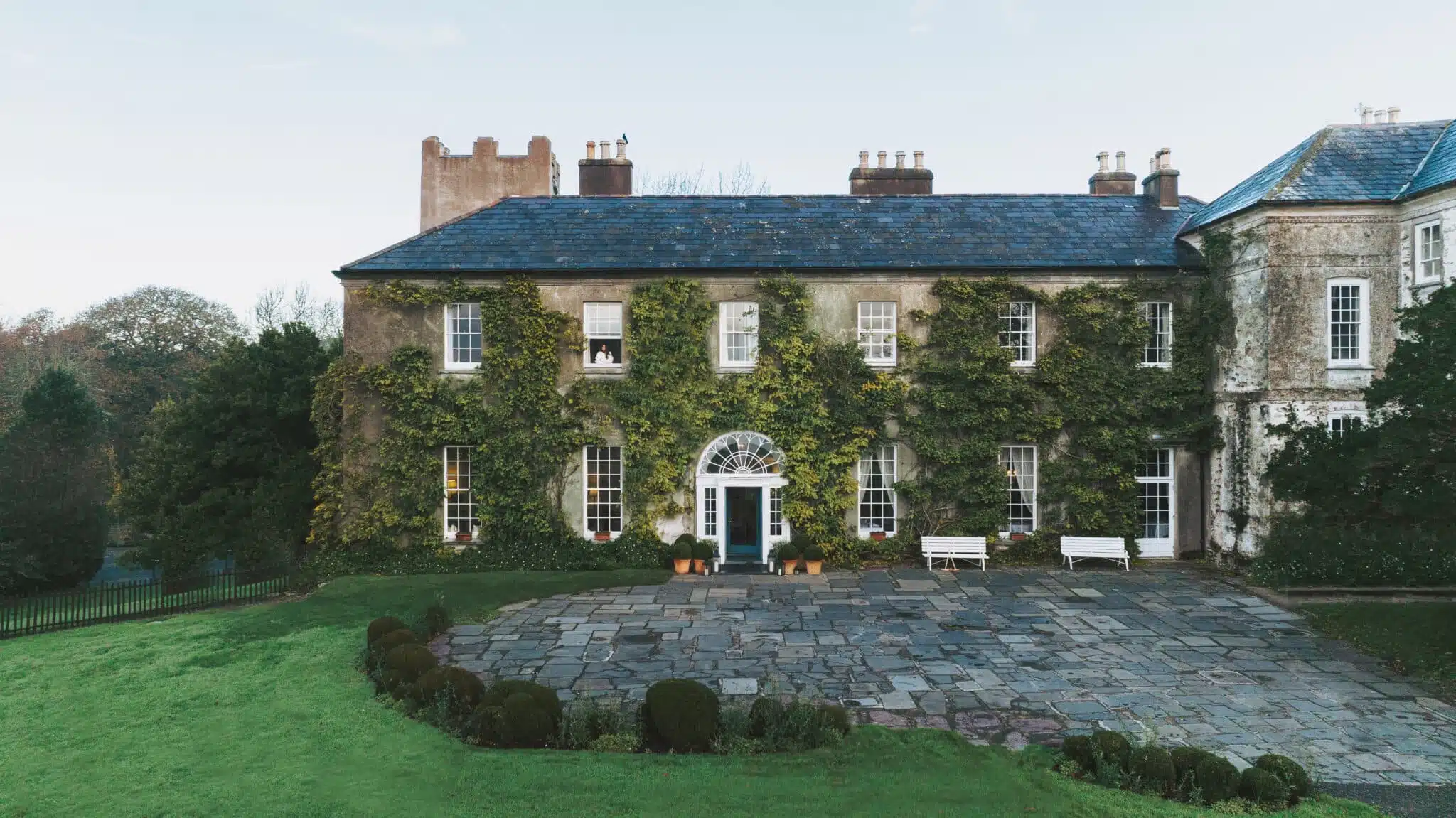
Ireland’s castle hotels operate as destination experiences in their own right. Ashford Castle, Dromoland, and Adare Manor are each set within substantial private estates and offer structured activity programmes, like falconry, clay shooting, and equestrian pursuits that keep guests on-property. The castle itself is the product, and the surrounding landscape is managed to support it.
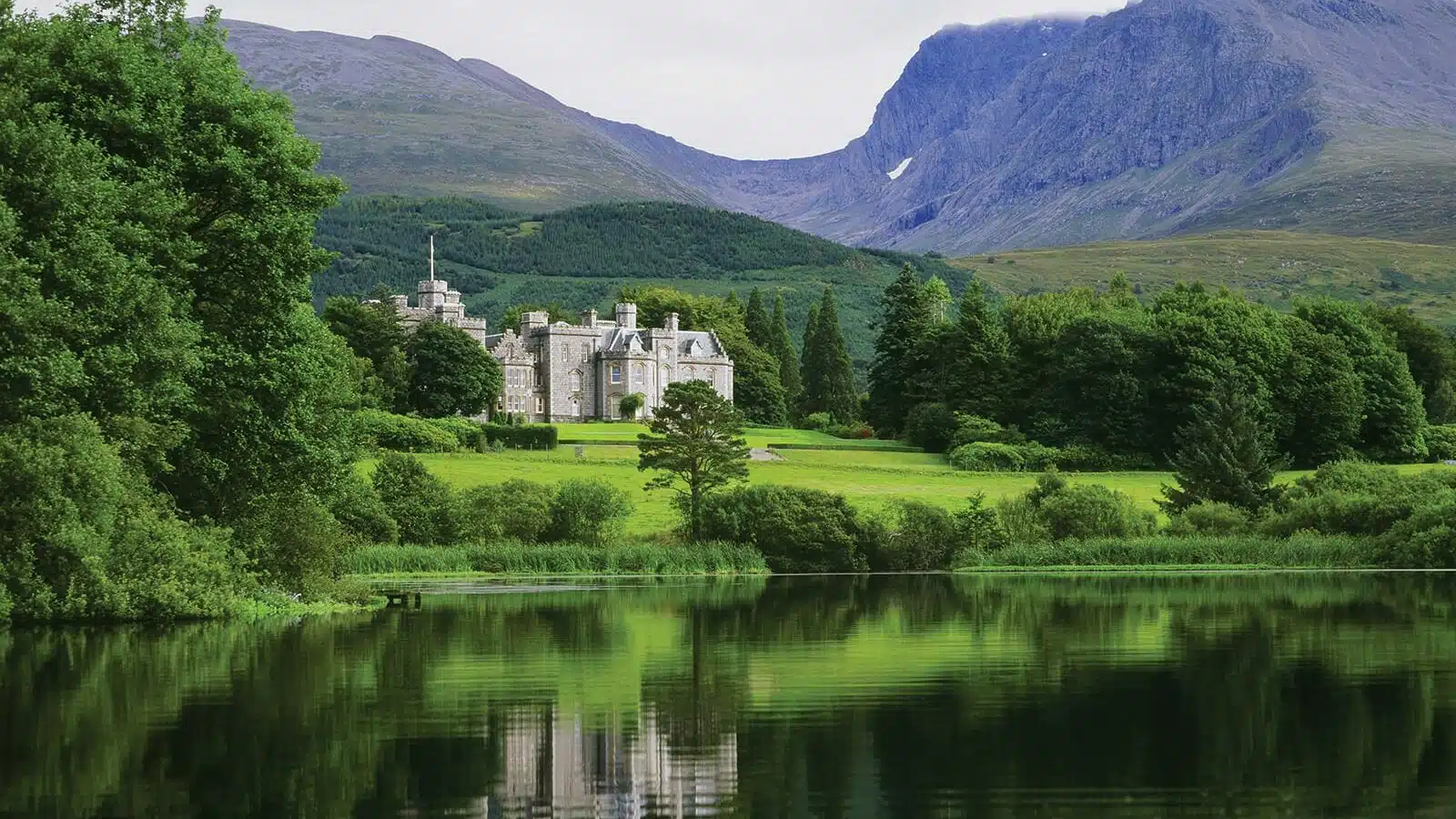
Scotland’s luxury accommodation follows a different logic. Properties like Gleneagles and Inverlochy Castle function more as bases within a broader landscape. The emphasis is on access to what lies beyond the estate — Highland terrain, sporting rights, distillery country — rather than the property as a self-contained experience. The distinction matters when deciding how you want to spend your time.
Both models attract similar price points at the top end, but they suit different travel priorities. Ireland’s castle estates reward guests who want structure and a clear sense of place. Scotland’s landed properties suit those who intend to move through the country and need a well-positioned, well-resourced starting point.
Whisky and Whiskey
Scotch and Irish whiskey diverge at the production level. Scotland’s industry is built on regional variation. Speyside’s malt-forward distilleries and Islay’s heavily peated expressions represent distinct traditions within a single country. Ireland, by contrast, built its modern reputation on triple distillation and grain blending, producing a style that is structurally smoother and less regionally differentiated.
Distillery access in both countries has become a serious hospitality category. Midleton, in County Cork, operates a heritage visitor experience tied to Jameson’s production history, while Slane, on the Boyne Valley estate, integrates whiskey production with a working castle property. In Scotland, Speyside distilleries including Glenfiddich and The Macallan have invested in architectural visitor centres, and Islay’s smaller producers offer access that is more limited and correspondingly harder to arrange.
The meaningful distinction for the luxury traveler is not taste preference but depth of access. Private cask programmes, working distillery tours, and blending sessions exist in both countries, but availability varies considerably depending on relationship and timing.

Golf: Linksland, Legacy, and the Question of Access
Scotland is where the game was born, and that changes how its courses feel to play. St Andrews, Carnoustie, and Kingsbarns carry a weight no other destination can match. These are not just courses but the places the sport measures itself against. Getting onto the most coveted tee times, the Old Course above all, runs on ballots, reciprocal arrangements, and relationships that take years to build.
Ireland’s links sit along the Atlantic coast, where Ballybunion, Lahinch, and Old Head offer something different: rawer, wilder ground, and in some cases an easier door to get through. Old Head, out on a headland above the Celtic Sea, is privately owned and sits outside the public ballot system altogether.
The difference between the two is not about quality, both are world-class, but about the kind of access you’re after and how far ahead you’re willing to plan for it. Securing the right tee times at the right courses is exactly the kind of thing we arrange, and on the hardest courses to get onto, it is the relationships that make the difference.

Making the Decision: Matching Destination to Traveler
Scotland suits the traveler drawn to deep heritage, serious single malt, and links golf with real championship pedigree. Ireland suits those who want landscape over ceremony, a looser and more surprising whiskey scene, and estates and country houses you won’t find on any standard circuit. Neither is a stand-in for the other, and the difference is worth weighing when you decide where the time and the budget go.
Both countries are at their best from May through September, though the shoulder months reward anyone with a little flexibility. Scotland’s northern light stretches a June evening close to midnight. Ireland’s Atlantic weather is less reliable but rarely a deal-breaker. A chauffeur-driven trip changes what either country will give you, the distilleries, private estates, and coastal roads that no other kind of travel reaches, and the order you take them in is what makes or breaks the trip.
Ten days is enough to do both, split cleanly between the Scottish Highlands and the west of Ireland. With Dublin and Edinburgh as your two gateways, the routing is straightforward, and you give up nothing on either side.
Speak to our team to begin building your itinerary across Ireland and Scotland.