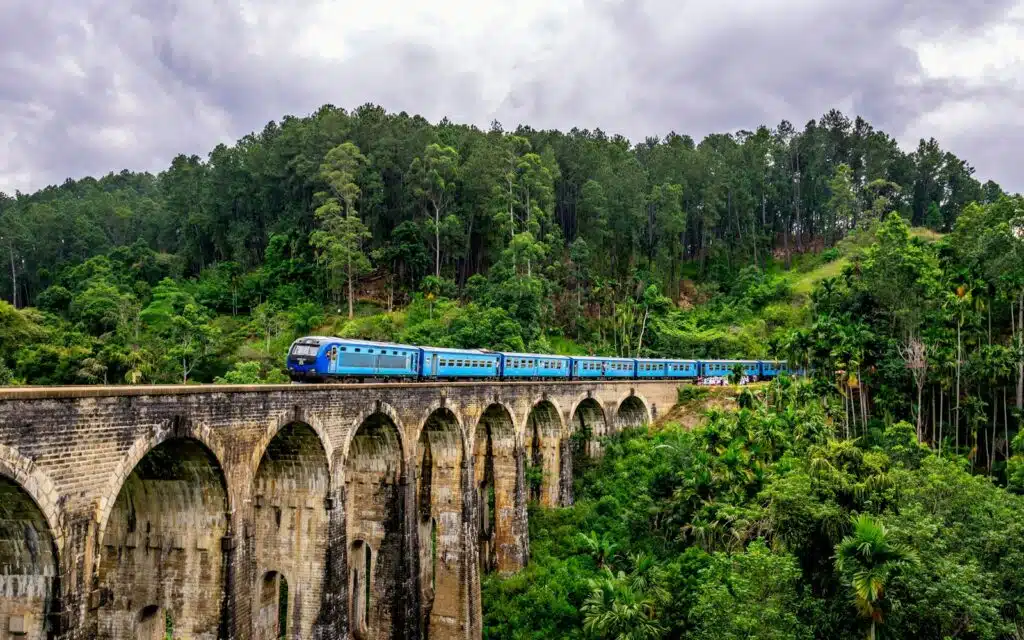
Tour a working tea plantation in Sri Lanka’s Highlands, learning how Ceylon tea is produced before a private tasting overlooking the hills.
Sri Lanka’s tea industry began in 1867, when Scotsman James Taylor planted the island’s first tea estate at Loolecondera. The crop quickly replaced coffee across the Highlands after a fungal blight destroyed the island’s coffee plantations in the 1870s, and Ceylon, the country’s former name, became a globally recognized tea brand within a few decades. A private tour moves through a working estate near Nuwara Eliya, following the leaf from the tea rows through to the factory floor before a private tasting overlooking the hills.
About Do Not Disturb
Do Not Disturb is a luxury travel company specializing in carefully designed journeys and considered experiences. Each itinerary we build for our clients is informed by real destination knowledge, offering insight into places, cultures, and moments that shape how a trip comes together.
If this destination has sparked ideas, the itinerary can be developed into a private journey tailored to your interests and travel style, with hand-picked stays, thoughtful routing, and experiences curated around what matters most to you.
What You See
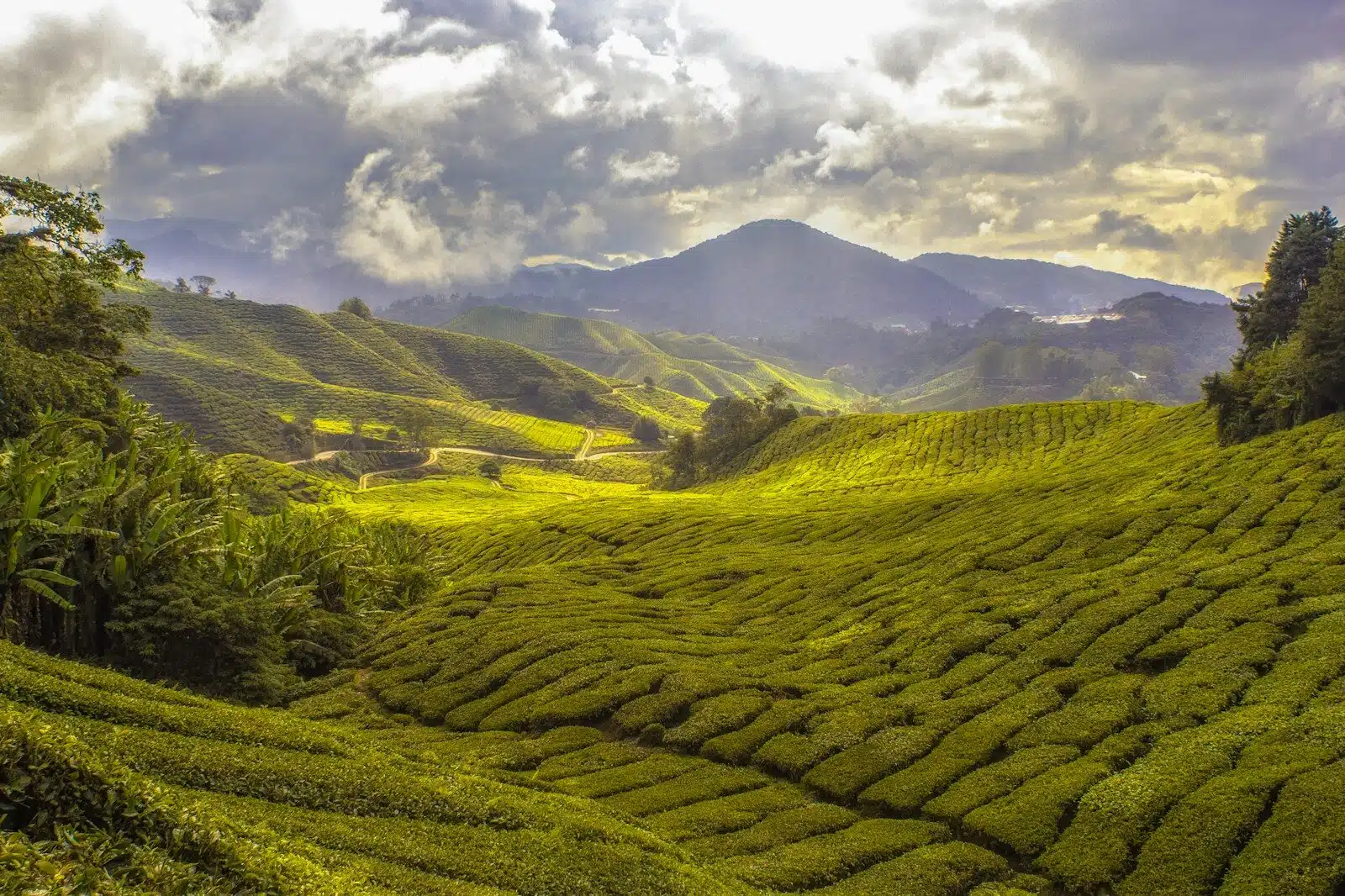
Tea rows cover the hillsides in unbroken rows, climbing the slopes of Nuwara Eliya’s cooler highland terrain. The estate’s factory sits among the plantation itself, with waterfalls visible in the surrounding landscape and wide views opening up from several points along the property. Pickers move through the rows during the early morning and late afternoon, gathering the bud and two leaves that go into the finest grades of tea.

What You Experience
The tour follows the same path the leaf takes through the factory. Freshly picked leaves are spread out to wither, warmed air softening them ahead of rolling. Rollers then release the remaining moisture and expose the leaf to oxygen, generating the friction that begins to shape the tea’s character. The leaves are spread out again to oxidize, developing the colour and aroma that define the finished tea, darker teas are given longer to oxidize than lighter ones. Firing and drying halt the process at the right point, and the leaves are finally sorted by size into grades before a taster assesses the appearance, aroma, and colour of the finished product.
Why Private Access Matters
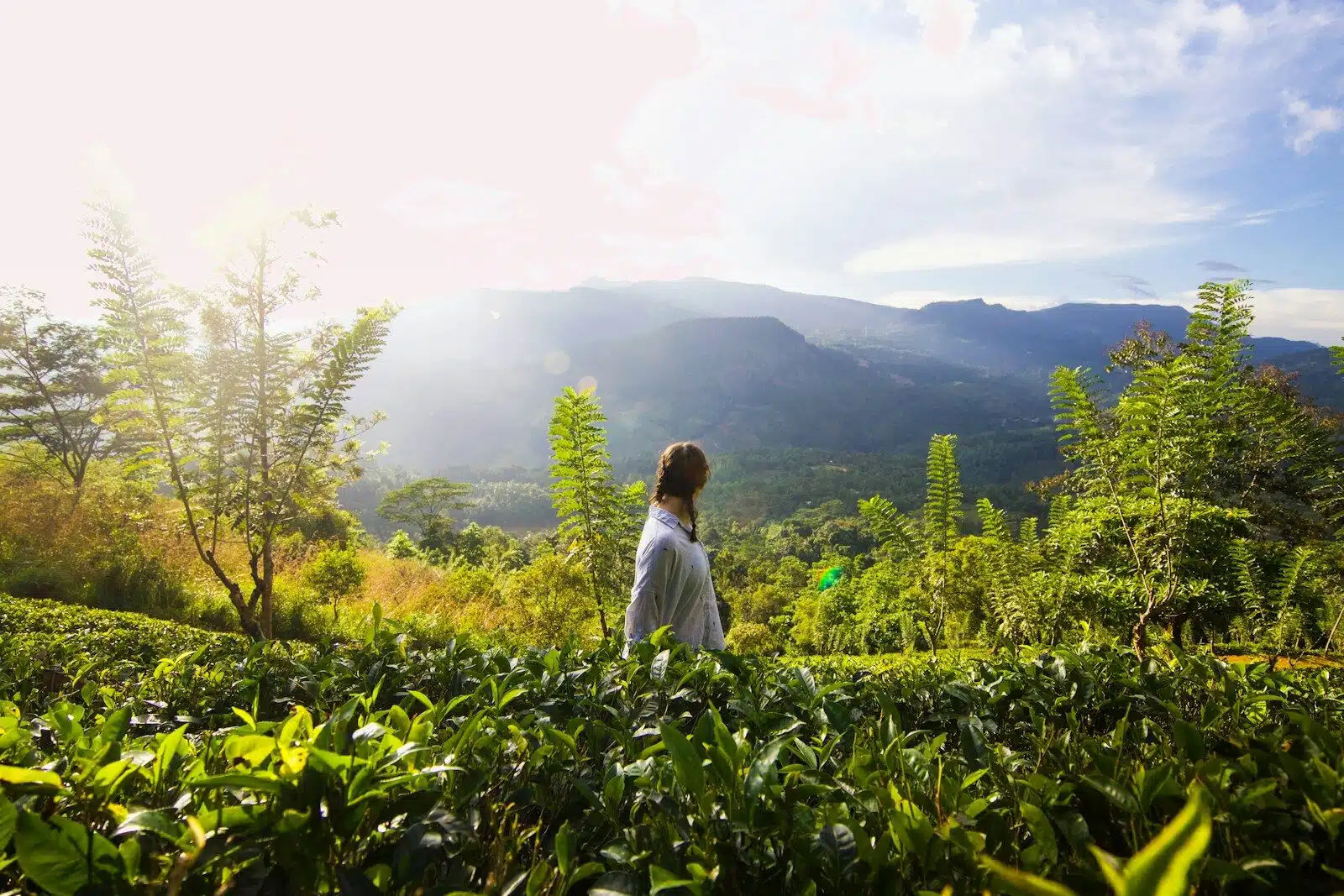
A private tour moves through the factory at its own pace, without a group waiting on the next stop. The tasting takes place away from the factory shop, seated with a view over the hills rather than at a standing counter. Timing can be built around the light and the working rhythm of the estate, morning visits catching the pickers at work, later visits arriving as the light softens over the plantation for the tasting.

Commonly Asked Questions
Where is Sri Lanka’s tea country?
The Highlands around Nuwara Eliya are the country’s principal tea-growing region, known for a cooler climate suited to the crop.
Why is Sri Lankan tea called Ceylon tea?
Ceylon was the country’s name during the colonial period when its tea industry began, and the name has remained the internationally recognized term for tea grown there.
Is the tea tasting included in the visit?
A private tasting follows the factory tour, set overlooking the hills rather than at the estate’s retail counter.

How Do Not Disturb Makes This Possible
Do Not Disturb arranges the private estate visit and tasting together, timing the day around the estate’s working rhythm rather than a fixed group schedule. The visit sits naturally within a wider Sri Lanka Highlands itinerary, following a stay in Nuwara Eliya or ahead of onward travel through the hill country.
Start Planning Your Tea Estate Visit.
Plan your own version of this journey
Speak to Do Not Disturb’s luxury travel experts and turn this moment into something personal.
Related destinations
Suggested articles

Best Winter Sun Honeymoon Destinations in Europe
Portugal vs Spain for Your Honeymoon – Which Should You Choose?

One Island or Two? Splitting Your Maldives Honeymoon Between Resorts

Best Honeymoon Destinations for Autumn

Italy vs Greece for Your Honeymoon – Which is Better?
48 Hours in Lima: Where to Eat, Stay and Explore

A Cultural Honeymoon in Peru: Machu Picchu, Cusco, the Sacred Valley and the Amazon

Peru or Mexico: Which Ancient Civilisation Should You Visit First?
The Best Time to Visit Machu Picchu for Fewer Crowds
Why So Many Travellers Fall for Kanazawa
Kyoto or Kanazawa – Which Is Better for Traditional Japan?
What Is a Kissaten? Inside Japan’s Historic Coffee Shop Culture

Kruger or a Private Reserve? Where to Safari in Greater Kruger