Kruger Park

Luxury Kruger Park Holidays

Private tours, bespoke itineraries and curated journeys in Kruger Park and South Africa.

Kruger is one of Africa’s most celebrated safari destinations, home to the Big Five, outstanding private reserves and some of the continent’s finest luxury lodges.

At Do Not Disturb, we match you with one of our dedicated Kruger Park luxury travel experts who designs a tailor-made itinerary around how you want your time away to feel. With deep destination knowledge and meticulous planning behind the scenes, we transform complex travel into something effortless and entirely your own.

The world without distraction.

Why Kruger Park?

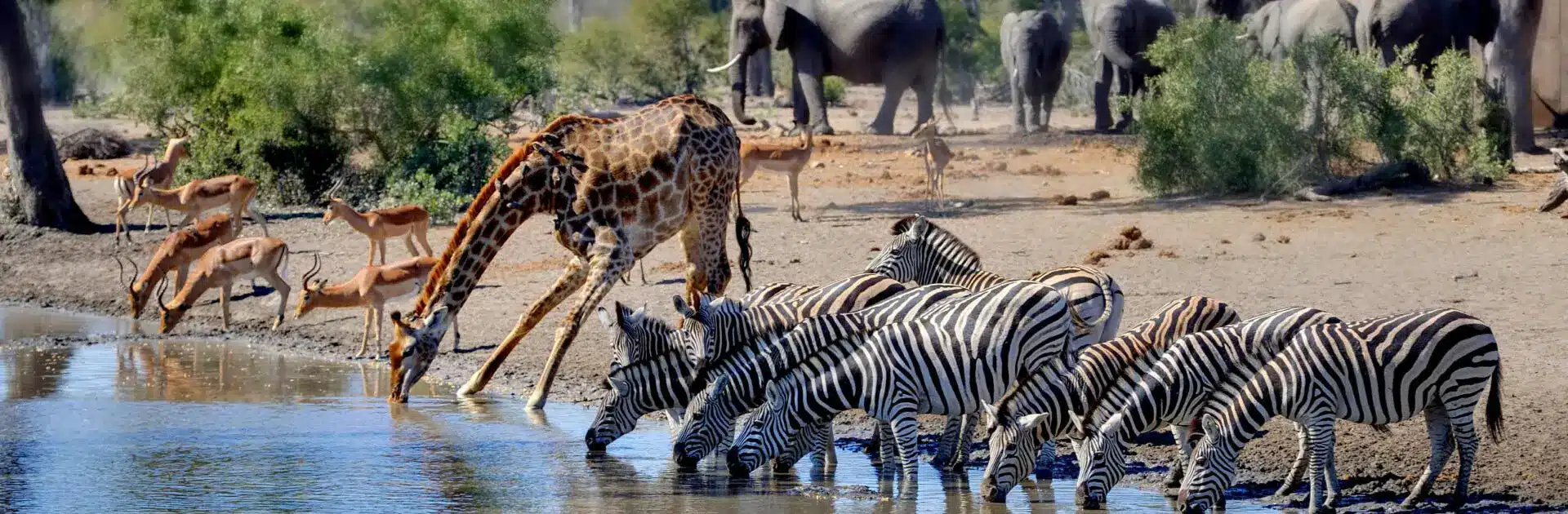
Kruger covers 19,623 square kilometres, roughly the size of Wales, and is home to the Big Five: lion, leopard, elephant, rhino and buffalo, alongside 147 other mammal species and more than 500 recorded bird species.

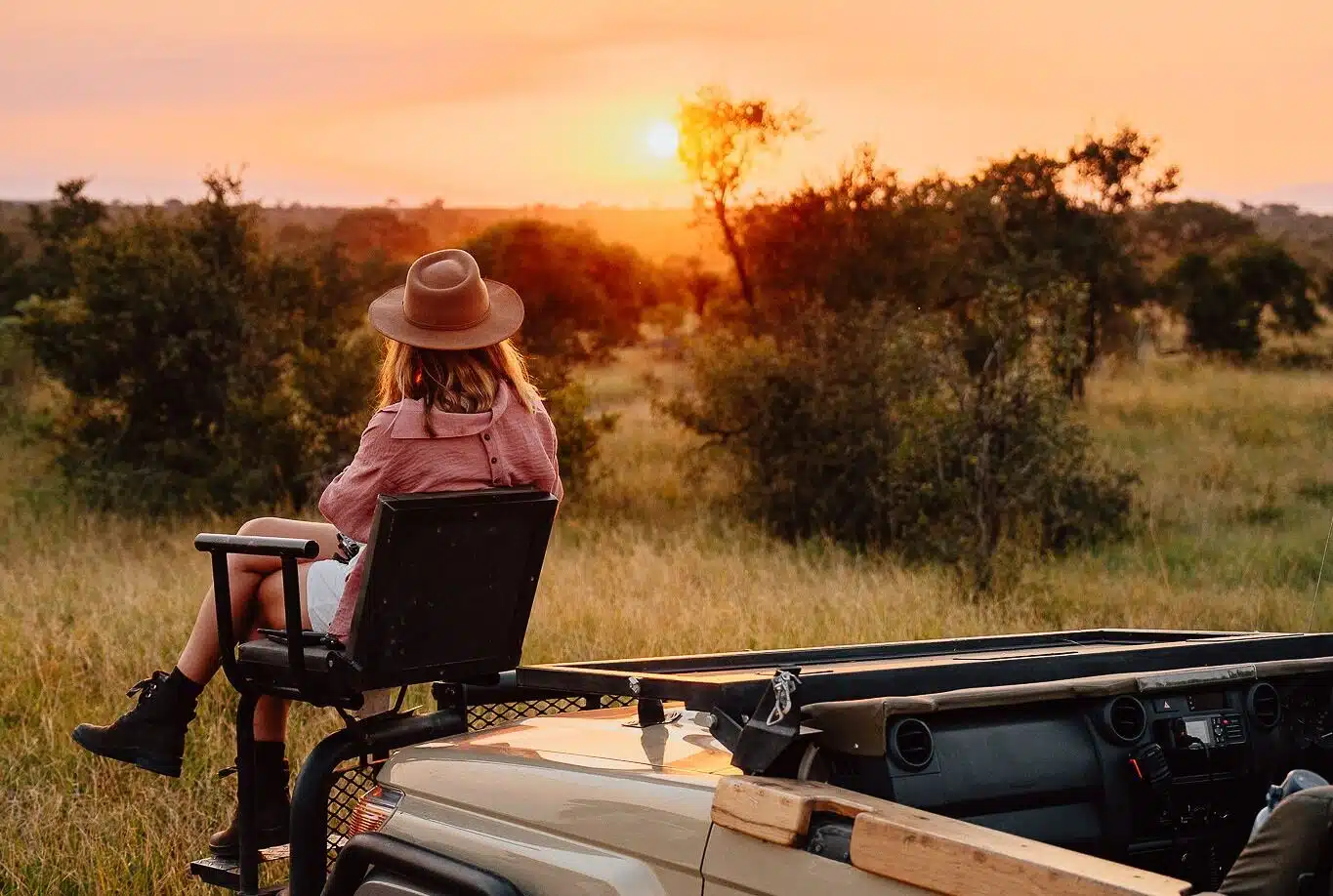
Most days revolve around early-morning and late-afternoon game drives, when wildlife is at its most active. Guided bush walks offer a different perspective on the landscape, while night drives reveal the nocturnal side of the reserve after dark.

Why Kruger Park

Escape to Kruger Park

Our Handpicked Luxury Hotels in Kruger Park

Add your Do Not Disturb Moment in Kruger Park

Our reviews

“Our trip was truly magical and full of core memories that will last us a lifetime.”

Michael • Bora Bora Honeymoon

Star Icon Star Icon Star Icon Star Icon Star Icon

“We just returned from an incredible journey through Ireland, and we couldn’t have had a better experience”

Brad • Ireland Adventure

Star Icon Star Icon Star Icon Star Icon Star Icon

“This was a flawless experience right from the beginning, we had so many thoughts and ideas flowing around and they took all of them and perfectly curated the most beautiful honeymoon for us.”

Kris • Sicily Honeymoon

Star Icon Star Icon Star Icon Star Icon Star Icon

Kruger Park Travel Guides

  • Kruger Park Overview

    Kruger is a huge region, and different parts of it offer very different safari experiences. Along the western edge are private reserves such as Sabi Sand, Timbavati and Manyeleti, where lodges offer guided game drives, off-road wildlife viewing and a more exclusive style of safari.

    Inside Kruger National Park itself, areas around Skukuza and Lower Sabie are more accessible and popular with self-drive visitors, while the far north around Punda Maria and Pafuri is quieter and less visited.

    Most trips focus on one area rather than trying to cover the whole park. The best safaris allow enough time for repeated game drives, slower wildlife viewing and time at the lodge between outings.

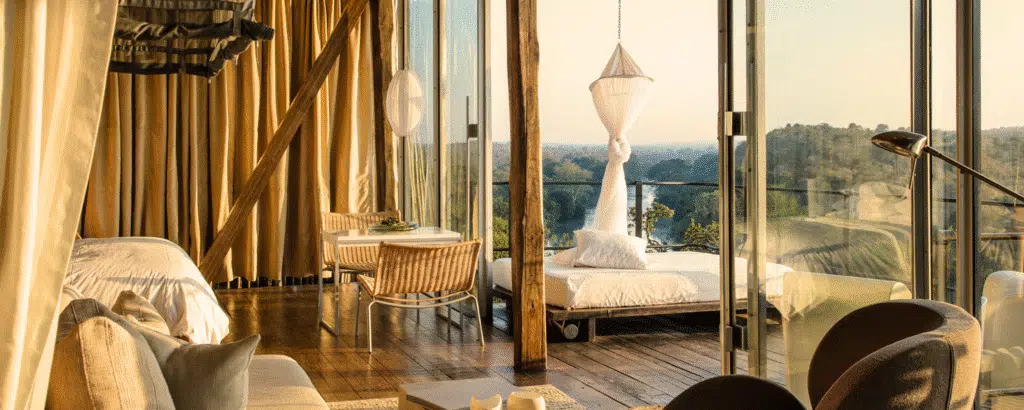
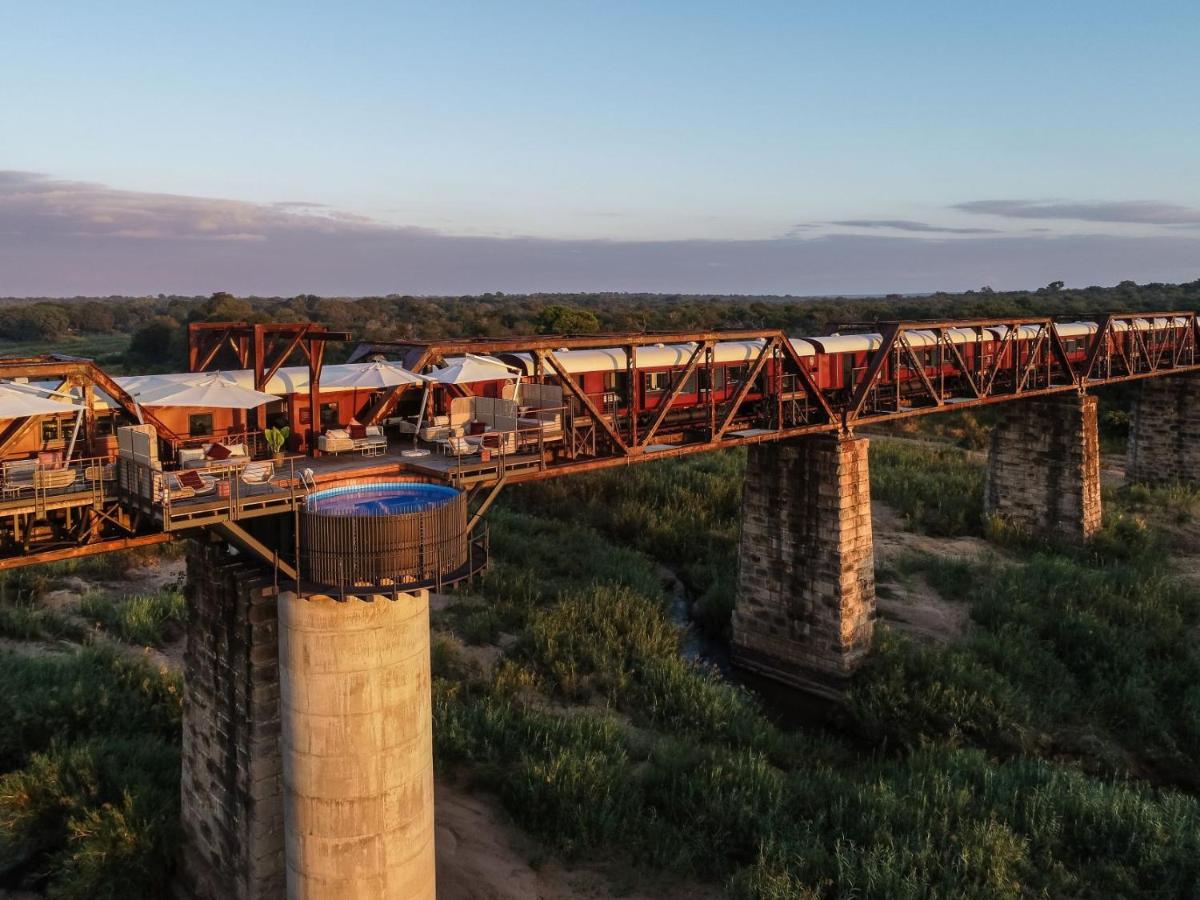
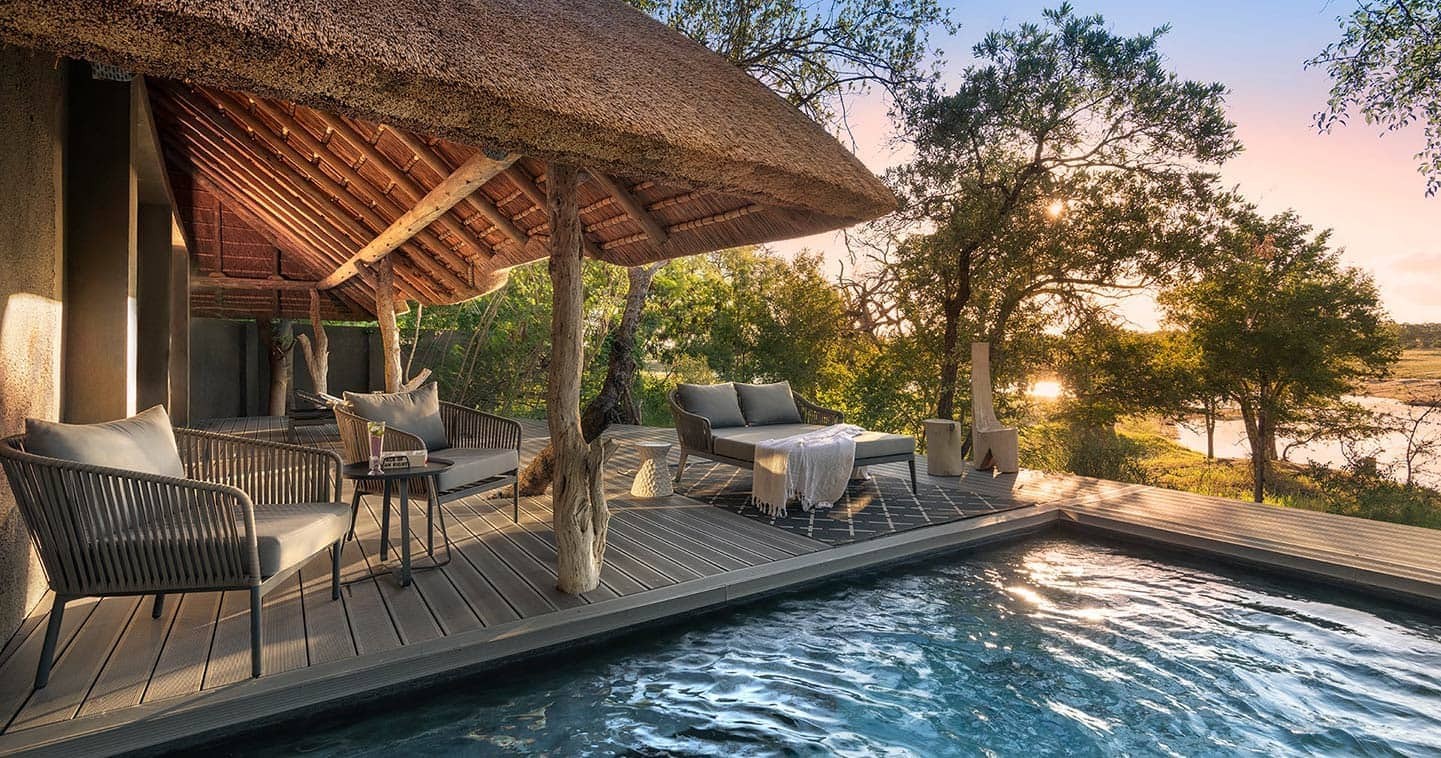
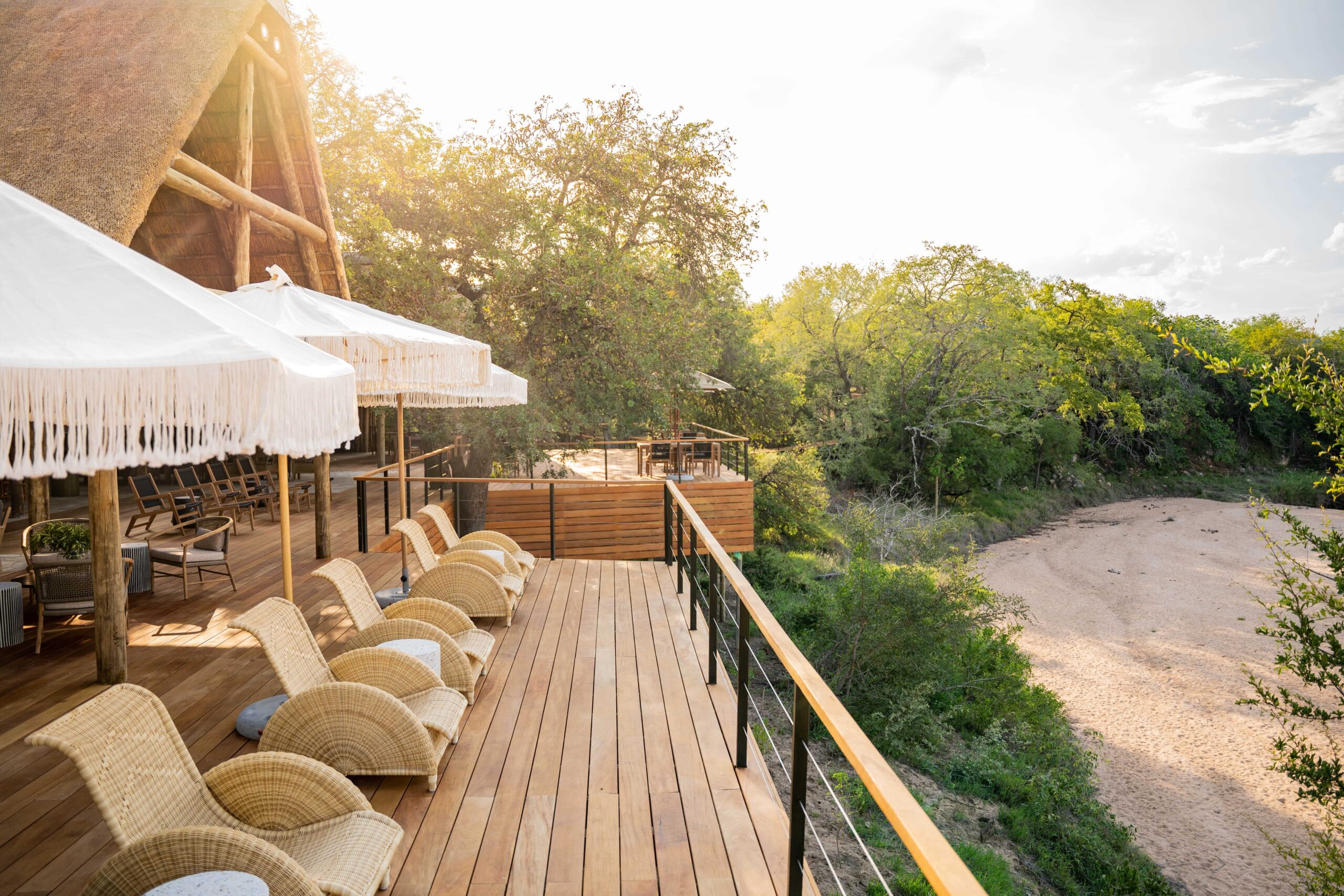
    Accommodation ranges from intimate tented camps to high-end lodges with private pools, but the wildlife and the landscape remain the main reason to be there.

  • Kruger Park things to do

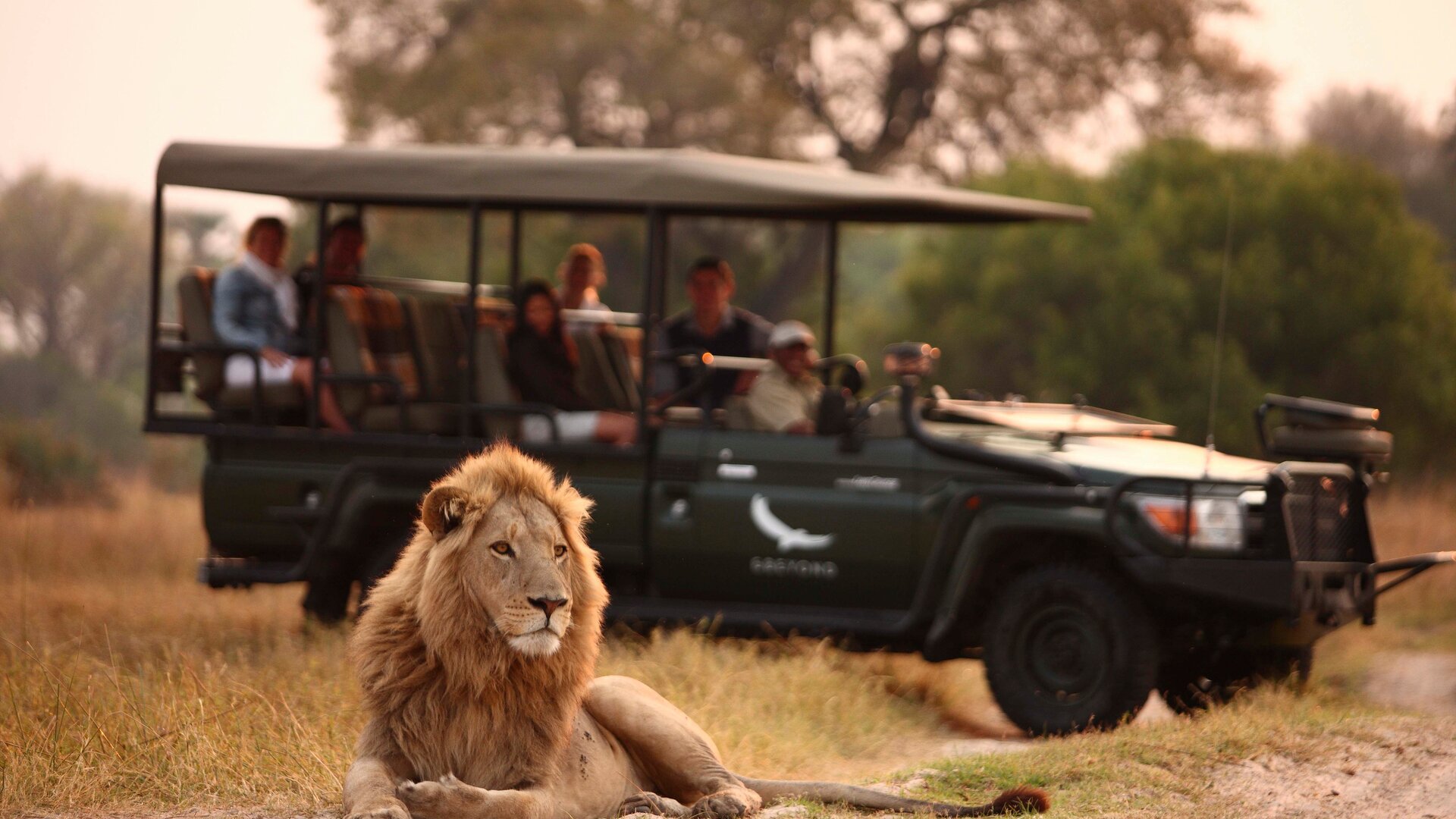
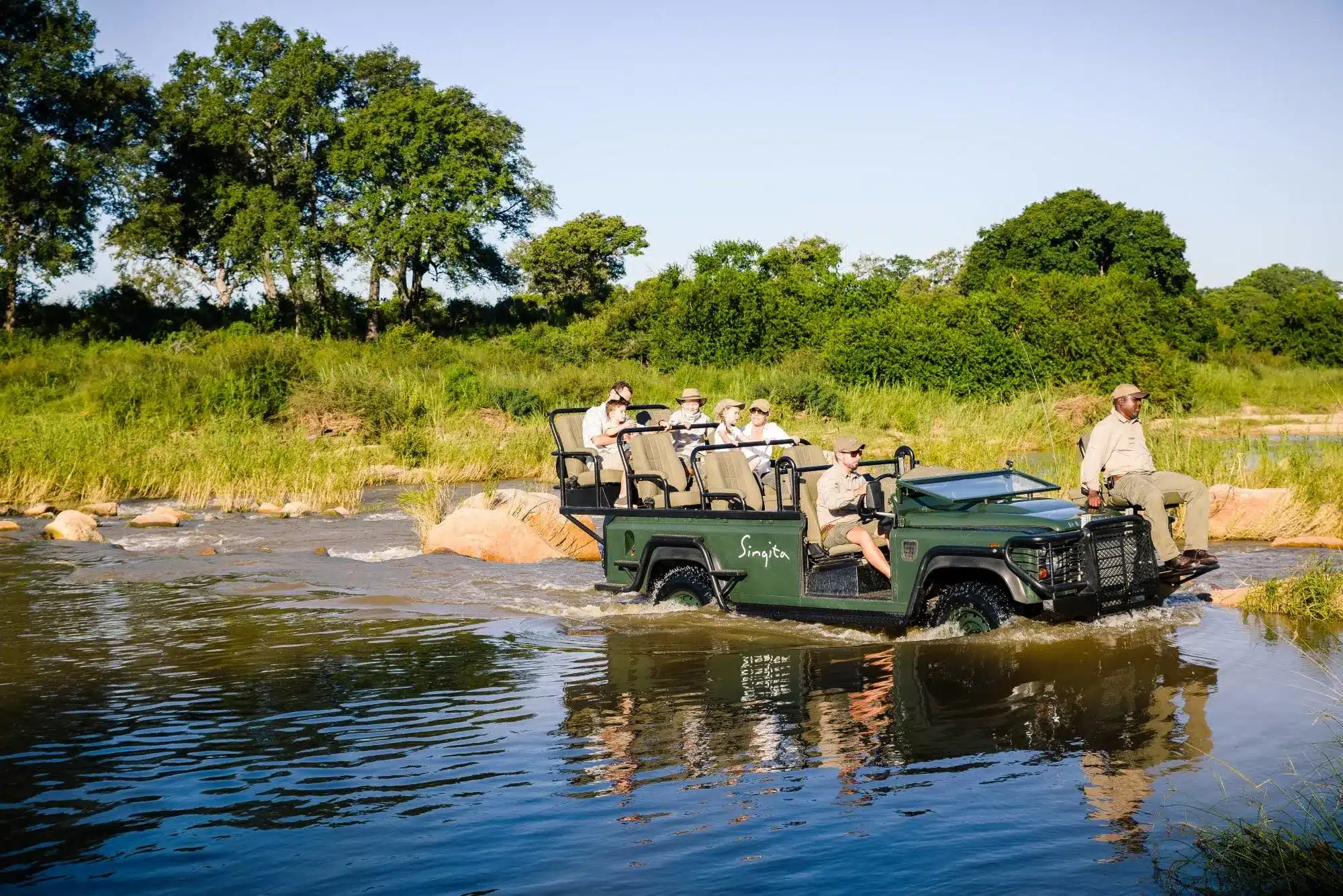
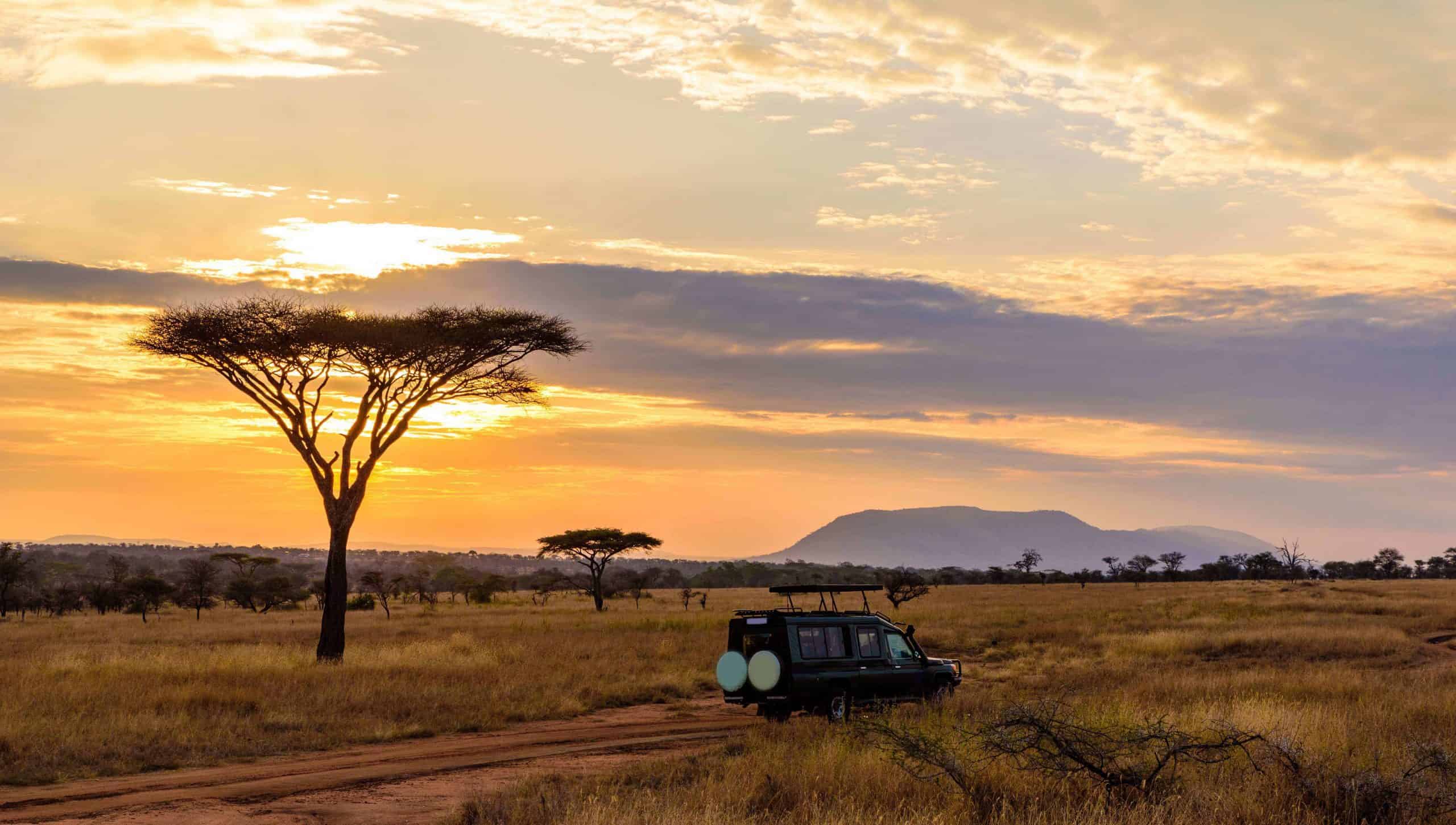
    Game drives are the main event in Kruger. Early morning and late afternoon are usually the best times to be out, with experienced guides and trackers reading the bush for fresh signs of lion, leopard, elephant and other wildlife.

    Night drives offer a very different experience, with a chance to see nocturnal animals and predators after dark.

    Guided bush walks are available in selected areas and give a closer look at tracks, plants and smaller details that are easy to miss from a vehicle.

    Sundowners are a classic part of the safari day, whether at a scenic viewpoint, beside a waterhole or arranged privately through a lodge.

    Boma dinners bring the day to a close around an open fire, often with South African food and Cape wines.

    For something different, the northern part of Kruger also has important cultural sites such as Thulamela, a historic hilltop settlement overlooking the Levuvhu River.

  • Kruger Park hidden gems

    Crooks’ Corner, at the park’s far northeastern tip where South Africa, Zimbabwe, and Mozambique meet along the Limpopo and Luvuvhu rivers, was once a lawless haven for poachers slipping between jurisdictions. Today the same stretch sits shaded by baobabs and giant sycamore figs, hippos and crocodiles basking along the sandbanks in near-total quiet.

    The S52 gravel loop along the Timbavati River is well known among park veterans but easy to miss for visitors sticking to the tarred road between Satara and Olifants. Slow going through jackalberry and mustard trees rewards patience, one of the park’s better corridors for spotting tree-climbing leopards and packs of wild dogs.

    Masorini, a reconstructed Iron Age village on a hillside near Phalaborwa Gate, holds the clay furnaces and grinding stones of the Sotho-speaking Ba-Phalaborwa, who worked as iron smelters here through the 1800s, looking out over mopane plains that stretch uninterrupted to the horizon.

    For those willing to head further north, Pafuri feels like a different park entirely, dense fever tree forest and a quiet riverside boardwalk replacing the drier bush further south, one of the region’s best spots for birdwatchers chasing a glimpse of the rare Pel’s fishing owl.


  • Kruger Park Overview weather

    Dry season (May-September) brings the clearest game viewing of the year. With rain virtually absent, water pools dry up and animals cluster predictably around permanent waterholes and rivers, while thinning vegetation makes leopards in trees and lions in the grass far easier to spot. Days stay warm and clear, but dawn drives run cold, temperatures at Skukuza can drop close to 6°C by early morning in June and July, worth packing proper layers regardless of the daytime heat.

    Wet season (October-April) turns the park a deep green, thick bush that makes spotting wildlife harder but coincides with impala lambing season and a wave of migratory birds arriving in their thousands. Afternoons often bring fast, dramatic thunderstorms rather than steady rain, and by December and January highs regularly reach the low 30s alongside real humidity.

    The shoulder months either side of the dry season, April and September to October, tend to offer a workable balance, decent visibility without the coldest mornings or the thickest summer growth.

  • Kruger Park getting there

    Most international travellers arrive via O.R. Tambo International Airport in Johannesburg. From there, a short connecting flight into Skukuza, the only commercial airport inside the park itself, drops arrivals within minutes of a safari vehicle rather than a road transfer.

    Alternatively, the drive south along the Panorama Route, tracing the edge of the Drakensberg escarpment past the Blyde River Canyon, turns the journey into part of the trip rather than a formality, five to six hours worth treating as its own experience.

    British, American, and most EU passport holders can enter South Africa visa-free for stays of up to 90 days, provided the passport carries at least two blank pages and remains valid for 30 days beyond departure.

    Within the park, self-drive covers the tar and gravel road network fine in an ordinary vehicle, though a private guided vehicle reaches further off-road and moves with radio contact to track sightings a self-drive car would likely miss entirely. Walking is only possible with an armed ranger, but a morning bush walk remains the one way to leave the vehicle behind and meet the bush on foot.

Editorials

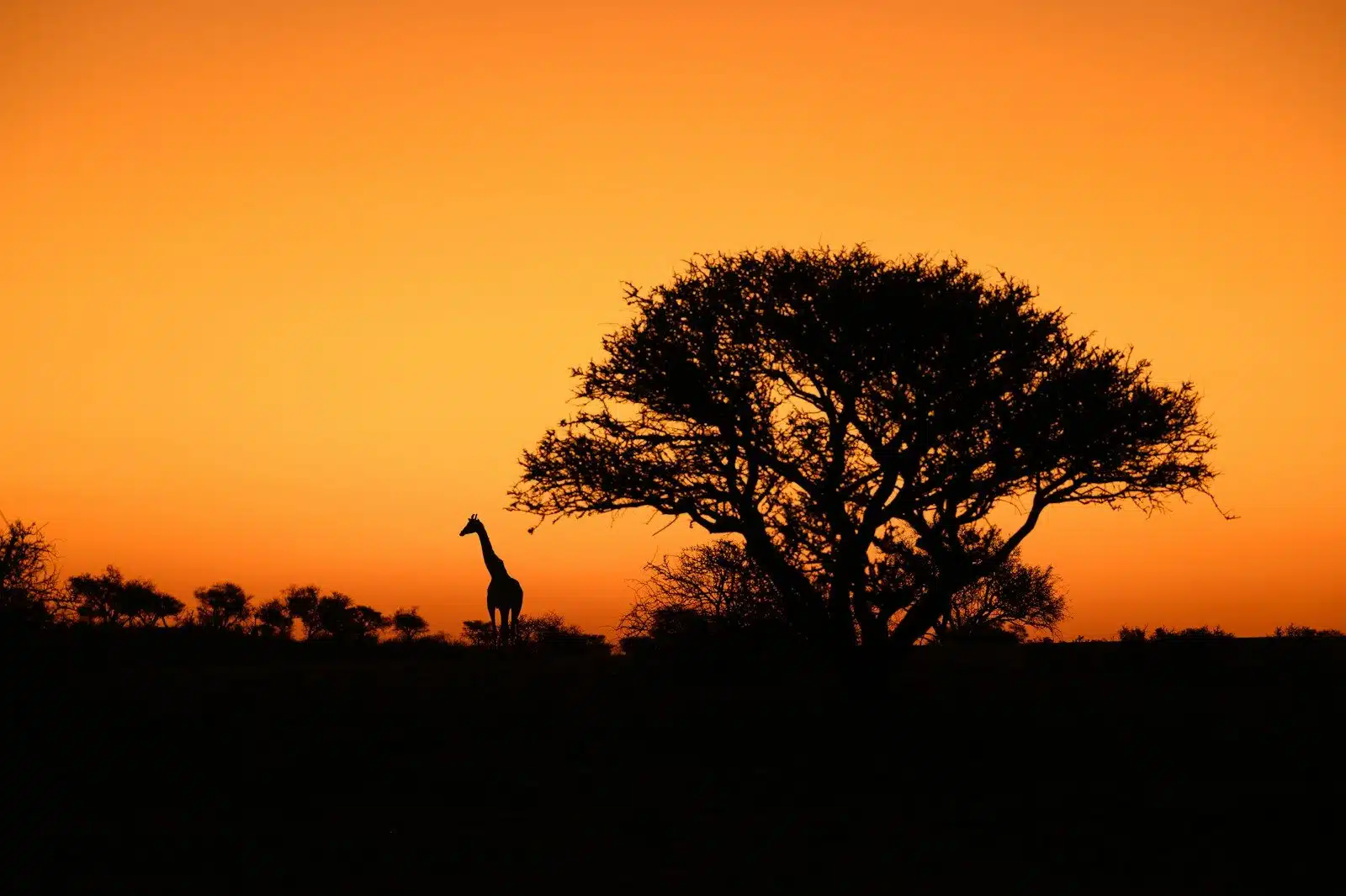
a giraffe standing next to a tree at sunset 4 min read

Kruger National Park is one of Africa’s most accessible wildlife destinations and one of the most rewarding, but first-time safari travellers consistently arrive prepared for the wrong things. The wildlife guides and the packing lists cover the obvious ground; what follows is the part that usually gets left out.

4 min read

Greater Kruger is often discussed as a single destination, but it is really two different safari experiences sharing one ecosystem. Kruger National Park and the private reserves along its western boundary sit on unfenced land, so wildlife moves freely between them, yet the rules, the pace, and the feel of a stay differ considerably depending […]

Kruger 5 min read

The Okavango Delta and the Kruger region represent two distinct philosophies of safari travel. Choosing between them is less a matter of preference than of understanding what each place actually offers.

3 min read

Kruger rewards visitors year-round, but the experience changes considerably depending on when a traveller goes. Wildlife visibility, weather, and crowd levels all shift with the seasons, sometimes in opposite directions from each other, which makes the question of timing more complicated than a single best month.

Your journey doesn’t start with a booking. It starts with a conversation.

Tell us how you want to feel, we’ll take it from there.

Your next steps

Planning your trip should feel effortless.

We Listen

You share what matters, whether it’s a destination, a feeling, or a moment worth celebrating.

We Curate

Your dedicated expert shapes a thoughtful, private itinerary tailored entirely around you.

You Travel

Every detail handled. Every moment considered. Support before, during, and after your journey.

Tell us about your journey

    Budget per person
    Step 1 / 2

    Let's design your escape

    Answer a few quick questions and we’ll craft a journey as unique as your state of mind.