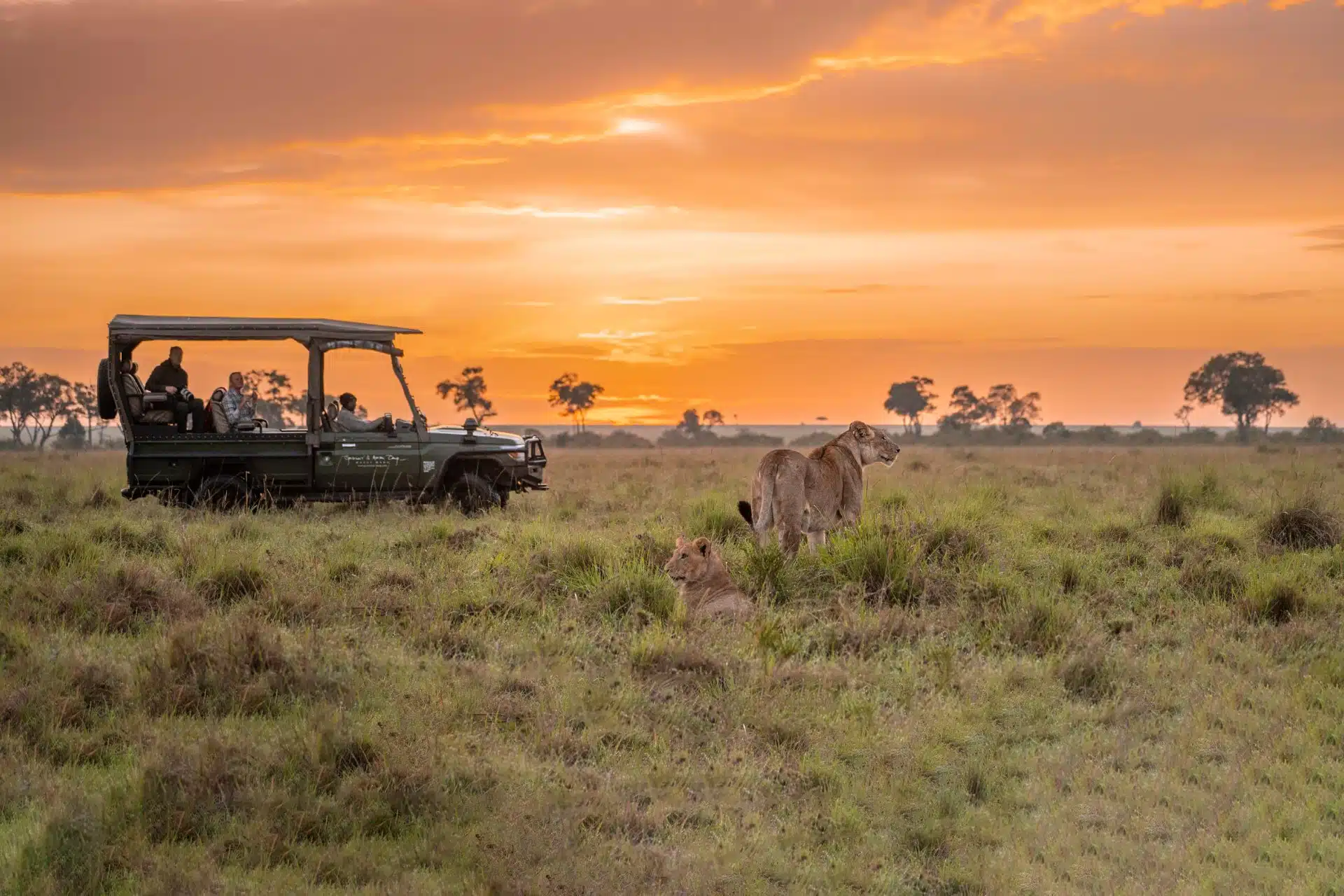

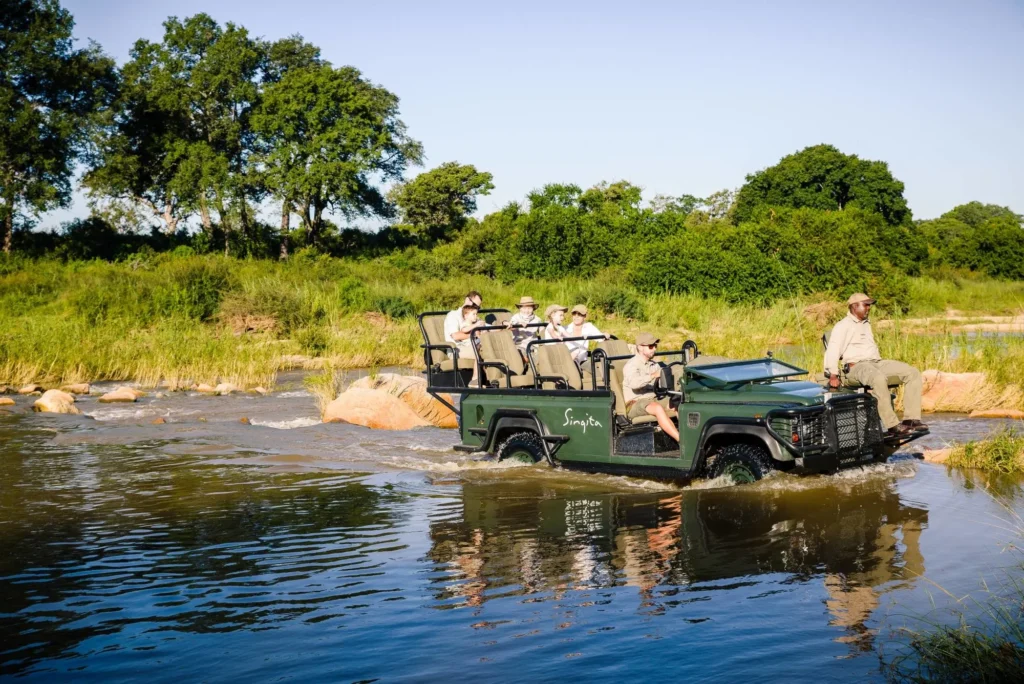
In the greater Kruger region of South Africa, the morning game drive rarely ends at the vehicle. It ends at a table set in the wild, where the bush holds still long enough for you to sit down inside it. This is the moment the experience shifts from observation to immersion.
Before the Light Settles
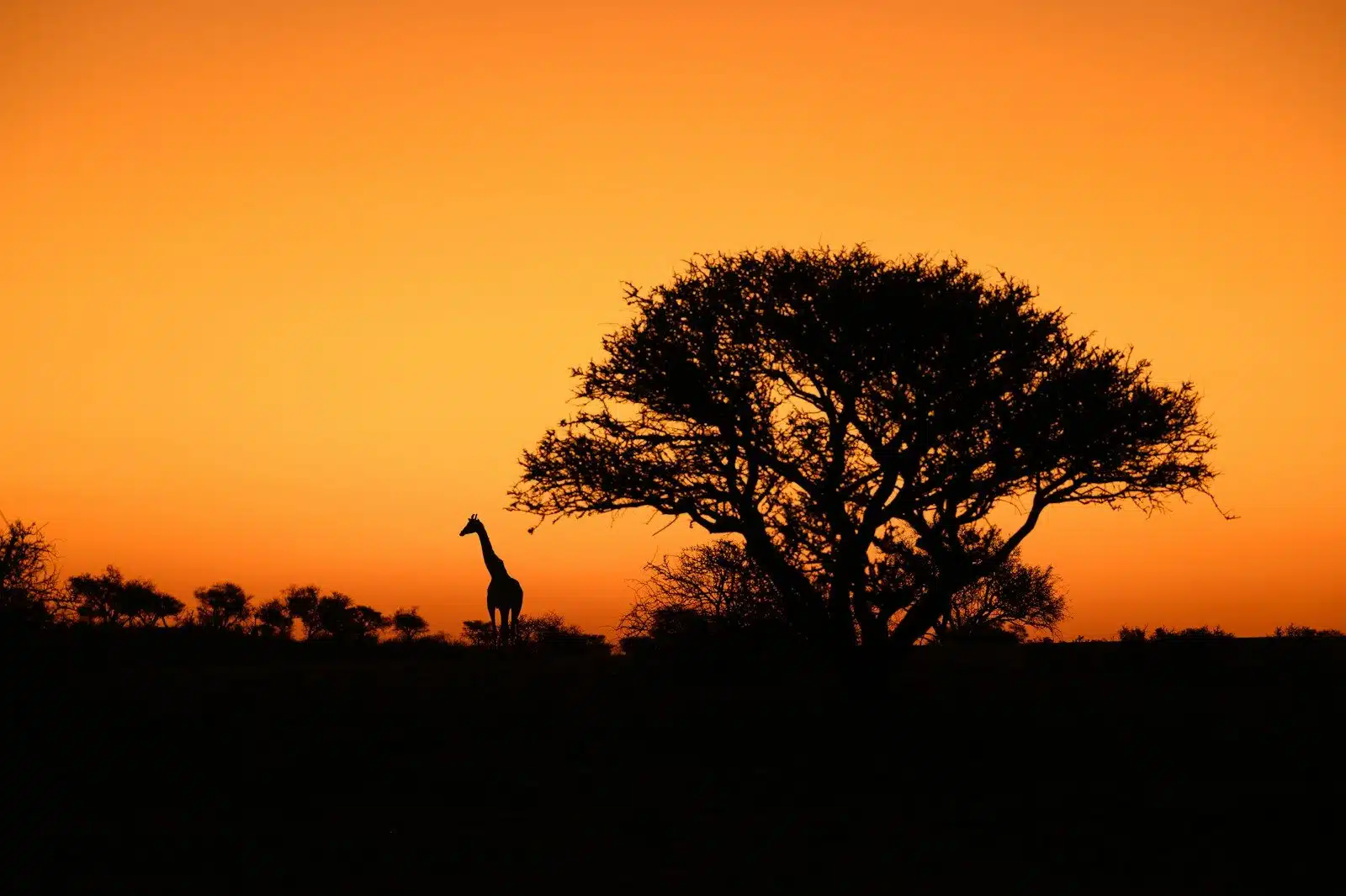
Departures in the greater Kruger region typically begin between 05:00 and 05:30, before first light. At that hour, the bush operates on a different logic. Nocturnal species are still moving, diurnal ones are beginning to stir, and the transition between the two creates a window of unusual activity that experienced guides know how to read.
The low light demands a different kind of attention from the vehicle. Spotlights track movement at the road’s edge. Sounds carry further in the cold air, and guides often pause the vehicle in silence to listen before proceeding.
By the time the sun has cleared the horizon and the bush has settled into its daytime rhythm, roughly 90 minutes into the drive, the pace shifts. It is at this point that the vehicle moves toward the breakfast site, and the nature of the morning changes entirely.
About Do Not Disturb
Do Not Disturb is a luxury travel company specializing in carefully designed journeys and considered experiences. Each itinerary we build for our clients is informed by real destination knowledge, offering insight into places, cultures, and moments that shape how a trip comes together.
If this destination has sparked ideas, the itinerary can be developed into a private journey tailored to your interests and travel style, with hand-picked stays, thoughtful routing, and experiences curated around what matters most to you.
What the Drive Holds
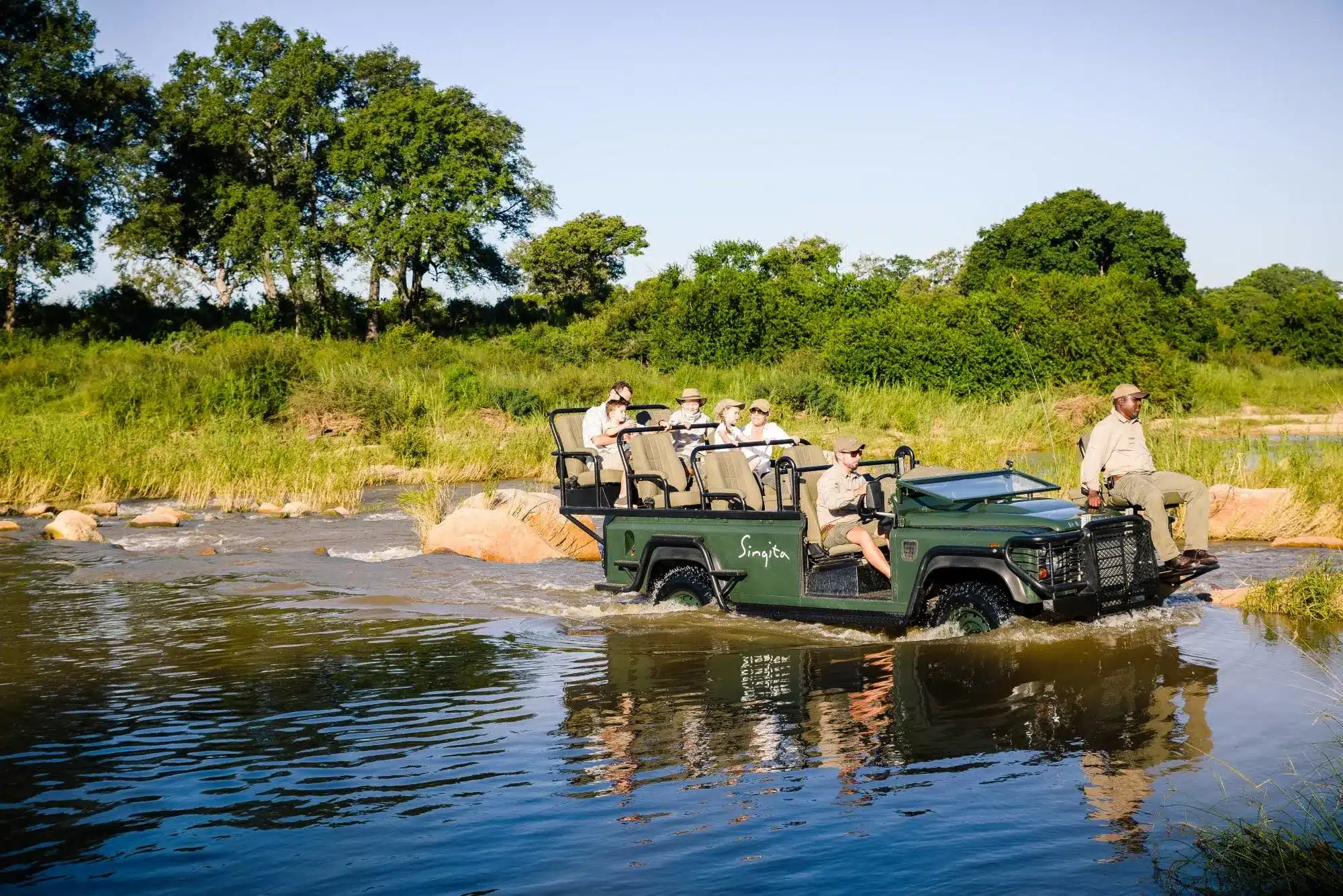
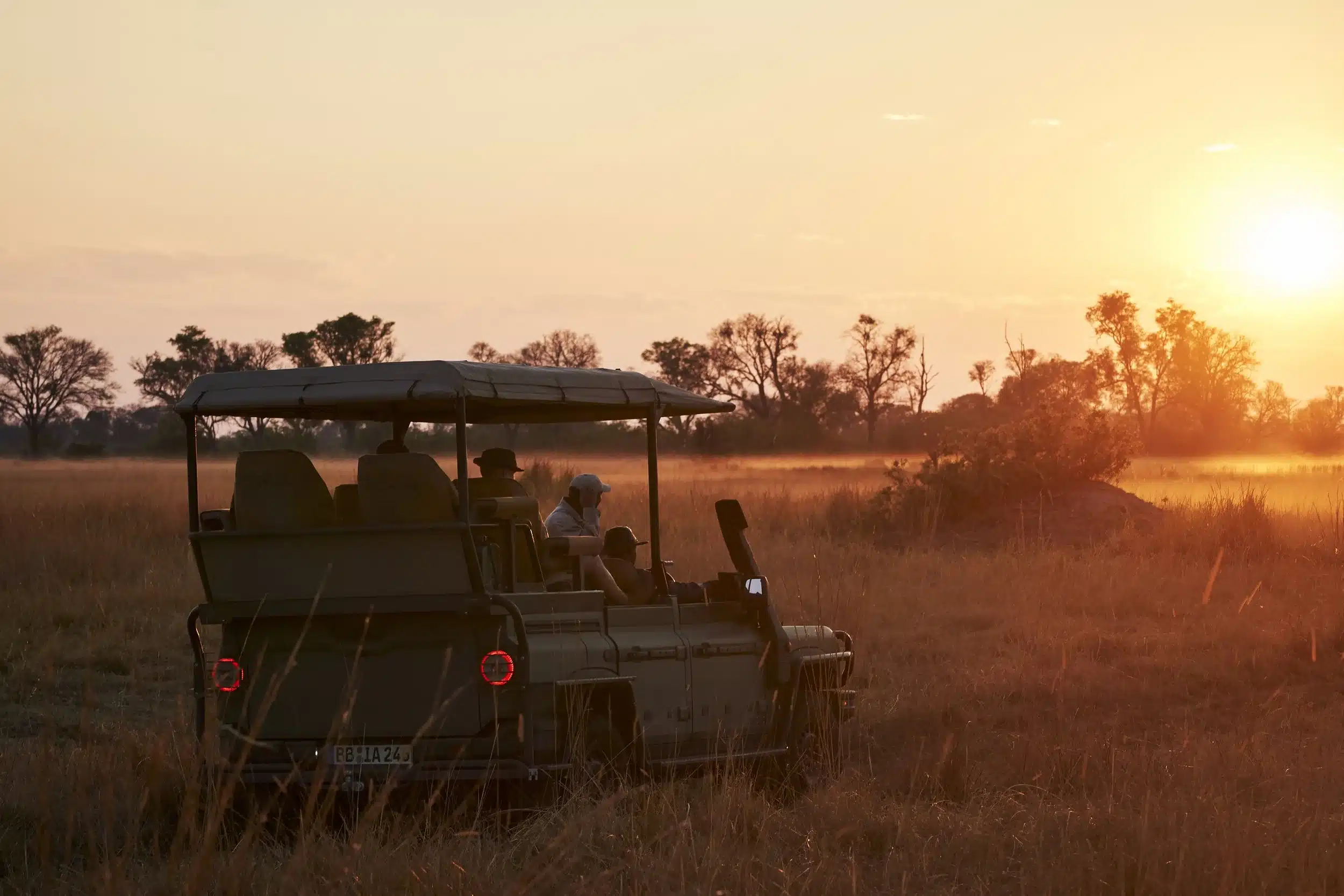
The greater Kruger operates on a specific rhythm in the early hours. Guides depart before first light, when predator activity is highest and animal movement has not yet been compressed by heat. The drive typically covers several kilometers of reserve road, with stops determined by tracker observation and animal behavior rather than fixed points.
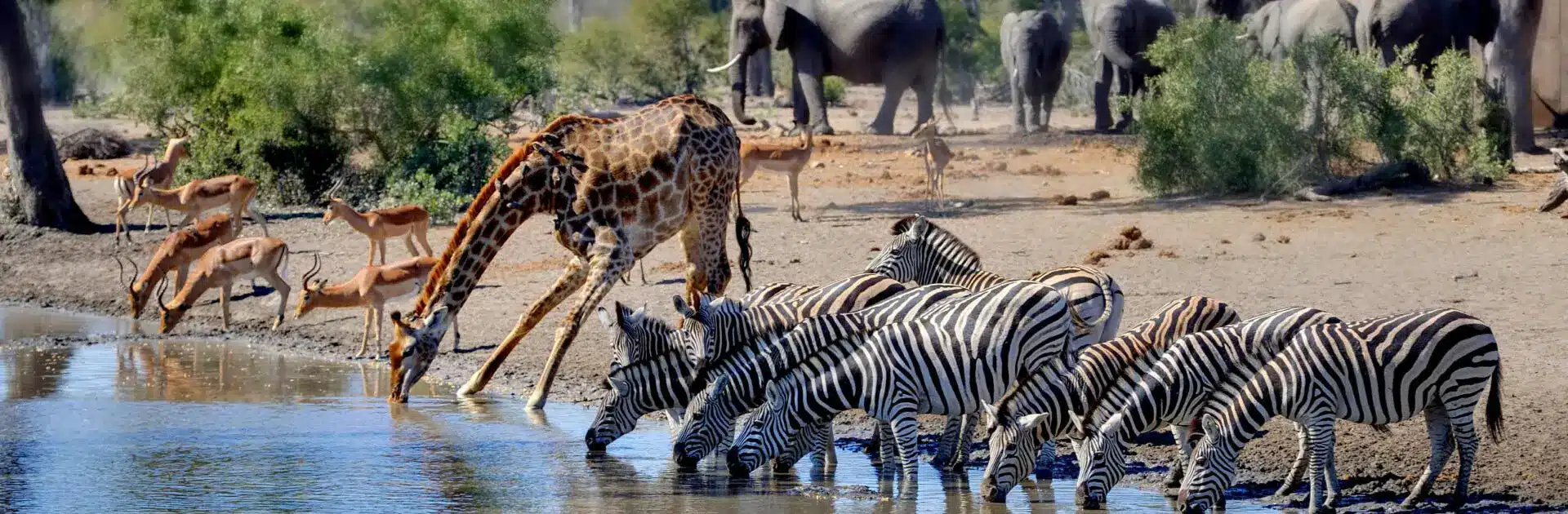
What accumulates over two to three hours is not a sequence of sightings but a working knowledge of the landscape: a lion pride located by tire tracks, an elephant feeding along a dry riverbed, and impala behavior that signals something larger nearby. Each encounter informs the next, and a skilled guide reads these connections in real time.
The drive is structured for two people moving through the same sightlines at the same pace, which concentrates your attention in a way that larger group drives do not.
The Unexpected Stop
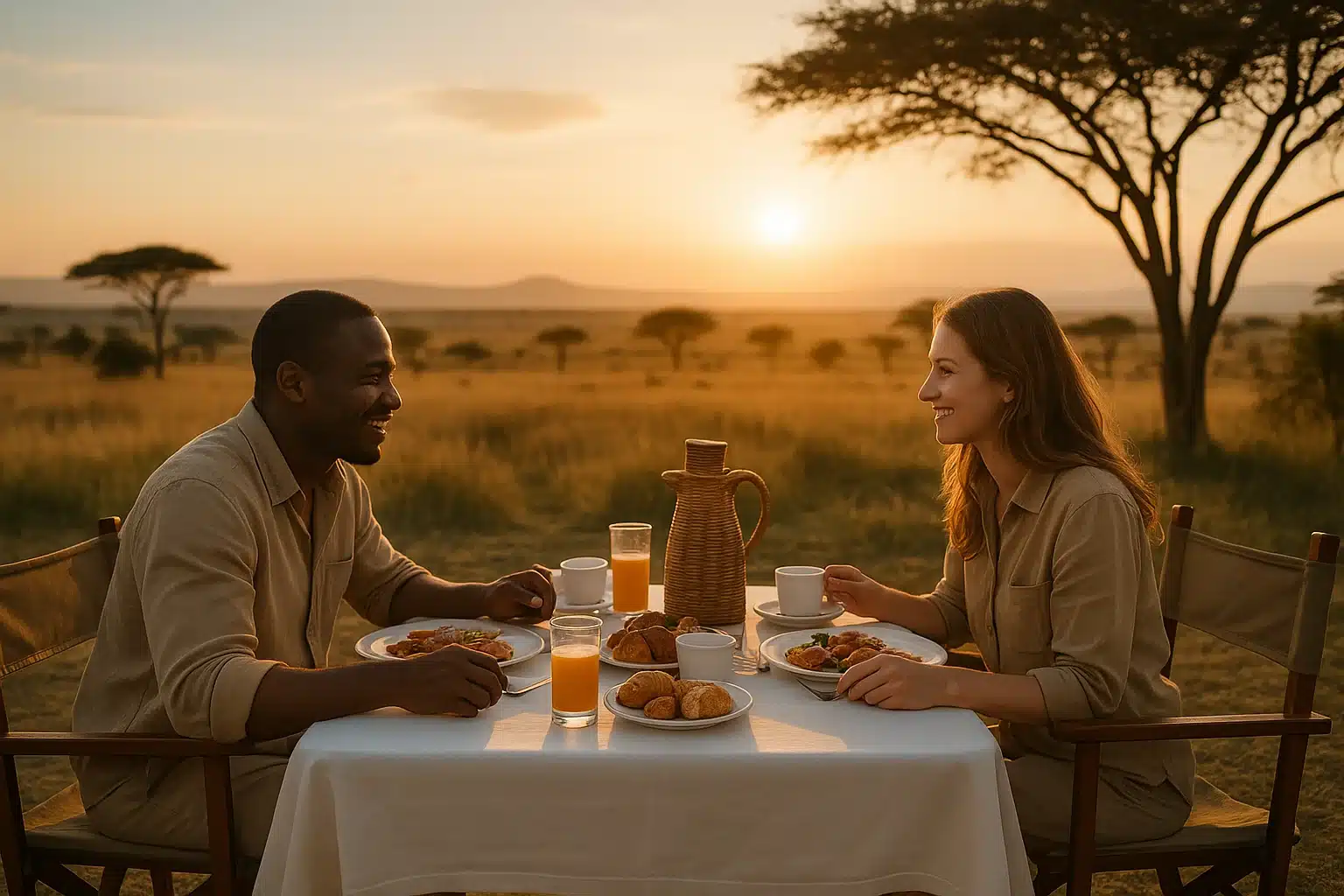
The vehicle leaves the track without announcement, and a clearing opens onto a setup already in place: a folding table dressed with linen, proper crockery, a cafetière, sliced fruit, and warm pastries arranged on boards. The location is chosen for a reason, usually a riverbank, a rocky outcrop, or a treeline with an unobstructed view across open ground.
What registers first is the contrast between the wildness of the setting and the formality of the table within it, a deliberate choice rather than an accident of logistics. This is not a tailgate spread or a cooler box, and the effort involved in placing it there before you arrive is part of what the moment communicates.
The stop itself is short by design. You eat standing or seated, depending on the setup, before the drive resumes and the heat builds, and that brevity is structural rather than incidental. It gives the pause a defined weight without letting it drift into something else.
Sitting Still While the Bush Moves
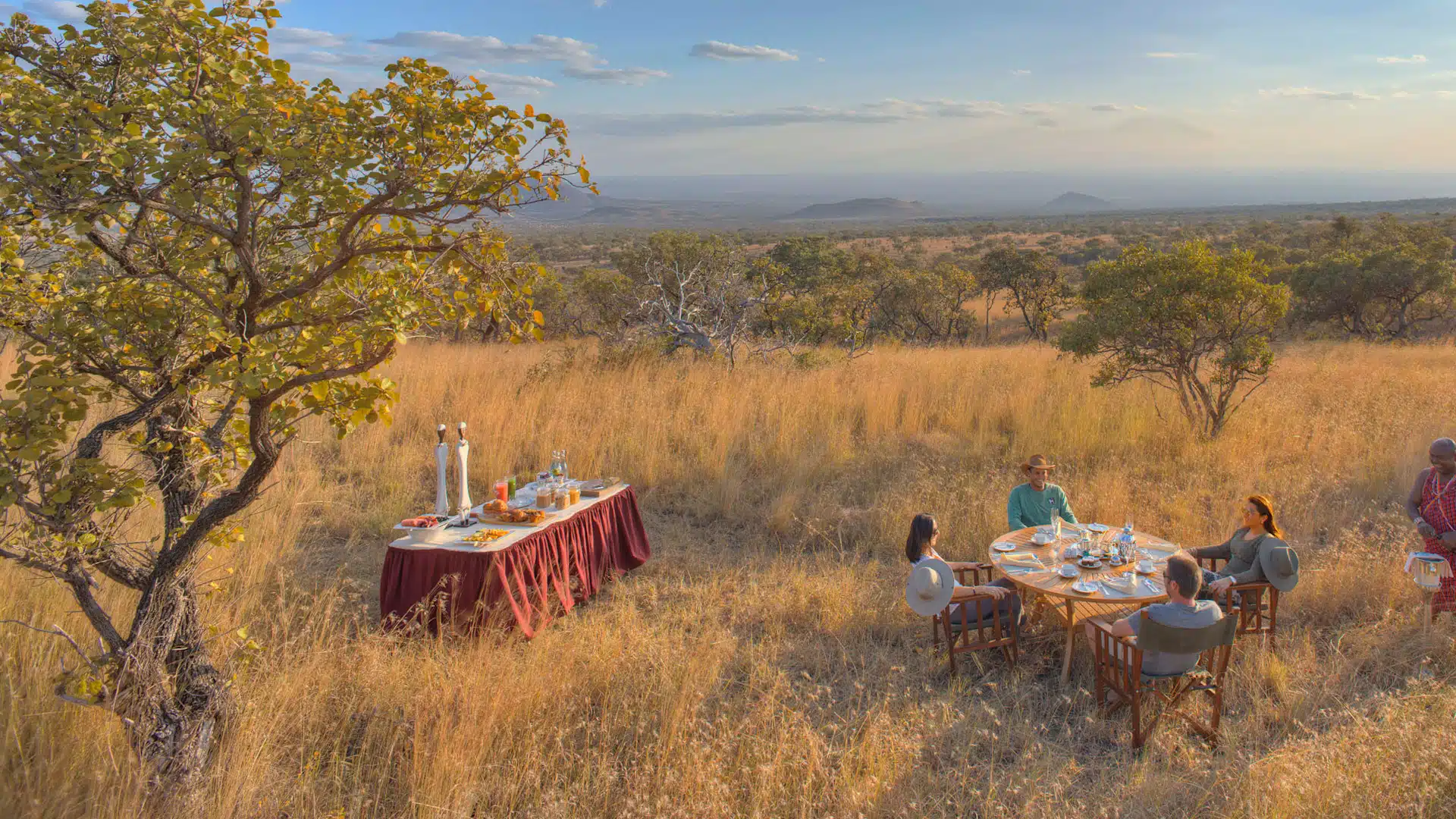
The game drive is structured around movement: tracking, scanning, and repositioning. The breakfast stop reverses that logic entirely. You are stationary, and the reserve continues around you. Birds that ignored the vehicle become visible at close range. Impala graze within sight.
This shift in dynamic changes what you notice. On the vehicle, your attention follows the guide. At the table, it disperses. The warming light alters the colour of the grass. A hornbill lands nearby. A distant alarm call from a francolin signals something moving beyond the treeline. None of this is curated. It is the ordinary rhythm of the reserve, made legible by stillness.
The breakfast itself is secondary to the position it places you in. Sitting at ground level, without the elevation of the vehicle, recalibrates your relationship to the landscape. For a contained period, you are part of its texture rather than passing through it.
The Luxury of Timing
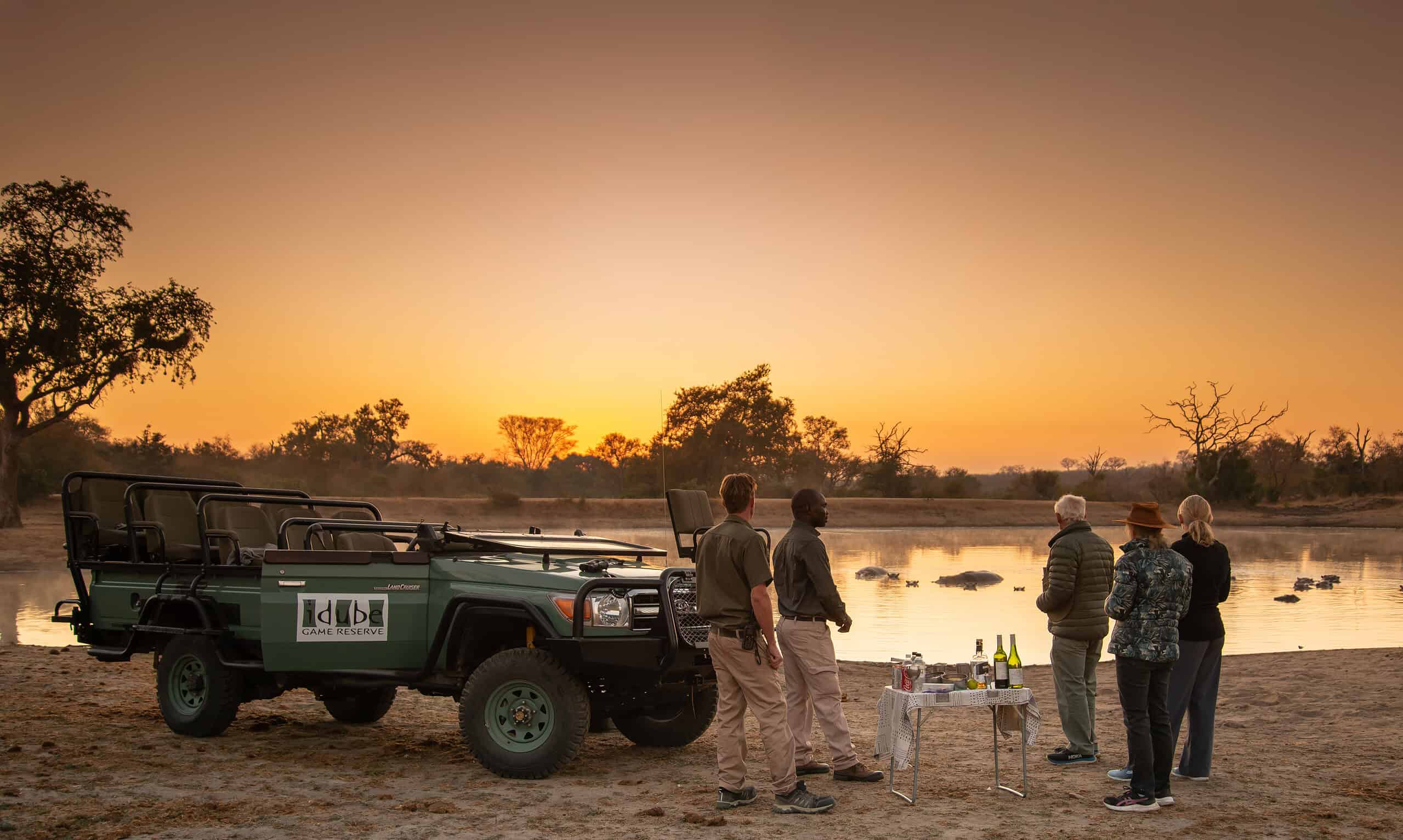
The bush breakfast works because of when it happens. By 07:00 or 08:00, the reserve is already shifting. Animals that were active at first light begin to move into shade. The window for meaningful wildlife sightings narrows, and the landscape becomes less permeable. The breakfast sits precisely at the point where the drive naturally closes, making use of a transition that would otherwise go to waste.
Privacy at this hour is structural, not incidental. Most reserves limit vehicle numbers in the field, and a breakfast site is typically positioned away from main roads and lodge infrastructure. By midday, the same location would be exposed and ecologically quiet.
The value here is not material. It is the alignment of timing, access, and ecological rhythm into a single, unrepeatable interval, one that does not happen by chance and does not hold for long.
How We Arrange It
Private bush breakfasts are offered by lodges operating within private concessions bordering or overlapping Kruger National Park, including areas such as Sabi Sand, Timbavati, and Klaserie. These concessions allow vehicles to leave designated roads and stop in open terrain, which is what makes a seated breakfast in the bush legally and logistically possible. Lodges within the national park boundary itself operate under stricter SANParks regulations and rarely offer this format.
The experience is typically available at five-star and boutique lodge levels, where guiding teams and kitchen staff coordinate the setup as part of the morning drive itinerary. At some properties it is reserved for honeymoon packages or suite-level bookings; at others it requires advance notice to arrange.
Seclusion varies by property and concession size. Larger private reserves with lower lodge density offer more flexibility in choosing a remote setting, and the quality of the experience depends significantly on the lodge’s guiding team and how the morning is structured from the outset.
Plan your own version of this journey
Speak to Do Not Disturb’s luxury travel experts and turn this moment into something personal.
Related destinations
Suggested articles
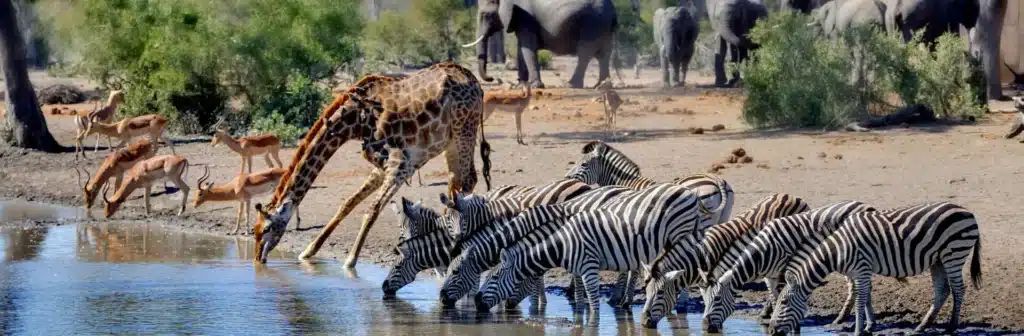
The Best Time to Visit Kruger for Wildlife, Weather and Fewer Crowds
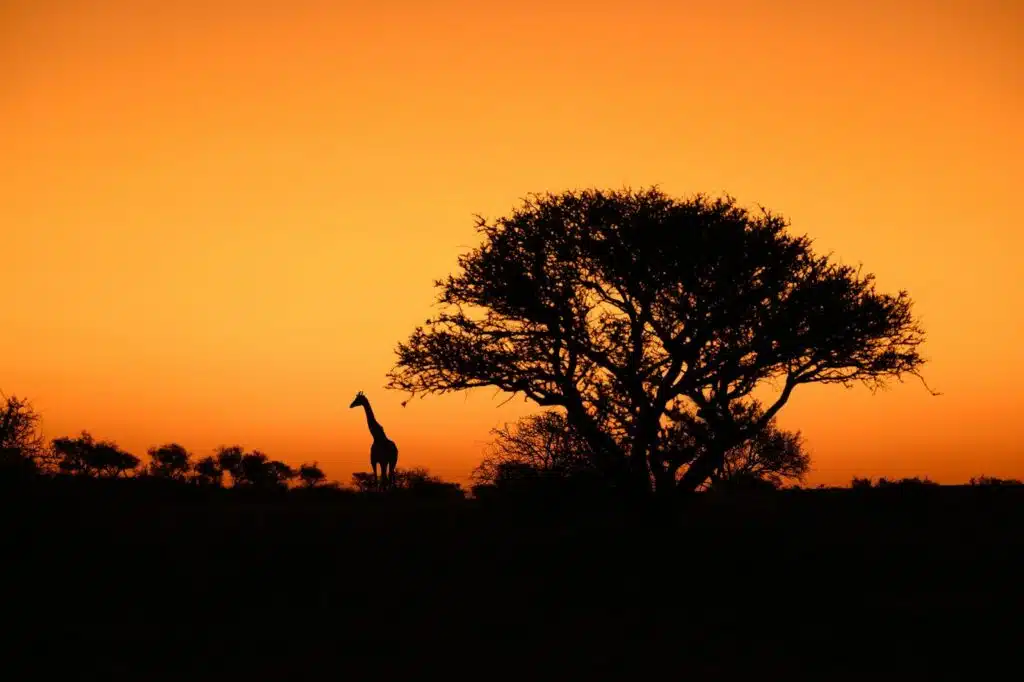
Kruger for First-Time Safari Travellers: What Nobody Tells You Before You Go
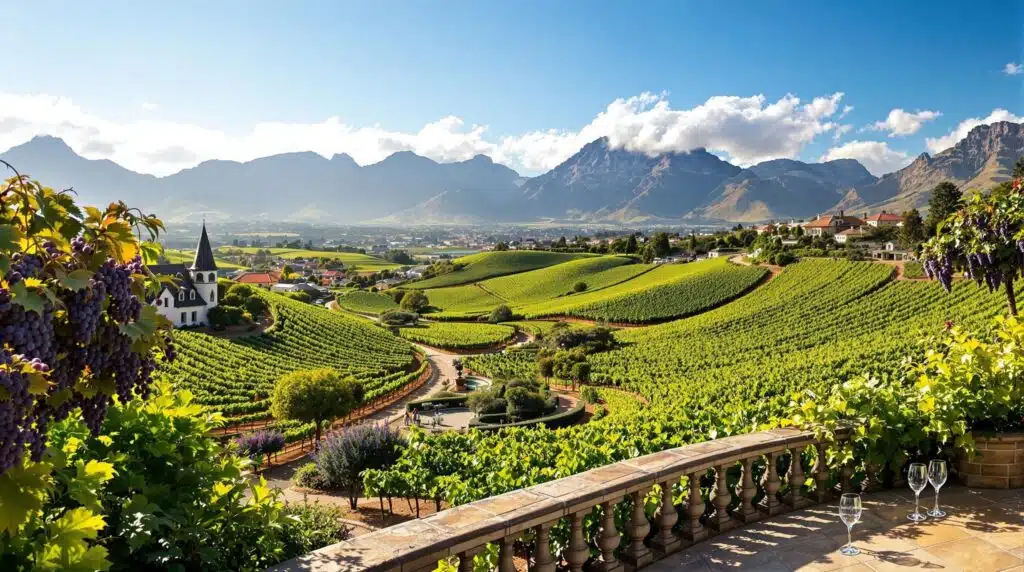
Beyond Wine Tastings: How to Spend Three Days in the Cape Winelands
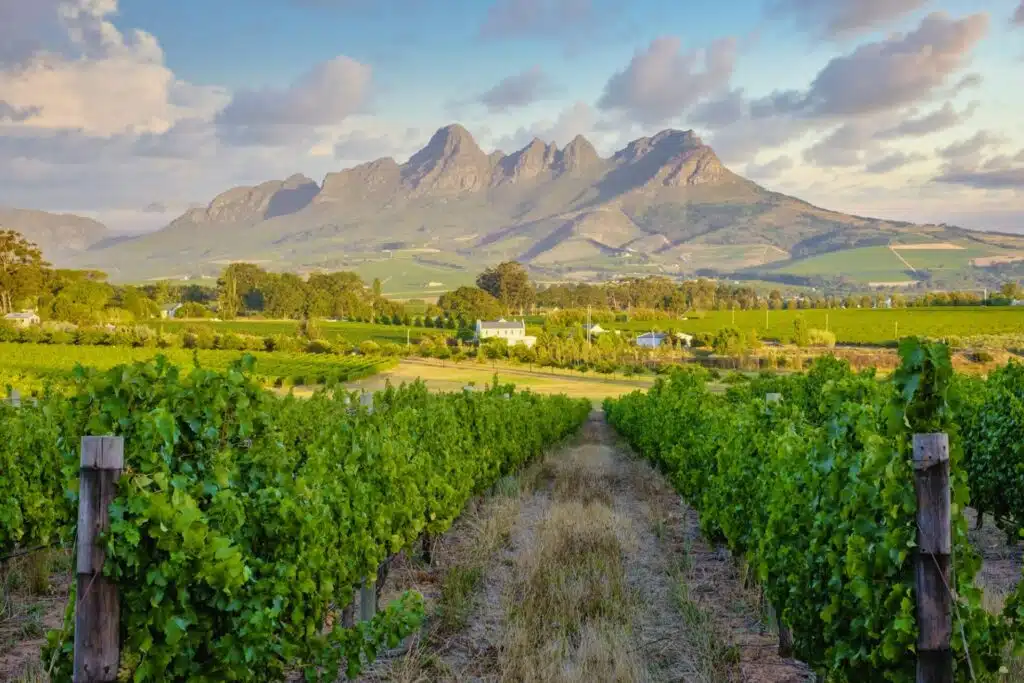
Stellenbosch or Franschhoek? Where to Stay in the Cape Winelands
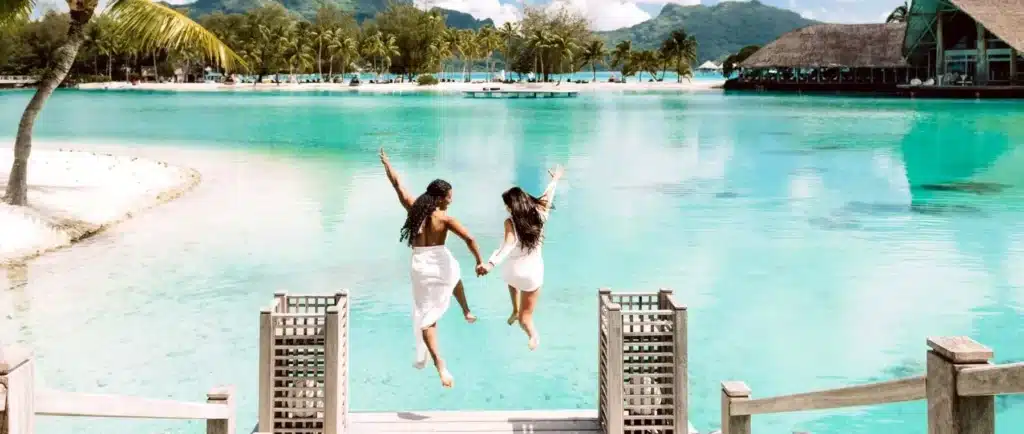
The Best Honeymoon Destinations for LGBTQ+ Couples
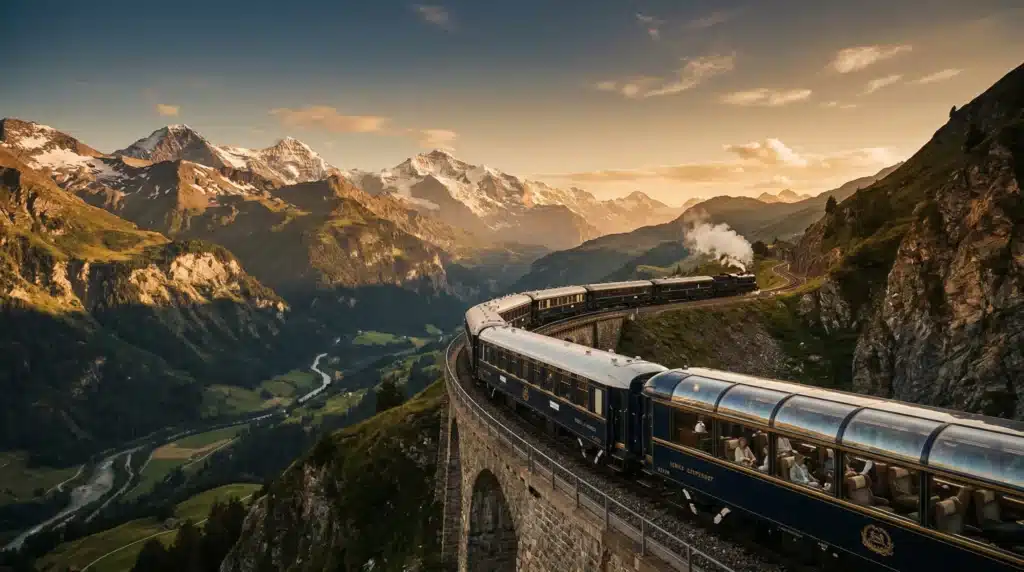
The Most Romantic Train Journeys for a Slow Honeymoon
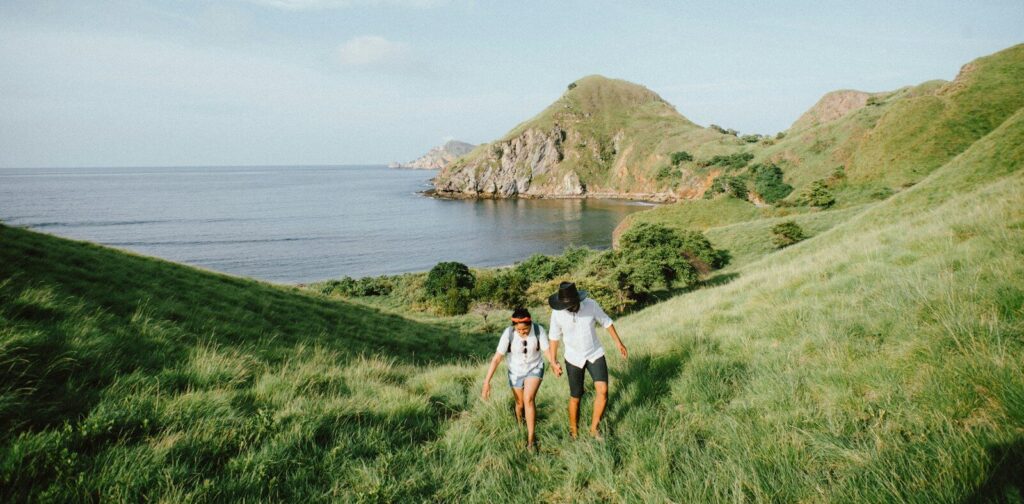
Where to Go On Honeymoon? A Guide to Help You Choose

Okavango Delta vs. Kruger National Park: Which Safari Is Right for You?
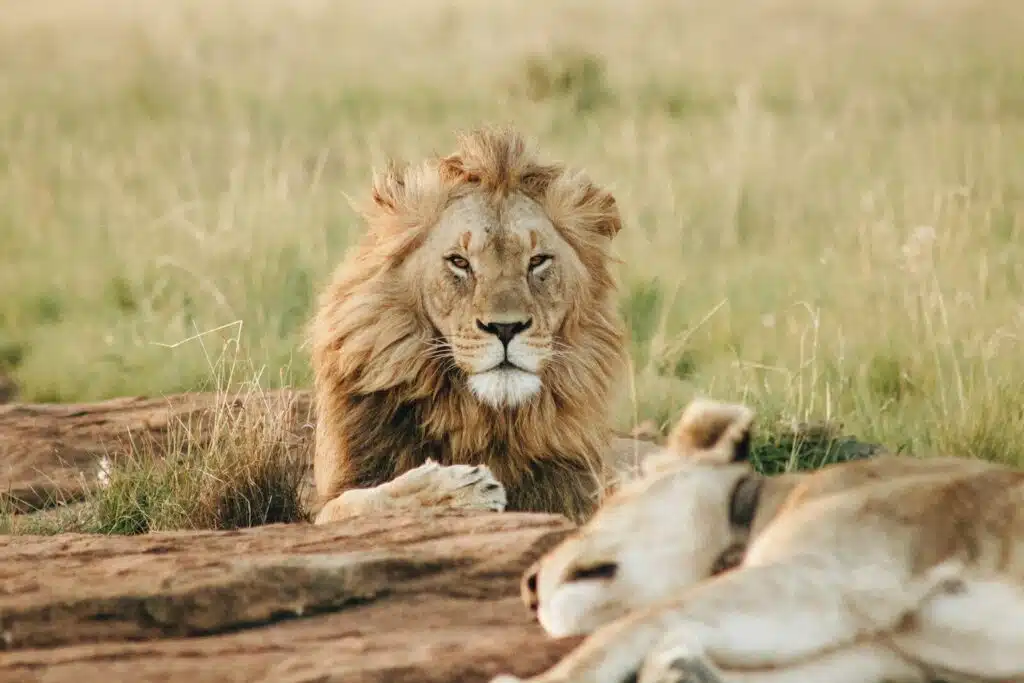
Plan Your South Africa Honeymoon

Safari Without the Crowds: How to Choose the Right Reserve

Malaria-Free Safaris in South Africa, Namibia & Botswana

Best Luxury Hotels in the Cape Winelands
Cairo for Luxury Travellers: Pyramids, Palaces & Grand Hotels