



10 days
|$9195

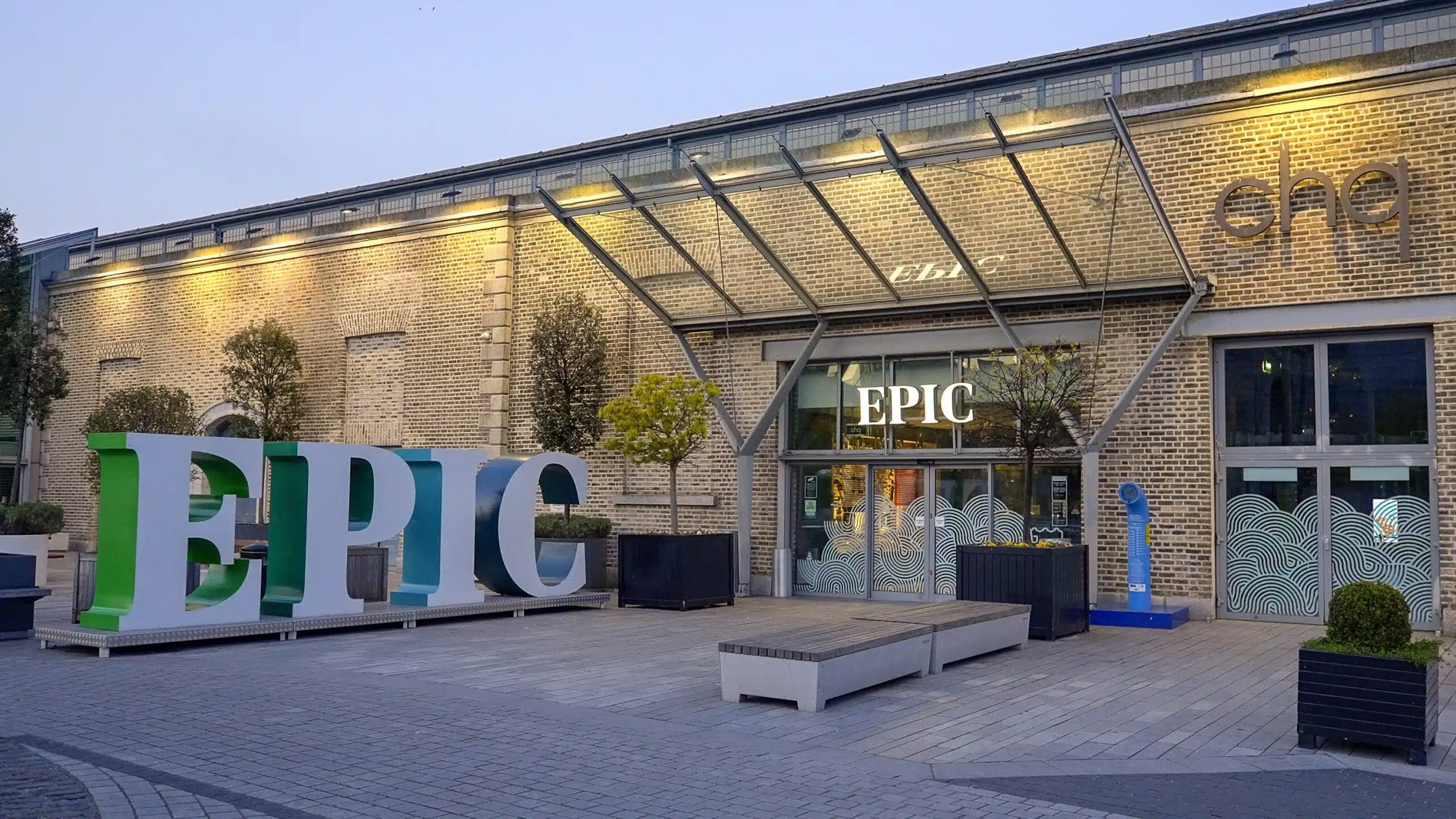
EPIC The Irish Emigration Museum sits in the stone vaults of the CHQ building on Custom House Quay, a short walk from O’Connell Street. Twenty interactive galleries tell the story of the 10 million Irish people who left Ireland over the centuries, the countries they went to and the world they shaped. Voted Europe’s Leading Tourist Attraction and one of the highest-rated experiences in Dublin.
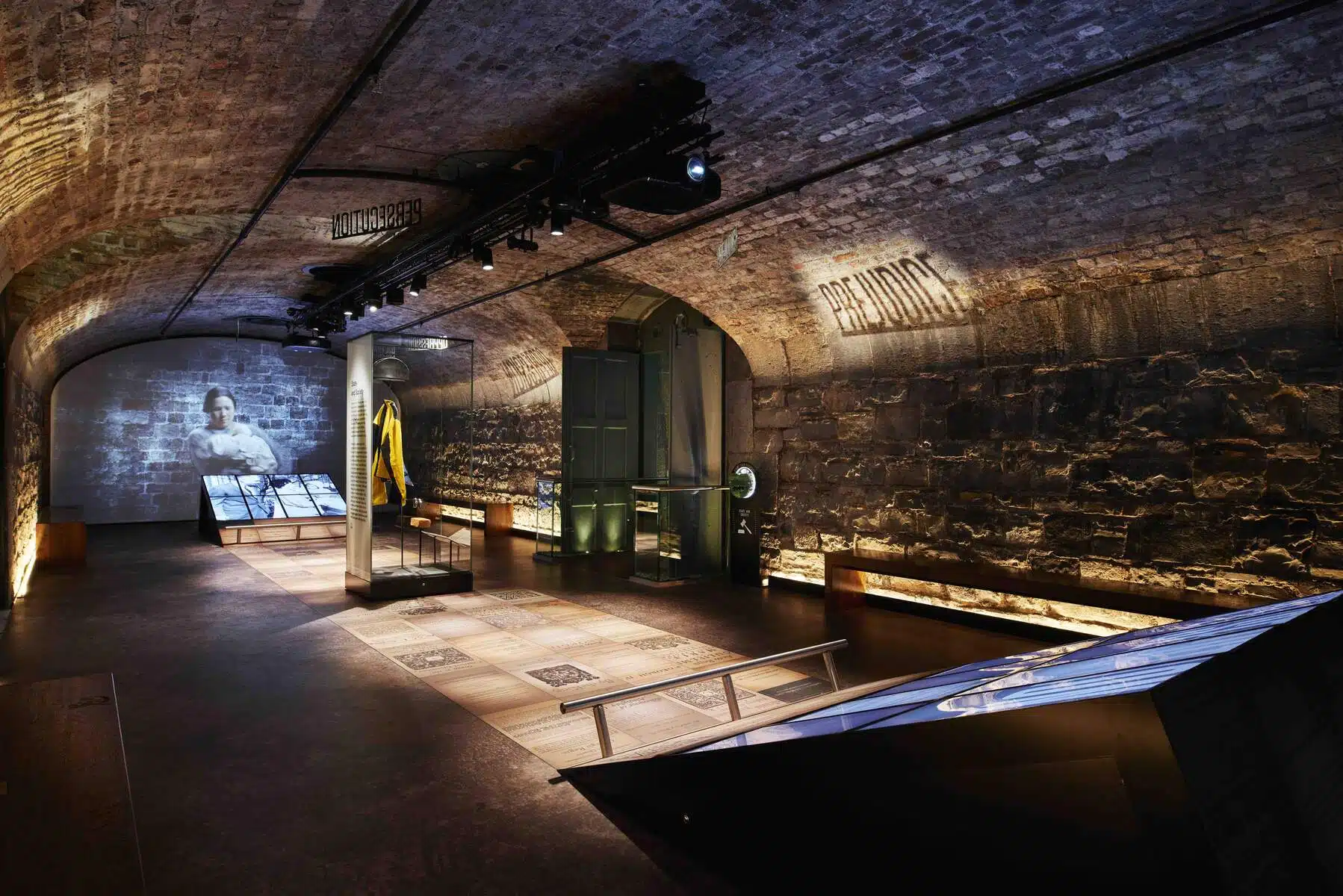
The entrance is in the vaulted basement of the CHQ building, a former tobacco and wine warehouse built in 1820 on the banks of the Liffey. The building’s age and the weight of its stone ceilings give the museum a physical context that a purpose-built visitor centre could not manufacture.
Every visitor receives a small green passport on arrival, stamped at each gallery as they move through. The passport reflects the shape of the experience: a journey with a fixed sequence from departure to legacy.
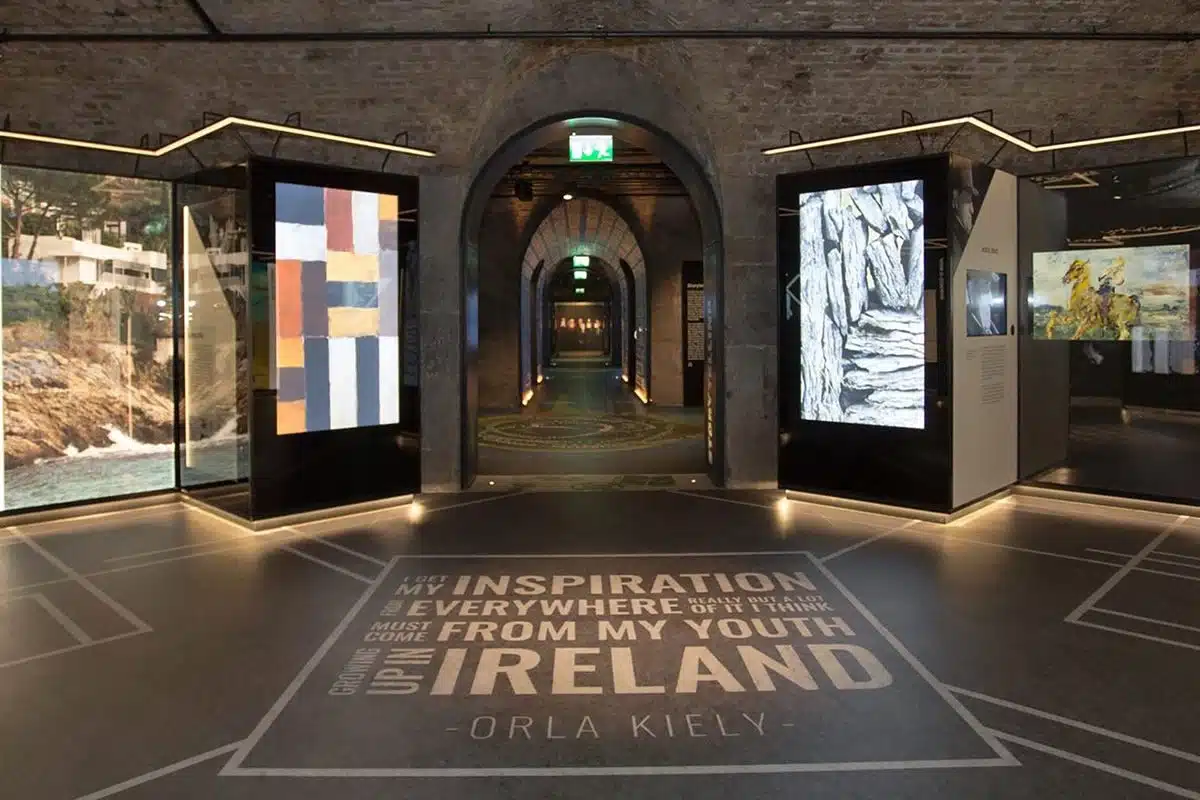
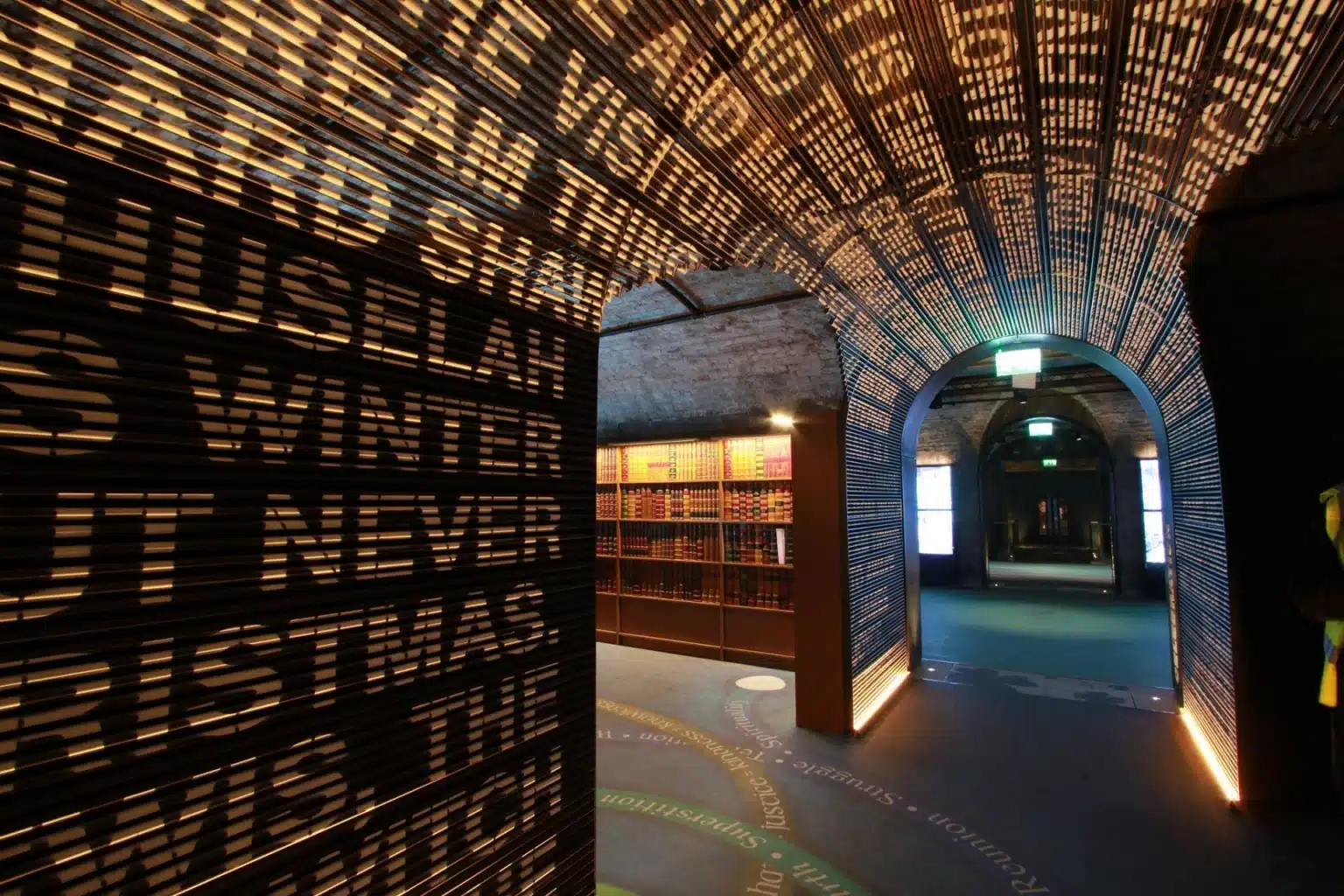
The approach is entirely interactive, with very few physical artefacts. The museum works through screens, projections, audio recordings, motion sensors and immersive installations that bring individual stories into the foreground rather than presenting history as a series of dates and names.
The guided tour, available daily at 1pm Monday to Friday, covers the full sequence in around an hour with an expert guide whose knowledge gives each gallery considerably more depth than the self-guided route alone.
Do Not Disturb is a luxury travel company specializing in carefully designed journeys and considered experiences. Each itinerary we build for our clients is informed by real destination knowledge, offering insight into places, cultures, and moments that shape how a trip comes together.
If this destination has sparked ideas, the itinerary can be developed into a private journey tailored to your interests and travel style, with hand-picked stays, thoughtful routing, and experiences curated around what matters most to you.
Ireland has approximately 5 million people living within its borders. Around 70 million people across the world claim Irish heritage. That ratio is the result of centuries of emigration driven by famine, poverty, conflict, religious persecution, political exile and, more recently, economic necessity and the simple desire for a different life.
The story begins before the Famine. Irish people were leaving the island in significant numbers long before 1845, driven by the failed rebellions of 1798 and 1803, by the Penal Laws that made Catholic life in Ireland legally constrained, and by the poverty of a rural economy that could not support its population. The Famine years between 1845 and 1852, in which one million people died and another million left, accelerated a process already well underway.
What followed over the next 150 years was one of the most sustained dispersals of a single national population in modern history. The Irish went to the United States, Britain, Australia, Argentina and Canada, building railroads, staffing hospitals, shaping politics and writing literature in countries that were often hostile to their arrival.
The museum covers the full range of that story without sentimentality or simplification. The Famine is given its own gallery. The Magdalene Laundries are addressed directly. Ireland’s transformation from one of the most socially conservative countries in Europe to the first in the world to legalise same-sex marriage by popular vote is examined in a dedicated gallery.
10 days
|$9195
10 days
|$7795
The self-guided route takes around 90 minutes and is well-designed for independent visitors. On busy days, however, the early galleries can become congested, and the fixed sequence means there is no opportunity to linger in the sections that matter most without falling behind the general flow.
A guided visit covers the same galleries with a layer of personal and historical context that the interactive displays cannot provide. The guides are trained specialists, and the one-hour session is structured around discussion and storytelling rather than moving a group from screen to screen.
For visitors with Irish heritage tracing a specific emigration wave, or for those wanting to understand the political and social forces behind the departures, the guided format creates space for questions and connections that the self-guided experience does not.
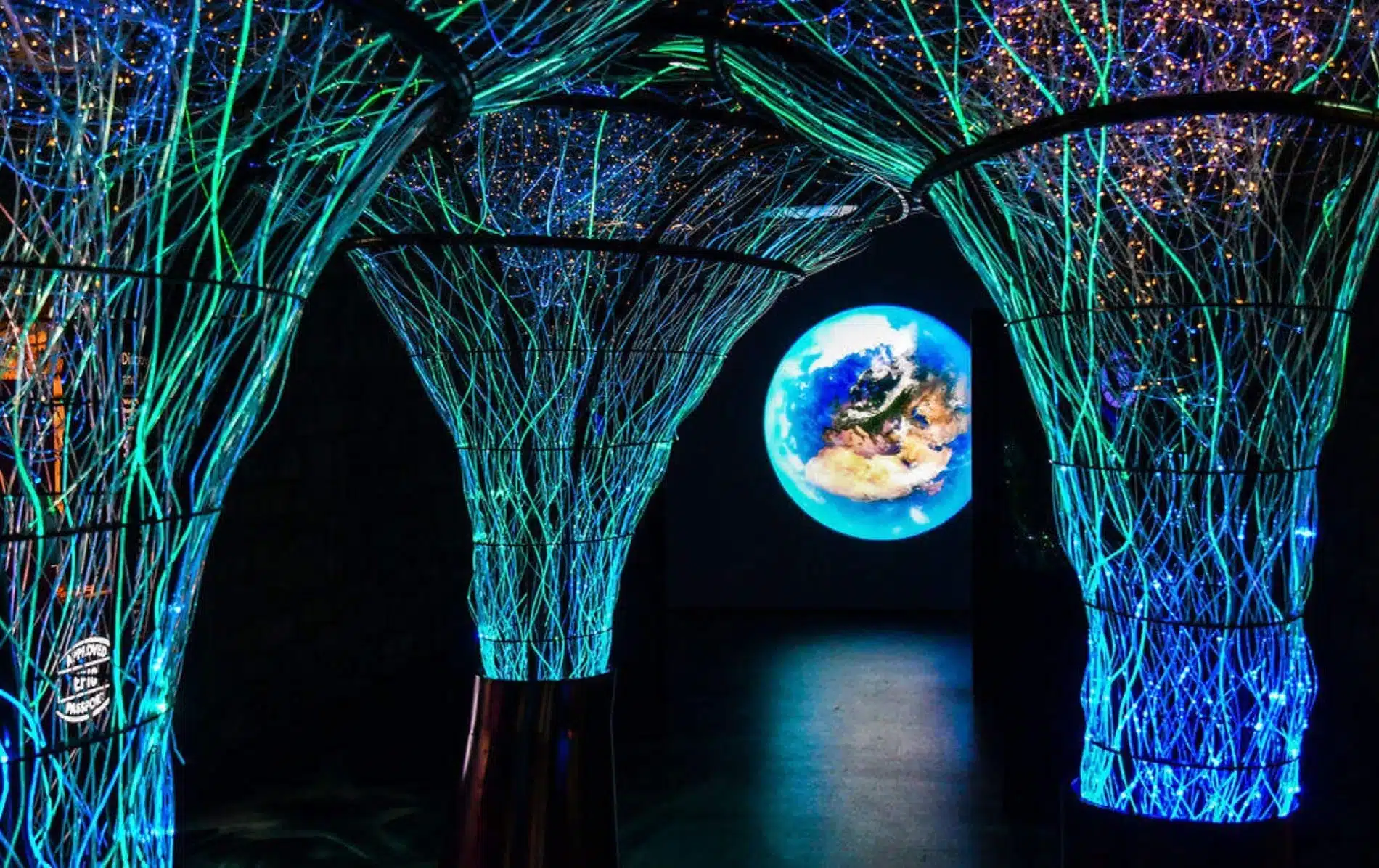
The galleries move from the reasons for leaving through the experience of emigration itself to the communities and contributions of the Irish abroad. The first three galleries address the motivations of emigration: the push factors that drove people out and the pull factors that directed them toward specific destinations.
Galleries four through seven examine the forces that shaped different waves of emigration: religious belief, political conflict, economic necessity and state intervention. The Famine gallery is the most immersive section, with a darkened room, sound design and first-person accounts drawn from letters and diaries of the period.
Galleries eight through eighteen trace the Irish influence across the world: in American politics, where more than twenty US presidents have claimed Irish ancestry; in Australian culture, where the Irish made up a significant proportion of the early settler population; in the British National Health Service, staffed heavily by Irish nurses and doctors throughout the 20th century; and in the arts, where writers, musicians and filmmakers of Irish descent have defined the cultures of their adopted countries.
The final galleries address the modern Irish diaspora, the changing nature of Ireland as a destination for immigration rather than solely a source of emigration, and what Irish identity means today.
Do Not Disturb arranges visits to EPIC as part of a wider Dublin itinerary, with advance booking secured to take advantage of the 20 percent discount available for tickets booked 30 days ahead.
Private guided visits outside the standard 1pm tour can be arranged with a specialist guide for guests wanting a more personal experience.
The Jeanie Johnston, the replica Famine ship moored directly outside the CHQ building, and the Irish Family History Centre on site can both be incorporated for guests wanting to extend the visit.
Ready to plan your visit to EPIC The Irish Emigration Museum in Dublin? Speak with Do Not Disturb to begin your journey.
Speak to Do Not Disturb’s luxury travel experts and turn this moment into something personal.
Related destinations
Suggested articles



Tell us how you want to feel, we’ll take it from there.
“Our trip was truly magical and full of core memories that will last us a lifetime.”
Michael • Bora Bora Honeymoon

“We just returned from an incredible journey through Ireland, and we couldn’t have had a better experience”
Brad • Ireland Adventure
“This was a flawless experience. They took all our thoughts and perfectly curated the most beautiful honeymoon.”
Kris • Sicily Honeymoon
Our team brings over 35 years of experience in luxury travel, shaping bespoke journeys for discerning clients worldwide. The reviews below reflect the trust placed in us and the experiences we continue to create.
See more reviews on Trustpilot
 5 min read
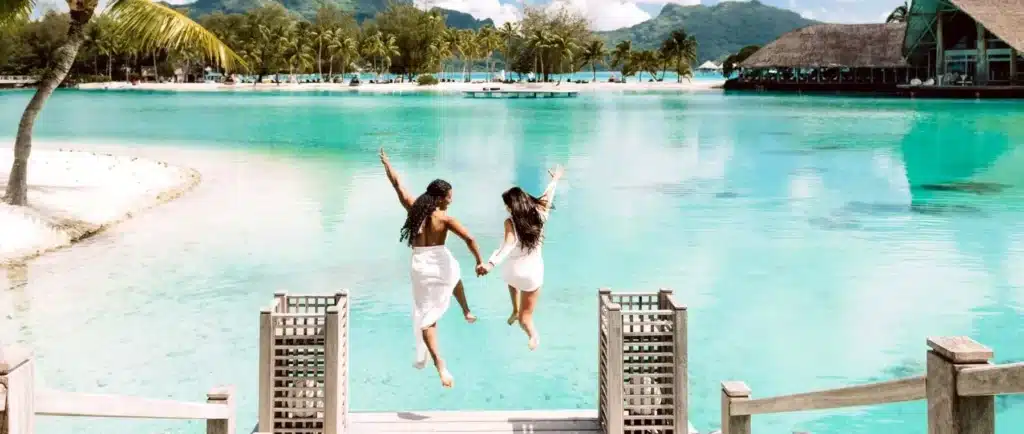
Choosing a honeymoon destination as an LGBTQ+ couple requires more than a shortlist of scenic hotels: it demands a clear-eyed assessment of legal protections, local attitudes, and the kind of welcome that holds up beyond the lobby. This guide moves through six destinations with that standard in mind, weighing romance against reality so you can […]
 5 min read
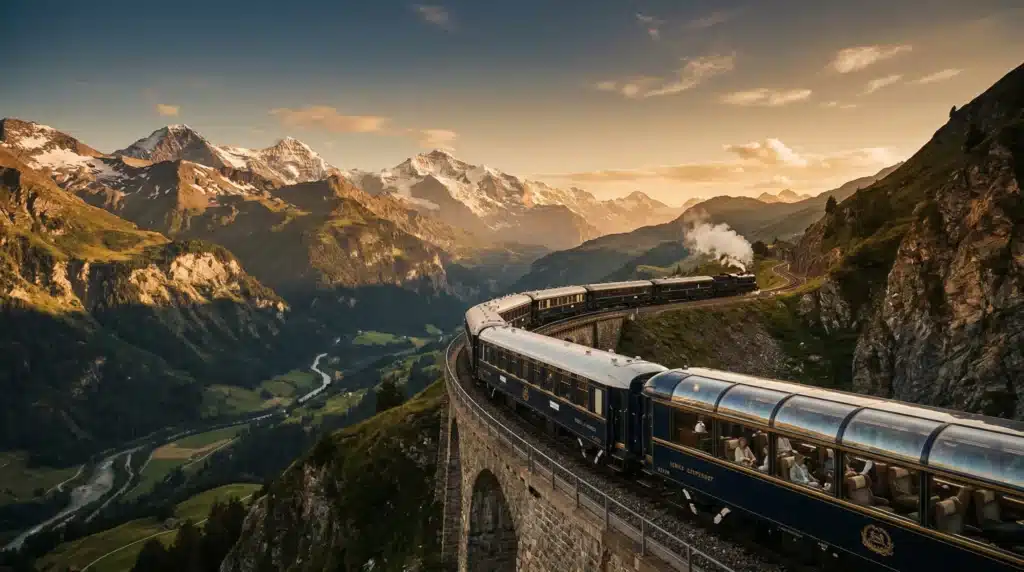
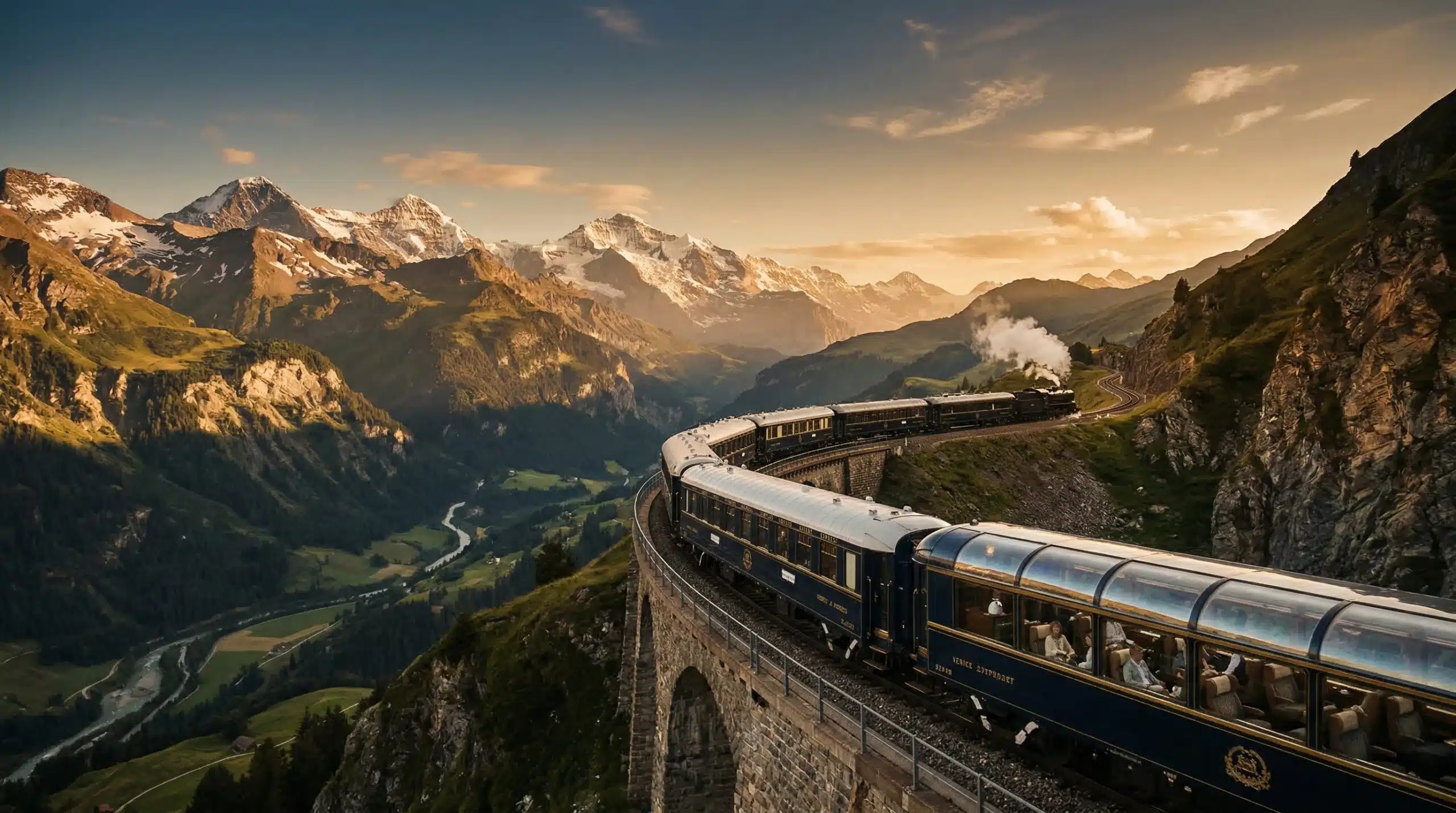
Rail travel offers honeymooners something that flights cannot: the journey itself as a destination, measured in landscapes rather than hours. These routes, spanning Scotland, Switzerland, South Africa, and Southeast Asia, are built around storied long-distance trains and hotel stays chosen to match the slower pace.
 5 min read
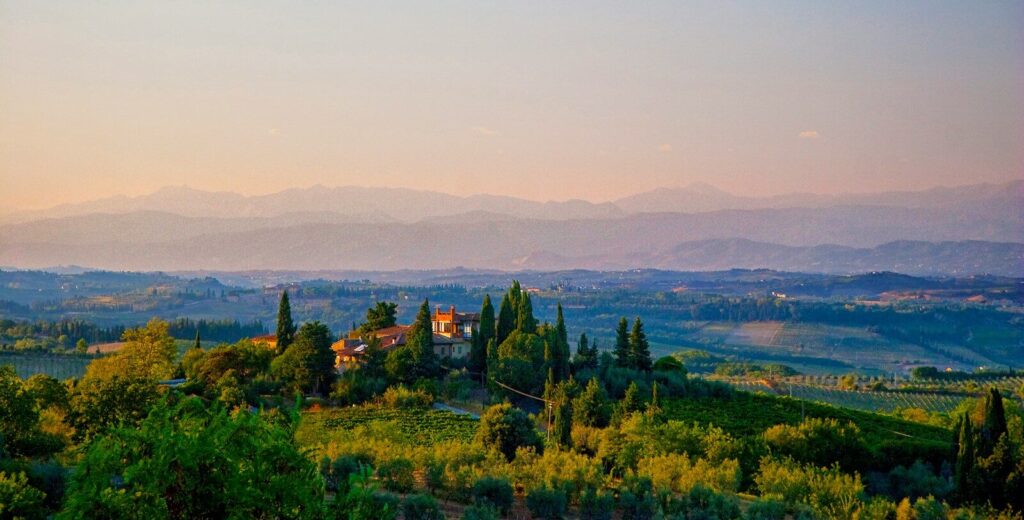
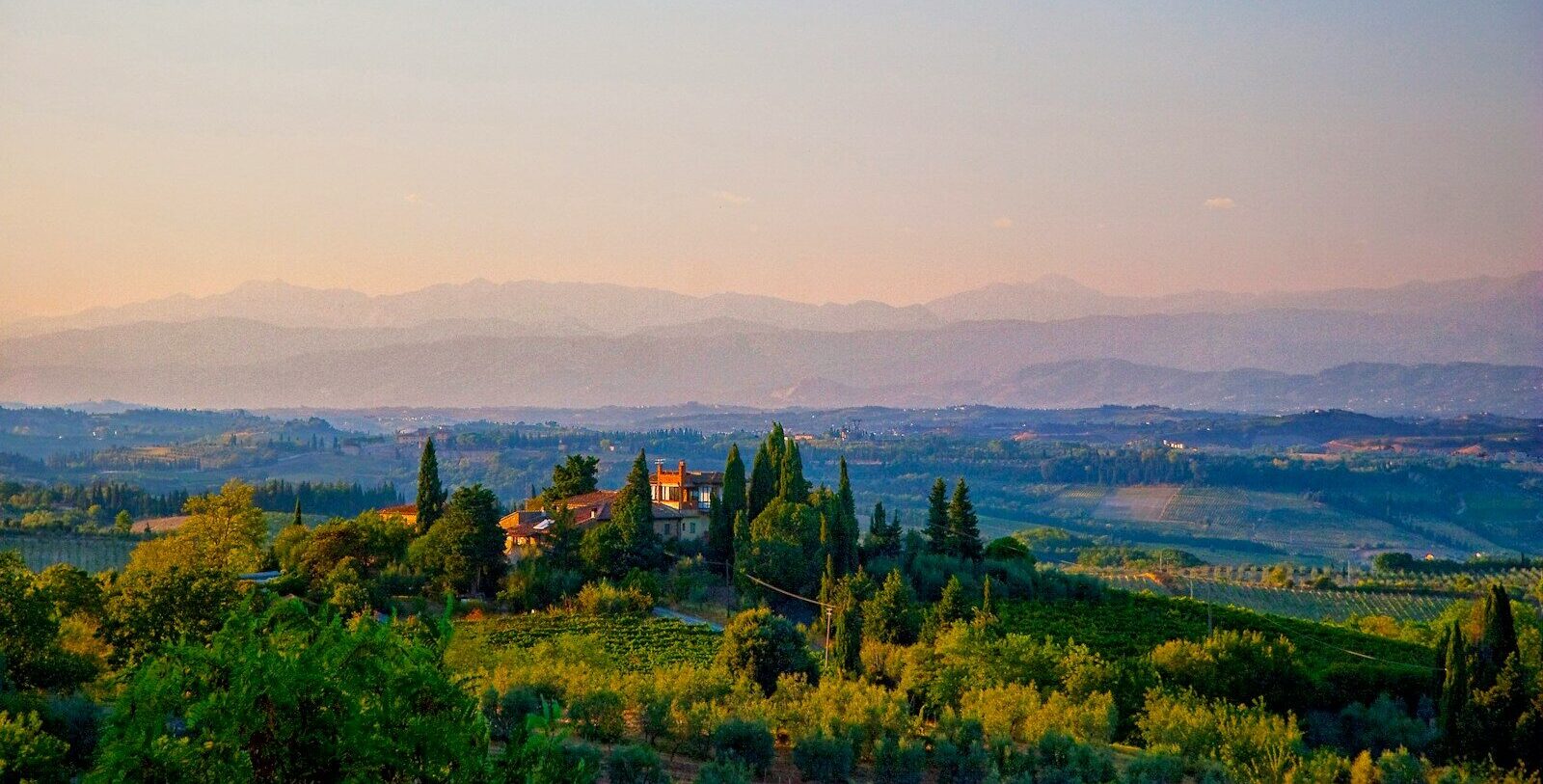
Chianti’s landscape of cypress-lined ridges, fortified wine estates, and medieval villages has long attracted travelers seeking something more considered than a hotel stay. Here, a villa is not an amenity but the destination itself.
 5 min read
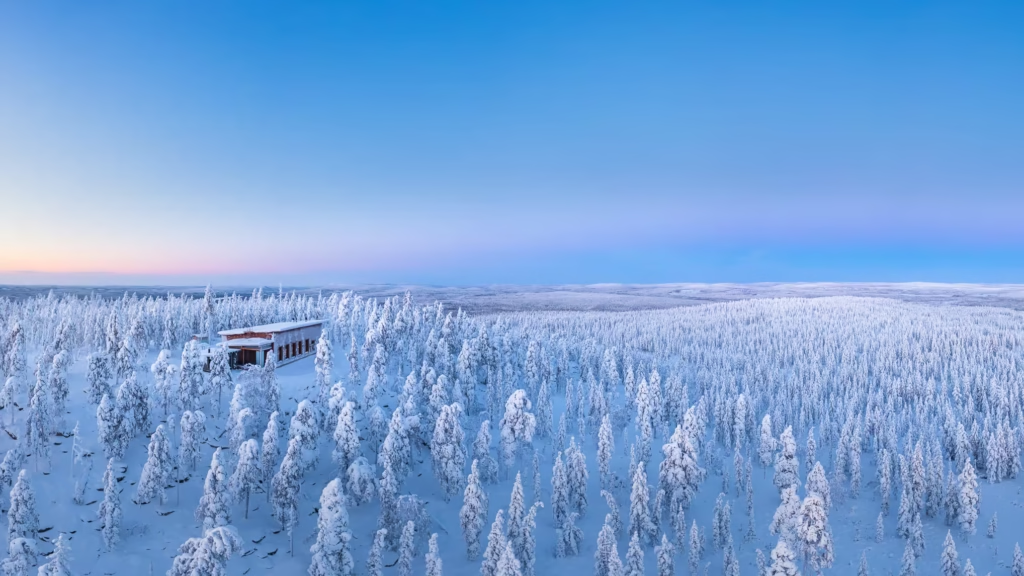
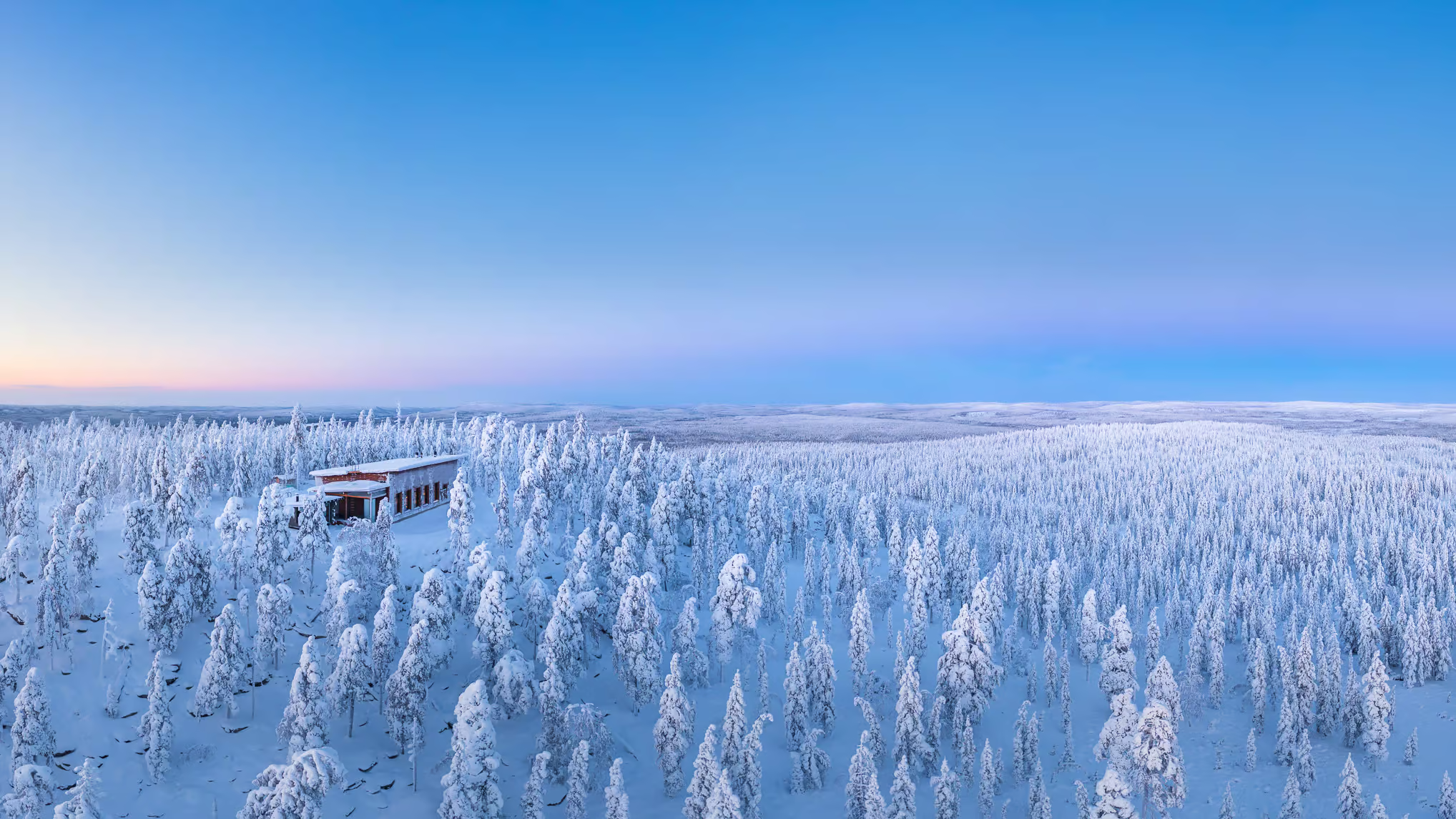
Finnish Lapland sits at the northern edge of Europe, where winter darkness settles across vast forests and frozen lakes, and the Northern Lights move across the sky, watched by those lucky enough to notice them. The region’s finest hotels have been designed around that reality, placing guests in direct contact with the landscape rather than […]
Planning your trip should feel effortless.
You share what matters, whether it’s a destination, a feeling, or a moment worth celebrating.
Your dedicated expert shapes a thoughtful, private itinerary tailored entirely around you.
Every detail handled. Every moment considered. Support before, during, and after your journey.

Answer a few quick questions and we’ll craft a journey as unique as your state of mind.
Ask us anything.
