

On this page
Ireland offers honeymooners something increasingly rare in luxury travel: genuine seclusion, layered history, and landscapes that shift from dramatic coastline to soft inland countryside within a single afternoon’s drive. This guide covers the experiences that define a considered Irish honeymoon – castle stays, scenic rail journeys, coastal routes, spa retreats, and the kind of private, unhurried moments that make the country worth returning to.
Checking In: Luxury Castle and Manor Stays
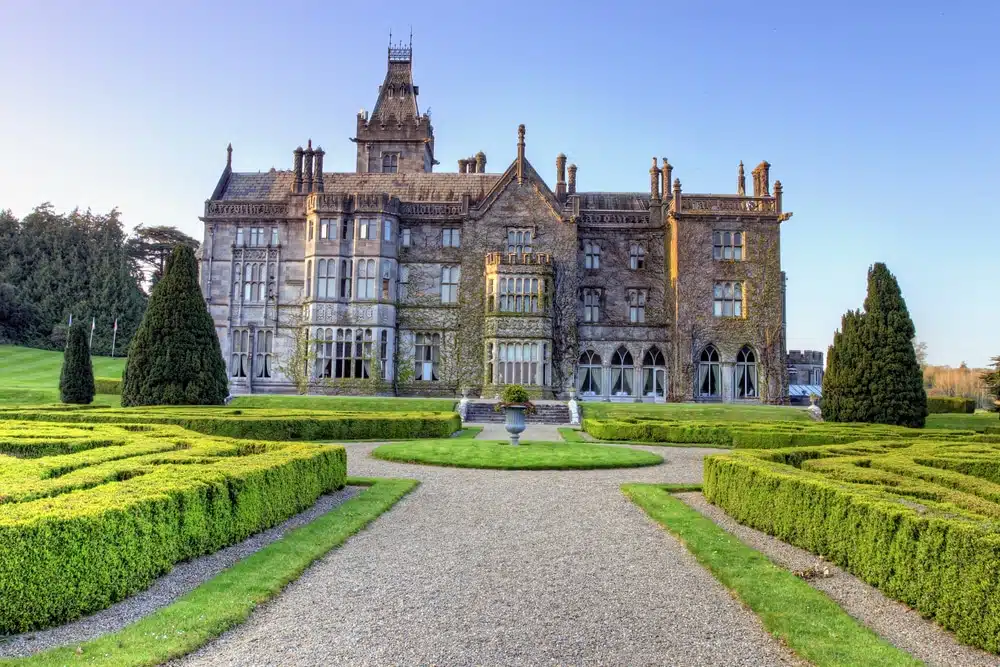
Ireland’s castle hotels range considerably in quality. Properties like Ashford Castle in County Mayo and Dromoland Castle in County Clare represent the upper tier — both are operational estates with structured service, extensive grounds, and accommodation that reflects genuine restoration rather than cosmetic conversion. The distinction matters: a building’s age does not determine the quality of the guest experience.
What separates an estate stay from a mid-range hotel in a historic shell is operational depth — dedicated staff-to-guest ratios, estate-based activities managed in-house, and continuity of service across the stay. Several of our handpicked Irish properties also offer exclusive-use arrangements, which are particularly relevant for honeymooners seeking privacy without the constraints of a standard hotel environment.
Manor properties outside the castle category — particularly in Kerry, Wicklow, and the west — often provide comparable service standards with smaller guest numbers. These tend to operate through curated networks rather than direct public booking, and the quality of access reflects that.
The Long Way Around: Driving the Wild Atlantic Way
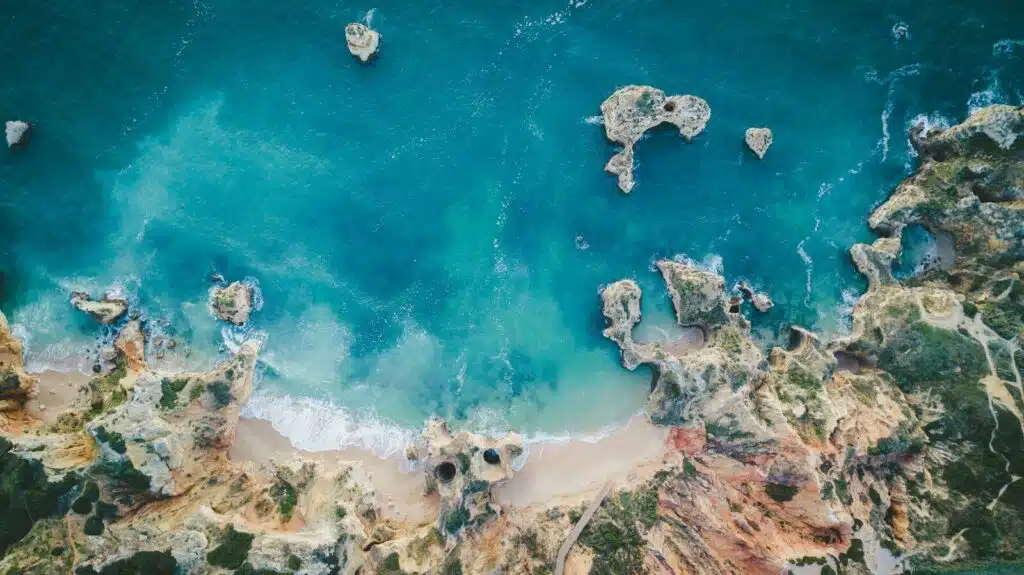
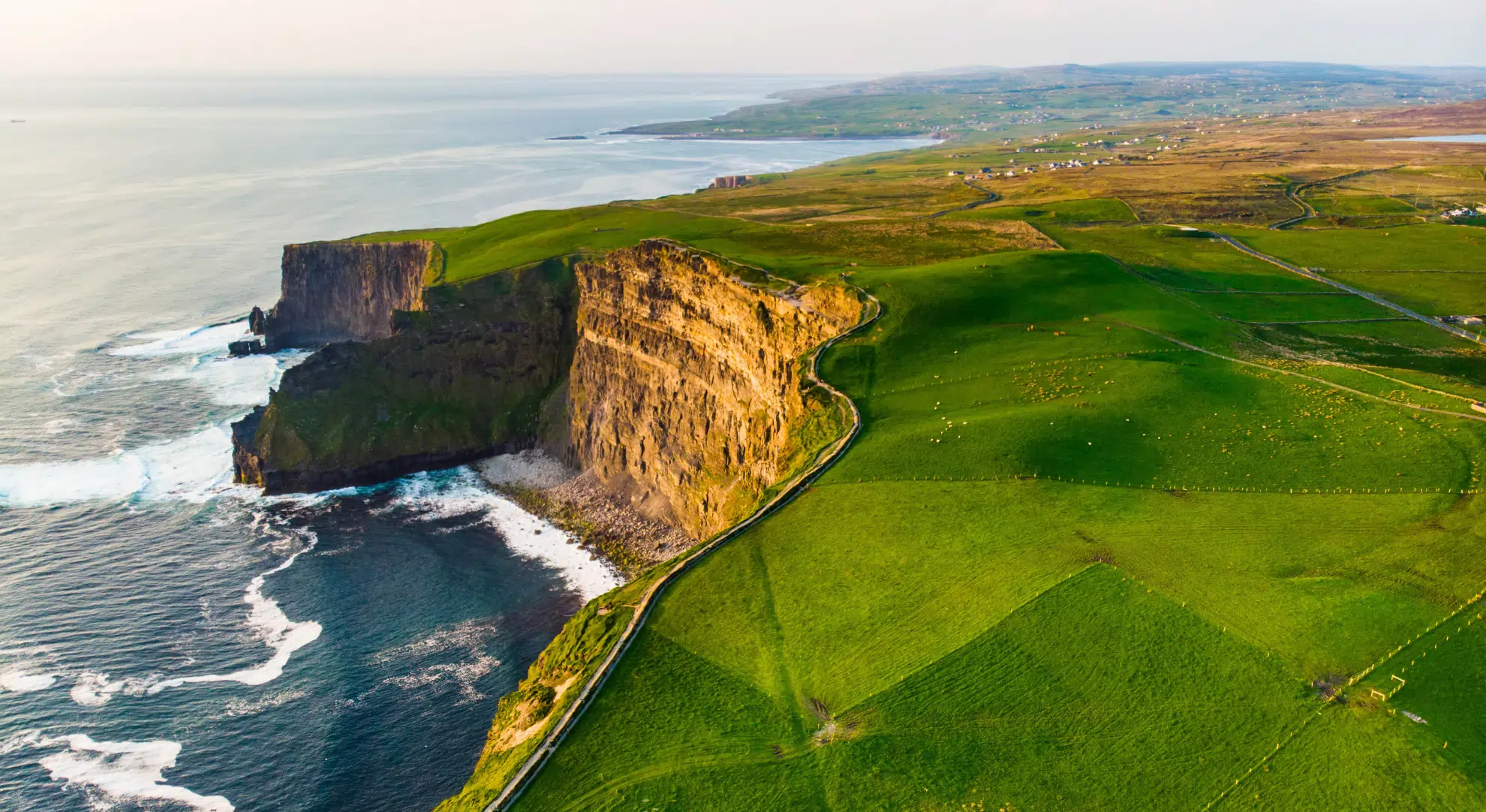
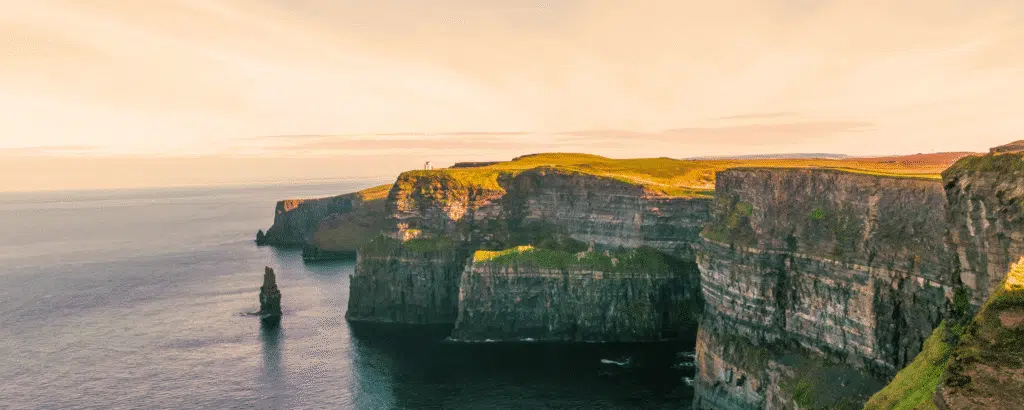
The Wild Atlantic Way runs 2,500 kilometres along Ireland’s western seaboard, from Donegal in the north to Cork in the south. As a honeymoon route, it works best when treated selectively rather than comprehensively. The most rewarding stretches — Connemara, the Dingle Peninsula, and the Cliffs of Moher corridor in County Clare — each offer distinct coastal and inland variation within a contained driving distance.
Pacing matters more than coverage. A well-structured itinerary builds in flexibility around fixed overnight stops, allowing unscheduled pauses without compressing the overall route. This balance is difficult to achieve without prior knowledge of where delays are likely and which detours justify the time.
A private chauffeur changes the dynamic considerably. Beyond navigation, an experienced driver provides access to context — local knowledge of lesser-known stopping points, road conditions on narrower routes, and the kind of routing decisions that determine whether the drive feels considered or improvised. The difference is most apparent on the smaller peninsulas, where the road choices are less obvious.
By Rail: Ireland's Most Scenic Train Journeys
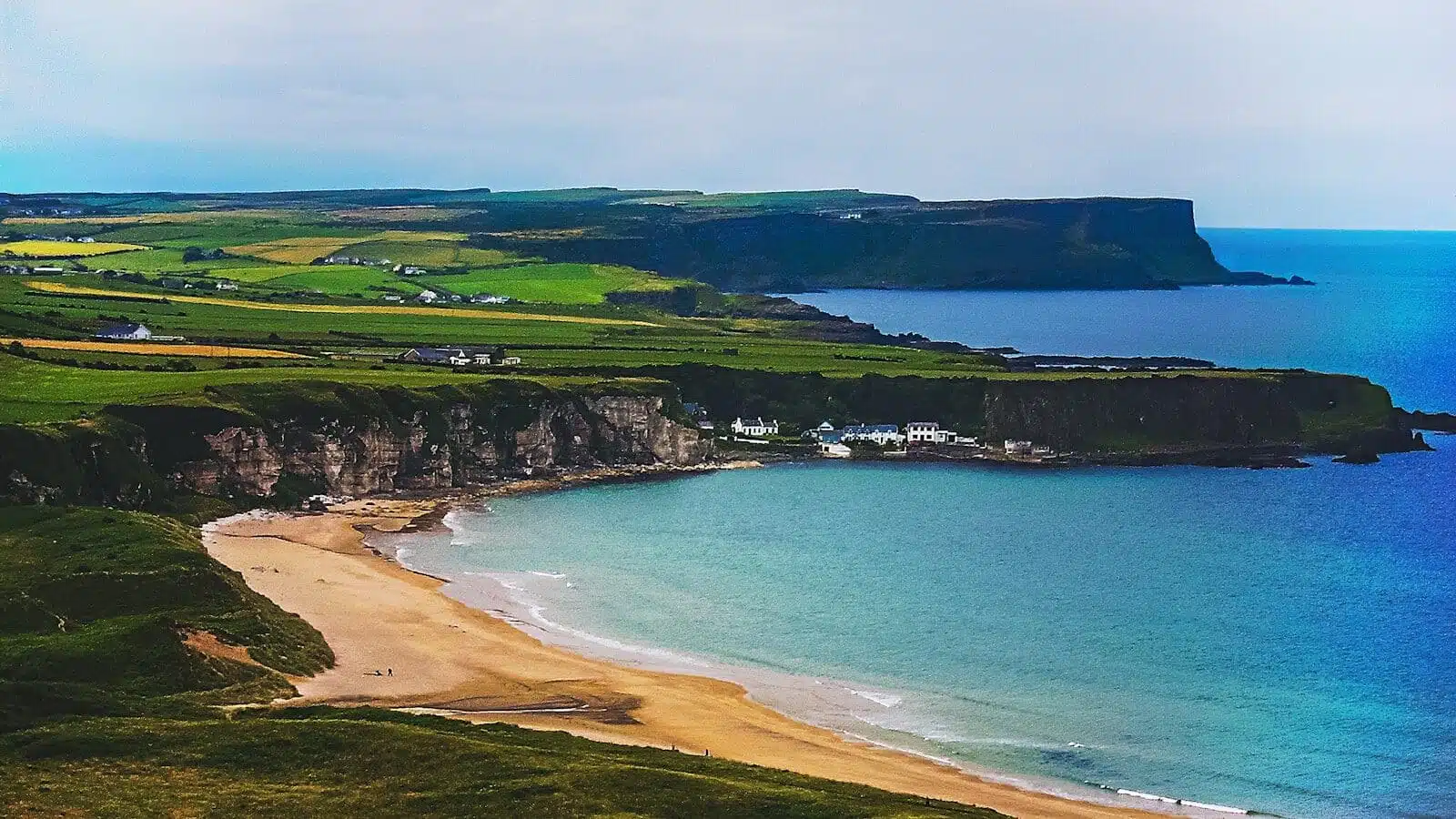
Ireland’s rail network includes several routes that justify being treated as destinations in their own right rather than simply transfers. The Dublin to Galway line crosses the Midlands before opening onto Connacht’s flatter, more austere terrain. The more compelling case for honeymooners is the coastal route between Dublin and Rosslare, which runs close to the Wicklow and Wexford shoreline for much of its length — a perspective unavailable by road.
The Limerick to Galway route, partially restored in recent years, passes through County Clare and offers access to the Burren region without requiring a car. These journeys range from 90 minutes to just over three hours, making them practical inserts within a wider itinerary rather than full-day commitments.
Rail travel in Ireland also removes the navigational demands of driving unfamiliar rural roads, which has particular relevance on routes where the scenery warrants sustained attention. The slower pace is structural, not incidental — it changes what can reasonably be observed and where attention is directed.
Tours we recommend

Stillness and Recovery: Spa Retreats in the Irish Countryside
Ireland’s leading destination spas are perfect for a honeymoon. Fota Island Resort in Cork and Monart in County Wexford both function as full retreat properties, where thermal suites, hydrotherapy pools, and treatment programmes are designed around extended stays rather than single visits. This structure makes them a functional counterpoint to the more itinerant elements of a honeymoon itinerary.
The treatments available at these properties draw on both international spa methodology and Irish-specific ingredients — seaweed therapies in particular have a long tradition along the western coast, and several retreats incorporate them into structured programmes rather than as isolated add-ons. Thermal facilities at the better properties typically include steam rooms, vitality pools, and relaxation spaces designed for half-day or full-day use.
Access to the most considered retreat experiences — particularly those within private country house hotels — depends on how the stay is structured from the outset.
At the Table: Michelin-Starred Dining and Private Dining Experiences
Ireland’s dining culture at the top level is built on proximity to source. Chefs at restaurants such as Aniar in Galway and Ox in Belfast work within defined regional larders — wild Atlantic seafood, foraged coastal plants, aged beef from small herds — and the menus reflect that constraint directly. Both hold Michelin stars and operate with tasting formats that reward a slower pace.
For a honeymoon, the chef’s table and private dining formats available at several Irish properties offer a more considered alternative to the main room. Some castle hotels and country house properties can arrange dedicated sittings with direct kitchen access, though these require coordination well in advance and are not uniformly available.
Ireland’s broader Michelin landscape has expanded in recent years, with recognised restaurants now distributed beyond Dublin across Munster and Connacht. Building an itinerary around two or three of these — rather than treating dining as secondary — reflects how seriously the country’s food culture now operates at this level.
Planning the Trip: What a Considered Ireland Honeymoon Actually Requires
Late May through September offers the most reliable conditions for travel across Ireland, with June and early September providing the best balance of daylight and availability at the country’s leading properties. The west coast in particular requires careful timing — some routes and estates operate on restricted seasonal schedules that are not widely published.
A sensible itinerary that takes in everything we’ve described — castle accommodation, the Wild Atlantic Way, the Belmond Grand Hibernian, and private coastal access — spans a minimum of six days, though often ten is better. Attempting to compress this into less time produces a journey that covers ground without engaging with it. The sequencing of regions also matters: moving from south to north along the Atlantic coast is logistically and scenically more coherent than the reverse.